
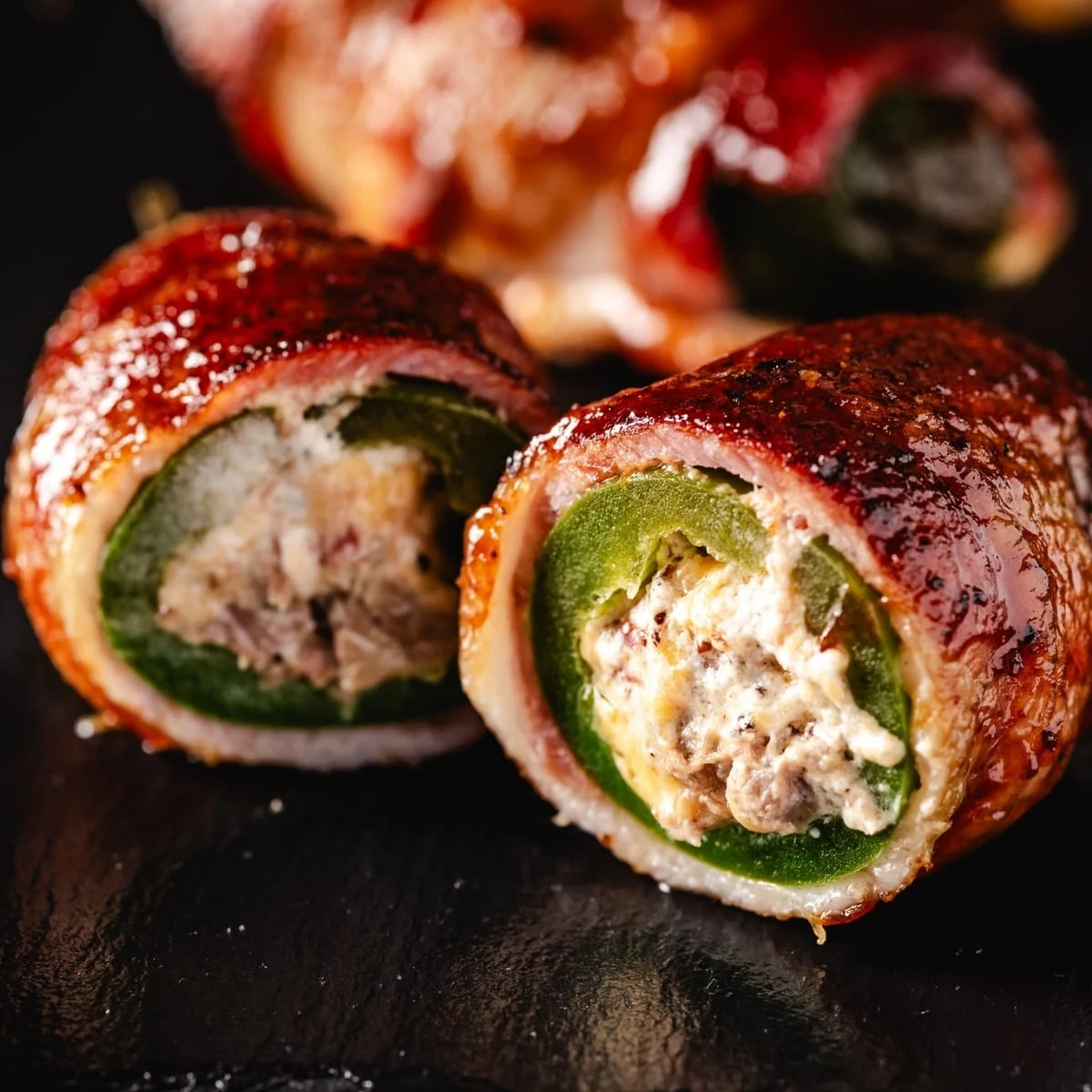
The culinary landscape of the American South has long been defined by its ability to transform humble ingredients into complex, flavor-dense masterpieces through the application of smoke and time. Among the most recent innovations to capture the attention of both professional pitmasters and backyard enthusiasts is the Smoked Texas Twinkie. This dish, a sophisticated evolution of the traditional jalapeño popper, represents a convergence of several distinct barbecue traditions: the heat of the Southwest, the richness of Texas brisket, and the universal appeal of bacon-wrapped appetizers. Originally popularized by Hutchins BBQ in McKinney, Texas, the Texas Twinkie has transitioned from a regional specialty to a viral gastronomic phenomenon, illustrating the broader trend of "premiumization" within the barbecue industry.
The Origin and Cultural Significance of the Texas Twinkie
The genealogy of the Texas Twinkie can be traced back to the mid-20th-century introduction of the jalapeño popper, which typically involved stuffing a pepper with cheese, breading it, and deep-frying it. However, the Texas variant replaces the breading with high-quality bacon and introduces a critical element of Texas barbecue culture: leftover brisket. In the competitive world of Texas smokehouses, the efficient use of "trimmings" and leftovers is both an economic necessity and a creative challenge. By incorporating finely chopped, slow-smoked brisket into a cream cheese and cheddar filling, Hutchins BBQ created a product that maximized the utility of their most expensive protein while offering customers a high-value, hand-held experience.

Since its inception, the Texas Twinkie has become a staple of the "Texas BBQ" identity. The dish’s name itself is a playful nod to the iconic snack cake, suggesting a decadent, filled treat, albeit one that leans into savory and spicy profiles rather than sugar. The success of this item has led to its inclusion in national shipping programs, allowing consumers across the United States to experience the McKinney-born delicacy without traveling to the Lone Star State.
Technical Composition and Flavor Profile Analysis
The construction of a Smoked Texas Twinkie requires a meticulous balance of four primary components: the vessel (jalapeño), the binder (cream cheese and cheddar), the protein (smoked brisket), and the exterior wrap (bacon). Each element plays a specific role in the dish’s sensory architecture.
- The Jalapeño (The Heat Vessel): Large jalapeños are selected not only for their capacity to hold stuffing but for their Scoville heat units, which typically range from 2,500 to 8,000. When smoked, the raw, vegetal heat of the pepper mellows, taking on a subtle sweetness that complements the richer fats of the filling.
- The Brisket (The Umami Core): The use of brisket is what elevates this dish above standard appetizers. The brisket used is generally seasoned with a traditional salt-and-pepper "Dalmatian rub" and smoked for 12 to 16 hours prior to being incorporated into the Twinkie. This ensures that the filling carries the deep, oak-smoked essence characteristic of Central Texas barbecue.
- The Cheese Matrix: A combination of softened cream cheese and sharp cheddar serves as a thermal buffer. The high fat content in the dairy helps to encapsulate the capsaicin from the pepper, providing a smoother transition of heat on the palate while ensuring the brisket remains moist during the secondary smoking process.
- The Bacon Wrap: Thick-cut bacon is typically utilized for its structural integrity. As the bacon renders over the smoke, it bastes the jalapeño in pork fat, while the exterior becomes crisp, providing a textural contrast to the soft interior.
Market Trends and the Economics of Barbecue Appetizers
The rise of the Texas Twinkie aligns with significant shifts in the global barbecue market. According to industry reports, the global barbecue grill market was valued at approximately USD 5.49 billion in 2023 and is projected to reach nearly USD 8 billion by 2032. This growth is driven by an increasing consumer interest in outdoor cooking and "low and slow" techniques.

Furthermore, the "appetizer-as-a-meal" trend has seen a 15% increase in menu mentions over the last three years. Consumers are increasingly seeking out small plates that offer the same complexity as main entrees. The Texas Twinkie fits this demand perfectly. From a restaurant’s perspective, the dish is a high-margin item. By utilizing brisket—which has seen wholesale price fluctuations but remains a premium commodity—in a smaller, concentrated format, operators can maintain profitability while providing a "luxury" barbecue experience.
Methodology: The Secondary Smoking Process
The preparation of Smoked Texas Twinkies involves a two-stage cooking process. The first stage is the primary smoke of the brisket, which establishes the foundational flavor. The second stage is the assembly and the final smoke of the assembled Twinkie.
Professional guidelines suggest smoking the assembled peppers at a temperature of 225°F to 250°F (107°C to 121°C). This temperature range is critical; it is high enough to render the bacon fat and soften the jalapeño, but low enough to prevent the cheese filling from oily separation. The use of fruitwoods, such as apple or cherry, is often recommended for the secondary smoke to add a layer of sweetness that interacts with the "Sweet Rub"—a mixture of brown sugar, paprika, and spices—frequently applied to the exterior of the bacon.

During the final 15 to 20 minutes of the cook, many pitmasters apply a Texas-style BBQ sauce glaze. This sauce, typically vinegar-based with a peppery kick, provides a "tackiness" to the surface, enhancing the mouthfeel and adding a final layer of acidity to cut through the richness of the bacon and brisket.
Nutritional Breakdown and Dietary Impact
From a nutritional standpoint, the Texas Twinkie is a dense source of calories and fats, reflecting its status as a celebratory or "cheat day" food. A standard serving of one to two large Twinkies can contain approximately 479 calories. The macronutrient profile is heavily weighted toward fats (34g) and proteins (24g), with a relatively low carbohydrate count (20g), depending on the sugar content of the rub and sauce used.
The dish is high in sodium (819mg), largely due to the cured bacon and the seasoned brisket. However, it also provides significant amounts of Vitamin A (1012 IU) and Vitamin C (35mg) derived from the jalapeños, as well as calcium (381mg) from the cheese blend. For those adhering to ketogenic or low-carb diets, the Texas Twinkie can be easily modified by omitting the sugar-based rub and BBQ sauce, making it a popular choice in those dietary communities.

Social Media and the Viral Lifecycle of Regional Food
The transition of the Texas Twinkie from a local secret to a national trend is a case study in the power of digital food culture. Platforms like Instagram and TikTok have played a pivotal role in the dish’s proliferation. The "cheese pull" and the visual appeal of a sliced Twinkie—revealing the layers of green pepper, white cheese, and dark, bark-covered brisket—are tailor-made for viral consumption.
Data from social media analytics suggest that "Texas BBQ" as a hashtag has garnered billions of views, with secondary appetizers like Texas Twinkies and "Shotgun Shells" (meat-stuffed manicotti shells wrapped in bacon) seeing a 40% year-over-year increase in search volume. This digital exposure has created a feedback loop where backyard cooks attempt to replicate restaurant-quality results, leading to a surge in sales for specialized rubs, sauces, and pellet smokers.
Broader Implications for the Culinary Industry
The success of the Smoked Texas Twinkie suggests a broader appetite for regional fusion and the elevation of "trash cooking" (the use of scraps) into gourmet offerings. It challenges the traditional boundaries of barbecue, which has historically focused on large primal cuts like ribs, shoulders, and briskets. By proving that the same techniques can be applied to complex, multi-ingredient appetizers, the Texas Twinkie has opened the door for a new category of "Smoked Charcuterie" and premium bar snacks.

Moreover, the dish highlights the importance of brand-name seasonings and sauces in the home cooking market. Products like Susie Bulloch’s "Sweet Rub" and "Texas Style BBQ Sauce" represent a growing sector of the industry where content creators and chefs monetize their expertise by providing the specific chemical profiles needed to replicate viral dishes at home.
Conclusion: The Future of the Texas Twinkie
As barbecue culture continues to evolve, the Smoked Texas Twinkie is likely to remain a permanent fixture in the pantheon of great American appetizers. Its ability to satisfy multiple flavor profiles—salty, sweet, spicy, and smoky—ensures its longevity. While the classic brisket-and-cream-cheese filling remains the gold standard, new variations involving pulled pork, smoked turkey, or even vegetarian "chorizo" substitutes are beginning to emerge, signaling the next phase of the dish’s evolution.
Ultimately, the Texas Twinkie is more than just a stuffed pepper; it is a testament to the ingenuity of Texas pitmasters and the enduring appeal of wood-fired cooking. It represents a perfect harmony of heat and smoke, a bite-sized encapsulation of the labor-intensive process that defines the very best of American barbecue. Whether served at a high-end smokehouse in McKinney or a backyard gathering in the Midwest, the Texas Twinkie stands as a symbol of culinary craft and the joy of shared, decadent food.
