
The Evolution of Slow Cooking and Appliance Utility
The integration of slow cookers into residential kitchens has seen a resurgence in the post-pandemic era. Data from kitchen appliance market analysis suggests that consumers are increasingly prioritizing "convenience-driven nutrition." The slow cooker, once relegated to long-stewing soups and pot roasts, has become a primary tool for vegetable preparation.
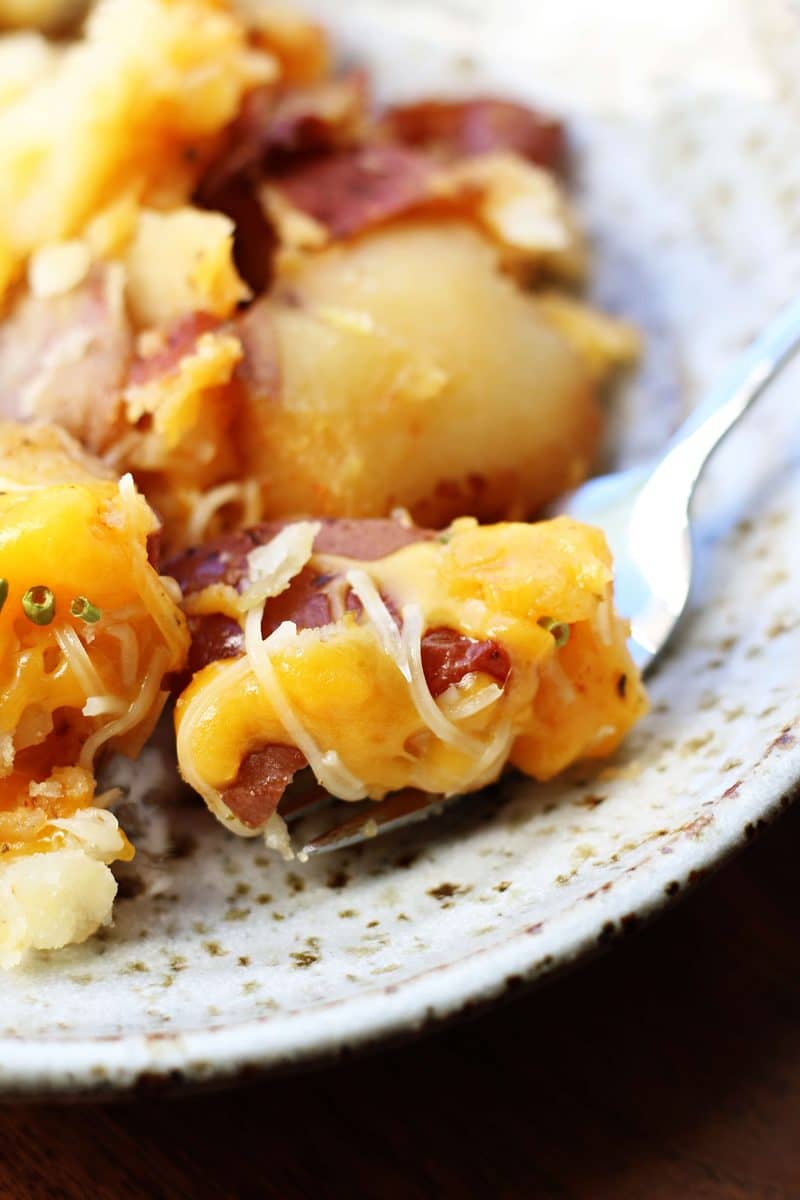
The Smashed Potato Bake is a prime example of this shift. Historically, smashed potatoes—a dish involving boiling, draining, and physically crushing potatoes before roasting—required multiple steps and constant oversight at the stove or oven. The adaptation of this process into a slow-cooker format reflects a shift in culinary ergonomics. By cooking the potatoes directly in a broth-infused environment within the crock, the potatoes achieve a level of tenderness that is difficult to replicate with dry-heat methods alone.
Chronology of Preparation and Culinary Technique
The preparation process is optimized for efficiency and minimal waste. The process follows a specific chronological sequence:
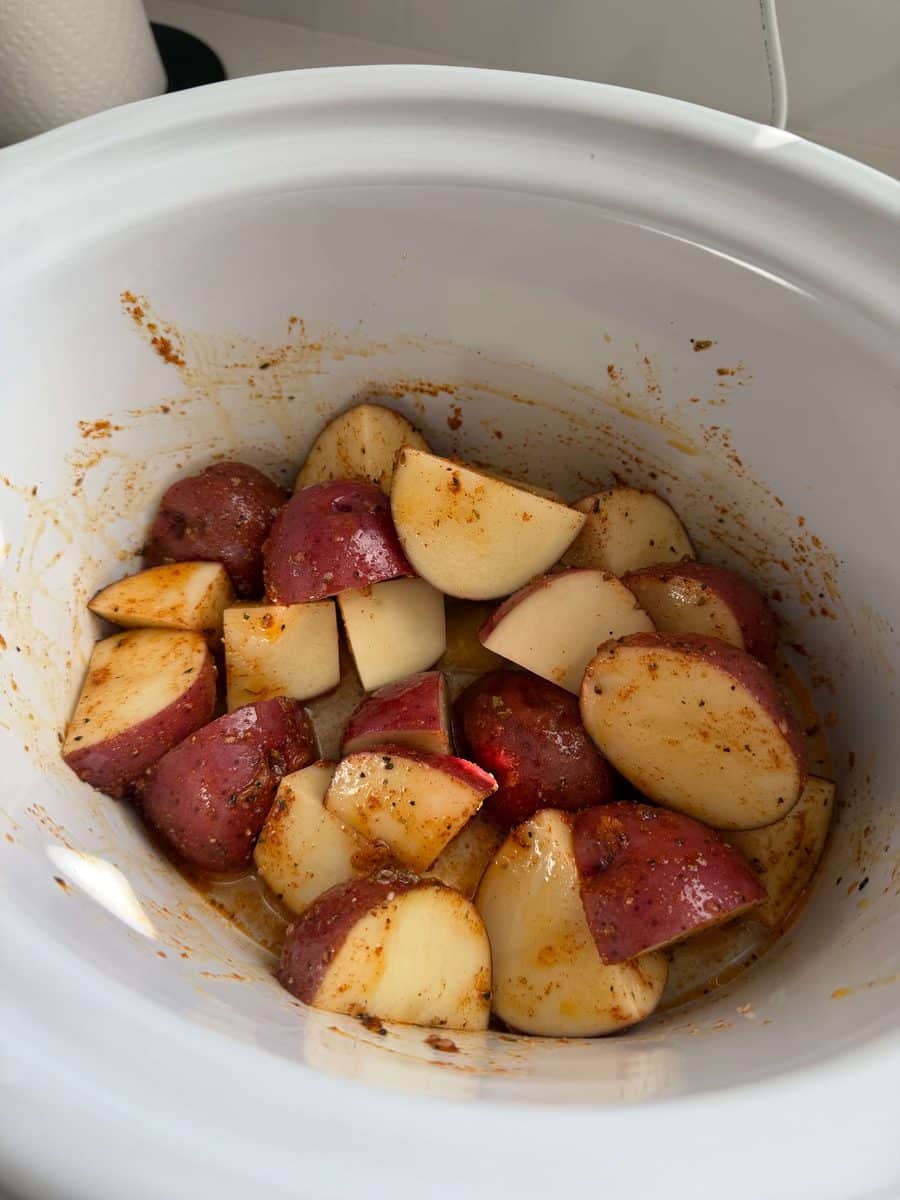
- Preparation Phase: Unlike traditional baked potato recipes that often require scrubbing and peeling, this method encourages leaving the skins intact. Red potatoes are selected specifically for their thin skin and waxy texture, which holds up well to the slow-cooking process without disintegrating.
- Infusion Phase: The potatoes are quartered and submerged in a seasoned broth. A mixture of butter, oil, and a complex dry rub—consisting of garlic, salt, pepper, paprika, garlic powder, onion powder, and Italian seasoning—is introduced at the outset. This allows the seasoning to penetrate the starch of the potato throughout the cooking cycle.
- Thermal Processing: The slow cooker is set to a "high" heat setting, typically requiring 2 to 3 hours. This duration is critical; it ensures the potatoes reach a fork-tender consistency without turning into mush.
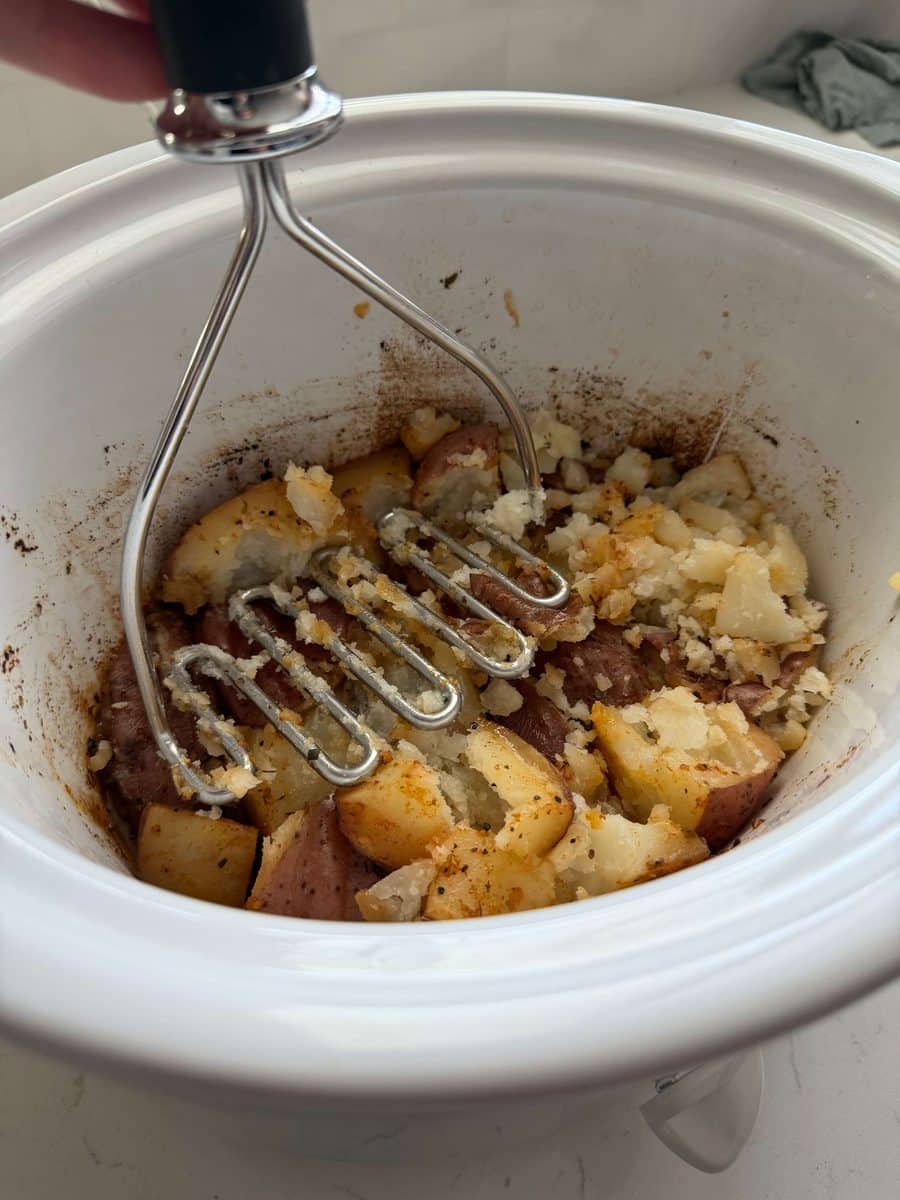
- Structural Modification: Once tender, the "smashing" occurs. A traditional potato masher is used to exert vertical pressure on each potato piece. This increases the surface area, allowing the subsequent cheese topping to permeate the crevices of the potato.
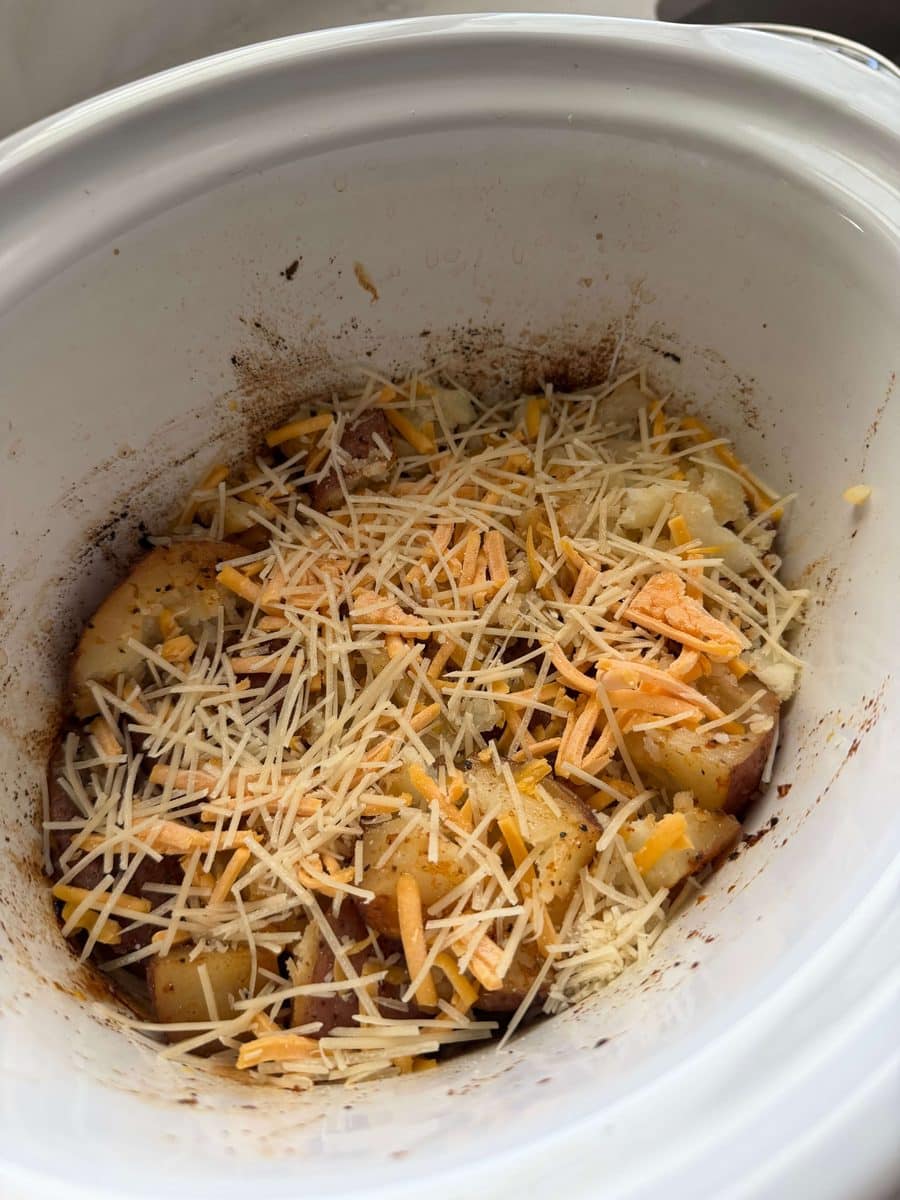
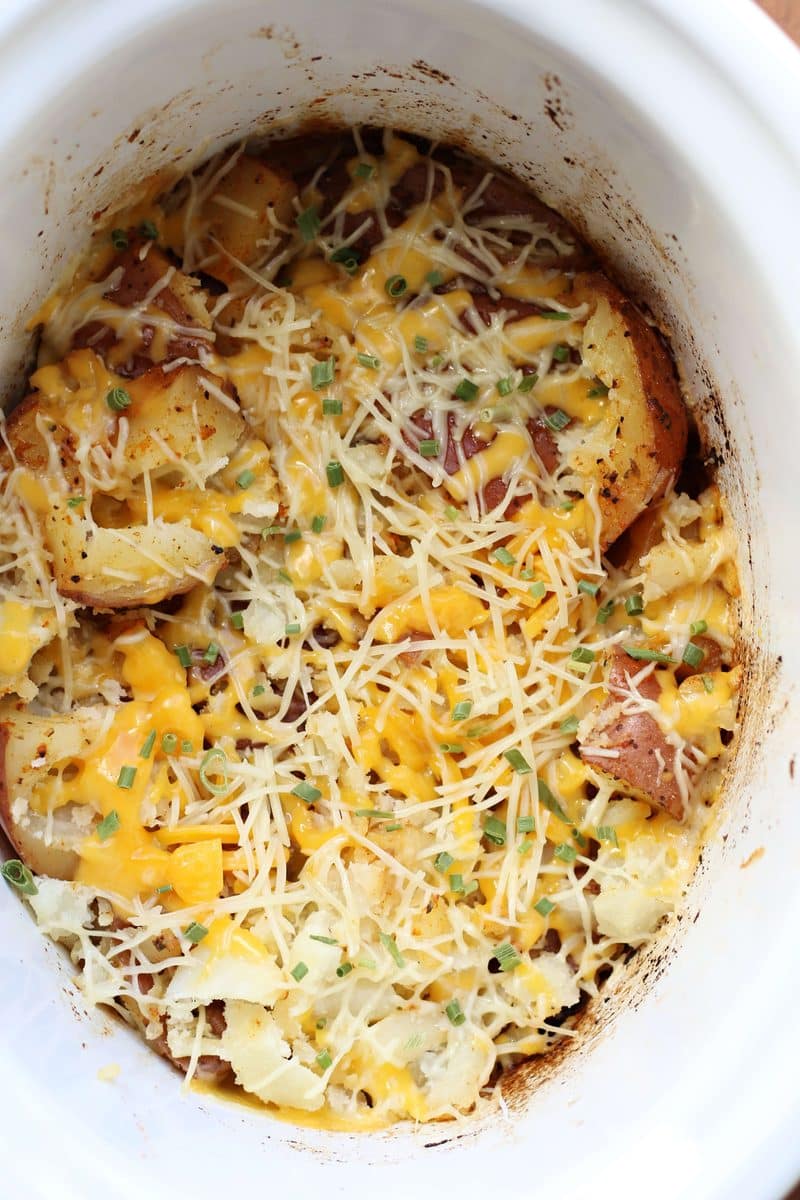
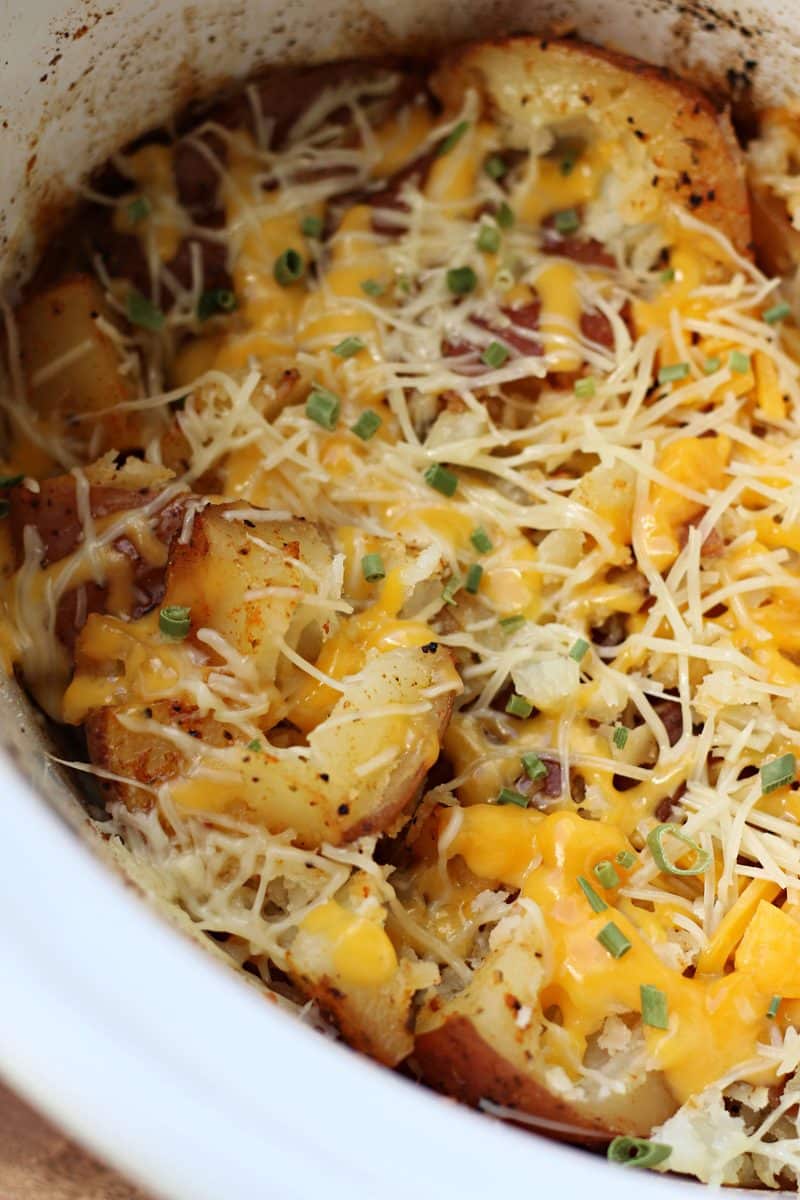
- Finishing and Emulsification: A final layer of cheddar and Parmesan is applied. The residual heat trapped within the slow cooker acts as a gentle broiler, melting the cheese into a cohesive, golden layer.
Nutritional and Dietary Considerations
From a nutritional standpoint, red potatoes are a significant source of potassium, vitamin C, and complex carbohydrates. However, the addition of butter and cheese modifies the caloric profile of the dish. Nutritionists often note that when preparing such comfort foods, the choice of cheese and the amount of butter can be adjusted to meet specific dietary requirements, such as reducing sodium or saturated fat intake.
The inclusion of Italian seasoning and garlic provides flavor depth without the need for excessive salt, which is a common strategy in modern "health-conscious" comfort cooking. Furthermore, because the skins are left on, the dish retains a higher fiber content compared to recipes utilizing peeled russet potatoes, which are typically starchier and lower in skin-bound nutrients.
Culinary Implications and Market Versatility
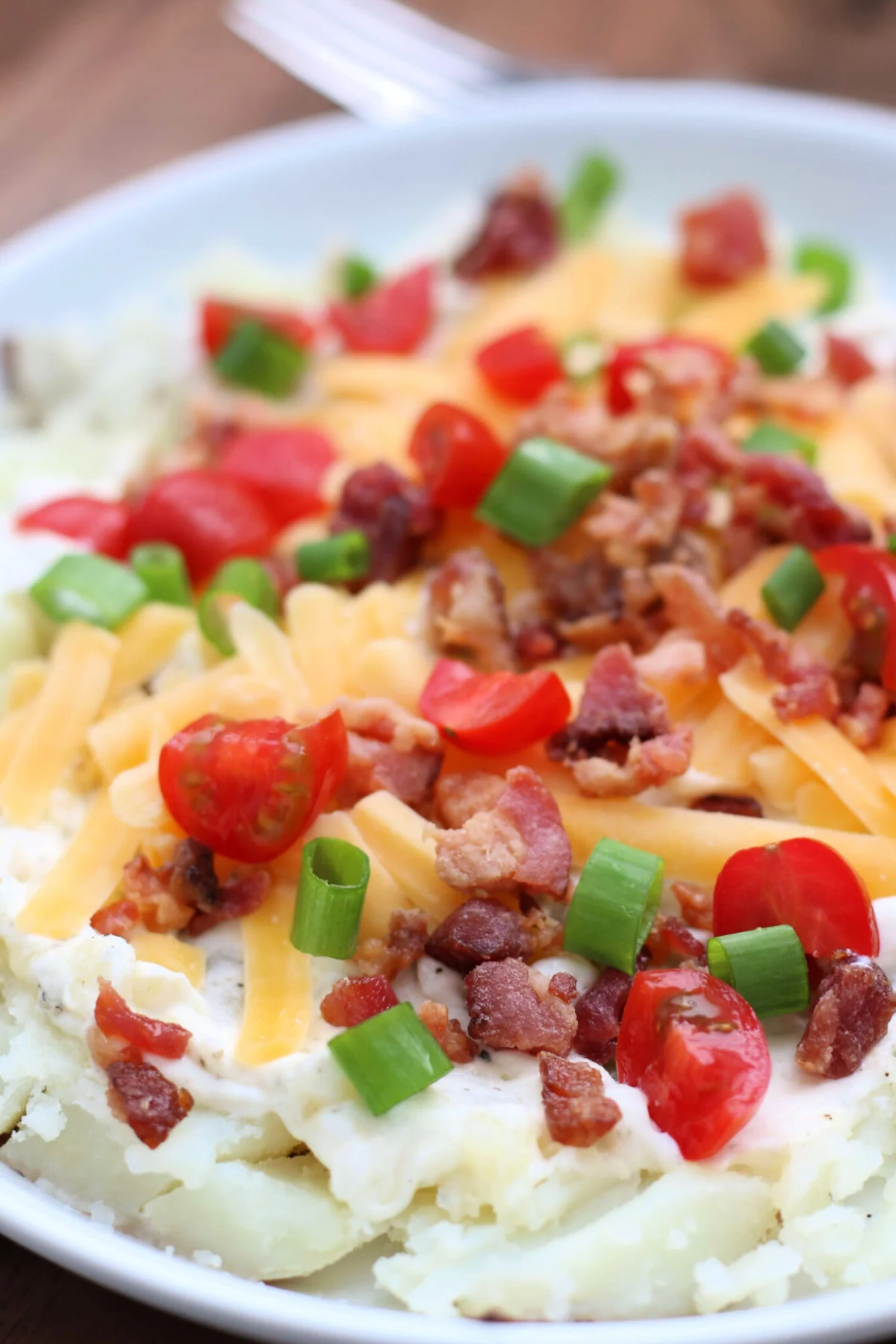
The popularity of this specific recipe format—the "bake" or "casserole" style dish—speaks to a broader change in how households consume side dishes. The versatility of the Slow Cooker Smashed Potato Bake is significant; it serves as a neutral base that complements various proteins, including poultry, beef, pork, and cured meats.
Industry analysts observe that this recipe’s success is tied to its "low-barrier-to-entry" nature. For busy professionals or families, the ability to utilize a recipe that requires no peeling and minimal active cooking time is a major selling point. The secondary utility of the dish—as evidenced by users repurposing leftovers into breakfast or lunch bowls with salsa or cottage cheese—highlights a shift toward "zero-waste" cooking habits.
Comparative Analysis: Slow Cooker vs. Oven Methods
While the slow cooker method is favored for its convenience, it is important to distinguish the textural differences between this and traditional oven-roasting.

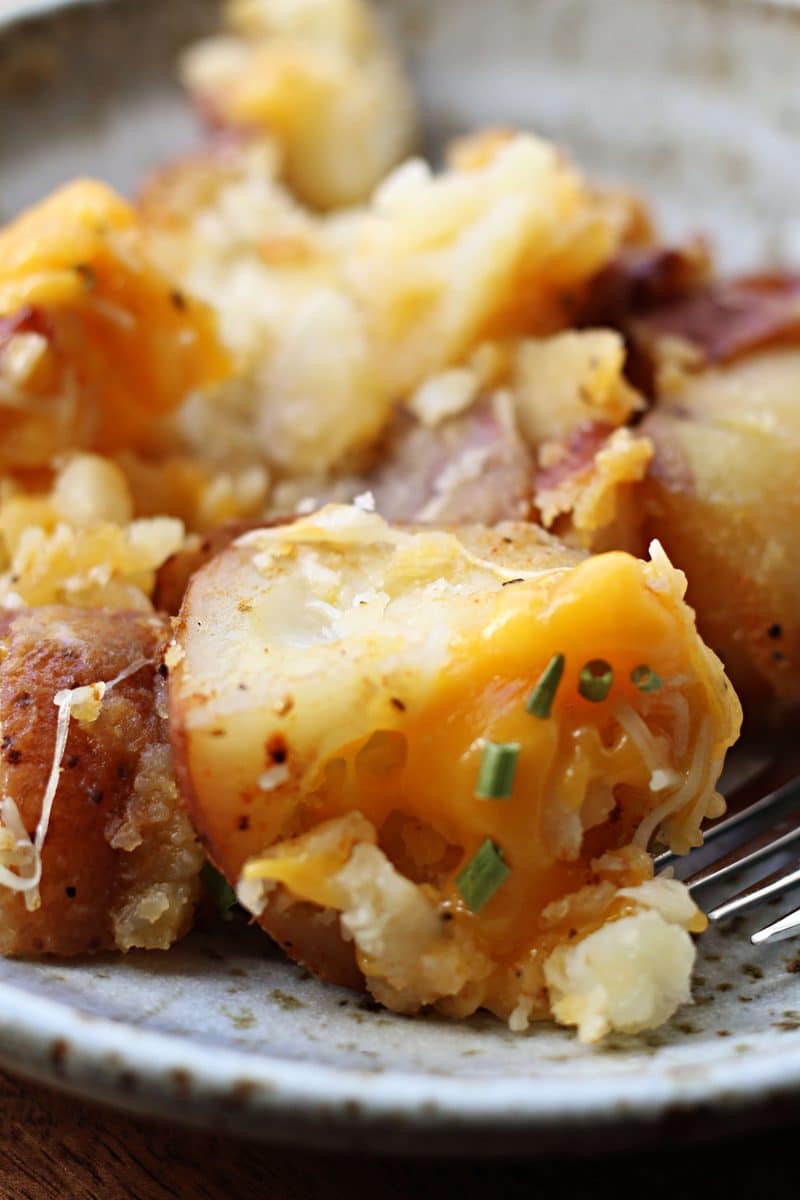
- Texture: Slow-cooked potatoes retain more internal moisture, resulting in a creamier interior. Oven-roasted potatoes tend to develop a dehydrated, crispy exterior, often referred to as the "Maillard reaction."
- Efficiency: The primary advantage of the slow cooker is the liberation of the oven. During holiday periods or large-scale meal preparation, the oven is often the most contested appliance. Moving a starch-heavy side dish to the slow cooker allows for simultaneous baking of meats or desserts, effectively doubling the kitchen’s output capacity.
- Consistency: The slow cooker provides a controlled thermal environment that is less prone to burning. Unlike an oven, where hot spots can lead to uneven cooking, the slow cooker’s consistent, low-temperature moist heat ensures that every potato segment is cooked uniformly.
Future Trends in Home-Style Cooking
The rise of digital recipe archives and social media platforms has accelerated the adoption of recipes like the Smashed Potato Bake. The accessibility of these techniques allows amateur cooks to achieve professional-level results with standardized equipment. Experts in culinary trends predict that as appliance technology continues to integrate smart features—such as app-controlled temperature settings and automated notification systems—recipes like this will become even more streamlined.

Furthermore, the emphasis on "filtered" searching—allowing users to categorize recipes by dietary restriction, such as gluten-free or low-carb—reflects a consumer base that is increasingly informed and proactive about their dietary health. The ability to customize a base recipe, such as swapping standard cheddar for a lower-fat variety or incorporating fresh herbs instead of dried, demonstrates the flexibility of this cooking style.

Conclusion: A Staple for the Modern Kitchen
The Slow Cooker Smashed Potato Bake is more than just a simple recipe; it is a symptom of the modern desire for efficiency without sacrificing quality. By leveraging simple ingredients and a reliable, low-intensity cooking method, it provides a consistent, scalable, and highly adaptable solution for everyday meal planning. As households continue to navigate the demands of modern life, the reliance on such time-efficient, high-comfort dishes is expected to remain a permanent fixture in the domestic culinary landscape. Whether served as a side to a formal dinner or transformed into a workday lunch, the smashed potato bake exemplifies the intersection of tradition and technological convenience in the 21st-century kitchen.
