
The Evolution of Rapid Culinary Preparation
The push toward sub-30-minute meal preparation is supported by industry data suggesting that the average American household spends significantly less time in the kitchen than in previous decades. Recent surveys from food industry analysts indicate that "time poverty" is the leading barrier to home cooking. Consequently, the stir-fry technique—a traditional Asian cooking method that utilizes high-heat, rapid movement to sear ingredients—has been adopted by Western home cooks as a critical time-saving strategy.
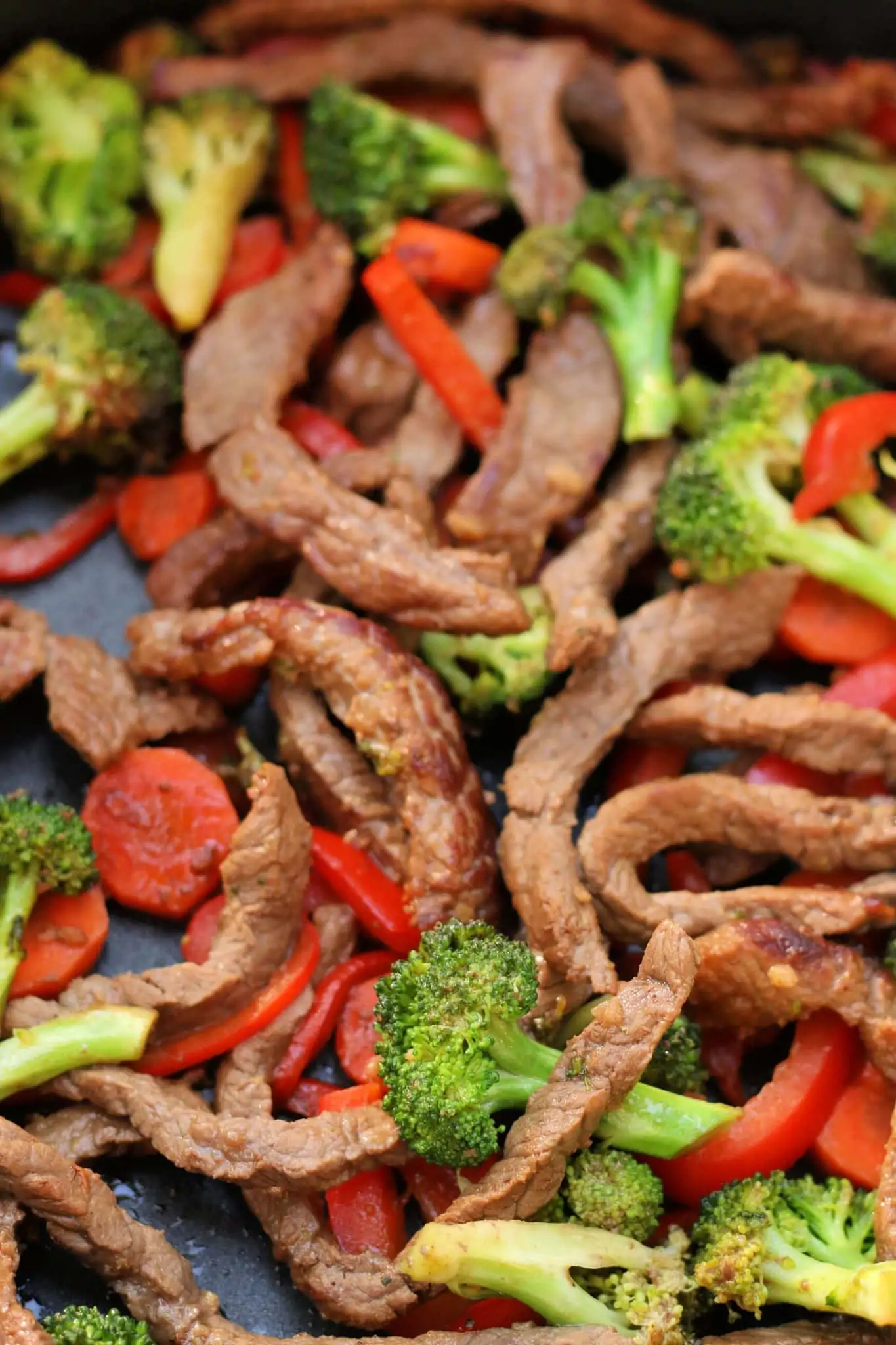
The shift toward dishes like the beef and vegetable stir-fry is not merely a matter of convenience; it represents a broader trend in dietary management. Nutritionists frequently cite the combination of lean beef—which provides essential B12, zinc, and iron—with cruciferous vegetables like broccoli as an ideal balance of macronutrients. When prepared in under 20 minutes, these ingredients retain a higher concentration of heat-sensitive vitamins compared to long-boil or high-heat roasting methods.
Technical Breakdown: The 20-Minute Workflow
The efficiency of a 20-minute stir-fry relies on the thermal management of the cooking vessel and the sequence of ingredient introduction. In a professional kitchen, this process is known as mise en place. For the home cook, the procedure is optimized through the following chronological framework:
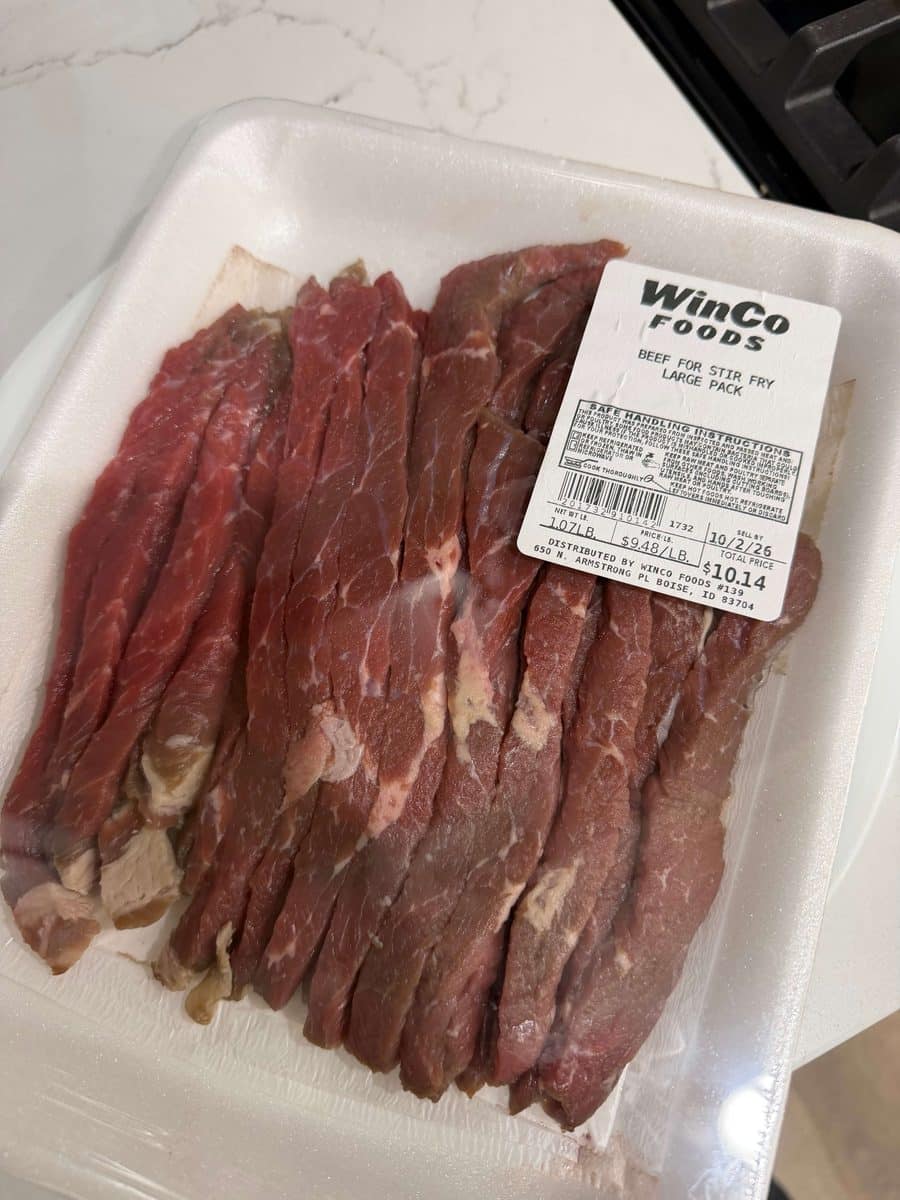
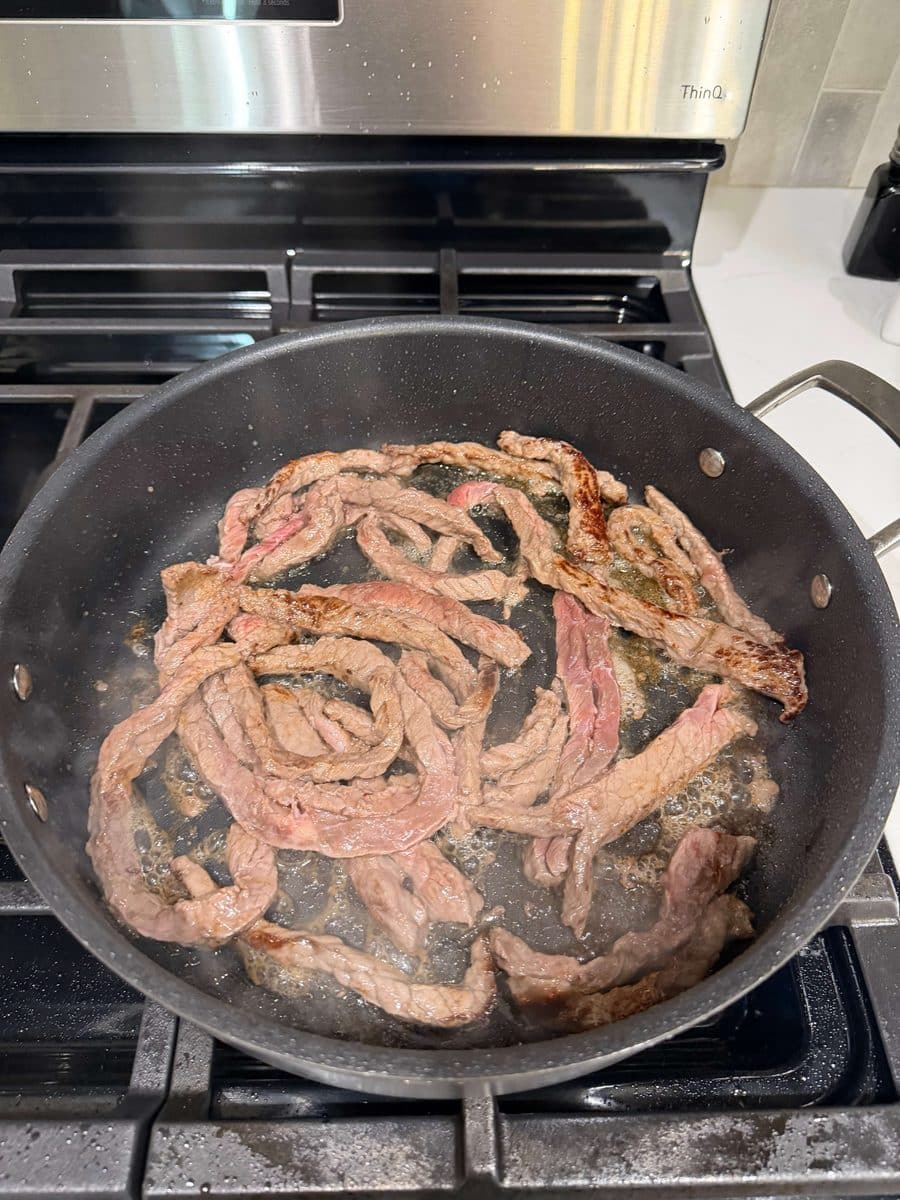
- Protein Preparation (0–5 minutes): The selection of sirloin is critical due to its balance of tenderness and low fat content. Slicing the beef against the grain into thin strips ensures rapid heat penetration and minimizes cooking time.
- Thermal Initialization (5–8 minutes): Utilizing a wok or a high-gauge skillet allows for the Maillard reaction—the chemical reaction between amino acids and reducing sugars that gives browned food its distinctive flavor—to occur rapidly without overcooking the meat.
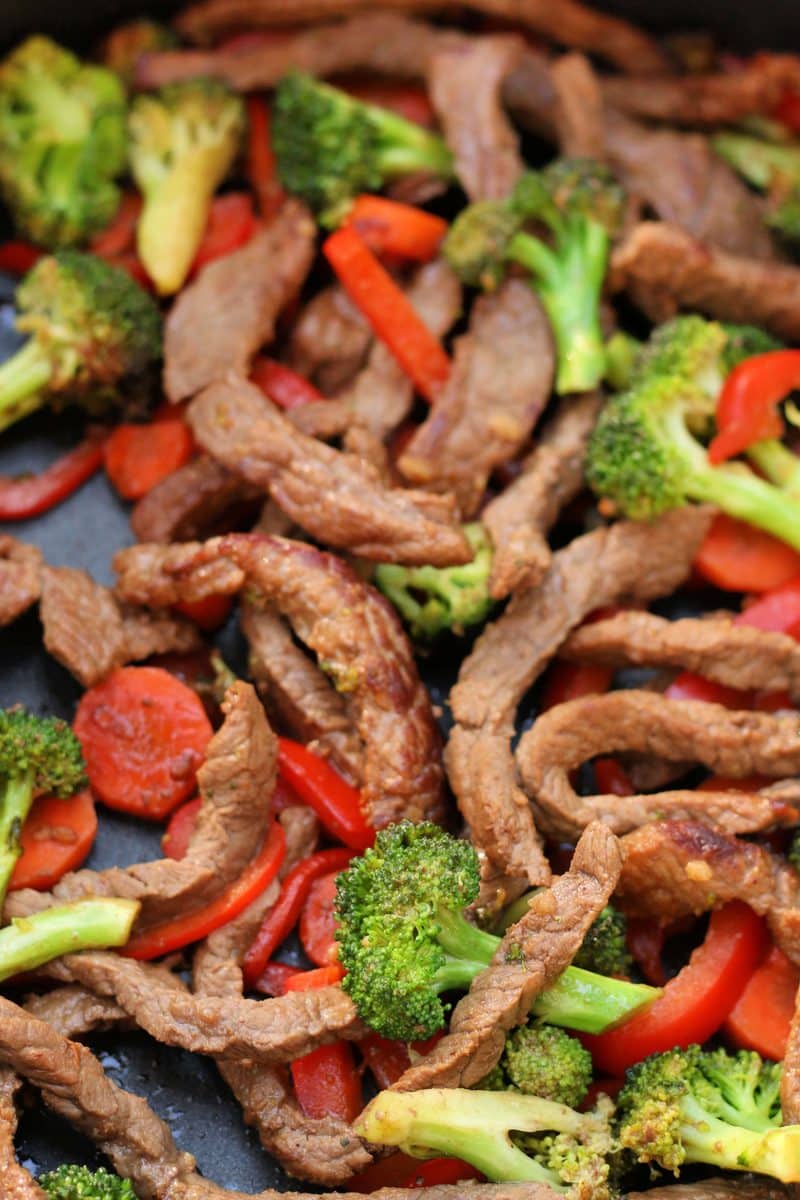
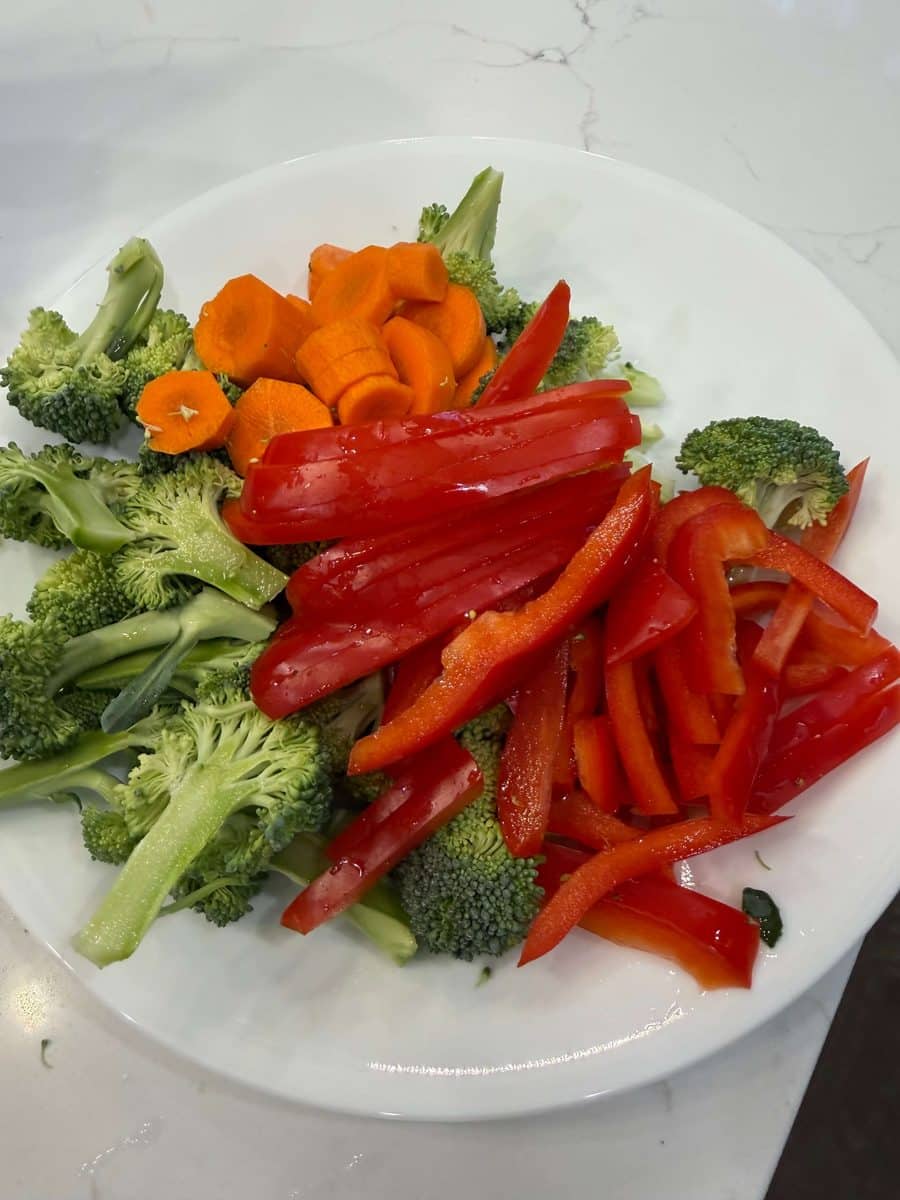
- Vegetable Integration (8–14 minutes): By introducing broccoli, bell peppers, and carrots in a staged manner, the cook ensures that the vegetables maintain a "crisp-tender" texture. This stage is vital for maximizing the aesthetic and nutritional profile of the dish.
- Emulsification and Finishing (14–20 minutes): The final stage involves the introduction of garlic, green onions, and a soy-based savory sauce. The addition of sesame seeds at this juncture adds not only texture but also a source of healthy fats and minerals.
Nutritional Context and Ingredient Selection
The versatility of the stir-fry format allows for significant substitution, which analysts note is a key factor in the dish’s sustained popularity. The substitution of beef for poultry or the inclusion of mushrooms allows consumers to tailor the caloric density and flavor profile to their specific dietary requirements.
From a public health perspective, the movement toward customizable home-cooked meals is encouraged by organizations monitoring the consumption of sodium and refined sugars in the average diet. By controlling the ingredients in the stir-fry sauce, home cooks can reduce the sodium levels often found in commercial restaurant versions of this dish by up to 60%. Furthermore, the incorporation of varied vegetables addresses the persistent deficit in dietary fiber consumption in the general population.
The Role of Domestic Technology in Food Preparation
The resurgence of interest in rapid, one-pan meals has coincided with advancements in kitchen technology. While the stir-fry is traditionally prepared on a stovetop, there is a growing trend toward using multi-functional cooking appliances. The availability of high-performance pressure cookers and specialized pans has allowed for a broader demographic to replicate these results with minimal effort.
Retail data suggests that there has been a steady increase in the purchase of kitchen tools designed for rapid assembly. This correlates with the rise of "meal kits" and the increased availability of pre-cut, high-quality produce, which further lowers the barrier to entry for novice cooks.
Economic and Lifestyle Implications
The economic implications of transitioning to a home-based, 20-minute dinner routine are substantial. According to recent consumer expenditure reports, the average cost per serving of a home-prepared beef and vegetable stir-fry is roughly 40% lower than a comparable meal ordered from a fast-casual or takeout establishment. This cost efficiency, combined with the ability to source locally grown vegetables, positions the stir-fry as an economically sustainable practice for middle-income households.
Beyond the financial benefits, the psychological impact of the 20-minute meal cannot be overstated. The ability to complete a complex-tasting, nutritious meal in a short timeframe provides a sense of autonomy and accomplishment, which is frequently cited in behavioral studies as a factor in long-term health adherence.
Expert Analysis: Sustainability and Future Trends
Culinary historians suggest that the stir-fry is one of the most resilient formats in the global food canon. As we move toward 2026 and beyond, the trend toward "fast-casual" home cooking is expected to grow. Experts predict that the future of this dish will lie in the use of regenerative agricultural products and plant-based protein alternatives, further reducing the environmental footprint of the meal.
While the current recipe emphasizes the use of sirloin, the underlying logic of the stir-fry remains universal. It is a system of preparation that respects the integrity of the ingredients while acknowledging the constraints of modern life. As households continue to navigate the demands of work-life balance, the reliance on high-efficiency, nutrient-dense meals will likely become the standard rather than the exception.
Conclusion: A Staple for the Modern Kitchen
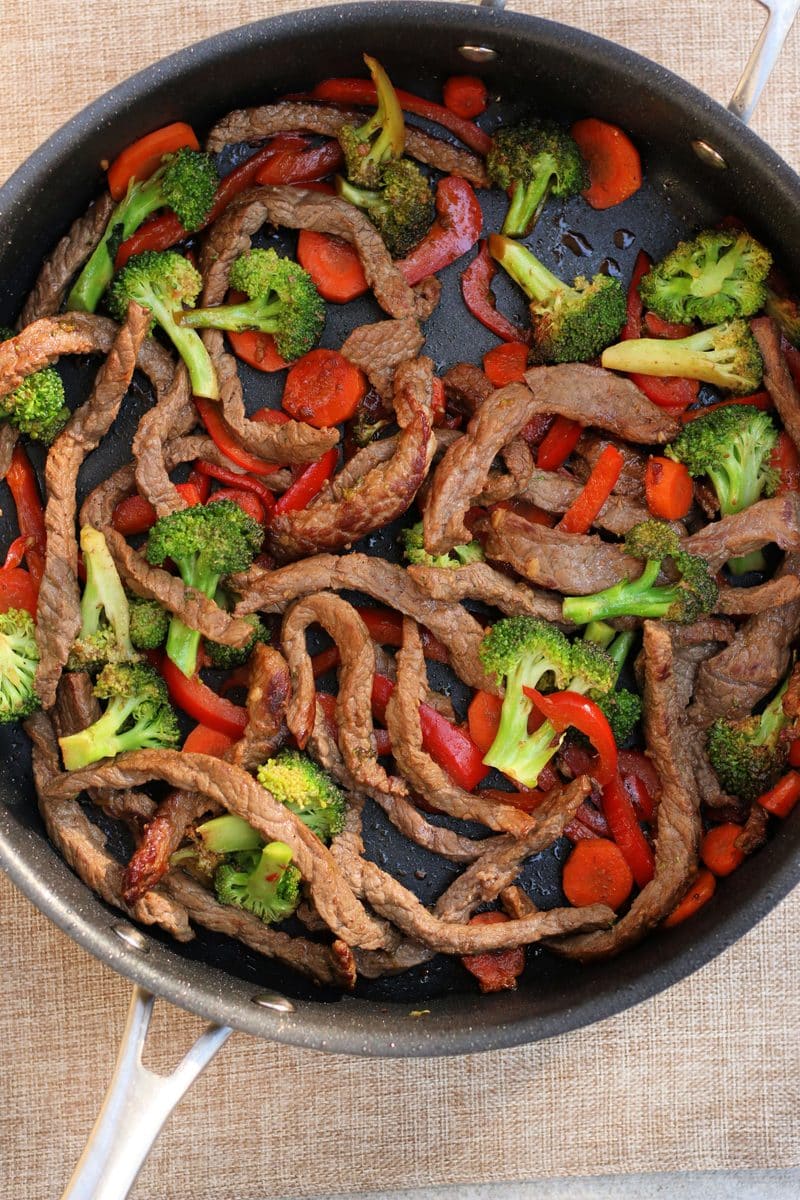
The beef and broccoli stir-fry, in its most effective 20-minute iteration, serves as a blueprint for efficient culinary management. By adhering to the principles of rapid searing, ingredient staging, and flavor balancing, individuals can transform basic pantry staples into a satisfying, balanced dinner. Whether utilizing traditional stovetop methods or modern culinary appliances, the focus remains on the synthesis of fresh, whole-food ingredients in a timeframe that supports a busy lifestyle. As the landscape of home cooking continues to evolve, this combination of protein and vegetables stands as a robust, scalable, and nutritionally sound solution for the challenges of daily meal preparation.
