
Nutritional Composition and Culinary Context
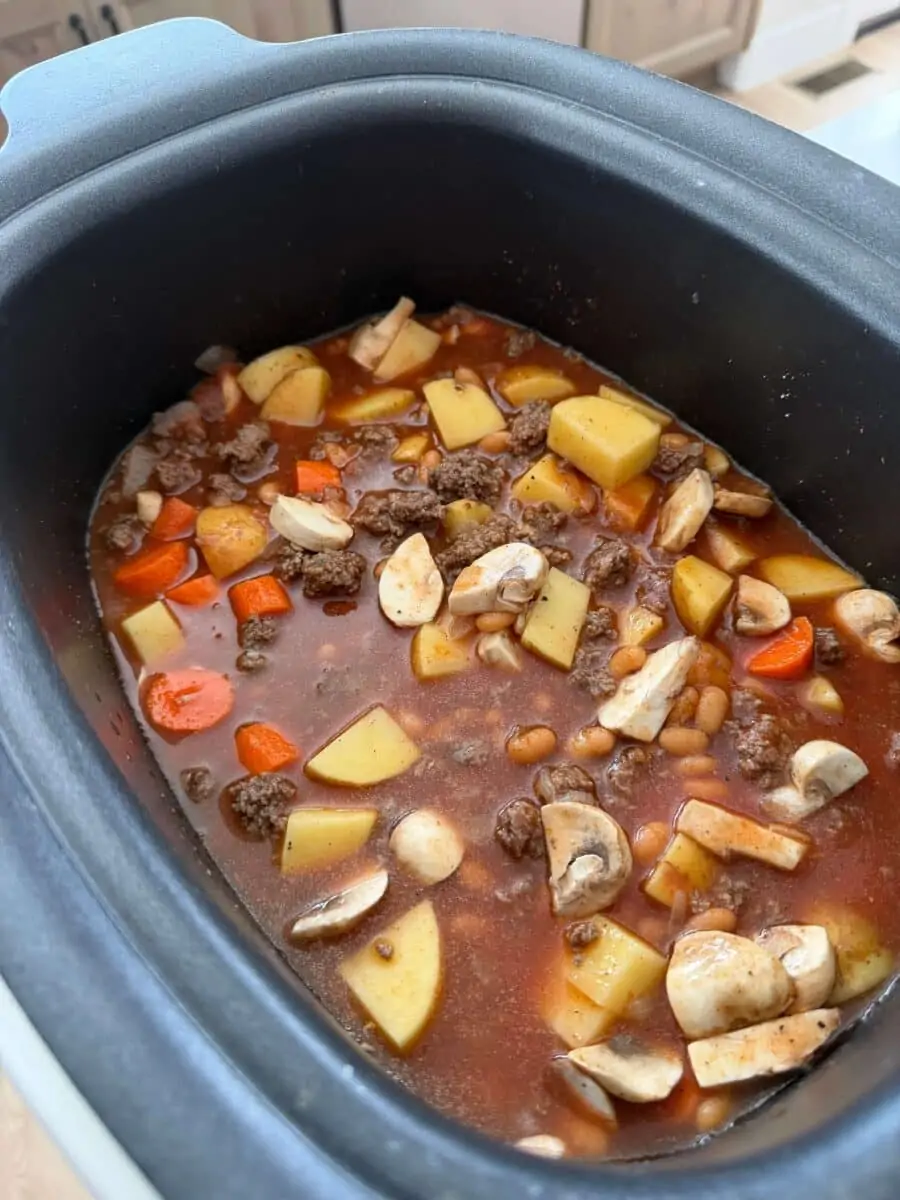
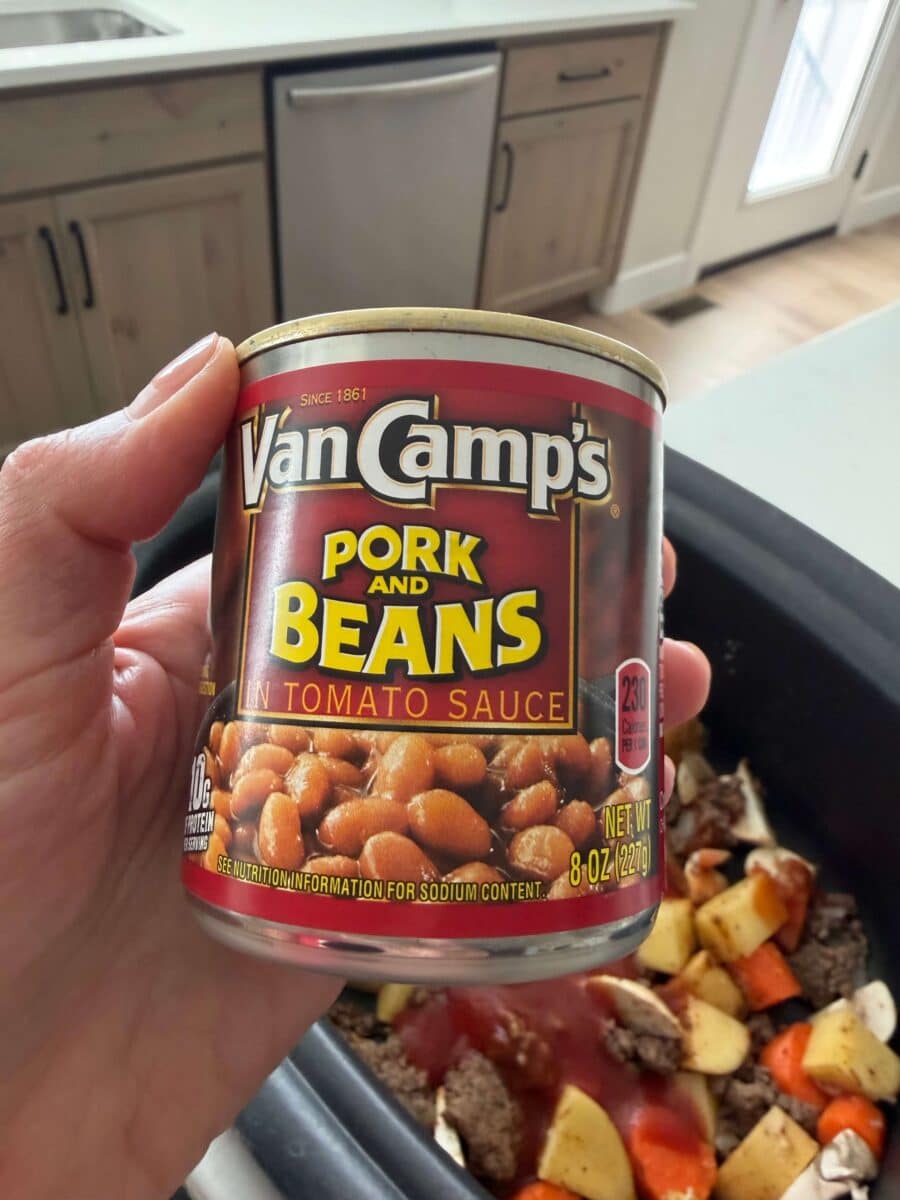
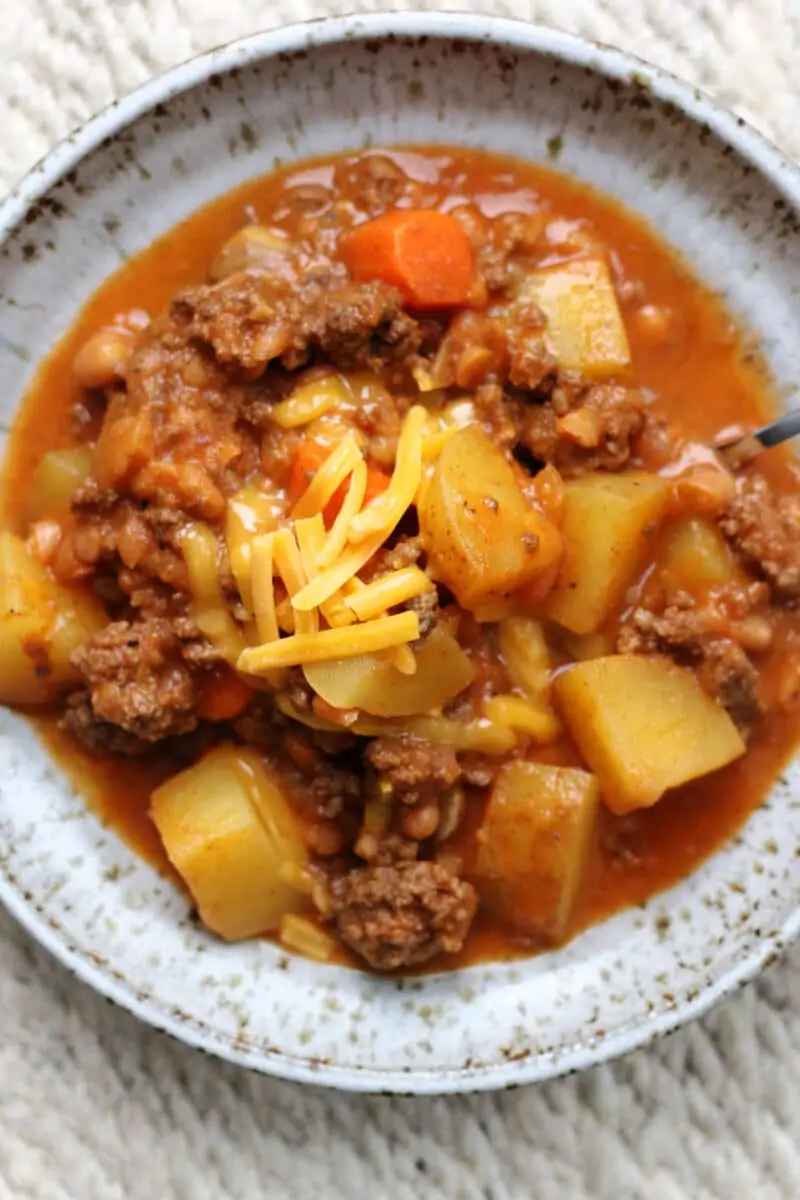
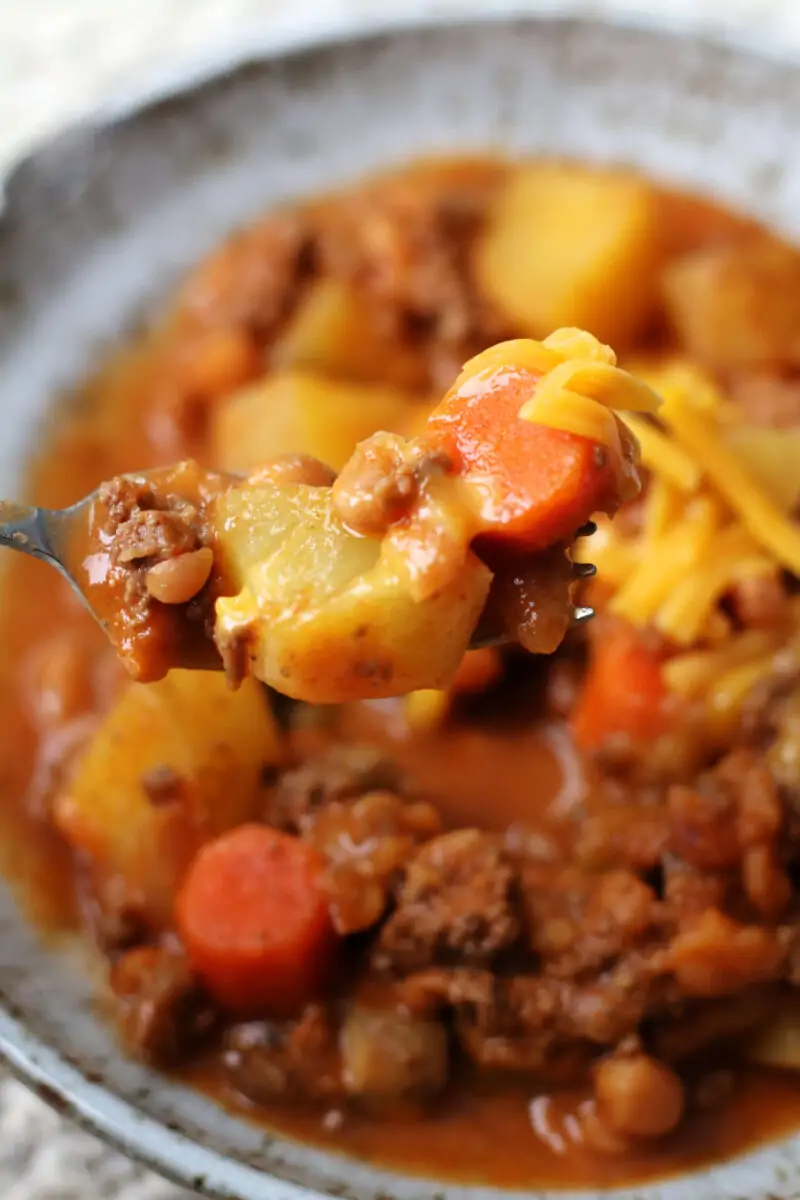
The rise of slow-cooker gastronomy is largely attributed to the modern consumer’s desire for balanced meals that require minimal oversight. The Lumberjack Casserole is characterized by its high protein-to-carbohydrate ratio, providing sustained energy. Ground beef provides the primary protein source, while Yukon gold potatoes offer a starchy base that maintains structural integrity during the long cooking process. The inclusion of carrots adds dietary fiber and beta-carotene, and the addition of pork and beans—a staple in classic American pioneer cuisine—introduces a savory, slightly sweet depth that balances the umami profile of the beef and mushrooms.
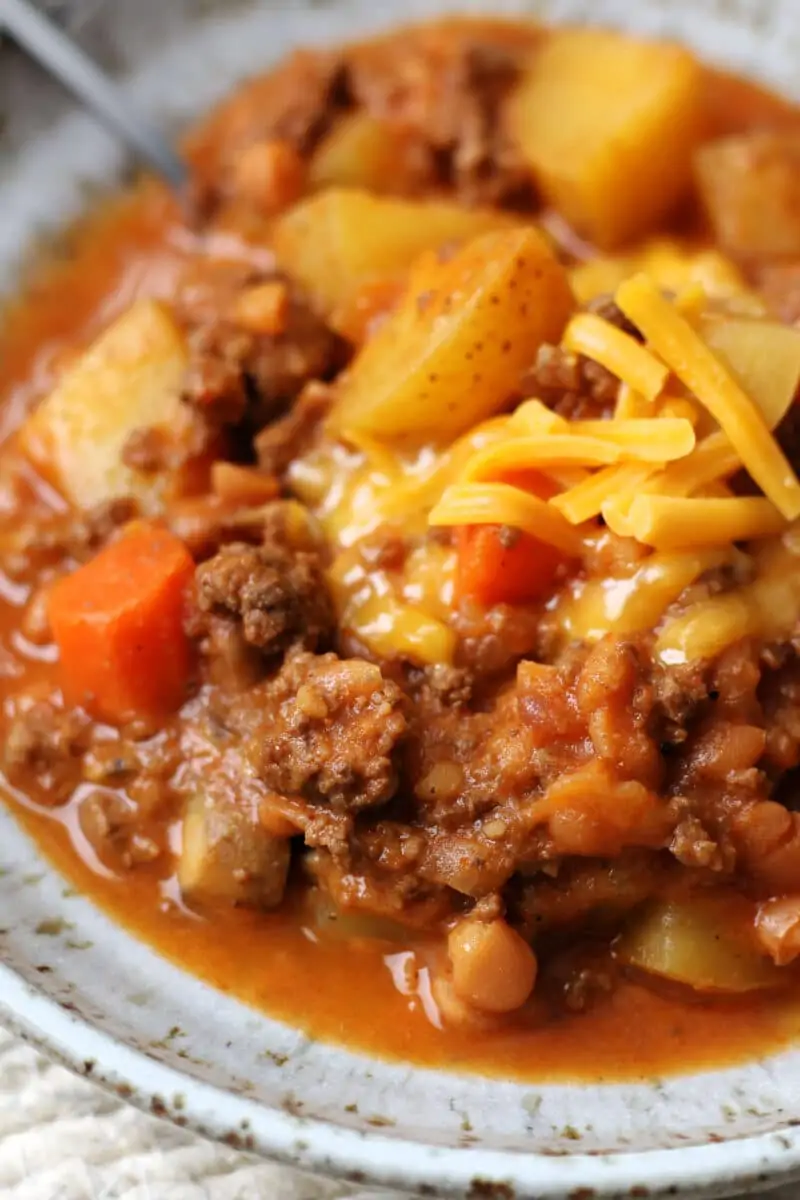
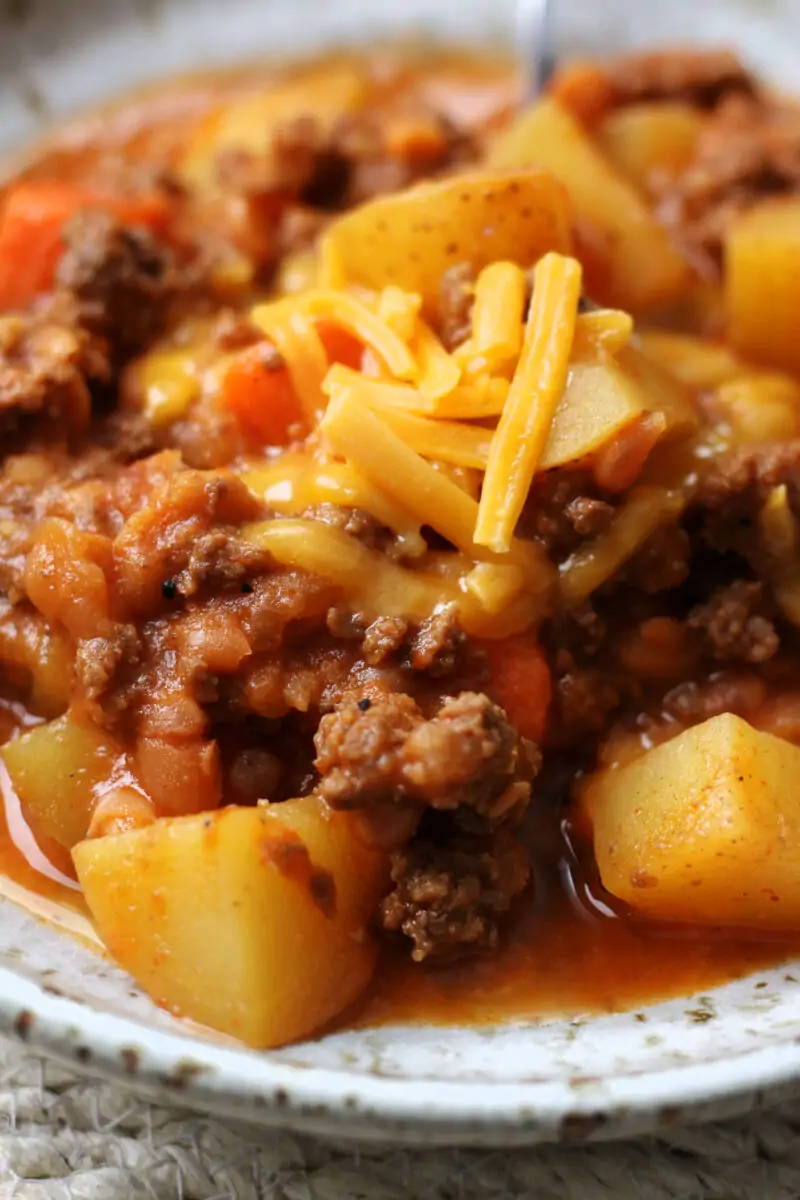
From a nutritional standpoint, this casserole serves as a complete meal. By integrating legumes (beans), vegetables, and lean protein, it addresses the fundamental requirements of a balanced diet in a single service. The addition of cheddar cheese at the final stage of cooking provides a necessary fat content that acts as an emulsifier, binding the starch and liquid components into a cohesive, thick stew-like consistency.
Historical Evolution of Slow Cooking
The concept of the "Lumberjack" meal finds its roots in the logging camps of the 19th and early 20th centuries. Laborers required high-calorie, dense, and warming meals to sustain them through physically demanding shifts in cold climates. Historically, these meals were prepared in cast-iron Dutch ovens over open fires or wood stoves, allowing ingredients to simmer for hours.
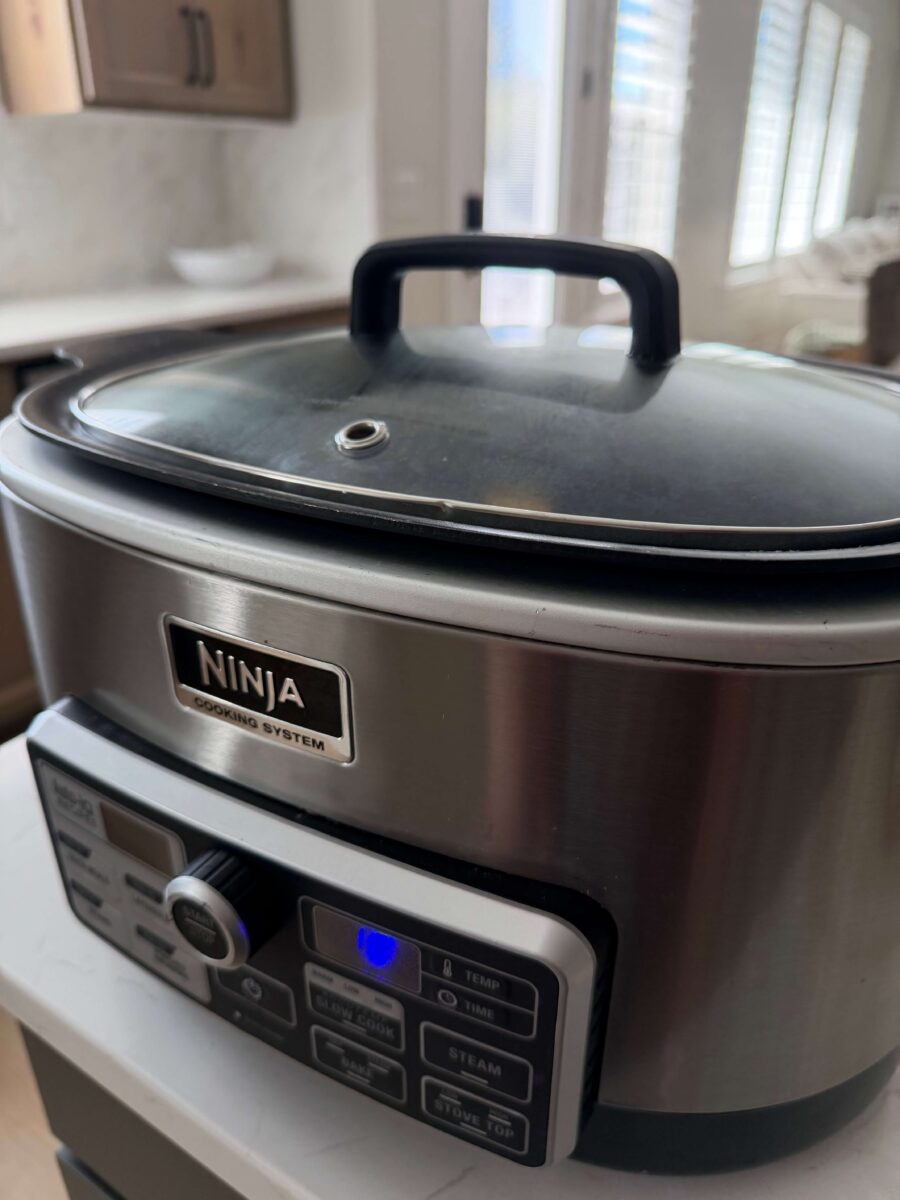
Modern technology has replaced the wood fire with the electric slow cooker, yet the culinary principles remain identical. By maintaining a constant temperature between 170°F and 200°F, the slow cooker facilitates the breakdown of collagen in beef, ensuring a tender texture that mimics the results of a traditional slow-braise. This transition from labor-intensive outdoor cooking to "set-and-forget" kitchen appliances has significantly lowered the barrier to entry for preparing these time-honored recipes, making them accessible to contemporary households.
Technical Preparation and Chronology
The preparation of this casserole follows a distinct, two-stage process designed to ensure food safety and optimal texture:
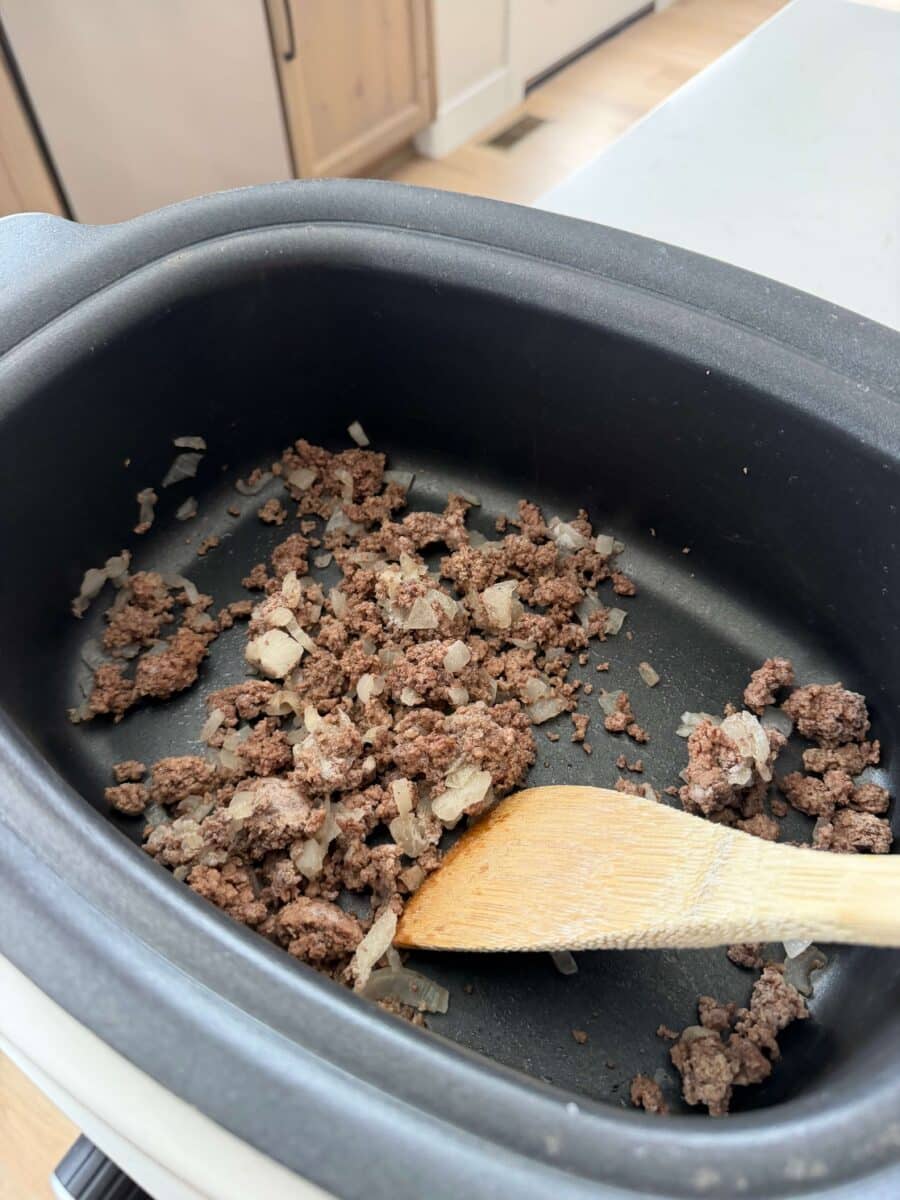
- Searing and Flavor Base: The process begins with the browning of 16 ounces of lean ground beef in a skillet over medium-high heat, accompanied by diced onions. This step is critical; it initiates the Maillard reaction, a chemical process that creates complex flavor compounds, and allows for the removal of excess saturated fats.
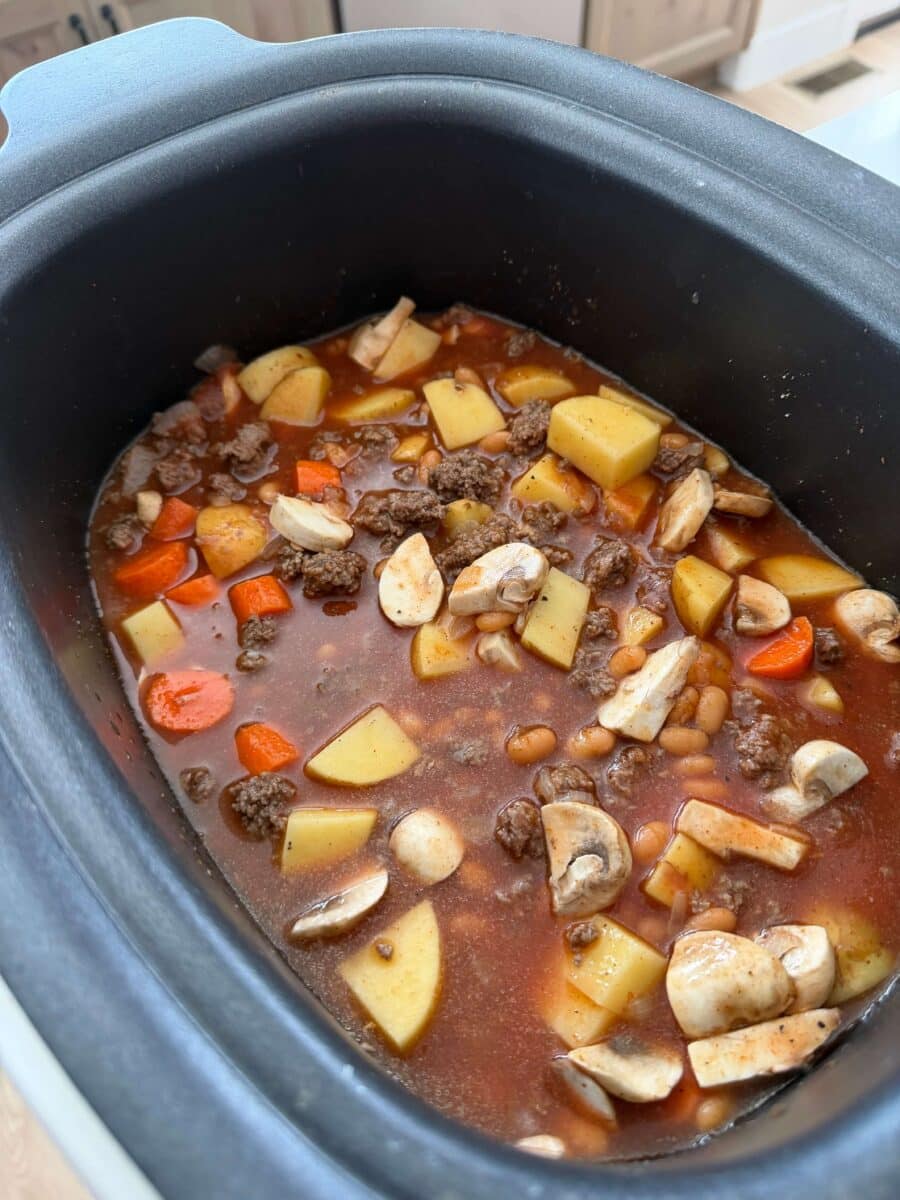
- The Slow-Simmer Phase: Once the beef is browned and drained, it is transferred to the slow cooker vessel. The remaining ingredients—potatoes, sliced mushrooms, carrots, tomato sauce, pork and beans, and a seasoning blend (including salt, onion powder, garlic powder, chili powder, and black pepper)—are added. The addition of half a cup of water provides the necessary moisture to prevent scorching while allowing the starch from the potatoes to thicken the sauce naturally as it cooks.
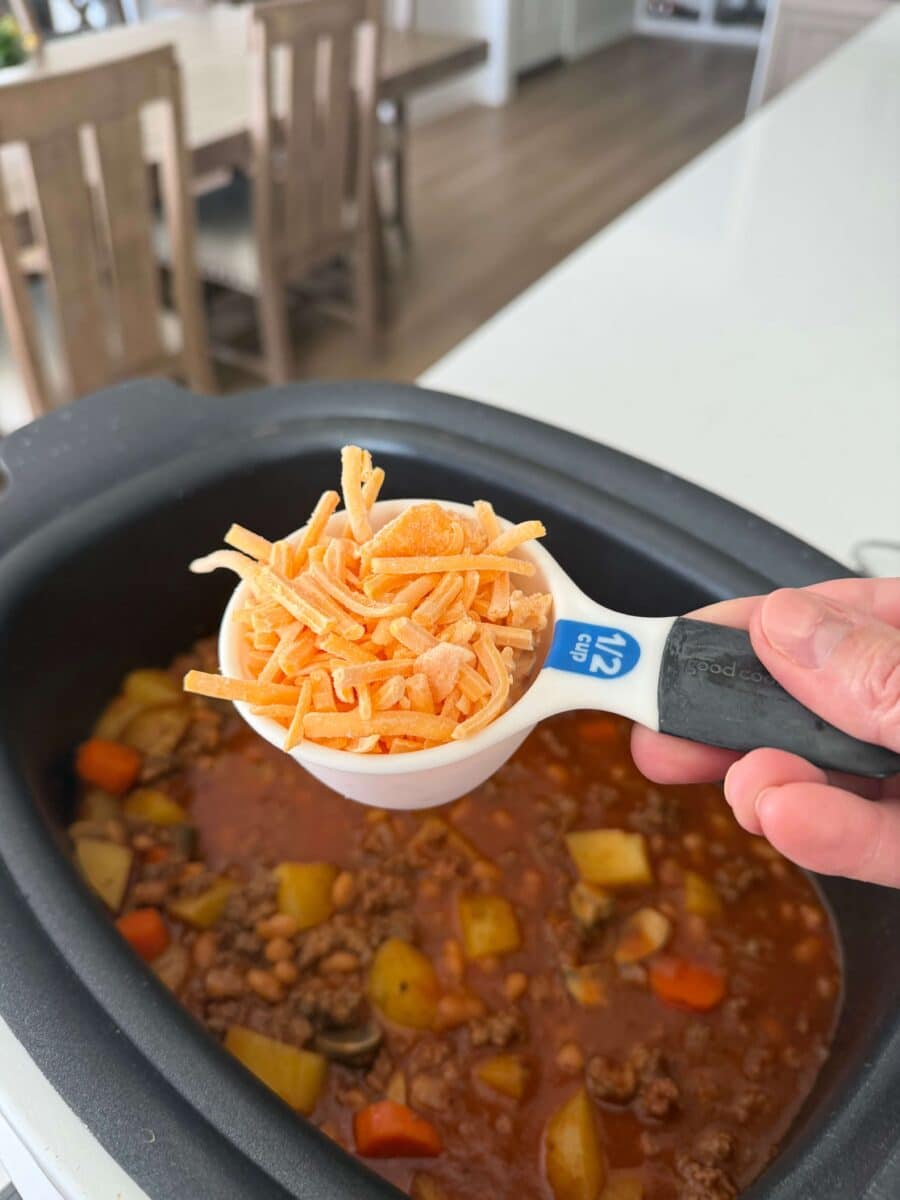
- Completion: Depending on the specific calibration of the heating element, the dish requires between 2.5 and 4 hours on the "low" setting. The final step involves incorporating the shredded cheddar cheese, which is added after the heat is turned off, allowing the residual heat to melt the cheese without compromising the texture of the vegetables.
Market Trends and Consumer Impact
The popularity of recipes such as the Lumberjack Casserole is part of a broader trend toward "homestyle" cooking, which has seen a resurgence in the wake of inflationary pressures on the food industry. According to food market analysis, consumers are increasingly seeking recipes that utilize shelf-stable ingredients (like canned beans and tomato sauce) and cost-effective proteins (like ground beef).
The versatility of this dish also allows for dietary adjustments, a feature that has made it a staple in various household configurations. For instance, the omission of mushrooms or the substitution of different bean varieties allows the recipe to cater to diverse palates without requiring a total overhaul of the cooking method. The "one-pot" nature of the meal further appeals to households prioritizing waste reduction and time management, as it minimizes both food scraps and kitchen cleanup.
Implications for Modern Meal Planning
The integration of specialized kitchen appliances like the slow cooker into the average home kitchen has fundamentally changed domestic labor patterns. By automating the cooking process, the Lumberjack Casserole provides a reliable, repeatable result that does not require constant culinary supervision. This is particularly significant for working families who value the quality of a home-cooked meal but operate under time constraints.
Furthermore, the longevity of such recipes indicates a lasting preference for comfort foods that are perceived as "wholesome." While modern food trends often swing toward minimalist or raw diets, there remains a persistent demand for high-satiety meals. The success of the Lumberjack Casserole suggests that the future of home cooking remains firmly rooted in the combination of traditional flavor profiles and modern, high-efficiency preparation methods.
Summary of Ingredients and Specifications
For those preparing this dish at scale or for specific meal-planning needs, the standard ratio is as follows:
- Protein: 16 oz lean ground beef.
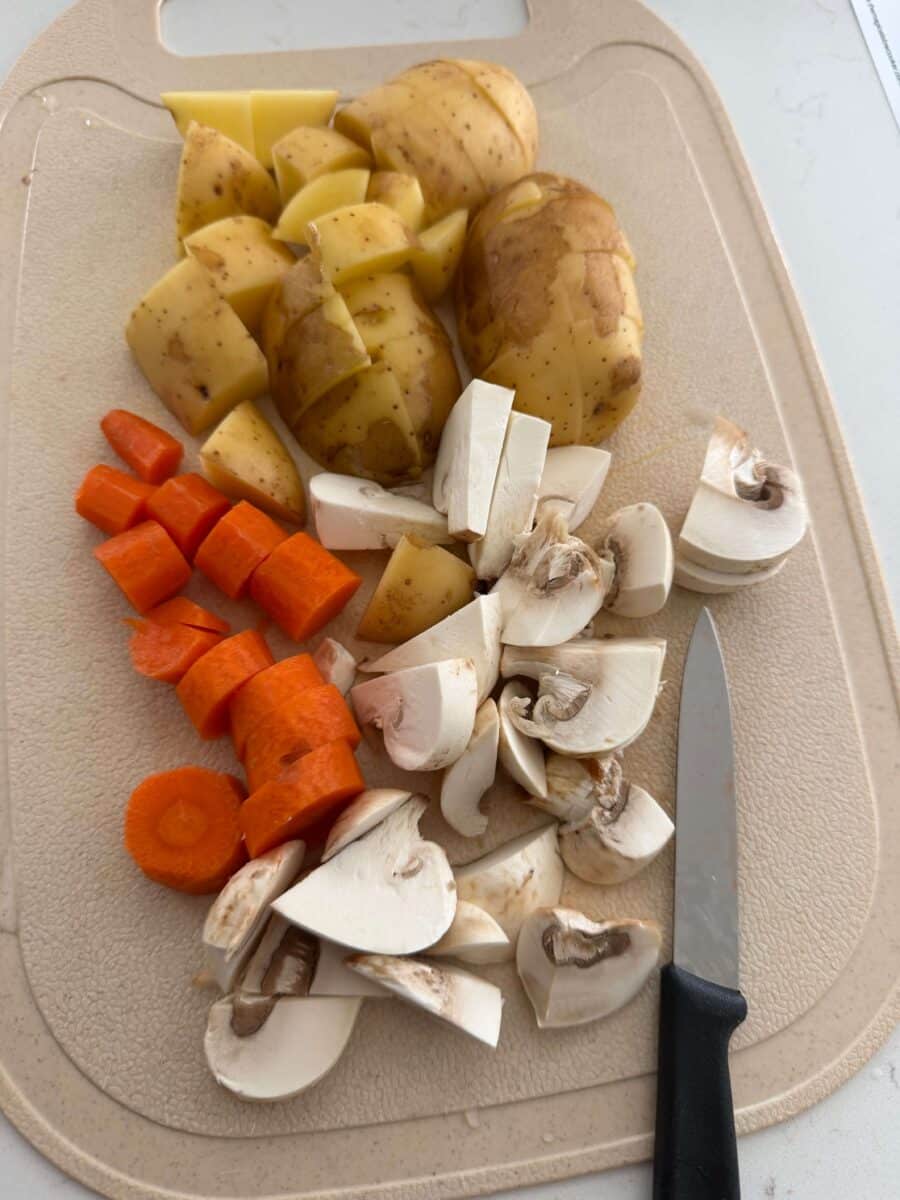
- Vegetables: 1 cup diced onion, 16 oz cubed Yukon gold potatoes, 4 oz sliced mushrooms, 2 sliced carrots.
- Liquids/Base: 8 oz tomato sauce, 15 oz canned pork and beans, 0.5 cup water.
- Seasoning: 1 tsp each of kosher salt, onion powder, garlic powder, and chili powder; 0.5 tsp black pepper.
- Finishing: 1 cup shredded cheddar cheese.
This composition ensures a balanced flavor profile that hits both savory and slightly sweet notes, while the texture remains consistent across multiple servings. As food costs fluctuate, the reliance on high-volume, low-cost ingredients like potatoes and canned goods provides a sustainable model for long-term meal planning. The Lumberjack Casserole stands as an example of how historical, labor-intensive dishes can be successfully adapted for the convenience-oriented landscape of the 21st-century home.
