
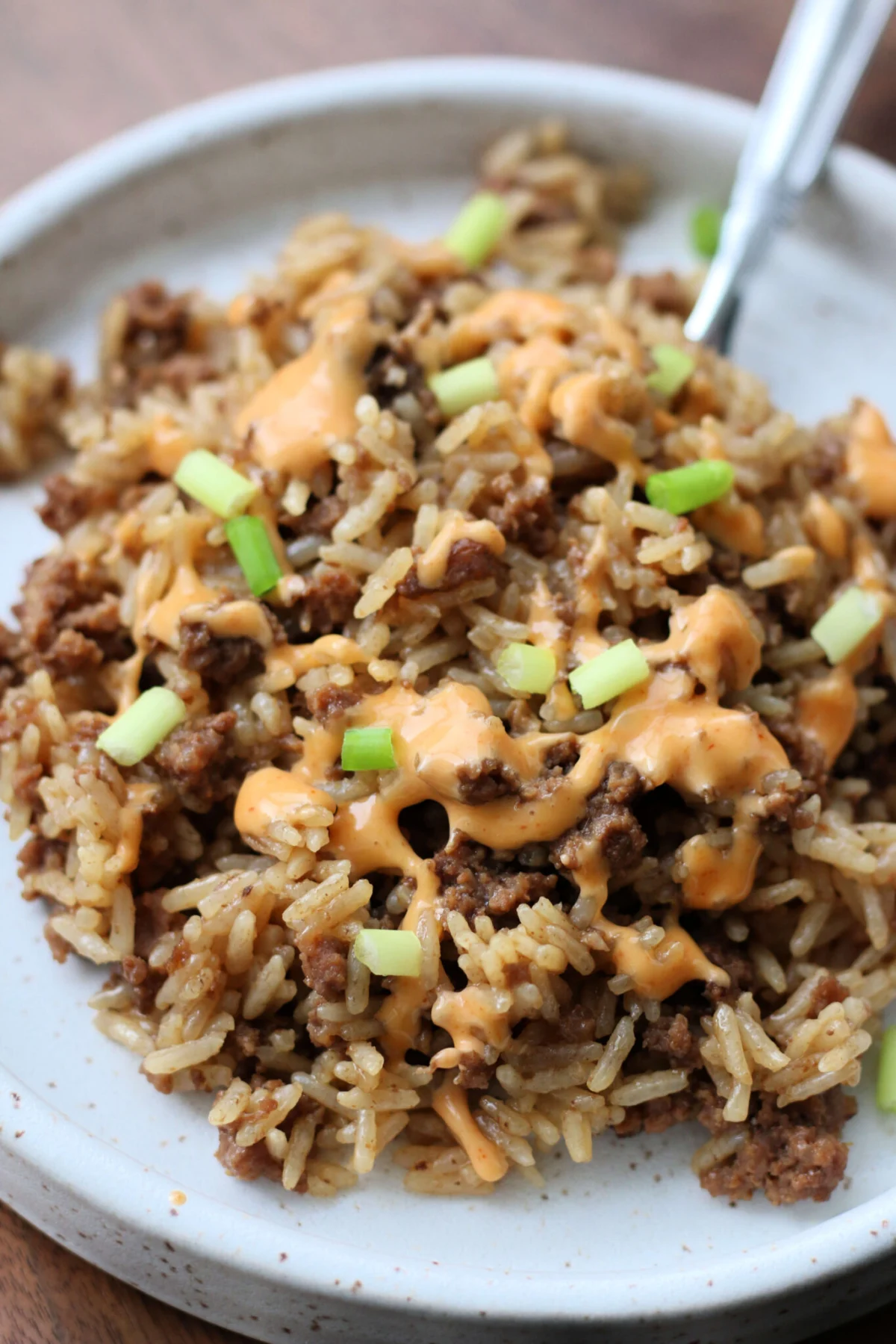
The Evolution of Pressure-Cooker Casseroles
The rise of the Instant Pot and similar multi-cooker devices has fundamentally altered domestic meal preparation over the last decade. Market data from the appliance industry indicates a consistent year-over-year increase in the adoption of electric pressure cookers, largely driven by urban demographics seeking to reduce active kitchen time. The Loaded Cheddar Burger Rice Casserole represents the next iteration of this trend, moving away from simple stews and toward complex, layered "casserole-style" dishes that maintain structural integrity during the high-pressure cooking process.
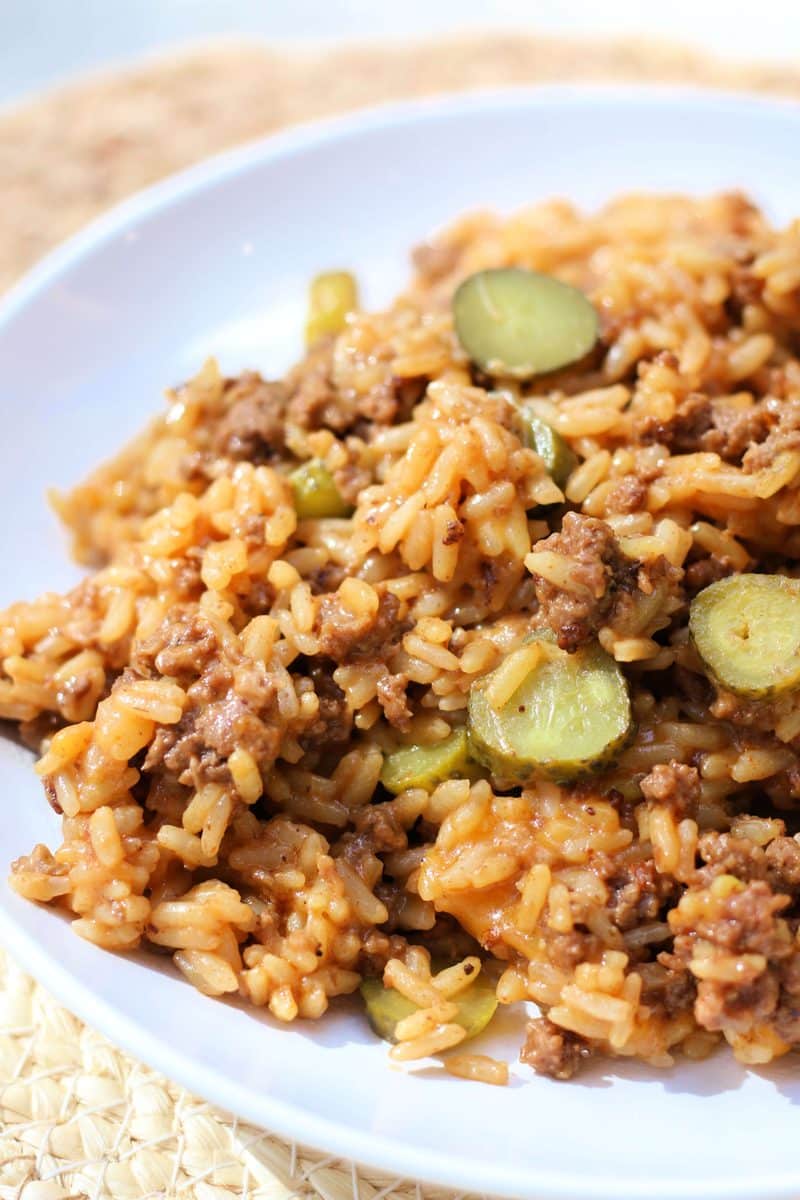
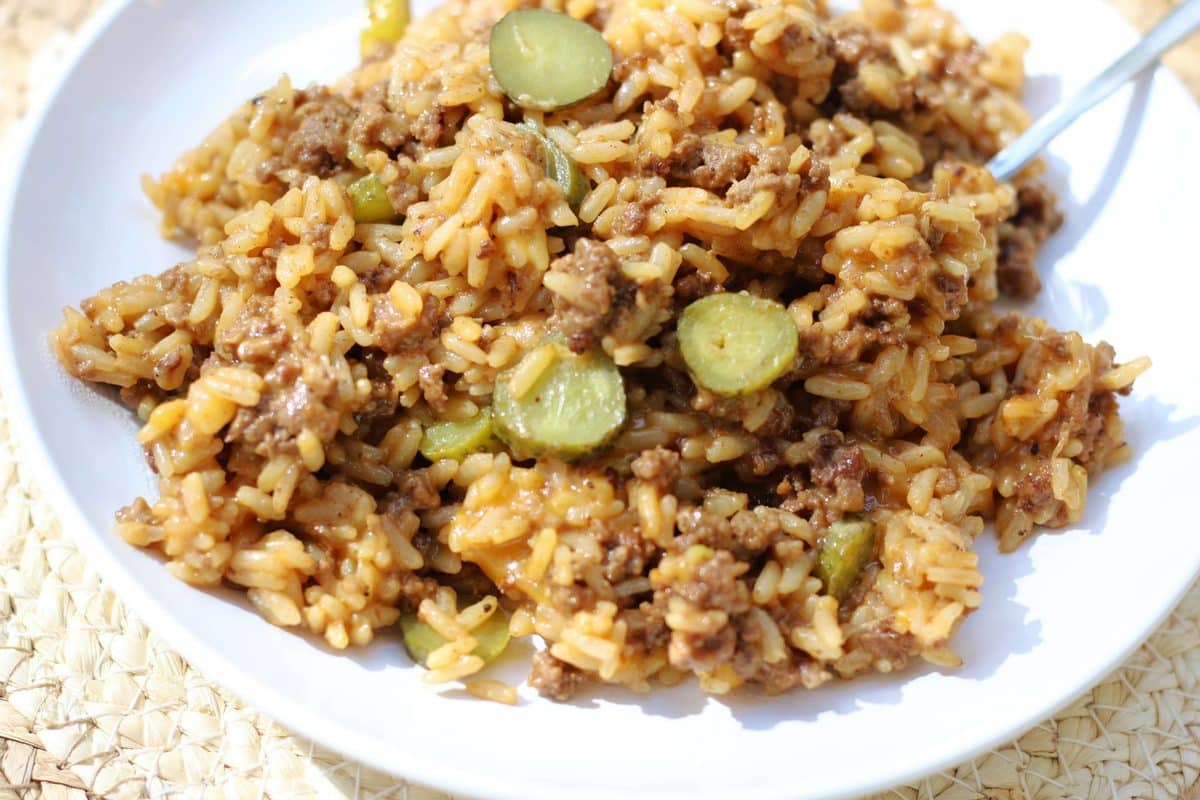
The dish achieves its unique profile by combining classic American burger elements—ground beef, ketchup, mustard, and pickles—with rice as a starch base. Unlike traditional casseroles that rely on oven-based thermal radiation, this method uses pressurized steam to infuse the rice grains with a savory broth, creating a risotto-like texture that serves as a canvas for the more acidic and piquant elements of the dish, such as the brine from dill pickles.
Chronology of Preparation and Technical Methodology
The preparation process for this dish follows a strict sequence designed to maximize the Maillard reaction while ensuring the rice reaches optimal hydration. The chronology of the process is as follows:
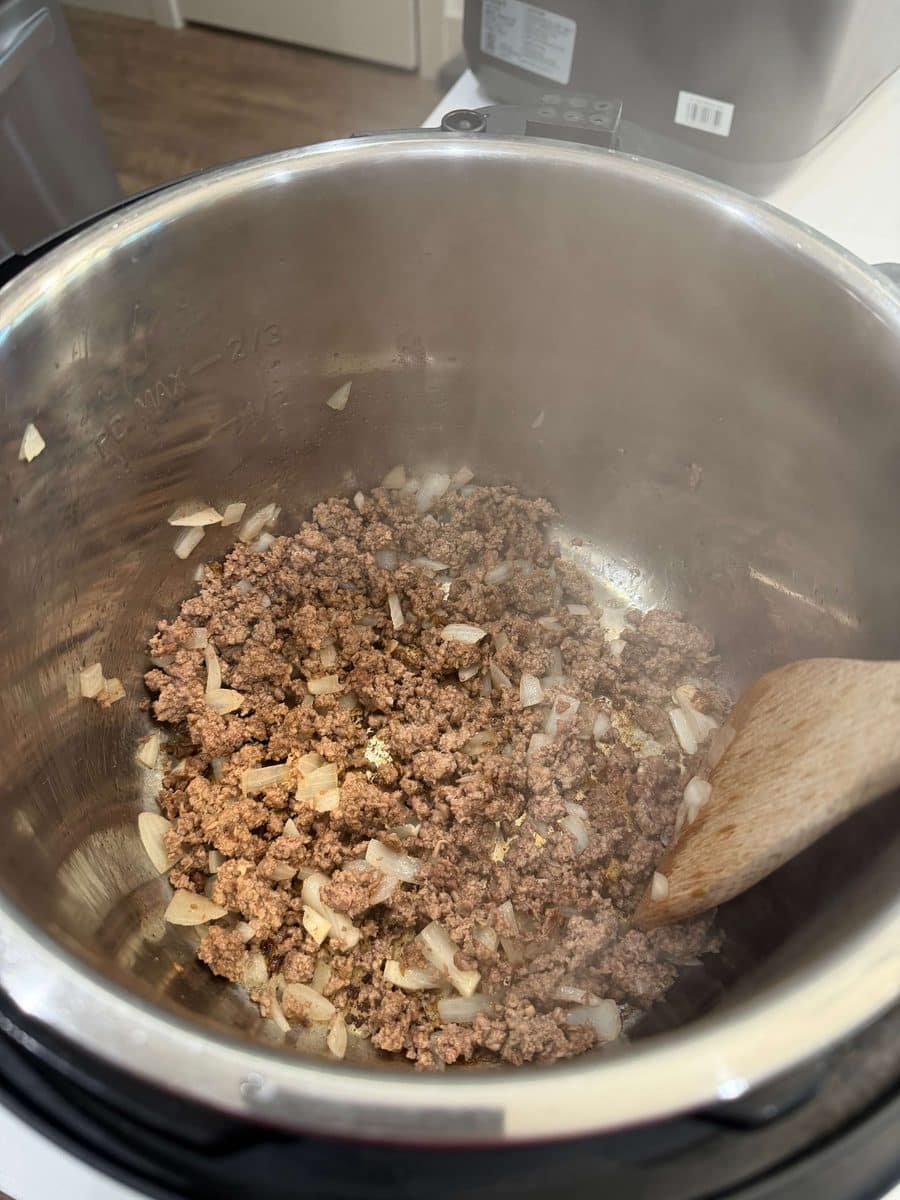
- Sauté Phase: The process begins with the browning of ground beef and onions on the "sauté" setting. This initial phase is critical; it is not merely for cooking the meat, but for rendering fat and developing the caramelized flavor compounds essential for the final product. Expert culinary analysis suggests that draining excess lipids at this stage is necessary to prevent the final dish from becoming overly greasy.
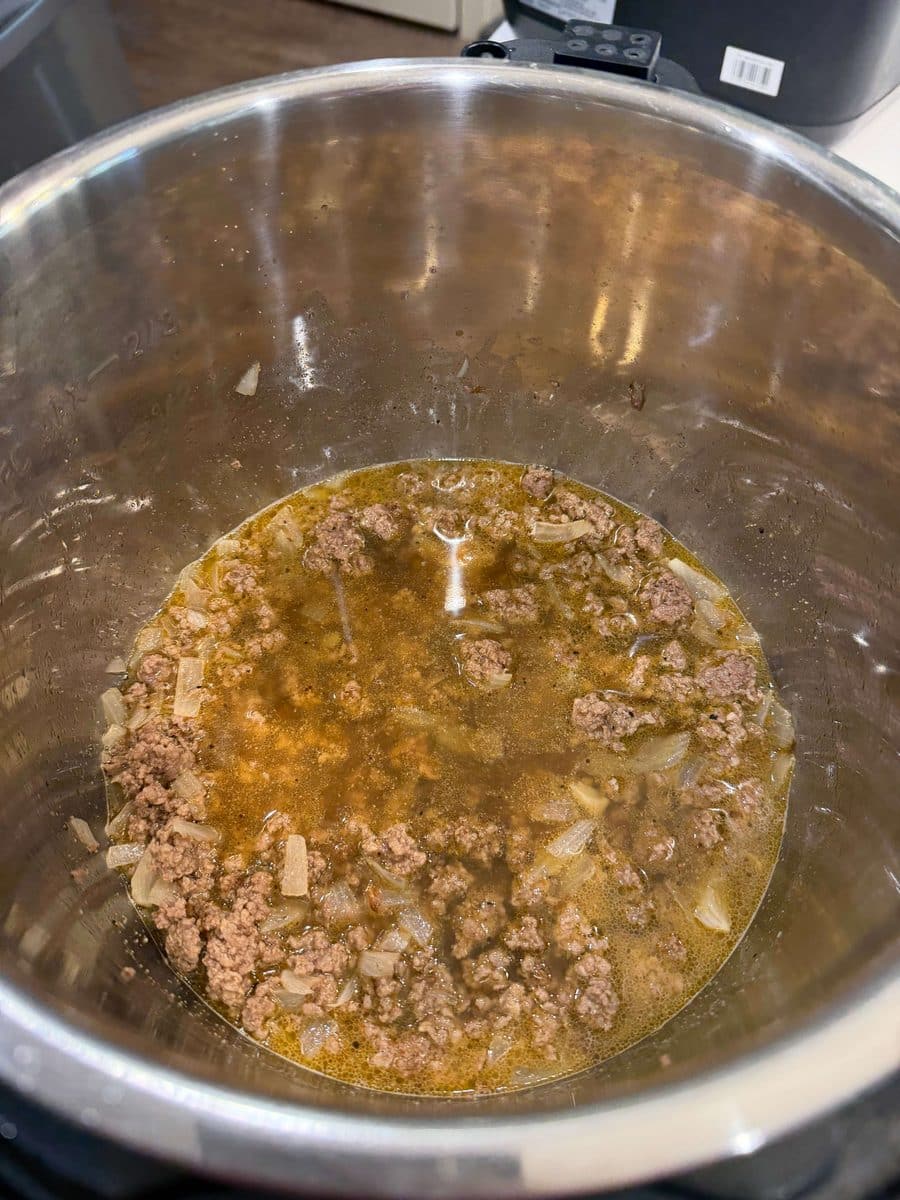
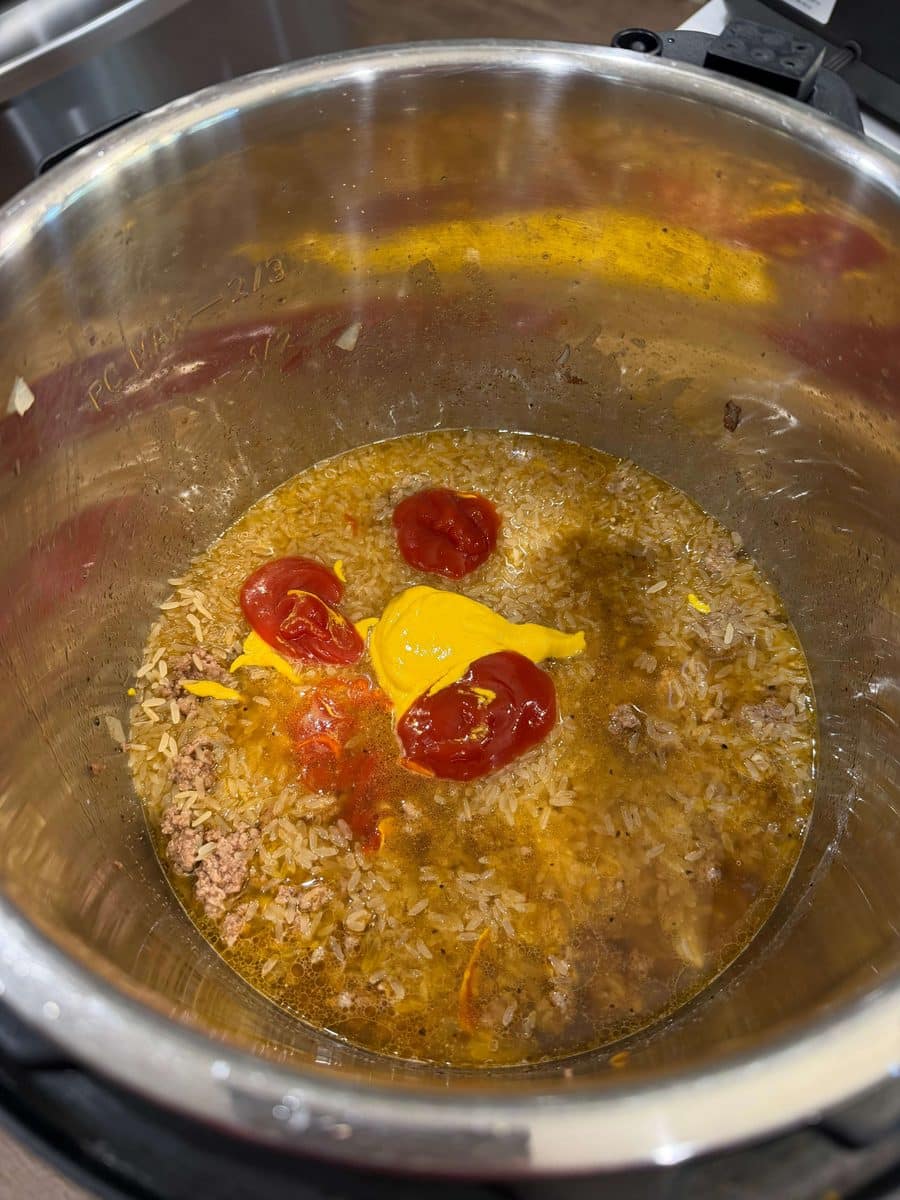
- Deglazing and Seasoning: Following the addition of aromatic spices—garlic powder, salt, pepper, and smoked paprika—the pot is deglazed with broth and dill pickle juice. This step is significant as it incorporates the fond (browned bits) into the liquid base, effectively turning the cooking medium into a flavor-dense sauce.
- Layering: The rice is added to the pot without agitation. This is a technical requirement of the pressure-cooking method; stirring the rice into the meat mixture before sealing the vessel can often lead to uneven cooking or the triggering of "burn" sensors in modern pressure cookers.
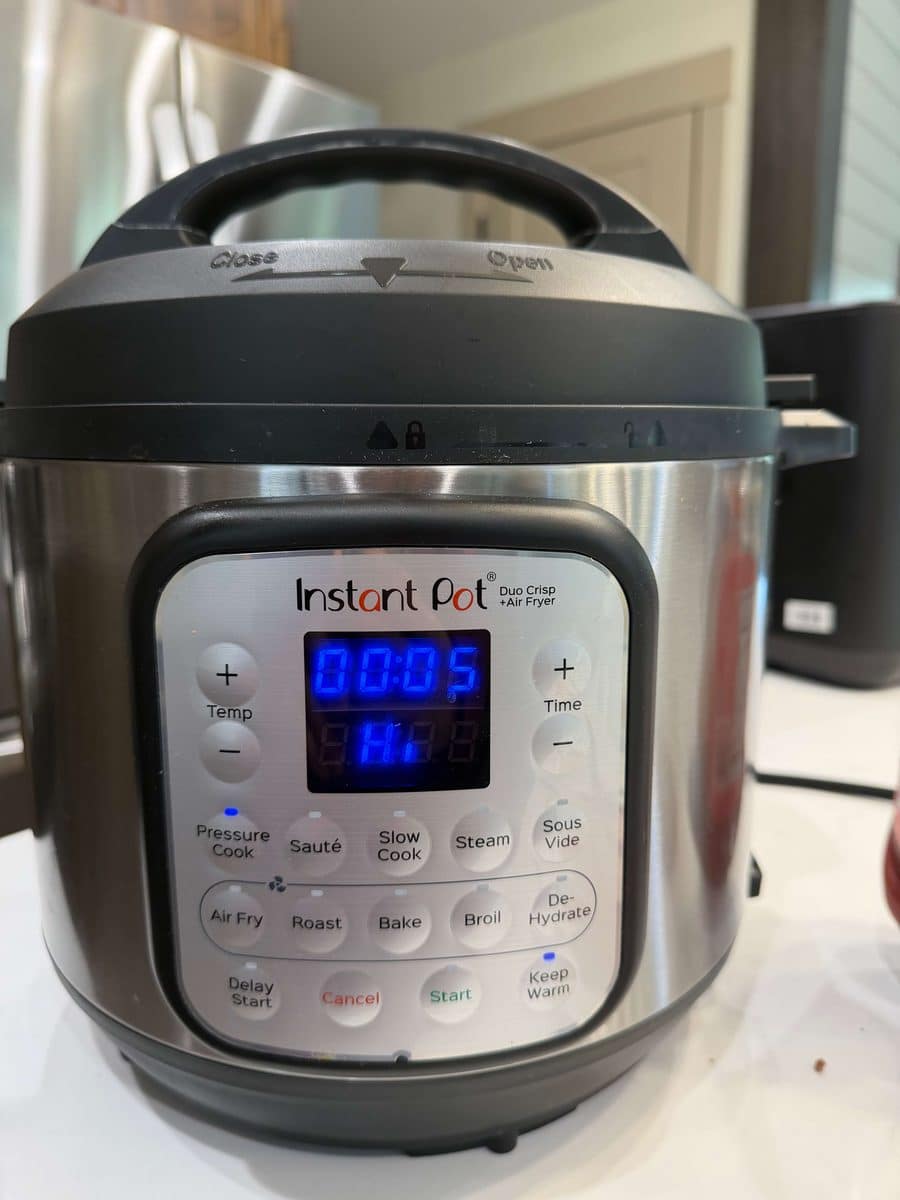
- Pressure Cycle: The device is set to a five-minute high-pressure cycle, followed by a ten-minute natural release period. The natural release is essential for the stabilization of the starch, ensuring the rice achieves a uniform, tender consistency without becoming gummy.
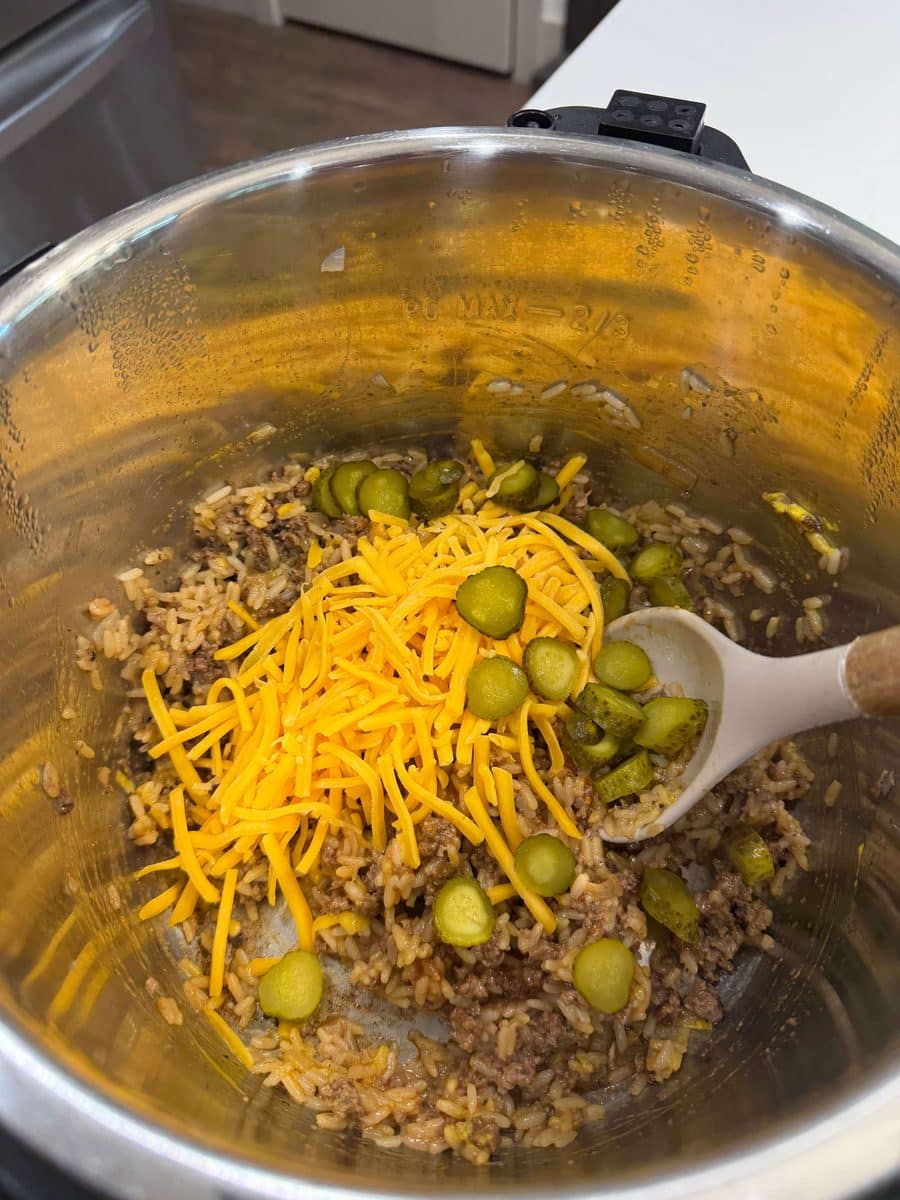
- Final Incorporation: Post-decompression, the cheddar cheese and chopped pickles are folded into the mixture. This specific timing is intentional: the residual heat is sufficient to melt the cheese while maintaining the structural integrity of the pickles, allowing for a textural contrast that characterizes the "loaded" nature of the dish.
Nutritional and Culinary Analysis
From a nutritional perspective, this casserole serves as a high-protein, energy-dense meal. Ground beef provides the necessary amino acids, while the inclusion of rice offers a substantial carbohydrate load. However, the dish’s defining characteristic—its flavor profile—is rooted in the use of vinegar-based condiments.
The inclusion of dill pickle juice serves a dual purpose: it acts as a mild acid to balance the richness of the cheddar cheese and fat from the beef, and it provides a "bright" flavor note that cuts through the starch of the rice. In culinary science, this is known as acid-balancing, a technique often used in professional kitchens to elevate heavy, savory dishes. By integrating these components, the recipe bridges the gap between fast-food flavor profiles and the artisanal nature of home-cooked, single-vessel meals.
Broader Impact on Home Dining Trends
The popularity of this specific recipe highlights a broader shift in consumer behavior toward "ingredient consolidation." As grocery prices fluctuate, households are increasingly looking for ways to utilize pantry staples—such as dry rice, spices, and common condiments—to create meals that feel like deliberate, crafted dinners.
Industry analysts at various food research institutes have noted that the "casserole revival" is largely a response to the "time-poverty" crisis facing working families. The ability to prepare a complex-tasting, multi-component meal in under 30 minutes of total active time has turned the pressure-cooker casserole into a staple of modern meal planning. Furthermore, the adaptability of the dish allows for significant substitutions, such as using ground turkey instead of beef or gluten-free alternatives for those with dietary restrictions, contributing to its sustained relevance in diverse household settings.
Implications for Future Appliance Usage
The success of the Loaded Cheddar Burger Rice Casserole also underscores a significant technical hurdle that manufacturers have had to overcome: the management of starch-heavy liquids. Earlier iterations of multi-cookers often struggled with rice, which would frequently scorch or cook unevenly. Through improved heat distribution and the refinement of software algorithms in modern appliances, these devices can now handle complex, multi-ingredient ratios with a high degree of success.
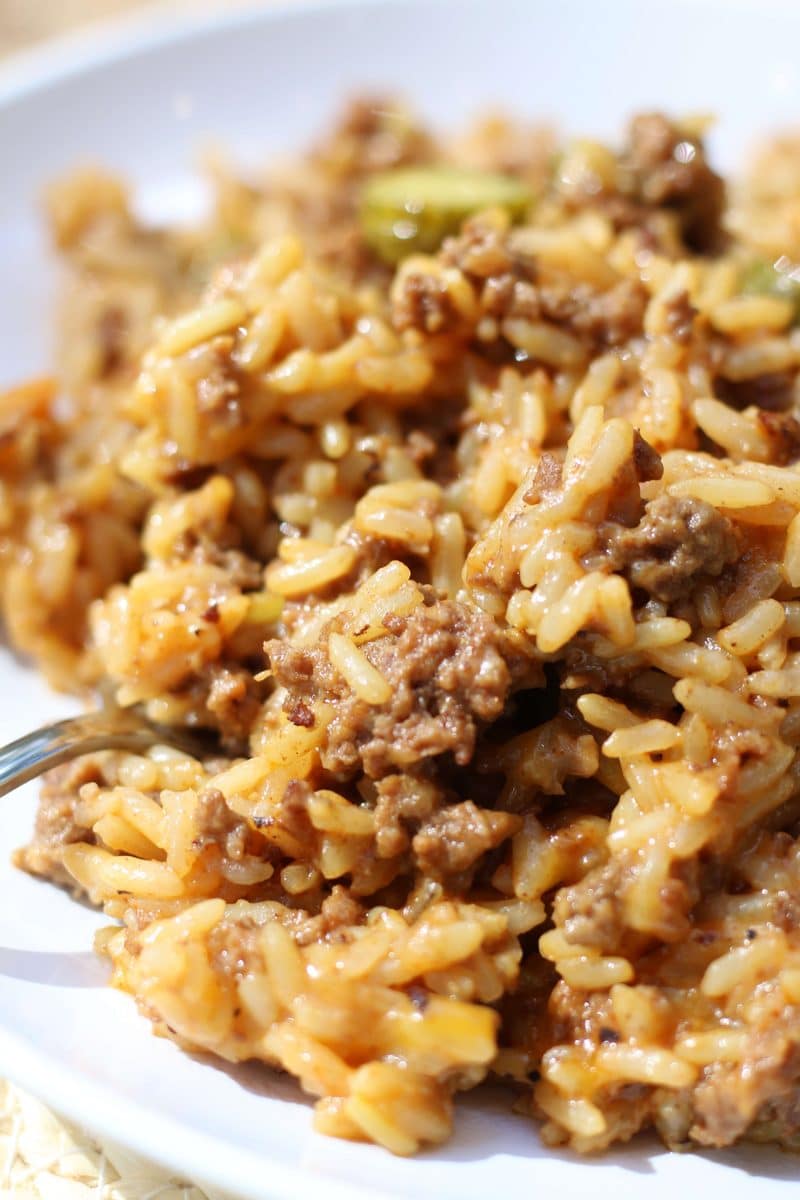
This dish stands as a testament to the fact that home cooking is not moving away from tradition, but rather reinterpreting it through the lens of modern engineering. By distilling the essence of a classic American burger into a rice-based format, the recipe satisfies a cultural craving for familiarity while providing the convenience required by contemporary lifestyles.

Conclusion
As the landscape of domestic food preparation continues to evolve, the Loaded Cheddar Burger Rice Casserole serves as an effective case study in the intersection of convenience and quality. By leveraging the physical properties of pressure cooking and the chemistry of flavor balancing, it provides a replicable, reliable meal solution. The dish’s continued presence in culinary rotation cycles reflects a successful synthesis of tradition and technology, proving that even the most conventional ingredients can be elevated through thoughtful preparation and an understanding of modern kitchen tools. Whether prepared for a weeknight dinner or a larger family gathering, the dish remains a noteworthy example of efficient, effective, and balanced home cooking.
