

The Evolution of Modern Home Cooking Technology
The rise of the Instant Pot and similar multi-cookers has fundamentally altered the domestic culinary landscape over the last decade. Historically, potato-based soups required prolonged stovetop simmering to achieve the desired tenderness of the tubers and the necessary reduction of the broth. The integration of pressure-cooking technology allows home cooks to achieve these results in a fraction of the time. According to recent consumer trends in the kitchen appliance market, the demand for "all-in-one" cooking solutions has surged, as households prioritize efficiency without sacrificing the quality of "from-scratch" meals.

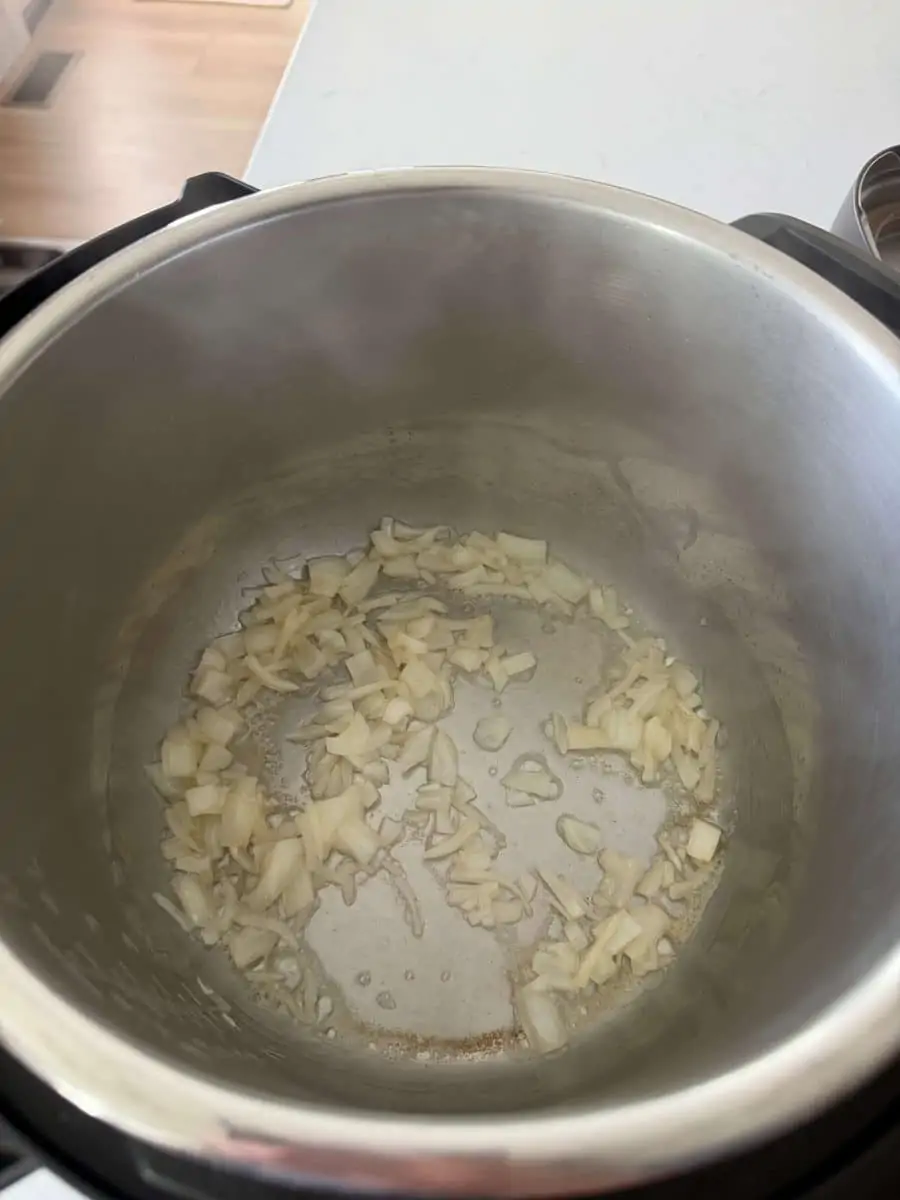
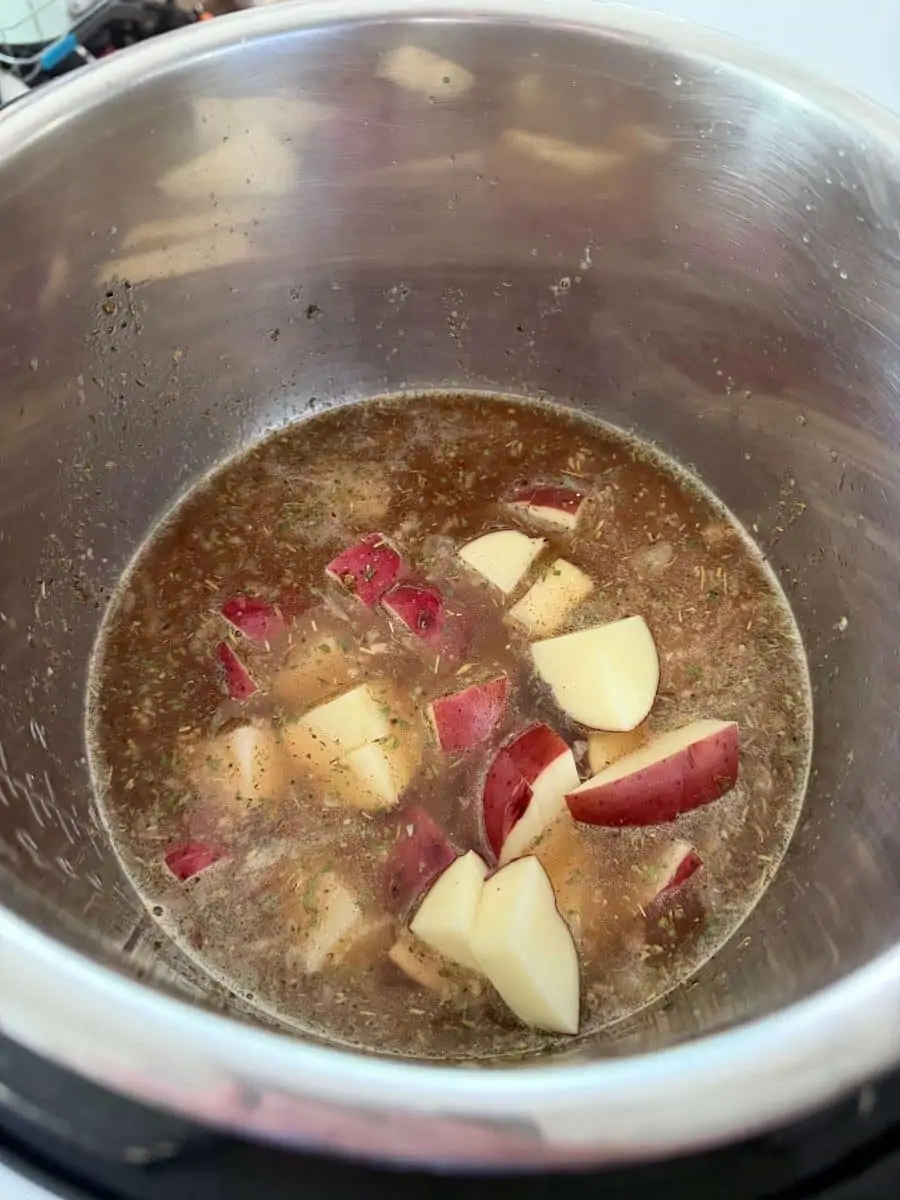
The preparation of this specific soup relies on a sauté-then-pressure-cook workflow. By utilizing the sauté function of a multi-cooker, the cook can build a base of aromatics—onions and garlic—that develop a deeper flavor profile through the Maillard reaction. This foundational step is critical; without it, the soup would lack the savory complexity necessary to stand out. Following this, the addition of red potatoes, which maintain their structural integrity better than russet varieties during the high-pressure environment of the Instant Pot, ensures the final texture is creamy yet substantial.
Chronological Preparation Methodology
The process for preparing this dish follows a structured, multi-phase timeline designed to maximize flavor development:
- Aromatic Base (Minutes 0–5): The process begins by activating the sauté function. The butter is melted, and onions are cooked until translucent, followed by the rapid infusion of garlic. This creates the flavor foundation.
- Flavor Infusion (Minutes 5–8): Spices, including smoked paprika, oregano, thyme, parsley, and seasoned salt, are incorporated. This stage is vital for blooming the dried herbs in the fats. The deglazing of the pot with broth ensures that no fond (browned bits) is left behind, which adds significant depth to the soup.
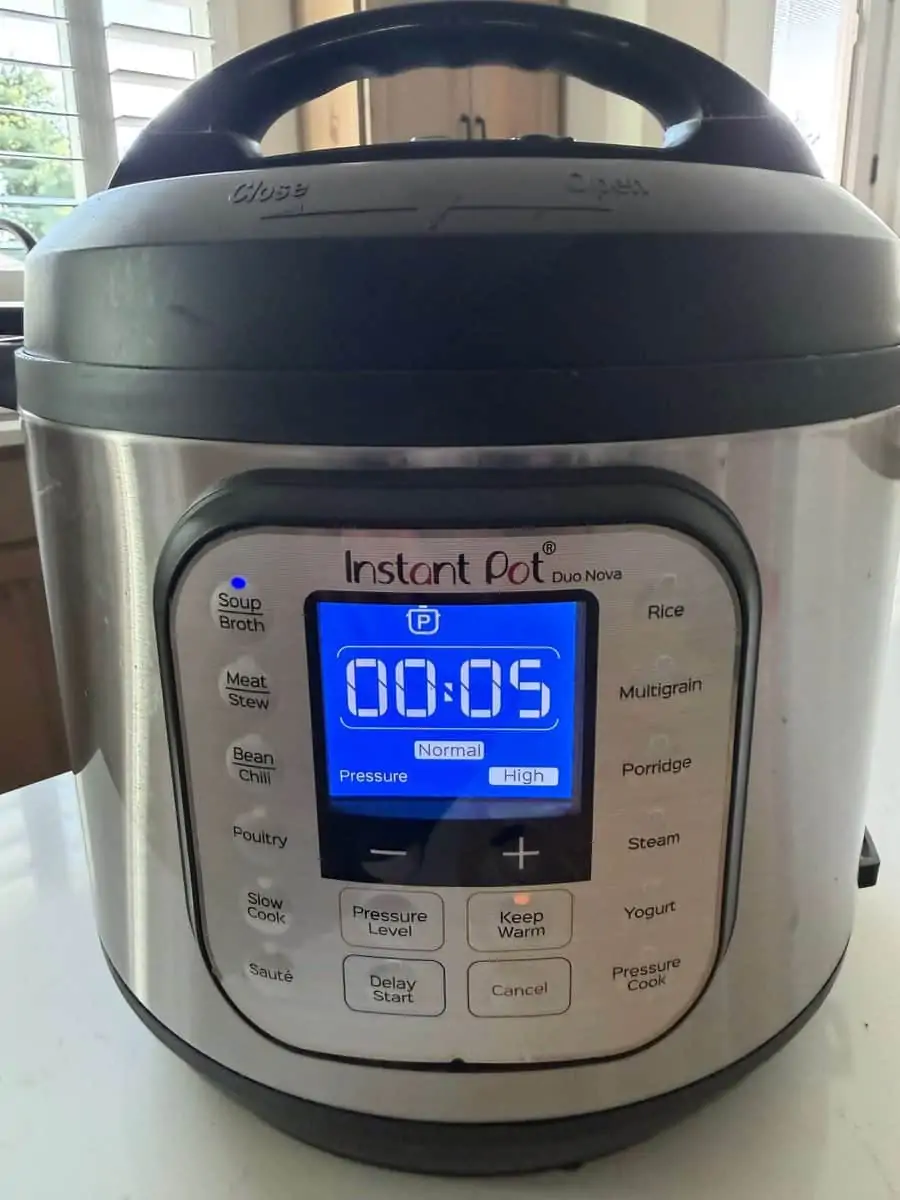
- Pressure Cooking Phase (Minutes 8–20): The vessel is sealed, and the cook cycle is initiated. Whether using the dedicated "Soup" setting or a manual "Low" pressure cycle, the five-minute active cook time is the core of the process. A brief natural release or immediate manual venting concludes this stage.
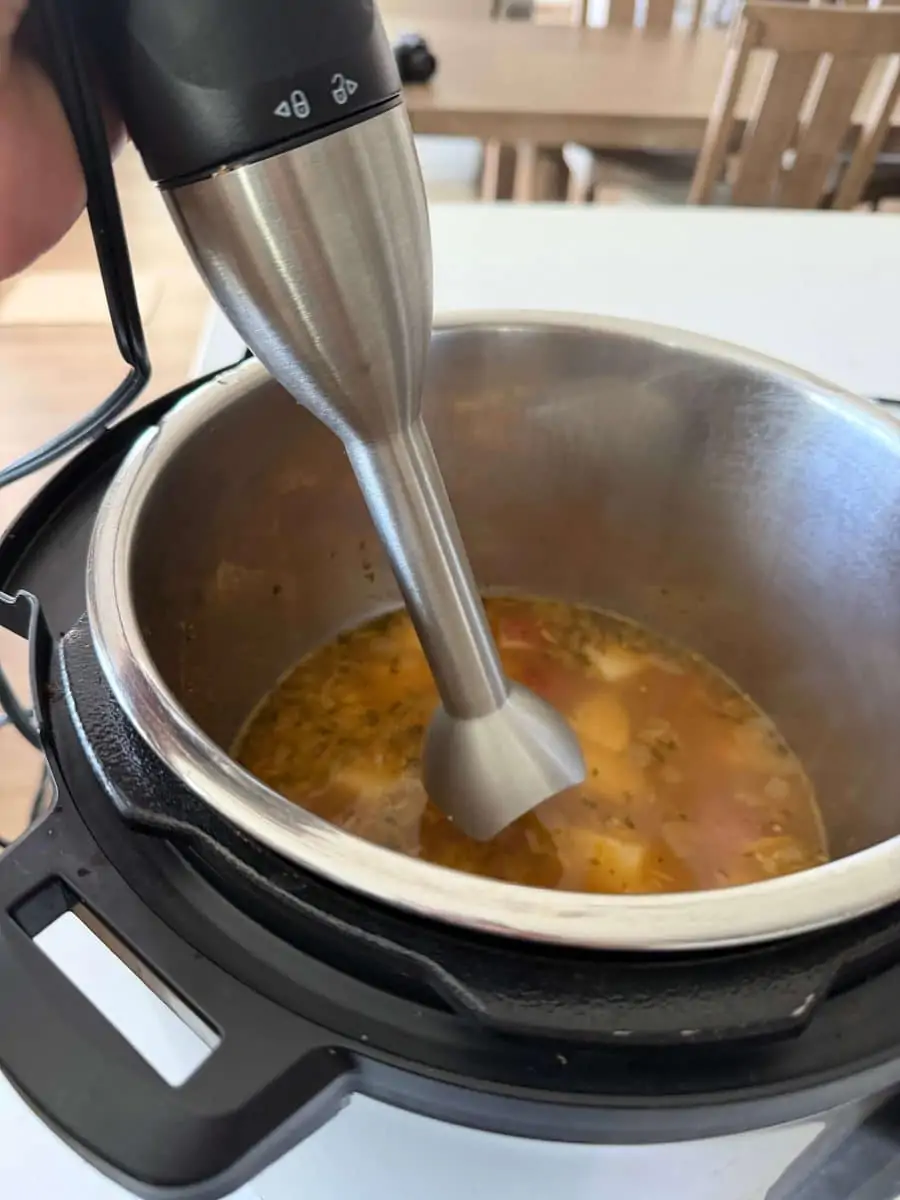
- Emulsification and Finishing (Minutes 20–30): The use of an immersion blender is the most efficient way to achieve the desired consistency. By blending a portion of the potatoes, the natural starches are released, thickening the soup without the need for flour-based roux. The tempering of the heavy cream—a technique where a small amount of hot liquid is added to the cream before it enters the main pot—is essential to prevent the dairy from curdling due to thermal shock. Finally, the introduction of fresh kale and cheddar cheese provides a nutritional and textural finish.
Nutritional Profile and Ingredient Selection
Red potatoes are the preferred carbohydrate source for this dish due to their waxy texture and lower starch content compared to starchy potatoes. This choice prevents the soup from becoming gummy when blended. The inclusion of kale provides a source of fiber and vitamins A, K, and C, offering a nutritional offset to the high-fat content of the heavy cream and cheddar cheese.
From an analytical standpoint, this recipe serves as a case study in modern "one-pot" nutrition. While traditional cream-based potato soups are often criticized for their high saturated fat content, the ability for the home cook to adjust ingredient ratios—such as swapping heavy cream for half-and-half or reducing the cheese content—allows for a customizable dietary profile. The addition of leafy greens like kale is a common culinary tactic used to increase the nutrient density of traditional comfort meals, aligning with a broader trend of "health-conscious comfort food."
Scaling and Economic Considerations
One of the primary benefits of this preparation method is its scalability. As noted by culinary experts and recipe developers, doubling the recipe does not require a linear increase in cooking time. Because the pressure-cooking cycle is determined by the internal temperature and pressure rather than the volume of ingredients, the soup can be scaled to serve 6–8 people with minimal adjustments to the preparation process.

From an economic perspective, this soup is considered a low-cost, high-yield meal. Potatoes, onions, and basic herbs are among the most affordable pantry staples, and the ability to utilize a slow cooker or pressure cooker reduces the energy consumption compared to long-duration stovetop or oven cooking. For families operating on a budget, this recipe offers a strategy to mitigate the rising costs of protein-heavy meals by focusing on satiating, vegetable-based foundations.

Expert Culinary Perspectives and Variations
While the base recipe is considered a "winner" by many home cooks, culinary professionals often point to the versatility of this soup as its greatest asset. The recommendation to stir in rotisserie chicken or corn and top the final dish with bacon crumbles effectively shifts the soup from a starter or side dish to a standalone entrée.

The addition of a small amount of vinegar—often overlooked in home recipes—is a technique used by professional chefs to "brighten" the flavor of heavy, starch-laden dishes. The acidity cuts through the fat of the cheese and cream, providing a balance that prevents the palate from becoming fatigued by the richness of the soup. This professional-level adjustment is a simple way to elevate the dish from a standard home-cooked meal to one with more nuanced, restaurant-quality flavor profiles.

Broader Impact on Domestic Kitchens
The proliferation of recipes like this suggests a shift in how modern households view meal planning. The reliance on digital recipe repositories and filtering tools—which allow users to search by specific appliance, dietary restriction, or protein type—indicates that the modern cook is highly data-driven. Platforms that host these recipes have become essential digital infrastructure for the contemporary kitchen.

The implications for food waste are also significant. Potato-based soups are an excellent vehicle for using up leftover vegetables or wilting greens like kale. By standardizing these types of recipes, households can effectively manage their inventory, reducing the amount of produce that goes to waste. Furthermore, the ease of the "dump-and-go" method in slow cookers or the "quick-start" nature of the Instant Pot encourages consistent home cooking, which is statistically associated with better health outcomes compared to the regular consumption of processed or restaurant-prepared foods.

Conclusion
The Cheddar Garlic Herb Potato Soup represents the intersection of traditional comfort food and modern, high-efficiency technology. By utilizing precise pressure-cooking cycles, strategic ingredient selection, and professional culinary techniques like tempering, the modern home cook can produce a sophisticated meal with minimal time investment. As kitchen technology continues to evolve, the ability to synthesize traditional cooking methods with time-saving equipment will remain a cornerstone of domestic food security and household meal management. Whether prepared as a simple vegetarian dish or enhanced with proteins for a more robust offering, the dish remains a testament to the enduring appeal of the potato-based soup in the global culinary canon.
