

The Evolution of Convenience Cooking
The modern kitchen landscape has been significantly shaped by the demand for "dump-and-go" recipes. According to recent consumer data from home-appliance industry reports, the market for slow cookers and multi-cookers has seen a steady annual growth rate of approximately 4.2% over the last five years. This trend is driven by a demographic shift toward time-sensitive meal preparation, particularly among dual-income households and busy professionals.
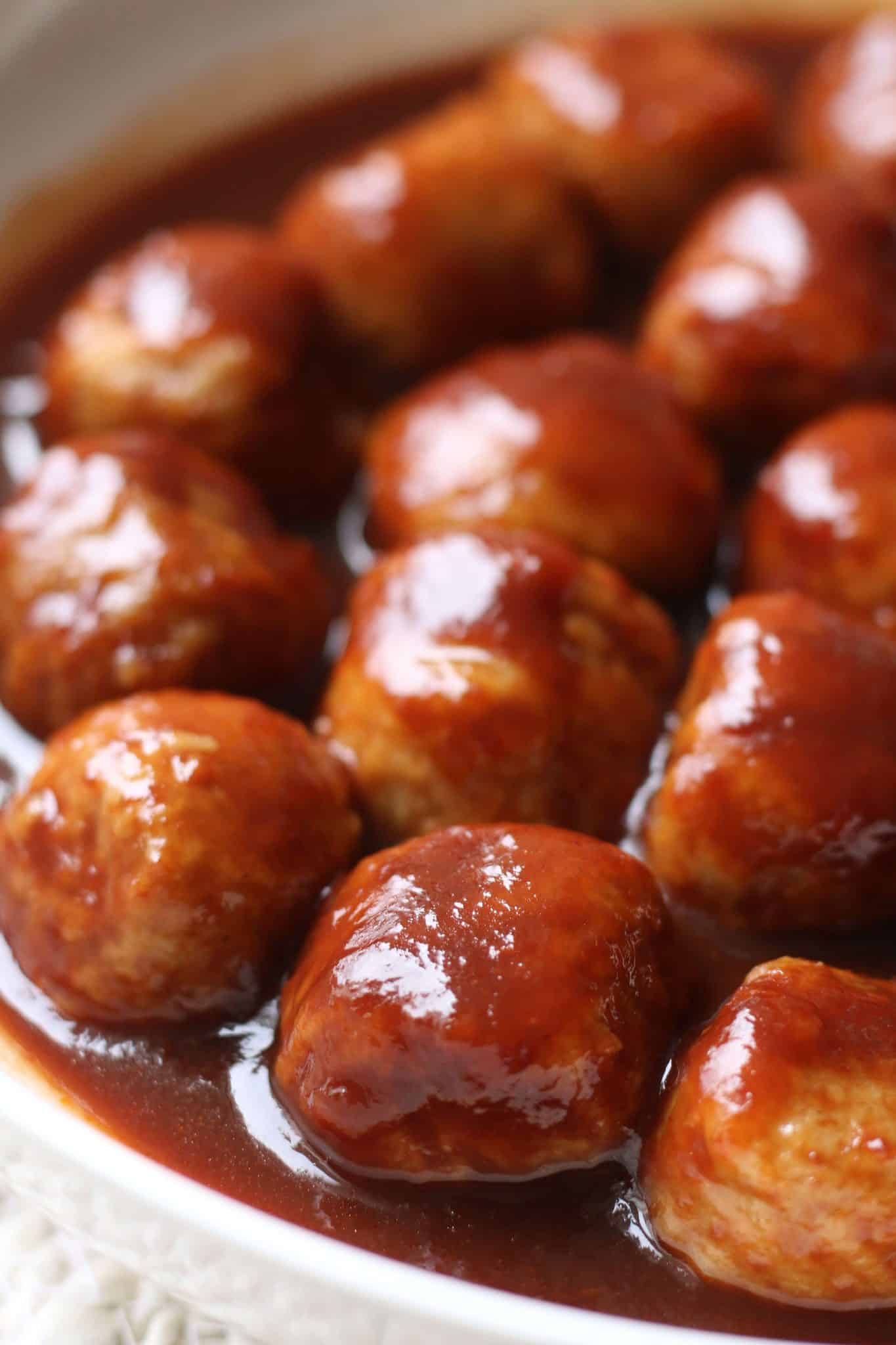
The Honey Balsamic Meatball recipe serves as a primary example of this culinary shift. By utilizing frozen meatballs as a base, the preparation bypasses the labor-intensive stages of manual meat grinding, seasoning, and searing, which traditionally take upwards of 45 to 60 minutes. The adaptation of this method reflects a broader trend in food technology where pre-processed ingredients are integrated into low-effort, high-reward cooking processes.
Ingredients and Culinary Chemistry
The success of this dish lies in the specific chemical interaction between the four core ingredients: frozen meatballs, honey, balsamic vinegar, and ketchup. From a culinary science perspective, the balsamic vinegar acts as an acidic foundation that cuts through the fat content of the meat, while the honey provides the necessary glucose to achieve caramelization during the extended heat exposure of the slow cooker.
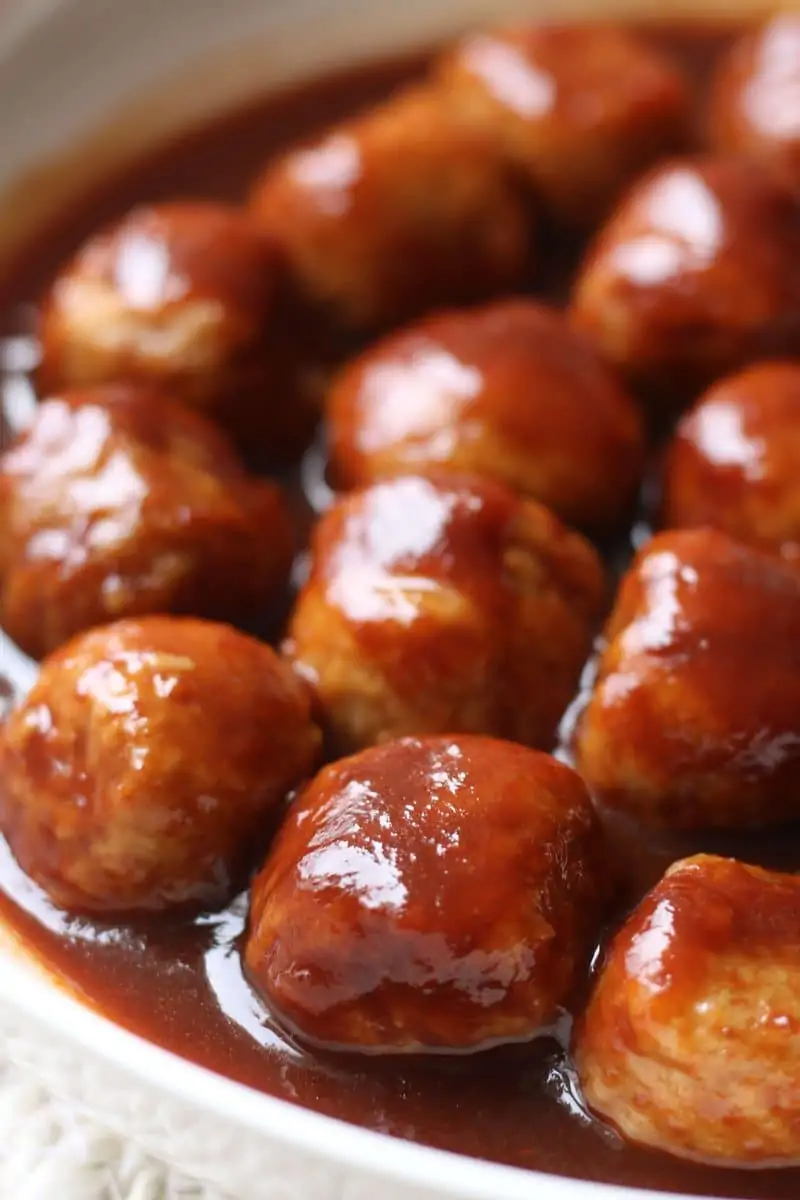
Ketchup serves as the stabilizing agent in the sauce, providing both tomato-based acidity and a viscous texture that ensures the glaze adheres properly to the surface of the meatballs. This combination is a classic example of a "sweet and sour" flavor profile, a staple in global comfort foods, which has been adapted here to accommodate the specific heat-distribution properties of a crockpot.
Step-by-Step Methodology
The preparation follows a rigid, simplified workflow designed to minimize human error and equipment usage:
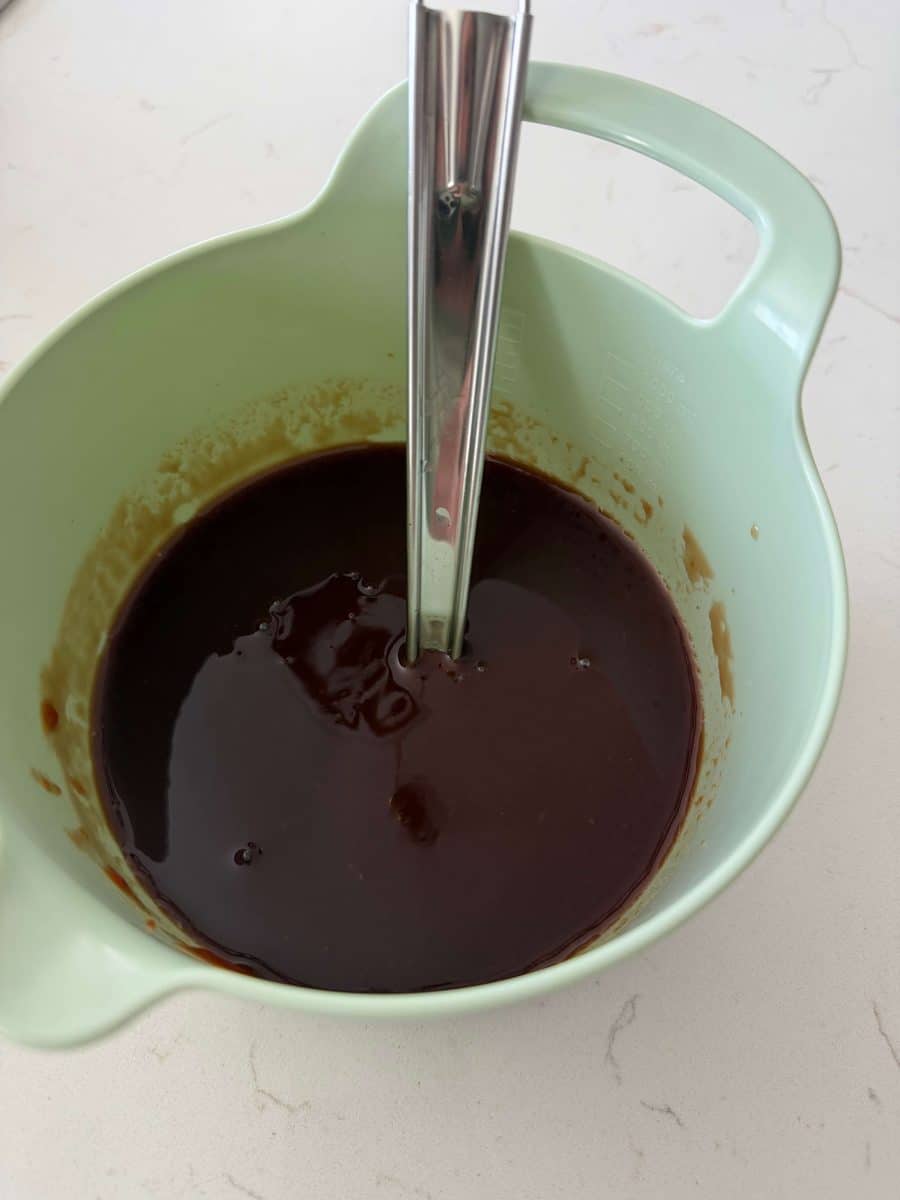
- Sauce Emulsification: The process begins by whisking the honey, balsamic vinegar, and ketchup in a separate vessel. This ensures that the sugars and acids are fully integrated before they encounter the protein, preventing localized burning or uneven flavor distribution.
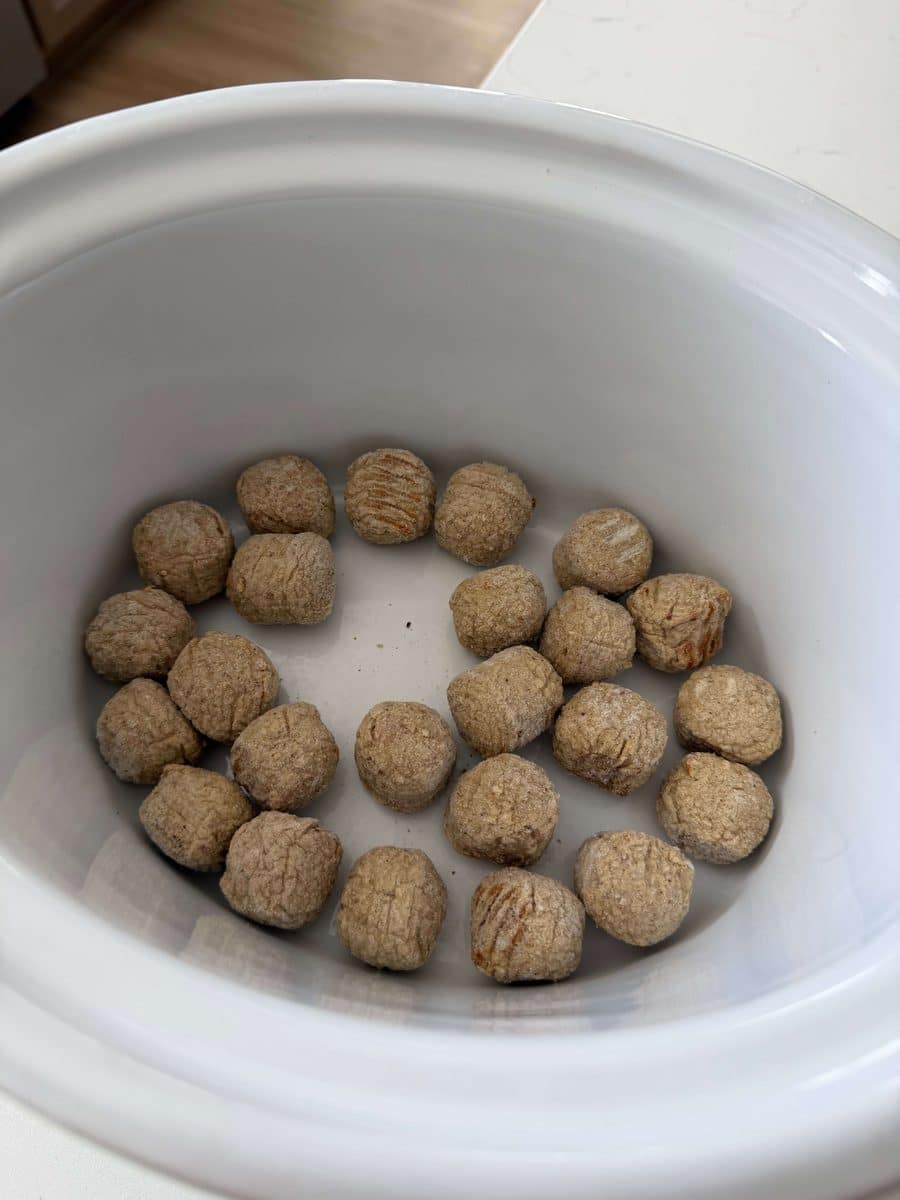
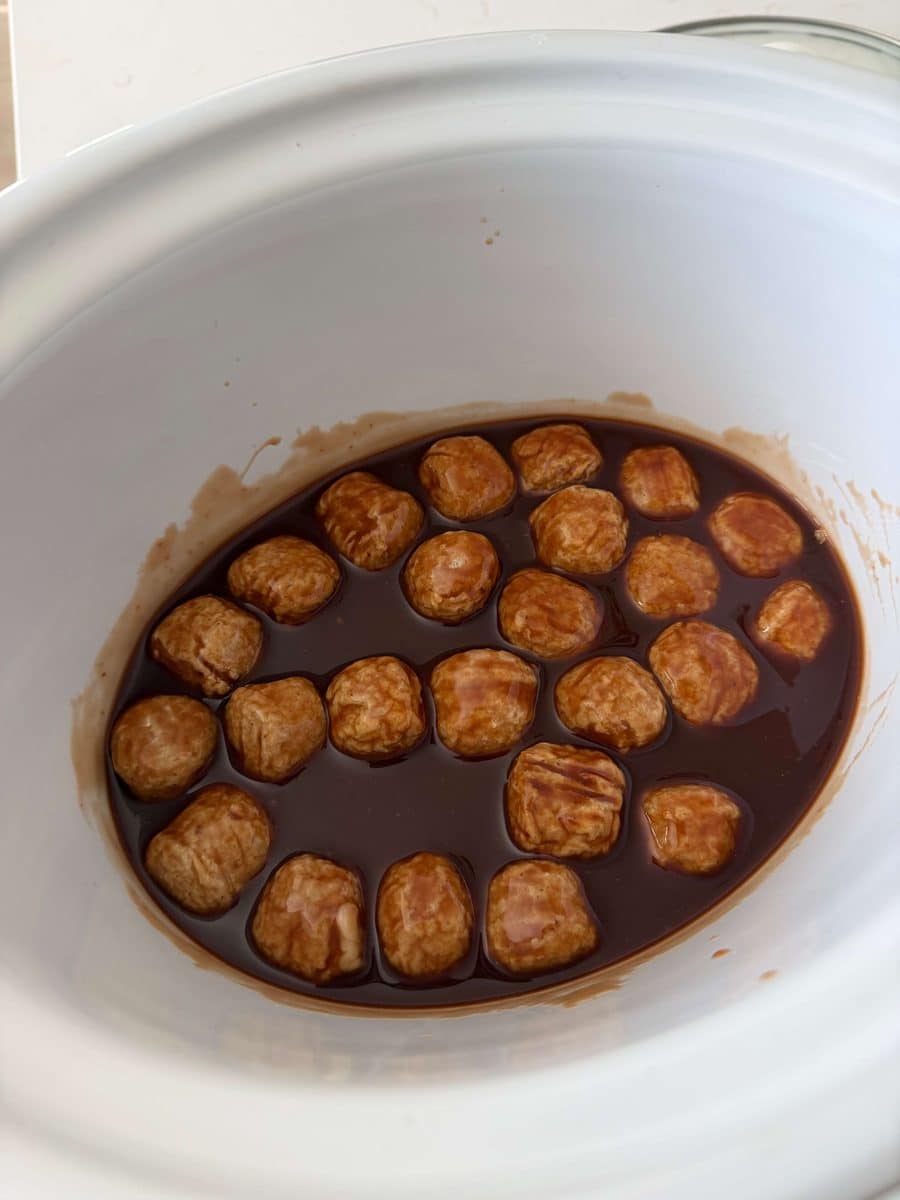
- Protein Incorporation: The frozen meatballs are placed directly into the ceramic basin of the slow cooker. Because the meatballs are typically pre-cooked, the primary objective of the slow cooker is not just to cook the meat, but to perform a "braising" function.
- Application: The sauce is poured over the meatballs, ensuring total coverage.
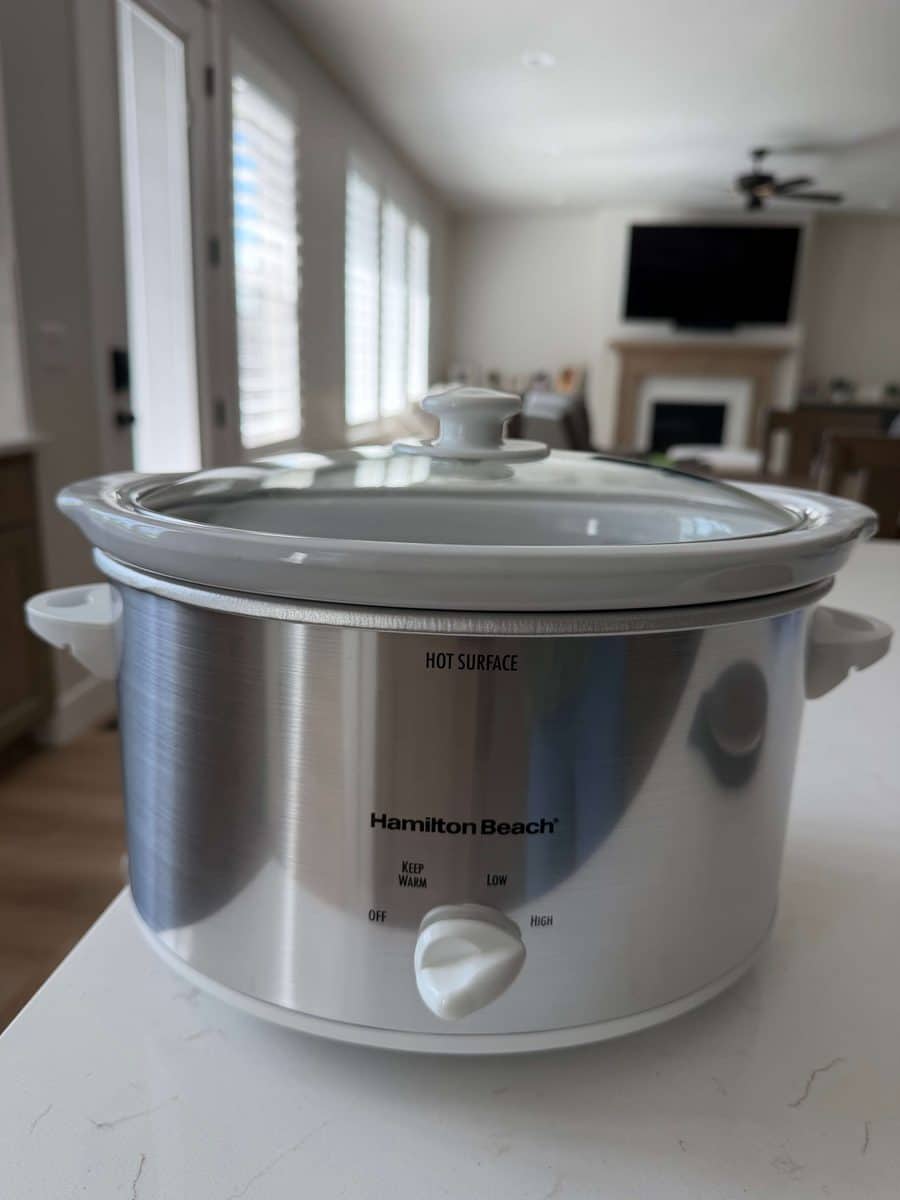
- Thermal Processing: The device is set to "High" for 90 minutes. This specific timeframe is critical; it allows the sauce to reach a simmer, reducing the water content and intensifying the flavor of the balsamic and honey base.
- Holding Phase: Once the 90-minute cycle is complete, the device is transitioned to the "Warm" setting. This phase is essential for holding the dish at a safe service temperature (above 140°F) while maintaining the integrity of the glaze.
Comparative Analysis: The Shift in Appetizer Trends
In the history of domestic entertaining, the "jelly-and-chili-sauce" meatball has long held the title for the most popular slow cooker appetizer in North America. However, consumer feedback and culinary blogs have noted a shift in palate preferences toward more sophisticated flavor profiles. The move toward balsamic-based reductions signifies a desire for ingredients that provide depth and a more complex "umami" profile.
Where the grape jelly meatball is predominantly sugar-forward, the honey-balsamic variant offers a balanced experience. This aligns with recent health-conscious trends where consumers are increasingly moving away from high-fructose corn syrup-laden sauces toward ingredients that offer a more nuanced acidity. The transition is not merely a matter of taste but a reflection of the evolving consumer palate that values ingredient transparency and flavor sophistication.
Broader Economic and Lifestyle Implications
The rise of such recipes has clear implications for the home appliance market. Manufacturers of slow cookers, such as Crock-Pot and Instant Pot, have tailored their marketing strategies toward these "four-ingredient" recipes. By positioning these devices as "time-saving assets" rather than "specialty tools," companies have managed to maintain high sales volumes even as modern, faster cooking methods like pressure cooking and air frying emerge.
Furthermore, this recipe highlights the accessibility of high-quality dining in a home setting. With minimal active preparation, a host can produce a dish that mimics the characteristics of restaurant-quality hors d’oeuvres. This "democratization of the appetizer" allows for greater social participation in hosting duties, as the cook is freed from the kitchen during the actual social event.
Nutritional Considerations and Ingredient Versatility
While the recipe is inherently simple, it offers significant opportunities for customization. Culinary experts suggest that users can replace the standard ketchup with tomato paste or a sugar-free alternative to accommodate specific dietary restrictions, such as low-carb or ketogenic diets. Similarly, the balsamic vinegar can be substituted with apple cider vinegar for a brighter, sharper flavor profile.
The use of frozen meatballs, while convenient, also allows for flexibility regarding the type of protein. Markets now offer a wide variety of turkey, chicken, or plant-based meat substitutes that mimic the texture of traditional beef meatballs. This versatility ensures that the recipe remains relevant regardless of changing dietary trends or ingredient availability.
Future Outlook
As we look toward the future of domestic cooking, the "Honey Balsamic" model provides a blueprint for what consumers expect: high efficiency, minimal cleanup, and professional results. The integration of digital, searchable recipe databases—such as those found on professional cooking websites—has allowed for the rapid dissemination and iterative improvement of these recipes.
The data confirms that the most successful recipes in the 2020s are those that minimize the cognitive load on the cook. By providing a clear, logical, and highly effective method for preparing a crowd-pleasing appetizer, this recipe for Honey Balsamic Meatballs secures its place in the modern home kitchen’s permanent repertoire. As technology continues to evolve, we can expect to see even more refined variations, perhaps incorporating artisanal honeys or aged balsamic vinegars, further elevating the humble meatball from a simple appetizer to a central culinary feature.
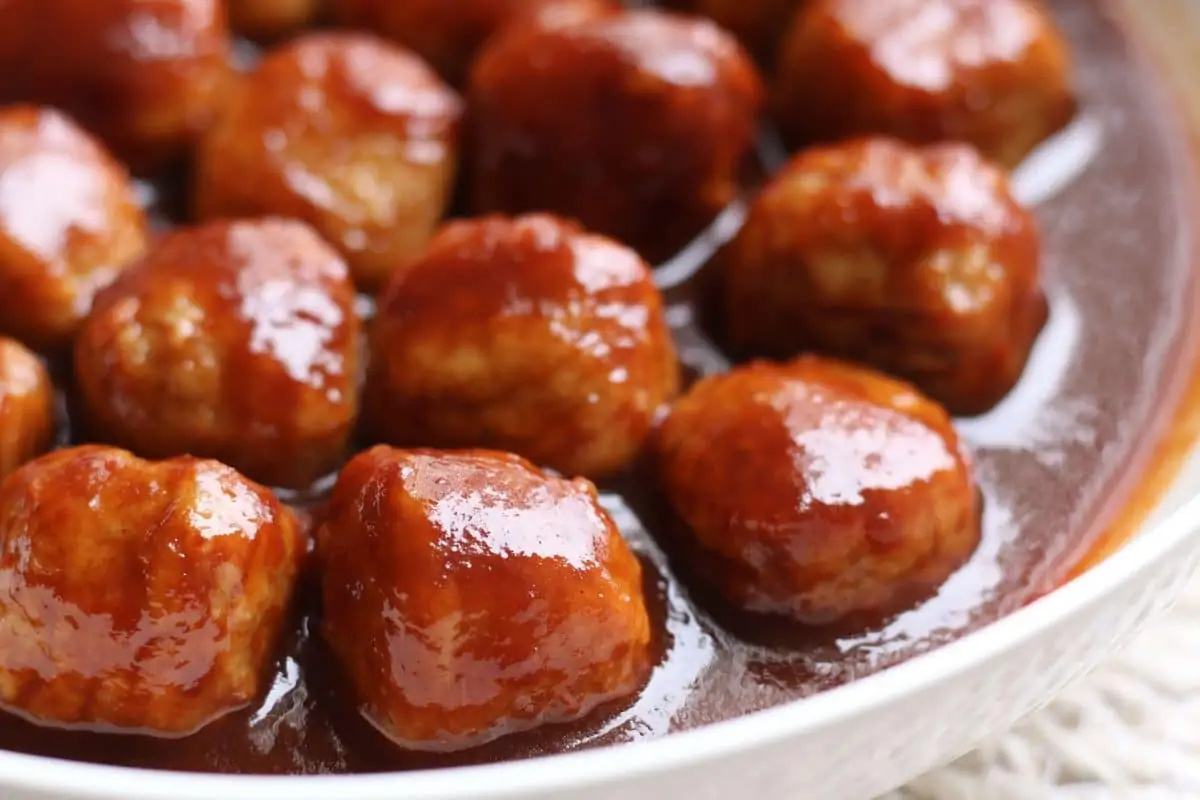
In conclusion, the efficacy of the Slow Cooker Honey Balsamic Meatball lies in its adherence to the fundamental principles of cooking: the balance of sweet and acid, the application of controlled heat, and the strategic use of high-quality, pre-prepared foundations. It stands as a testament to the fact that complexity in flavor does not necessarily require complexity in execution.
