
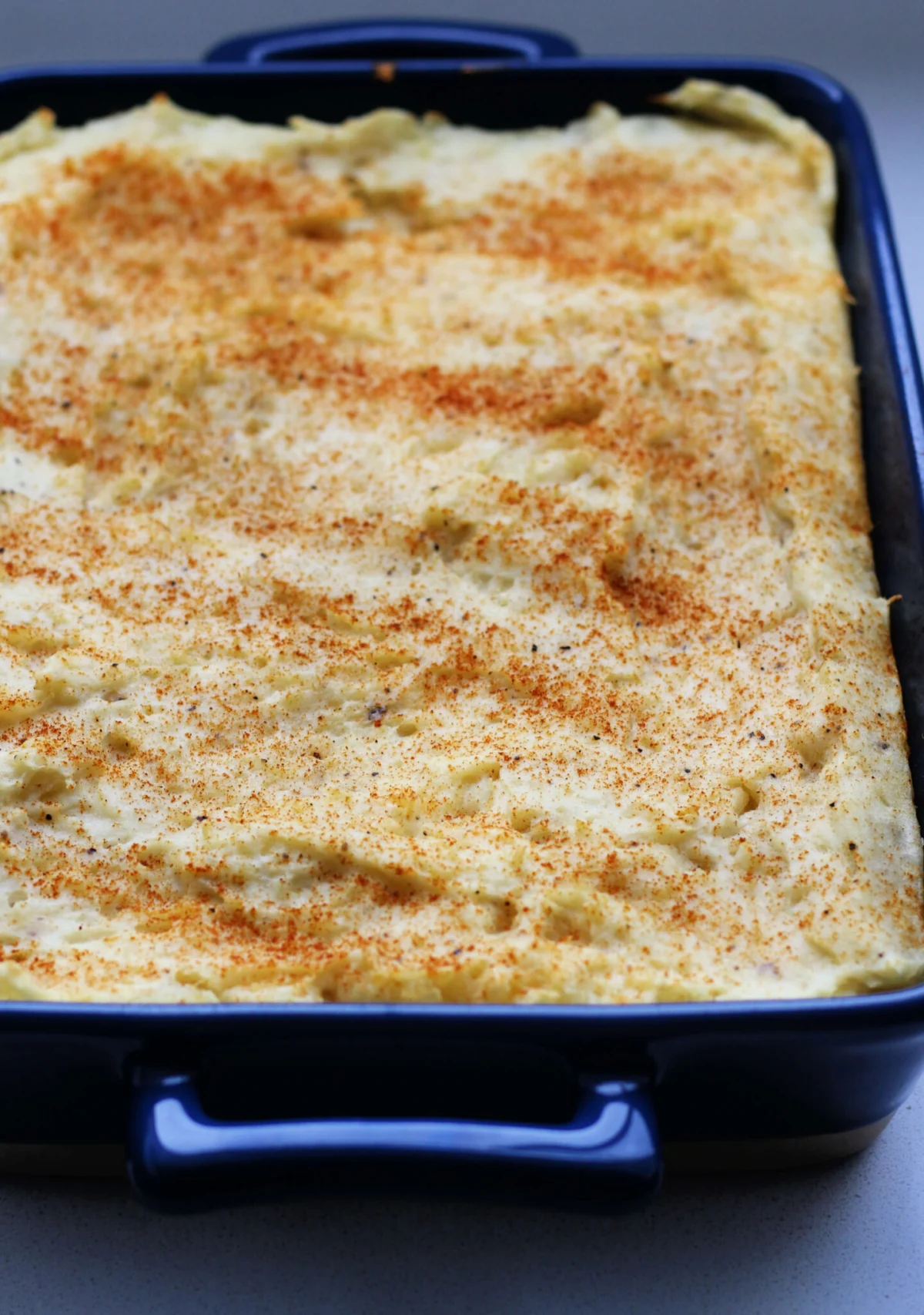
The Origins and Culinary Evolution of the Recipe
The recipe, adapted from the original "Easy Potato Casserole" popularized by The Seasoned Mom, traces its roots to the family traditions of the author known as "Aunt Bee." In the landscape of mid-20th-century American home cooking, the potato casserole emerged as a solution for busy families seeking high-calorie, shelf-stable comfort food. Historically, these dishes relied heavily on canned soups and frozen hashbrowns—convenience items that became symbols of the post-war culinary boom.
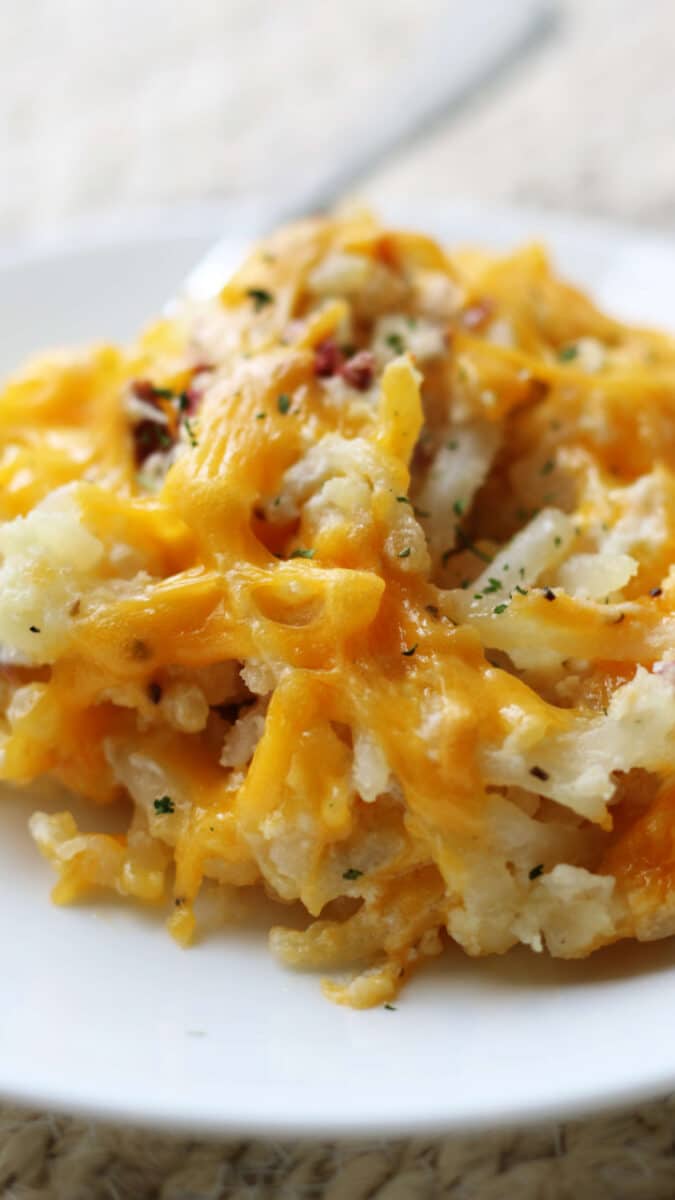
However, the current iteration of the Aunt Bee’s 3-Ingredient Casserole reflects a broader shift in home food preparation. Modern cooks are increasingly moving away from processed additives, opting instead for fresh produce—specifically red potatoes—which offer a waxier texture that holds its shape better than high-starch alternatives during the shredding and baking process. This transition mirrors a national trend toward "clean label" cooking, where the number of ingredients is minimized to enhance the natural profile of the primary component.
Chronology of Preparation: The Instant Pot Advantage
The integration of pressure-cooking technology has significantly altered the timeline of preparing traditional potato-based side dishes. Previously, boiling potatoes for a casserole required significant stove-top monitoring and could take upwards of 20 to 30 minutes, not including the time required for the water to reach a boil.
Under the current methodology, the preparation sequence is as follows:
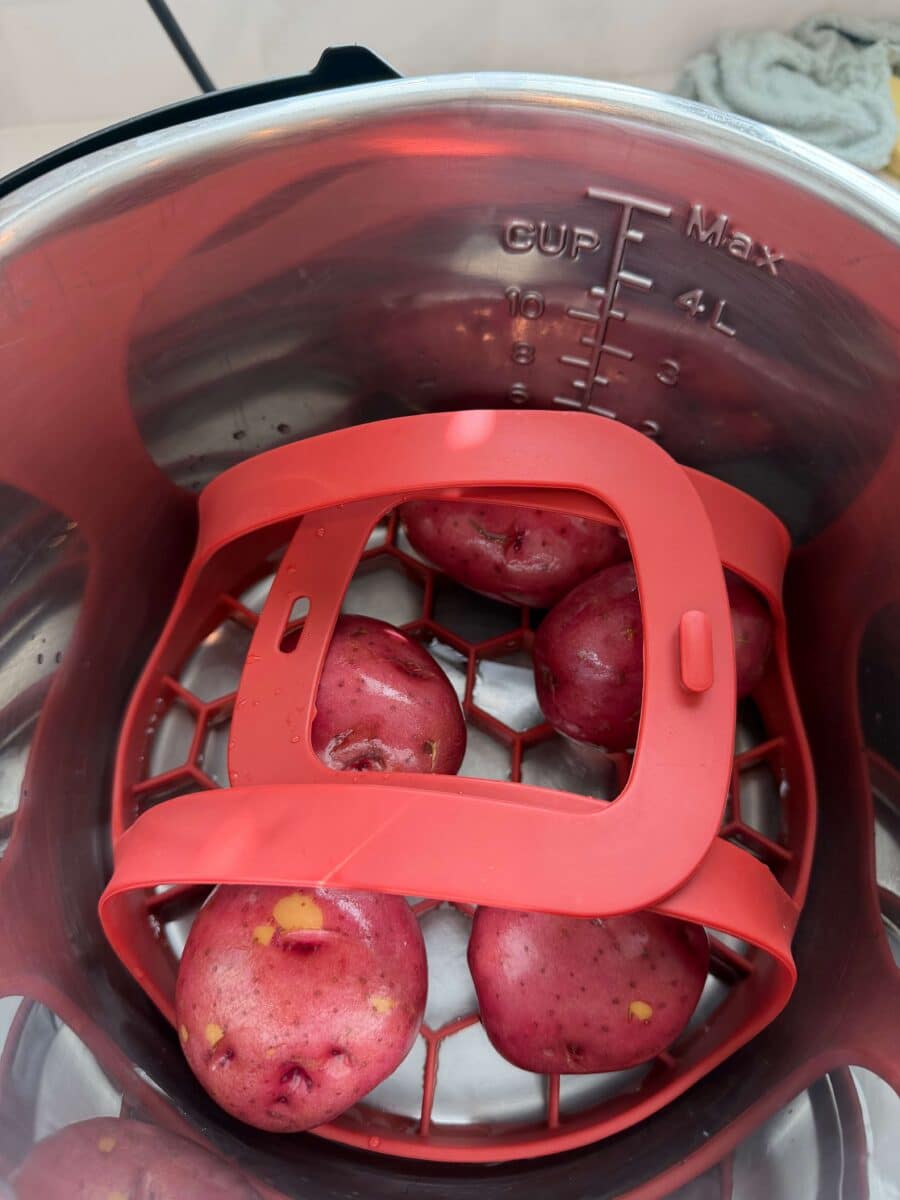
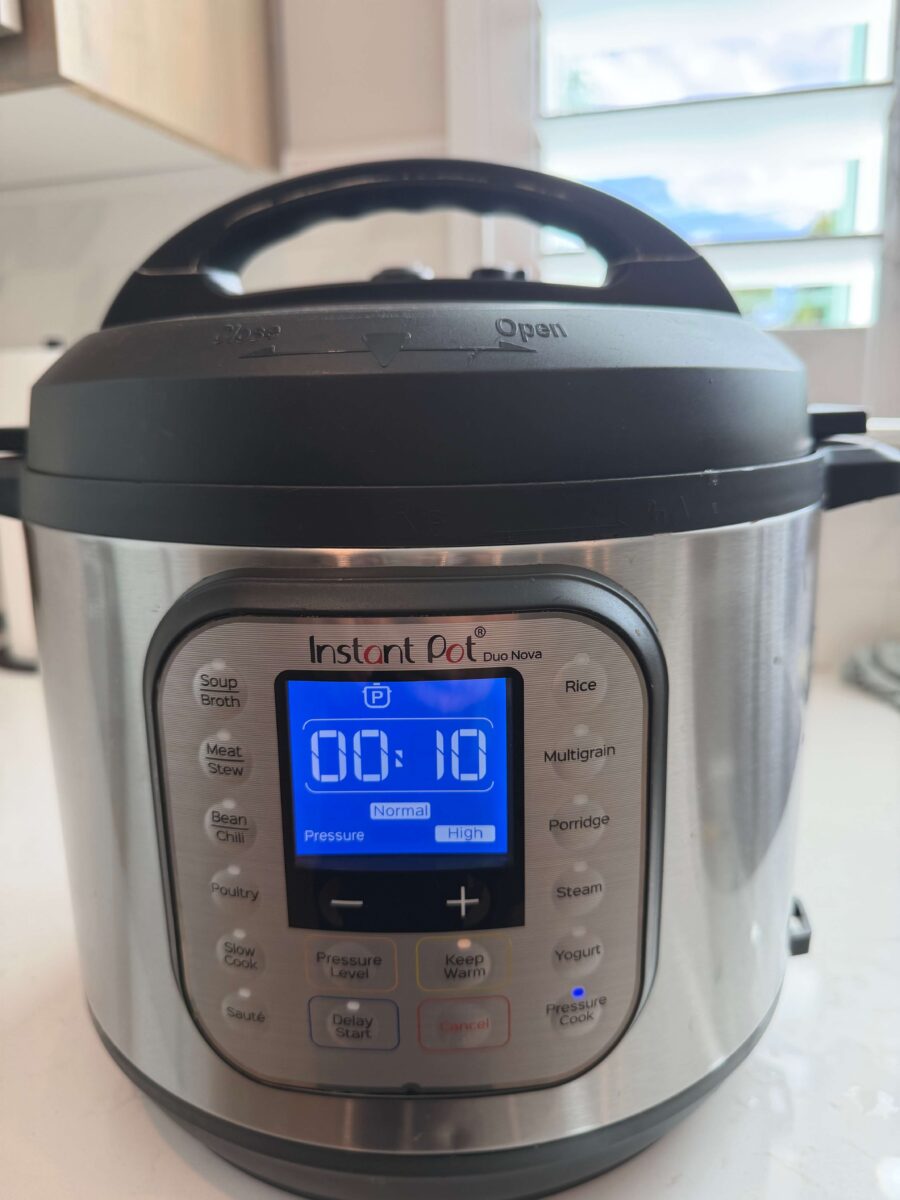
- Pressure Steaming: Using an Instant Pot, 20 ounces of red potatoes are placed in a steamer basket with 1.5 cups of water. The vessel is sealed, and the manual pressure cook setting is activated for 10 minutes. This method ensures uniform heat distribution and preserves the integrity of the potato skins, which provide necessary texture and nutritional fiber.
- Cooling and Processing: Once the pressure is released via the venting valve, the potatoes are removed and cooled. Many chefs recommend a brief period in the refrigerator to stabilize the starches, preventing the potatoes from becoming gummy during the subsequent shredding phase.
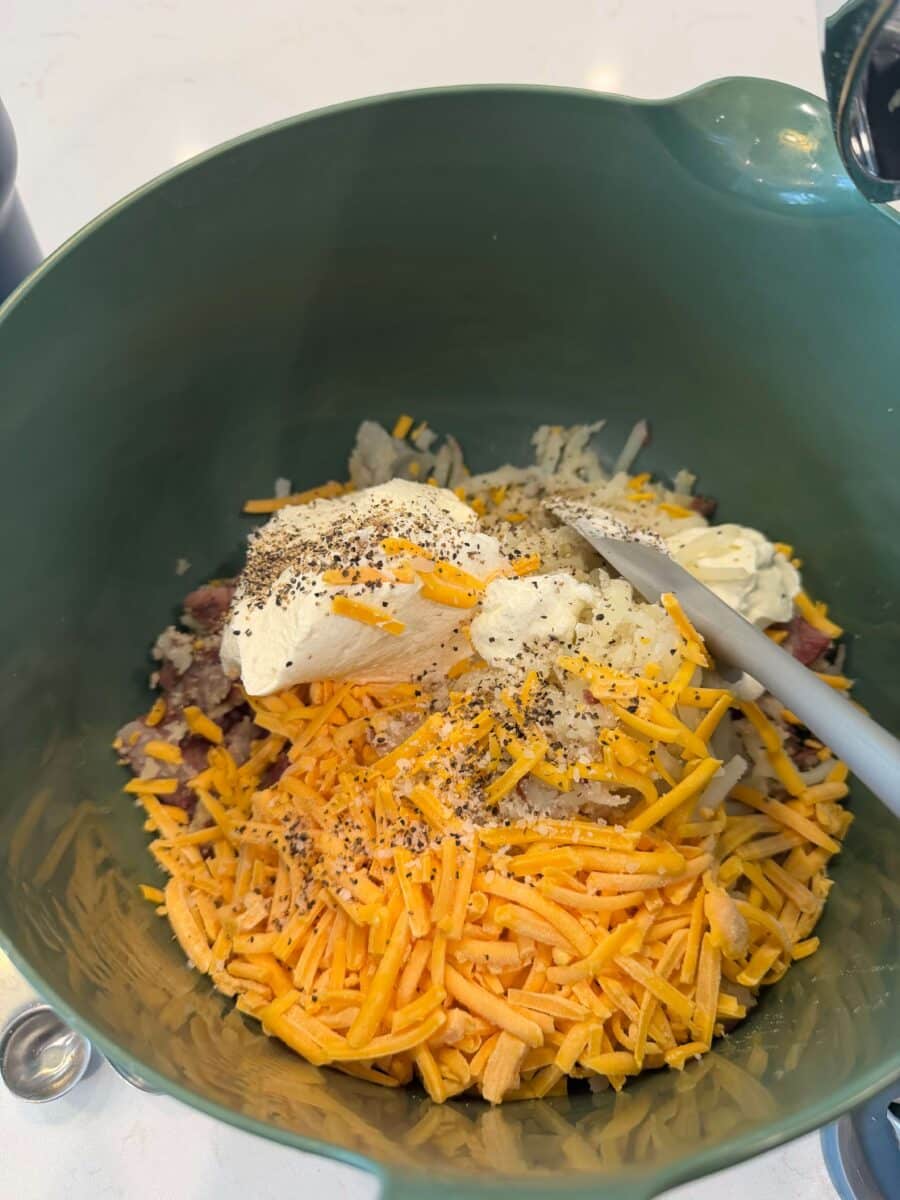
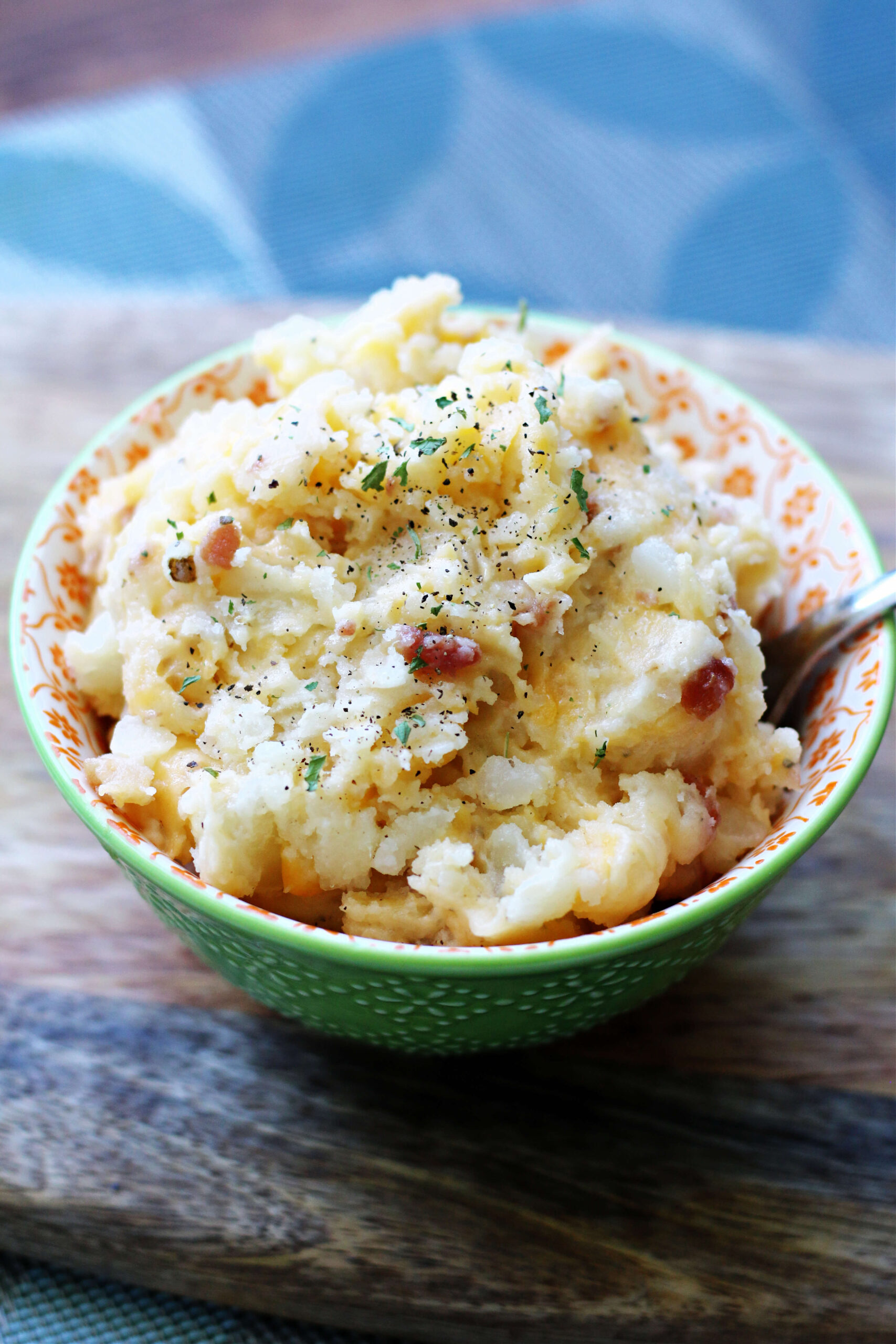
- The Binding Phase: The potatoes are coarsely shredded and folded into a mixture of sour cream and one cup of cheddar cheese. The inclusion of salt and black pepper is the only non-primary ingredient required, allowing the dish to maintain its "3-ingredient" classification.
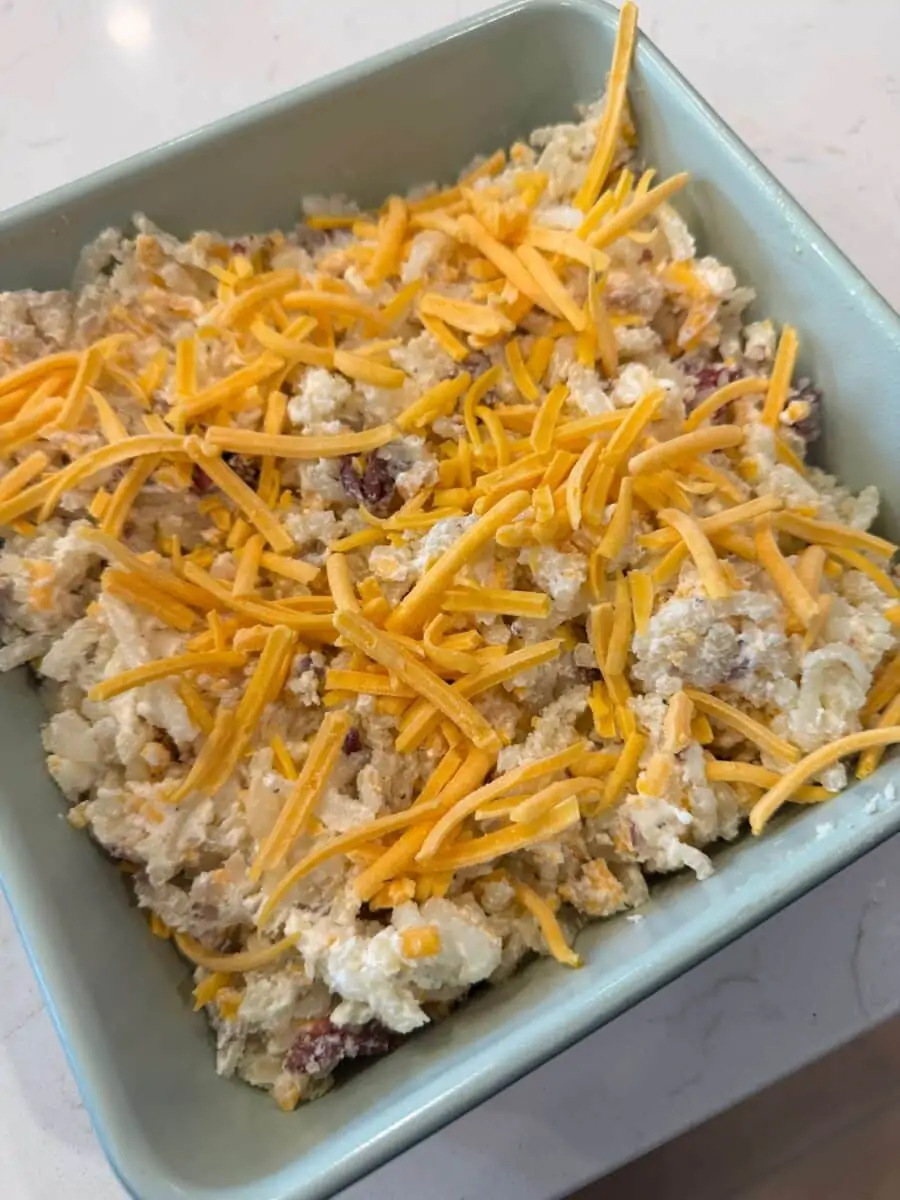
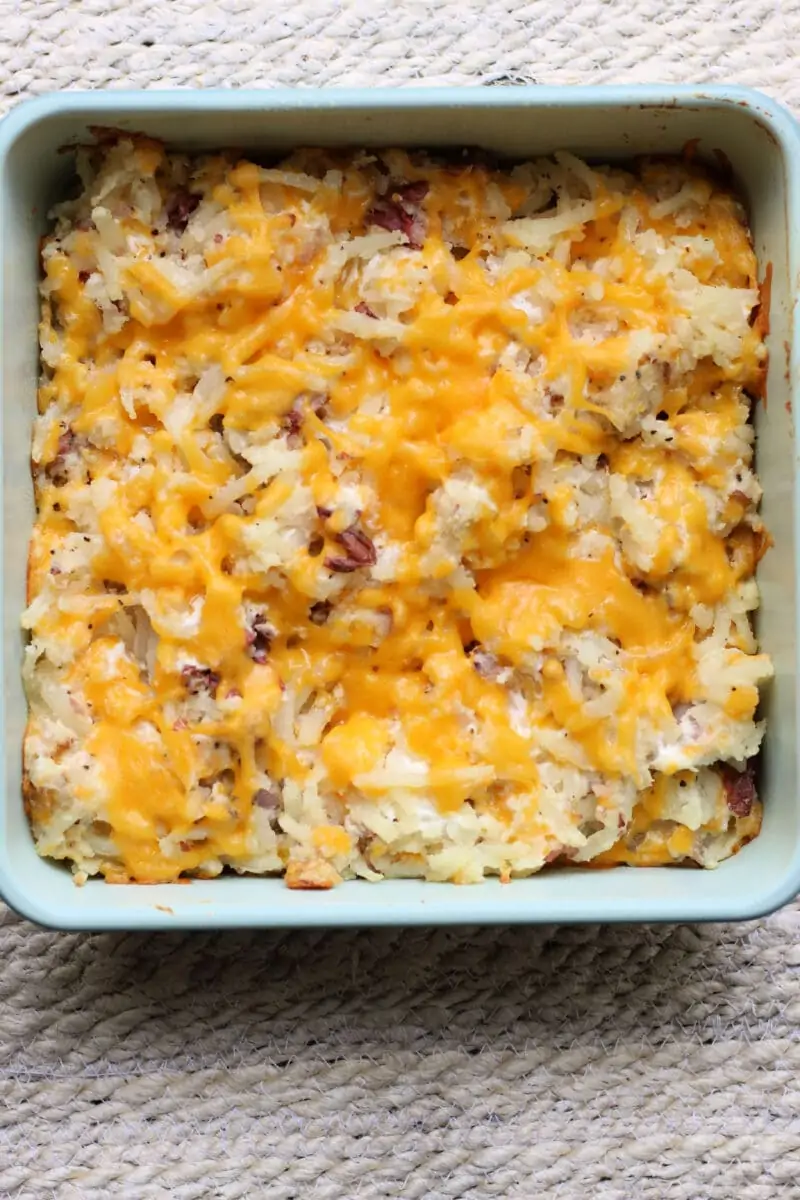
- The Bake: The final mixture is transferred to an 8×8 inch baking dish and topped with the remaining 0.5 cups of cheese, then baked at 350° F for 25 minutes to achieve a golden, melted crust.
Supporting Data: Nutritional and Economic Implications
From an economic standpoint, the reliance on whole red potatoes rather than processed frozen alternatives provides a distinct advantage for household food budgets. According to data from the USDA’s Economic Research Service, fresh potatoes remain one of the most cost-effective sources of potassium and complex carbohydrates in the American diet.
The decision to utilize sour cream as a binder rather than canned condensed soup significantly alters the nutritional profile of the dish. Canned soups often contain high levels of sodium—frequently exceeding 400mg per serving—and preservatives such as monosodium glutamate (MSG). By utilizing sour cream, the cook retains control over the sodium content, relying on the natural tang of the dairy to provide flavor. This shift aligns with recommendations from nutritionists advocating for home-cooked meals as a primary method for reducing intake of ultra-processed foods.
Industry Perspective and Market Trends
Culinary experts have noted that the "minimalist recipe" movement is not merely a fad, but a structural change in how consumers interact with digital food media. With the rise of recipe-filtering tools—which allow users to sort by preparation time, dietary restrictions, and appliance compatibility—dishes like Aunt Bee’s 3-Ingredient Casserole are positioned for success.
"The modern home cook is looking for a balance between speed and authenticity," says a spokesperson for a leading culinary digital network. "When a recipe can be categorized as both ‘Instant Pot-friendly’ and ‘low-ingredient,’ it gains immediate traction in a saturated market. The simplicity of this casserole allows for ‘modular’ cooking, where the base recipe remains the same, but the cook can easily fold in herbs, bacon, or aromatics depending on the occasion."
Broader Impact on Home Cooking Culture
The resurgence of simplified potato dishes also signals a return to "heirloom-style" recipes that were once passed down through informal networks. The attribution to "Aunt Bee" in this recipe highlights the cultural value placed on family-tested techniques. In an era of infinite online recipe databases, the human connection attached to a recipe acts as a differentiator, providing a sense of heritage that algorithmically generated content often lacks.

Furthermore, the environmental impact of such a dish should not be overlooked. By utilizing fresh, locally sourced potatoes and avoiding the supply chain requirements of processed, frozen, and canned goods, households can effectively reduce their carbon footprint. The reduced packaging waste associated with fresh produce, compared to the multilayered plastic and metal containers used for frozen or canned food, represents a subtle but significant contribution to sustainable home management.

Future Implications for Side-Dish Preparation
Looking forward, the popularity of the 3-ingredient model suggests that future appliance design will continue to prioritize speed and efficiency. As manufacturers develop more advanced smart-cookers, the ability to automate the cooling and shredding stages of potato preparation may further reduce the barrier to entry for home-cooked side dishes.

The success of Aunt Bee’s 3-Ingredient Casserole serves as a case study for the intersection of traditional comfort food and modern convenience. By simplifying the preparation process without sacrificing the tactile satisfaction of a baked potato casserole, the recipe satisfies the requirements of a diverse demographic, ranging from time-pressed professionals to families seeking to preserve the traditions of the Sunday dinner.

As food trends continue to oscillate between extreme complexity and rustic simplicity, this dish remains a reliable anchor in the culinary landscape. It proves that with the right combination of high-quality base ingredients and precise timing, one can achieve a sophisticated result that adheres to the highest standards of home-cooked excellence, all while respecting the constraints of a modern, fast-paced lifestyle.
