
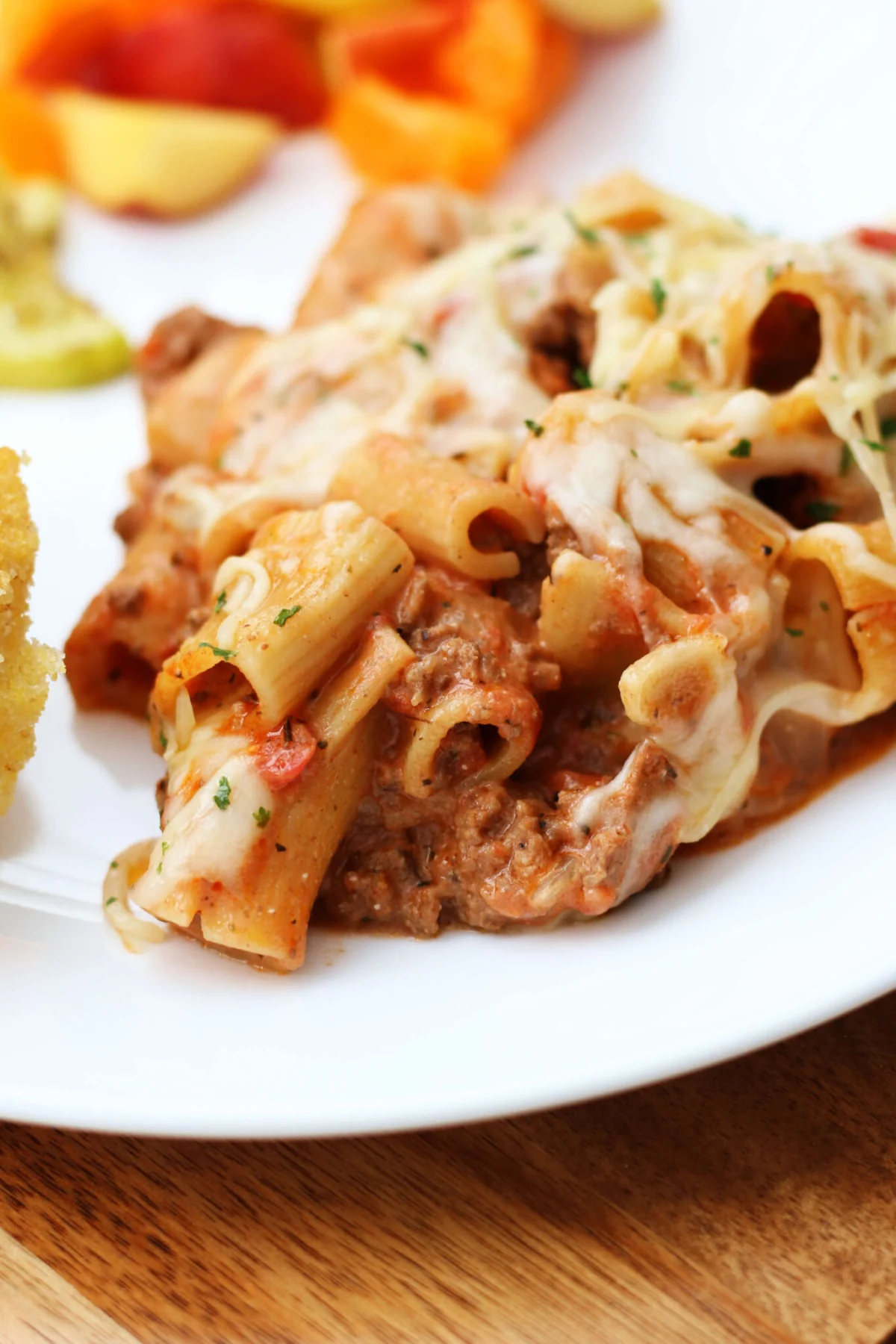
The rise of high-pressure cooking in the residential sector has fundamentally altered how families approach weeknight dinner logistics. By utilizing the Maillard reaction during the initial sauté phase and the rapid heat distribution of pressurized steam, the Creamy Parmesan Beef Rigatoni exemplifies the shift toward "all-in-one" cooking methods that prioritize efficiency without compromising the integrity of the ingredients.
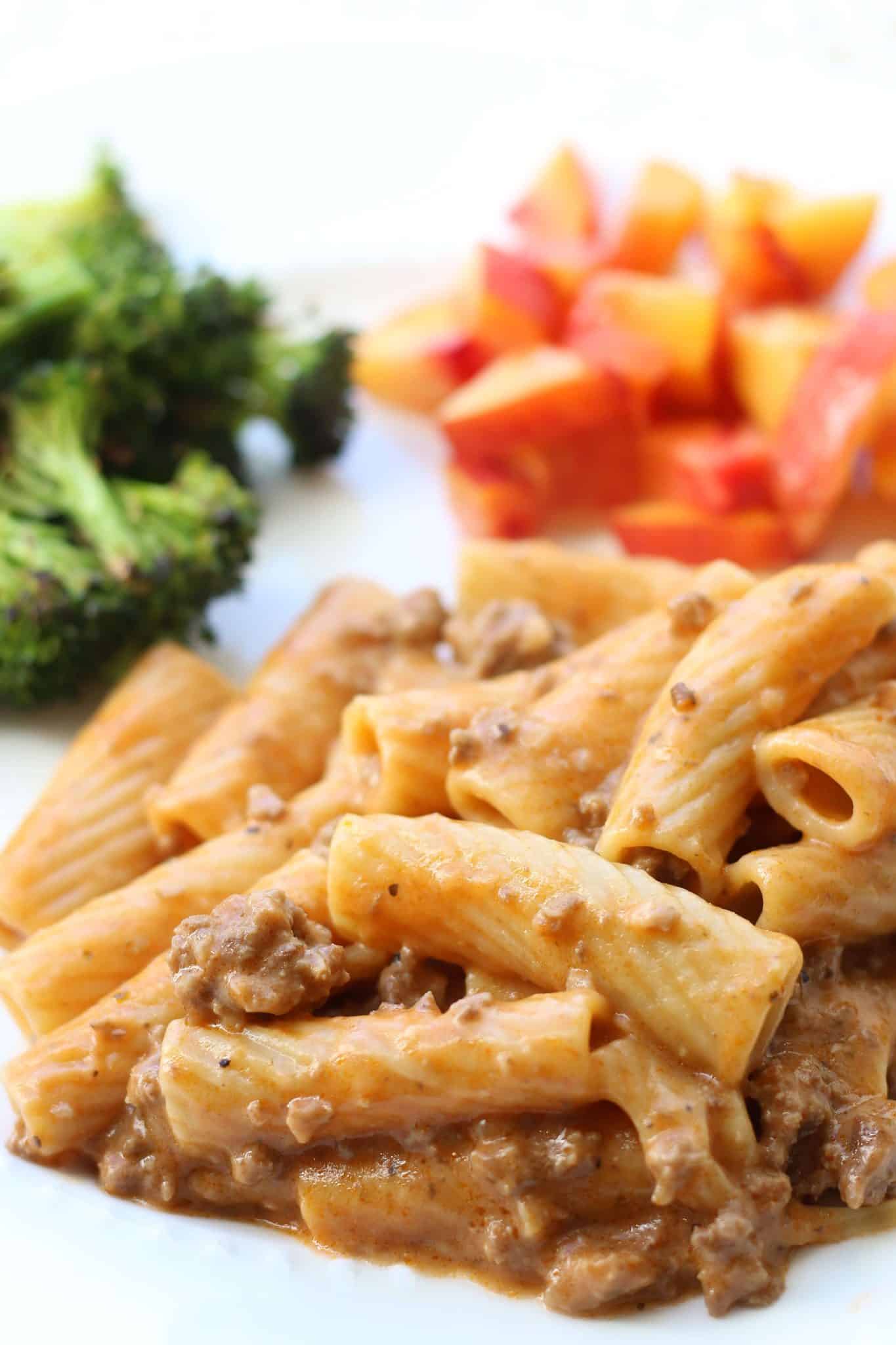
The Evolution of Pressure Cooking in Domestic Kitchens
The adoption of the Instant Pot and similar multi-cookers has seen a steady upward trajectory over the last decade. Market data suggests that these appliances have become a staple in over 30% of American kitchens, driven primarily by the consumer demand for time-saving solutions in an increasingly fast-paced lifestyle. The popularity of recipes like the Creamy Parmesan Beef Rigatoni is indicative of a broader trend: the "dump-and-go" dinner model.
Unlike traditional stove-top pasta dishes—which require separate boiling of water, browning of meat, and the constant monitoring of a sauce reduction—the Instant Pot method allows for a controlled, contained environment where the starch from the rigatoni contributes to the viscosity of the sauce, creating a silkier texture than is often achieved with standard methods.
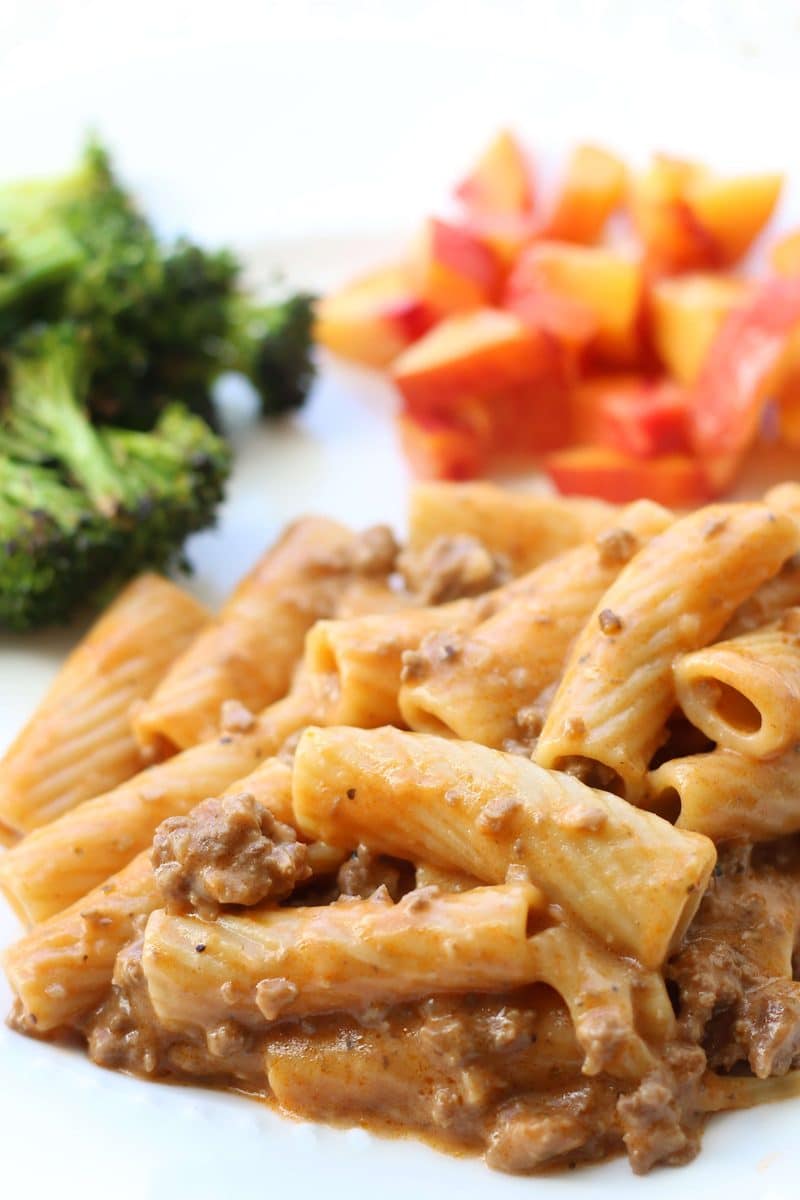
Culinary Methodology and Scientific Context
The preparation of this specific dish follows a rigid chronological sequence designed to optimize the chemical interactions between the fat, starch, and acidity of the sauce.
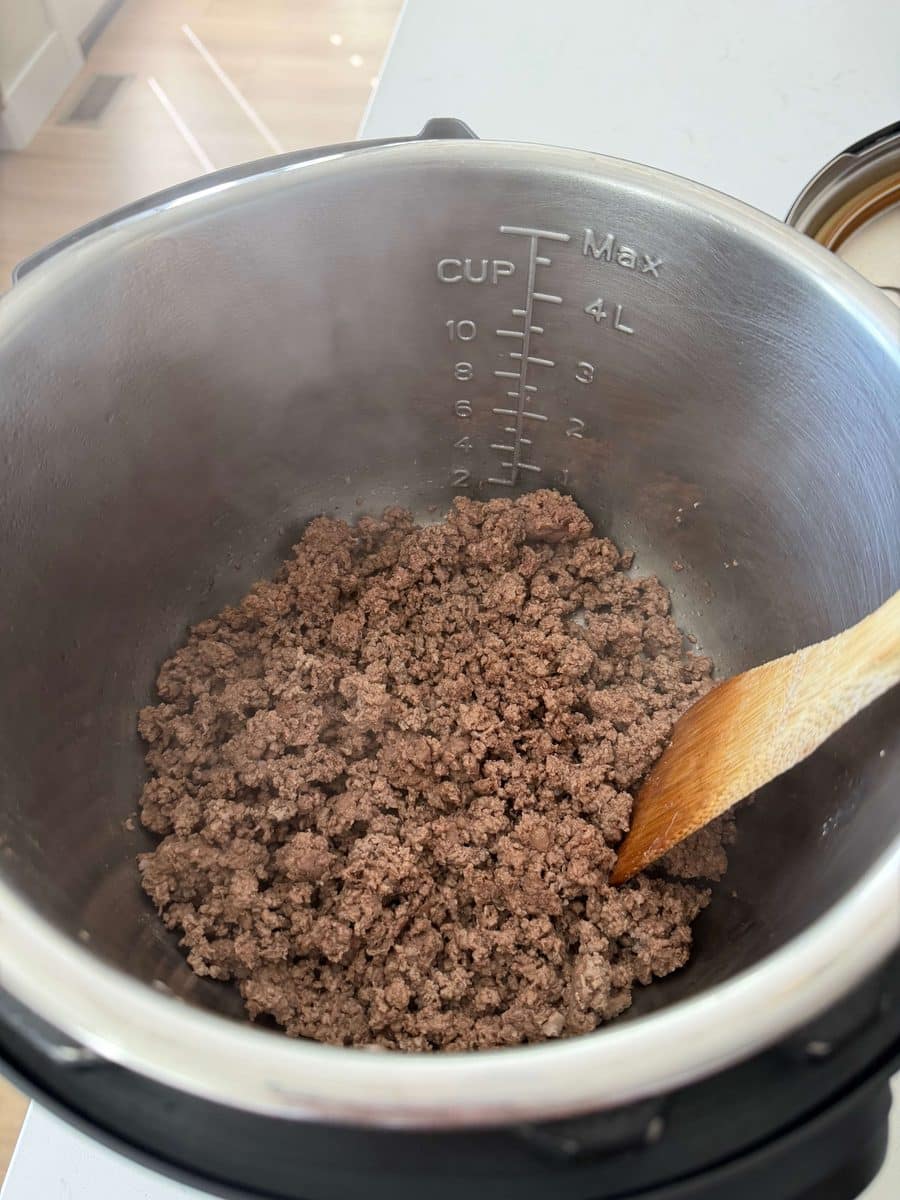
- The Sauté Phase: The process begins with the browning of ground beef. This step is critical; it is not merely for texture, but for the development of flavor compounds through the Maillard reaction. By allowing the beef to sear, the cook creates the foundation of the dish’s savory profile.
- Seasoning and Deglazing: The introduction of garlic powder, onion powder, and Italian seasoning at this stage ensures the proteins are fully infused with aromatics. Crucially, the addition of broth followed by a thorough scraping of the pot serves to deglaze the surface, ensuring that no fond—the caramelized bits of meat—is left behind. This prevents the "Burn" warning common in pressure cookers and incorporates essential depth into the liquid base.
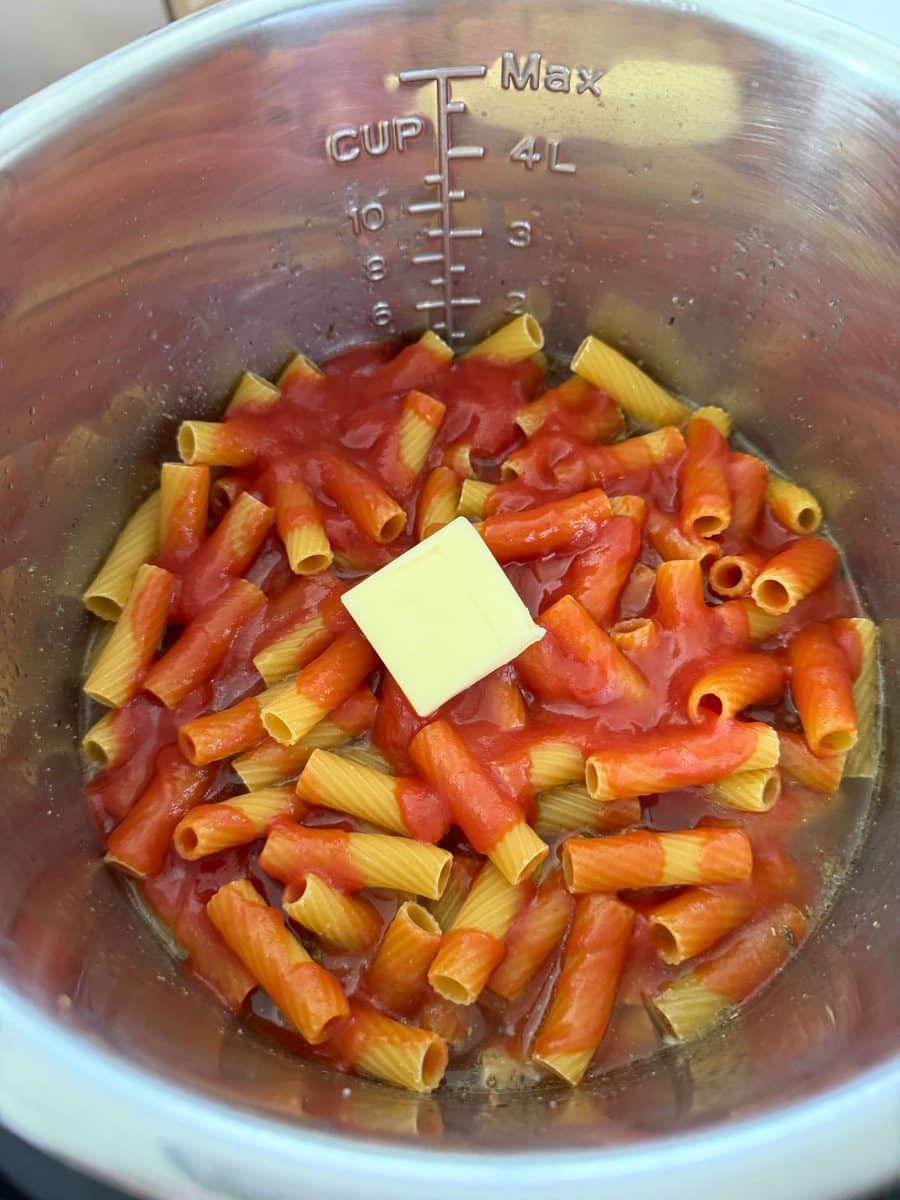
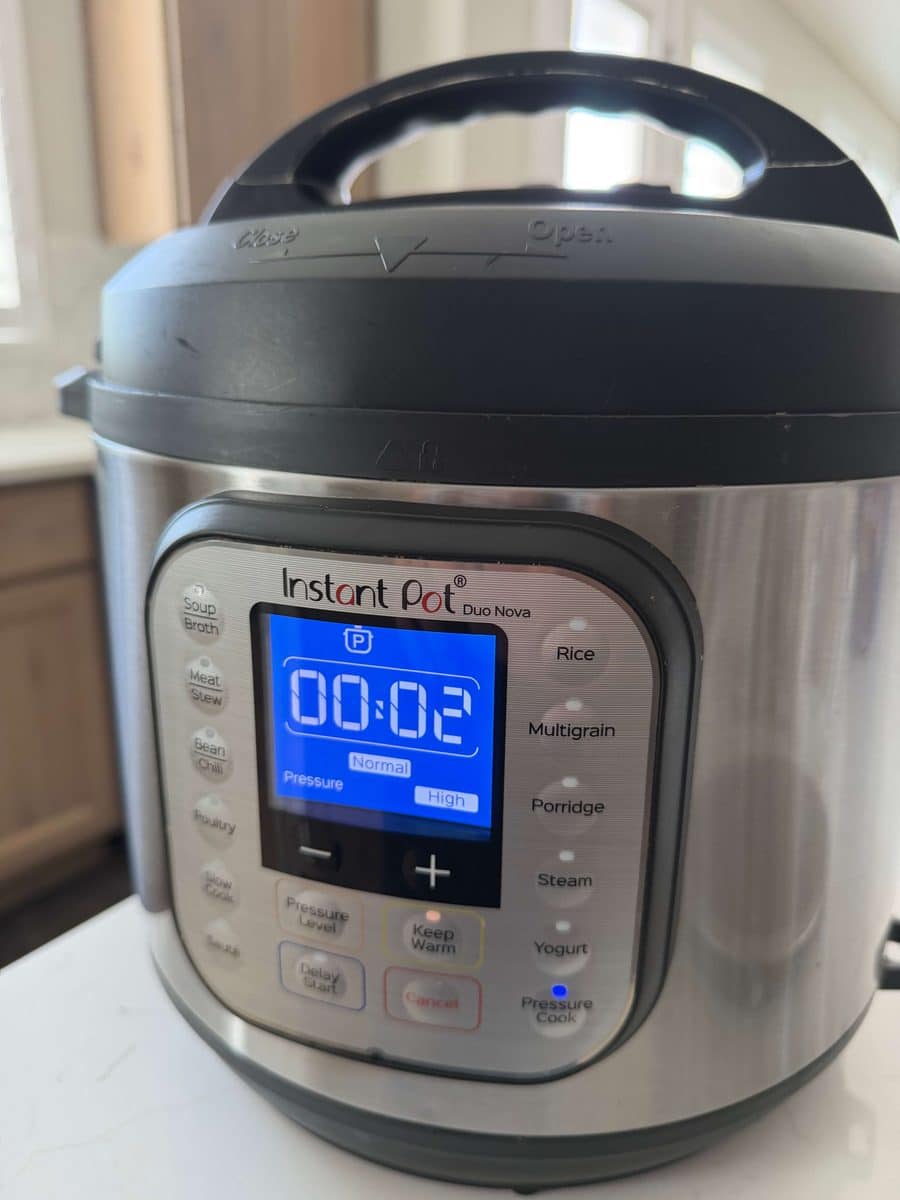
- The Pressure Cycle: The integration of the pasta and tomato sauce requires a precise 2-minute high-pressure cycle. This short duration is intentional. Because pasta continues to cook in the residual heat of the sauce, a longer cycle would result in structural failure of the rigatoni, turning a firm, al dente pasta into a mushy consistency.
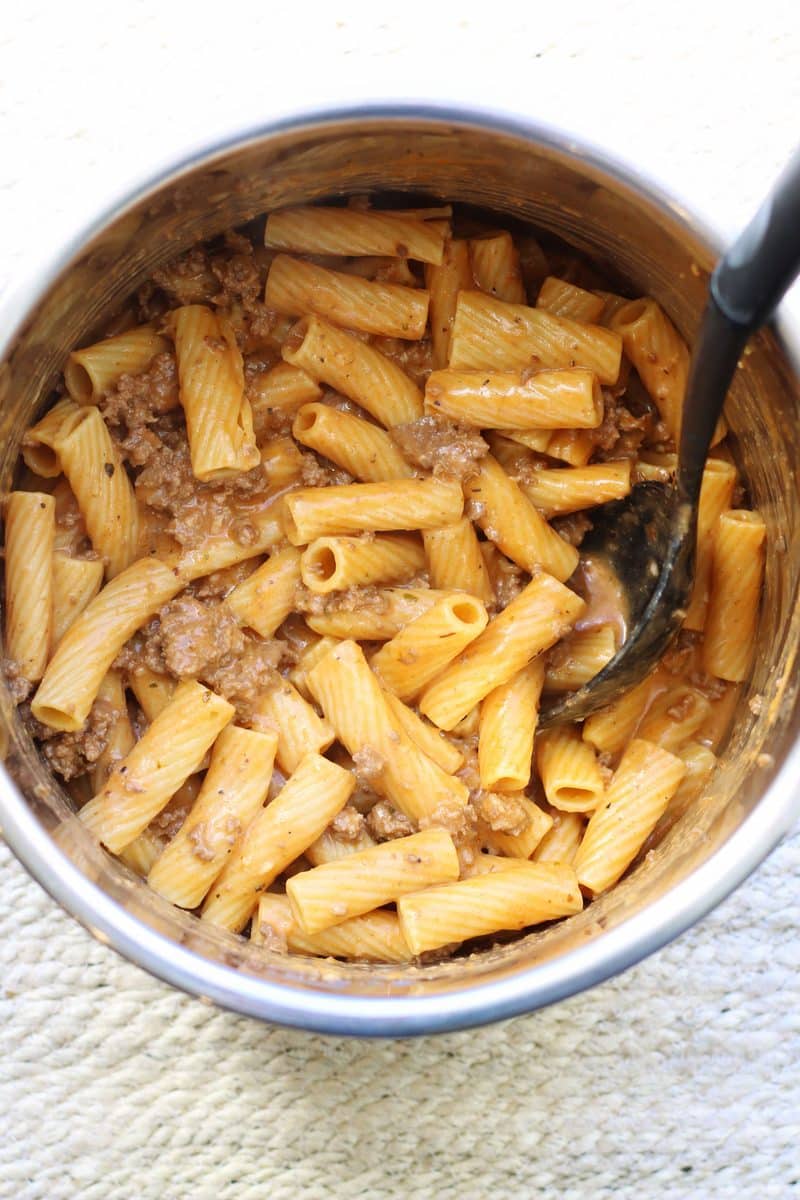
- The Emulsification Stage: Following the pressure release, the tempering of the heavy cream is a technique derived from classic French culinary practice. By slowly introducing the hot cooking liquid into the cream before adding it to the main pot, the cook prevents the milk proteins from curdling upon contact with the high heat, resulting in a stable, velvety sauce.
Nutritional and Economic Implications
From an economic standpoint, the Creamy Parmesan Beef Rigatoni serves as a highly efficient use of grocery budgets. Ground beef remains one of the most cost-effective sources of high-quality protein, and rigatoni—a hearty, hollow pasta—provides a satiating base that holds sauces effectively.
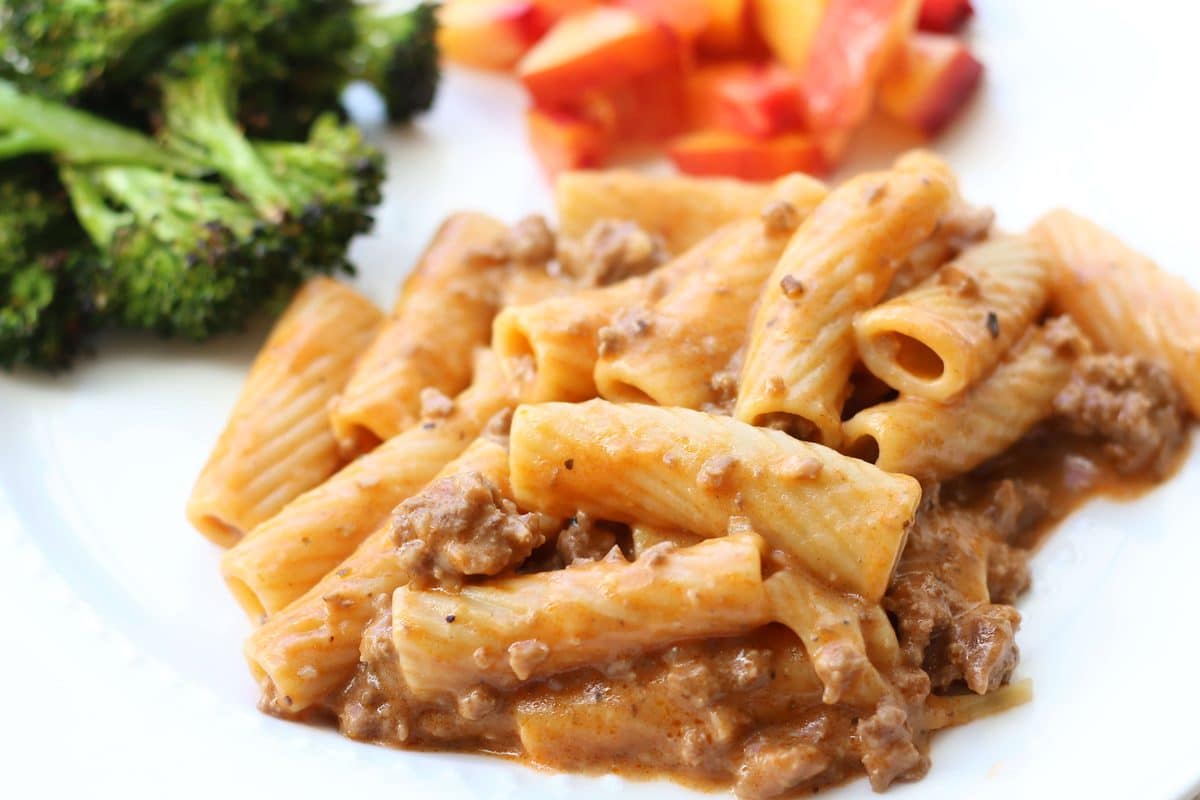
When analyzed from a nutritional perspective, the dish provides a balance of macronutrients. However, dietitians often note that the inclusion of heavy cream and butter increases the saturated fat content significantly. To mitigate this, home chefs often incorporate roasted vegetables, such as broccoli or asparagus, which offer fiber and micronutrients that round out the caloric density of the pasta. The addition of fresh produce, as seen in recent social media culinary trends, acts as a necessary counterpoint to the richness of the parmesan and butter sauce.
Comparative Analysis: Traditional vs. Pressure-Cooked Pasta
Culinary experts often debate the merits of pressure-cooked pasta versus the traditional boiling method. Traditionalists argue that boiling pasta in a large volume of water allows for better control over the starch release and the salt absorption of the pasta itself. Conversely, the "one-pot" pressure cooking method, while less forgiving of timing errors, offers a superior integration of flavors. Because the pasta absorbs the cooking liquid—which is essentially a concentrated meat and garlic stock—the flavor of the noodle is fundamentally more robust than if it had been cooked in plain salted water.
Logistics of Household Meal Planning
The inclusion of this recipe in family meal plans highlights the transition from "Sunday cooking" to "everyday cooking." In modern households where both parents may work full-time, the ability to produce a restaurant-quality meal in under 30 minutes has tangible impacts on family dynamics. The reduction in cleanup time—typically limited to the inner pot of the unit—allows for more time spent in communal activity, rather than manual kitchen labor.
Furthermore, the longevity of this dish as a leftover is a significant factor in its popularity. Pasta, when stored correctly, can often become more flavorful as the components meld overnight. The use of a creamy, dairy-based sauce allows for easy reheating, provided the user adds a splash of water or broth to reconstitute the emulsification that naturally breaks down in the refrigerator.
Expert Perspectives on Home Cooking Trends
"The convenience factor of the Instant Pot has redefined the home kitchen," says Dr. Elena Rossi, a culinary researcher specializing in domestic technology. "When we look at recipes like this Beef Rigatoni, we see a perfect marriage of technology and tradition. It is not about taking a shortcut; it is about utilizing modern physics to achieve in minutes what used to take hours."
However, there are caveats. Precision is paramount. Because the Instant Pot is a sealed system, the ratio of liquid to dry pasta must be exact. If the ratio is too high, the result is a thin, watery sauce. If too low, the pasta will remain undercooked. This requirement for precision has turned the humble pasta dish into a point of pride for many home cooks who enjoy the "technical" aspect of ensuring the perfect result every time.
Broader Impact on Food Culture
The trend of sharing these recipes on digital platforms—such as Pinterest and various recipe blogs—has created a decentralized network of culinary education. By democratizing access to techniques like tempering cream or building a flavor base through deglazing, these recipes serve as a gateway to more complex cooking.
As we look toward the future of home dining, the emphasis on efficiency is unlikely to wane. The Creamy Parmesan Beef Rigatoni represents the current zenith of this movement: a meal that is accessible, scalable, and adaptable. Whether one chooses to substitute the beef for Italian sausage, or swap the rigatoni for a different tubular shape like penne or ziti, the fundamental principles of the recipe remain constant.
Conclusion
The Creamy Parmesan Beef Rigatoni with Garlic Butter Sauce is more than a simple recipe; it is a case study in how modern kitchen technology integrates with traditional culinary aesthetics to improve the quality of life for the home cook. By focusing on the science of flavor extraction and the convenience of rapid, controlled heat, it provides a template for how meals will continue to be prepared in the 21st-century home. As these techniques continue to evolve, the expectation for high-quality, efficient home cooking will likely remain a permanent feature of the modern domestic landscape.
