
The Evolution of Convenience Cooking
The rise of countertop electric pressure cookers, such as the Instant Pot, and the enduring popularity of the slow cooker have fundamentally altered the landscape of domestic food preparation. According to market research data from the home appliance industry, the adoption of multi-cookers has seen a consistent upward trend over the last decade. Consumers increasingly prioritize "dump-and-go" recipes—a category of cooking that emphasizes the simultaneous integration of all raw ingredients into a single vessel.
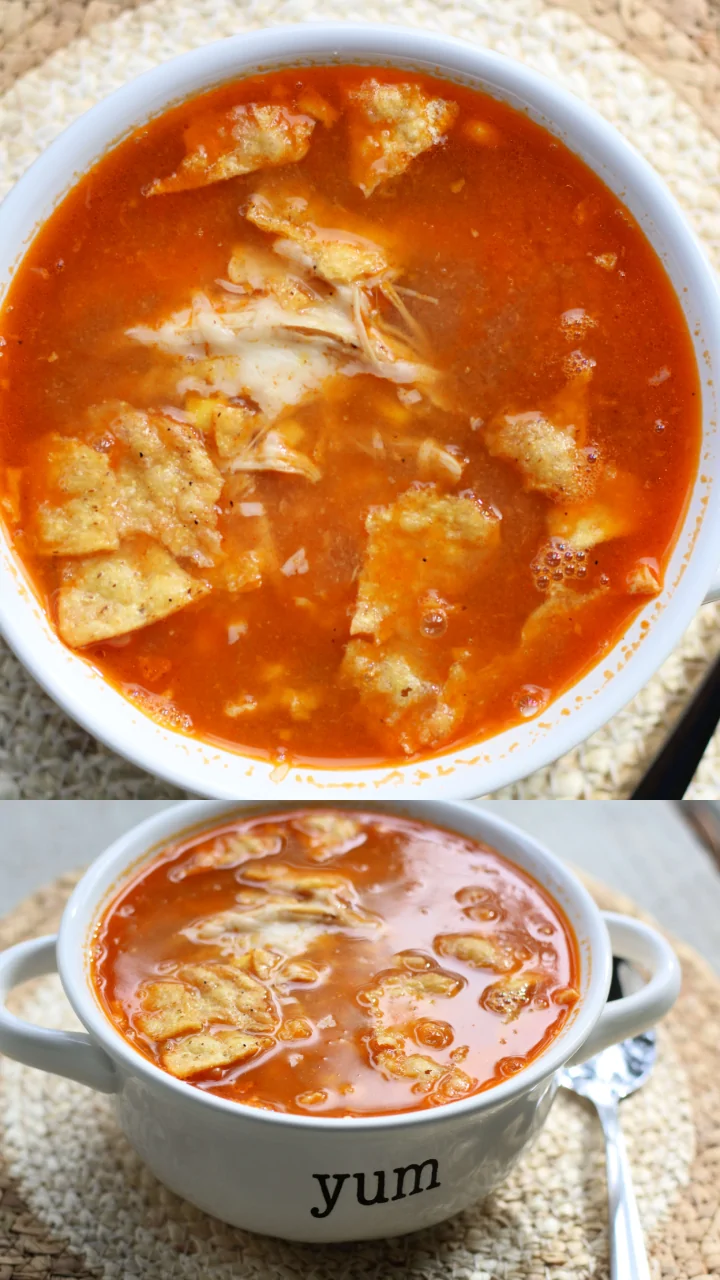
This specific recipe for BBQ Chicken Soup aligns with current culinary trends that favor high-protein, low-effort meals. By eliminating the need for manual chopping or pre-searing, the recipe addresses a significant barrier to home cooking: the time commitment required for ingredient preparation. The use of frozen chicken as a primary protein source demonstrates the flexibility of modern pressure-cooking technology, which can safely reach internal temperatures required for food safety even when beginning with frozen components.
Ingredient Composition and Nutritional Profile
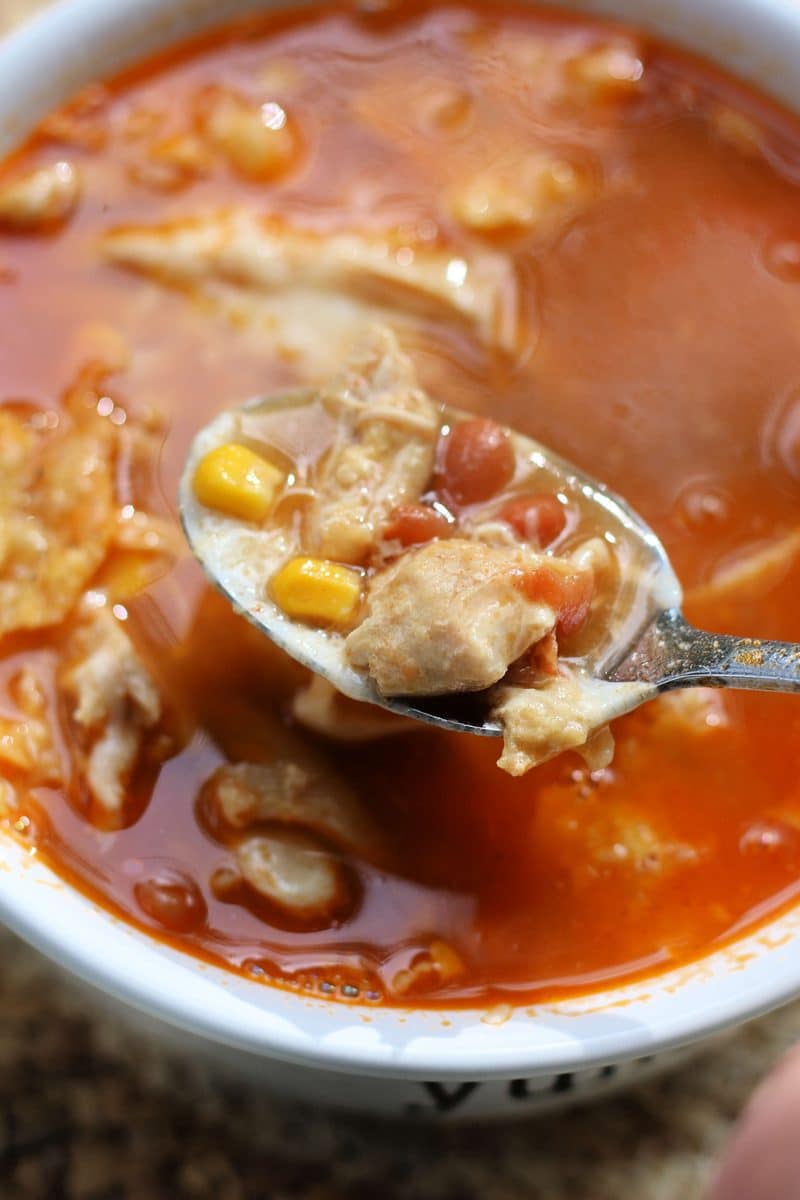
The core components of this dish consist of boneless, skinless chicken thighs, chicken broth, barbecue sauce, corn, and ranch-style beans. This combination creates a fusion of textures and savory profiles.
- Protein Source: The use of chicken thighs, as opposed to breasts, provides a higher fat content, which is historically preferred in long-duration or pressure-cooking methods to maintain moisture and prevent the meat from becoming fibrous.
- Flavor Base: The integration of barbecue sauce acts as a complex flavor agent, providing a balance of sweetness, acidity, and smoke. The addition of ranch-style beans—typically pinto beans seasoned with tomatoes, onions, and spices—adds body and fiber to the broth.
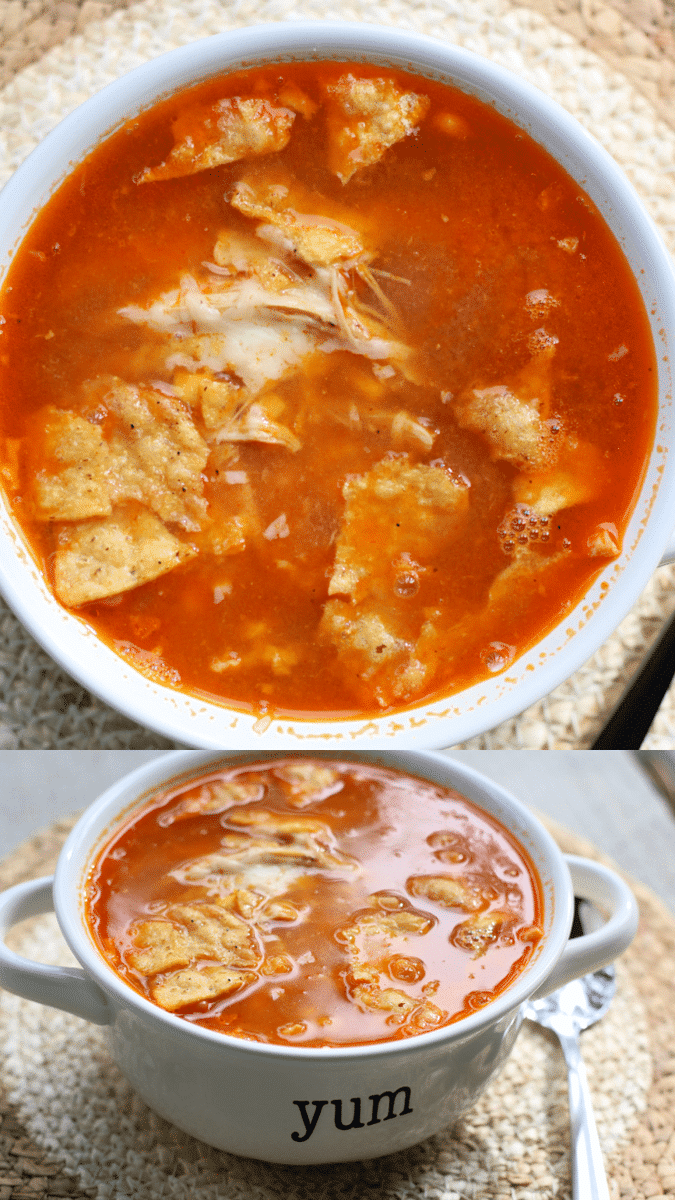
- Textural Elements: The final assembly of the dish relies on the inclusion of crunchy tortilla chips and mozzarella cheese. This contrast between the soft, shredded poultry and the crisp texture of the corn-based chips mimics the experience of consuming a thin-crust barbecue chicken pizza.
Methodological Chronology
The preparation of the soup follows a standardized procedure regardless of the appliance utilized. In an Instant Pot environment, the process is streamlined into three primary phases:
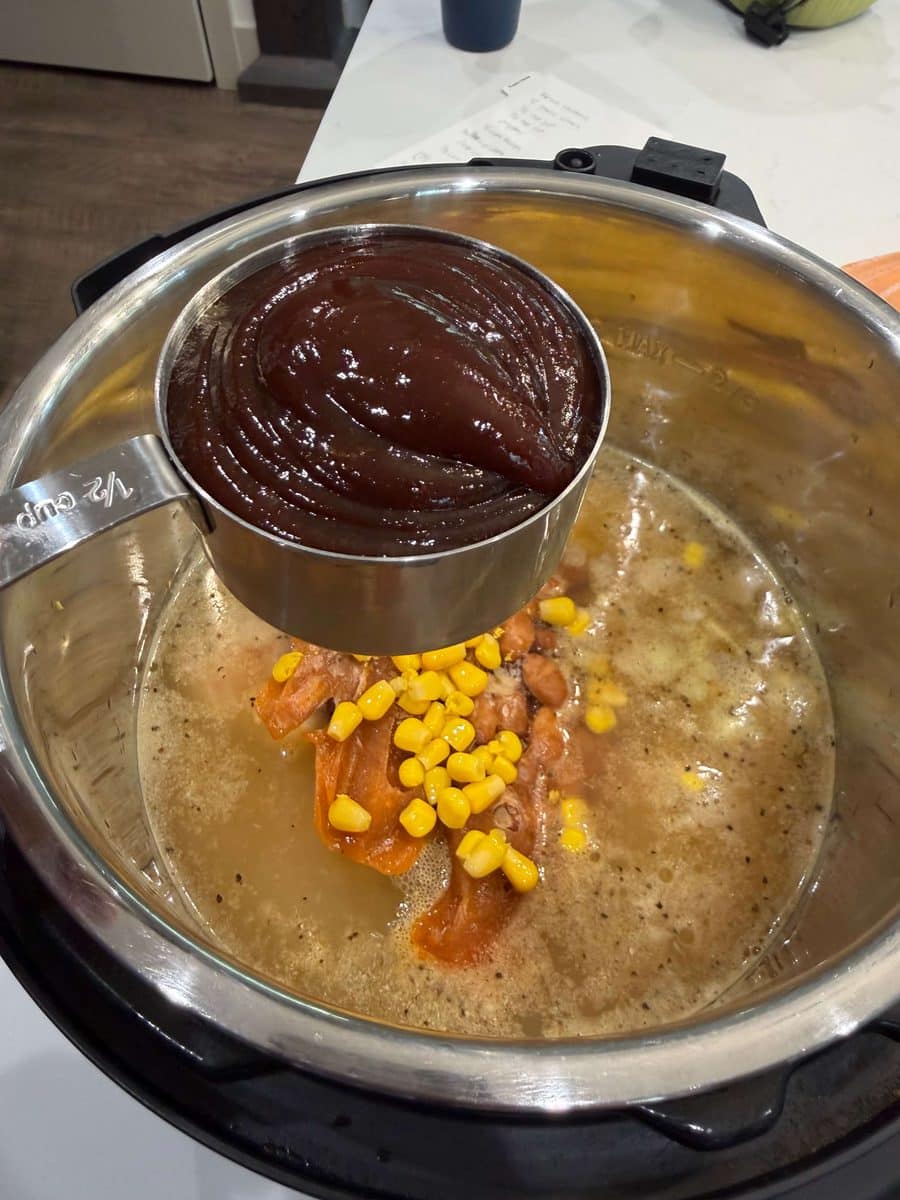
- Integration: All primary ingredients—chicken, aromatics (garlic, garlic powder, onion powder), black pepper, broth, sauce, corn, and beans—are introduced into the stainless steel inner pot.
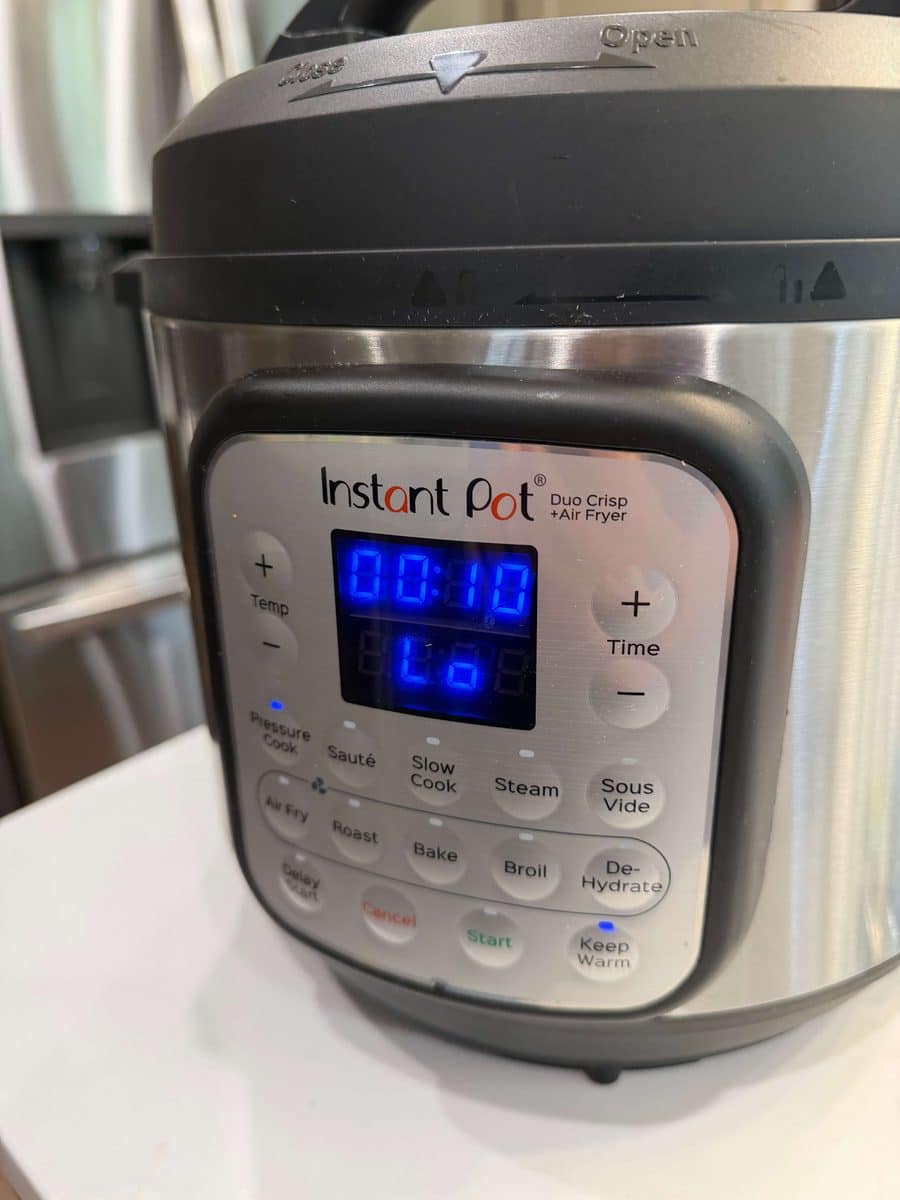
- Pressurization: The unit is sealed, and the pressure-cooking cycle is initiated. Standard industry guidelines for poultry recommend a 10-minute high or low-pressure cycle, followed by a brief natural pressure release period. This "resting" phase allows the internal juices of the meat to redistribute, ensuring that the chicken remains tender upon shredding.
- Finishing: Once the pressure is vented and the lid is removed, the chicken is shredded directly within the broth, allowing the proteins to absorb the surrounding liquids. The final garnish of cheese and tortilla chips is added at the point of service to maintain the integrity of the textures.
For those utilizing a slow cooker, the process is adapted for a longer duration, usually requiring several hours on a "low" heat setting. While the timeline differs, the outcome—a cohesive, flavor-dense soup—remains consistent.
Market Context and Consumer Impact
The popularity of recipes like this reflects a broader shift in domestic food consumption. Data from culinary analysts suggests that households are moving away from traditional "stove-top" methods in favor of automated systems that allow for "hands-off" cooking. This shift is partially attributed to the increase in dual-income households and the subsequent need for efficient meal planning.
Furthermore, the "pizza-inspired" flavor profile is a strategic choice. Barbecue chicken pizza has been a staple in the North American culinary landscape for decades. By translating these familiar flavors into a soup format, the recipe offers a sense of nostalgia while providing a different delivery method for the same flavor components. This approach reduces the "risk" for home cooks who might be hesitant to try entirely new flavor combinations, instead offering a comforting alternative to a traditional meal.
Expert Perspectives on Home Cooking Efficiency
Culinary educators often note that the success of recipes like this lies in the effective use of pantry staples. Canned beans and frozen corn are classified as shelf-stable or easily preserved, meaning this meal can be prepared with minimal lead time or grocery planning.
From an economic perspective, utilizing chicken thighs—often a more cost-effective cut of poultry compared to breasts—coupled with beans as a secondary protein, allows for a high-volume, low-cost meal. This is particularly relevant in the context of rising food prices, where households are increasingly looking for ways to maximize the yield of their protein purchases.
Broader Implications for Modern Nutrition
While the recipe is convenient, nutritionists often suggest that the health profile of such meals is highly dependent on the quality of the barbecue sauce used. Many commercial sauces are high in high-fructose corn syrup and sodium. However, the flexibility of the recipe allows for the substitution of sugar-free or low-sodium alternatives, making it a viable option for those managing blood sugar or hypertension.
The addition of beans and corn provides essential dietary fiber, which is frequently lacking in standard modern diets. When served with a side of vegetables or a salad, this soup functions as a balanced meal. The ability to customize the dish—such as adding fresh cilantro or diced red onions—allows the cook to introduce fresh, nutrient-dense components that balance the richness of the barbecue sauce and cheese.
Conclusion and Future Outlook
As the domestic kitchen continues to integrate more advanced technology, the demand for recipes that bridge the gap between "convenience" and "quality" will likely grow. The BBQ Chicken Soup recipe serves as a case study for how traditional flavors can be adapted for modern, high-speed cooking environments.
Whether one is a novice cook or an experienced home chef, the methodology behind this dish—minimal prep, maximum flavor integration, and versatile serving options—highlights the essential components of successful, modern, time-sensitive meal preparation. As consumers continue to filter recipes by dietary requirements, cooking time, and appliance compatibility, the relevance of such "dump-and-go" meals remains firmly established within the contemporary home cooking ecosystem. By focusing on fundamental culinary techniques—shredding, simmering, and balancing textures—this recipe provides a scalable model that can be adapted to suit a wide range of individual preferences and dietary needs.
