
Culinary Innovation and Appliance Integration
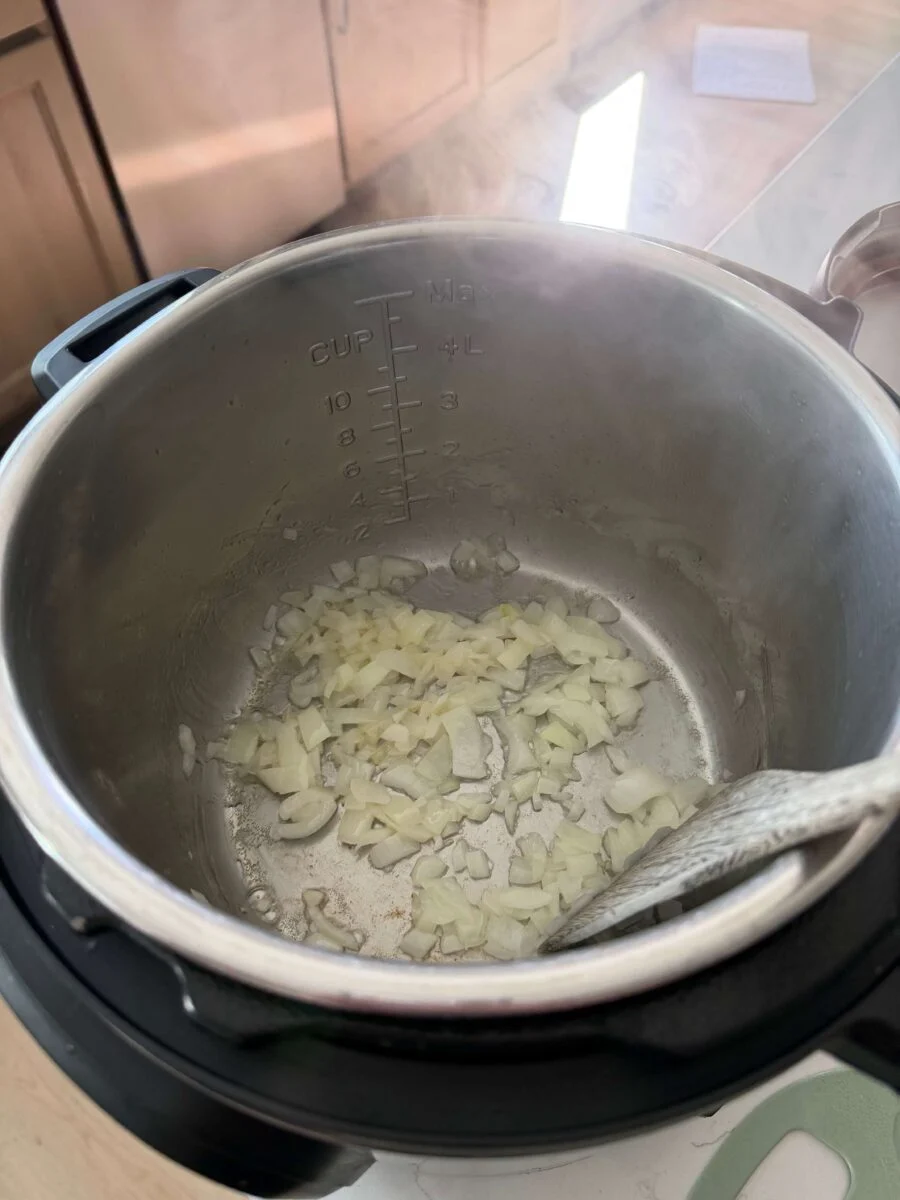
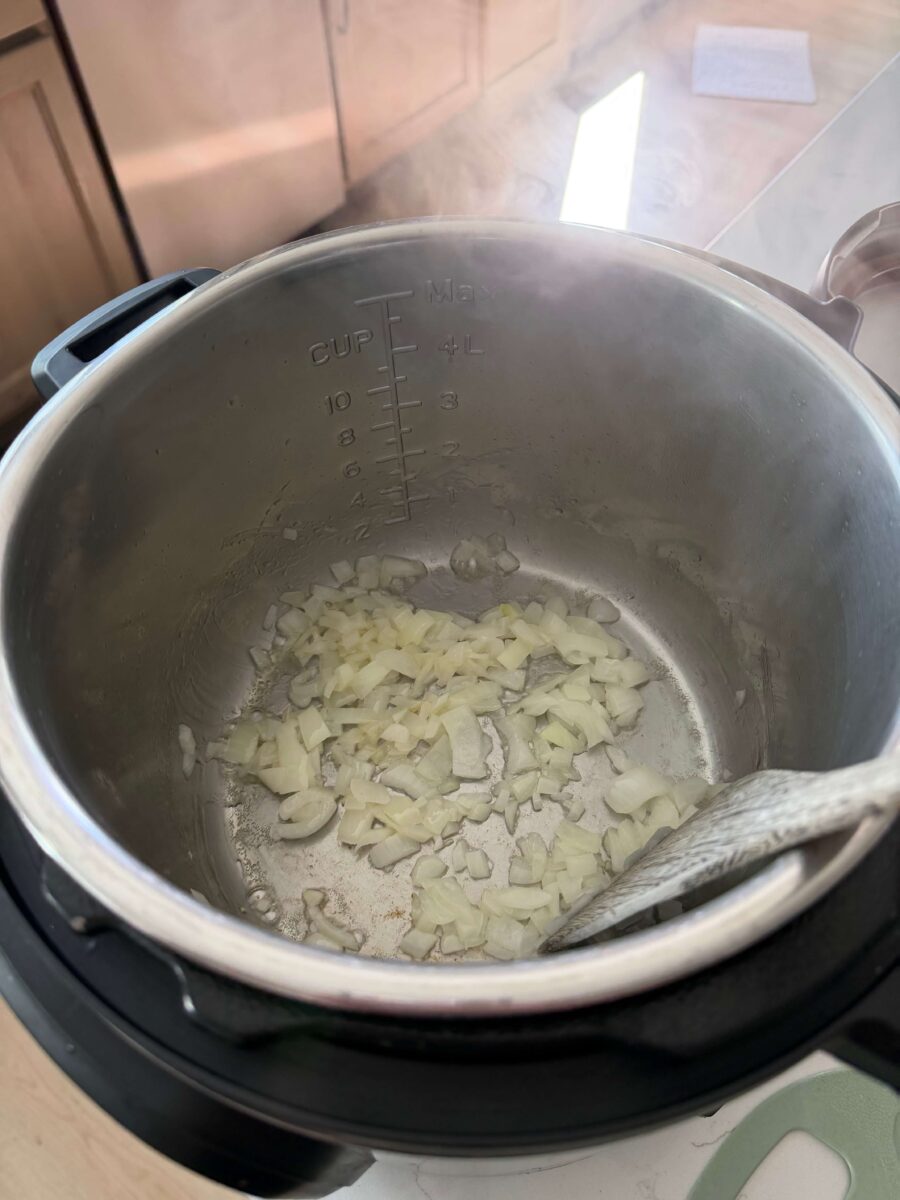
The rise of multifunctional electric pressure cookers has fundamentally altered domestic food preparation, and the Broccoli Cheddar Lasagna Soup serves as a case study in this shift. By utilizing the "saute" function of an Instant Pot, home cooks can replicate the stovetop base-building process—melting butter and softening onions—before transitioning to a pressurized environment. This dual-functionality ensures that the aromatic foundation of the soup is preserved while the subsequent pressure-cooking phase significantly reduces the time required to hydrate and cook dense ingredients like carrots and pasta.
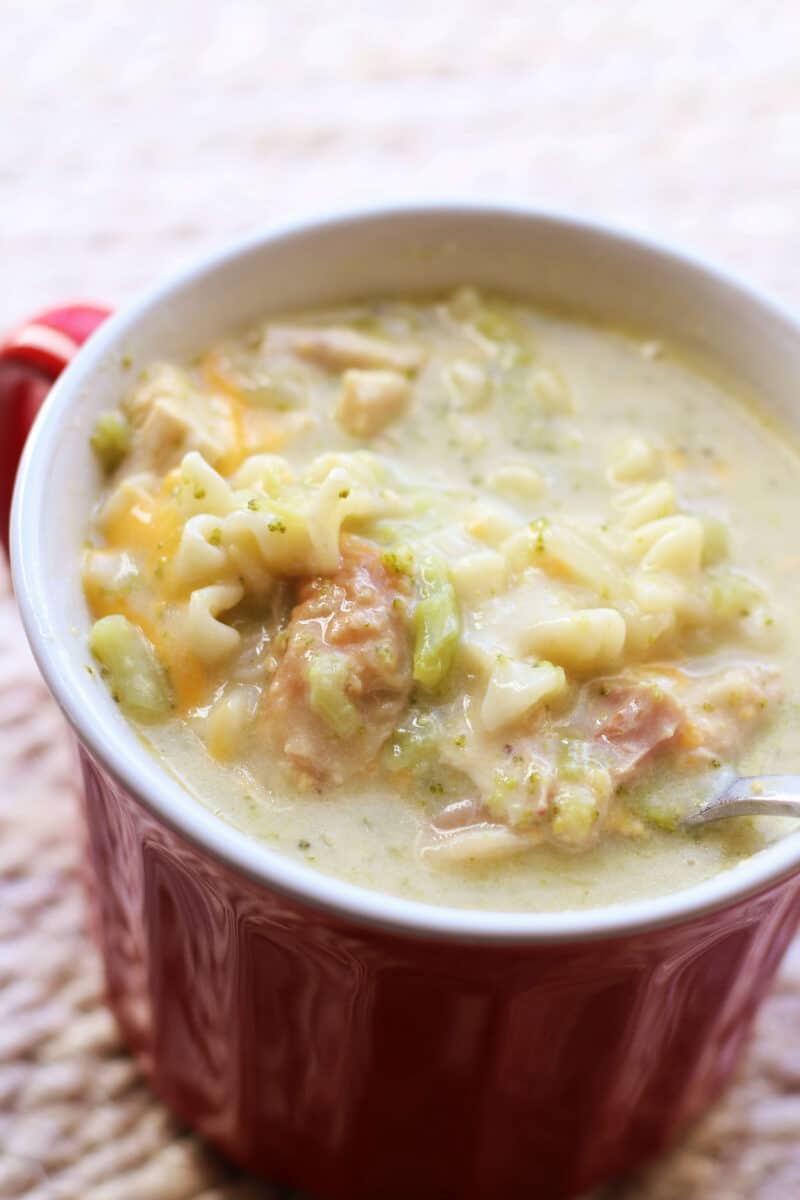
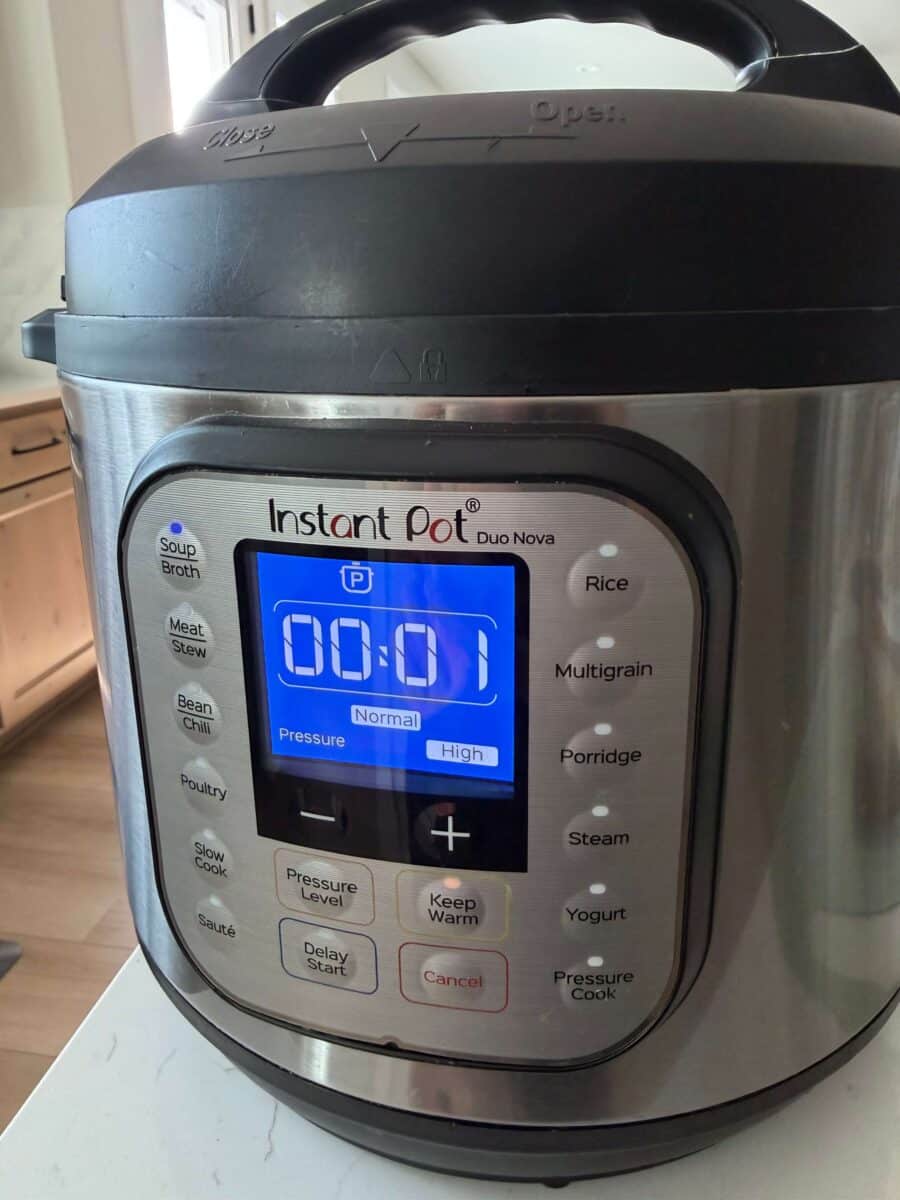
The technical specifications of this recipe are noteworthy for their efficiency. The process requires only a one-minute high-pressure cycle. While this duration may seem abbreviated to the uninitiated, it accounts for the significant time the unit spends reaching internal pressure. During this "come to pressure" phase, the broth and solid ingredients undergo a thermal soak, effectively cooking the components without risking the over-softening of the broccoli or the degradation of the delicate lasagna noodles. This precision in timing is a hallmark of modern recipe development, where the latent heat of the appliance is considered as much as the active cooking duration.
Ingredients and Nutritional Profile
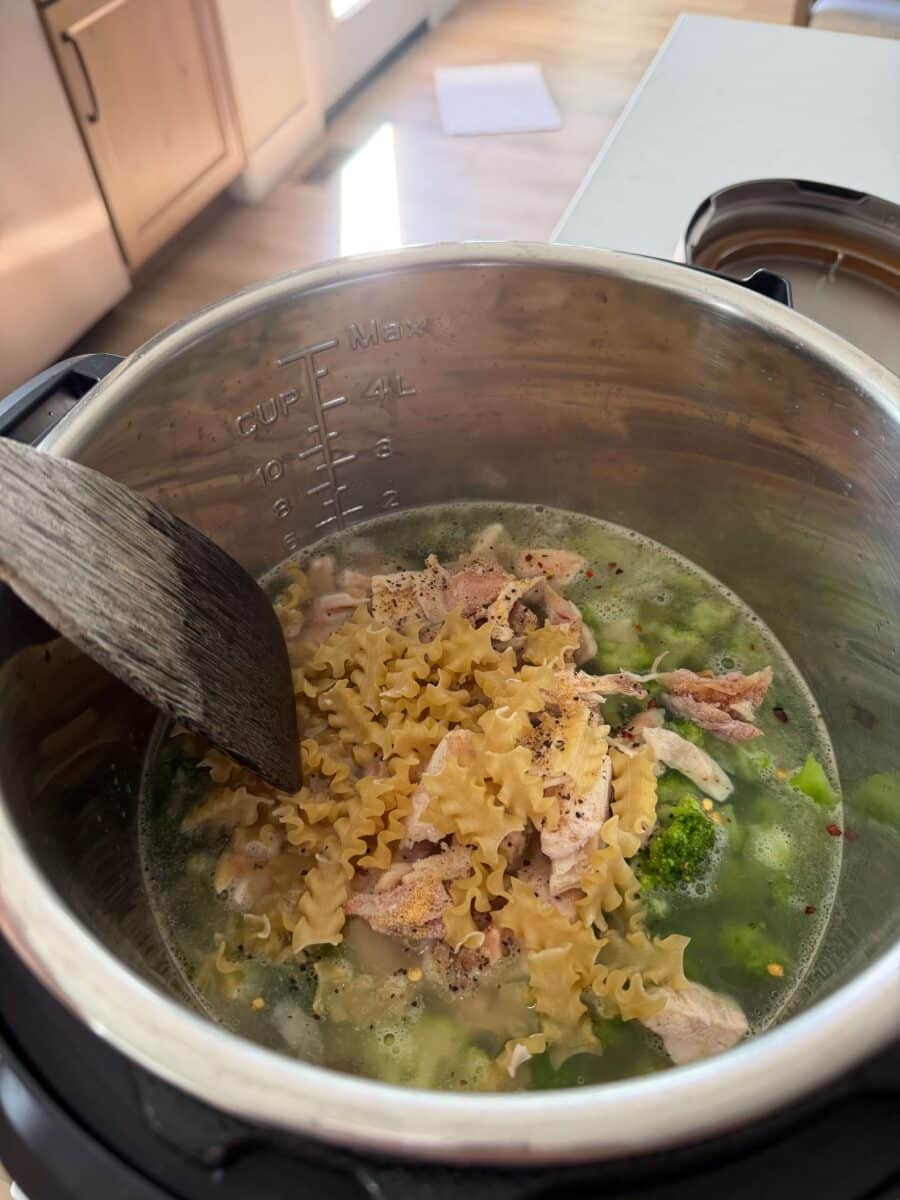
The selection of ingredients for this soup reflects a balance between convenience and nutritional density. The core components include:
- Rotisserie Chicken: A staple of modern convenience, providing a high-quality protein source that is pre-cooked and easily shredded, saving approximately 30 to 45 minutes of preparation time.
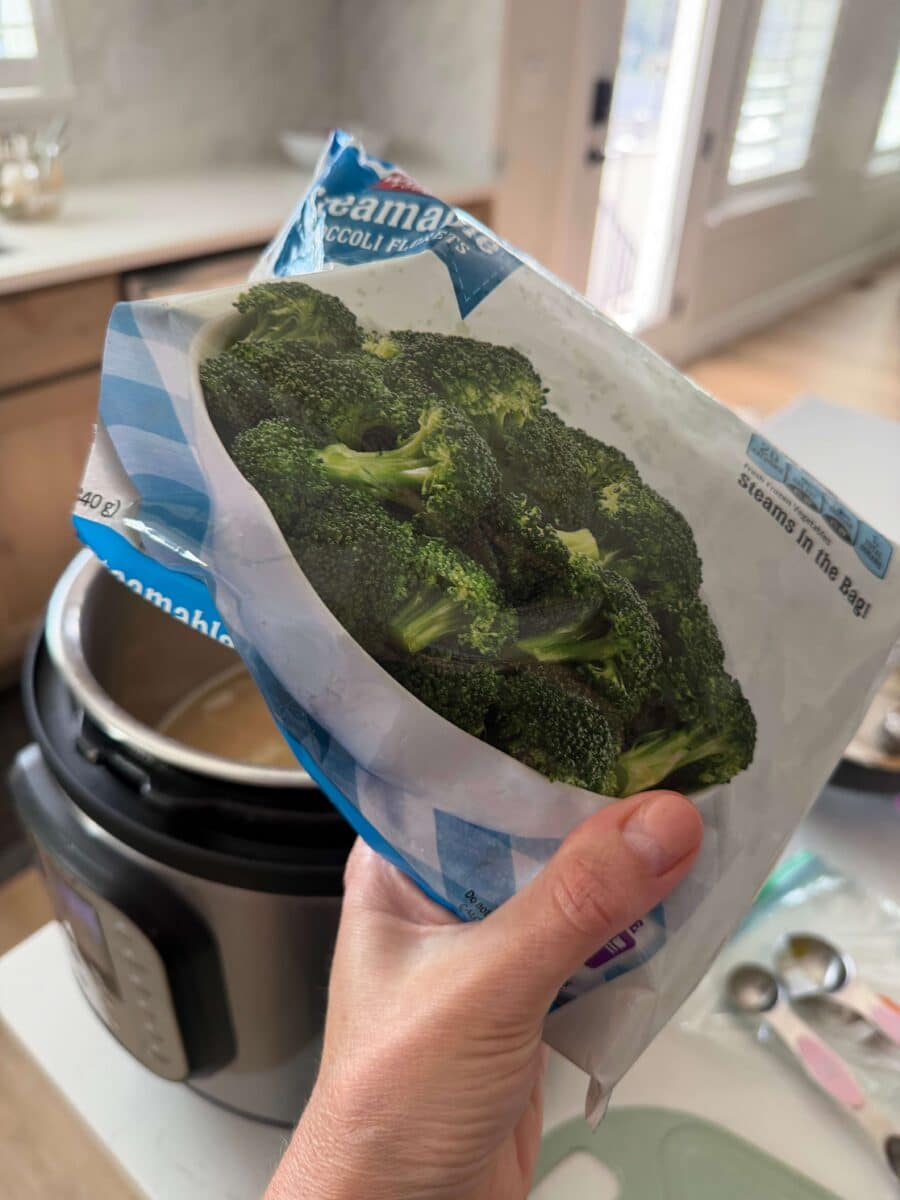
- Frozen Broccoli Florets: By utilizing frozen produce, the recipe ensures year-round accessibility and consistency in texture, as these are typically flash-frozen at peak ripeness.
- Mini Lasagna Noodles: These provide the structural integrity required to mimic the lasagna experience, with a surface area that allows for optimal sauce adhesion.
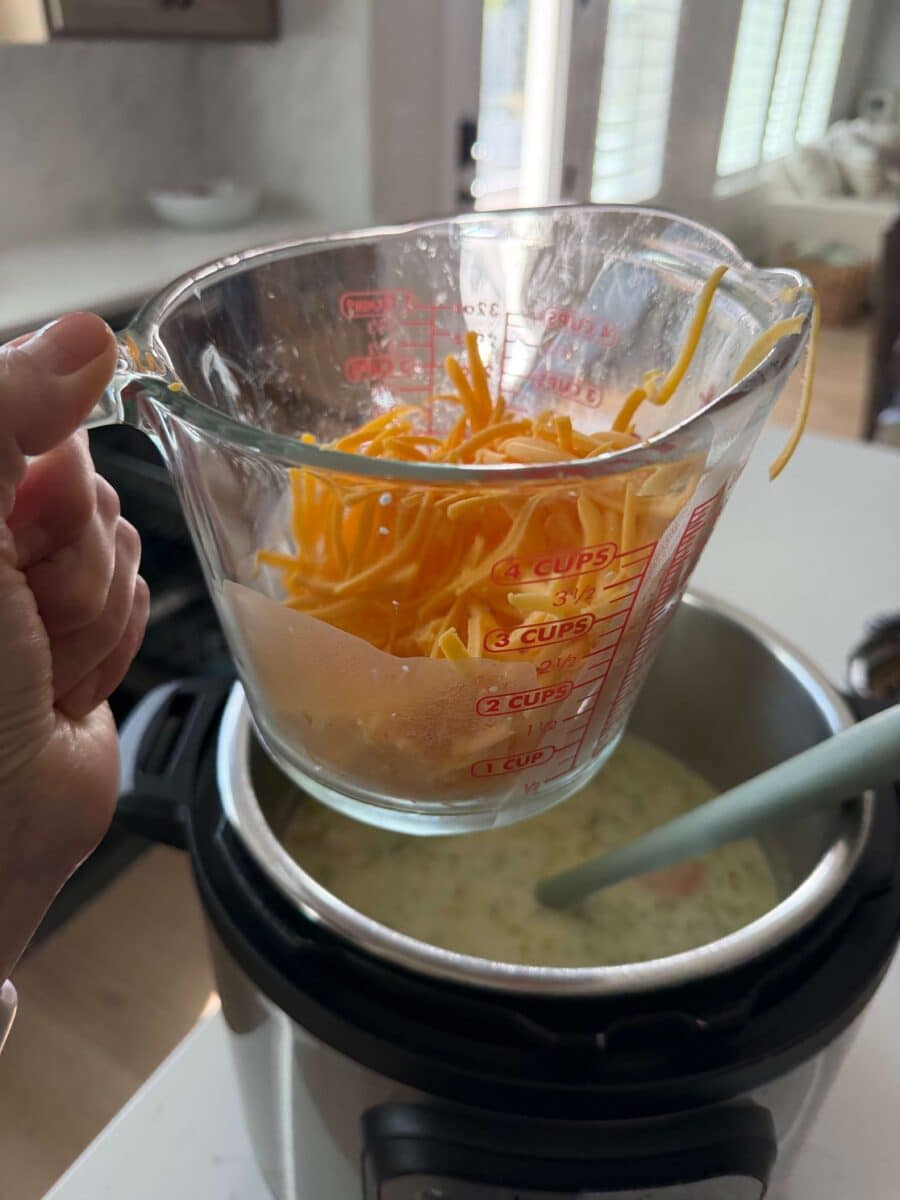
- Cheddar Cheese and Half-and-Half: These components introduce a lipid-rich emulsification that provides the signature mouthfeel associated with broccoli cheddar soups, balancing the acidity of the broth and the earthiness of the vegetables.
From a nutritional standpoint, the incorporation of carrots and broccoli offers a significant profile of vitamins A, C, and K, as well as essential dietary fiber. The addition of dairy and protein-rich chicken creates a satiating profile that functions as a complete meal rather than a simple side dish.
Chronological Execution and Methodological Best Practices
Successful preparation of this dish relies on a specific sequence of operations designed to maintain the integrity of the dairy components. The chronology of the process is as follows:
- Preparation Phase: The base is established through the gentle sautéing of onions in butter. This step is critical for developing the aromatic profile of the soup, providing a savory depth that prevents the final product from tasting one-dimensional.
- Pressure Application: Once the broth, vegetables, and chicken are incorporated, the system is pressurized. The five-minute natural pressure release (NPR) is a vital step in this timeline. It allows the temperature to stabilize, preventing the rapid boiling that can cause dairy to curdle or pasta to disintegrate.
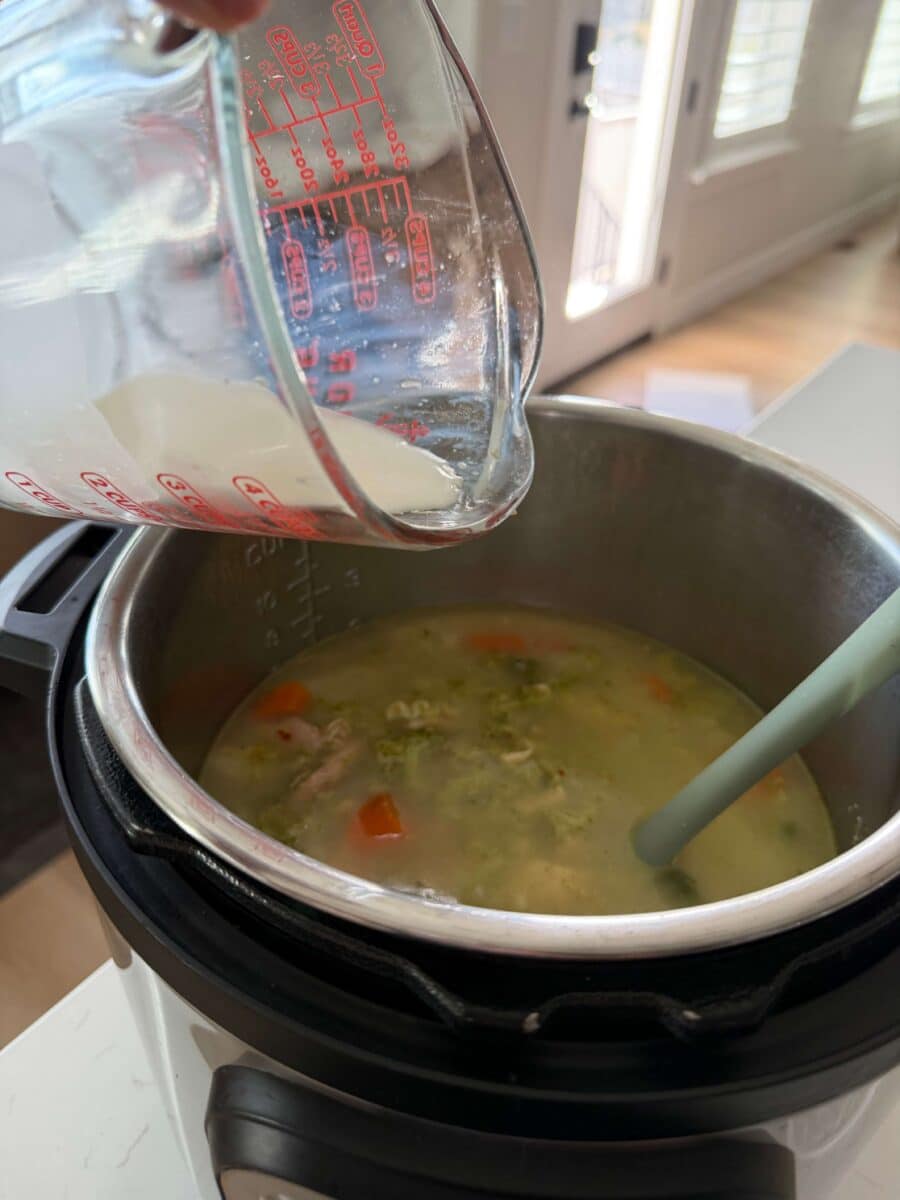
- Thickening and Finishing: The introduction of a cornstarch slurry—mixed with cold water—followed by the addition of the half-and-half and cheddar, must occur post-pressure. This ensures the cheese melts into a smooth, homogeneous emulsion rather than separating, which would occur if subjected to the high-heat, high-pressure environment of the sealed pot.
Industry Implications and Consumer Trends
The popularity of recipes such as this highlights a broader trend in home cooking: the "fusion of convenience." As consumer time budgets continue to shrink due to the demands of modern professional and personal life, the expectation for restaurant-quality meals at home has grown. Recipes that utilize kitchen technology to bridge the gap between "fast food" and "slow-cooked comfort" are experiencing a surge in engagement.
Market research into consumer cooking habits suggests that the "soup season" phenomenon remains a powerful driver of kitchen appliance usage. During colder months, the psychological association between soup and comfort creates a predictable spike in interest for recipes that feature creamy, savory, and warming profiles. By integrating "lasagna" elements—a dish synonymous with indulgence—into a "soup" format, developers have successfully created a product that satisfies both the desire for comfort food and the practical need for a one-pot, manageable meal.
Broader Impact on Home Meal Planning
The versatility of this soup—adaptable for both slow cookers and pressure cookers—underscores the importance of recipe modularity. For households looking to optimize their weekly meal planning, this dish provides a dual-benefit: it is efficient to prepare initially and inherently designed for reheating. The presence of the pasta means the soup thickens slightly upon storage, a common characteristic of high-starch soups that many consumers find favorable for second-day consumption.
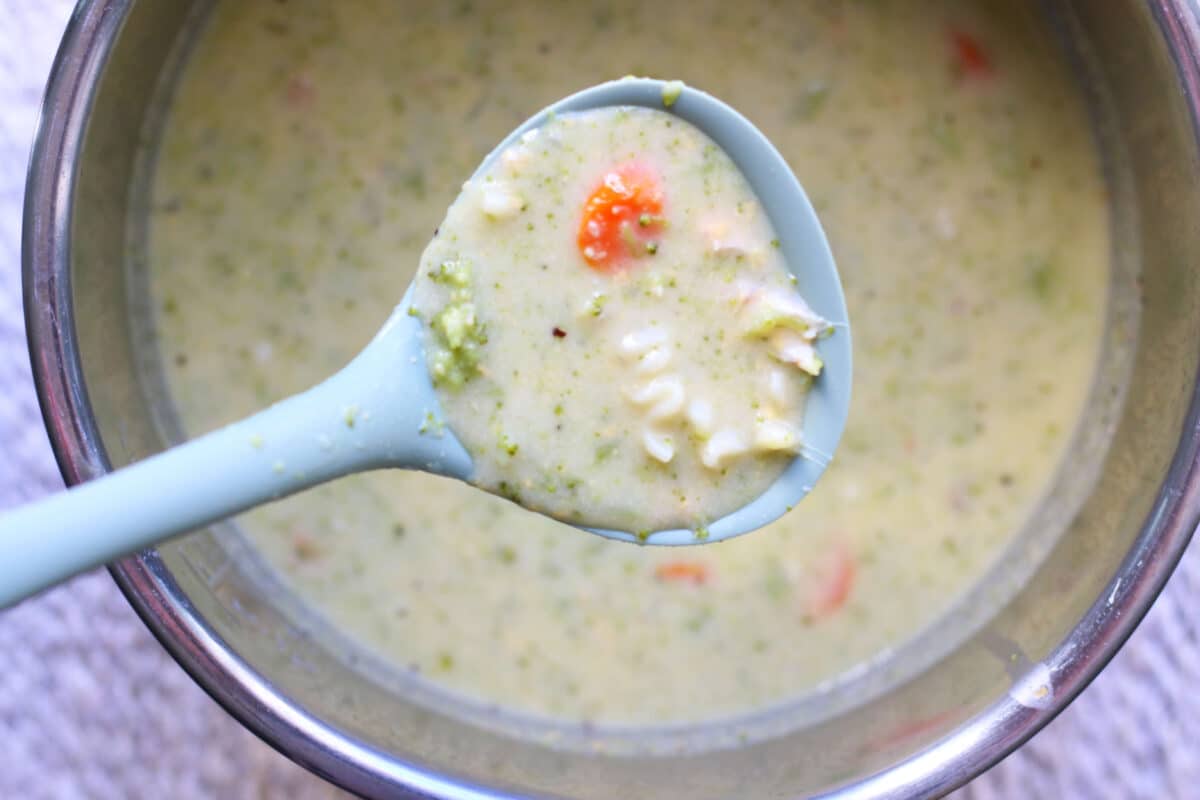
Furthermore, the emphasis on readily available ingredients—many of which are staples in the average pantry or freezer—minimizes the barrier to entry for the home cook. This accessibility is a primary factor in the longevity of such recipes. By moving away from exotic, difficult-to-source ingredients, the Broccoli Cheddar Lasagna Soup establishes itself as a sustainable addition to a regular meal rotation, reinforcing the ongoing evolution of home cooking as an exercise in both efficiency and culinary satisfaction. As technology in the kitchen continues to advance, it is likely that similar hybrid dishes will continue to emerge, blending classic flavors with modern, high-speed cooking methodologies.
