
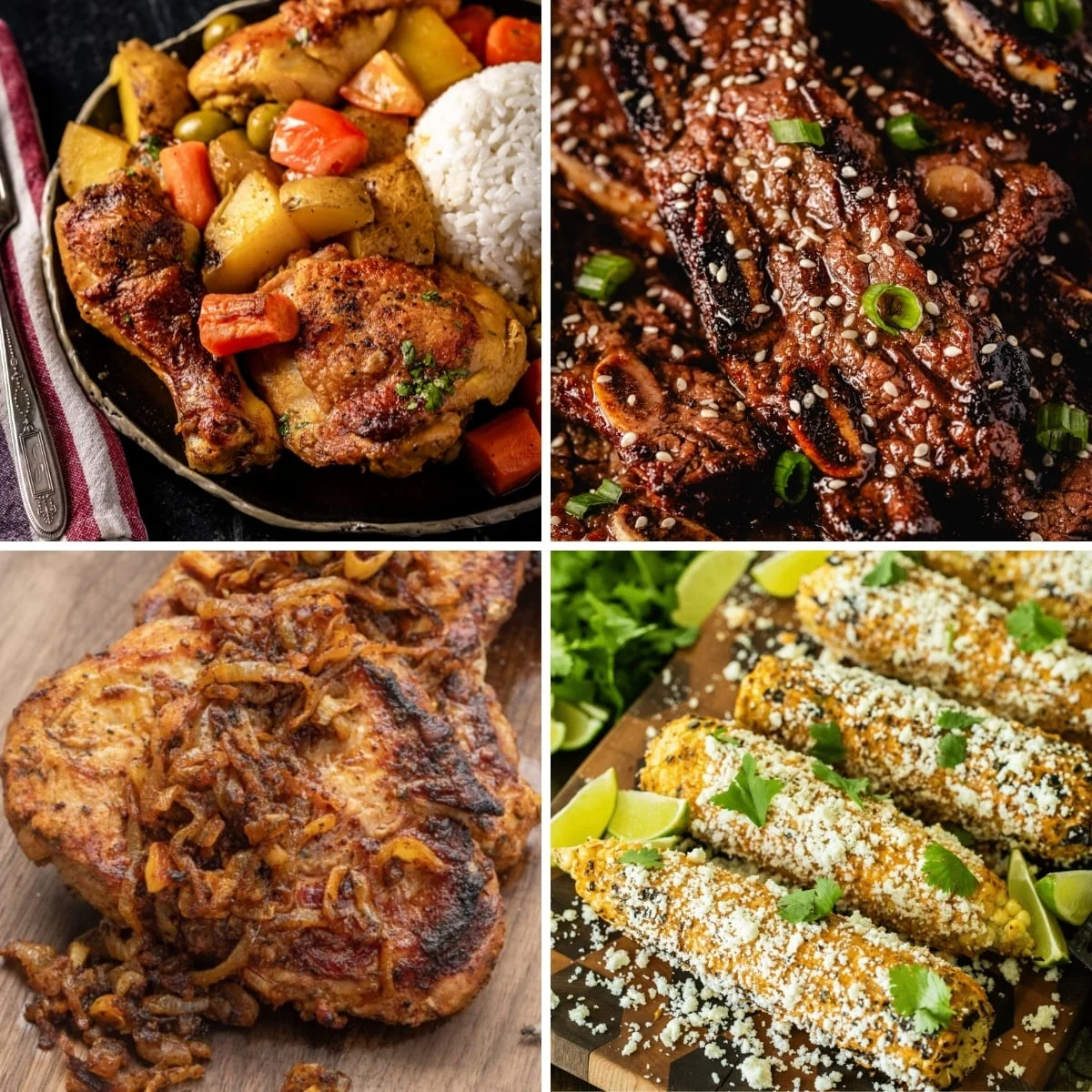
The practice of cooking meat over an open flame, universally recognized as barbecue, has transcended its regional origins to become a sophisticated global language of culinary exchange. While traditionally associated with the "low and slow" methods of the American South, the contemporary barbecue landscape is increasingly defined by international techniques that emphasize diverse marinades, specific wood smokes, and unique heat-delivery systems. From the bustling night markets of Seoul to the street stalls of Mexico City and the communal fire pits of Germany, the integration of global flavors into the domestic backyard has signaled a shift in consumer behavior and culinary curiosity.
Current market trends indicate a significant rise in the "outdoor lifestyle" sector, with a growing number of home cooks seeking to replicate authentic international experiences on their own patios. This movement is supported by the accessibility of specialized ingredients—such as gochujang, hoisin, and cotija cheese—once found only in ethnic enclaves but now staples in mainstream supermarkets. The following analysis examines six pivotal international recipes that exemplify this globalized approach to outdoor cooking, detailing their cultural significance, chemical compositions, and the technical methods required for execution.

The Cultural Synthesis of Fire and Flavor
Barbecue is not merely a method of preparation; it is a historical record of migration and resourcefulness. The evolution of grilling involves the adaptation of local flora and fauna to the constraints of available heat sources. In modern culinary discourse, the "backyard" has become a laboratory for this synthesis, where traditional recipes are refined for the modern palate while maintaining the integrity of their origins.
Industry experts observe that the democratization of recipe sharing via digital platforms has accelerated this trend. Culinary influencers and educators, such as Susie Bulloch of the "Hey Grill Hey" platform, have played a critical role in translating complex, centuries-old traditions into accessible steps for the average consumer. This transition is not merely about taste but about the preservation of cultural narratives through the medium of smoke and char.
1. Korean Kalbi: The Science of Fruit-Based Tenderization
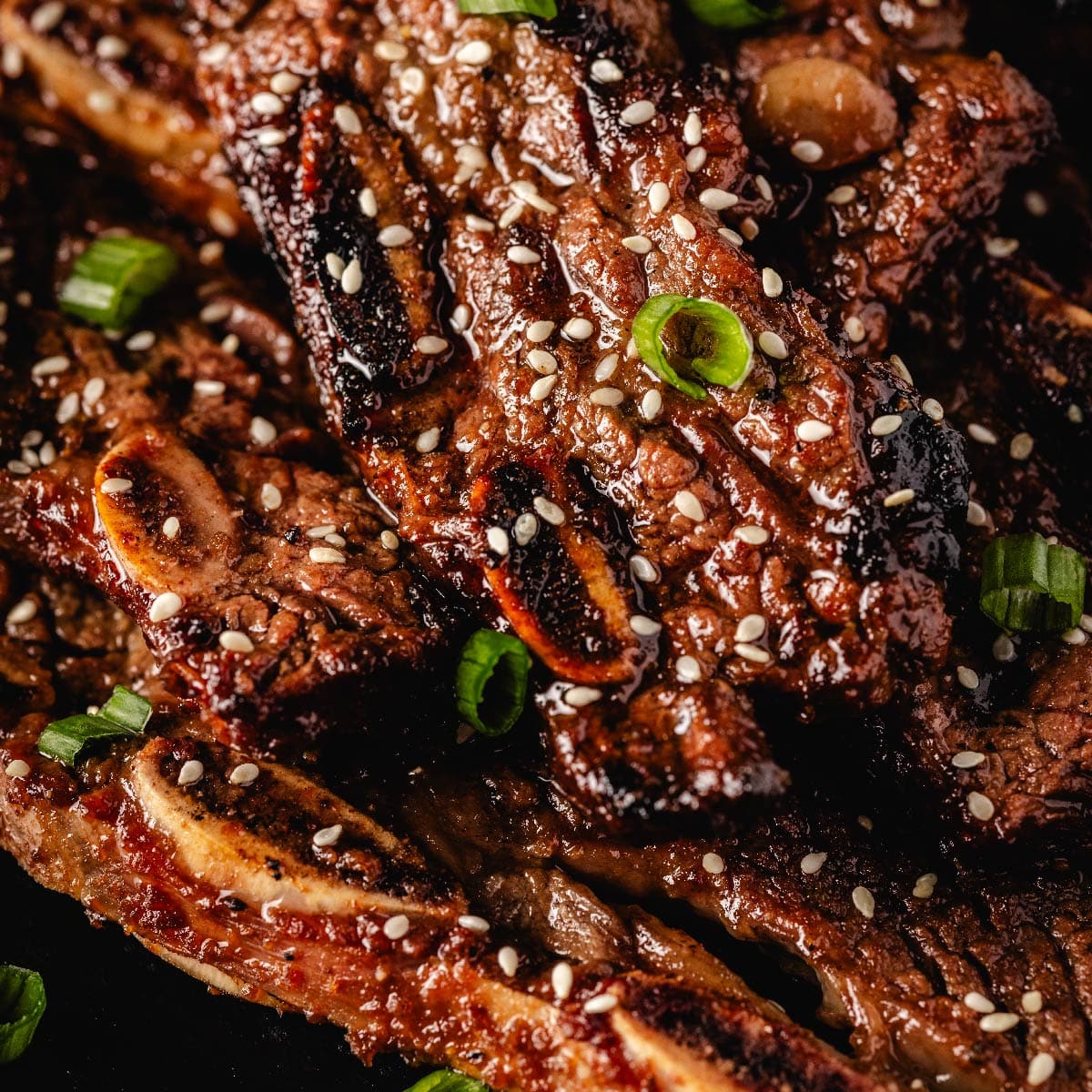
Kalbi, or Korean BBQ short ribs, represents a pinnacle of the "gogi-gu-i" (meat roasting) tradition. Unlike Western barbecue, which often relies on thick, tomato-based glazes applied late in the cooking process, Kalbi utilizes a deep, penetrative marinade that interacts with the meat’s fibers long before it touches the grill.

The traditional marinade involves a sophisticated chemical process. The inclusion of fresh Asian pear, Fuji apple, and kiwi is not merely for sweetness; these fruits contain proteolytic enzymes—specifically calpain and actinidin—that break down tough muscle proteins in the flanken-cut short ribs. This enzymatic tenderization, combined with the savory-sweet profile of soy sauce, ginger, and garlic, allows the meat to remain succulent even when exposed to the high, direct heat required for caramelization. As the sugars in the fruit and brown sugar reach their smoking point, they undergo the Maillard reaction, creating the signature charred exterior that defines the dish.
2. Pollo Guisado: Caribbean Comfort via the Outdoor Kitchen
While often categorized as a stew, Pollo Guisado (Puerto Rican Stewed Chicken) demonstrates the versatility of the outdoor cooker as a vessel for braising. In Puerto Rican cuisine, the dish is a staple of "comida criolla," characterized by the use of Sazón—a spice blend typically containing coriander, cumin, achiote, and garlic.
The transition of Pollo Guisado to the backyard environment often involves the use of a Dutch oven or heavy cast-iron pot placed directly on the grill grates or over charcoal. This method introduces a subtle smoky undertone to the rich broth that is difficult to achieve in a standard indoor kitchen. The inclusion of briny olives and capers provides a necessary acid profile to balance the starch of the potatoes and carrots. Culinary historians note that this dish reflects the "melting pot" nature of Caribbean history, blending Spanish, Taíno, and African influences into a single, cohesive pot of nourishment.
3. Schwenkbraten: The Engineering of the Swinging Grill
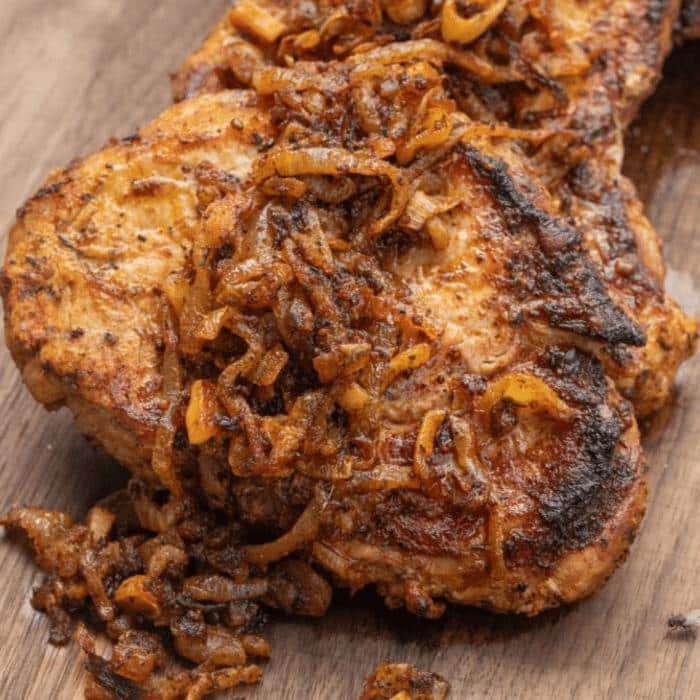
Originating from the Saarland region of Germany, Schwenkbraten is as much about the equipment as it is about the pork. Traditionally, these marinated pork chops are cooked on a "Schwenker"—a tripod-mounted grill that swings freely over an open beechwood fire. The constant motion of the grill ensures even heat distribution and prevents the flare-ups often associated with fatty cuts of pork.
The flavor profile of Schwenkbraten is distinctively Central European, utilizing juniper berries, stone-ground mustard, and smoked paprika. The addition of curry powder highlights the post-WWII influence on German spice palettes. From a technical standpoint, the swinging motion allows the fat to render slowly, basting the meat as it oscillates above the flames. While modern home cooks may use standard gas or charcoal grills, the emphasis remains on the heavy, aromatic marinade and the achievement of a crust that balances the pungency of mustard with the earthiness of the juniper.
4. Cantonese Char Siu: The Intersection of Smoke and Glaze
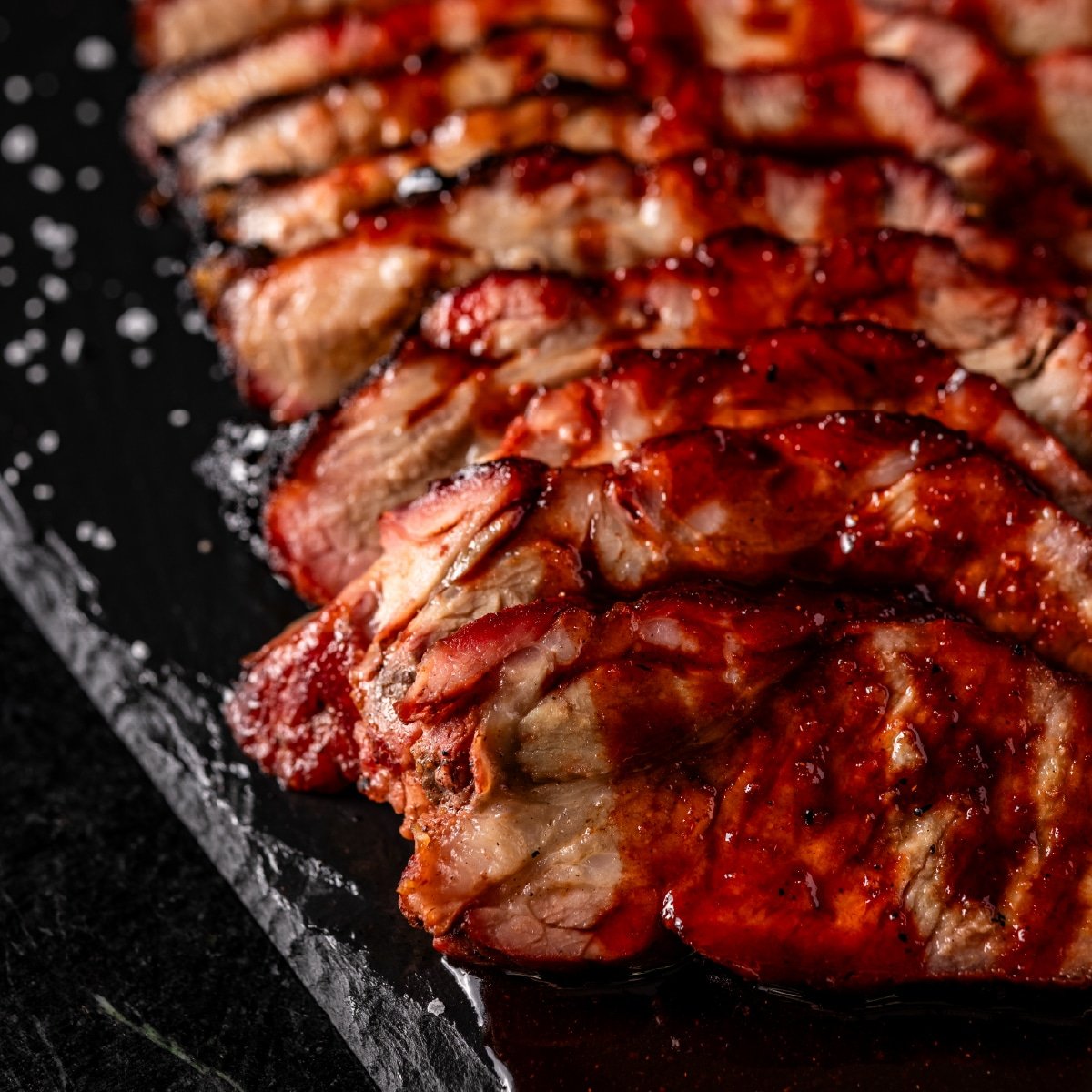
Char Siu, or Chinese BBQ Pork, is a cornerstone of Cantonese "siu mei" (roasted meats). Traditionally roasted in vertical ovens, the backyard adaptation utilizes the smoker to introduce a layer of complexity not found in the commercial buffet versions. The "char" in Char Siu refers to the fork used to skewer the meat, while "siu" denotes the roasting process.

The characteristic red hue and glossy finish are achieved through a marinade of hoisin, red miso, honey, and Chinese five-spice. The miso provides a deep umami base, while the honey facilitates a thick, lacquered glaze. When subjected to the low temperatures of a backyard smoker, the pork shoulder (or butt) absorbs the aromatic compounds of the wood—typically a fruitwood like cherry or apple—which complements the sweetness of the glaze. The final application of additional sauce during the last stages of cooking creates a caramelized "bark" that is a hallmark of high-quality Char Siu.
5. Mexican Elote: The Rise of Global Street Food at Home
The globalization of barbecue is perhaps most visible in the ubiquity of Elote, or Mexican street corn. Once a localized "antojito" (snack) sold by "eloteros" in Mexican plazas, it has become a premier side dish in global barbecue culture. The preparation involves grilling corn in its husk or directly on the grates to achieve a blackened, nutty flavor.
The social and economic impact of Elote’s popularity is significant. It has introduced global audiences to Cotija—a dry, firm Mexican cow’s milk cheese—and the specific application of chili-lime aesthetics. The combination of creamy mayonnaise, citrus acidity, and the heat of chili powder creates a sensory profile that hits all five primary tastes. Market analysts suggest that the "Elote flavor profile" has seen a 40% increase in menu mentions over the last five years, illustrating the high demand for accessible, vegetable-forward international sides.
6. British Fish and Chips: Technical Mastery of the Batter
While not a "barbecue" dish in the smoky sense, the inclusion of Beer Battered Fish and Chips in the outdoor cooking repertoire highlights the trend of "open-air frying." Cooking high-odor foods like fried fish outdoors has become a preferred method for many homeowners.
The technical success of the dish relies on the physics of the batter. The use of beer introduces carbon dioxide and alcohol, both of which contribute to a lighter, crispier texture than water-based batters. Carbonation creates air bubbles that expand during frying, while alcohol evaporates faster than water, allowing the batter to crisp before the fish overcooks. Furthermore, the "double-fry" technique for the chips—first at a lower temperature to soften the interior, then at a higher temperature to crisp the exterior—remains the gold standard for achieving the necessary structural integrity of the British pub classic.
Market Analysis and Broader Implications
The shift toward international backyard barbecue is reflected in the financial performance of the hearth and patio industry. According to data from the Hearth, Patio & Barbecue Association (HPBA), nearly 70% of U.S. households own a grill or smoker, with a notable increase in the purchase of specialty equipment like wood-pellet smokers and pizza ovens designed for high-heat international cooking.
Furthermore, the "spice and extract" market is projected to reach a valuation of $22 billion by 2026, driven largely by the consumer demand for authentic international seasonings. This "culinary tourism from home" is a byproduct of a more connected world, where the barriers to experiencing global cultures have been lowered by digital education and supply chain efficiency.
Conclusion: The Backyard as a Cultural Hub
The integration of Kalbi, Char Siu, Schwenkbraten, and other global staples into the common barbecue rotation signifies a maturing of the domestic palate. No longer satisfied with monolithic flavor profiles, the modern outdoor cook is an explorer, utilizing fire as a tool to bridge the gap between continents.
As these six recipes illustrate, the success of global barbecue lies in the details: the enzymatic properties of a pear, the oscillation of a swinging grill, or the carbonation in a beer batter. By mastering these international techniques, the backyard cook does more than provide a meal; they participate in a global tradition of fire-based hospitality that dates back to the dawn of civilization. The future of barbecue is not found in a single region, but in the collective smoke rising from millions of backyards, each carrying the scent of a different corner of the world.
