
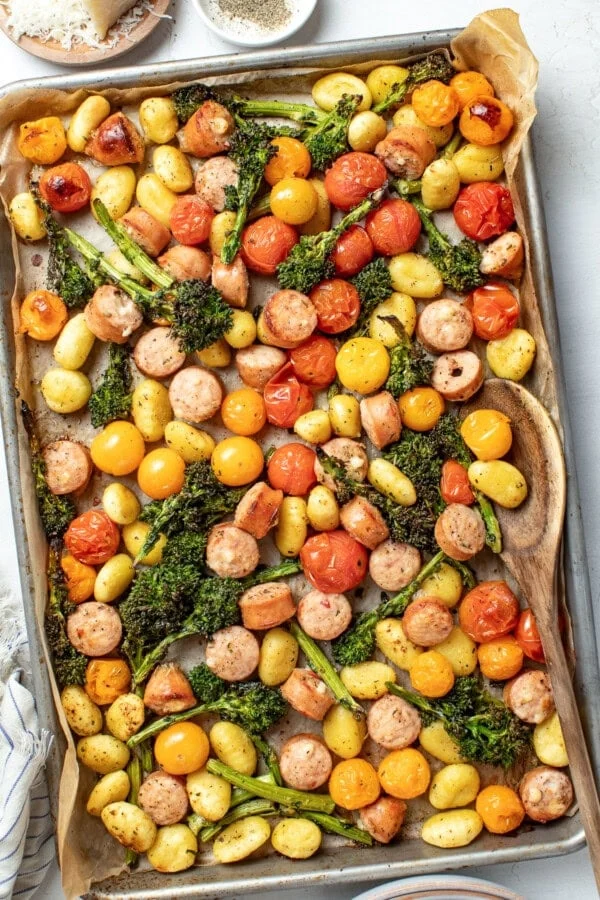
In an era defined by fast-paced lifestyles and a growing demand for both convenience and nutritious home-cooked meals, the emergence of efficient culinary solutions has become paramount. Among these, the sheet pan dinner has risen to prominence, epitomizing simplicity, minimal cleanup, and balanced nutrition. A prime example of this trend is the Sheet Pan Gnocchi and Sausage with Tomatoes and Broccolini, a dish designed to deliver substantial flavor and a satisfying meal within a remarkably short preparation and cooking window, totaling approximately 30 minutes. This recipe caters directly to the modern household’s need for accessible, delicious, and time-saving dinner options, eliminating the traditional step of boiling gnocchi and consolidating the entire cooking process onto a single baking sheet.
The Genesis of Sheet Pan Cuisine: A Response to Modern Demands
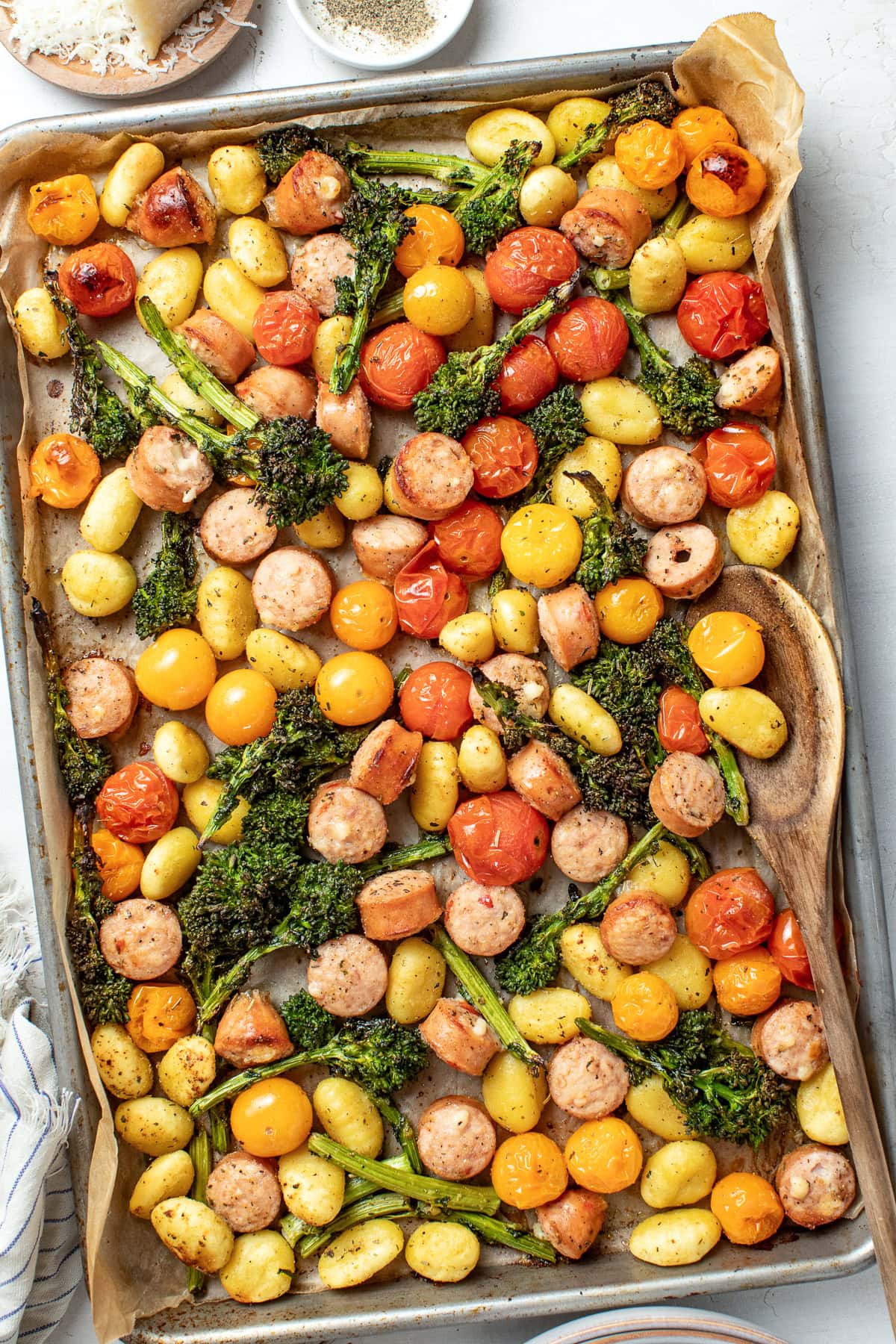
The concept of sheet pan cooking is not entirely new, but its widespread adoption and refinement into a distinct culinary category represent a significant shift in home cooking practices over the past decade. Historically, baking sheets were primarily used for roasting individual components or baking. However, the ingenious adaptation to combine an entire meal—protein, carbohydrate, and vegetables—on a single surface for simultaneous roasting addresses several pain points for contemporary cooks. The primary drivers behind this culinary evolution include:
- Time Scarcity: Modern schedules often leave little room for elaborate meal preparation. Sheet pan dinners drastically cut down active cooking time.
- Desire for Healthier Eating: Roasting vegetables and lean proteins with minimal added fats is inherently healthier than many frying or sautéing methods.
- Minimal Cleanup: Perhaps one of the most celebrated aspects, reducing the number of pots, pans, and utensils used translates directly to less post-dinner scrubbing, a major incentive for busy individuals.
- Accessibility for All Skill Levels: The technique is forgiving and requires minimal advanced culinary skills, making healthy cooking attainable for novices.
The Sheet Pan Gnocchi and Sausage dish fits seamlessly into this narrative, offering a complete meal that capitalizes on these benefits. Its appeal lies in its straightforward approach: raw gnocchi, raw sausage, and fresh vegetables are tossed with oil and seasonings, then roasted together, transforming into a cohesive and flavorful dish.
Deconstructing the Components: Nutritional and Culinary Insights

The effectiveness and appeal of this sheet pan meal are rooted in its carefully selected components, each contributing distinct nutritional value and culinary characteristics.
-
Gnocchi: The Unboiled Revelation
Traditionally, gnocchi, small dumplings typically made from potato, semolina, or flour, are boiled until they float, signifying their readiness. This recipe, however, leverages the dry heat of the oven to cook the gnocchi directly on the sheet pan. This method results in a textural revelation: the gnocchi develop a lightly crisp, golden exterior while maintaining a tender, pillowy interior. This caramelization (Maillard reaction) on the surface adds depth of flavor that boiling cannot achieve. Nutritionally, gnocchi primarily provides carbohydrates (approximately 27g per serving in this recipe), offering essential energy. While often perceived as heavy, potato gnocchi can be a moderate source of calories and, when paired with protein and vegetables, contributes to a balanced meal. -
Sausage: The Savory Core
Sausage serves as the primary protein source (21g per serving) and a significant flavor driver in this dish. Italian sausage, whether sweet or spicy, is a popular choice due to its inherent seasoning profile, which complements the other ingredients. The high heat of the oven renders the fat, allowing the sausage to brown and crisp, releasing savory juices that infuse the entire dish. Varieties like chicken or turkey sausage can be used for a leaner option, while plant-based sausages offer a vegetarian alternative without sacrificing texture or flavor. The nutritional data indicates 15.5g of fat and 60.5mg of cholesterol, largely attributable to the sausage, highlighting the importance of choosing leaner varieties or moderating portion sizes for dietary considerations.
-
Tomatoes: Bursts of Sweetness and Acidity
Cherry or grape tomatoes are ideal for sheet pan cooking. Their small size allows them to soften and burst under high heat, releasing their sweet, slightly acidic juices, which act as a natural sauce for the gnocchi and sausage. These tomatoes are rich in vitamins, particularly Vitamin C and K, and antioxidants like lycopene, known for various health benefits. Their vibrant color also adds visual appeal to the finished dish. -
Broccolini: The Verdant Nutrient Powerhouse
Broccolini, a hybrid of broccoli and Chinese kale, offers a milder, slightly sweeter flavor than traditional broccoli, along with a more delicate texture. When roasted, its florets and tender stems achieve a delightful crisp-tender state, often developing caramelized edges. Broccolini is an excellent source of fiber (3g per serving in this meal), Vitamin C, Vitamin K, and other essential nutrients, contributing significantly to the dish’s overall health profile. It rounds out the meal by adding necessary greens and a slight bitter counterpoint to the richness of the sausage and gnocchi. -
Seasonings and Oil: The Flavor Catalysts
Olive oil acts as the primary fat for roasting, facilitating browning and distributing heat evenly. Its monounsaturated fats are considered heart-healthy. Garlic, Italian seasoning, red pepper flakes, salt, and pepper are typical additions that elevate the flavor profile, creating an aromatic and savory experience. The spices not only add taste but also often contribute their own antioxidant properties.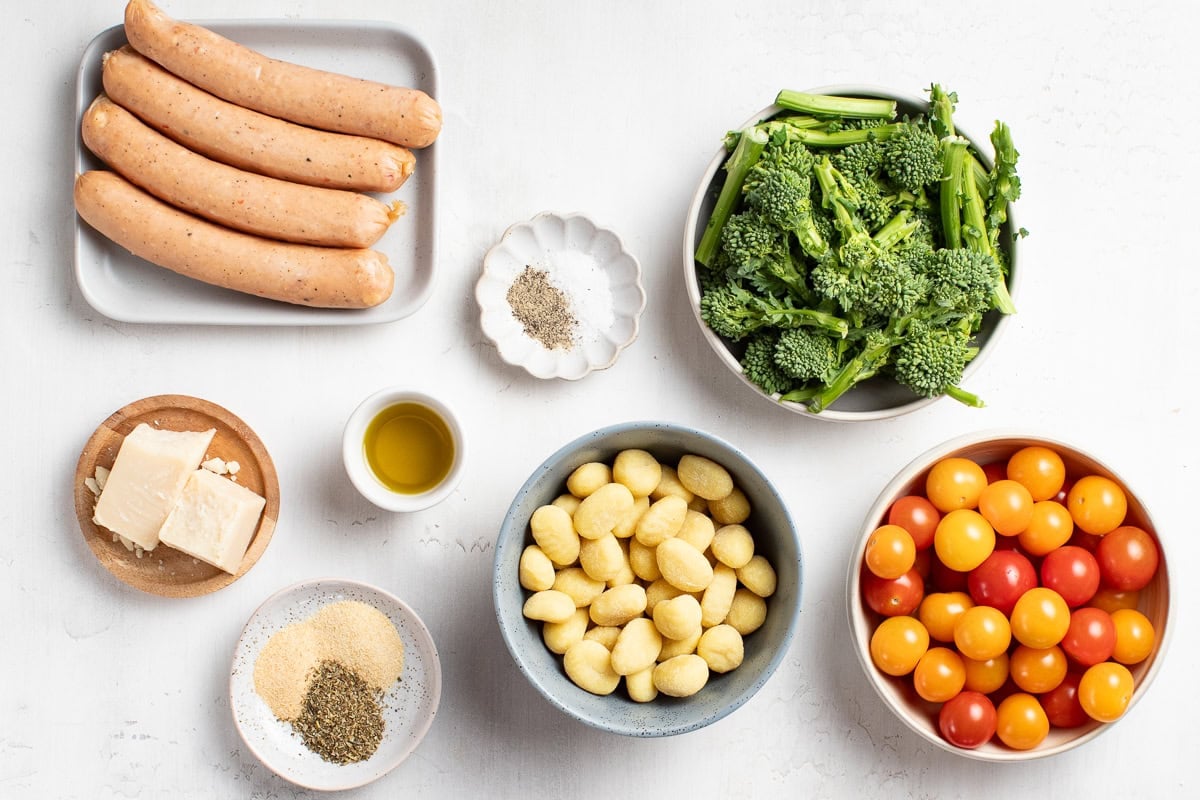
The Culinary Journey: A Step-by-Step Breakdown
The process of preparing Sheet Pan Gnocchi and Sausage is remarkably streamlined, designed for maximum efficiency.
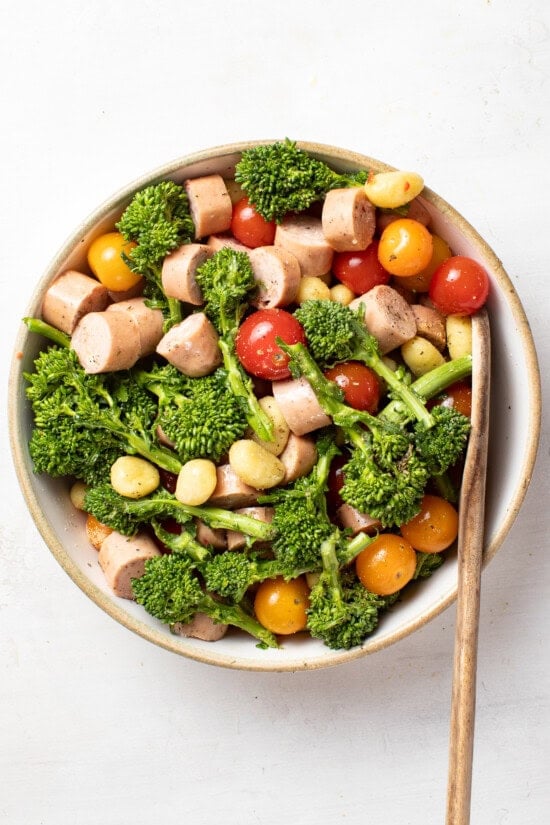
- Preparation (10 minutes): The initial phase involves minimal chopping. Sausage is typically pre-portioned or easily sliced. Cherry tomatoes and broccolini require little more than a quick wash. The critical step is combining all ingredients—gnocchi, sausage, tomatoes, broccolini, olive oil, and seasonings—in a large bowl. This ensures uniform coating, which is vital for even cooking and flavor distribution. While a bowl is recommended for thorough mixing, a shortcut for even less cleanup involves tossing directly on the sheet pan, provided there’s enough space to distribute ingredients without overcrowding.
- Roasting (20 minutes): The seasoned mixture is spread in a single layer on a large baking sheet. A crucial aspect of successful sheet pan cooking is avoiding overcrowding, which can lead to steaming rather than roasting, preventing proper browning and crisping. The oven, preheated to a sufficiently high temperature (often around 400-425°F or 200-220°C), provides the dry, intense heat necessary for the Maillard reaction.
- Phase 1 (Initial Roasting): During the first segment of cooking, the gnocchi begins to firm up and brown, the sausage starts to cook through and release its fats, and the vegetables soften.
- Phase 2 (Mid-Cook Stir): A mid-cook stir (often around the 10-15 minute mark) is beneficial. This allows for even exposure to heat, preventing one side from over-browning and promoting uniform cooking of all ingredients. It also helps redistribute the flavorful pan drippings.
- Phase 3 (Final Browning): The remaining cooking time allows for the gnocchi to achieve its characteristic crispness, the sausage to fully cook and caramelize, and the vegetables to become tender-crisp. The recipe notes that 20 minutes typically yields perfectly cooked ingredients, with an option to broil for the final few minutes if a deeper char or more intense browning is desired.
- Finishing Touches: Upon removal from the oven, a sprinkle of fresh Parmesan cheese adds a salty, umami finish, while fresh herbs like basil or parsley can introduce a bright, aromatic note.
This chronological approach ensures that all ingredients reach their optimal doneness and flavor profiles simultaneously, culminating in a harmonious dish.
Customization and Dietary Adaptations: Versatility in the Kitchen
The inherent simplicity of the sheet pan method lends itself beautifully to customization, allowing cooks to adapt the recipe to personal preferences, dietary needs, or seasonal availability.
- Protein Alternatives: Beyond Italian sausage, chicken sausage (apple, spinach-feta), turkey sausage, or even pre-cooked chicken or chickpeas can be used. For a vegetarian or vegan version, substantial plant-based sausages or hearty vegetables like bell peppers, zucchini, or eggplant can replace meat.
- Vegetable Variations: The choice of vegetables is highly flexible. Bell peppers (any color), asparagus, chopped zucchini, red onion, mushrooms, or even kale can be incorporated. The key is to select vegetables that cook at a similar rate or add them at staggered times to ensure even doneness. Root vegetables like diced sweet potato or butternut squash can also be included but may require a slightly longer roasting time or smaller dice.
- Flavor Profiles: The seasoning can be easily altered. Smoked paprika can add a smoky depth, while a squeeze of fresh lemon juice post-roasting can brighten the flavors. A dash of balsamic glaze or pesto swirled in at the end can also introduce new dimensions.
- Dietary Adjustments:
- Gluten-Free: Ensure gnocchi is made from gluten-free ingredients (e.g., potato gnocchi without wheat flour, or specific gluten-free gnocchi brands).
- Lower Sodium: Opt for low-sodium sausages and control the amount of added salt.
- Vegetarian/Vegan: As mentioned, replace meat sausage with plant-based alternatives or increase the quantity of vegetables and add a protein source like canned, drained chickpeas or white beans.
Broader Impact and Implications: A Culinary Paradigm Shift
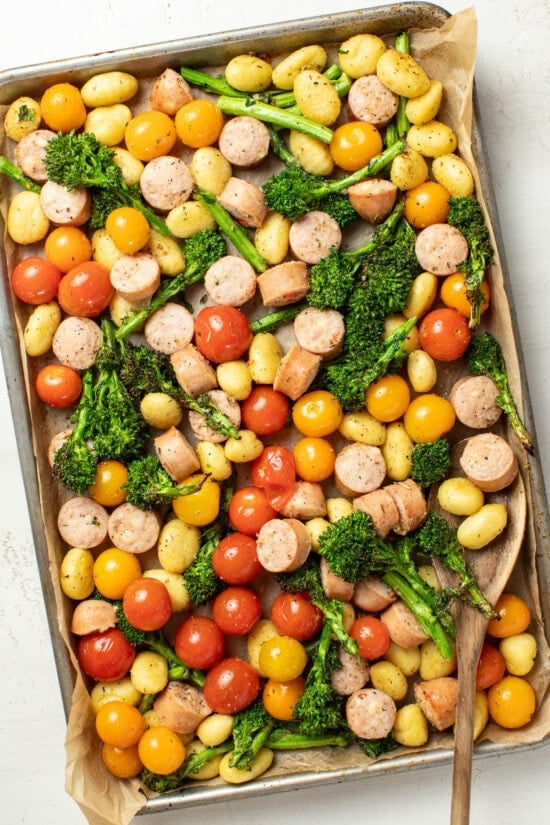
The popularity of sheet pan dinners, exemplified by this Gnocchi and Sausage recipe, signifies more than just a passing food trend; it represents a tangible shift in how people approach daily meal preparation.
- Empowering Home Cooks: By simplifying complex cooking processes, sheet pan meals empower individuals, regardless of their culinary expertise, to prepare satisfying and wholesome meals at home. This can lead to increased confidence in the kitchen and a reduced reliance on takeout or pre-packaged foods.
- Promoting Healthier Eating: The emphasis on roasting fresh vegetables and often leaner proteins encourages a diet rich in whole foods, aligning with public health recommendations. The nutritional breakdown of this specific dish—333 kcal, 27g carbohydrates, 21g protein, 15.5g fat, and 3g fiber per serving—demonstrates a balanced macronutrient profile, making it a viable option for those mindful of their caloric and nutrient intake.
- Sustainability and Waste Reduction: The ability to customize ingredients based on what’s available can help reduce food waste. Furthermore, the minimal cleanup saves water and energy that would otherwise be used for washing multiple dishes.
- Economic Benefits: Cooking at home is generally more cost-effective than dining out. Sheet pan meals, often utilizing common and affordable ingredients, offer a budget-friendly way to maintain a healthy diet.
- Family Engagement: The simplicity of the preparation can make it an accessible activity for family members to participate in, fostering culinary skills and shared experiences.
Serving Suggestions and Meal Integration
While this Sheet Pan Gnocchi and Sausage is designed as a complete, self-contained meal, its versatility allows for supplementary pairings to suit various preferences or appetites.
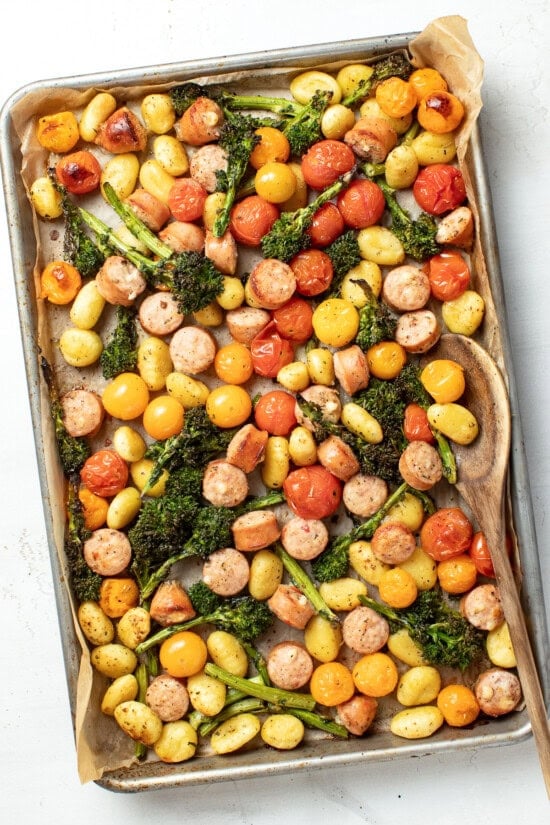
- Light Additions: A simple green salad with a vinaigrette dressing can add freshness and an extra layer of vegetables without increasing the cooking burden. Crusty bread is an excellent accompaniment for soaking up any savory pan juices.
- Heartier Options: For those desiring a more substantial meal, consider a side of quinoa or brown rice, or a light soup. However, the dish’s balanced composition of carbohydrates, protein, and fiber often renders additional sides unnecessary.
Expert Commentary and Future Outlook
Culinary professionals and nutritionists widely endorse the principles behind sheet pan cooking. Dietitians frequently recommend meals that combine a lean protein, complex carbohydrate, and ample vegetables for balanced nutrition, precisely what this dish delivers. Culinary commentators often highlight the technique’s ability to maximize flavor through roasting while minimizing effort, marking it as a sustainable approach to everyday cooking. The convenience food sector continues to innovate, but the enduring appeal of simple, wholesome home cooking solutions like the Sheet Pan Gnocchi and Sausage demonstrates a clear consumer preference for dishes that marry ease with quality.
In conclusion, the Sheet Pan Gnocchi and Sausage with Tomatoes and Broccolini stands as a testament to intelligent meal design. It successfully navigates the challenges of modern life by offering a flavorful, nutritionally sound, and remarkably convenient dinner option. Its straightforward methodology, coupled with its adaptability and minimal cleanup, solidifies its position as a valuable addition to the repertoire of busy home cooks, reinforcing the trend towards efficient and enjoyable culinary practices.
