
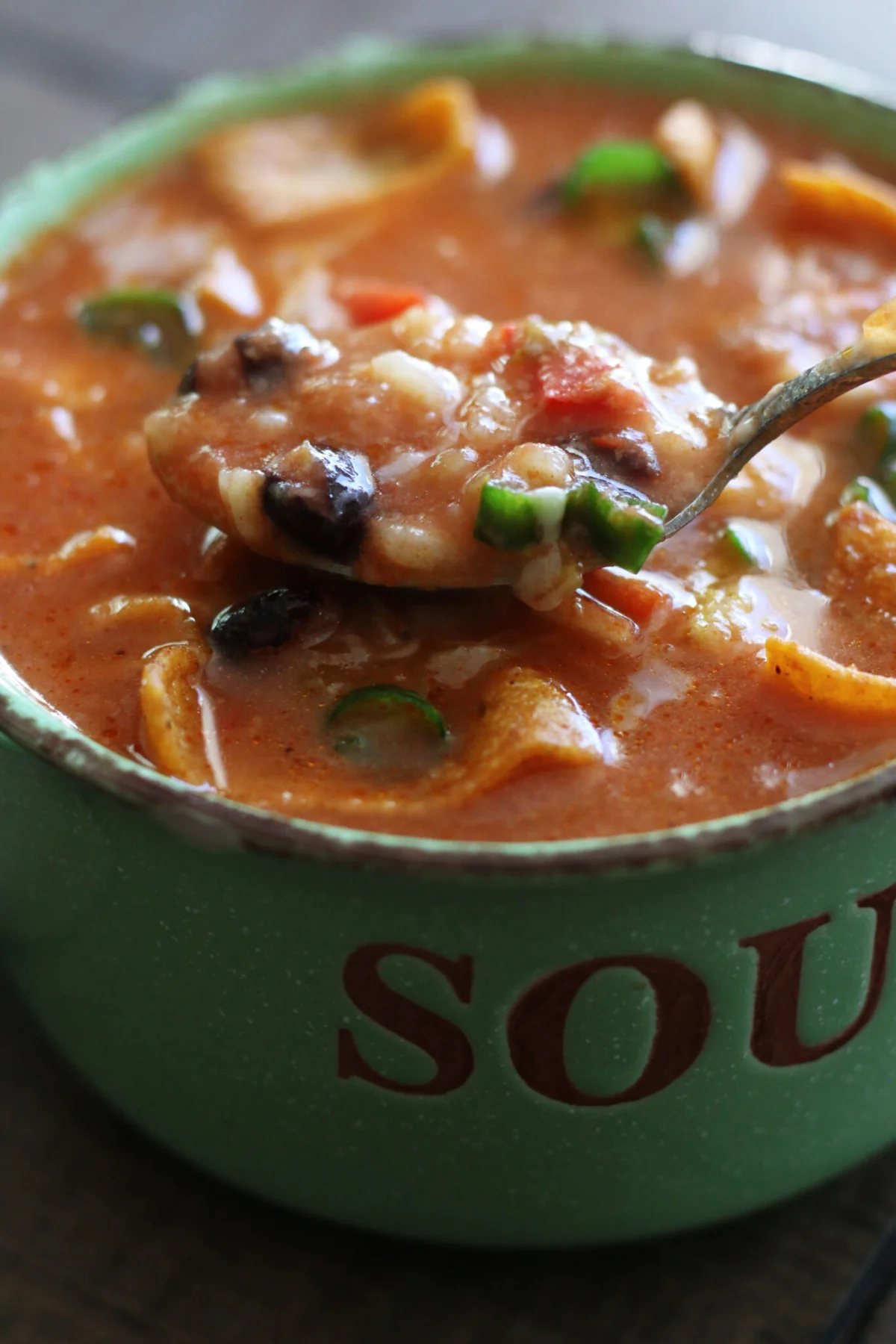
The Evolution of the Fajita: From Vaquero Tradition to Modern Soup
The conceptual foundation of Pepper Jack Chicken Fajita Soup is rooted in the history of the fajita itself, a dish that originated in the 1930s among Mexican vaqueros (cowboys) in the Rio Grande Valley of Texas. Historically, workers were often given less desirable cuts of meat, specifically skirt steak, as part of their compensation. To make these tough cuts palatable, the vaqueros developed techniques involving marination and rapid searing over open flames. Over the subsequent decades, the fajita transitioned from a regional staple to a global phenomenon, eventually diversifying to include chicken, shrimp, and vegetarian options.
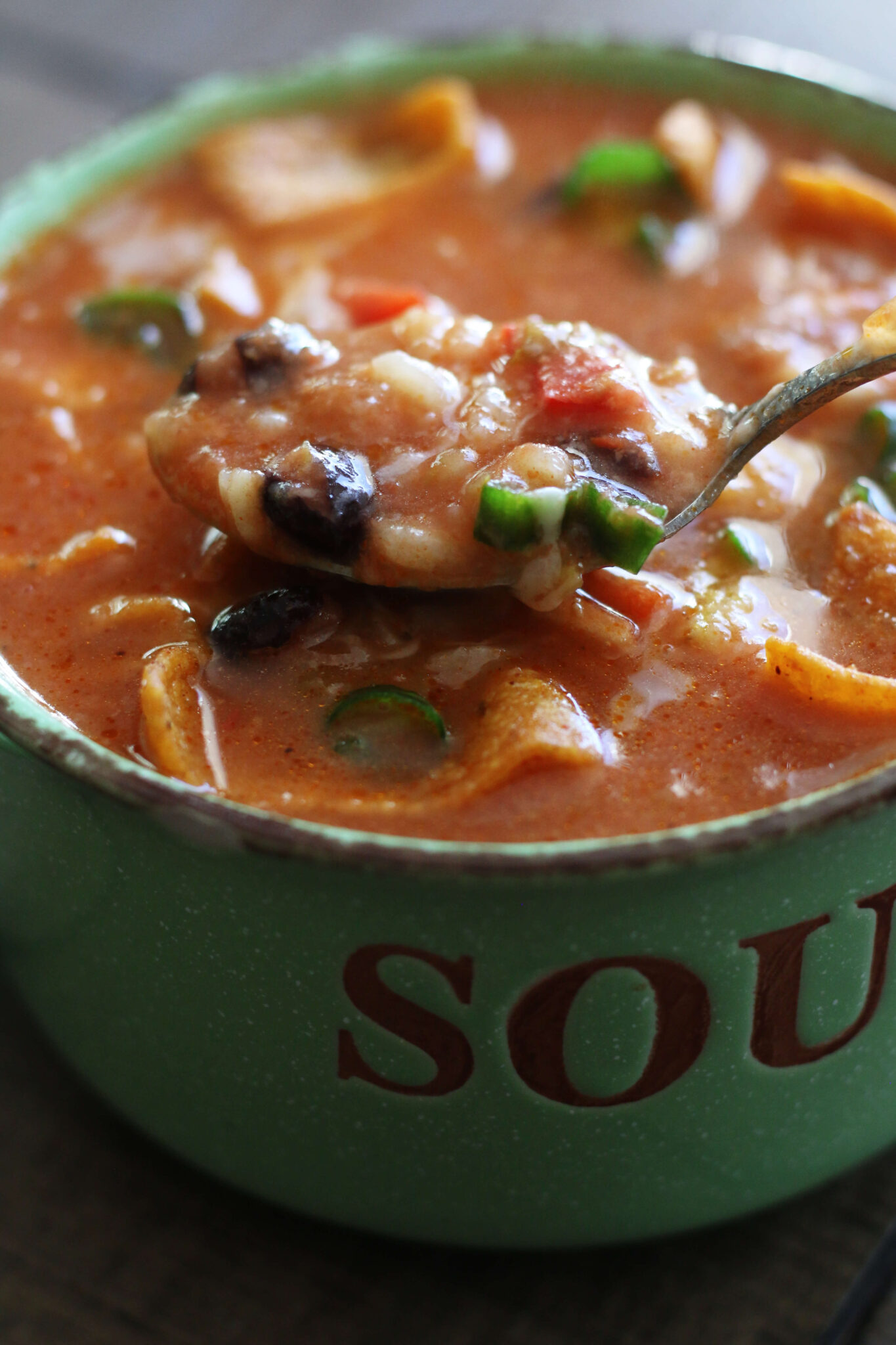
The transition from a dry, grilled dish to a soup format reflects the broader "deconstructed food" movement seen in 21st-century gastronomy. Culinary analysts note that deconstruction allows for the preservation of essential flavor profiles—chili powder, cumin, smoked paprika, and lime—while altering the delivery mechanism to suit different dietary needs and preparation timelines. This soup iteration specifically targets the "bowl culture" trend, where consumers prioritize meals that are easily scoopable, transportable, and conducive to reheating.
Technical Specifications and Procedural Chronology
The preparation of Pepper Jack Chicken Fajita Soup utilizes two distinct thermodynamic approaches: the high-pressure environment of an electric pressure cooker and the low-temperature, long-duration method of a slow cooker.
The Instant Pot Methodology
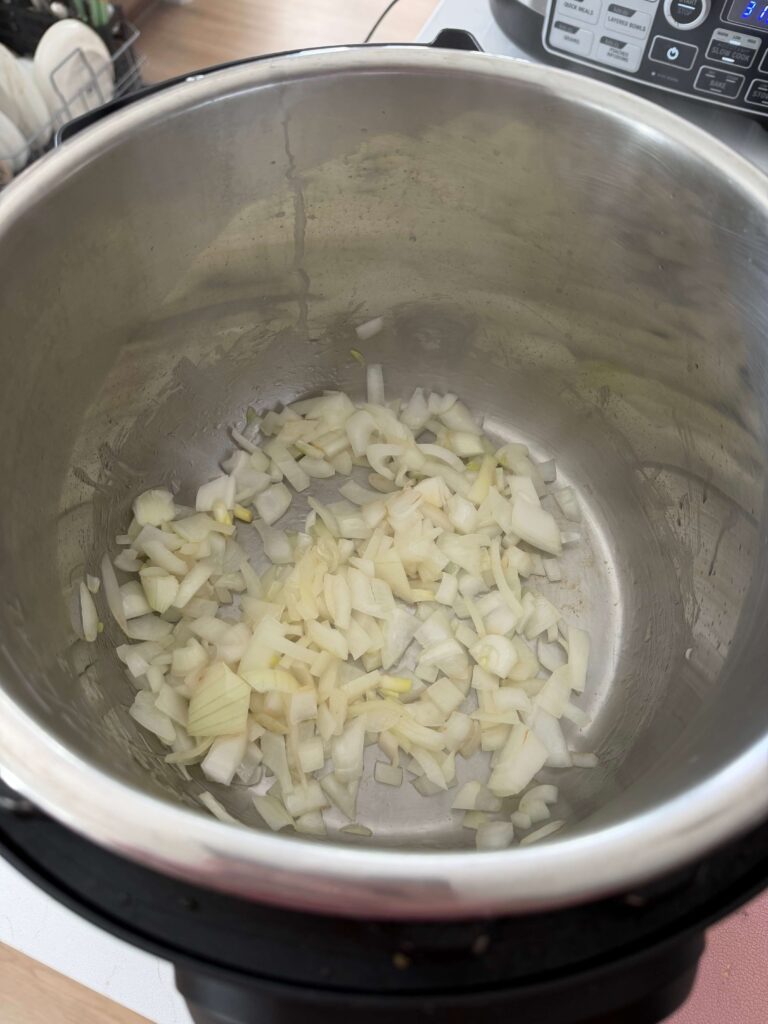
In the Instant Pot version, the process begins with the "Sauté" function, a critical step that mimics the Maillard reaction traditionally achieved on a cast-iron skillet. The chronology is as follows:
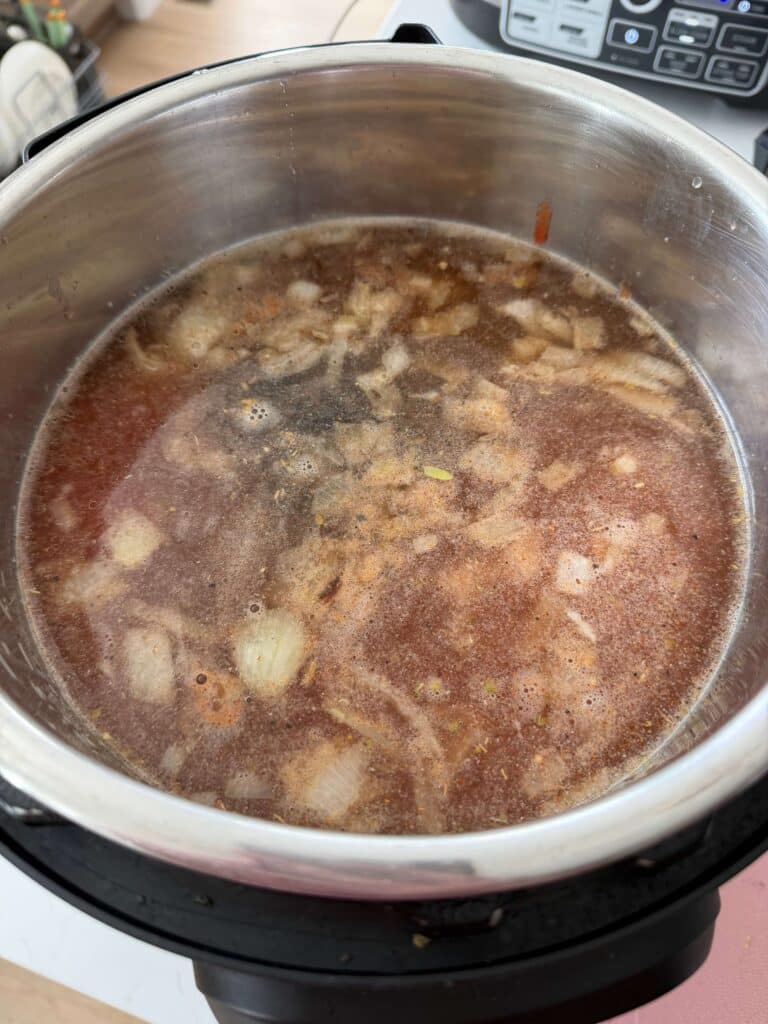
- Aromatic Foundations: Onions are sautéed in oil for approximately four minutes until translucent, followed by the introduction of garlic powder.
- Deglazing: Chicken broth is added to the pot, requiring the cook to scrape the bottom surface. This step is technically vital to prevent the "burn" warning common in high-pressure cooking, ensuring that caramelized bits are incorporated into the liquid base.
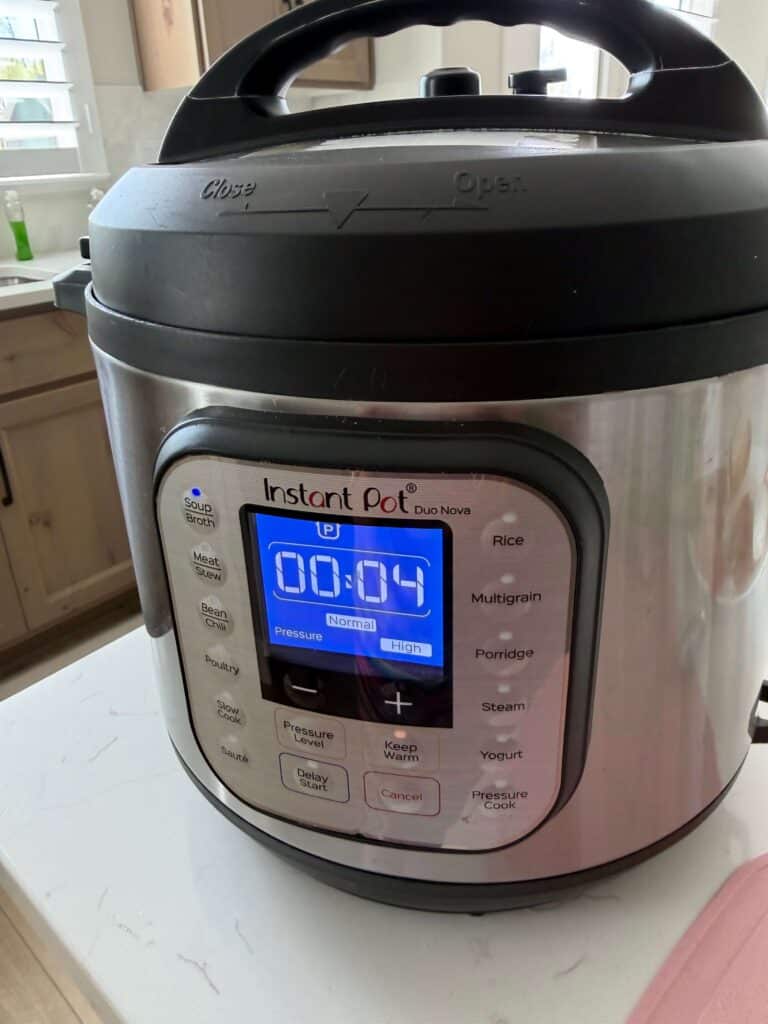
- Pressure Phase: Chicken, rice, black beans, tomatoes, and a specific spice blend (cumin, oregano, and smoked paprika) are added. The unit is sealed and set to a four-minute high-pressure cycle.
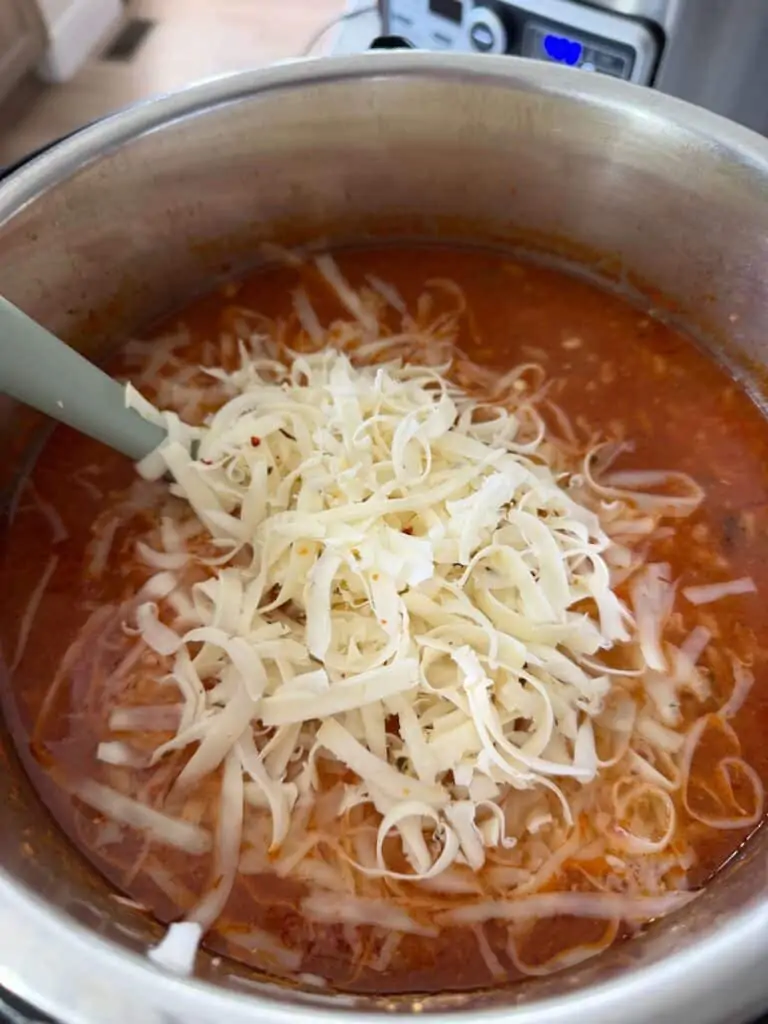
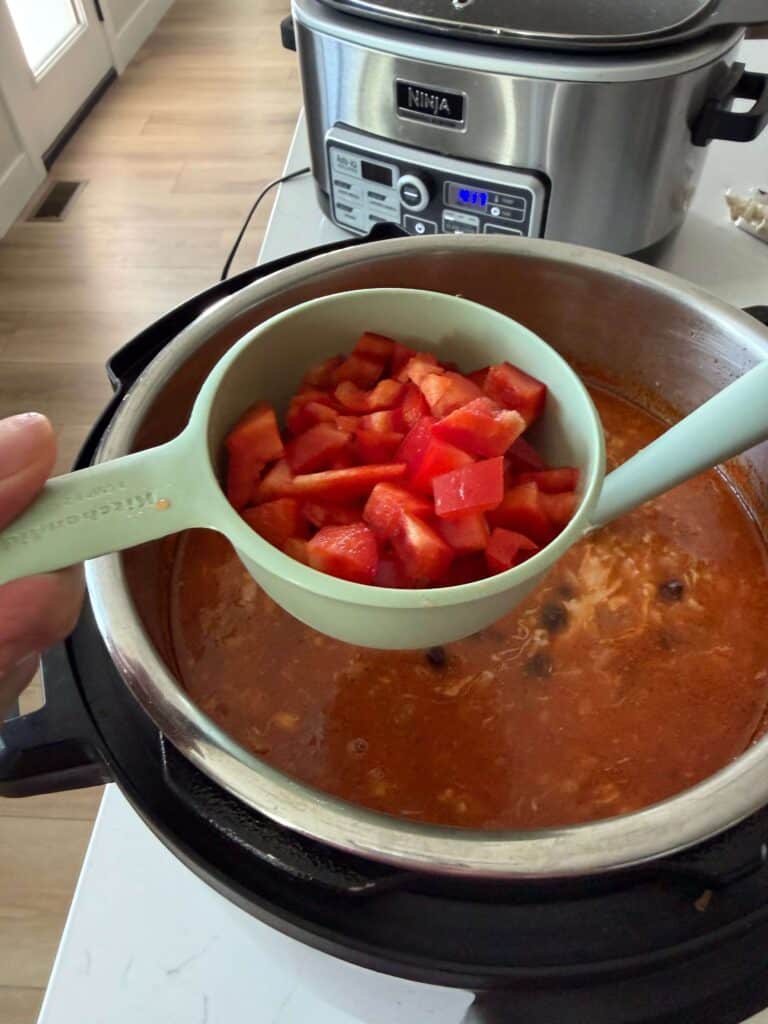
- Natural Release and Finishing: Following a 10-minute natural pressure release, the lid is removed, and fresh bell peppers, lime juice, and pepper jack cheese are folded in. This ensures the peppers maintain a "crisp-tender" texture rather than becoming mushy during the high-pressure phase.
The Slow Cooker Methodology
For the slow cooker, the timeline expands to accommodate a more gradual infusion of flavors. All ingredients, excluding the cheese, lime juice, and bell peppers, are combined and cooked on a low setting for six to eight hours. The finishing ingredients are added in the final 30 minutes of cooking, preserving the structural integrity of the vegetables and the emulsification of the cheese.
Supporting Data: The Rise of Multi-Cooker Gastronomy
The emergence of recipes like Pepper Jack Chicken Fajita Soup is supported by significant shifts in the appliance market and consumer behavior. According to market research data, the global electric pressure cooker market was valued at approximately $4.5 billion in 2022 and is projected to grow at a compound annual growth rate (CAGR) of 6.2% through 2030. This growth is driven by the increasing number of working professionals and the rising preference for automated cooking processes.
Furthermore, digital engagement metrics indicate a high demand for "set-and-forget" recipes. Data from major recipe aggregators shows that searches for "Instant Pot Soup" and "Slow Cooker Chicken" increase by over 40% during the autumn and winter months in the Northern Hemisphere. The Pepper Jack variant specifically addresses a niche for "creamy yet spicy" profiles, which have seen a 15% increase in social media mentions over the last two fiscal quarters.
Nutritional Analysis and Ingredient Synergy
From a nutritional standpoint, the Pepper Jack Chicken Fajita Soup is categorized as a high-protein, fiber-rich meal. The inclusion of black beans provides a significant source of folate and magnesium, while the chicken offers lean protein essential for muscle maintenance.
The choice of Pepper Jack cheese is a strategic culinary decision. Unlike cheddar, which can sometimes separate or become oily when heated in large volumes of liquid, Pepper Jack contains Monterey Jack as its base. Monterey Jack has a high moisture content and a low melting point, allowing it to incorporate smoothly into the broth. The addition of spicy peppers within the cheese itself provides a secondary layer of heat that complements the smoked paprika and chili powder in the base seasoning.
Dietary Adaptability
Home economics experts highlight the recipe’s flexibility as a key factor in its popularity.
- Low-Carb Modifications: The rice can be substituted with cauliflower rice added at the end of the cooking process.
- Sodium Management: By utilizing low-sodium chicken broth and rinsing canned beans, the overall salt content can be reduced by up to 30%.
- Plant-Based Alternatives: The chicken can be replaced with extra firm tofu or a higher volume of legumes without compromising the structural integrity of the soup.
Culinary Commentary and Industry Reactions
Culinary developers and food scientists have commented on the "structural balance" of this specific soup. "The challenge with fajita-inspired liquids is maintaining the distinction between the ingredients," says one independent food consultant. "By adding the bell peppers and lime juice at the very end, the recipe avoids the ‘homogenized’ taste that plagues many slow-cooked meals. It retains the bright, acidic notes that are characteristic of Mexican cuisine."
Consumer feedback collected from digital platforms emphasizes the "leftover potential" of the dish. Because the rice continues to absorb the seasoned broth over time, the soup thickens into a stew-like consistency by the second day, a transformation that many home cooks find desirable. This "flavor maturation" is a common feature of spice-heavy soups, where the volatile compounds in the cumin and chili powder have more time to interact with the fats in the chicken and cheese.
Broader Impact on Home Gastronomy and Food Waste
The promotion of Pepper Jack Chicken Fajita Soup also intersects with contemporary discussions regarding food waste and economic efficiency. The recipe allows for the utilization of "pantry staples"—such as canned beans, dried rice, and shelf-stable broth—combined with a small amount of fresh produce. This approach encourages consumers to cook at home rather than relying on takeout, which is often higher in sodium and trans fats.
Furthermore, the "all-in-one" nature of the recipe reduces the environmental footprint associated with cleanup. Using a single pot reduces water consumption compared to traditional fajita preparation, which typically requires multiple pans for searing meat, sautéing vegetables, and cooking rice.
Implications for the Future of Digital Recipe Sharing
As the digital landscape for culinary content continues to evolve, recipes like Pepper Jack Chicken Fajita Soup represent the gold standard for "high-utility" content. They are designed for search engine optimization (SEO) but also for practical application in busy households. The integration of "filter" technology on recipe websites—allowing users to search by meat type, appliance, or dietary restriction—further streamlines the transition from digital discovery to physical preparation.
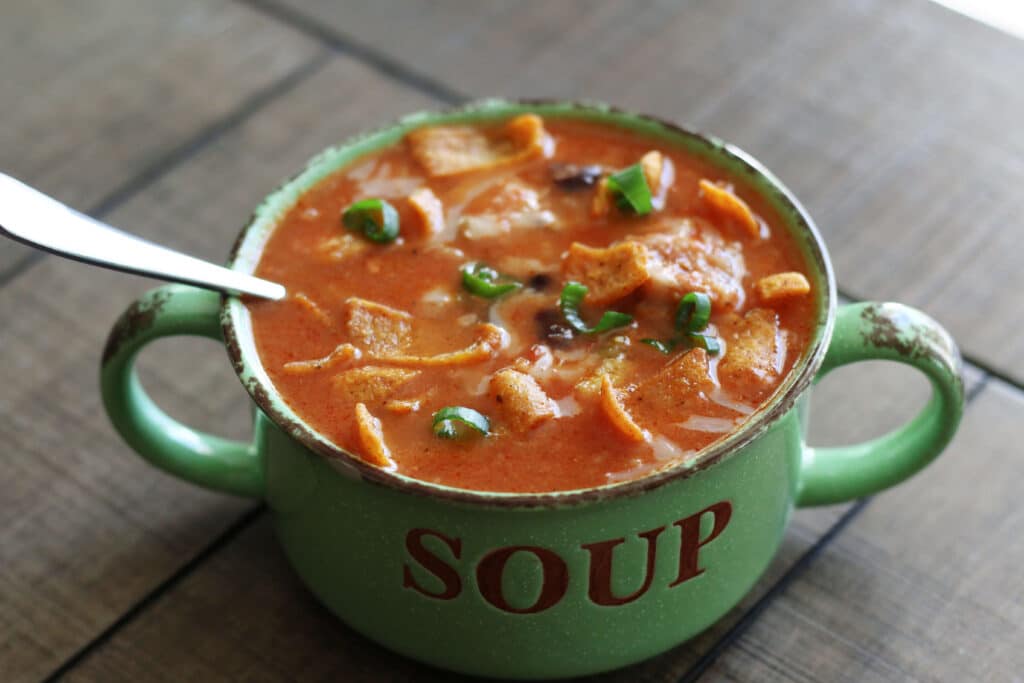
In conclusion, Pepper Jack Chicken Fajita Soup is more than a seasonal meal; it is a reflection of the modern kitchen’s priorities: speed, flavor complexity, and nutritional density. By honoring the historical roots of the fajita while embracing the technological advantages of the Instant Pot and slow cooker, this dish secures its place in the permanent rotation of contemporary home cooking. As consumer preferences continue to lean toward efficient, high-flavor meals, the culinary industry expects to see further innovations in the "soupification" of classic international dishes.
