
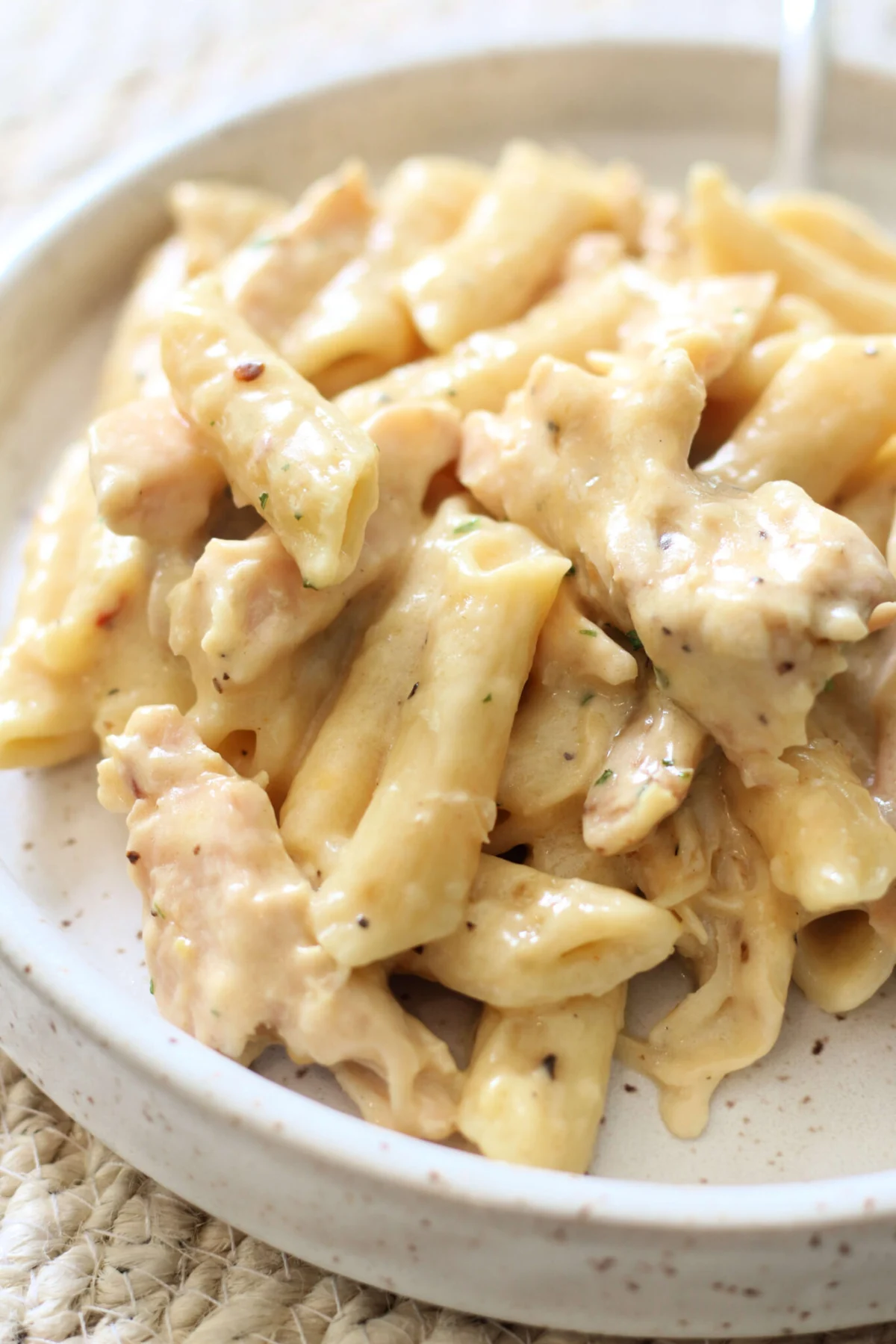
The Modern Evolution of Southern Comfort Cuisine
The transition of the chicken casserole from a Sunday staple to a Tuesday night feasibility study is a direct result of the "Instant Pot" phenomenon that began in the early 2010s. Paula Deen, a figure synonymous with the heavy use of butter, cream, and cheese, established a brand of Southern cooking that prioritized indulgence and family-style serving. However, as the American workforce faced increasing time constraints, the traditional casserole—which often required separate boiling of pasta, sautéing of vegetables, and a 45-minute bake time—became less practical for the average consumer.
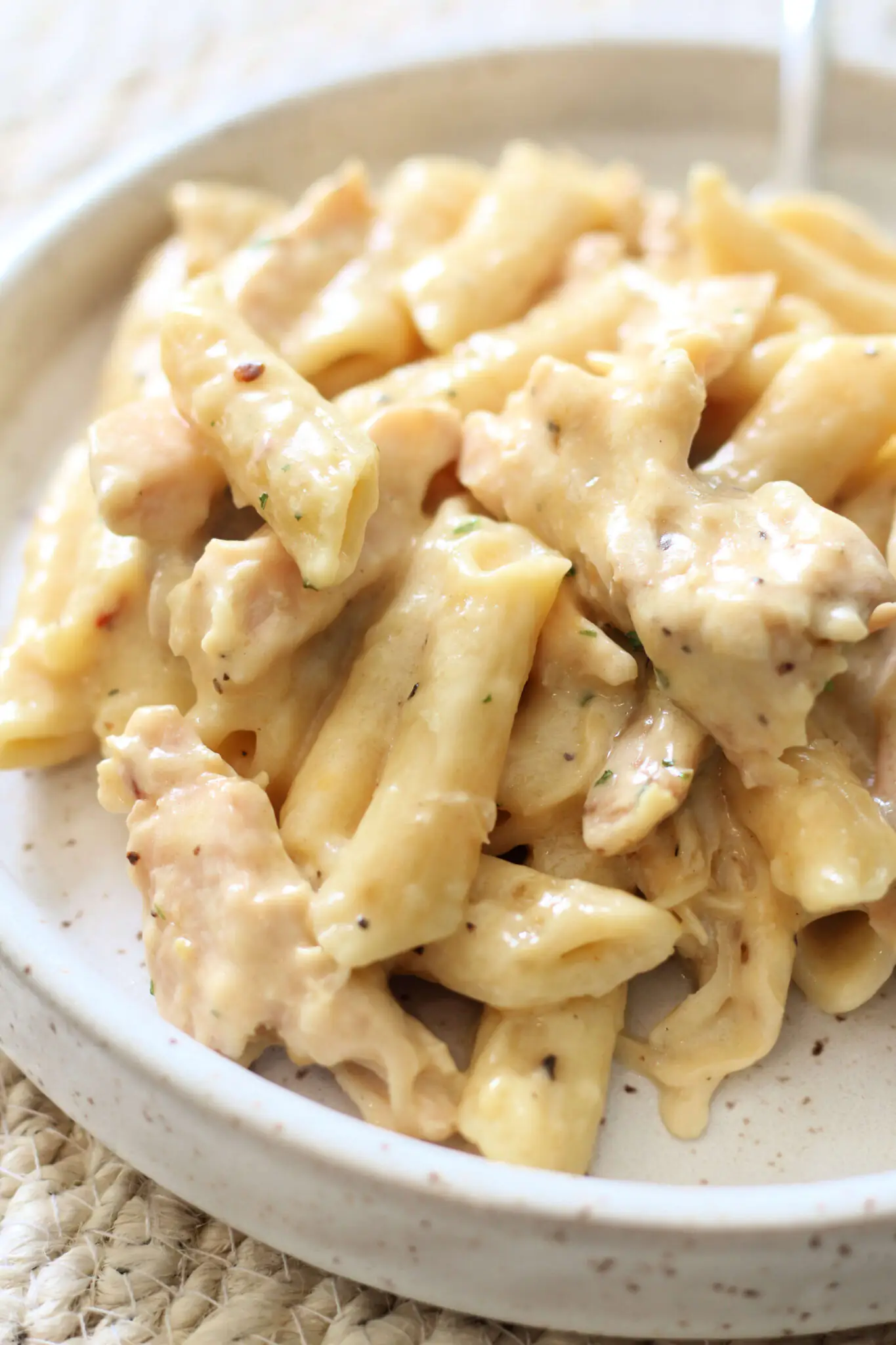
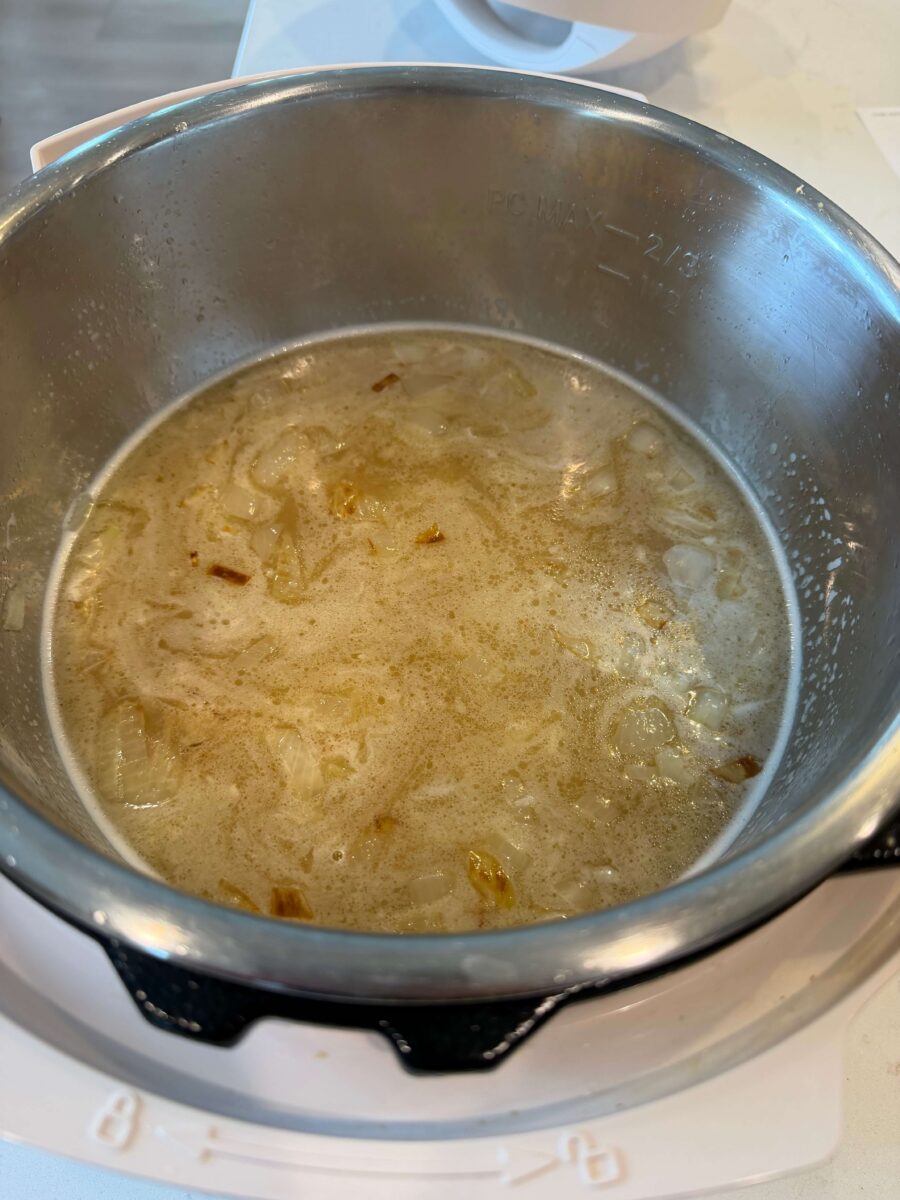
The adaptation of Deen’s flavor profile into a pressure cooker format is not merely a change in equipment but a re-engineering of the cooking process. In this version, the sauté function of the multi-cooker is utilized to build a foundational flavor base through the caramelization of onions and the aromatic release of garlic. This is followed by the deglazing of the pot with chicken broth, a critical step that prevents the "burn" notice common in high-starch pressure cooking. The layering of penne and raw chicken allows for a simultaneous cook cycle where the pasta absorbs the savory broth and chicken juices, resulting in a more integrated flavor than traditional boiling.
Technical Analysis of Ingredients and Chemical Reactions
The success of the Paula Deen-inspired chicken casserole relies on a specific sequence of ingredient interactions. Unlike traditional recipes that might use condensed "cream of" soups, this modernized version utilizes a blend of sour cream, sharp cheddar, and Monterey Jack cheese added post-pressurization. This technical choice is significant for several reasons:
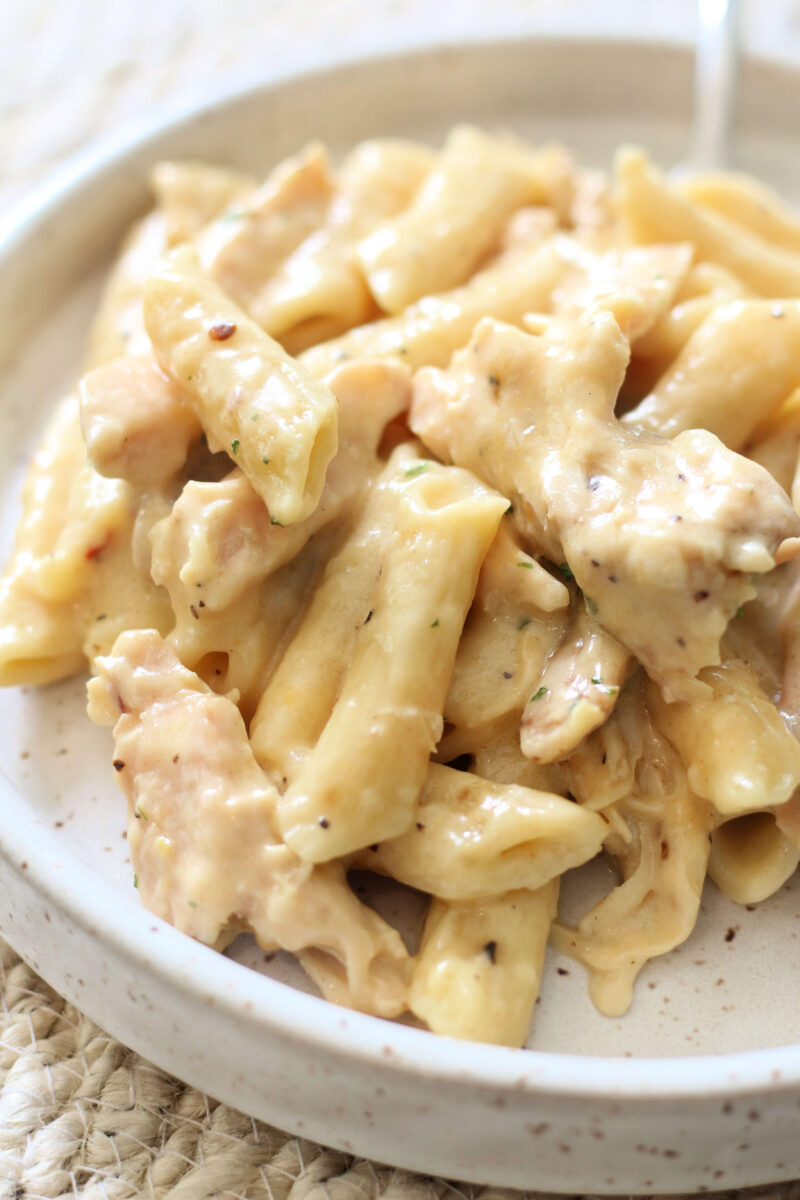
- Starch Gelatinization: The penne pasta is cooked under high pressure (approximately 11.6 psi), which accelerates the gelatinization of starches. This creates a thick, starchy liquid base that acts as a natural emulsifier for the fats added later.
- Protein Integrity: By placing the chicken on top of the pasta, the poultry is essentially steamed by the rising vapors of the broth, ensuring that the breast meat remains tender rather than becoming toughened by direct contact with the heating element.
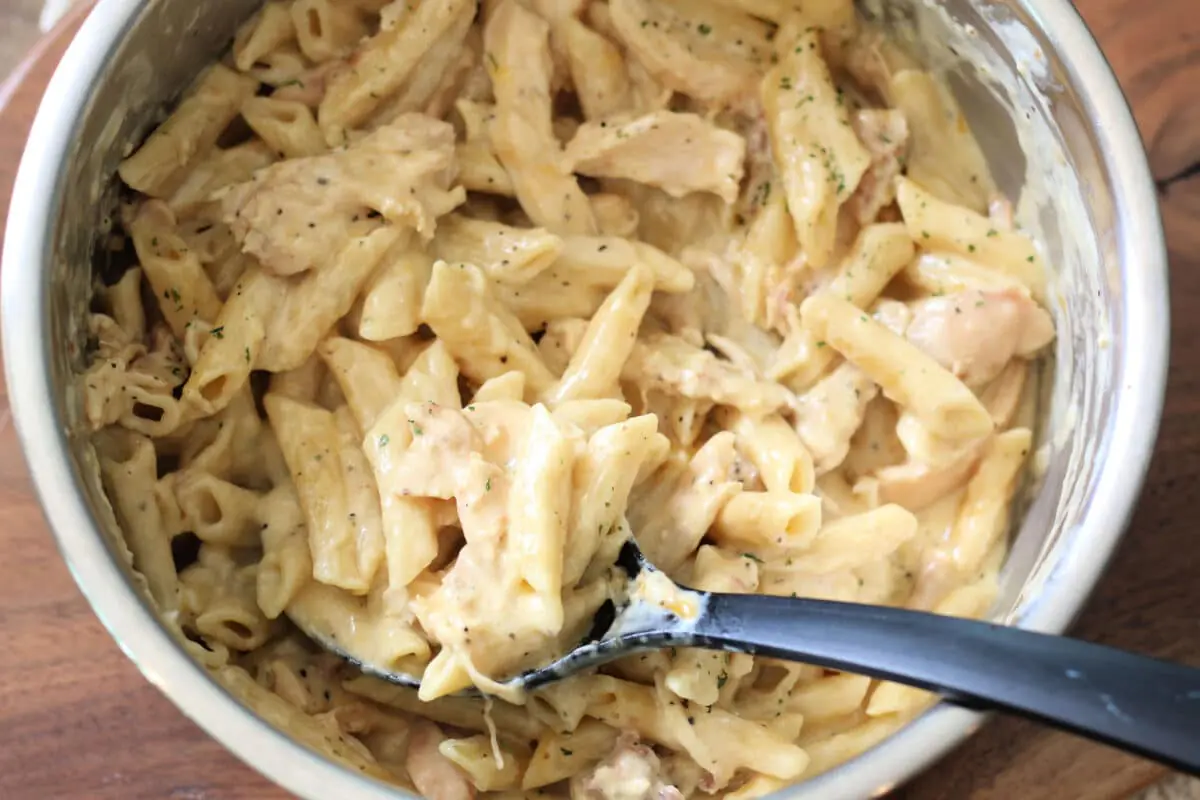
- Dairy Emulsification: Sour cream and cheese are notoriously sensitive to high heat. If subjected to the full pressure-cooking cycle, the proteins in the dairy would likely denature and "break," leading to a grainy or oily texture. By stirring these in during the "residual heat" phase after the lid is removed, the cook achieves a smooth, homogenous sauce.
The inclusion of red pepper flakes and black pepper provides a necessary counterpoint to the high fat content of the dairy, a hallmark of Deen’s culinary philosophy which balances richness with subtle heat.
Chronology of the Cooking Process
The preparation of the Paula Deen Chicken Casserole follows a strict chronological workflow designed to maximize efficiency and flavor extraction.
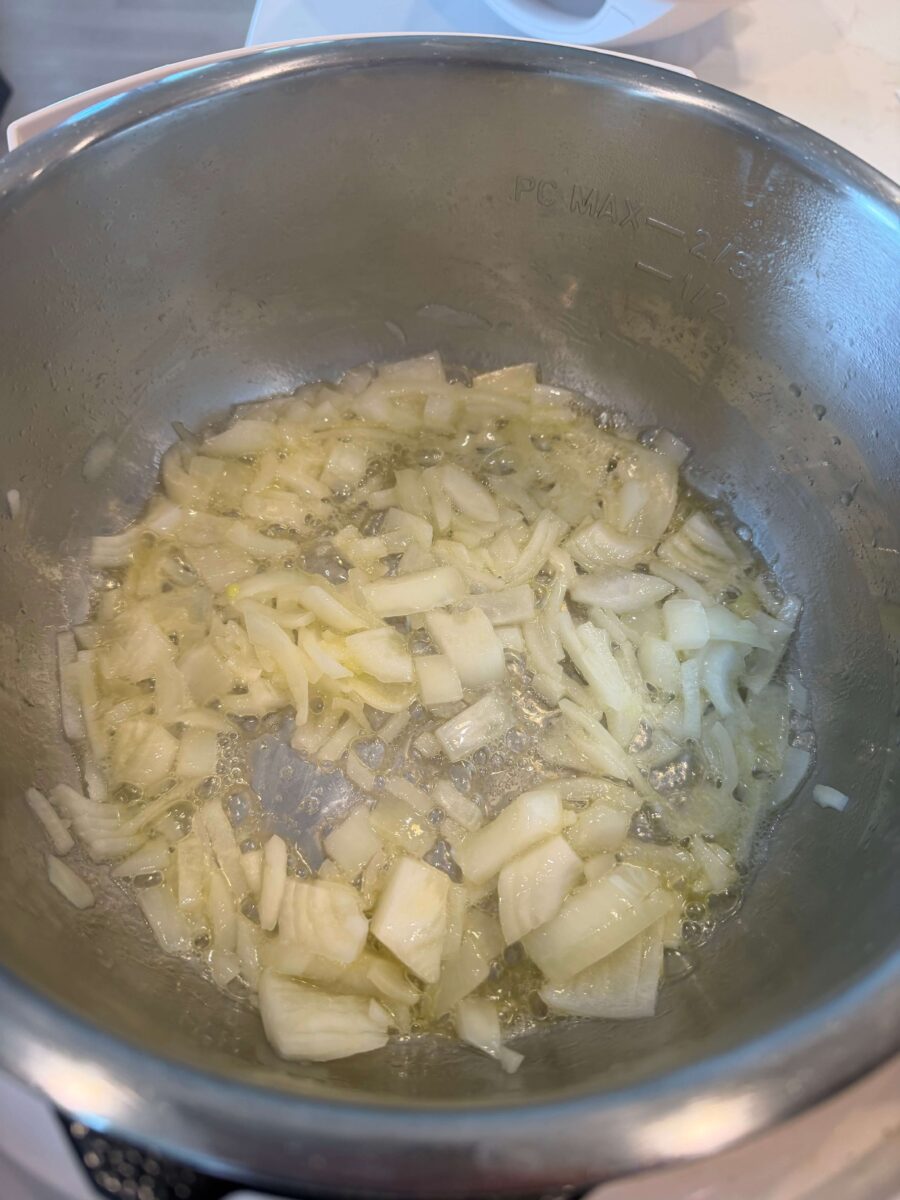
The process begins with the activation of the sauté setting. Once the internal temperature of the stainless-steel pot reaches approximately 340°F (171°C), butter is introduced. The subsequent three-minute sauté of finely diced onions allows for the softening of cellulose without reaching the stage of deep browning, which would otherwise overpower the delicate cream sauce. Garlic is introduced in the final 30 seconds of this phase to prevent the bitterness associated with scorched alliums.
The second phase involves the introduction of liquid. Two cups of chicken broth are added to the pot, and the user is required to scrape the bottom—a process known as deglazing. This ensures that any "fond" (browned bits) is incorporated into the sauce.
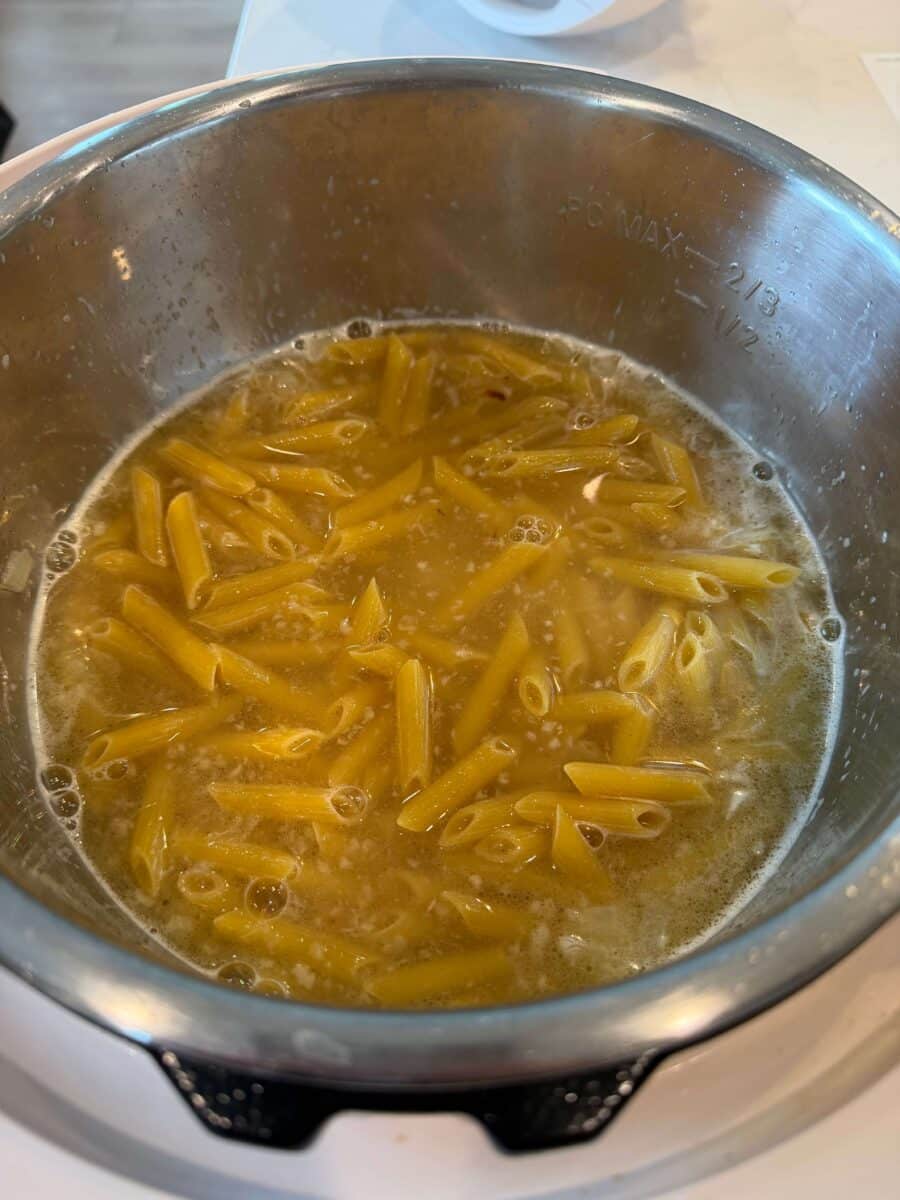
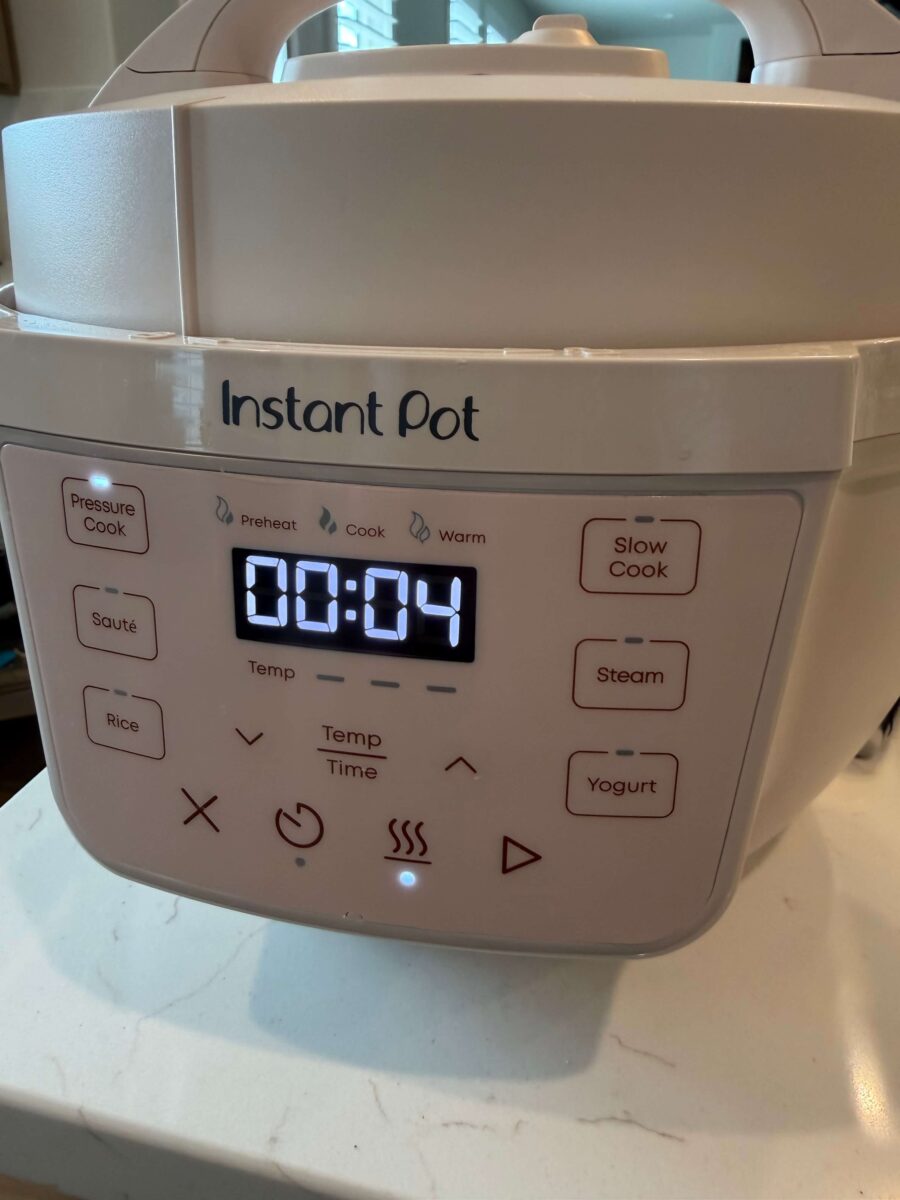
The third phase is the assembly. Penne pasta is sprinkled evenly across the liquid, followed by a layer of bite-sized chicken pieces. Seasonings, including salt and the aforementioned peppers, are added at this stage. The pot is then sealed, and the pressure is set to "Manual" or "Pressure Cook" for a duration of four minutes.
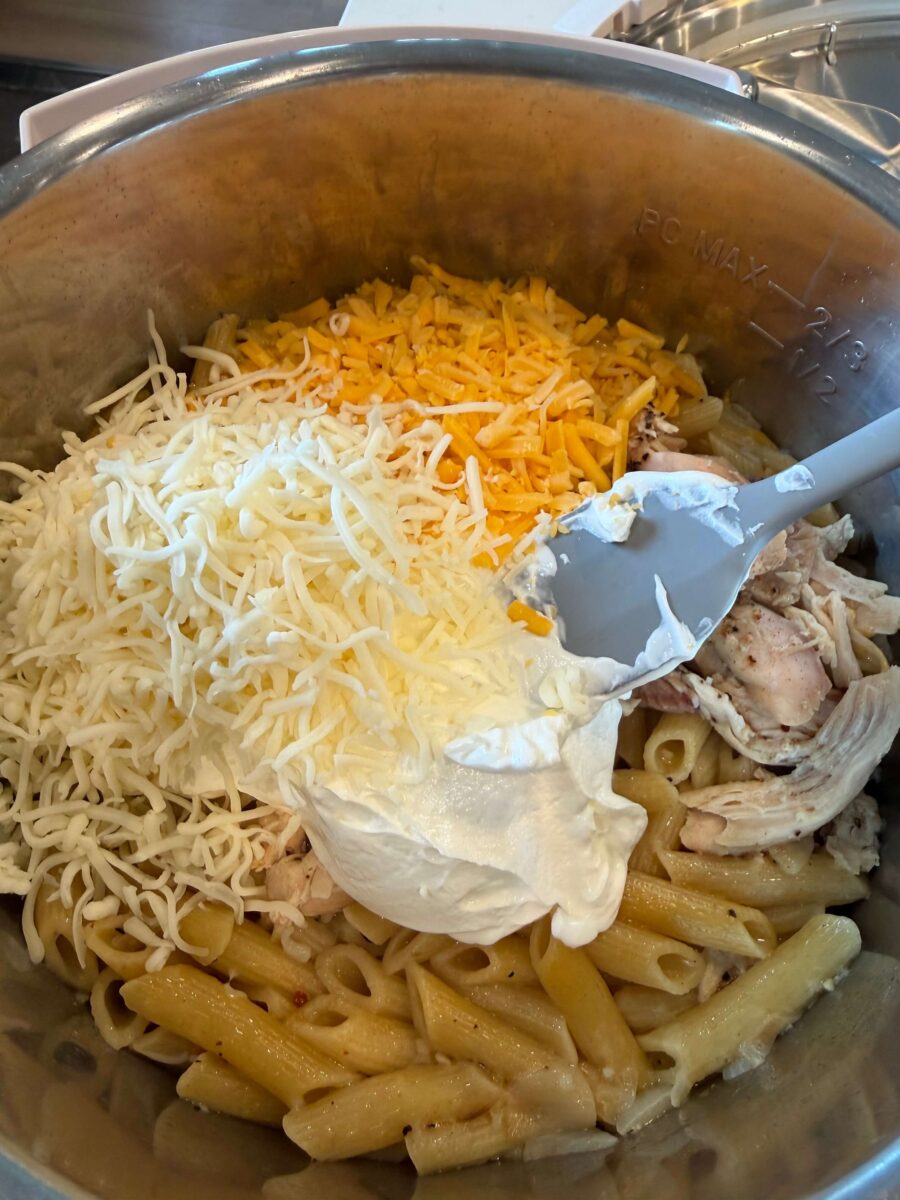
The final phase is the "Natural Release" period. The pot is allowed to sit undisturbed for five minutes after the timer expires. This allows the internal pressure to drop gradually, preventing the chicken from becoming rubbery due to a sudden temperature shift. After the remaining steam is vented, the sour cream and shredded cheeses are folded in, completing the dish.
Supporting Data on the Multi-Cooker Market
The rise of recipes like the Paula Deen Chicken Casserole is supported by broader consumer trends in the kitchen appliance sector. Market research indicates that the multi-cooker market was valued at approximately $721 million in 2020 and is projected to reach over $1.2 billion by 2027. This growth is driven by the "convenience culture" of North American and European households.
Data from digital recipe aggregators shows that "Instant Pot Pasta" and "One-Pot Chicken" are among the top-searched terms in the culinary category. The Paula Deen brand remains a powerful draw in this space; despite shifts in the media landscape, her name continues to be associated with high-satisfaction "comfort" metrics. Analysts suggest that the adaptation of celebrity recipes for modern appliances is a key strategy for food bloggers and publishers to maintain relevance in a fast-paced digital economy.
Reactions from the Culinary Community
While some traditionalists argue that a pressure cooker cannot replicate the "crispy edges" of a baked casserole, the response from busy parents and home cooks has been overwhelmingly positive. Culinary analysts note that the "Paula Deen’s Chicken Casserole" adaptation solves the primary complaint regarding Southern food: the time required for preparation.
Inferred reactions from the user base of "365 Days of Crockpot" suggest that the versatility of the recipe is its strongest selling point. Users have reported successful modifications, such as the inclusion of frozen peas, fresh spinach, or broccoli florets, which are added during the final stirring phase. This "modular" approach to cooking allows families to meet nutritional goals while adhering to the core flavor profile of the original recipe.
Furthermore, the ability to substitute pasta types—moving from penne to rotini or macaroni—demonstrates the robust nature of the pressure-cooking ratios established in this recipe. As long as the liquid-to-solid ratio remains constant, the physics of the pressure cook remain stable.
Broader Impact and Implications for Home Cooking
The democratization of celebrity-chef recipes through accessible technology has profound implications for domestic life. The Paula Deen Chicken Casserole is more than a meal; it is a case study in the "standardization of quality." In decades past, the success of such a dish depended heavily on the cook’s ability to manage oven hot spots and moisture evaporation. The Instant Pot removes these variables, providing a consistent result regardless of the user’s skill level.
This shift also highlights the changing role of the "Food Influencer." Figures like Karen Petersen act as translators, taking the high-concept or high-fat legacies of the 20th-century celebrity chefs and reformatting them for the 21st-century’s technological reality. This ensures that regional cuisines, such as Southern American comfort food, are not lost to history but are instead updated for a new generation of consumers.
In conclusion, Paula Deen’s Chicken Casserole represents a successful marriage of tradition and technology. By leveraging the specific mechanics of pressure cooking to deliver the creamy, savory flavors of the South, the recipe provides a sustainable model for the future of home-cooked meals. As the market for time-saving appliances continues to expand, it is likely that more "legacy" recipes will undergo similar transformations, ensuring that the "busy weeknight" no longer precludes the possibility of a high-quality, family-centered dinner.
