
The emergence of the "dump and go" culinary movement has significantly transformed domestic meal preparation across North America, prioritizing efficiency without compromising the flavor profiles traditionally associated with slow-cooked comfort food. At the forefront of this trend is a versatile dish known colloquially as the Ooey Gooey Casserole—a creamy chicken and green chile potato bowl that leverages the technical capabilities of modern kitchen appliances like the Instant Pot and the traditional slow cooker. This dish represents a intersection of Southwestern flavors and mid-century American casserole traditions, utilizing pantry staples to create a high-density, nutrient-rich meal suitable for large families and time-constrained professionals alike.
The Evolution of Convenience Cooking
The rise of the Ooey Gooey Casserole is emblematic of a broader shift in consumer behavior. Market research indicates that the global multi-cooker market, which includes appliances like the Instant Pot, was valued at approximately $720 million in 2020 and is projected to continue its upward trajectory through the end of the decade. This growth is driven by a demographic that seeks to replicate the results of long-form braising and stewing within the abbreviated timelines of the modern work week.
Historically, the American casserole served as a solution to economic scarcity, allowing households to stretch protein sources by combining them with starches and cream-based binders. The modern iteration, however, shifts the focus from scarcity to time-management. By utilizing a "dump and go" methodology—where ingredients are added to a single vessel without the need for preliminary searing or complex multi-stage prep—the Ooey Gooey Casserole addresses the "time-poverty" currently reported by a majority of working-age adults.
Culinary Composition and Flavor Profile
The dish is defined by its specific textural contrast and its use of Southwestern aromatics. The primary protein, chicken tenderloins, is selected for its lean profile and ability to shred easily after high-pressure or long-duration cooking. This is complemented by the inclusion of potatoes, which serve as the primary structural starch, absorbing the ambient moisture of the cooking liquid to achieve a tender, almost buttery consistency.
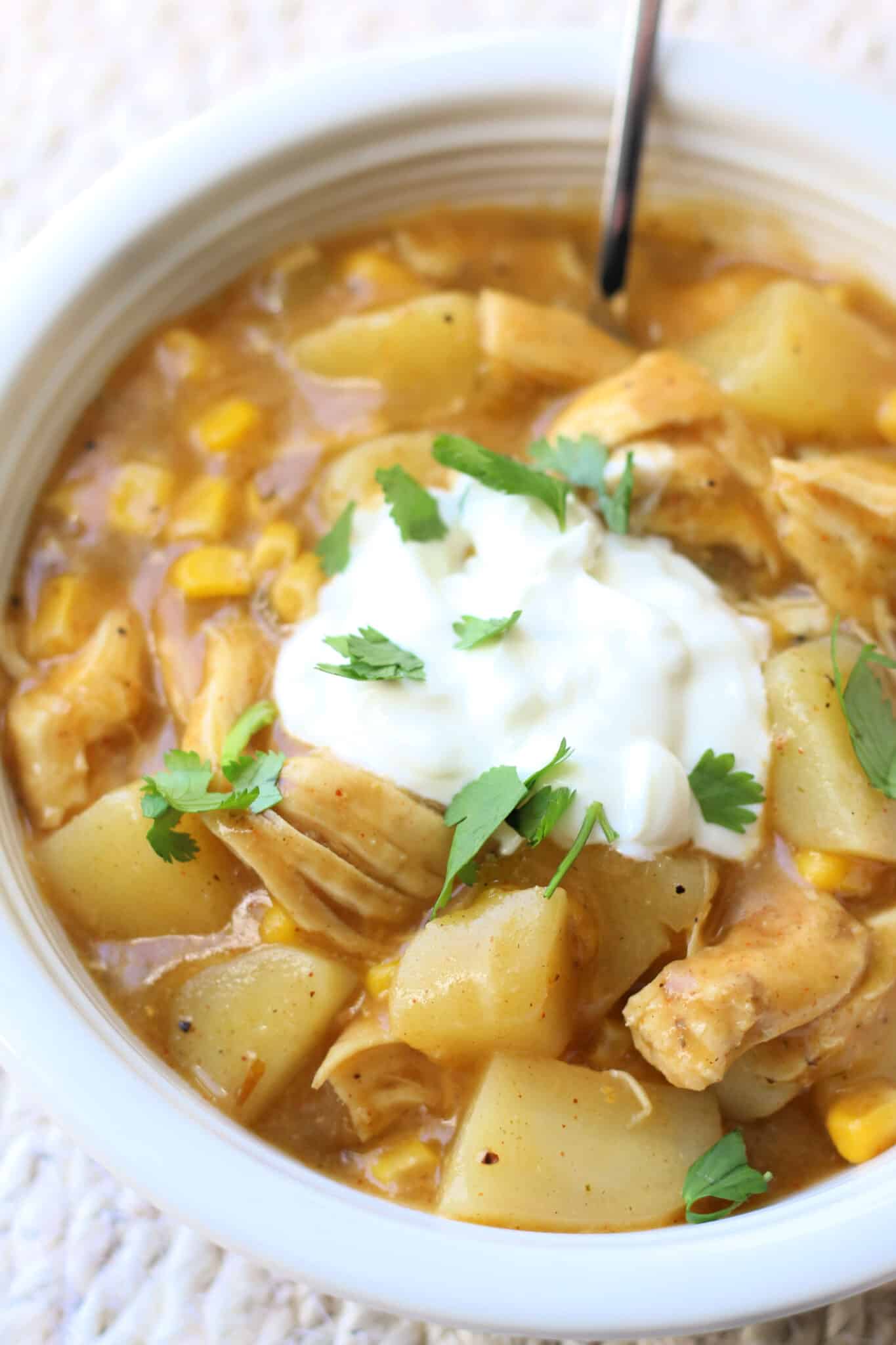
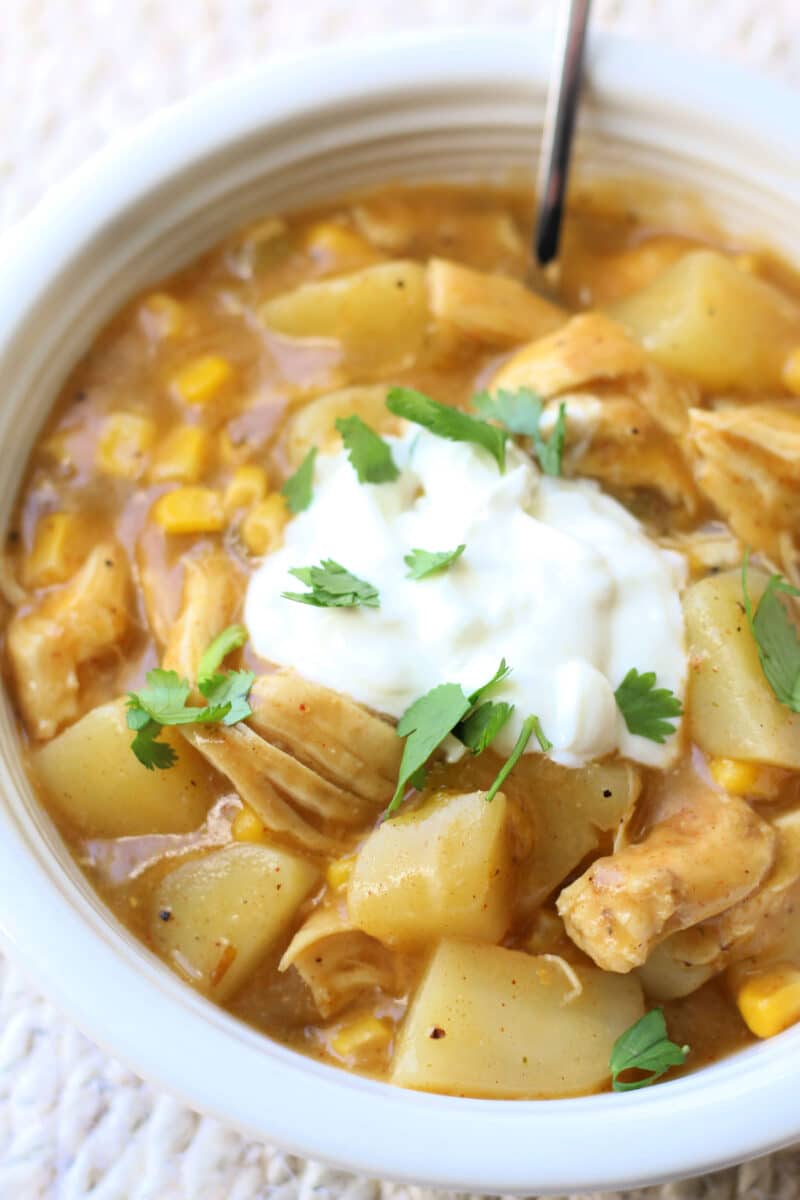
The flavor architecture of the casserole is built upon a foundation of green chiles and red enchilada sauce. Green chiles, a staple of New Mexican and Tex-Mex cuisines, provide a mild heat and a distinct acidity that cuts through the richness of the dairy components. The addition of a concentrated cheese soup serves as the emulsifier, creating the "ooey gooey" texture from which the dish derives its name.
A complex spice blend further elevates the profile:
- Paprika: Adds a subtle earthiness and color.
- Cumin: Provides the characteristic smoky depth associated with Southwestern cooking.
- Chili Powder: Introduces a mild piquancy.
- Garlic and Onion Powders: Ensure a consistent distribution of savory base notes throughout the sauce.
Procedural Chronology: From Pantry to Plate
The preparation of the Ooey Gooey Casserole follows a strict chronological sequence designed to maximize flavor extraction while minimizing active labor. Whether utilizing high-pressure steam or low-temperature conduction, the process remains rooted in the systematic layering of ingredients.
Phase I: Preparation and Seasoning
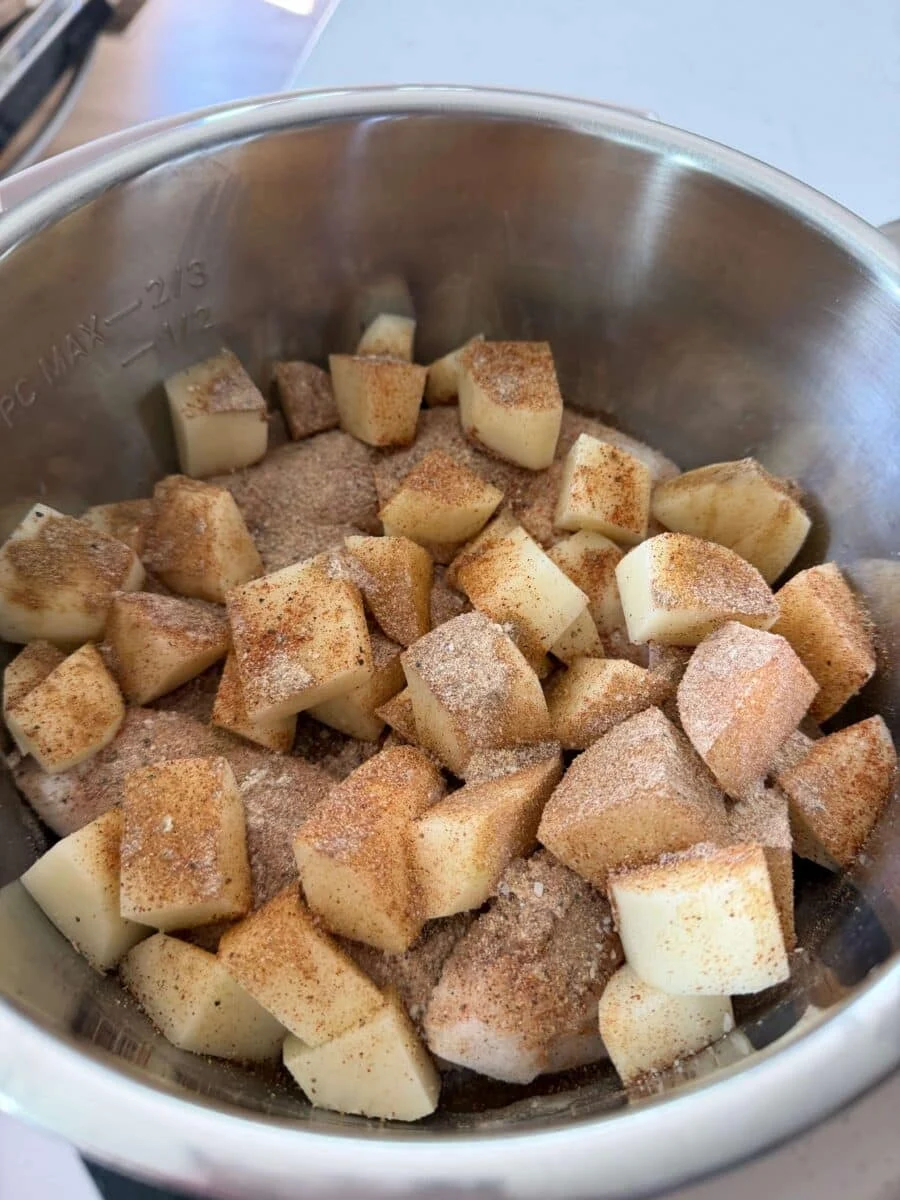
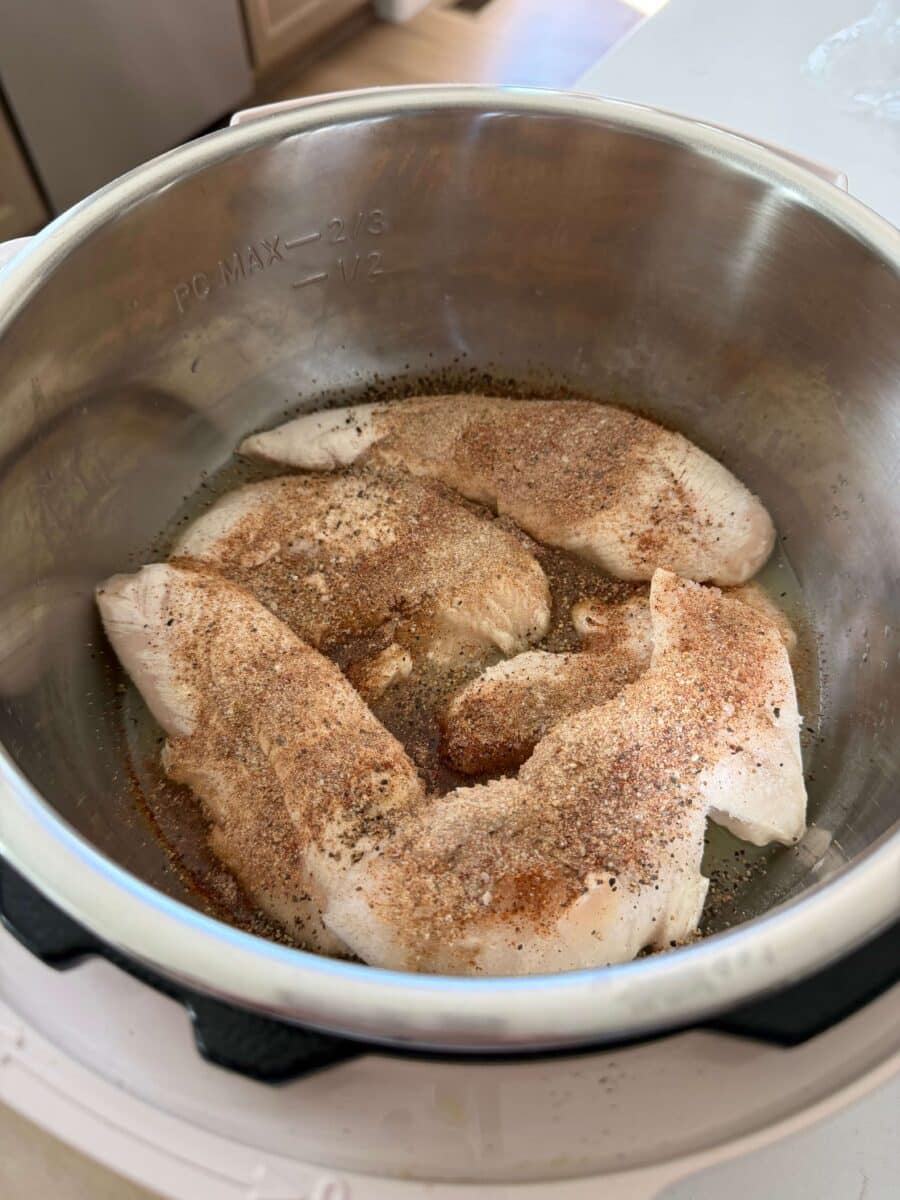
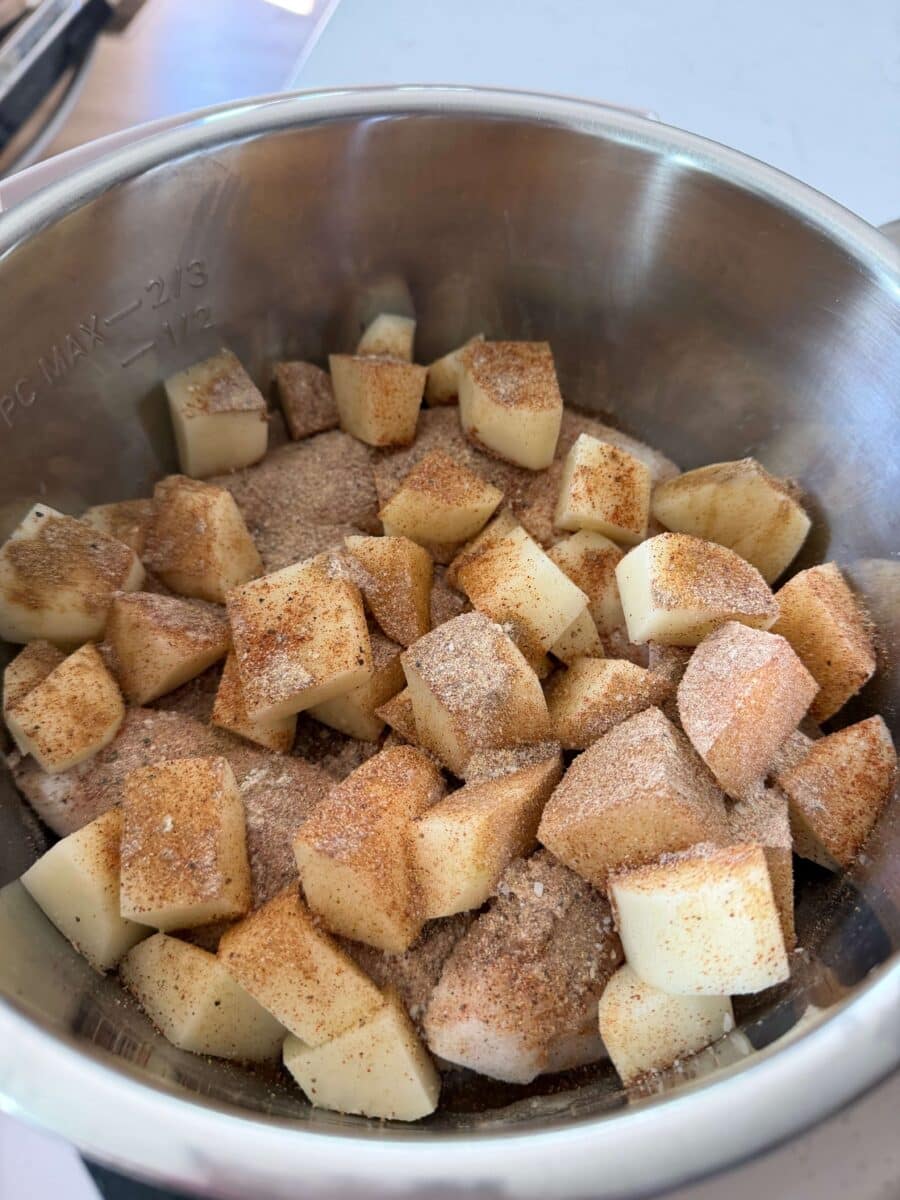
The process begins with the introduction of a liquid base—typically chicken broth—into the cooking vessel. This is a critical step for the Instant Pot method to prevent the "burn" notice during the pressure-building phase. The chicken tenderloins are placed directly into the broth. In a separate small bowl, the dry spices (paprika, salt, cumin, chili powder, pepper, onion, and garlic powders) are combined to ensure an even ratio. Half of this mixture is applied to the protein, followed by the addition of cubed potatoes, which receive the remaining seasoning.
Phase II: The "Dump" Sequence
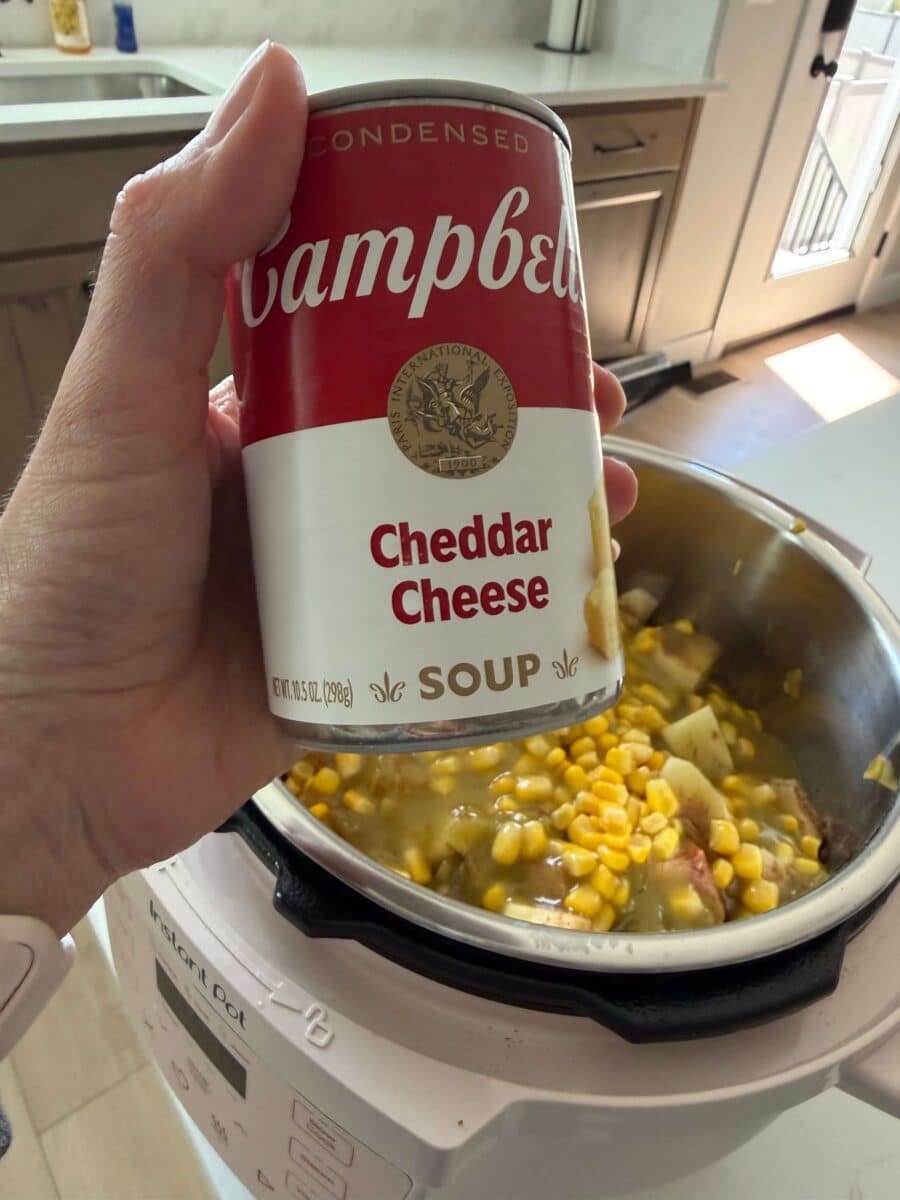
Unlike traditional French or Italian techniques that require deglazing or incremental additions, this method requires the immediate addition of the remaining wet ingredients. Canned green chiles, enchilada sauce, corn, and cheese soup are layered over the seasoned chicken and potatoes. This layering is intentional; the heavier, denser sauces sit atop the ingredients, gradually filtering down as the temperature rises.
Phase III: Thermal Processing
The chronology diverges based on the chosen appliance:
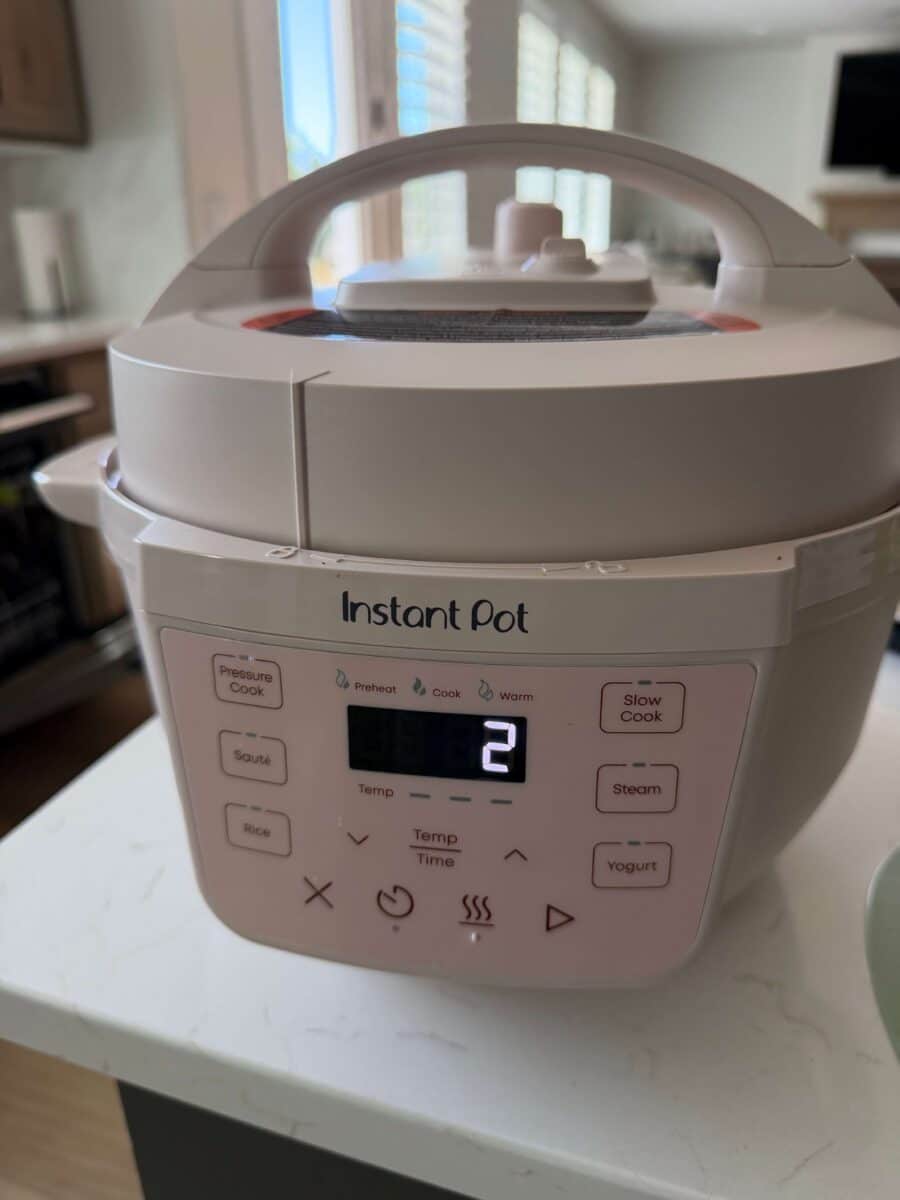
- Instant Pot Method: The device is sealed and set to manual high pressure for a duration of only two minutes. While the timer is brief, the actual "event" includes the 10-to-15-minute period required for the pot to reach pressure and the subsequent 5-to-10-minute natural release period. This rapid pressurization forces moisture into the chicken fibers, resulting in extreme tenderness.
- Slow Cooker Method: For those opting for a traditional approach, the dish is cooked on low for 6 to 8 hours or high for 3 to 4 hours. This allows for a more profound melding of flavors through slow evaporation and concentration.
Phase IV: Final Integration
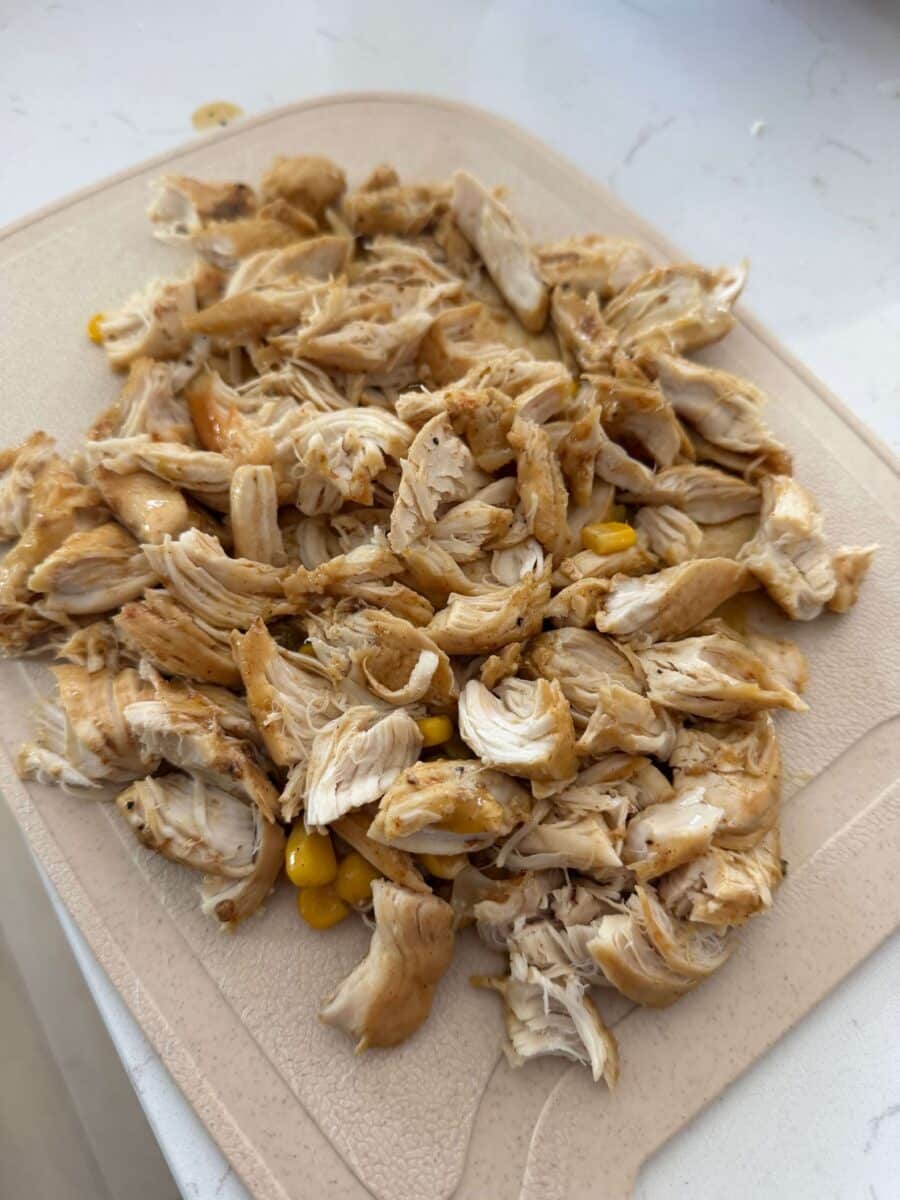
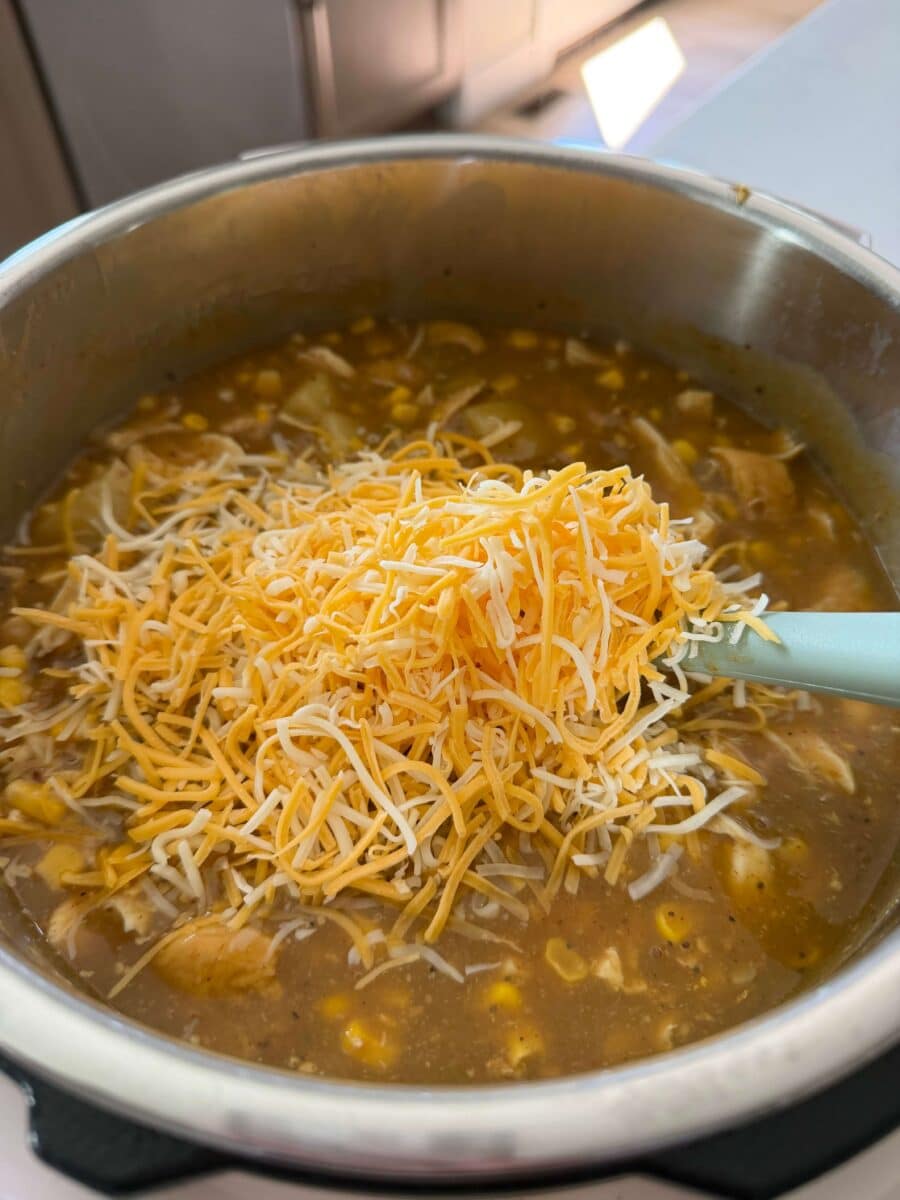
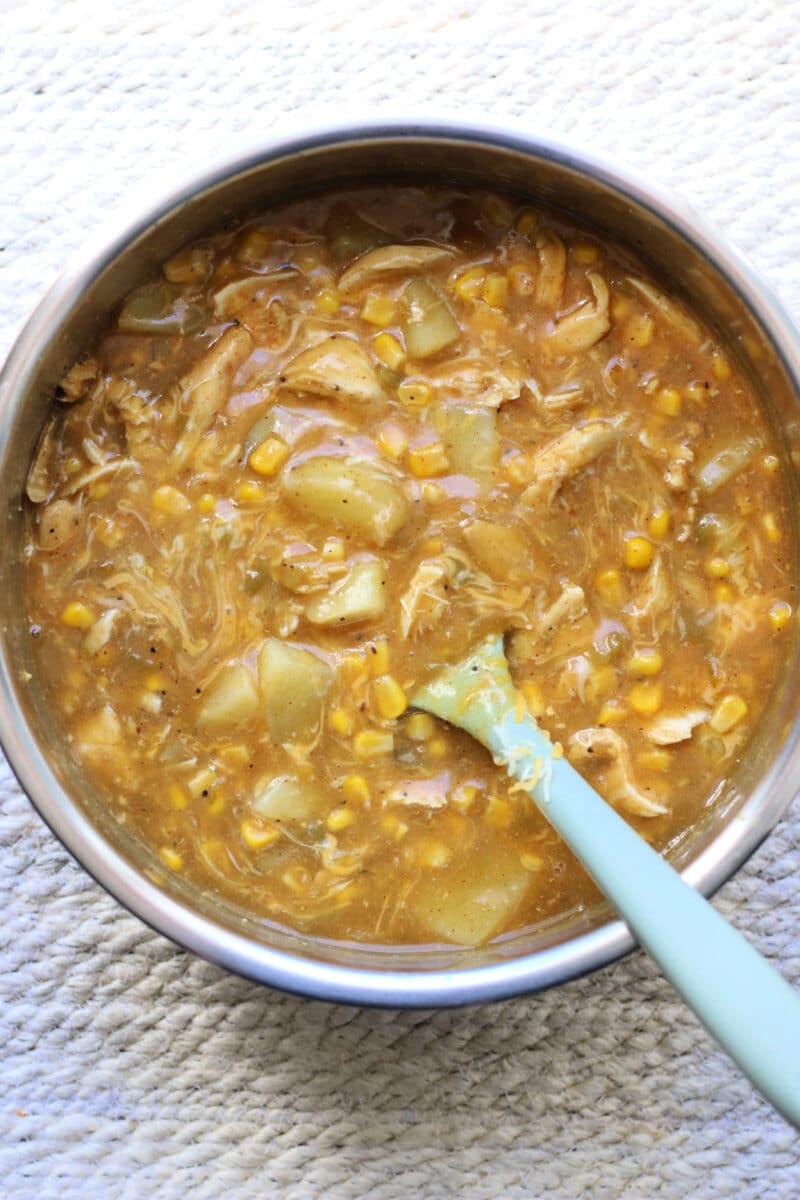
Upon completion of the thermal cycle, the chicken is shredded directly within the pot. The final step involves stirring in shredded cheese, which melts into the residual heat of the sauce, finalizing the dish’s signature consistency.
Economic and Social Implications of One-Pot Meals
The Ooey Gooey Casserole is more than a culinary preference; it is a reflection of current economic realities. As grocery prices have fluctuated significantly over the past 36 months, consumers have gravitated toward meals that utilize "pantry staples"—items with long shelf lives such as canned corn, boxed broth, and bagged potatoes.
Financial analysts note that the cost-per-serving of such casseroles is significantly lower than that of multi-component meals (e.g., a separate protein, starch, and vegetable). Furthermore, the ability to "stretch" the dish by adding more potatoes or corn makes it an ideal solution for feeding larger groups or preparing multiple days of "planned-over" meals.
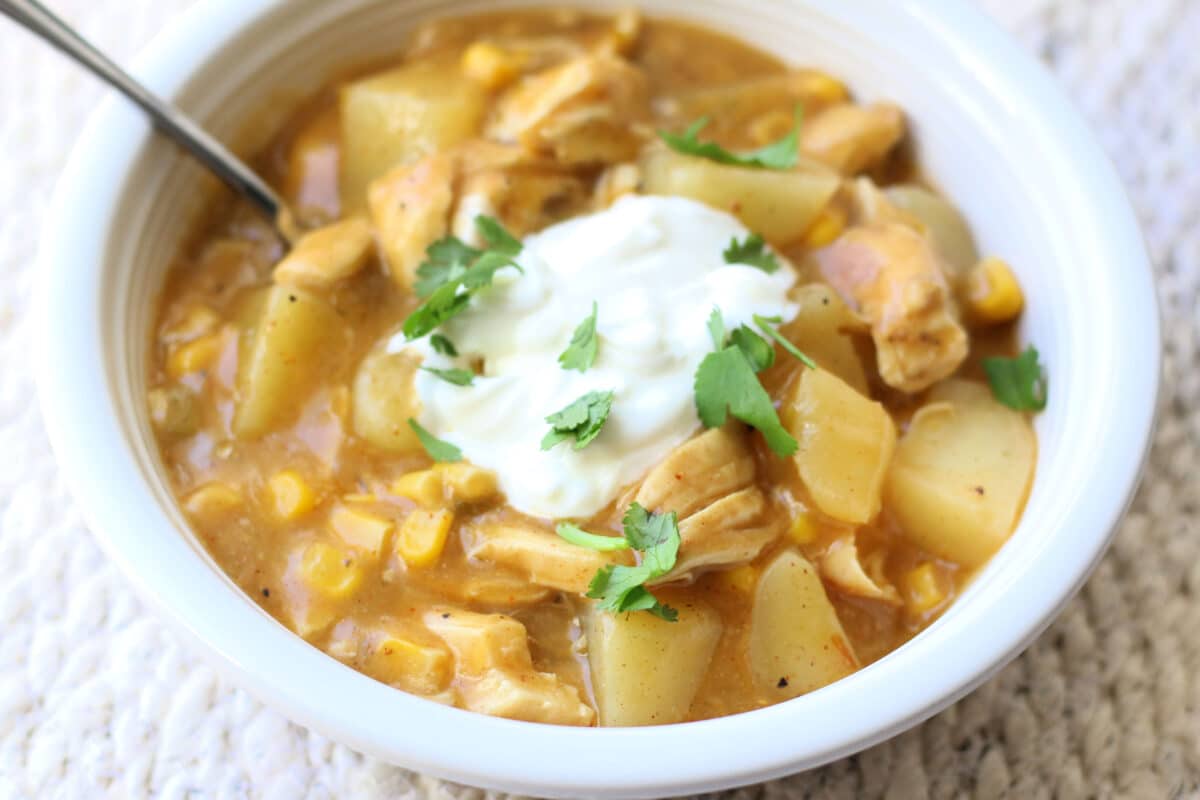
From a social perspective, these meals represent a return to communal, bowl-based dining. The recommendation to serve the casserole in deep bowls with toppings like sour cream, cilantro, and tortilla chips suggests a casual, interactive dining experience that contrasts with formal "meat-and-three" plating.
Comparative Analysis of Contemporary Casserole Variations
The Ooey Gooey Casserole exists within a broader ecosystem of chicken-and-potato-based recipes that have seen a resurgence in digital food communities. Other notable variations include:
- Bacon Chicken Potato Soup: A more liquid-heavy iteration that introduces carrots and spinach, using half-and-half to achieve a silky broth rather than a thick sauce.
- Mississippi Mud Chicken: A variation that emphasizes tanginess through the use of sour cream and heavy cheddar, often incorporating ranch seasoning—a hallmark of the "Mississippi" style of slow cooking.
- Rustic Root Chicken Pot: A minimalist approach focusing on the natural flavors of chicken thighs and root vegetables, using balsamic vinegar for acidity rather than enchilada sauce.
- Cheesy Chicken Hashbrown Casserole: A texture-focused alternative that utilizes frozen cubed hashbrowns and rotisserie chicken for an even faster preparation time.
Each of these dishes shares a common DNA with the Ooey Gooey Casserole: they are designed to be "fail-proof," accessible to novice cooks, and highly customizable based on what is available in the kitchen at any given moment.
Technical Insights and Expert Recommendations
Culinary experts suggest several technical adjustments to optimize the Ooey Gooey Casserole. For the Instant Pot method, the choice of potato is paramount; Yukon Gold potatoes are often recommended over Russets because they maintain their structural integrity under pressure, whereas Russets may disintegrate into the sauce.
Furthermore, the "natural release" of pressure is cited as a vital step for meat texture. A "quick release" (manually venting the steam immediately) can cause the muscle fibers in the chicken to contract rapidly, leading to a tougher mouthfeel. By allowing the pressure to dissipate naturally for 10 minutes, the chicken remains succulent.
For the slow cooker method, experts recommend adding the cheese only in the final 15 minutes of cooking. Prolonged exposure to high heat can cause dairy-based soups and cheeses to break or become oily; a late addition ensures a smooth, homogenous sauce.
Broader Impact on the Home Cooking Landscape
The popularity of the Ooey Gooey Casserole highlights a significant shift in how recipes are consumed and shared. In the current digital age, the "viral" nature of "dump and go" recipes has created a new standard for home cooking. The democratization of culinary information through platforms like Pinterest and food blogs has moved the focus away from "haute cuisine" and toward practical, repeatable, and comforting domesticity.
As households continue to navigate the complexities of modern life, the reliance on single-vessel, high-flavor meals is expected to persist. The Ooey Gooey Casserole stands as a testament to the enduring appeal of the American casserole—an ever-evolving format that adapts to new technologies and changing tastes while remaining rooted in the fundamental human desire for a warm, satisfying meal. Whether prepared in a high-tech pressure cooker or a traditional ceramic slow cooker, the dish remains a staple of the contemporary kitchen, proving that convenience and quality are no longer mutually exclusive.
