
The Evolution of One-Pan Culinary Methods
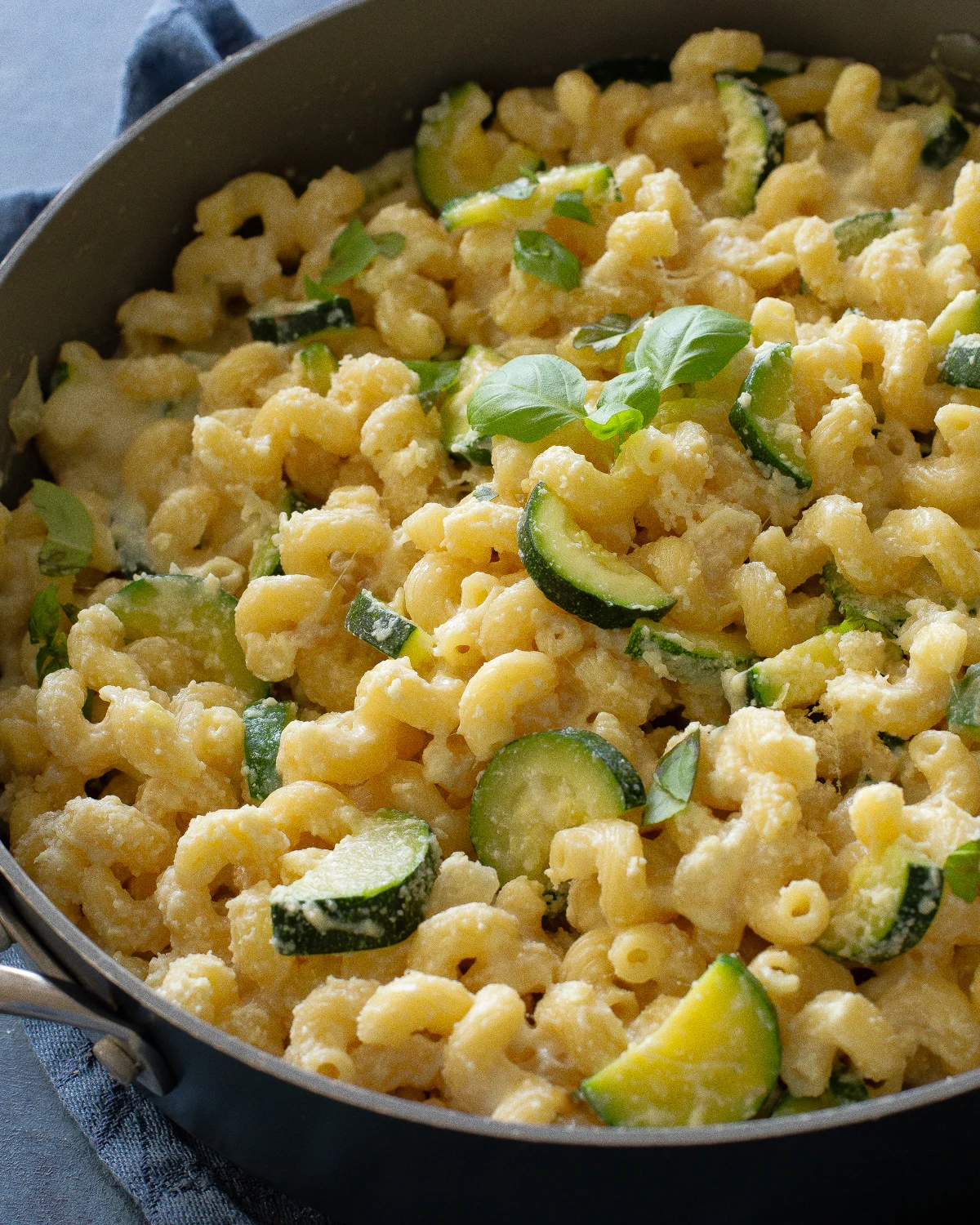
The rise of one-pan pasta dishes—a method that requires the pasta to cook directly in the sauce rather than in a separate pot of boiling water—represents a significant departure from traditional Italian cooking techniques. Traditionally, pasta is boiled in salted water to achieve a specific texture, while sauces are prepared independently to preserve the integrity of their ingredients. However, the one-pan approach utilizes the starch released by the pasta during the boiling process to emulsify the liquid, resulting in a naturally thicker, more cohesive sauce.
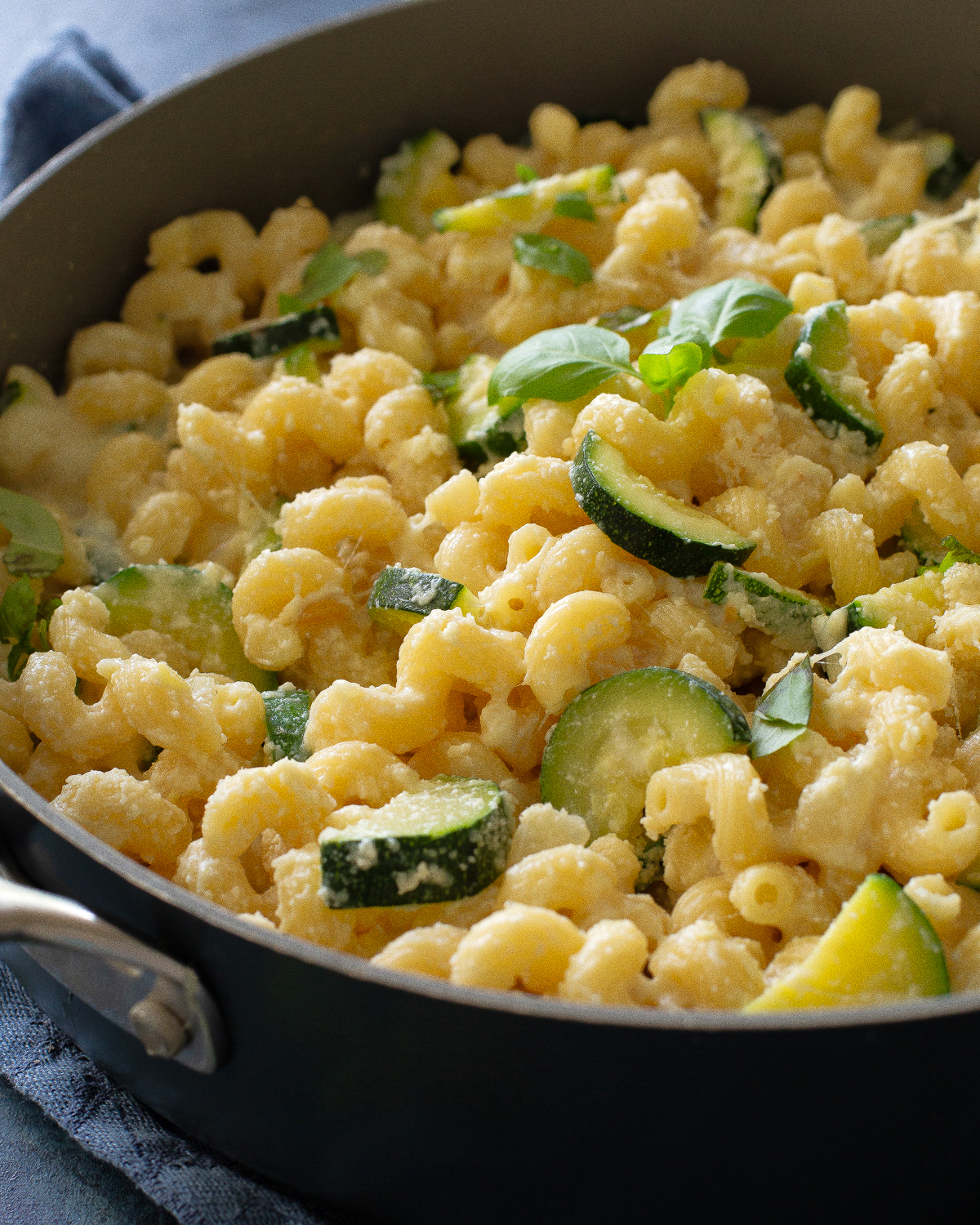
This technique has gained traction due to a combination of economic and lifestyle factors. Data from culinary market research indicates that since 2020, there has been a 30% increase in search volume for "efficient home cooking" and "minimal cleanup recipes." This shift is largely attributed to a demographic that prioritizes time management without sacrificing the quality of fresh ingredients. By cooking the vegetables and the pasta simultaneously, the starch-heavy water provides a base that binds the ricotta, mozzarella, and Parmesan, creating a creamy texture that is historically associated with far more labor-intensive methods.
Nutritional Context and Seasonal Utilization
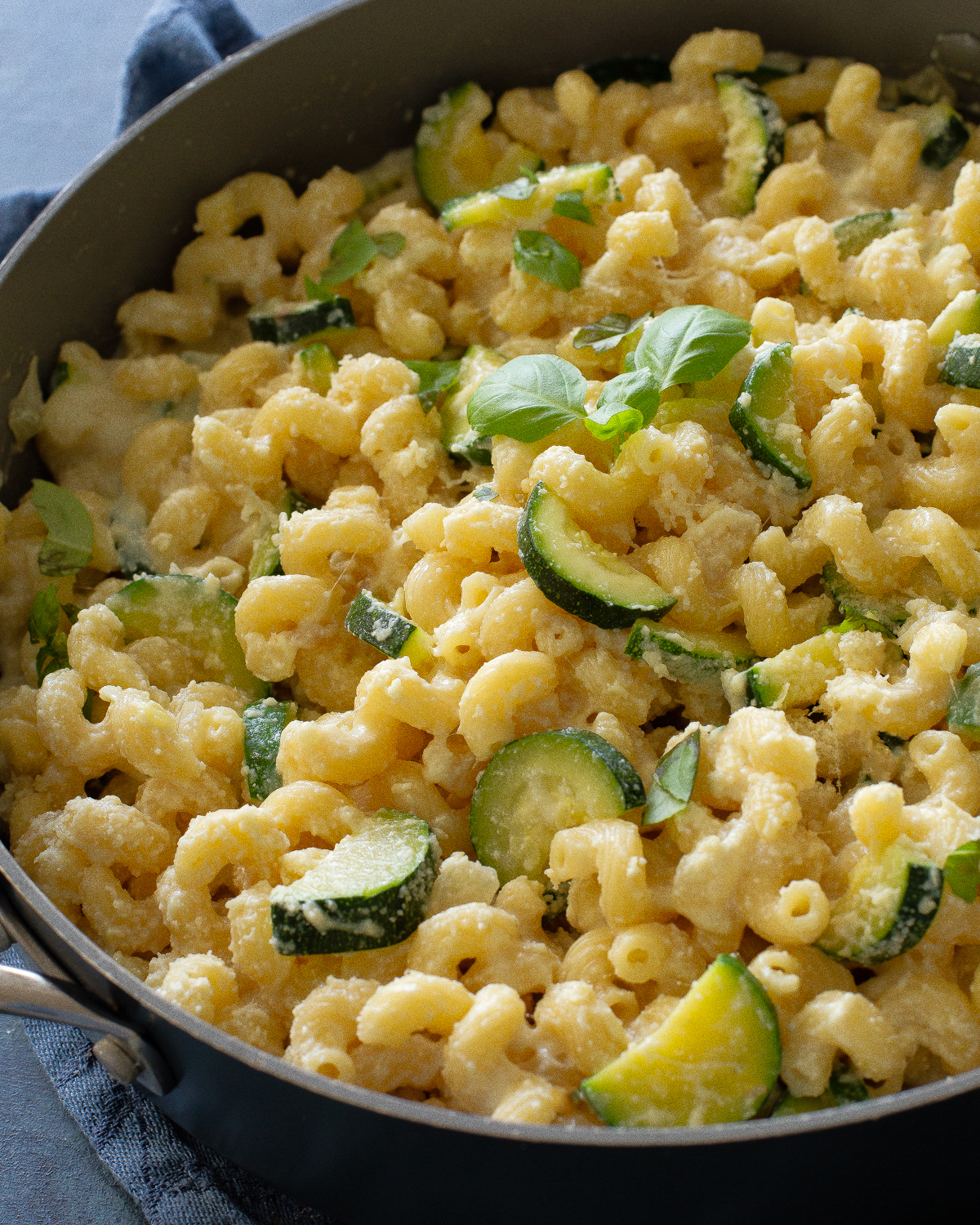
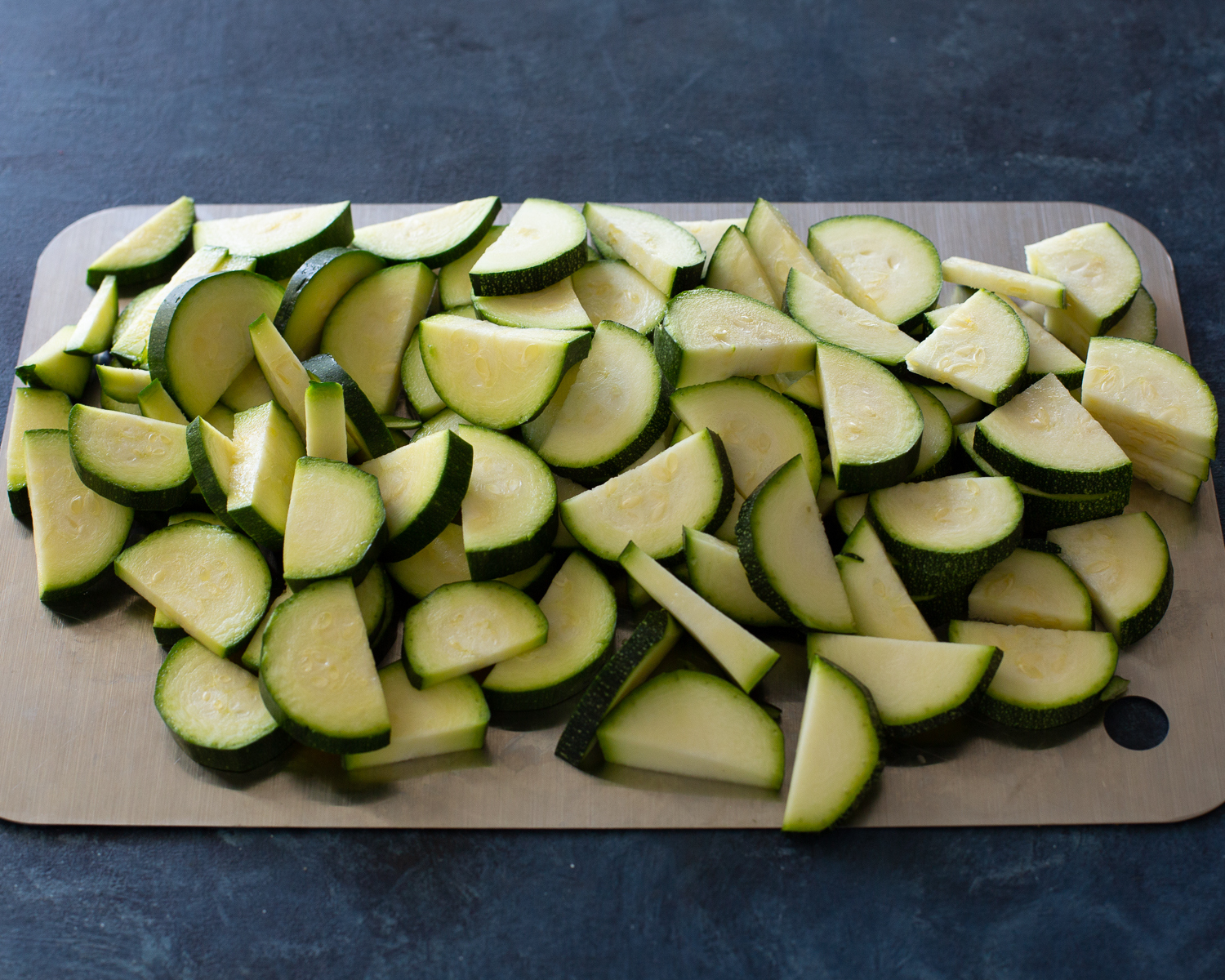
Zucchini, a member of the Cucurbita pepo family, is a staple of summer harvests, known for its high water content and versatility. Nutritionally, it is recognized for being low in calories while providing essential vitamins such as A, C, and K, as well as significant dietary fiber. The integration of squash and zucchini into a creamy pasta base offers a strategic method to increase vegetable consumption in households that might otherwise rely on heavier, carbohydrate-centric meals.
The inclusion of a triple-cheese blend—ricotta for silkiness, mozzarella for stretch, and Parmesan for salinity—addresses the challenge of balancing the high water content of summer squash. When zucchini is cooked, it releases moisture; in a one-pan format, this moisture is captured within the dish, requiring a careful balance of liquid ratios to ensure the pasta achieves the desired "al dente" texture. Culinary experts note that this process is highly dependent on the "absorption ratio," where the starch-to-water balance must be maintained to prevent the dish from becoming watery or over-softened.
Chronology of Modern Home Meal Preparation
The trend toward integrated cooking methods did not happen overnight; it follows a timeline of modern domestic advancement:
- 2012–2015: The "one-pot pasta" concept gained international attention, championed by food journalists and professional chefs who sought to simplify home cooking for busy professionals.
- 2016–2019: The rise of social media platforms and food-centric digital media accelerated the popularity of visual-heavy, easy-to-replicate recipes. This era solidified the "one-pan" aesthetic as a staple of digital culinary content.
- 2020–2022: Global supply chain disruptions and the normalization of remote work forced a radical shift in household habits. Cooking became a daily necessity for a larger segment of the population, leading to a surge in demand for recipes that required fewer kitchen tools and less active stove time.
- 2023–Present: The current period is defined by a focus on "sustainability and efficiency." Consumers are increasingly seeking ways to utilize seasonal produce—often sourced from local gardens or farmers’ markets—in ways that minimize waste. The One-Pan Creamy Zucchini Pasta acts as a contemporary response to this demand.
Economic and Environmental Implications
The adoption of such recipes carries broader implications for both household budgeting and food waste reduction. During the summer months, zucchini and squash plants are notoriously high-yield, often resulting in a surplus for home gardeners. According to agricultural reports, approximately 15% of summer vegetable harvests in private gardens go to waste due to the inability of the growers to process the produce quickly enough.
By utilizing a "base" recipe that allows for the integration of any available fresh produce, this cooking style mitigates food waste. From an economic perspective, replacing expensive protein-heavy ingredients with seasonal vegetables reduces the cost per serving of a meal significantly. When analyzing the cost of ingredients such as pasta, cheese, and fresh squash, the price per serving for a one-pan meal is estimated to be roughly 40% lower than a traditional meat-based pasta dish.
Expert Analysis: The Chemistry of the Creamy Base
Food scientists point out that the success of a one-pan pasta dish lies in the interaction between the pasta starch and the added fats. The proteins in the ricotta and the enzymes in the aged Parmesan create a complex flavor profile that masks the potential blandness of the zucchini.
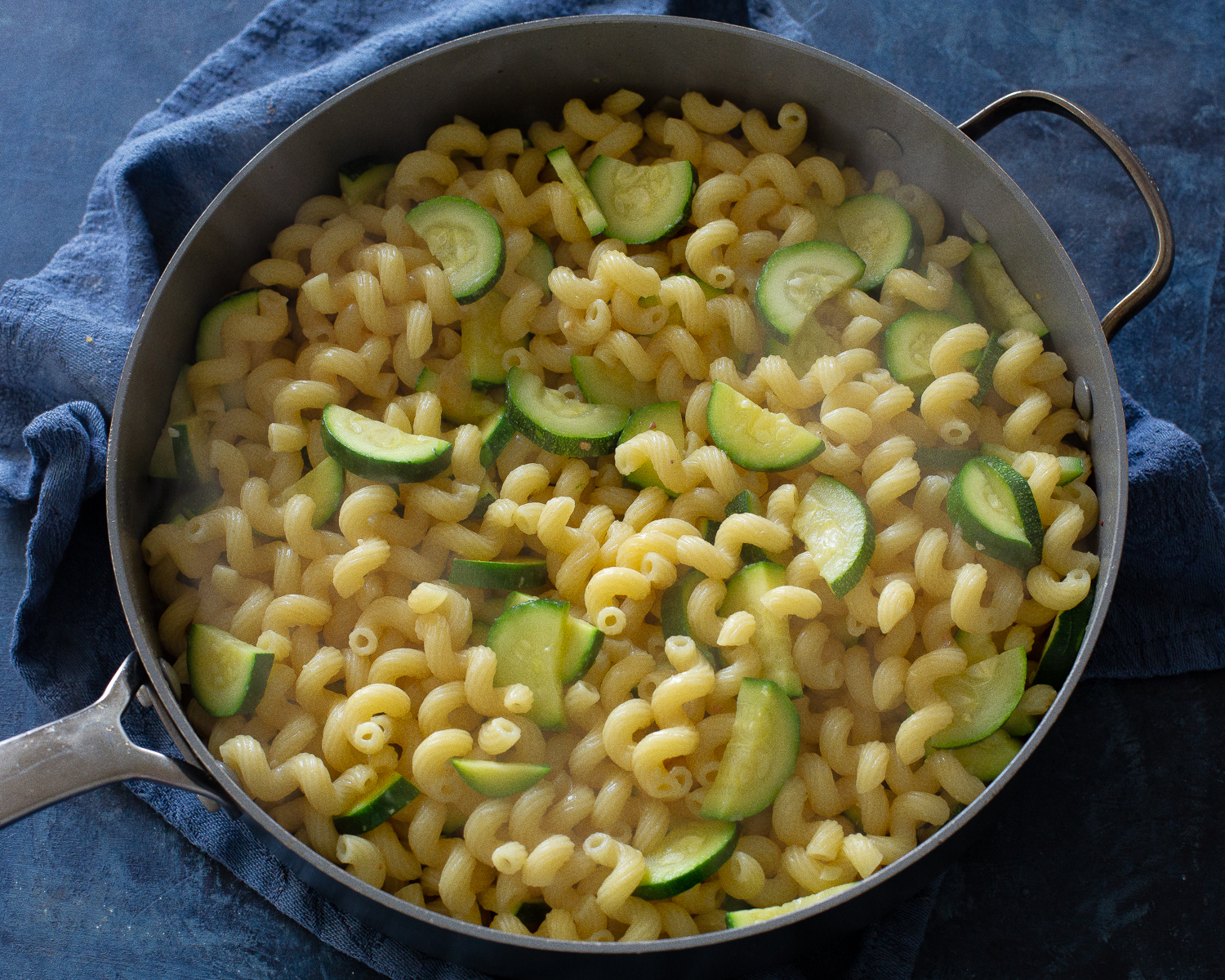
"The chemistry is quite elegant," says a food consultant familiar with rapid-prep culinary techniques. "When you cook the pasta in the sauce, the surface starch of the pasta doesn’t wash away. Instead, it remains in the pan, acting as a natural thickener. When you add the cheese at the final stage of the cooking process, the fats and proteins are stabilized by the starchy water, creating a homogenous sauce that coats the vegetables perfectly."
Broader Impact on Home Dining Trends
The cultural shift toward "simplified cooking" is not merely a passing phase but a fundamental change in how the modern kitchen operates. The move away from the "multi-pot" standard of the 20th century suggests that consumers are moving toward a more pragmatic relationship with food.
Furthermore, this trend reflects a wider societal movement toward "intentional eating." By focusing on the seasonality of ingredients like zucchini, individuals are participating in a cycle that aligns with agricultural reality. This connection to the source of food—even if the individual is not growing the produce themselves—is a key marker of current consumer preferences.
Conclusion
The One-Pan Creamy Zucchini Pasta serves as a microcosm of 21st-century culinary evolution. By synthesizing the need for time efficiency, the desire for nutritional balance, and the necessity of managing seasonal produce, this preparation method demonstrates how modern cooking has adapted to meet the demands of contemporary life. Whether utilized by a novice cook attempting to avoid kitchen clutter or a seasoned professional looking to maximize the flavor of fresh summer squash, the technique remains a testament to the effectiveness of thoughtful, simplified engineering in the kitchen. As households continue to navigate the balance between work and life, the reliance on such efficient, high-yield, and low-maintenance recipes is expected to grow, further cementing the role of the one-pan method in the global culinary repertoire.
