
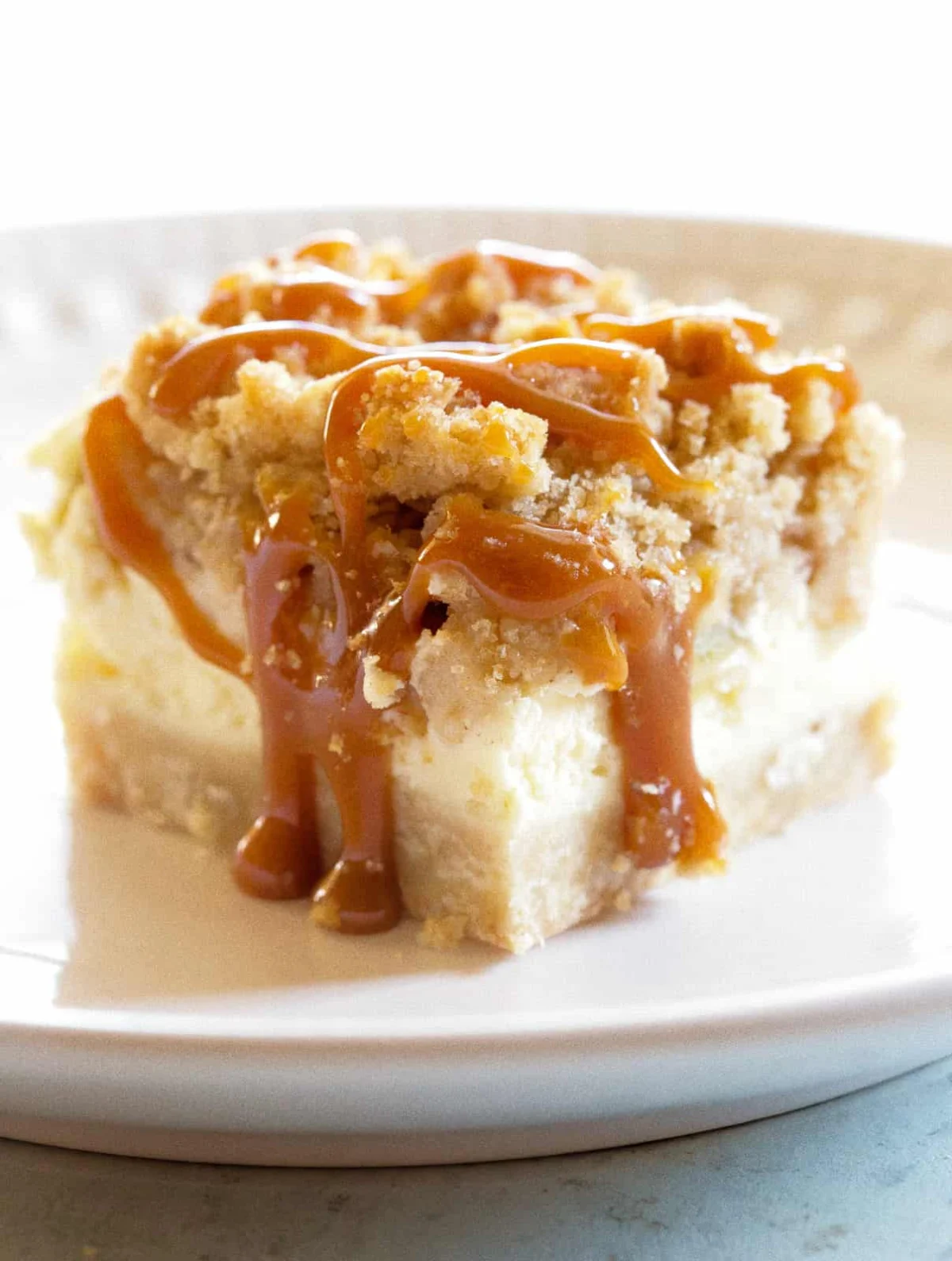
The Evolution of the Apple-Cheesecake Hybrid
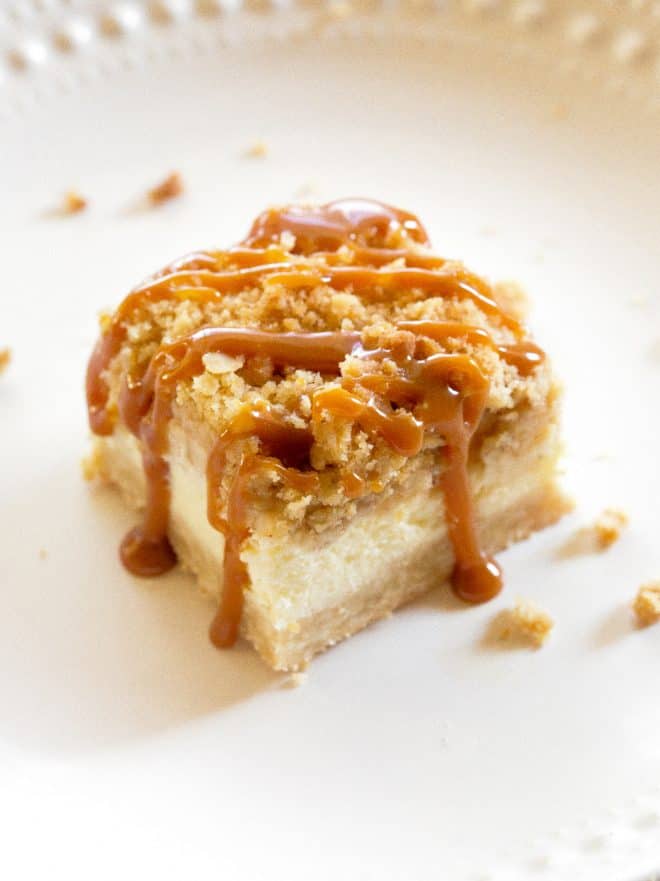
The integration of apples into cheesecake represents a longstanding tradition in North American baking. Historically, the pairing relies on the contrast between the high-fat, dense profile of cream cheese and the high-acid, crisp nature of orchard fruits. The transition from traditional round cakes to the bar format is a significant development in modern culinary practice. By utilizing a rectangular pan, bakers increase the surface area for the streusel topping—a critical component that provides the necessary crunch to contrast with the velvety cheesecake filling.
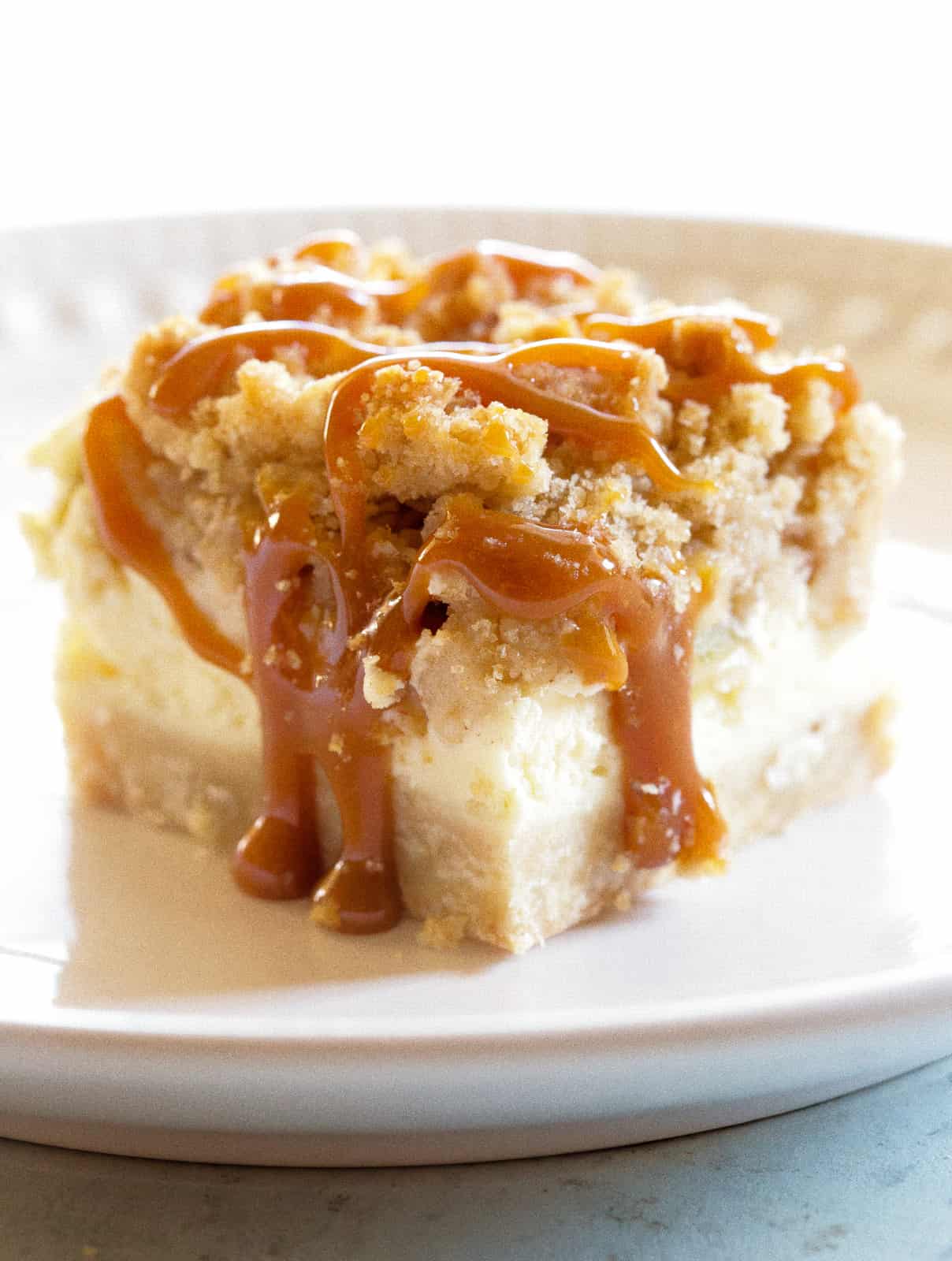
Culinary data suggests that recipes incorporating a "three-tier" construction—crust, filling, and topping—consistently outperform single-layer desserts in consumer engagement metrics. This structural design allows for a balanced distribution of flavors, ensuring that no single element overwhelms the palate. The incorporation of cinnamon, nutmeg, and brown sugar serves as a bridge, linking the savory shortbread crust with the tartness of the fruit and the richness of the dairy base.
Chronology of Preparation and Culinary Methodology
While the final product appears complex, the preparation process is governed by a strict chronological sequence designed to maintain structural integrity. The process begins with the preparation of the shortbread crust, which requires par-baking. This step is essential to ensure that the moisture from the cheesecake layer and the macerated apples does not result in a soggy base.
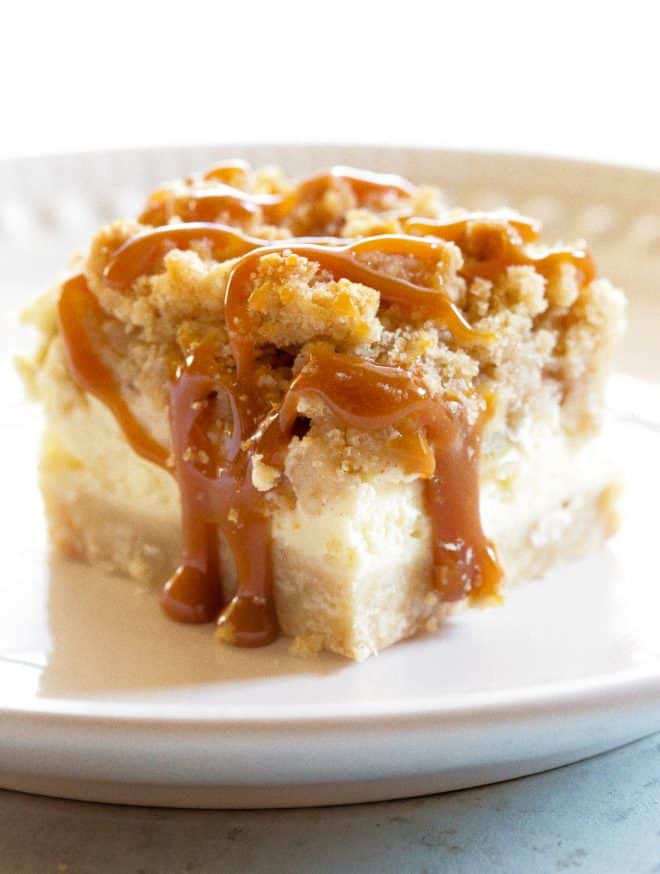
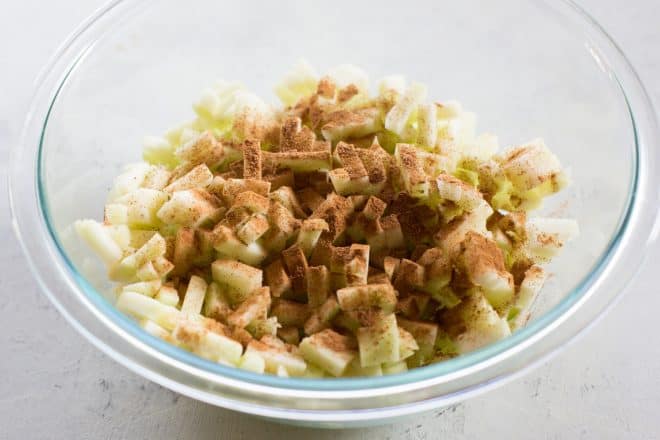
Following the initial bake, the cheesecake layer—a mixture of cream cheese, sugar, and egg—is applied. Unlike standard cheesecakes that require a water bath, these bars utilize the structural support of the crust and the oven’s ambient heat to set. The third phase involves the application of diced apples, which have been tossed in a mixture of cinnamon and nutmeg. This specific seasoning serves a dual purpose: it provides the signature aromatic profile of the dish and draws out excess moisture from the fruit through osmotic pressure.
The final phase involves the streusel topping. A combination of flour, brown sugar, oats, and butter is crumbled over the assembly. During the baking process, this topping caramelizes, creating a textured barrier that protects the fruit from direct heat, allowing it to soften without disintegrating. The final step—the application of a caramel drizzle—is traditionally performed after the cooling process, as the temperature differential between the room-temperature bars and the viscous caramel is crucial for proper adhesion.
Analytical Perspectives on Ingredient Selection
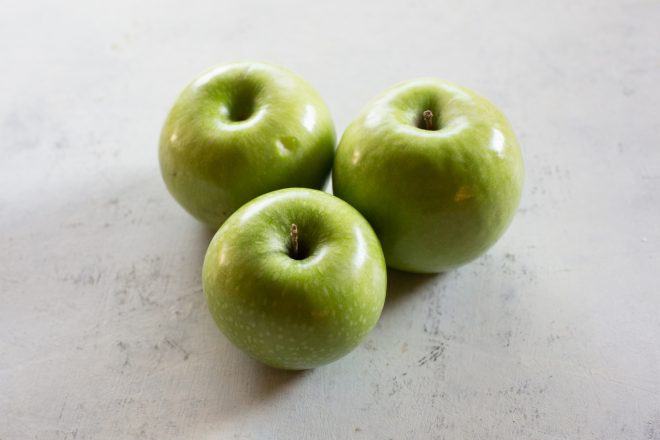
The choice of apple variety is a primary variable in the success of the recipe. While commercial apple production involves hundreds of cultivars, culinary experts emphasize the importance of using high-acid, firm-fleshed varieties. The Granny Smith apple, characterized by its high malic acid content, is the preferred choice for this application. In a dessert where the cheesecake and streusel components provide high sugar levels, the acidity of the apple acts as a necessary counterpoint.
From a food chemistry perspective, the inclusion of a thickener or stabilizer in the cheesecake layer is often debated. However, in the case of these bars, the high ratio of eggs to cream cheese serves as the binding agent. When baked to the correct internal temperature, the proteins in the egg denature and coagulate, providing the "sliceability" required for a bar-style dessert. This creates a stable product that can be refrigerated for up to five days without significant loss of texture or quality.
Storage and Commercial Viability
The logistics of storing and preserving high-moisture desserts like Caramel Apple Cheesecake Bars are well-documented in food safety literature. Due to the high dairy content, these bars must be maintained at temperatures below 40°F (4°C) to prevent bacterial growth. However, the presence of the shortbread crust presents a challenge; prolonged exposure to refrigeration can lead to moisture migration from the cheesecake to the crust, resulting in a loss of crispness.
To mitigate this, professional bakers often suggest a two-stage storage process: immediate cooling to room temperature to prevent condensation, followed by airtight refrigeration. For long-term preservation, the bars exhibit excellent freezing characteristics. Research into the shelf life of frozen baked goods indicates that, provided the bars are not adorned with the caramel drizzle before freezing, they can maintain their organoleptic qualities for up to four months. The caramel should be added at the time of service, as it can become syrupy or absorb too much moisture if frozen alongside the bars.
Broader Impact on Seasonal Culinary Trends
The enduring popularity of this dessert reflects a broader trend toward "comfort baking" during the autumn months. Market analysis of home-baking trends shows a marked increase in the search for "apple-based" and "cheesecake-based" recipes starting in late August, peaking in late October. This surge coincides with the harvest season in major apple-producing regions, suggesting that consumers are increasingly inclined to utilize seasonal produce in traditional baking formats.
Furthermore, the "bar" format has seen a resurgence in popularity due to its suitability for social gatherings. Unlike a traditional cheesecake, which requires a knife and serving plate, the bar format allows for finger-food service, making it a staple at communal events and seasonal festivities. The adaptability of the recipe—allowing for the substitution of various apple types or the addition of nuts like pecans or walnuts to the streusel—further cements its status as a versatile culinary template.
Expert Reaction and Future Implications
Culinary instructors often cite this recipe as a foundational exercise for students learning the balance of flavors and textures. The ability to manipulate the density of the cheesecake layer while maintaining the crispness of the shortbread is considered a technical skill that translates to more advanced pastry work.
As the food industry continues to explore the intersection of traditional baking and modern efficiency, the Caramel Apple Cheesecake Bar stands as a prime example of a balanced dessert. By adhering to the principles of ingredient selection, precise thermal management, and careful storage, home bakers can achieve results comparable to those found in high-end patisseries. The continued request for this recipe across various culinary platforms underscores its position as a permanent fixture in the repertoire of modern baking. As consumers look toward more sustainable, seasonal, and home-crafted food experiences, the reliance on high-quality, straightforward, and reliable recipes like these will likely remain a dominant force in the culinary landscape.
