
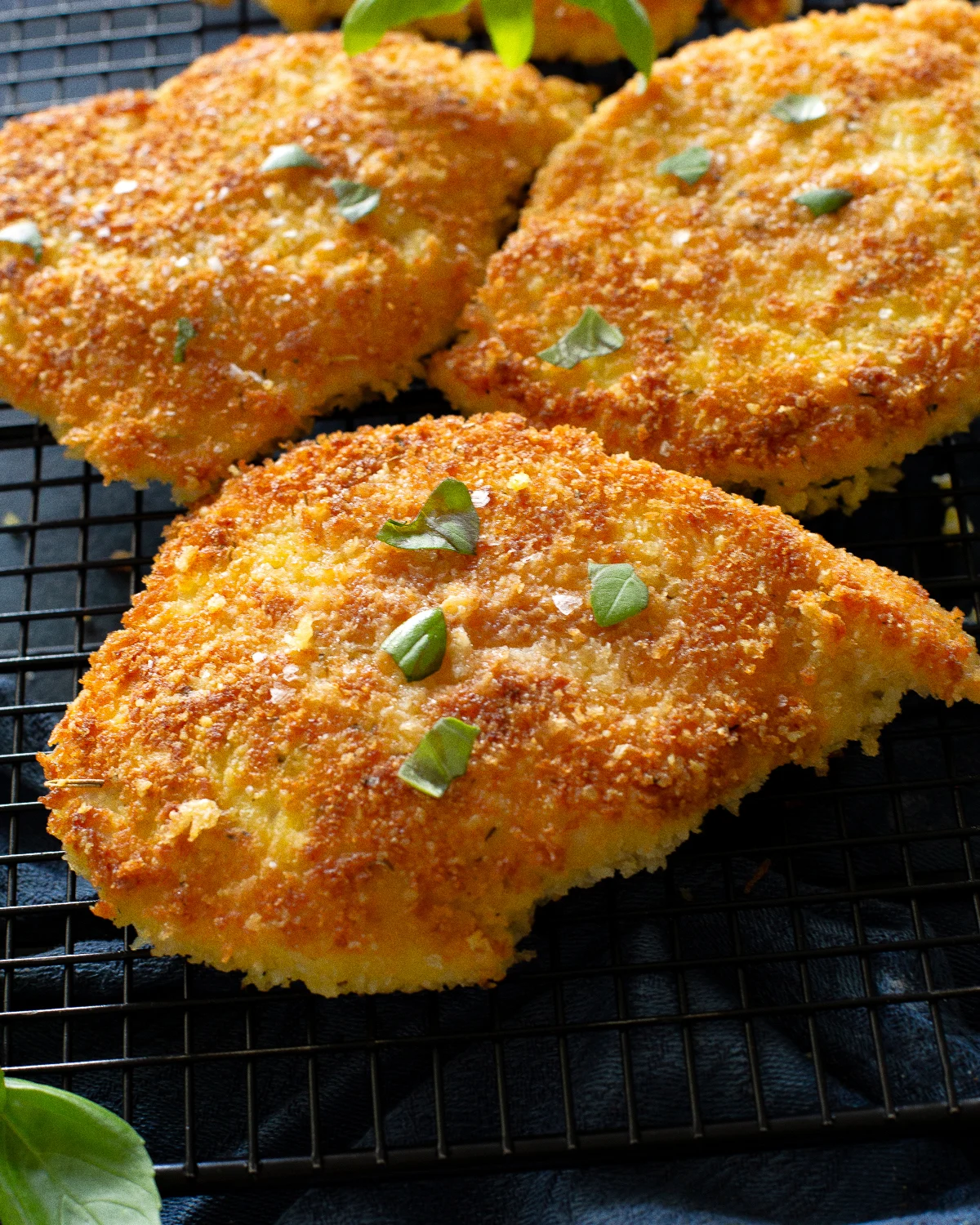
The culinary landscape of the home kitchen has long been dominated by the pursuit of efficient, high-protein meals that bridge the gap between convenience and gourmet quality. Parmesan chicken cutlets represent a staple in modern domestic cooking, serving as a versatile solution for households seeking to minimize preparation time without sacrificing texture or nutritional value. By utilizing a thin-cut poultry technique, home cooks can achieve a rapid, uniform cook time that ensures the interior remains succulent while the exterior develops a characteristic, golden-brown crunch.
The Evolution of the Breaded Cutlet
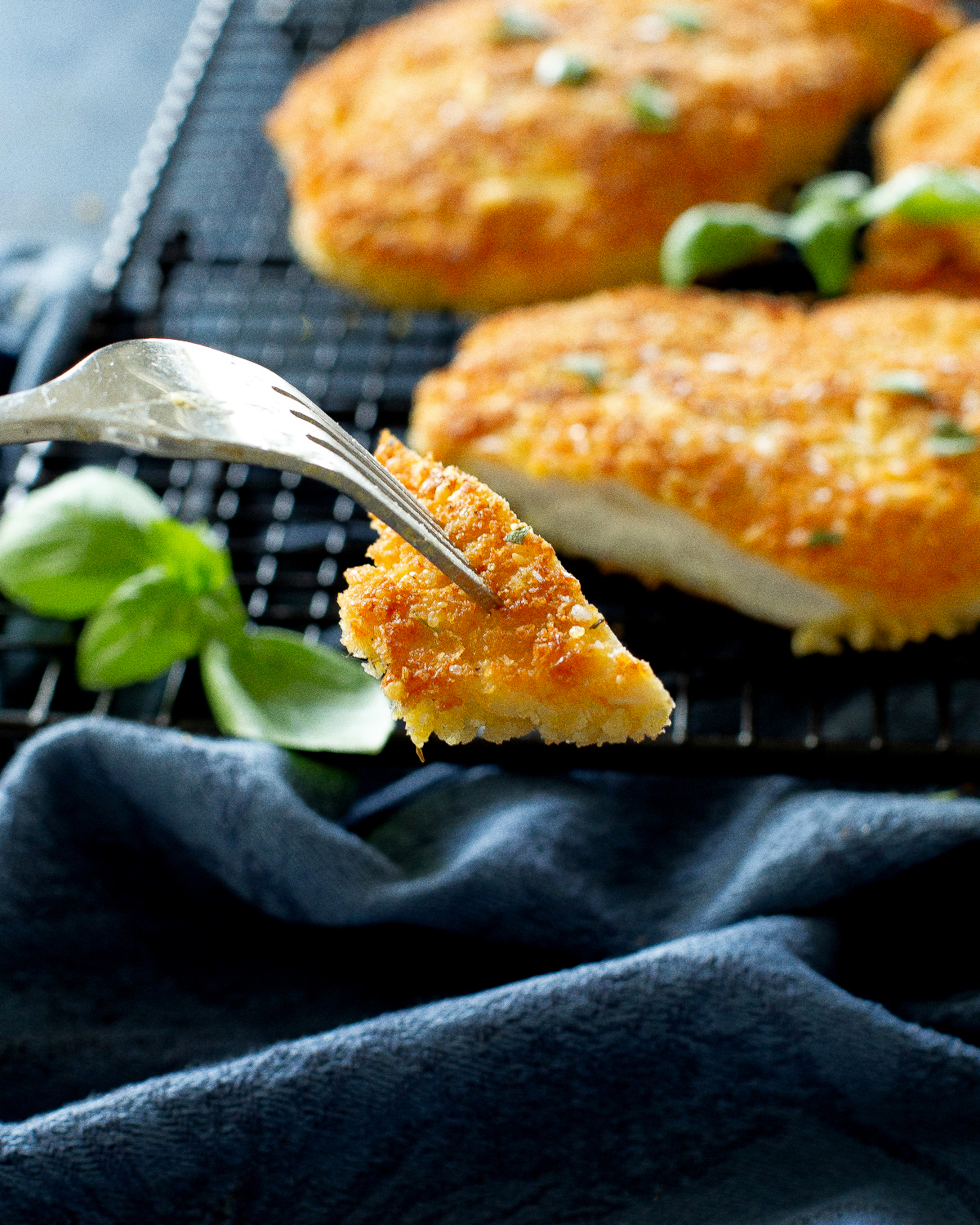
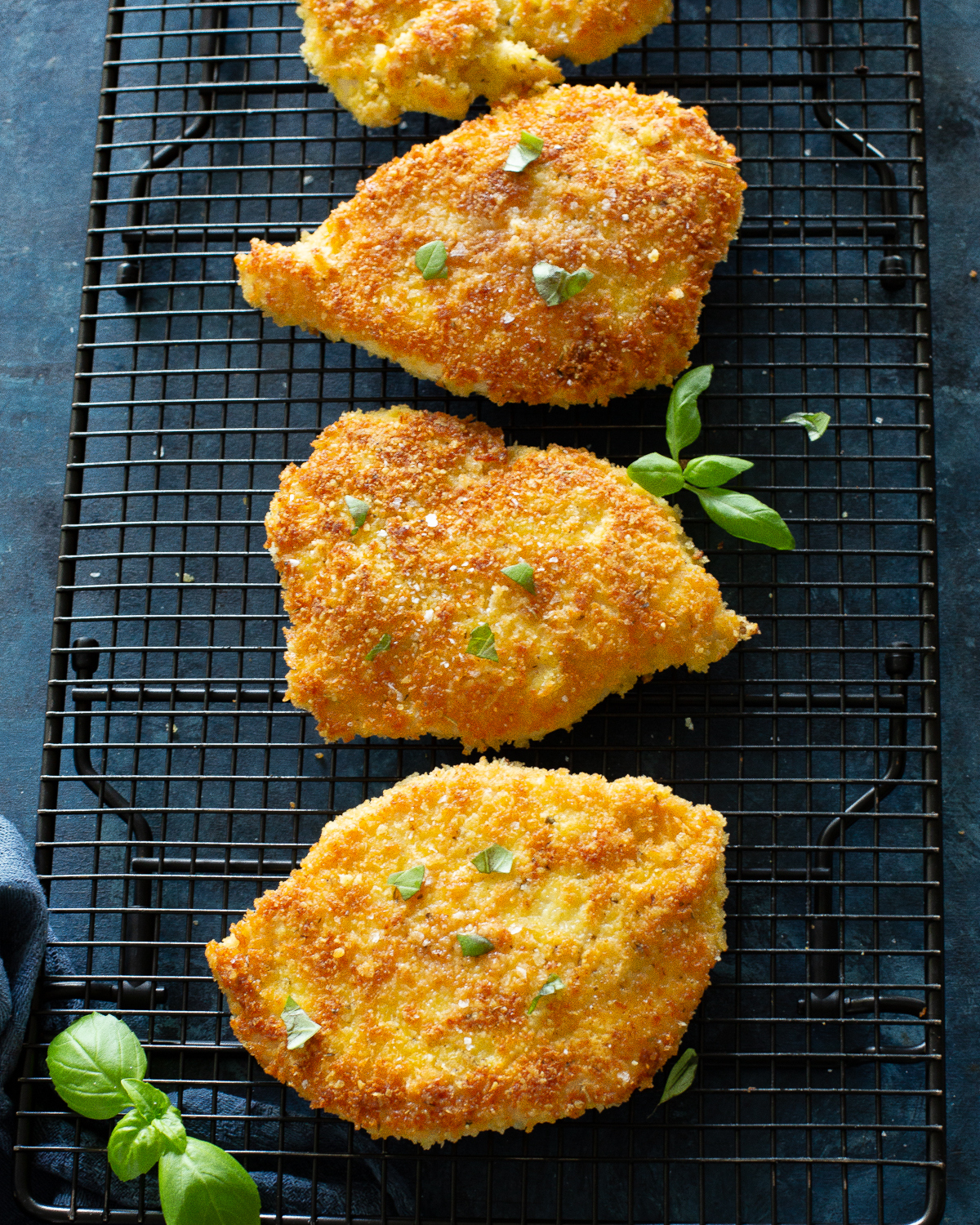
The concept of the breaded chicken cutlet is rooted in centuries of culinary tradition, most notably through the Italian cotoletta and the Austrian wiener schnitzel. While these regional predecessors often utilized veal, the 20th-century shift toward poultry—specifically chicken breast—has become the standard in North American households. The introduction of Parmesan cheese into the breading mixture serves as a critical evolutionary step in this dish. Unlike standard flour-and-breadcrumb coatings, the inclusion of aged, hard cheeses like Parmesan or Grana Padano facilitates a superior Maillard reaction, resulting in a deeper, savory flavor profile and a more robust structural integrity of the crust during the frying process.
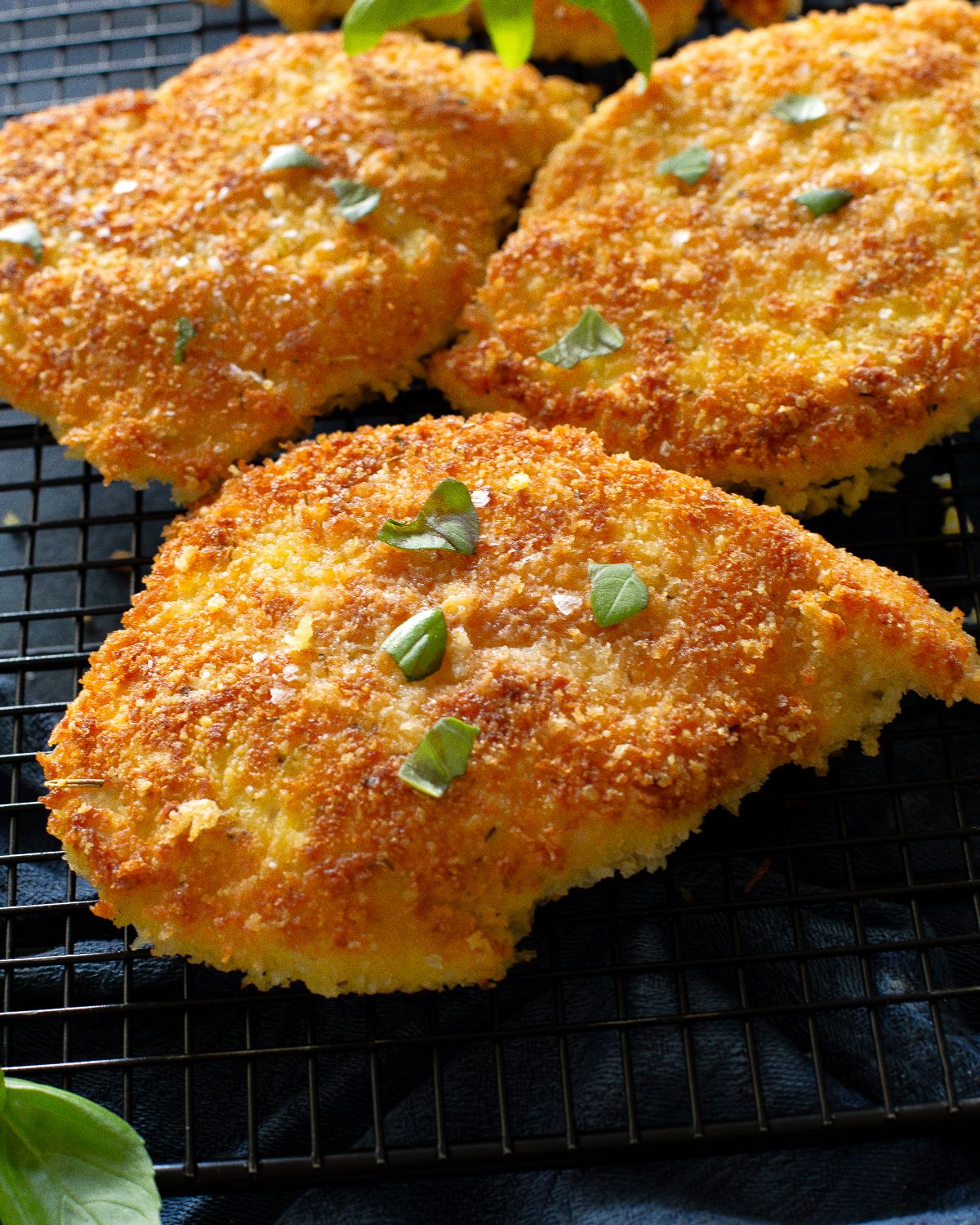
Sociologists and food historians often categorize this dish as an "elevated comfort food." Its accessibility makes it a primary entry point for culinary novices, yet its reliance on proper heat management and seasoning techniques allows for professional-grade refinement.
Preparation Methodology and Technical Precision
Achieving the ideal Parmesan chicken cutlet requires adherence to specific technical standards. The process typically begins with the preparation of the chicken breast, which must be pounded to an even thickness—generally between 1/4 and 1/2 inch. This step is essential; a uniform thickness ensures that the protein reaches a safe internal temperature of 165°F (74°C) simultaneously across the entire surface area, preventing the outer crust from over-browning while the center remains raw.
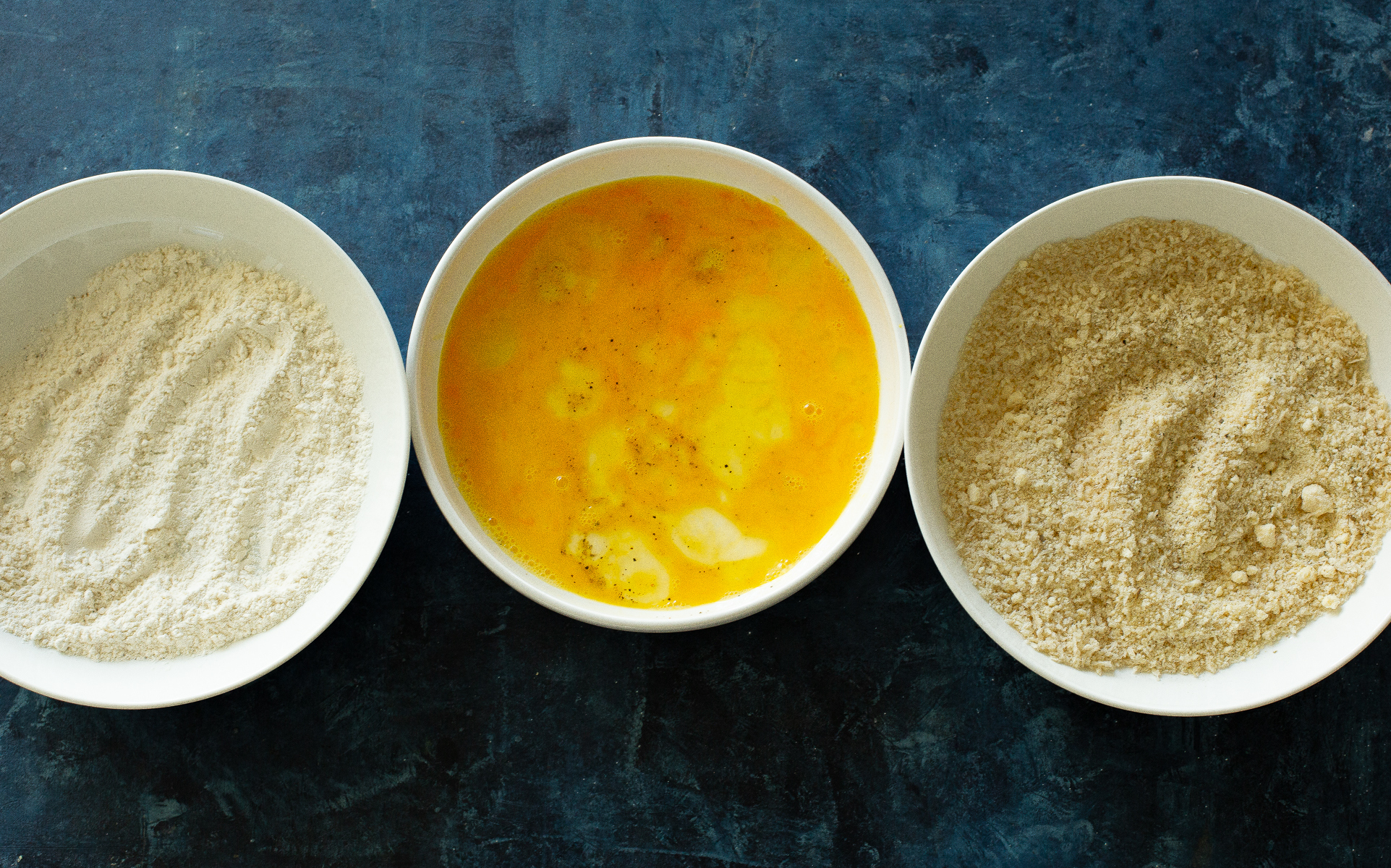
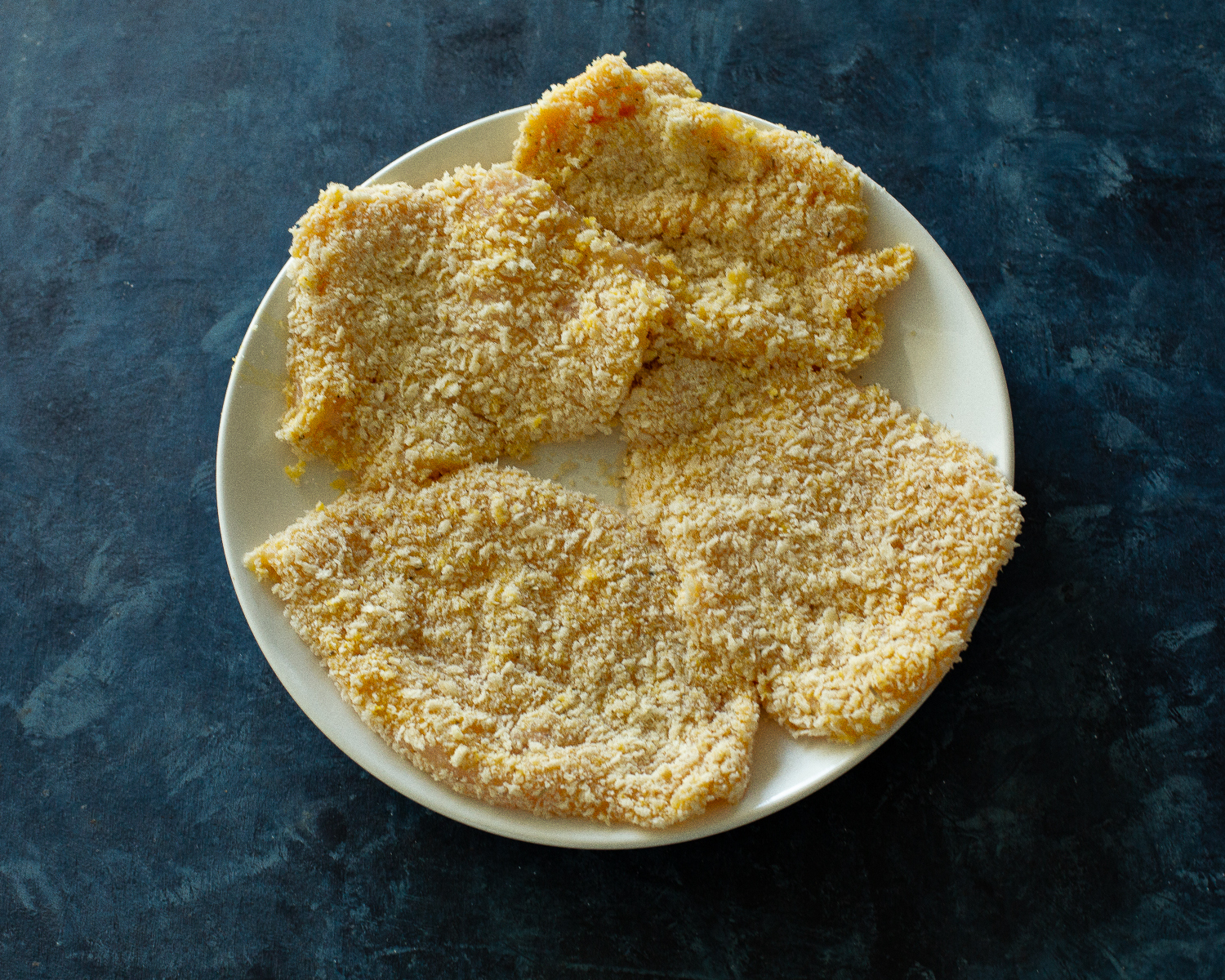
The breading procedure utilizes the classic "standard breading procedure" (SBP): a three-station setup consisting of seasoned flour, an egg wash, and a final coating of breadcrumbs mixed with finely grated Parmesan. The interaction between the moisture of the egg and the protein content of the cheese is what dictates the final crunch. Culinary experts emphasize that the Parmesan should be grated finely to ensure it adheres to the chicken rather than clumping, which could lead to uneven frying.
Nutritional Profile and Dietary Considerations
In the context of modern dietary trends, chicken cutlets provide a high-protein, relatively low-fat foundation when prepared correctly. According to the United States Department of Agriculture (USDA), a standard 4-ounce serving of boneless, skinless chicken breast contains approximately 26 grams of protein. While the breading process adds carbohydrates and fats, the nutritional impact can be mitigated through controlled pan-frying or air-frying methods.
The use of Parmesan adds a distinct nutritional dimension, contributing calcium and small amounts of essential vitamins, though it also increases the sodium content of the dish. For health-conscious consumers, the shift toward using whole-grain breadcrumbs or almond flour as a binder has become increasingly common, allowing for the retention of the dish’s signature texture while aligning with gluten-free or low-carbohydrate dietary requirements.
Chronology of Popularity in Home Cooking
The rise of the chicken cutlet as a primary weeknight meal has tracked closely with the development of the "quick-dinner" culture in the United States.
- 1950s–1970s: The proliferation of home appliances, specifically the electric skillet, allowed for more consistent frying temperatures, making breaded poultry a reliable staple.
- 1980s–1990s: The health-conscious movement initially caused a decline in fried foods; however, the chicken cutlet maintained its popularity due to its status as a "better-than-nugget" alternative for families.
- 2000s–Present: The advent of social media and digital recipe indexing has led to a resurgence in interest. Data from major culinary search engines indicate that searches for "easy chicken dinner" often lead directly to cutlet-based recipes, with a 15% year-over-year increase in interest for "Parmesan-crusted" variations between 2020 and 2025.
Expert Analysis on Culinary Success
Professional chefs often highlight three common pitfalls that home cooks encounter when attempting this dish. The first is overcrowding the pan. When too many cutlets are placed in a skillet at once, the ambient temperature of the oil drops significantly, causing the breading to absorb the fat rather than crisping, leading to a greasy final product.
The second factor is the moisture content of the chicken. Excess moisture on the surface of the breast prevents the flour from adhering, which leads to the dreaded "crust separation" phenomenon where the breading falls away from the meat during plating. Patting the chicken dry with paper towels before the initial flour dredge is a non-negotiable step in professional kitchens.
The third factor is the choice of fat. While butter provides flavor, it has a low smoke point and will burn quickly. Experts recommend using a neutral oil with a high smoke point, such as grapeseed, canola, or a blend of oil and butter, to achieve the desired golden color without the acrid taste of burnt milk solids.
Broader Impact and Industry Implications
The enduring popularity of Parmesan chicken cutlets has had a tangible impact on the poultry industry. The demand for pre-pounded, uniform chicken cutlets has led to the development of specialized butchery lines in supermarket chains, where breasts are processed into "cutlet" portions specifically to save the consumer time. This shift reflects a broader consumer demand for "semi-prepared" proteins that reduce labor but retain the quality of a home-cooked meal.
Furthermore, the dish serves as a foundational element in the "meal prep" movement. Because chicken cutlets hold their texture well when refrigerated and can be reheated in an oven or air fryer with minimal degradation, they are frequently utilized by professionals and students alike for mid-week consumption.
Culinary Variations and Regional Adaptations
While the core recipe remains consistent, regional adaptations have emerged globally. In the Northeastern United States, these cutlets are often incorporated into sandwiches or served alongside pasta with marinara sauce, a hybrid dish known as "Chicken Parmigiana." In contrast, the European tradition, particularly in Milan, focuses on the simplicity of the breaded meat, preferring fresh herbs and a squeeze of citrus to brighten the fat content of the crust.
As consumers continue to prioritize both efficiency and high-quality nutrition, the Parmesan chicken cutlet is likely to remain a permanent fixture in the domestic repertoire. Its ability to adapt to changing dietary needs—whether through the use of alternative binders, different frying techniques, or varied seasoning profiles—ensures that it remains relevant in a rapidly evolving food culture. The dish stands not merely as a simple meal, but as a testament to the enduring appeal of textures and flavors that define traditional, reliable, and satisfying home cooking.
