
The Evolution of One-Pot Meal Preparation
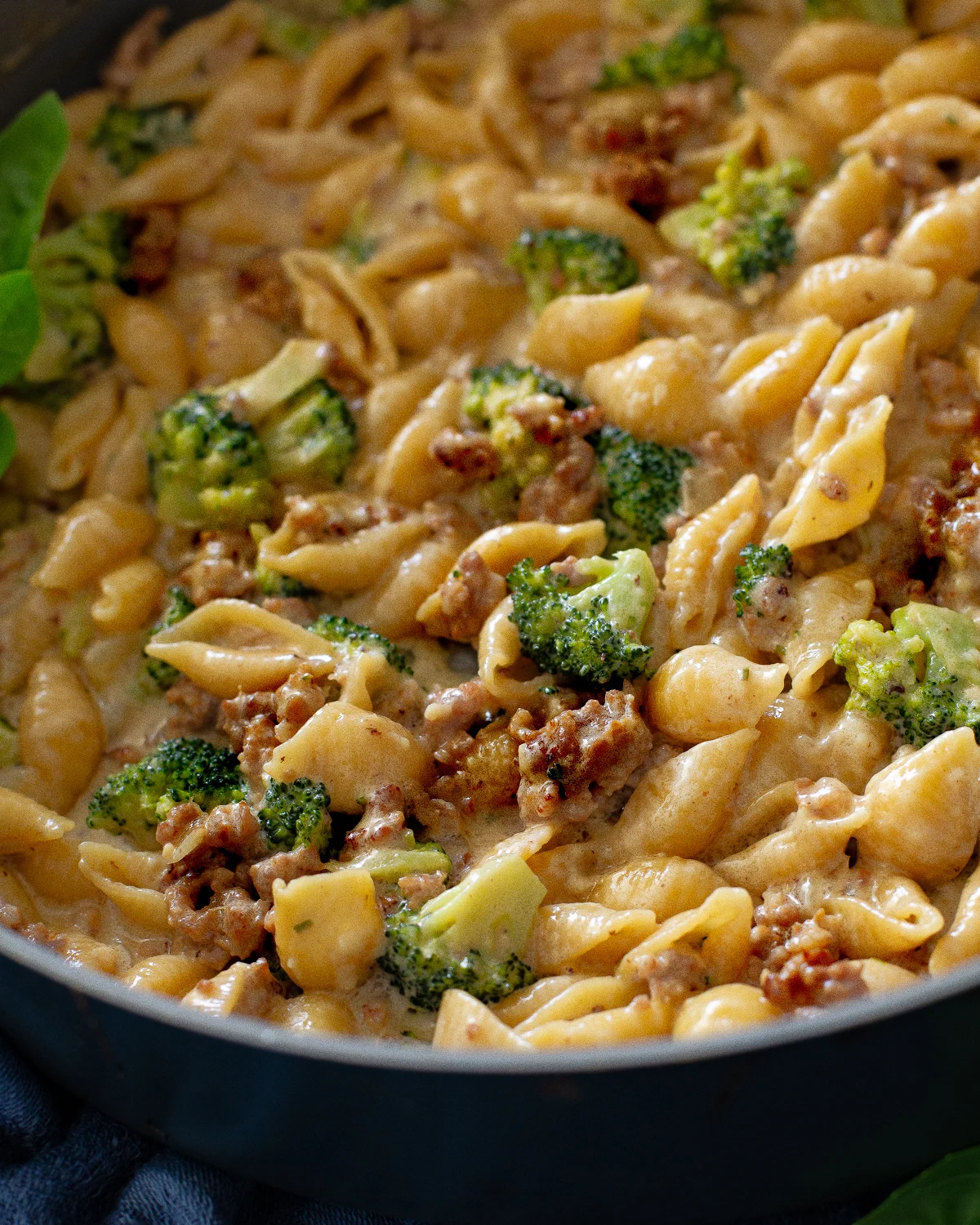
The popularity of one-pot cooking is rooted in the broader consumer movement toward "kitchen minimalism." According to recent market analysis from the culinary industry, the average time spent on dinner preparation has declined by approximately 15% over the last decade, driven largely by the rise of dual-income households and the subsequent demand for high-efficiency recipes. The One-Pot Sausage Broccoli Pasta serves as a primary response to this trend, eliminating the need for multiple stovetop burners and extensive cleanup while maintaining a caloric profile consistent with a substantial main course.
Historically, Italian pasta dishes have been prepared using distinct cooking phases: boiling water for the pasta in one vessel and preparing proteins and sauces in another. This traditional approach requires approximately 45 to 60 minutes from start to finish. The one-pot methodology, by contrast, relies on the starch released from the pasta during the boiling process to emulsify with the fat rendered from the sausage, creating a naturally thickened, creamy sauce. This integration not only saves time but also preserves the nutrient density of the ingredients, particularly the broccoli, which is often lost during the traditional draining process.
Culinary Composition and Nutritional Framework
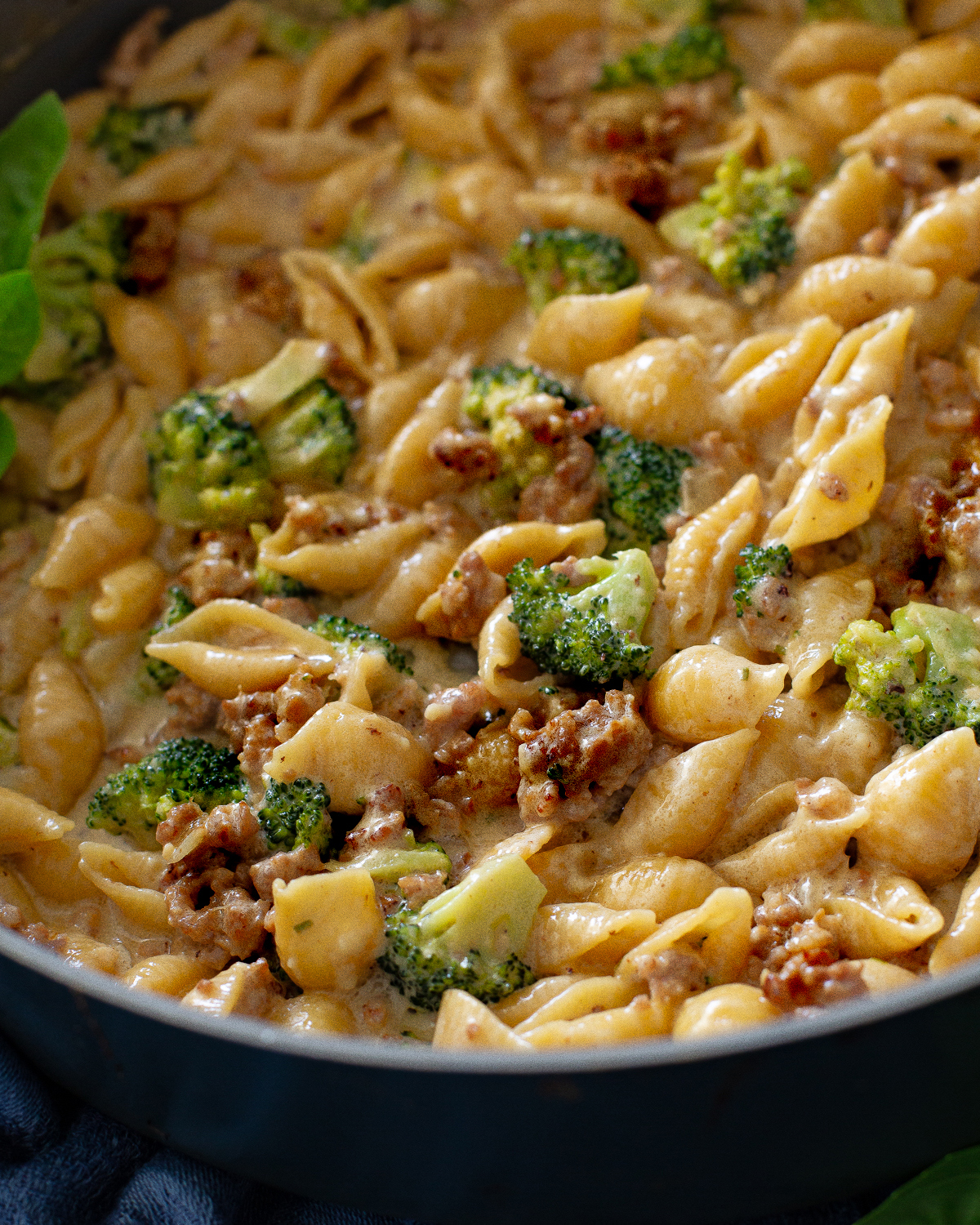
The composition of this dish focuses on three distinct pillars: protein, starch, and fiber. The use of Italian pork sausage provides a significant source of protein and essential B vitamins, including B12 and niacin. From a nutritional standpoint, the integration of broccoli—a cruciferous vegetable rich in vitamins C and K, as well as folate—offsets the higher caloric density of the pork and pasta.
Data provided by nutritional analysts indicates that a single serving of this dish contains approximately 767 kilocalories. While this represents a robust caloric intake, the inclusion of 21 grams of protein and essential micronutrients provides a balanced profile for an active lifestyle. For households seeking to adjust these metrics, the substitution of traditional pork sausage with lean turkey sausage has been identified as a viable method to reduce saturated fat levels without compromising the dish’s structural integrity or flavor profile.
Timeline of Preparation and Execution
For the home cook, the preparation of this meal follows a standardized chronology designed to maximize flavor development within a 30-minute window.

- Rendering (0–8 minutes): The process begins with the browning of the sausage in a large, deep-sided pot or Dutch oven. This step is critical, as the rendered fat serves as the flavor base for the entire dish.
- Sautéing (8–12 minutes): Aromatic elements, such as garlic or onions, are introduced to the rendered fat. If a spicy flavor profile is desired, red pepper flakes are incorporated during this phase to infuse the oils.
- Simmering (12–25 minutes): Liquid—typically a combination of water, broth, or a small amount of dairy—is added, followed by the dry pasta and the broccoli. The cooking time is dictated by the density of the pasta. The broccoli is added either at the beginning or halfway through the simmer, depending on the desired texture, with a 15-minute window ensuring it remains tender yet structurally sound.
- Emulsification (25–30 minutes): As the liquid reduces, the starch from the pasta binds with the fats, creating a cohesive sauce. The final step involves a period of resting, which allows the flavors to settle and the moisture to be fully absorbed by the pasta.
Comparative Analysis of One-Pot vs. Multi-Vessel Methods
Industry experts often categorize one-pot cooking as a subset of "expedient gastronomy." When compared to multi-vessel preparation, the one-pot method demonstrates significant advantages in labor reduction. By minimizing the number of utensils and pots required, households can reduce water usage and energy consumption, contributing to more sustainable kitchen practices.
However, there are trade-offs. Precise heat control is essential. Because the pasta is cooked in the same medium as the sauce, the starch content must be carefully managed to avoid an overly gummy consistency. Chefs note that the key to success lies in the water-to-pasta ratio; unlike traditional boiling, where pasta is submerged in a large volume of water, one-pot recipes require just enough liquid to cover the ingredients, allowing the evaporation process to dictate the final sauce consistency.
Economic and Logistical Implications
The rise of bulk purchasing, exemplified by the prevalence of "Costco-sized" inventory management, has influenced the popularity of this recipe. Families often look for ways to utilize large quantities of perishable items—such as bulk bags of broccoli florets—before they degrade. This dish offers a high-utility solution for inventory management, allowing home cooks to incorporate bulk produce into a stable, long-lasting dinner option.
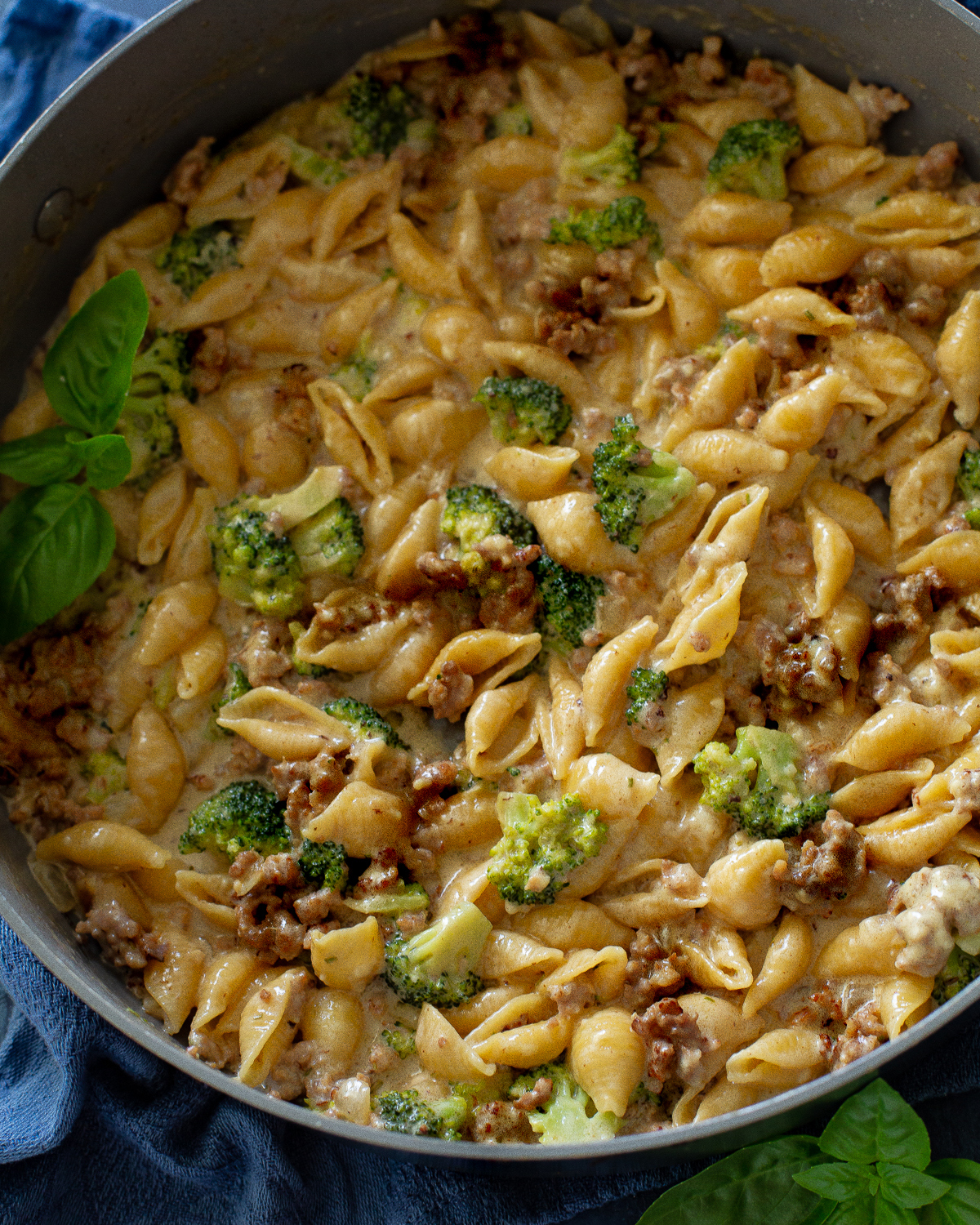
Furthermore, the storage properties of this dish are favorable. When stored in an airtight container, the pasta retains its texture for up to three days. Reheating instructions suggest the addition of a small amount of liquid, such as broth or milk, to rehydrate the sauce, which may thicken upon cooling due to the continued absorption of liquid by the starch.
Expert Perspectives on Home Cooking Trends
Culinary observers and food writers, such as Christy Denney, have noted that the shift toward these simplified recipes is not merely a matter of convenience but a reflection of a changing lifestyle. "We are seeing a move away from the ‘gourmet-every-night’ pressure toward a more pragmatic, ingredient-focused approach," notes one culinary consultant. "People want to feed their families with high-quality ingredients, but they are increasingly unwilling to sacrifice their evenings to intensive kitchen labor."
The inclusion of broccoli in a one-pot pasta format is frequently cited as a "stealth health" strategy, particularly in households with children. By integrating vegetables directly into the starch-based dish, parents ensure that essential nutrients are consumed alongside more palatable components like pasta and savory protein. This methodology aligns with broader public health initiatives that encourage the consumption of fiber-rich vegetables in familiar, accessible formats.
Broader Impact and Future Outlook
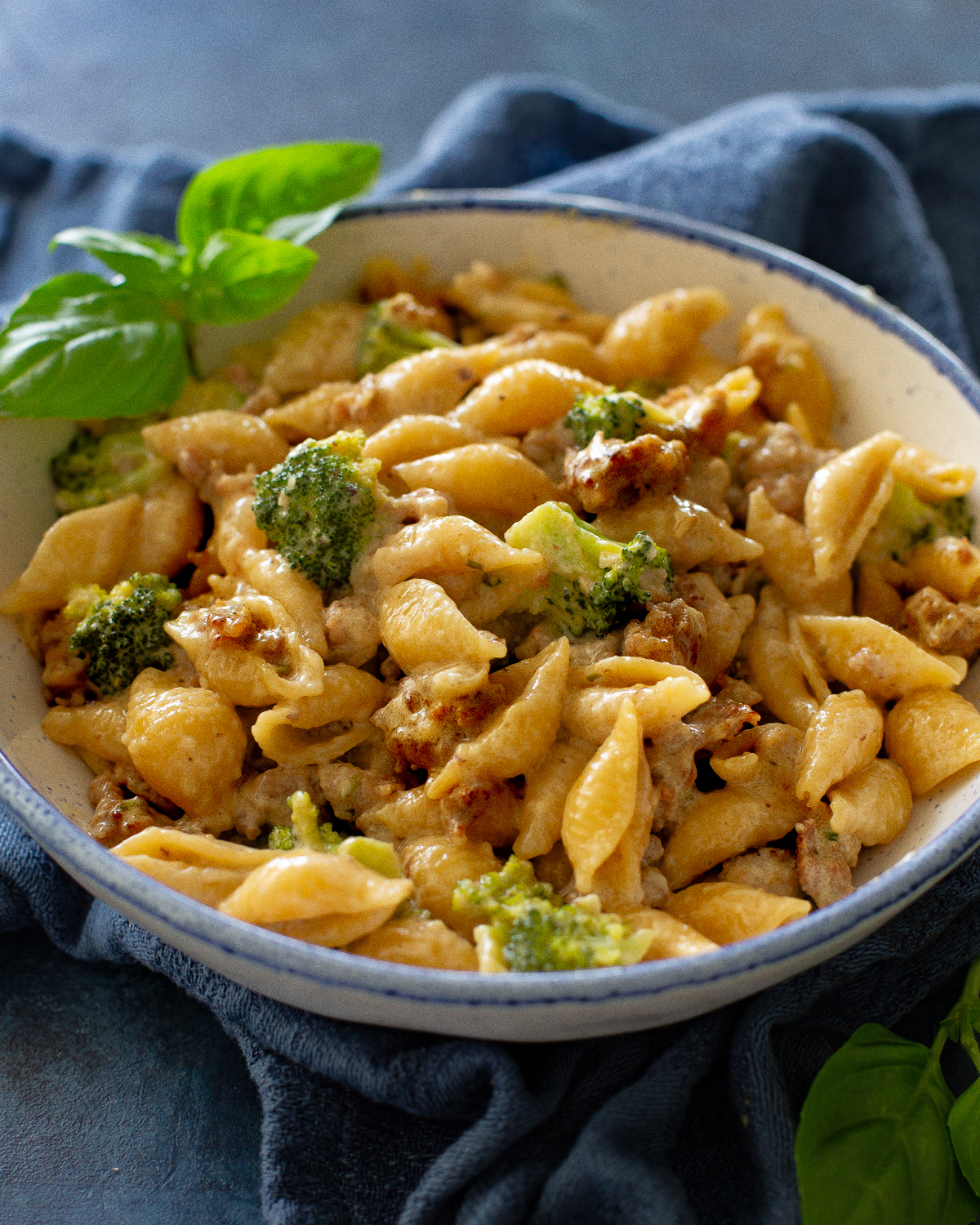
As the food industry continues to refine the one-pot concept, it is likely that we will see further innovations in the types of ingredients compatible with this method. While traditional pasta and sausage serve as the foundation, the integration of legumes, grains, and a wider variety of cruciferous vegetables suggests that this category of cooking will remain a staple in the modern domestic environment.
The One-Pot Sausage Broccoli Pasta stands as a testament to the fact that nutritional density and culinary satisfaction do not require complex, multi-step processes. By leveraging basic scientific principles of starch emulsification and heat management, home cooks can achieve high-quality results that address both the logistical challenges of modern life and the biological necessity for a balanced, home-cooked meal. As food prices fluctuate and the value of time remains at a premium, the adoption of such efficient, reliable recipes is expected to remain a permanent fixture in the culinary landscape of the coming decade.
