
Million Dollar Taco Pasta represents a significant evolution in the modern American "one-pot meal" movement, combining the efficiency of high-pressure cooking with the flavor profiles of two distinct culinary traditions: Tex-Mex and Italian-American. This dish, primarily prepared using an Instant Pot or similar multi-cooker, has emerged as a staple for households seeking a balance between gourmet richness and weekday convenience. The recipe utilizes a specific combination of ground beef, spaghetti, taco-style seasonings, and a dairy-heavy sauce base to create a texture that food analysts often categorize as "comfort fusion." By examining the ingredients, the mechanical process of its creation, and the broader market trends surrounding such meals, one can understand why this specific preparation has gained substantial traction in the digital recipe landscape.
The Culinary Logic of the "Million Dollar" Moniker
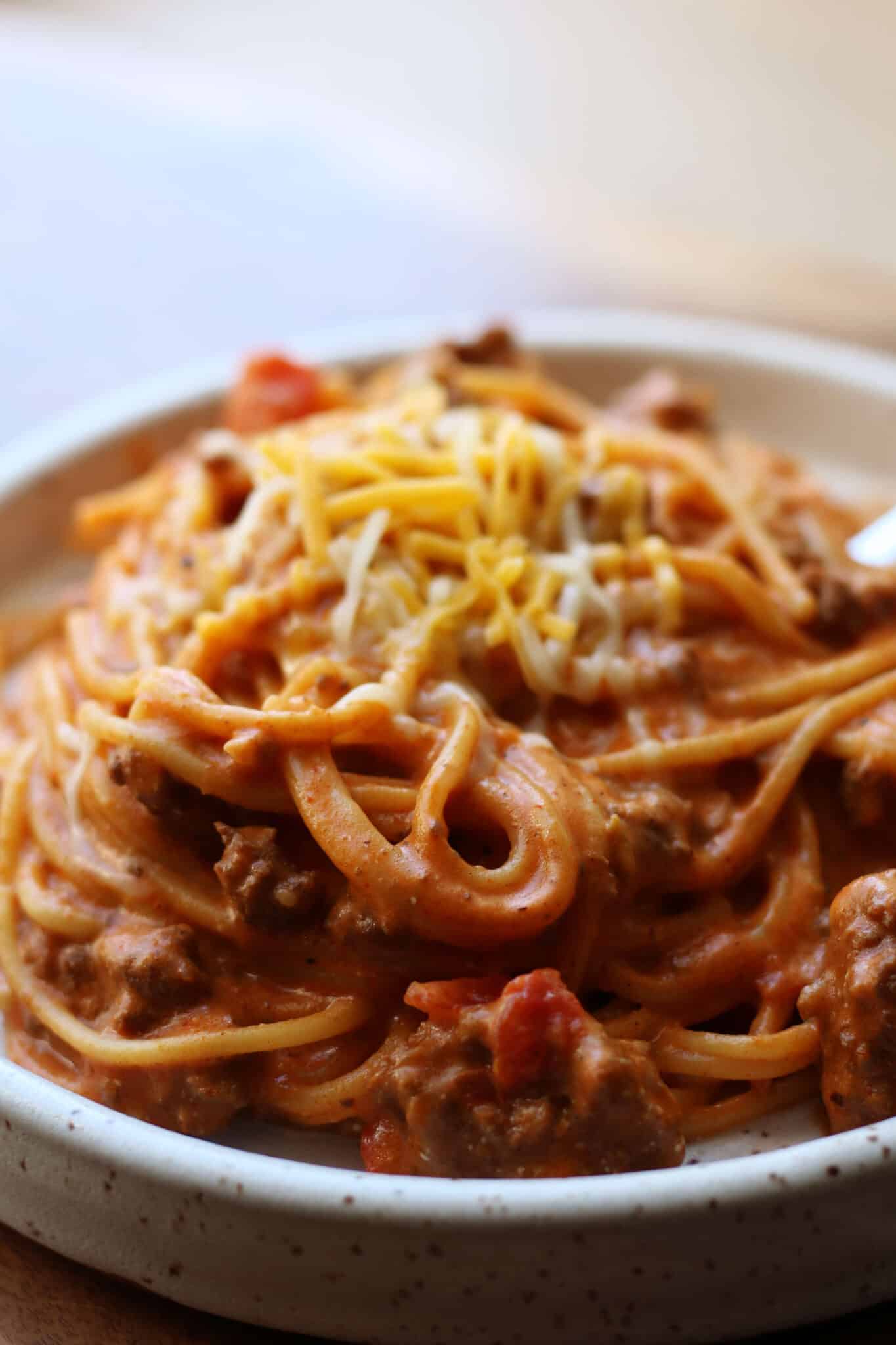
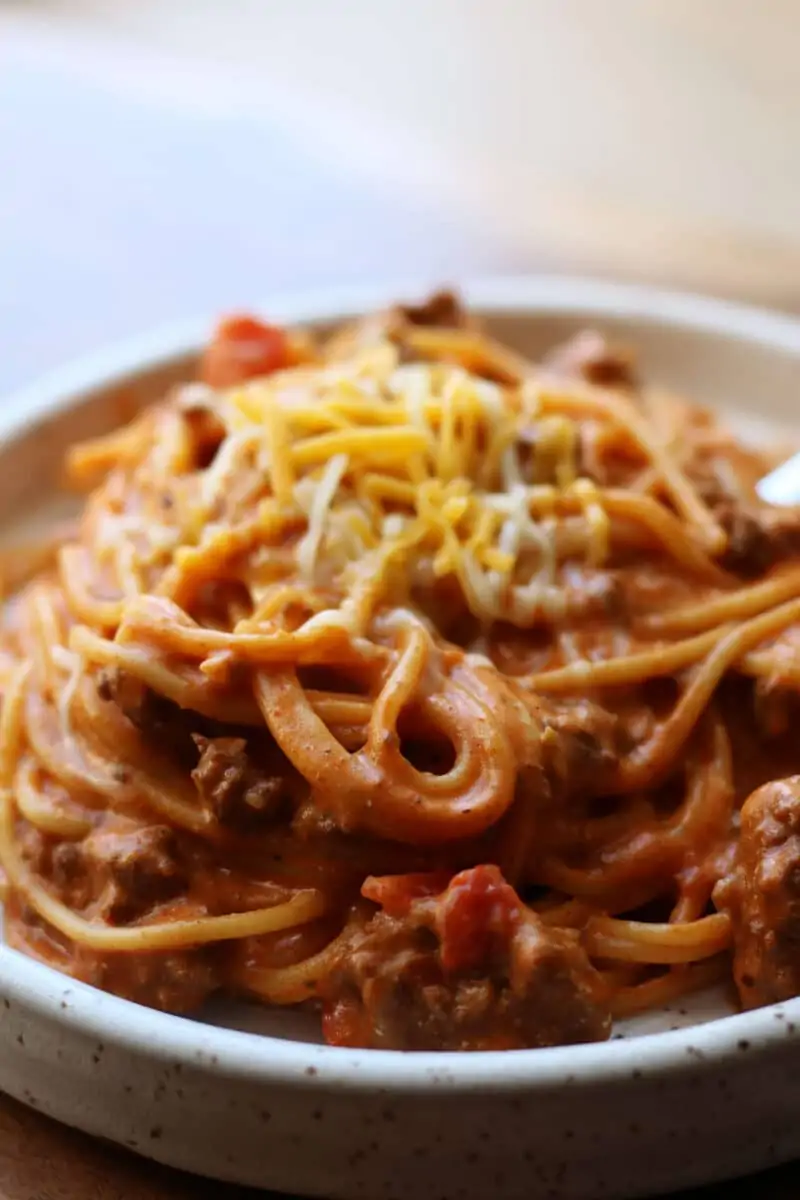
The term "Million Dollar" in contemporary American cooking does not refer to the cost of the ingredients, which remain budget-friendly, but rather to the perceived richness and "luxurious" mouthfeel of the finished product. Historically, this naming convention can be traced back to mid-century casseroles and "Million Dollar Pound Cakes," which utilized high-fat dairy components to differentiate them from standard fare. In the context of the Million Dollar Taco Pasta, the richness is derived from a dual-layer of dairy: cream cheese and a significant quantity of melty shredded cheese.
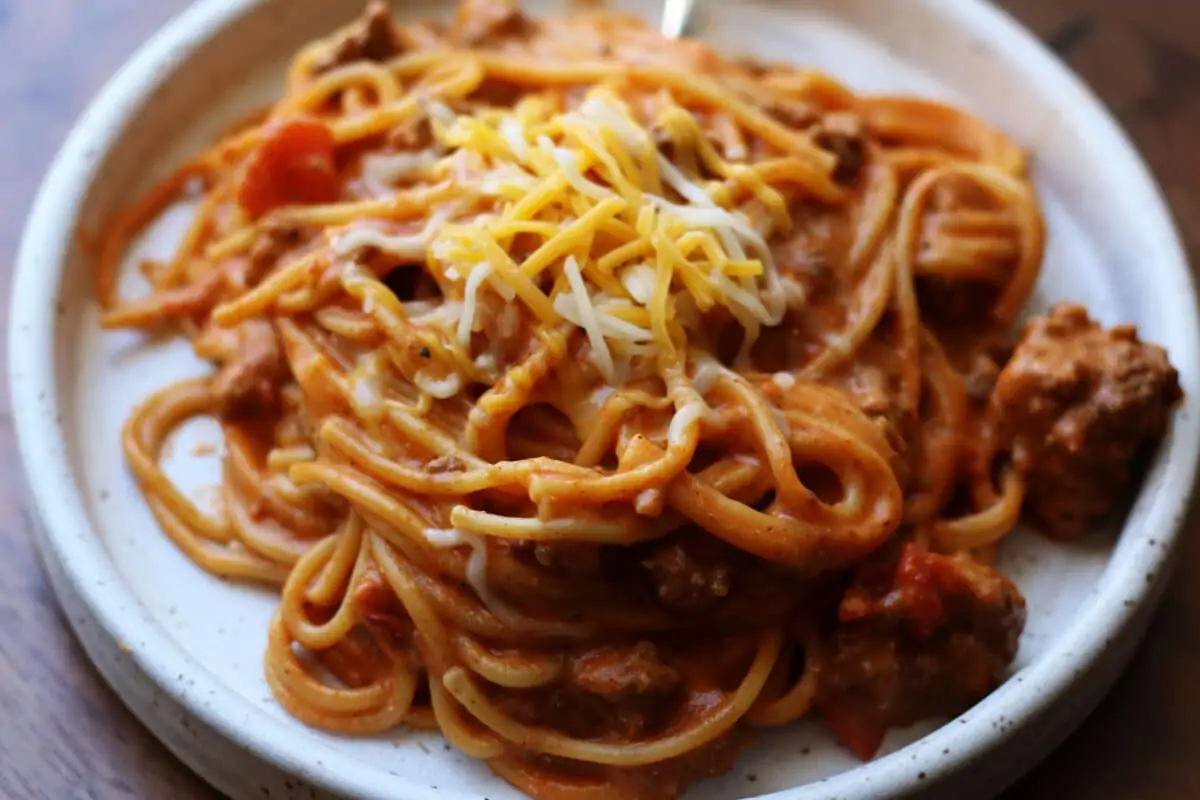
Culinary experts note that the addition of cream cheese to a tomato-based sauce serves as a stabilizing agent, tempering the acidity of the tomatoes and green chilies (often provided by the Rotel brand) and creating a velvety consistency that clings to the pasta. This technique effectively bridges the gap between a standard spaghetti meat sauce and a traditional queso dip, resulting in a hybrid sauce that is both savory and creamy.
Technical Execution and Chronology of Preparation
The development of this dish follows a strict chronological order designed to maximize flavor through the Maillard reaction while ensuring the structural integrity of the pasta under pressure.
Phase I: The Sauté and Flavor Base
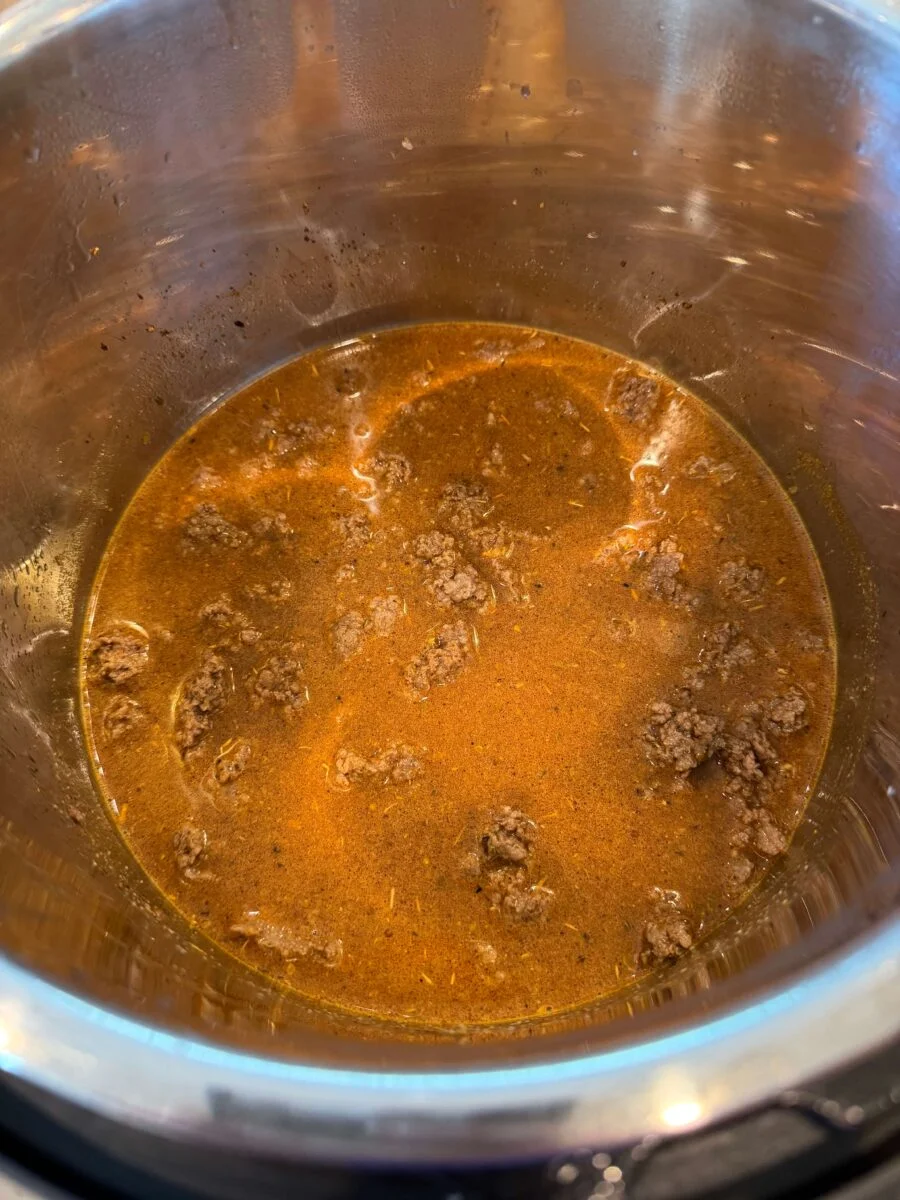
The process begins with the Instant Pot’s sauté function. Approximately one pound of ground beef is browned for five minutes. This stage is critical for developing the base flavor of the dish. Once the meat is browned, excess grease is drained to prevent the final sauce from becoming oily. The introduction of dry spices—salt, black pepper, garlic powder, onion powder, cumin, chili powder, oregano, and smoked paprika—at this stage allows the oils in the spices to bloom, intensifying the taco-inspired aromatic profile.

Phase II: Deglazing and Layering
Following the browning of the meat, the addition of beef or vegetable broth serves two purposes: it provides the necessary liquid for pressure cooking and allows the cook to "deglaze" the bottom of the pot. Scraping the browned bits (fond) from the stainless steel surface is a vital technical step to avoid the "Burn" notice, a common error in high-pressure cooking when scorched proteins prevent the sensor from regulating temperature correctly.
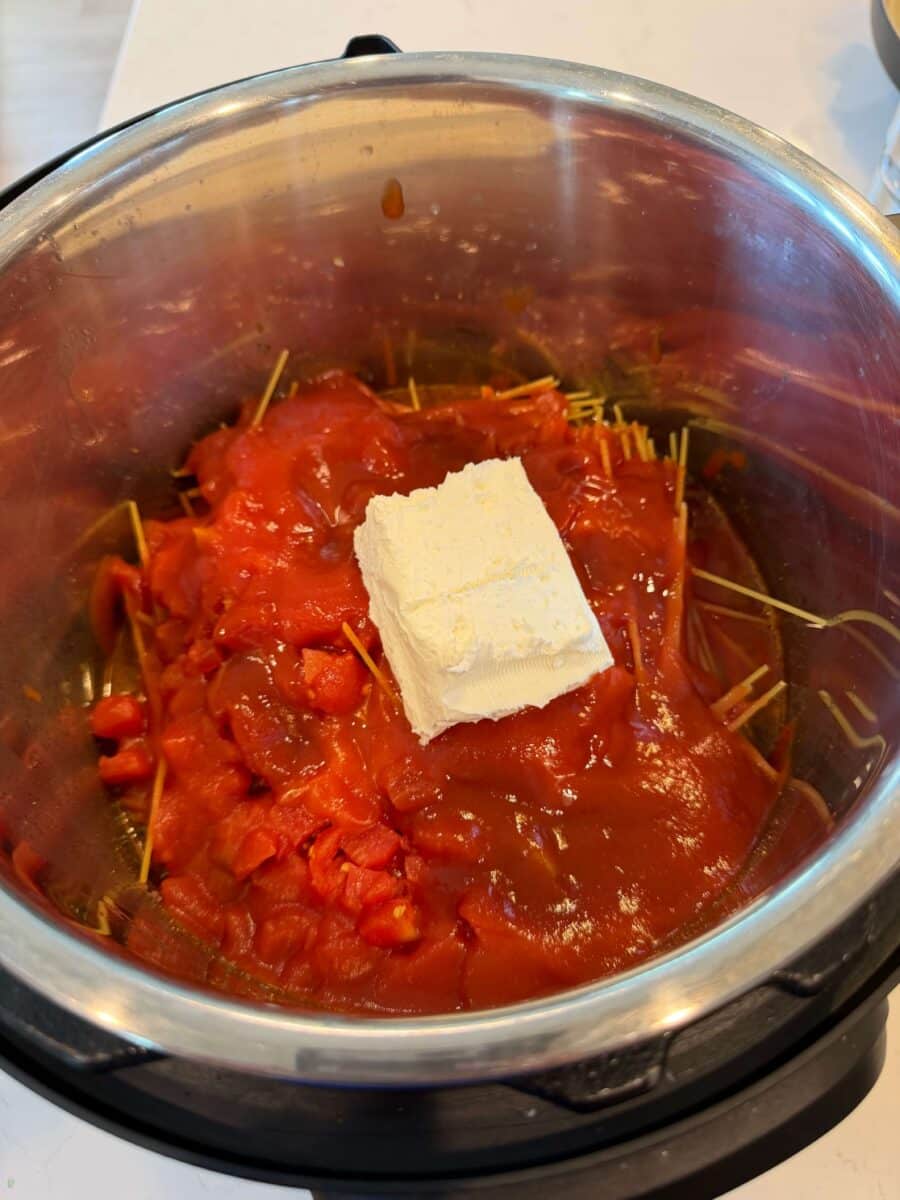
The layering of the spaghetti is perhaps the most scrutinized step in the process. To prevent the pasta from clumping into a singular mass, it is broken in half and arranged in a "criss-cross" or "nesting" pattern. This ensures that the high-pressure steam can circulate between individual strands.

Phase III: The Pressure Cycle
The final ingredients—diced tomatoes with green chilies, tomato sauce, taco sauce, and blocks of cream cheese—are placed on top of the pasta without stirring. This preservation of layers is essential; if the thicker sauces or dairy are stirred to the bottom before the pressure cycle, they can scorch. The unit is then sealed and set to high pressure for a duration of four minutes.
Phase IV: The Release and Integration
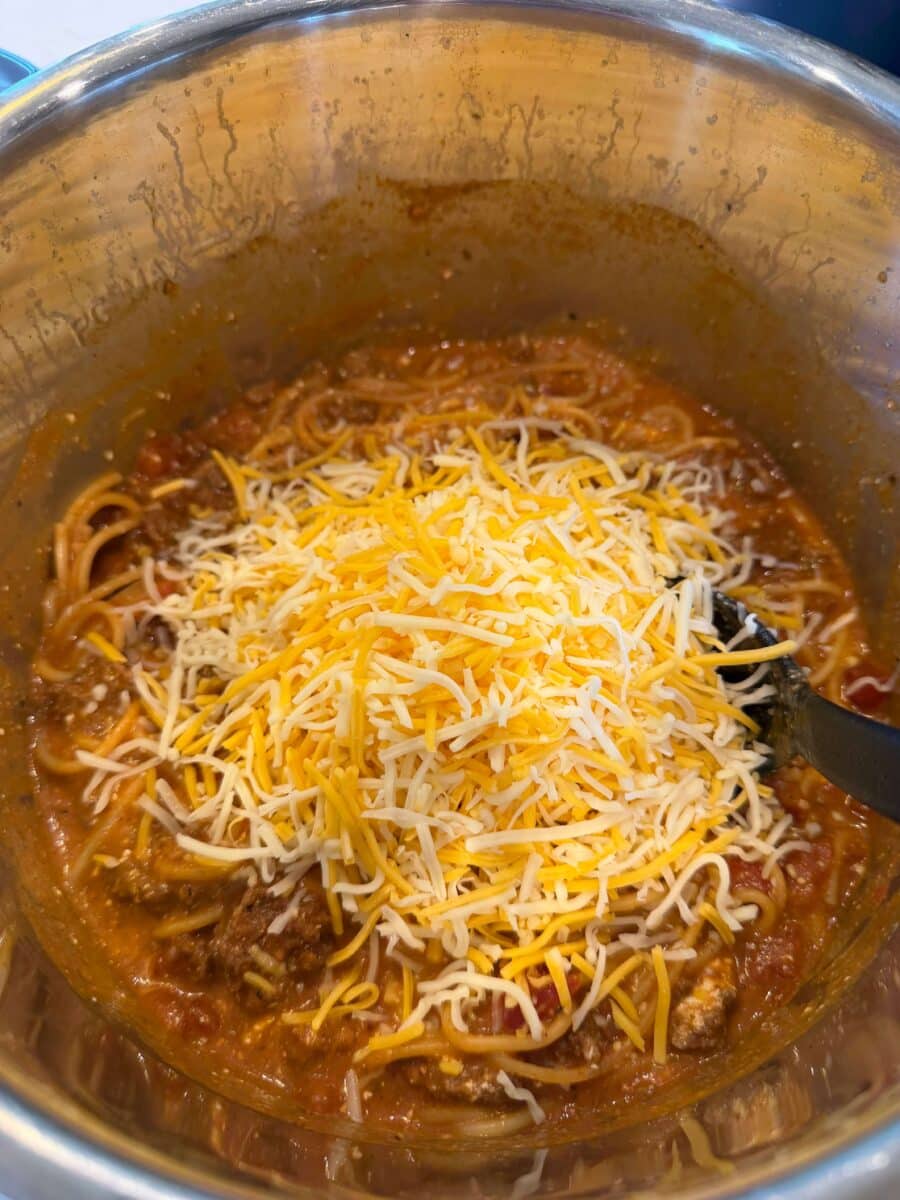
A "natural release" period of five to ten minutes follows the cooking cycle. During this time, the internal temperature of the pot gradually drops, allowing the pasta to finish absorbing the liquid without the violent agitation of an immediate manual steam release. Once the lid is removed, the cream cheese and pasta are stirred together, and shredded cheese is folded in until melted.

Market Trends and the Rise of Multi-Cooker Recipes
The popularity of Million Dollar Taco Pasta is a reflection of broader shifts in the global kitchen appliance market. According to market research data, the multi-cooker market was valued at approximately $720 million in 2023 and is projected to grow at a compound annual growth rate (CAGR) of over 6% through 2030. This growth is driven by a demographic of "time-poor" consumers who prioritize "dump-and-go" recipes that require minimal active supervision.
The Instant Pot, specifically, has fostered a massive online community where recipes like Million Dollar Taco Pasta go viral. These platforms, including Pinterest and specialized cooking blogs, act as a digital test kitchen. Analysis of consumer feedback indicates that the "one-pot" nature of the dish—reducing the cleanup of multiple pans—is the primary motivator for its adoption, followed closely by the versatility of its leftovers. Many home cooks report that the flavor profile improves after 24 hours of refrigeration, as the spices continue to permeate the pasta.
Supporting Data: Nutritional and Economic Impact
From an economic perspective, the Million Dollar Taco Pasta is a high-yield, low-cost meal. A standard batch can serve a family of six for under $15.00 USD, depending on the current market price of ground beef and dairy.
Nutritionally, the dish is calorie-dense, providing significant protein from the beef and carbohydrates from the pasta. However, modern iterations of the recipe have seen a rise in "health-conscious" substitutions. Data from food forums suggest that roughly 20% of users now substitute ground turkey or plant-based crumbles for beef, and use whole-wheat or gluten-free spaghetti to accommodate dietary restrictions. The inclusion of Rotel (tomatoes and chilies) adds a source of Vitamin C and lycopene, though the sodium content remains a point of consideration for those monitoring cardiovascular health.

Comparative Analysis of Taco-Inspired Variations
The Million Dollar Taco Pasta does not exist in a vacuum; it is part of a larger family of "Taco Tuesday" alternatives. Other notable variations include:
- Walking Tacos: A portable version served in corn chip bags, popular at large events and parties for its lack of required dishware.
- Taco Lasagna: A layered dish using tortillas instead of pasta sheets, emphasizing a more traditional Mexican-American structure.
- Taconite Casserole: A similar concept that often uses rotini or shell pasta instead of spaghetti, providing a different textural experience.
- Taco Orzo: A variation utilizing smaller pasta grains, often preferred for its rice-like consistency.
While these dishes share a common flavor palette, the Million Dollar Taco Pasta remains unique due to its specific use of spaghetti and the "million-dollar" cream cheese base, which provides a fusion experience that mimics "baked spaghetti" but with a southwestern flair.
Societal Impact and Expert Reactions
Sociologists studying domestic labor note that recipes like Million Dollar Taco Pasta represent a "democratization of the kitchen." By simplifying complex flavor profiles into a automated, repeatable process, these recipes allow individuals with limited culinary training to produce consistent, high-quality results.
Reaction from the professional culinary community is generally positive regarding the dish’s accessibility. While some purists may argue against the mixing of Italian pasta with Mexican spices, many chefs acknowledge that fusion cooking is the cornerstone of American culinary history. The "Million Dollar" series of recipes has effectively created a new sub-genre of comfort food that prioritizes emotional satisfaction and efficiency over traditional authenticity.
Conclusion and Future Implications
Million Dollar Taco Pasta is more than a simple internet recipe; it is a case study in how technology and changing social dynamics influence what ends up on the dinner table. As the multi-cooker continues to evolve with smarter features and more precise temperature controls, the complexity of these one-pot meals is expected to increase.
For now, the Million Dollar Taco Pasta stands as a benchmark for the "modern classic." It fulfills the consumer’s demand for a meal that is both indulgent and practical, proving that the fusion of disparate culinary worlds can result in a product greater than the sum of its parts. As families continue to seek ways to maximize their time without sacrificing flavor, the reliance on high-pressure, high-fat, and high-flavor recipes is likely to remain a dominant force in home cooking for the foreseeable future.
