
The Evolution of the American Casserole and Modern Efficiency
The concept of the casserole has long been a staple of North American dining, gaining significant cultural traction during the mid-20th century as a means of providing affordable, scalable meals for families. Historically, these dishes relied on ovens and stovetops, often requiring extended monitoring. However, the 21st-century introduction of multi-cookers, such as the Instant Pot, has revolutionized the "farmhouse" style of cooking. By utilizing high-pressure environments, these devices reduce the cooking time of fibrous vegetables like cabbage and dense starches like potatoes from hours to mere minutes.
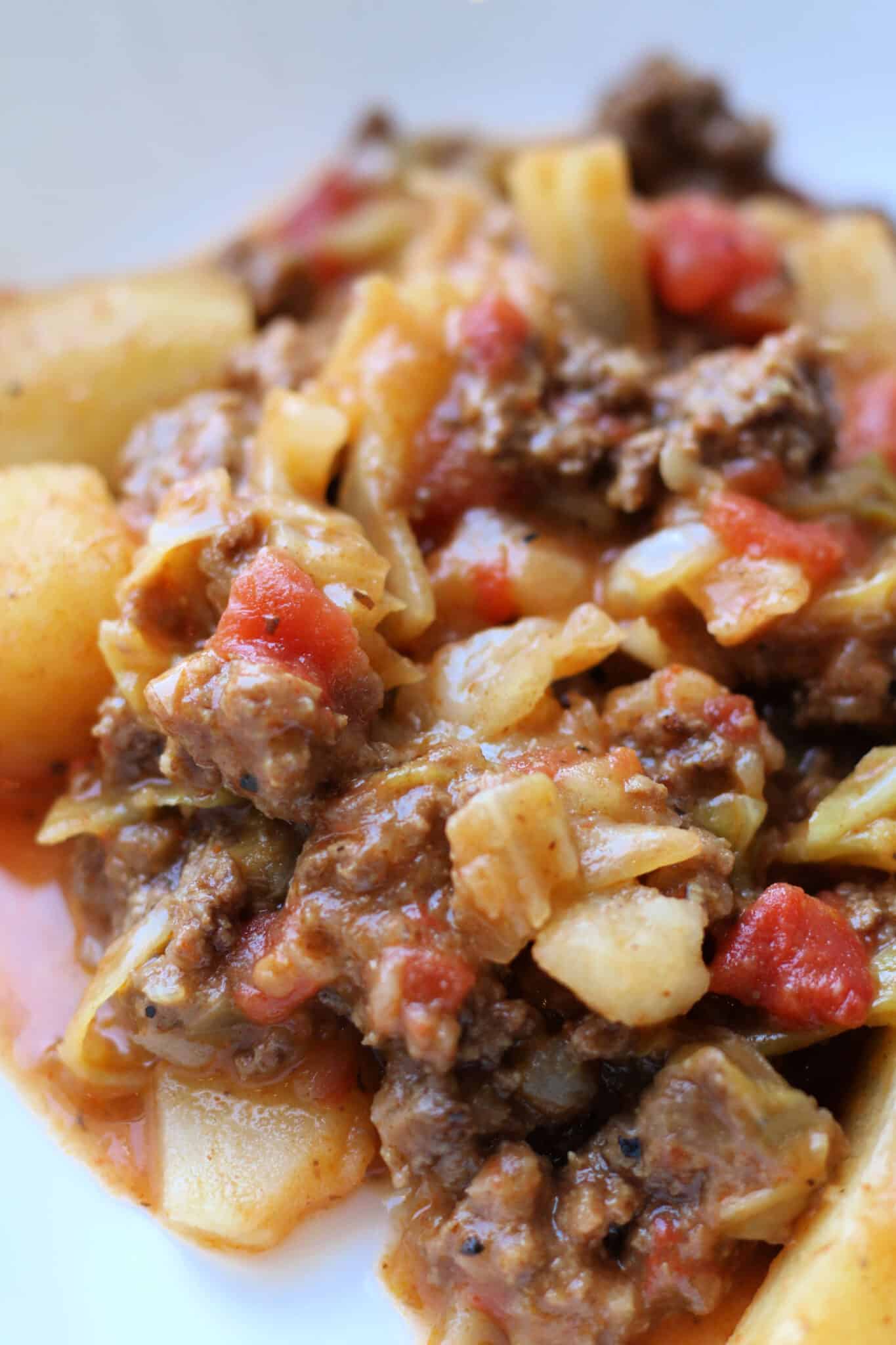
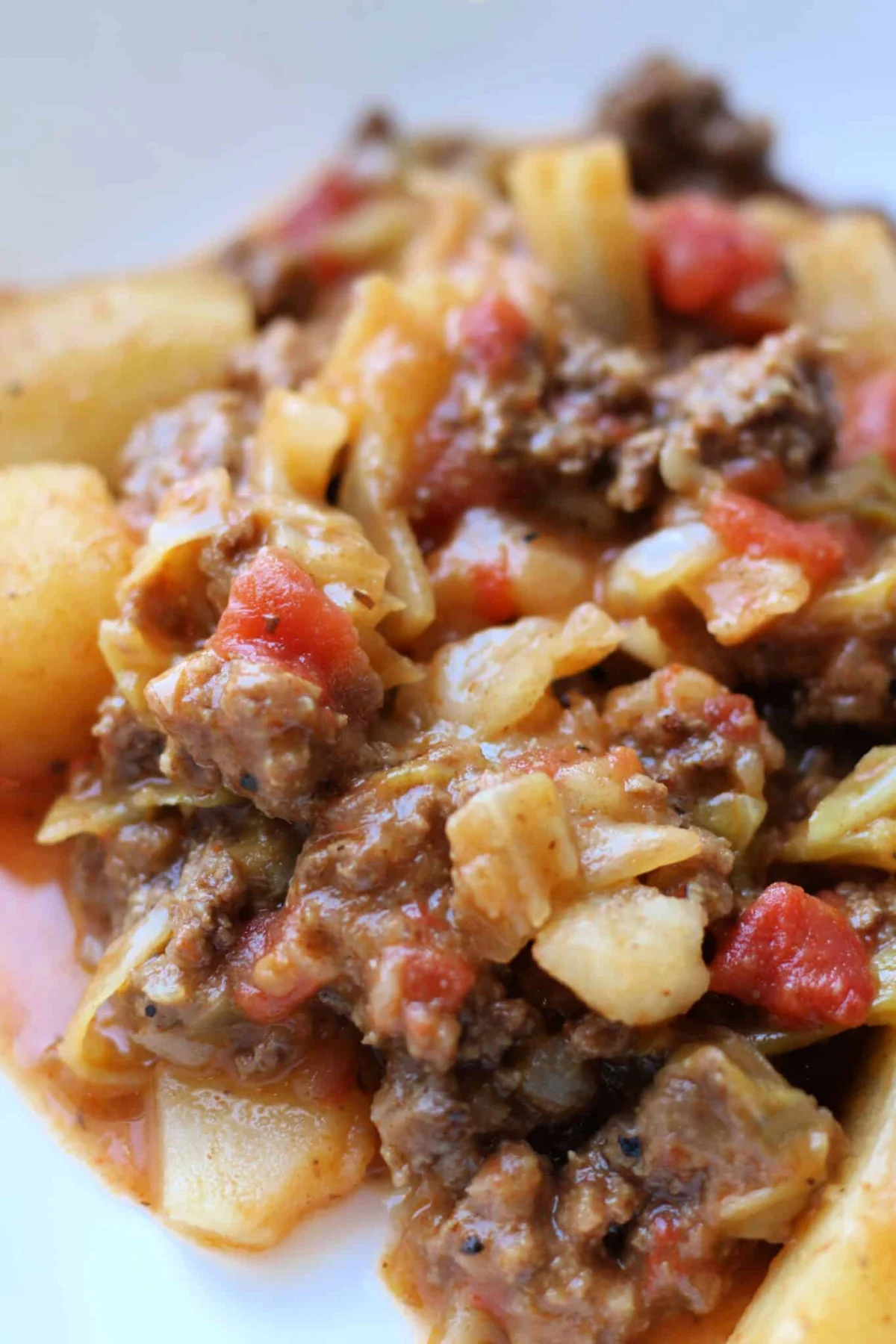
In the context of the Farmhouse Beef Casserole, the dish serves as a technical bridge between traditional slow-cooked stews and modern "dump-and-go" recipes. The integration of taco sauce into a beef and cabbage base suggests a fusion of Midwestern agricultural staples with Tex-Mex flavor profiles, reflecting a broader trend in American home cooking where traditional boundaries between regional cuisines are increasingly fluid.
Technical Preparation: The Instant Pot and Slow Cooker Protocols
The preparation of the Farmhouse Beef Casserole follows a specific chronological workflow designed to maximize flavor extraction while maintaining the structural integrity of the ingredients.
Instant Pot Methodology
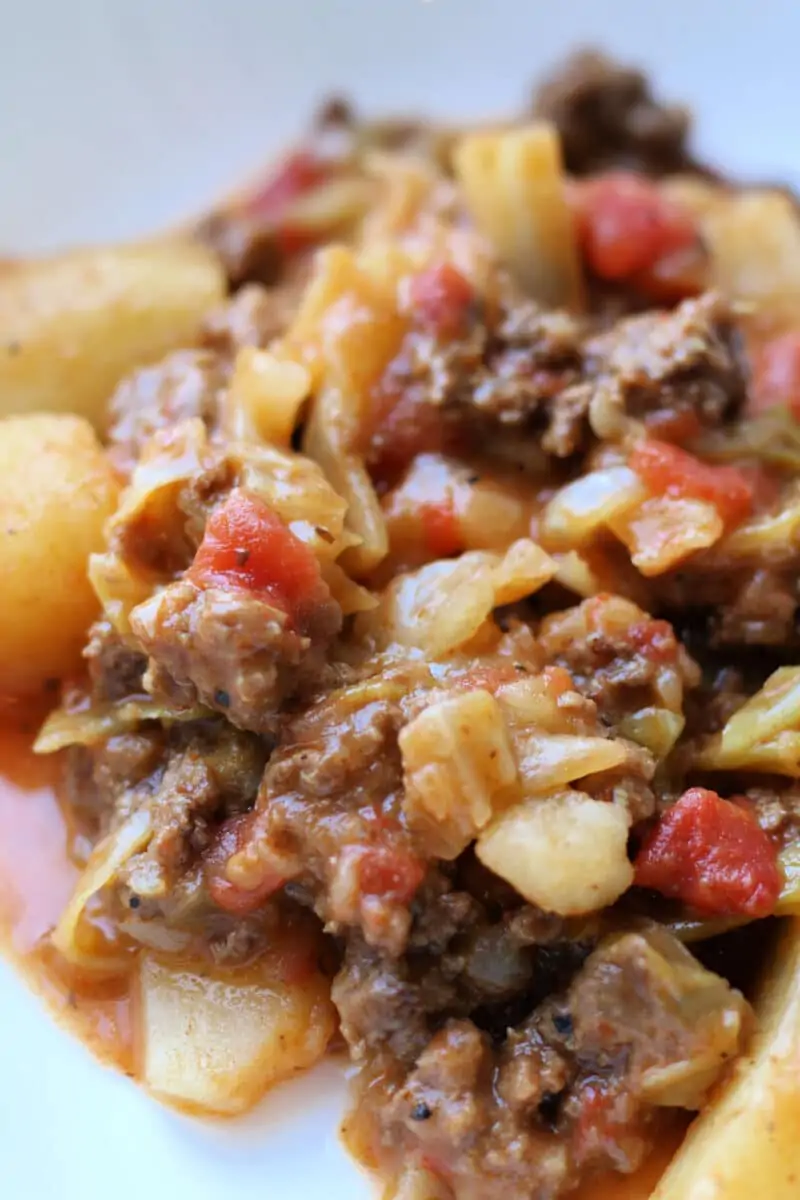
The process begins with the "Sauté" function, a critical step for the Maillard reaction—the chemical process that browns the meat and develops deep savory notes. Home cooks are instructed to brown the ground beef alongside diced onions for approximately five minutes. Following the browning phase, excess grease is drained to ensure the final product maintains an optimal texture and caloric profile.
The seasoning phase involves a precise blend of salt, black pepper, garlic powder, chili powder, and paprika. These spices provide a foundational warmth that complements the acidity of the tomatoes and the sweetness of the cooked cabbage. Once seasoned, the introduction of broth serves a dual purpose: it provides the necessary liquid for pressure generation and allows for "deglazing," the act of scraping browned bits from the bottom of the pot to prevent the "burn" error common in high-pressure cooking.
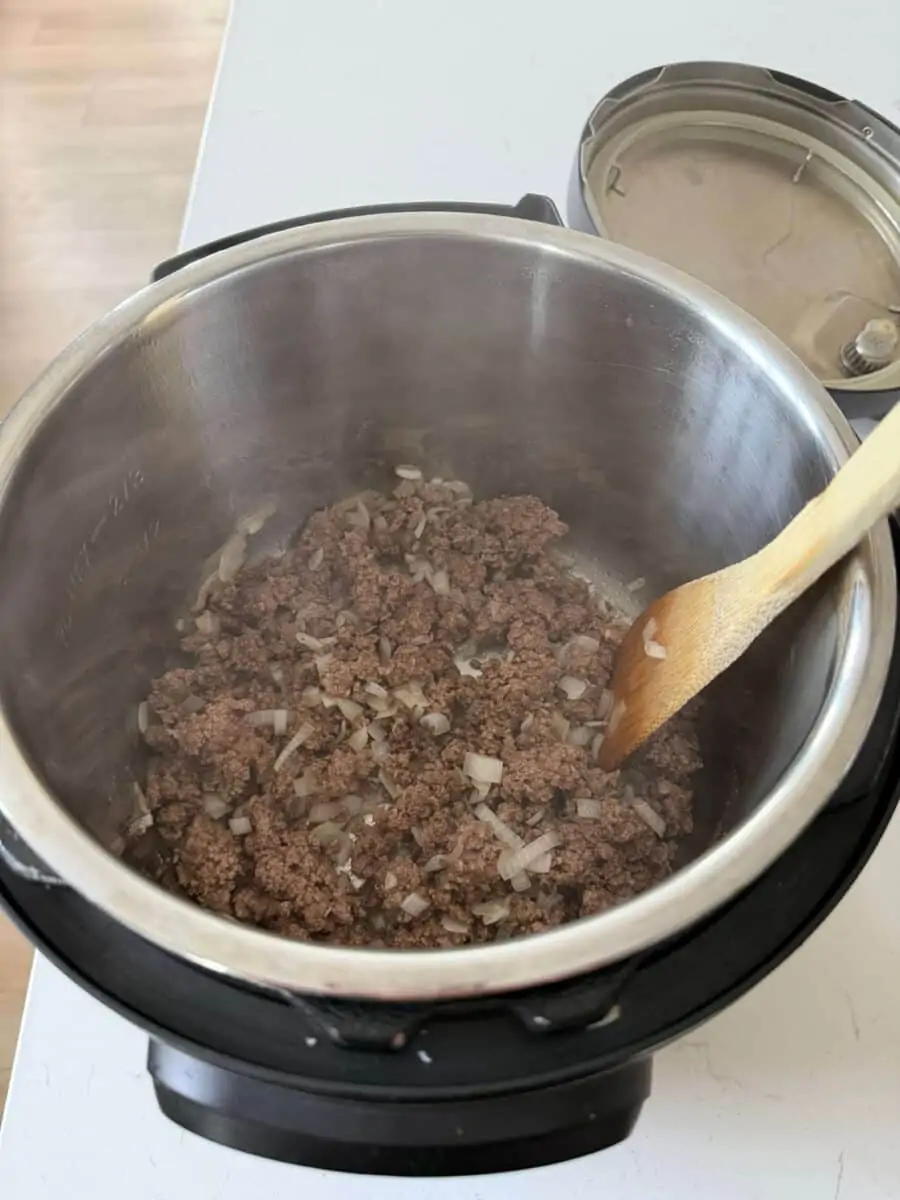
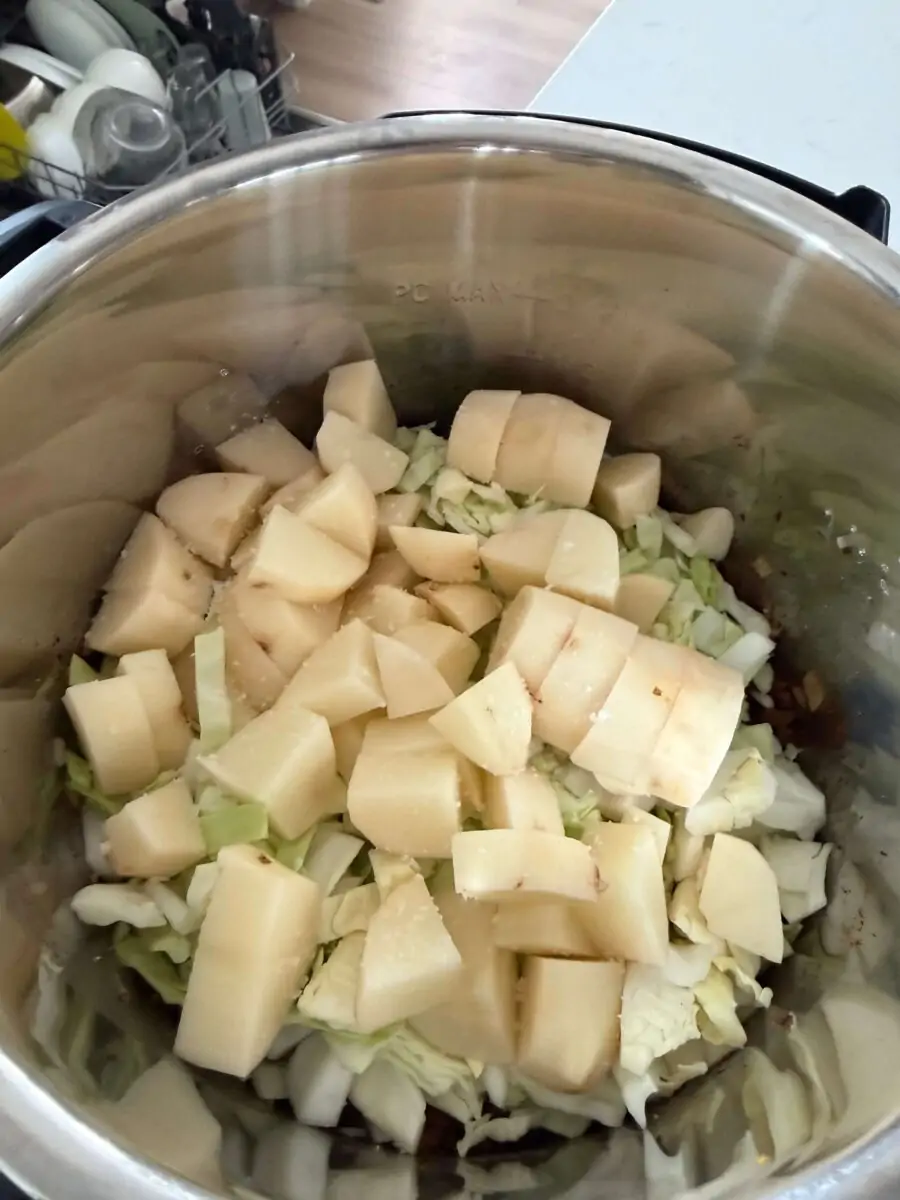
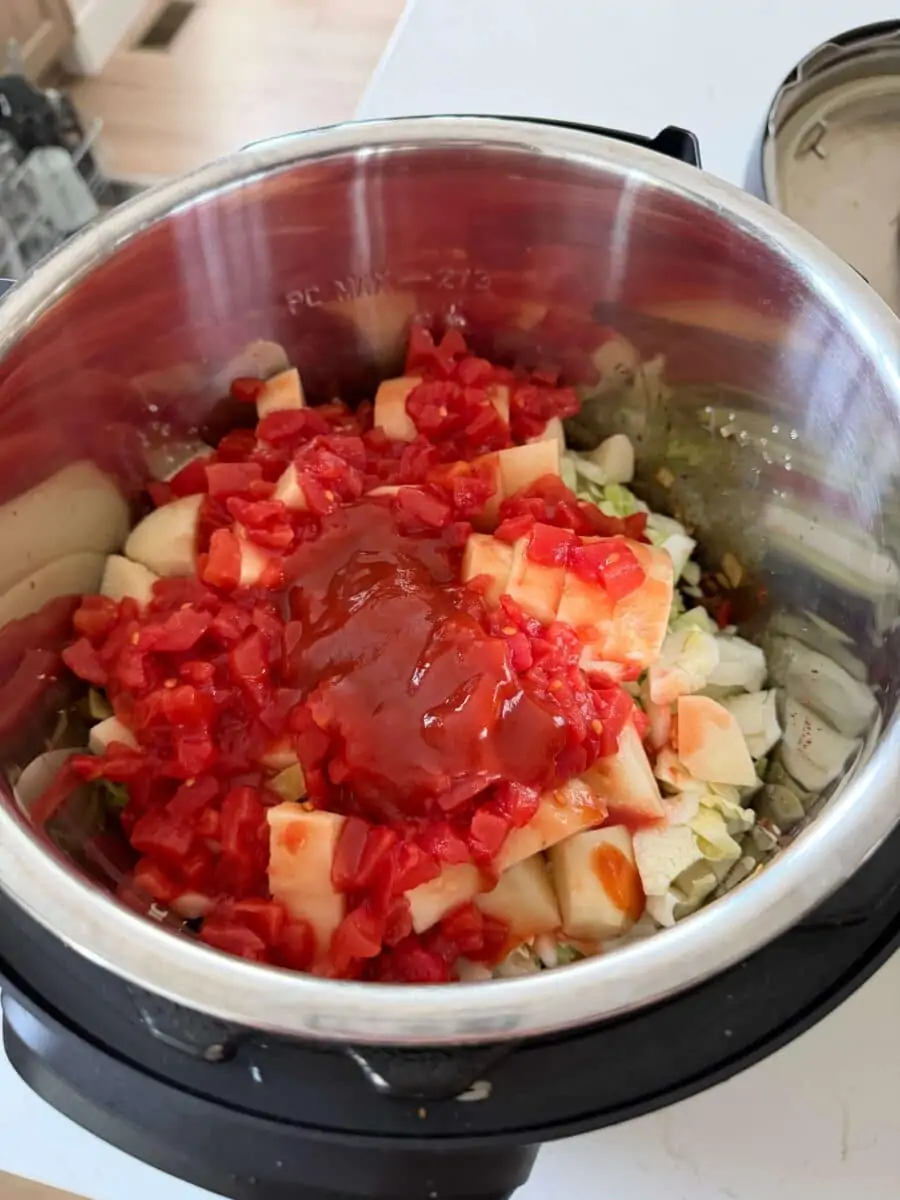
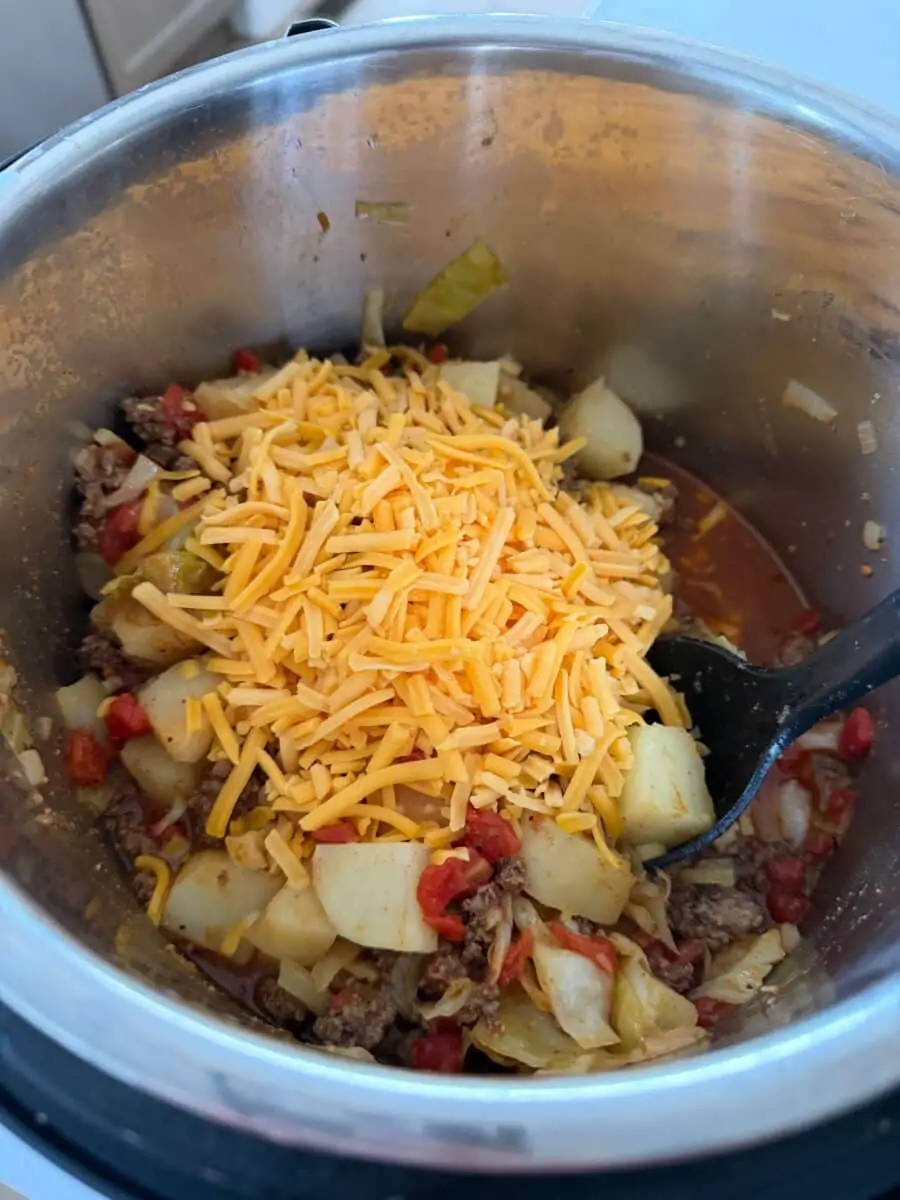
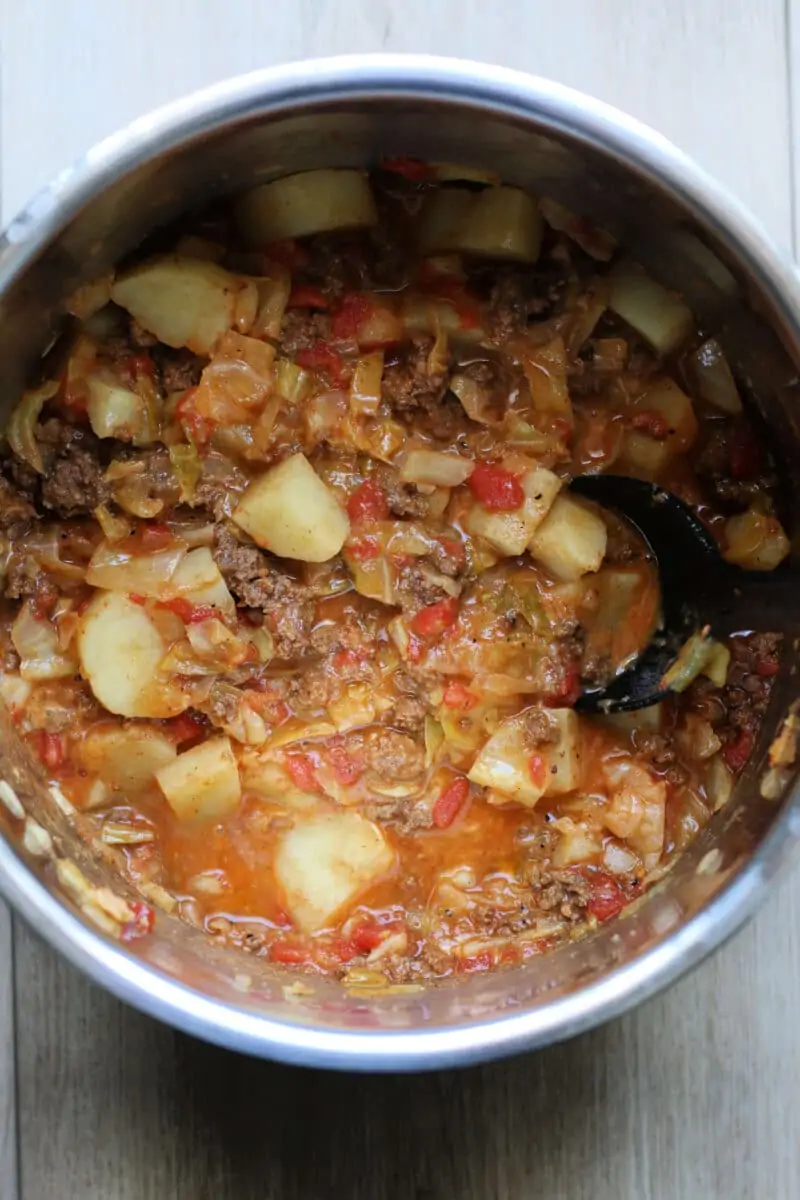
The layering of ingredients is paramount to the success of the dish. Cabbage, potatoes, tomatoes, and taco sauce are added in a specific order without stirring. This stratification prevents the denser ingredients from scorching and ensures that the steam circulates effectively. The device is then set to manual high pressure for a duration of four minutes, followed by a five-minute natural pressure release (NPR). This period of rest allows the internal temperature to stabilize and the fibers of the cabbage to soften without becoming overly mushy. The final step involves stirring in shredded cheddar cheese, which emulsifies with the residual heat to create a cohesive sauce.
Slow Cooker Alternative
For consumers operating on a different temporal scale, the slow cooker method provides an alternative that emphasizes long-term flavor infusion. While the beef and onions must still be browned on a stovetop to ensure food safety and flavor development, the subsequent assembly follows a "set and forget" model. The dish typically requires four to five hours on a high setting or six to eight hours on low. This method is often preferred by those who wish to align meal completion with the end of a standard workday.
Nutritional Profile and Ingredient Analysis
The Farmhouse Beef Casserole is characterized by its high volume-to-calorie ratio, largely driven by the inclusion of cabbage. As a cruciferous vegetable, cabbage is rich in Vitamin K, Vitamin C, and dietary fiber, yet it remains low in caloric density. When cooked under pressure, cabbage undergoes a transformation, losing its bitter sulfurous notes and adopting a tender, savory quality that absorbs the surrounding flavors of beef and taco sauce.
The inclusion of potatoes provides complex carbohydrates, making the dish a "complete" meal that eliminates the need for secondary starches such as rice or pasta. From a nutritional standpoint, the use of lean ground beef ensures a high protein count, which is essential for satiety.
Opportunities for Enrichment
Culinary analysts suggest that the recipe is highly adaptable, allowing for the "sneaking in" of additional micronutrients. The inclusion of diced carrots, celery, or mushrooms during the browning phase can further enhance the vegetable content without significantly altering the flavor profile. Furthermore, the substitution of ground beef with ground turkey or plant-based alternatives allows the dish to cater to diverse dietary preferences while maintaining its structural identity as a "farmhouse" staple.
Market Trends and Consumer Reception
The popularity of recipes like the Farmhouse Beef Casserole is supported by broader consumer data regarding home meal preparation. According to market research, sales of electric pressure cookers saw a meteoric rise between 2016 and 2022, leading to a shift in digital content consumption. Platforms such as Pinterest and culinary blogs have seen a significant uptick in searches for "one-pot" and "cabbage-based" dinners, as these ingredients are both cost-effective and shelf-stable.

Cabbage, in particular, has seen a resurgence in popularity. Once viewed as a humble or "poverty" food, it is now celebrated for its health benefits and versatility. In the current economic climate, where inflation has impacted meat and produce prices, the ability to "stretch" a pound of ground beef with a head of cabbage and several potatoes makes the Farmhouse Beef Casserole an economically viable option for the average household.
Comparative Analysis of Cabbage-Based Casseroles
The Farmhouse Beef Casserole exists within a larger ecosystem of cabbage-centric dishes. To understand its place in the market, it is useful to compare it with other regional variations:
- Amish Cabbage and Potato Casserole: Often features a creamier base, utilizing milk or cream-based soups rather than the acidic, tomato-forward profile of the farmhouse version.
- Southern Beef Cabbage Casserole: Frequently incorporates pasta shells, providing a different textural experience while maintaining the beef and cabbage foundation.
- Cabbage and Sausage Medleys: Often excludes the tomato and taco sauce elements, focusing instead on the smoky flavors of kielbasa or andouille sausage combined with bacon fat.
The Farmhouse version distinguishes itself through the use of taco sauce, which provides a mild heat and acidity that cuts through the richness of the beef and cheese.
Broader Implications for Home Cooking
The transition toward automated, one-pot meals like the Farmhouse Beef Casserole reflects a significant shift in domestic labor. By reducing the active "hands-on" time required for dinner, these recipes allow for a more manageable balance between professional obligations and nutritional standards. The "Farmhouse" branding itself is a psychological anchor, evoking a sense of wholesomeness and traditional values in an increasingly fast-paced, digital world.
Furthermore, the recipe’s design encourages culinary autonomy. The "notes and tips" sections typically found with such recipes suggest that the dish is not a rigid formula but a flexible framework. This encourages home cooks to experiment with spice levels, vegetable ratios, and cheese types, fostering a sense of kitchen confidence that is vital for long-term healthy eating habits.
Conclusion
The Farmhouse Beef Casserole is more than a simple dinner option; it is a reflection of current culinary technology, economic necessity, and nutritional trends. By combining the speed of the Instant Pot with the heartiness of traditional agricultural ingredients, it provides a blueprint for modern domestic sustenance. As families continue to seek out meals that are both affordable and easy to prepare, the reliance on versatile staples like cabbage and ground beef, enhanced by the convenience of modern appliances, is expected to remain a dominant force in the global food landscape. The dish stands as a testament to the enduring appeal of the casserole, reimagined for the constraints and capabilities of the 21st-century kitchen.
