

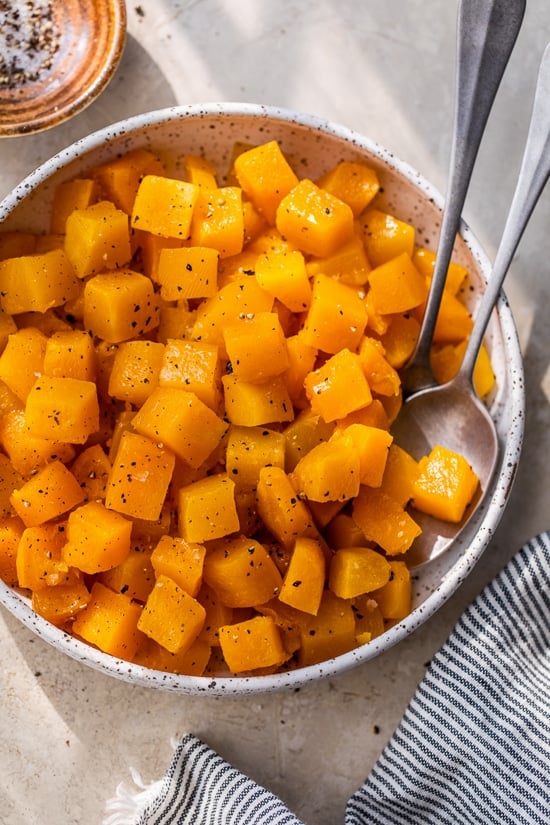
As the autumn season transitions into the holiday period, culinary traditions across North America increasingly emphasize the incorporation of seasonal, nutrient-dense produce such as winter squash. Among the most versatile and popular of these varieties is the butternut squash (Cucurbita moschata), a fruit botanically characterized by its tan skin and deep orange, sweet-fleshed interior. This report examines the culinary utility, nutritional profile, and preparation methodologies of the classic maple-roasted preparation, a staple dish that serves as a cornerstone of modern holiday menus and efficient weeknight meal planning.
Nutritional Profile and Agricultural Context
Butternut squash is widely recognized in dietary and nutritional sciences for its high concentration of essential vitamins and minerals. According to the United States Department of Agriculture (USDA), one cup of cooked, cubed butternut squash provides a substantial portion of the recommended daily intake of Vitamin A, primarily in the form of beta-carotene, which is crucial for vision health and immune function. Furthermore, the squash is an excellent source of Vitamin C, potassium, and magnesium, while remaining relatively low in caloric density.
From an agricultural perspective, the peak harvest for butternut squash typically occurs between September and November. Its ability to remain shelf-stable for several months when stored in cool, dry conditions makes it an economically viable and accessible crop for consumers. When roasted, the starch-to-sugar conversion process in the squash is accelerated, resulting in a caramelized texture that pairs well with natural sweeteners like maple syrup, which enhances the squash’s inherent earthy, nutty profile.

The Science of Roasting: Caramelization and Maillard Reaction
The transformation of raw squash into a tender, browned delicacy relies heavily on the Maillard reaction—a chemical reaction between amino acids and reducing sugars that gives browned food its distinctive flavor. When tossing cubed squash in a light coating of olive oil and pure maple syrup, the high heat of the oven facilitates this browning.
To achieve optimal results, food scientists and culinary experts emphasize the importance of surface area and airflow. Crowding a baking sheet results in the release of steam, which softens the vegetable rather than caramelizing it. A standard roasting temperature of 400°F (204°C) is generally considered the "sweet spot" for balancing the internal softening of the flesh with the external browning required for a superior texture.

Standardized Preparation and Safety Protocols
The primary barrier to more frequent consumption of whole butternut squash is the difficulty associated with its dense, fibrous skin. Culinary professionals recommend several methods for safe handling. First, using a sharp, high-quality chef’s knife is essential. The process typically involves trimming the ends, peeling the skin with a vegetable peeler, and splitting the squash longitudinally to remove the fibrous pulp and seeds.
For individuals who find the manual cutting process challenging, industry trends show an increase in the availability of pre-cut, vacuum-sealed, or frozen squash cubes. While fresh, whole squash offers the highest level of textural integrity, frozen alternatives serve as a viable, time-saving substitute, particularly for those preparing for large-scale holiday events where labor hours are a significant consideration.
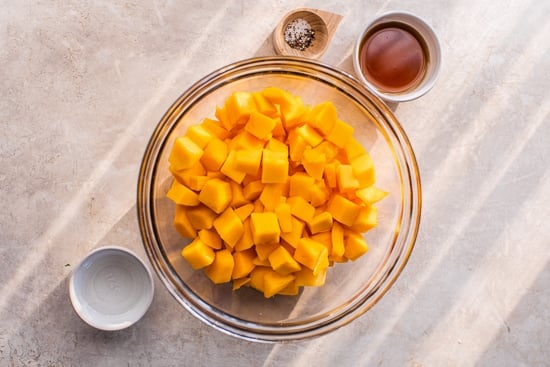
A common technique to simplify the peeling process involves the controlled use of microwave energy. By piercing the skin several times and subjecting the squash to 2–4 minutes of microwave heating, the exterior softens sufficiently to allow for easier peeling without initiating the full cooking process. This method, often cited in modern home economics curricula, effectively reduces the risk of kitchen accidents associated with attempting to force a knife through a hardened, raw vegetable.
Comparative Analysis of Sweeteners and Flavor Profiles
While pure maple syrup is the traditional accompaniment for roasted squash, culinary analysis indicates that the dish is highly adaptable. Maple syrup, a product primarily derived from the sap of Acer saccharum trees, contributes a unique profile of minerals such as manganese and zinc, alongside its characteristic sweetness.
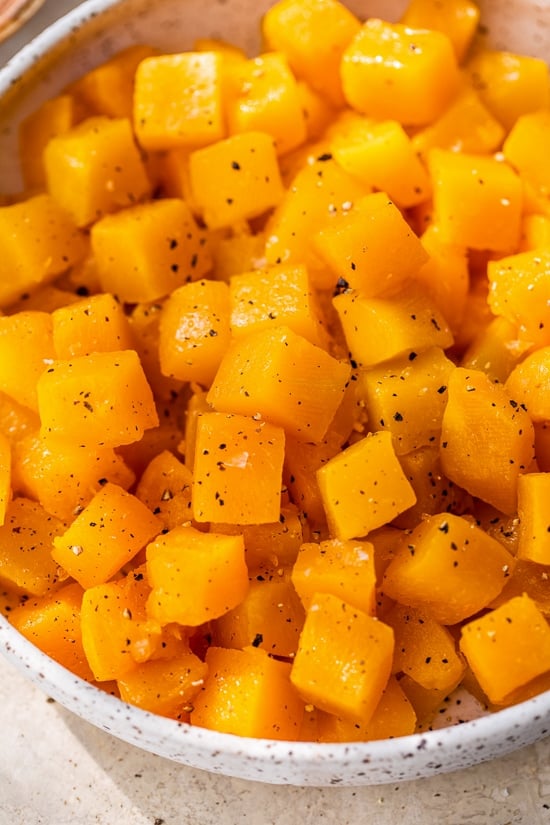
In scenarios where maple syrup is unavailable or personal dietary restrictions exist, brown sugar or honey are frequently used as functional substitutes. Brown sugar provides a deeper, molasses-driven flavor profile that mimics the depth of maple, while honey offers a floral sweetness that complements the nuttiness of the squash. Regardless of the chosen sweetener, the addition of black pepper or even savory herbs such as thyme or rosemary creates a complex flavor profile that elevates the dish from a simple vegetable side to a central component of a meal.
Broader Implications for Modern Meal Planning
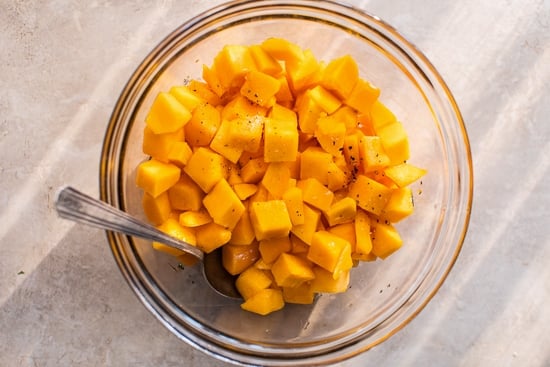
The shift toward simplified, three-ingredient recipes—such as the squash, oil, and maple syrup combination—reflects a broader consumer trend toward "minimalist cooking." With the increasing demands on modern households, the ability to produce a nutritionally dense, aesthetically pleasing side dish with minimal active prep time is highly valued.
From an economic perspective, utilizing versatile, seasonal produce helps reduce food waste. Because squash is shelf-stable, households can purchase it well in advance, reducing the need for last-minute shopping trips during the high-pressure holiday season. Additionally, the ability to repurpose leftovers—whether in salads, soups, or as a base for grain bowls—highlights the efficiency of the ingredient.
Storage and Preservation Guidelines
To maintain the quality of roasted butternut squash, proper storage is paramount. Once cooked, the squash should be allowed to cool to room temperature within two hours to prevent the growth of foodborne pathogens. It can be stored in an airtight container in the refrigerator for up to four to five days.
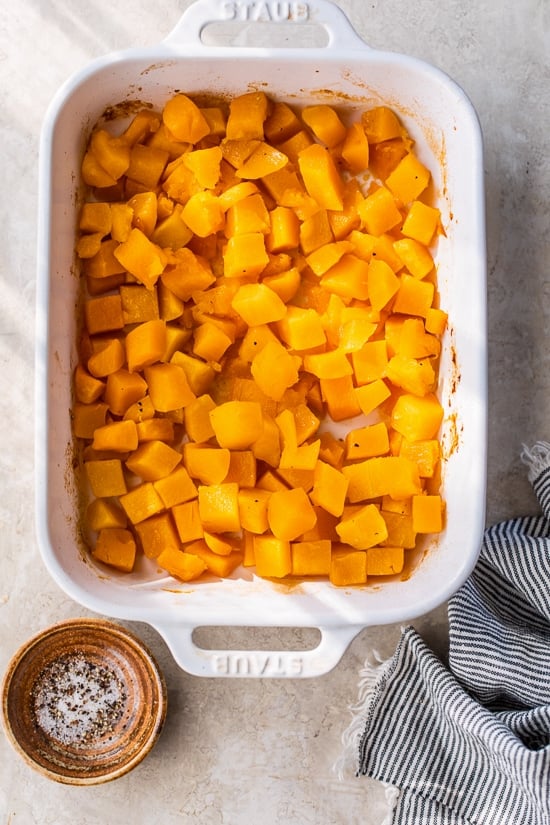
For longer-term storage, roasted squash is amenable to freezing. While the cellular structure may change slightly, resulting in a softer texture upon reheating, it remains perfectly suitable for inclusion in blended soups or purees. When reheating, it is recommended to use an oven or air fryer rather than a microwave to restore some of the original crispness of the roasted exterior.
Future Perspectives in Culinary Application
As consumer interest in plant-forward diets continues to grow, the role of winter squashes in both professional and home kitchens is expected to expand. The success of the maple-roasted method has led to further innovations, including the use of air fryers, which significantly reduce cooking times while maintaining the desired Maillard-induced crust.

Furthermore, the integration of such dishes into holiday menus represents a wider cultural shift. As families look to balance traditional, heavy comfort foods with lighter, nutrient-rich alternatives, the roasted butternut squash serves as a bridge, offering the indulgence of a sweet, caramelized glaze while remaining firmly rooted in healthy, whole-food nutrition.
In conclusion, the maple-roasted butternut squash remains a testament to the effectiveness of simple, high-quality ingredients. By adhering to sound preparation techniques—such as proper spacing during roasting and prioritizing safety during the cutting process—home cooks can reliably produce a dish that meets the standards of both health-conscious individuals and those seeking traditional holiday flavor profiles. As the culinary landscape continues to evolve, the emphasis on accessibility, seasonal sourcing, and efficiency ensures that this dish will remain a staple in modern gastronomy.
