
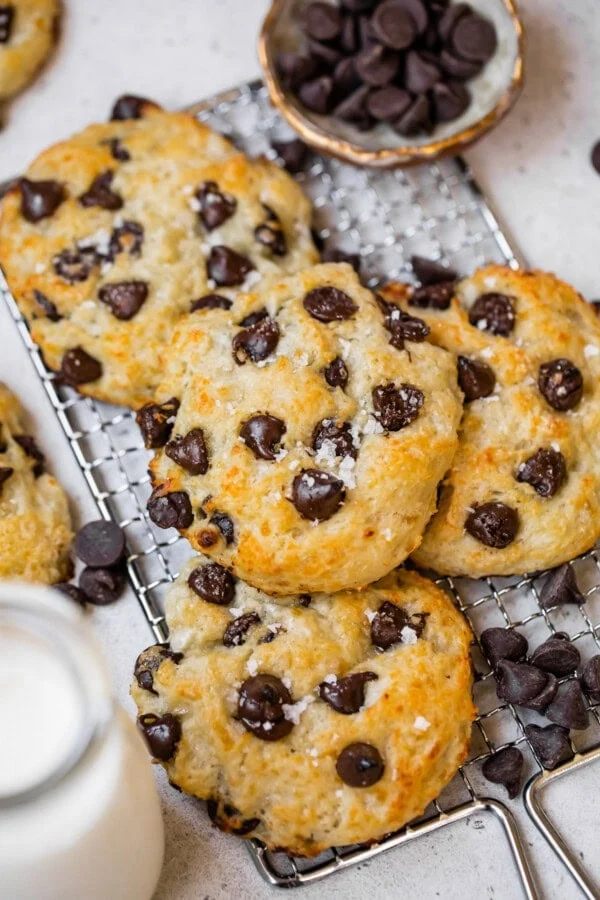
The culinary landscape has undergone a significant transformation in recent years as home bakers and professional chefs alike seek to reconcile the demand for indulgence with the growing consumer interest in nutrient-dense ingredients. One of the most prominent trends in this evolution is the incorporation of cottage cheese into sweet baked goods, a technique exemplified by the emergence of high-protein, low-fat chocolate chip cookie recipes. This development represents a shift toward functional baking, where traditional staples like butter and heavy fats are being replaced by protein-rich alternatives without sacrificing the sensory profile of the final product.
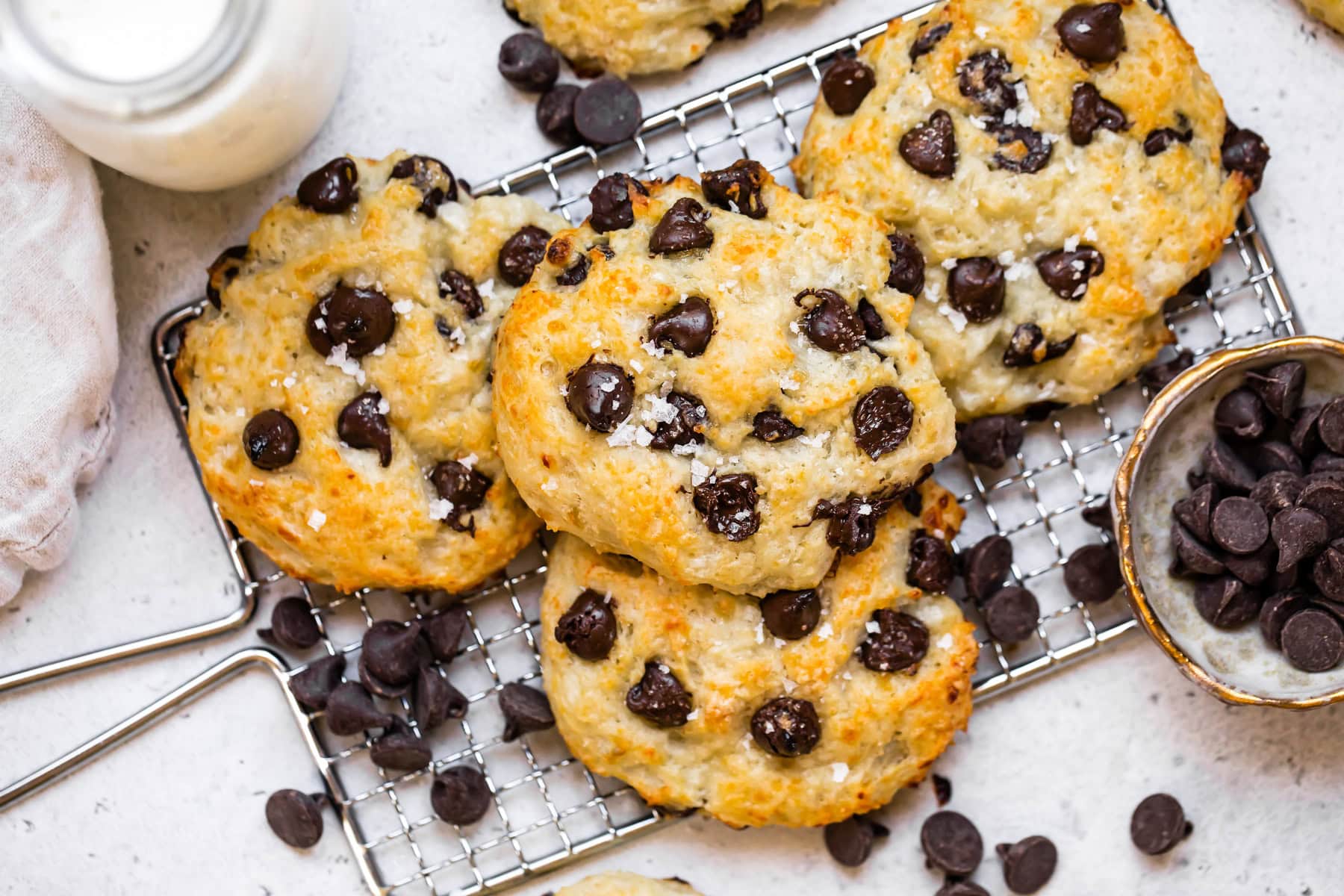
The Evolution of Functional Baking
For decades, the standard for a "good" chocolate chip cookie relied on a specific ratio of butter, sugar, and flour to achieve a chewy texture and a golden-brown crust. However, recent shifts in dietary preferences—driven by data from the International Food Information Council—indicate that consumers are increasingly looking for ways to boost protein intake across all meals, including desserts. Cottage cheese, which has seen a resurgence in popularity due to its high casein protein content and versatility, has become the focal point of this movement.
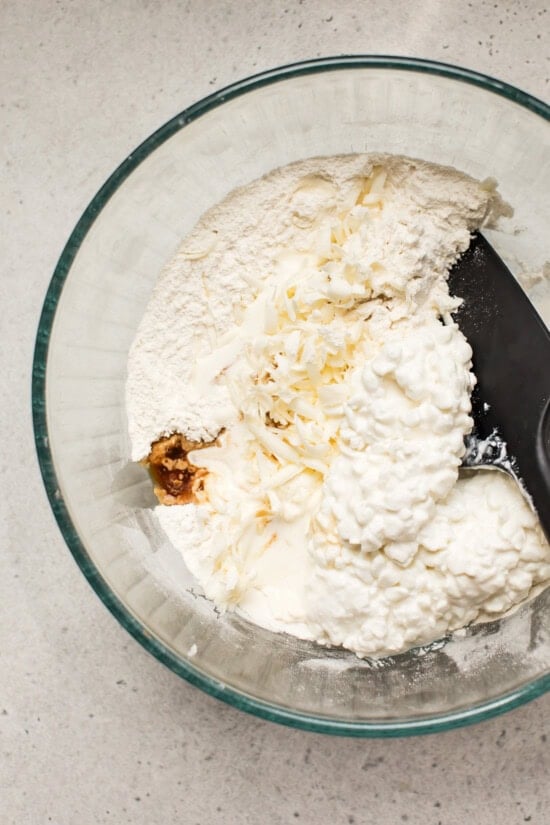
The integration of cottage cheese into cookie dough is not merely a gimmick but a functional application of dairy science. By replacing a portion of the butter with blended cottage cheese, bakers can maintain the essential moisture required for a soft, chewy cookie while simultaneously reducing the overall saturated fat content. When the cottage cheese is blended, the curds dissolve, creating a creamy emulsion that binds the dry ingredients effectively.
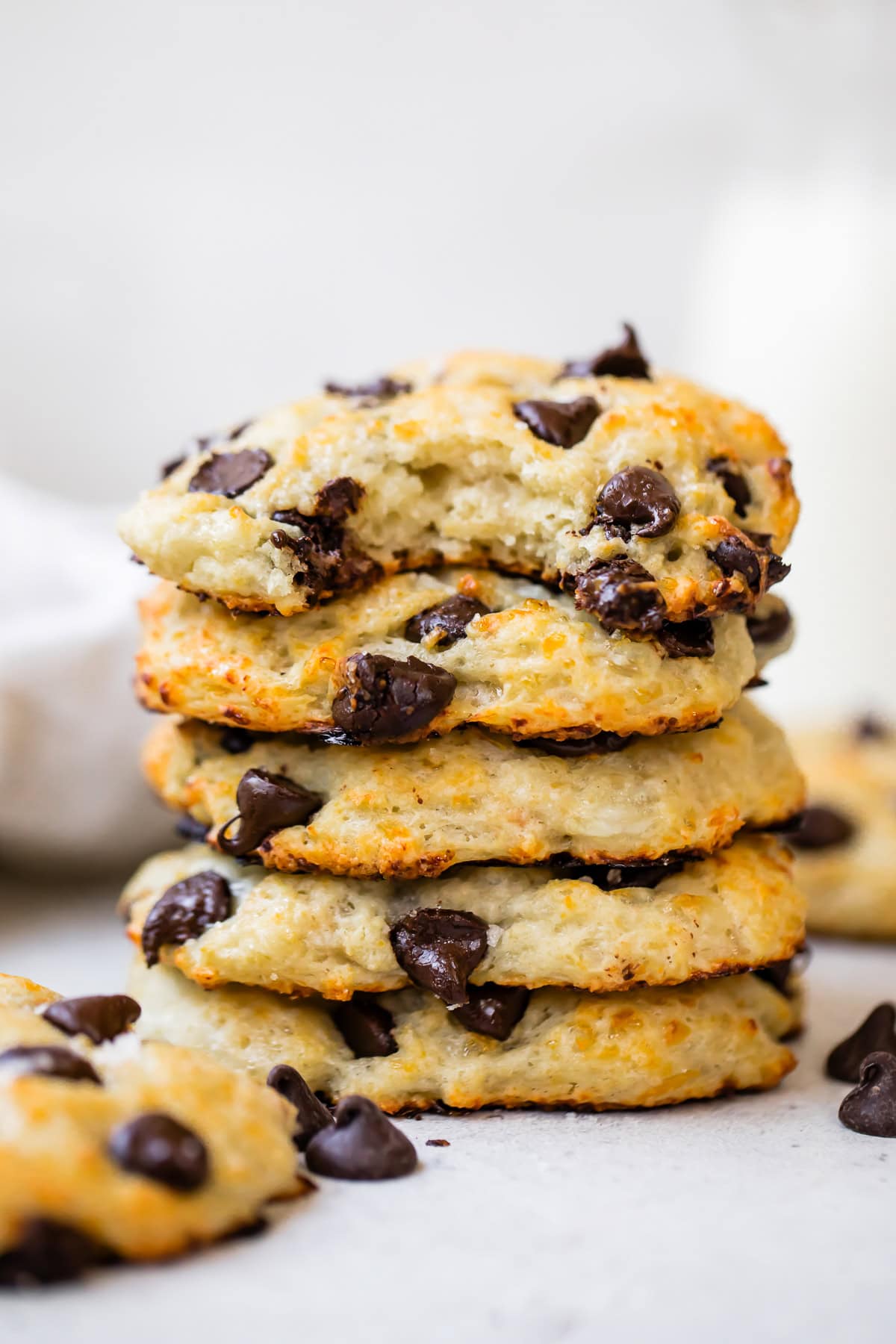
Chronology of the Cottage Cheese Baking Trend
The rise of this specific baking methodology can be traced back to the broader social media-driven "hacks" that gained traction in late 2023 and throughout 2024. Culinary creators began experimenting with cottage cheese as a substitute for ricotta in cannoli, then as a base for high-protein ice creams, and eventually, as a fat substitute in various baked goods.
The specific iteration of the cottage cheese chocolate chip cookie reached a mainstream tipping point in mid-2026. As documented by home cooking experts and nutrition-focused recipe developers, the transition from savory applications to sweet ones was initially met with skepticism. However, rigorous testing revealed that the mild flavor profile of cottage cheese allows it to be masked entirely by vanilla extract and dark chocolate, leaving behind only the desired moisture and a subtle, pleasant chewiness.

Nutritional Profile and Comparative Analysis
A standard traditional chocolate chip cookie typically contains high levels of fat and sugar, often providing limited satiety. In contrast, the reformulated version utilizing cottage cheese introduces a more balanced macronutrient profile.
According to nutritional data regarding these specific cookies, a single serving contains approximately 138 calories, 5 grams of protein, and 6.5 grams of fat. When compared to a standard bakery-style cookie of the same size, which often exceeds 200–250 calories and provides less than 2 grams of protein, the nutritional delta is significant. The inclusion of 5 grams of protein per cookie is substantial enough to be noted by health-conscious consumers who view snacks as an opportunity to hit daily protein targets.

Technical Challenges and Best Practices
While the substitution appears simple, the chemistry of baking remains delicate. Unlike butter, which undergoes a phase change during the baking process to help the cookie spread and crisp, cottage cheese contains water that must be managed to prevent the dough from becoming cakey or soggy.
Professional bakers and recipe developers emphasize three critical technical steps to ensure success with this method:
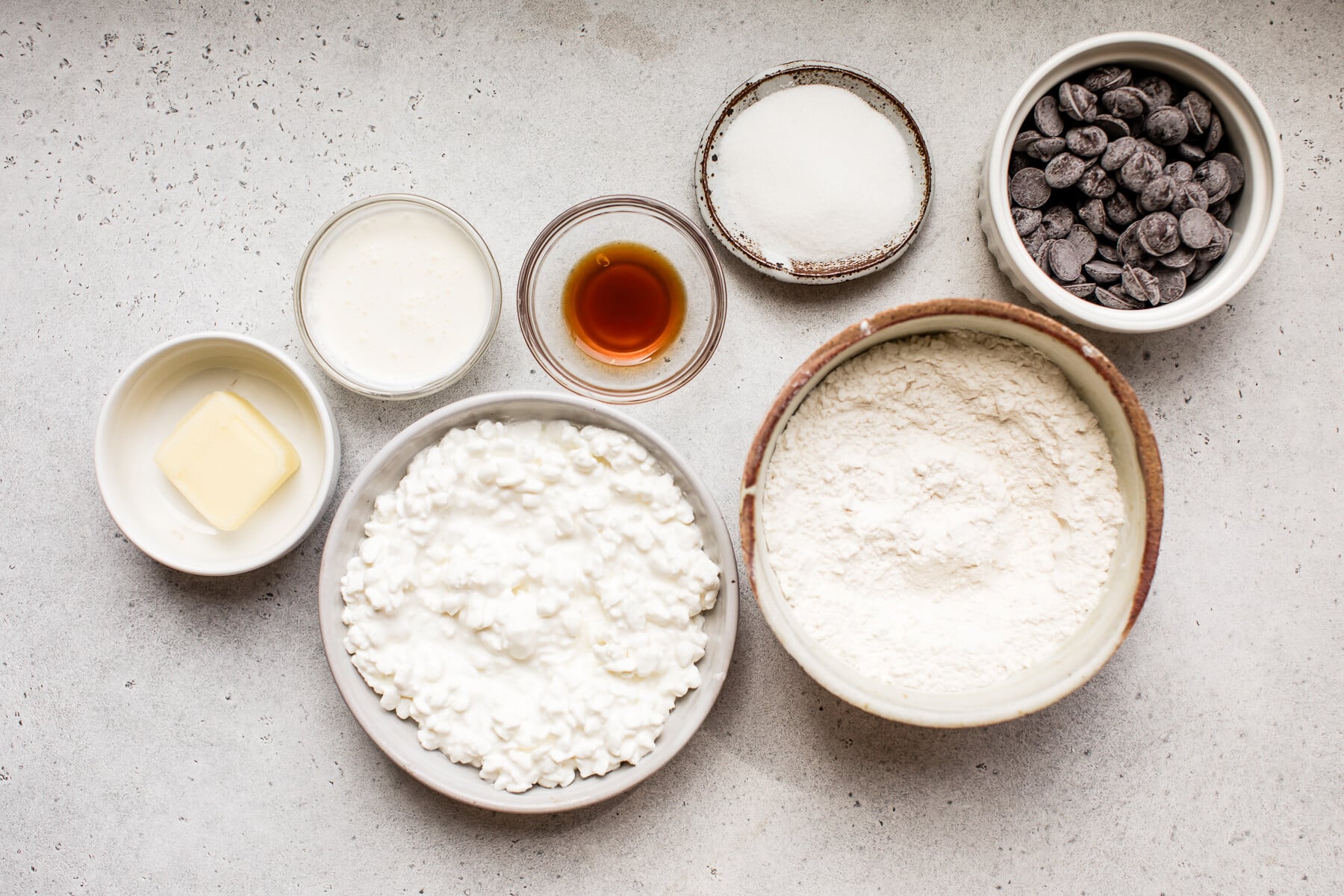
- Blending Consistency: The cottage cheese must be processed in a high-speed blender until it achieves a completely smooth, liquid consistency. Any remaining curds will alter the texture and create an uneven distribution of moisture.
- Thermal Sensitivity: These cookies are highly sensitive to cooling. Because the structure relies on the moisture from the dairy, the cookies are best consumed shortly after emerging from the oven. As they cool, the starch structure stabilizes differently than in butter-based cookies, often resulting in a change in mouthfeel that some consumers find less appealing.
- The Freeze-and-Bake Strategy: To mitigate the issues surrounding shelf life and texture degradation, the current industry-standard recommendation is to freeze the dough in individual portions. This allows the baker to control the freshness of the product, ensuring that each cookie is baked to order and consumed at its peak warmth.
Broader Economic and Industry Implications
The success of this recipe format signals a broader shift in the dairy industry. The increased demand for cottage cheese has prompted manufacturers to introduce a wider variety of textures and low-sodium options to cater to this new demographic of bakers. Furthermore, the rise of "healthy" dessert alternatives reflects a broader economic trend where consumers are willing to pay a premium for ingredients that perform dual roles—serving as both a treat and a source of nutrition.
Industry analysts suggest that this trend may lead to a permanent change in how cookie recipes are formulated in the mainstream market. If consumer satisfaction remains high, there is a possibility that commercial baking operations may begin exploring protein-fortified, dairy-based additives as a standard practice in the production of pre-packaged baked goods.
Addressing the "Hidden Ingredient" Phenomenon
A common theme in modern food innovation is the "stealth health" approach, where vegetables or protein-dense dairy are hidden in popular foods. While this is often criticized for being deceptive, in the context of baking, it is viewed by proponents as a logical advancement. By utilizing cottage cheese, the recipe successfully maintains the "cheat meal" aesthetic—warm, melty chocolate and a soft cookie—while delivering a product that aligns better with contemporary health guidelines.
The reactions from the public, particularly among those who prioritize high-protein diets, have been overwhelmingly positive. Feedback from home bakers indicates that the primary draw is the lack of a "healthy" aftertaste. Because the flavor profile of the cottage cheese is neutral, the integrity of the classic chocolate chip cookie is preserved.
Future Outlook
As we look toward the remainder of the decade, it is likely that the exploration of dairy-based fats in baking will expand to include other types of cheese or perhaps even fermented dairy products. The cottage cheese cookie is merely one example of a larger movement toward ingredient transparency and functionality in the home kitchen.
Ultimately, whether these cookies represent a passing fad or a foundational shift in baking techniques depends on the longevity of consumer interest. However, with the current trajectory of nutritional awareness and the ease of preparation associated with these recipes, it is probable that the "cottage cheese method" will remain a staple in the repertoire of those who value both flavor and nutrition. The ability to produce a high-protein dessert with readily available, affordable ingredients ensures that this trend is accessible to a wide demographic, further cementing its place in the modern kitchen.
