
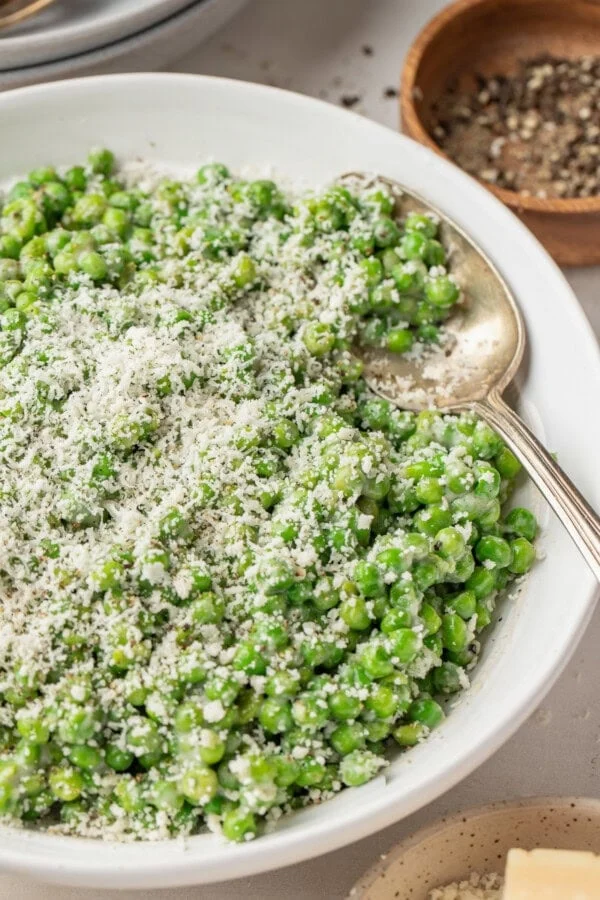
The culinary landscape has witnessed a growing trend toward the elevation of humble, frozen staples into sophisticated, nutrient-dense dishes. Among the latest developments is the emergence of Cacio e Pepe Peas, a recipe that utilizes the classic Roman flavor profile—traditionally reserved for pasta—to transform standard frozen green peas into a viable, high-fiber side dish. This preparation method, which requires only four primary ingredients and a ten-minute cooking duration, represents a broader shift in home cooking toward efficiency without sacrificing nutritional quality or flavor complexity.
The Origins and Culinary Context
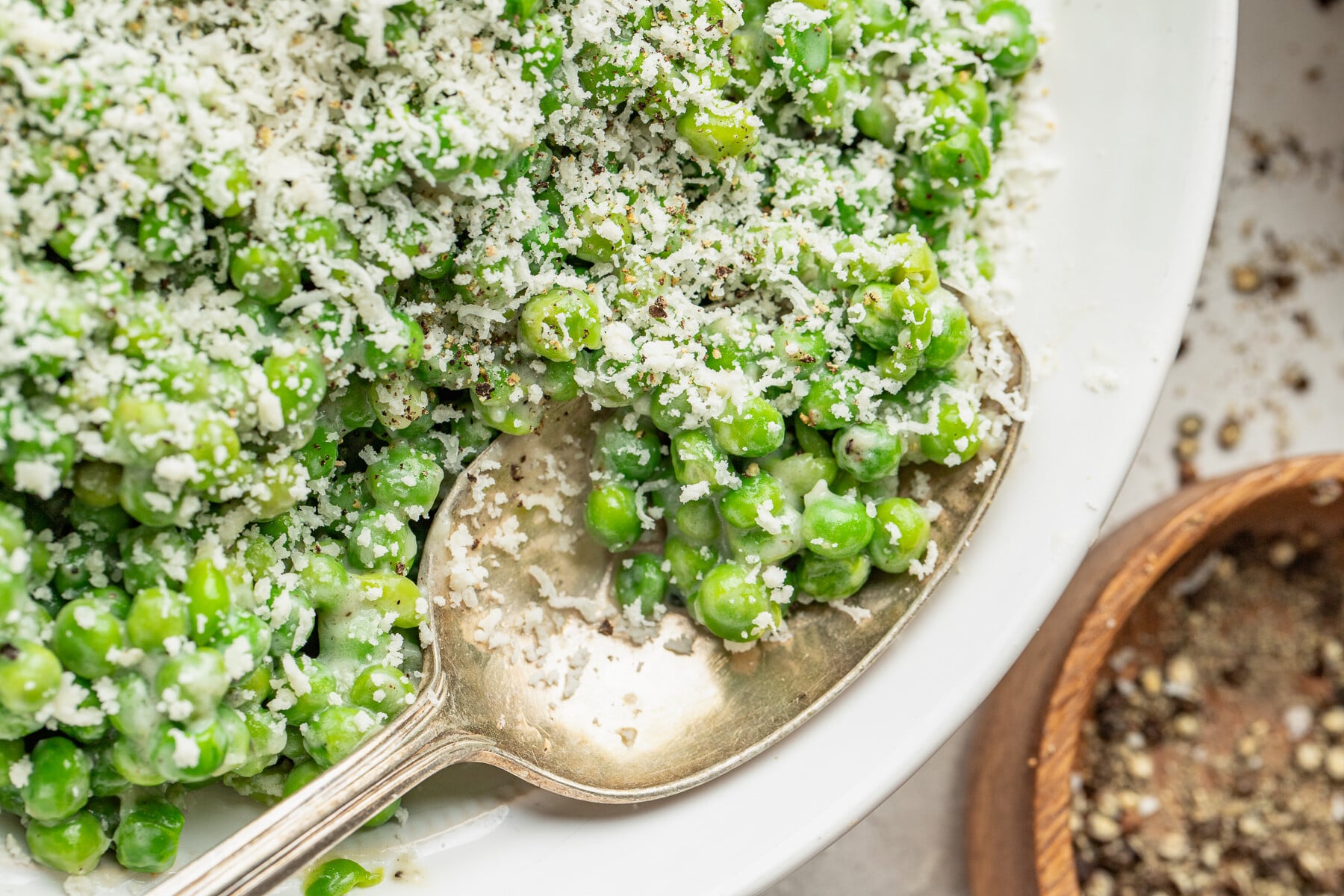
The term "Cacio e Pepe" originates from the Italian language, translating literally to "cheese and pepper." Historically, this pairing has served as a pillar of Roman cuisine, specifically within the Latium region. Traditionally, the dish relies on the emulsification of starchy pasta water with Pecorino Romano cheese and freshly cracked black peppercorns to create a creamy, sharp, and aromatic sauce.
Adapting this flavor profile to vegetables—specifically peas—represents a contemporary departure from tradition. While peas are a staple in many households, their role as a standalone side dish has often been marginalized, frequently relegated to a garnish or a secondary component in stews, soups, and casseroles. By applying the Cacio e Pepe treatment, the sweetness inherent in green peas is effectively contrasted by the saline intensity of the aged sheep’s milk cheese and the pungent heat of black pepper, providing a balanced profile that encourages increased vegetable consumption.
Nutritional Implications and Dietary Utility
From a nutritional standpoint, the integration of peas into a modern diet offers significant health benefits, particularly regarding fiber intake. The recommended daily fiber intake for adults in the United States, as established by the Dietary Guidelines for Americans, ranges between 25 and 30 grams. Despite these guidelines, national intake averages remain significantly lower.
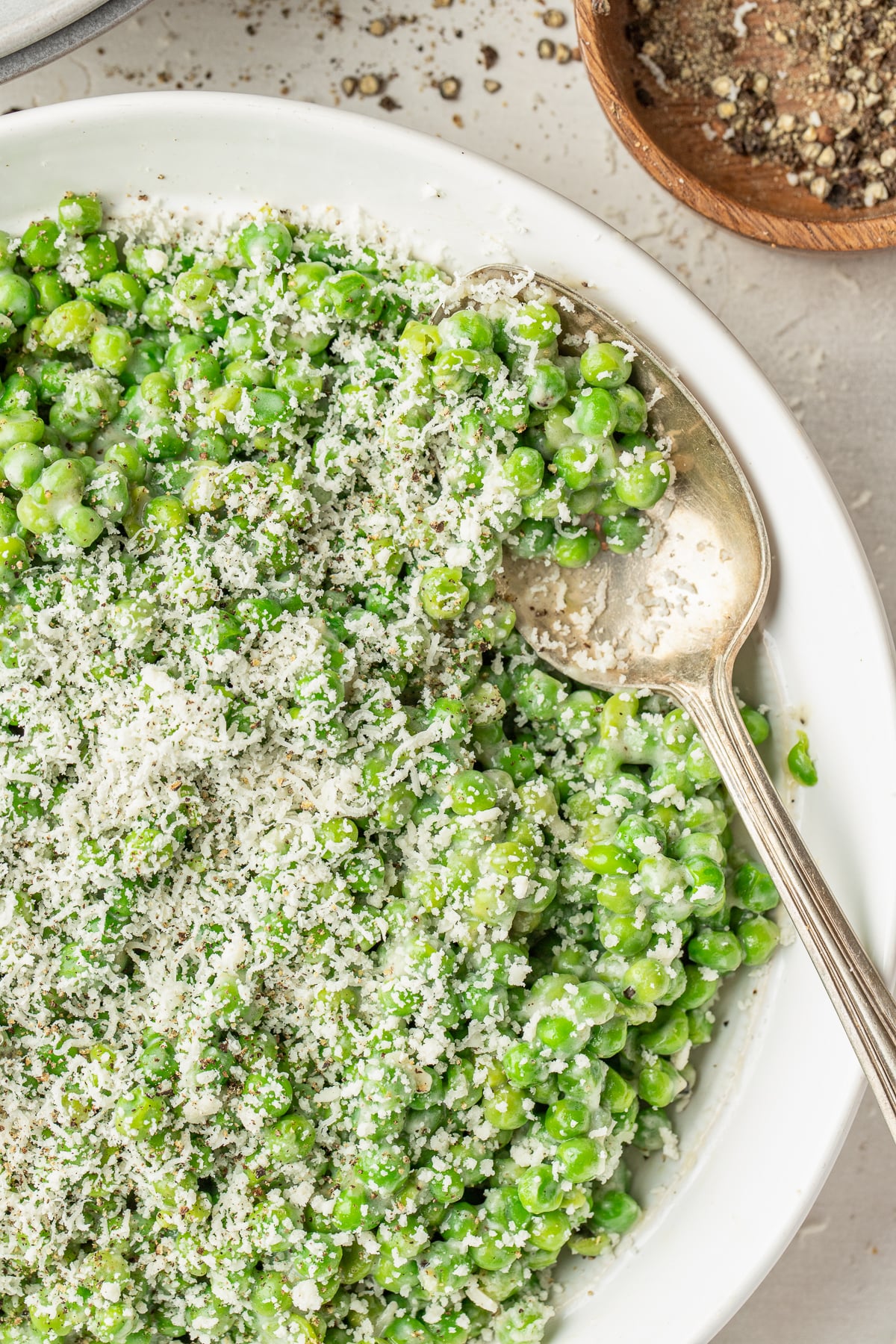
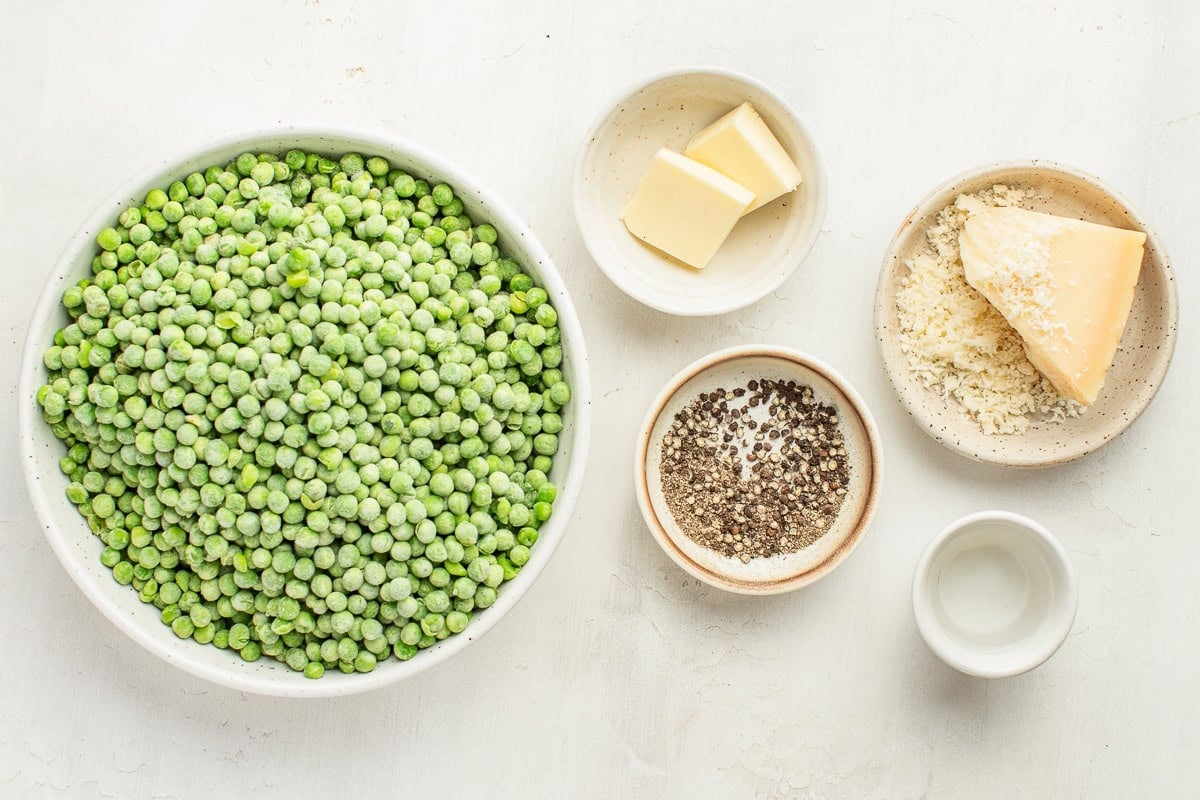
Green peas are a notable source of plant-based protein and dietary fiber, with a standard three-quarter cup serving providing approximately 5 grams of fiber and 8 grams of protein. By enhancing the palatability of this legume, culinary experts and nutritionists suggest that individuals are more likely to meet their daily intake requirements. The simplicity of the four-ingredient approach—peas, butter, Pecorino Romano, and black pepper—allows for a low-calorie, nutrient-dense addition to a variety of meals, including proteins such as chicken, pork, or white fish.

Methodology and Technical Execution
The preparation process for this dish is characterized by its reliance on the "one-skillet" method, which minimizes cleanup and maximizes efficiency. A critical technical aspect of the recipe is the avoidance of thawing frozen peas prior to cooking. By introducing the frozen vegetables directly into a heated skillet, the cook preserves the structural integrity of the peas, preventing the mushy texture often associated with over-thawing or over-boiling.
The process involves:

- Thermal Activation: The frozen peas are sautéed briefly, allowing them to heat through while retaining their bright color and firm texture.
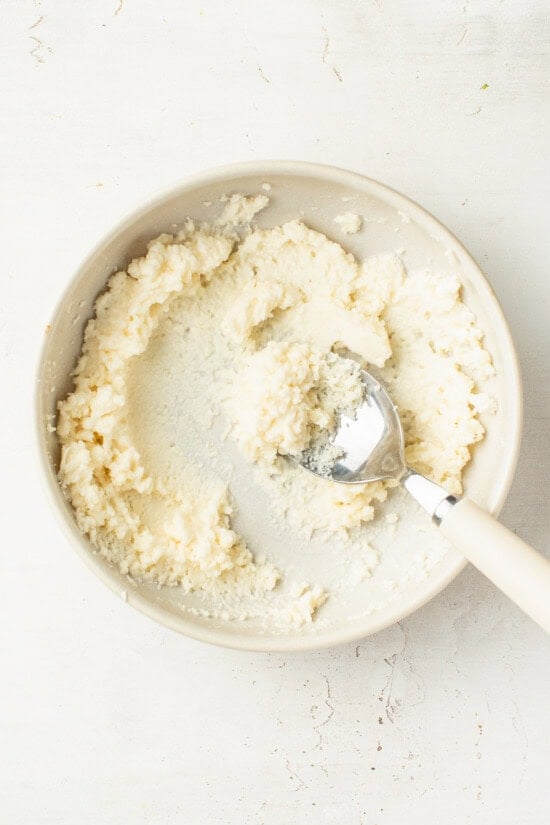
- Emulsification: A small amount of butter serves as the fat base, which, when combined with a splash of water and the grated Pecorino Romano, forms a light, velvety coating that adheres to the peas.
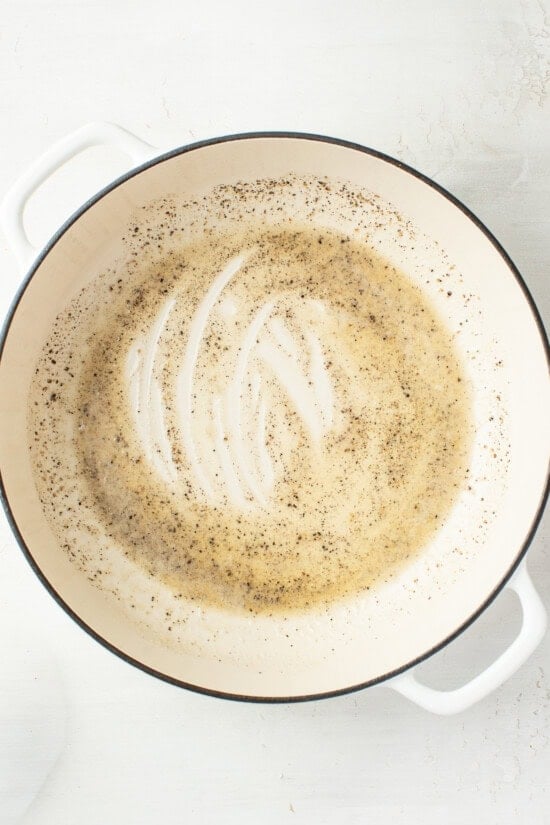
- Seasoning: The addition of freshly cracked black pepper is the final and most essential step, as the heat from the pepper is necessary to cut through the richness of the cheese and butter.
Broader Economic and Household Impacts
The rise of such recipes coincides with a period of increased economic awareness in household food management. As inflation continues to affect grocery prices, consumers are increasingly seeking ways to maximize the utility of long-lasting, budget-friendly pantry staples like frozen vegetables.
Frozen peas are an ideal candidate for this shift. Unlike fresh produce, which has a limited shelf life and is subject to seasonal price fluctuations, frozen peas remain stable, affordable, and nutrient-dense year-round. The "Cacio e Pepe" method acts as a value-add, transforming a commodity ingredient into a dish that, if presented in a restaurant setting, would likely command a higher price point. This ability to "elevate" basic ingredients is a hallmark of the current "gourmet-at-home" trend, which prioritizes skill and flavor combinations over the acquisition of expensive, specialty ingredients.
Analysis of Storage and Scalability
For home cooks and professional meal-preppers, the longevity of prepared sides is a frequent concern. The Cacio e Pepe pea dish is designed for moderate shelf life, maintaining optimal quality for up to four days when stored in an airtight container.
However, technical challenges arise during the reheating process. Because the sauce is an emulsion of cheese and fat, direct high-heat application can cause the cheese to break or become oily. The recommended industry practice for reheating this specific dish involves warming the peas independently and incorporating the cheese-and-pepper finish only after the peas have reached the desired serving temperature. This technique ensures that the emulsion remains stable and the texture remains consistent.
Future Perspectives in Vegetable Consumption
The success of this dish in social media and culinary communities highlights a fundamental truth about human dietary behavior: individuals are more likely to consume nutrient-dense foods if the sensory experience is rewarding. By framing a bowl of peas through the lens of a beloved Italian classic, the barrier to entry for consuming more vegetables is lowered.
Industry analysts tracking food trends suggest that this move toward "flavor-first" vegetable preparation is likely to continue. Future iterations may include the integration of other aged cheeses, such as Parmesan for a milder profile, or the addition of fresh herbs to alter the flavor landscape. As the food industry continues to emphasize health, sustainability, and efficiency, the Cacio e Pepe pea serves as a case study for how simple, traditional techniques can be effectively repurposed to meet modern nutritional goals.
Ultimately, the dish functions as more than just a quick side; it represents a synthesis of traditional Italian flavor theory and the pragmatic requirements of the modern home kitchen. Whether served as a standalone dish, integrated into a pasta bowl, or used as a base for a more complex meal, the preparation proves that culinary innovation does not always require complexity. It requires, instead, an understanding of how to harmonize simple, high-quality components to achieve a result that is greater than the sum of its parts.
