
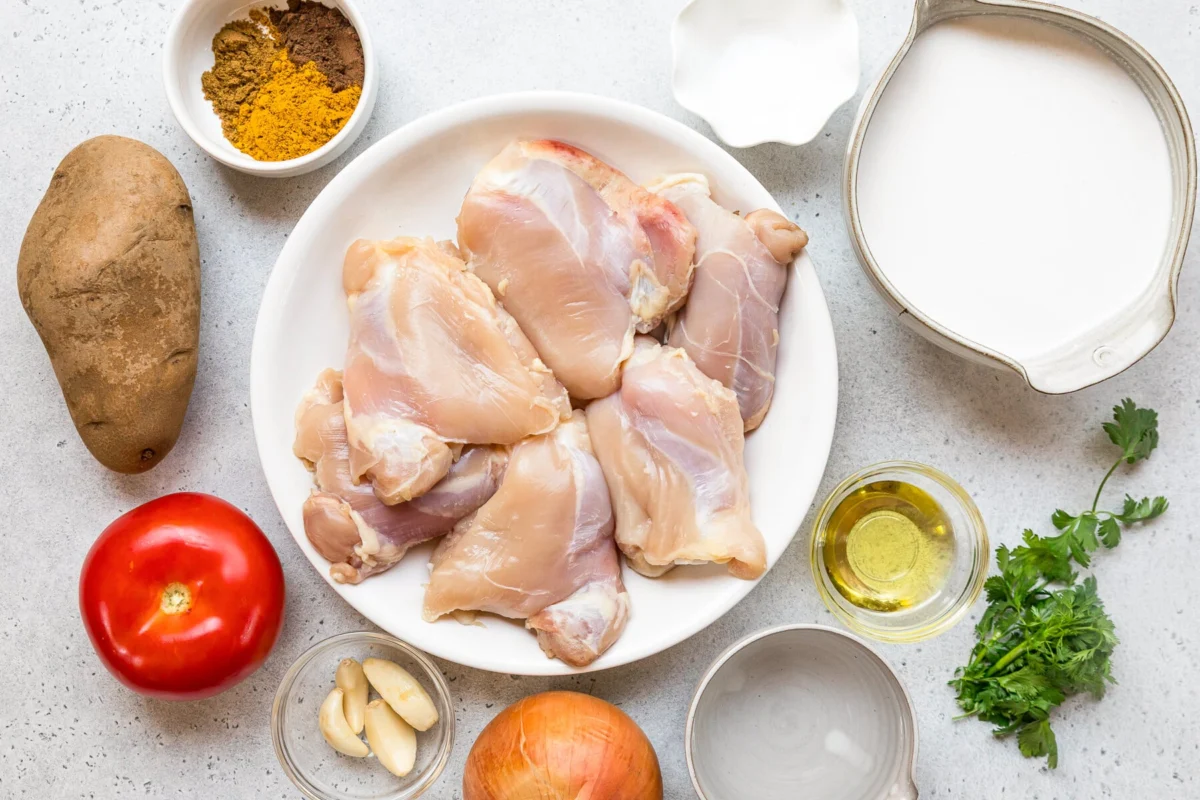
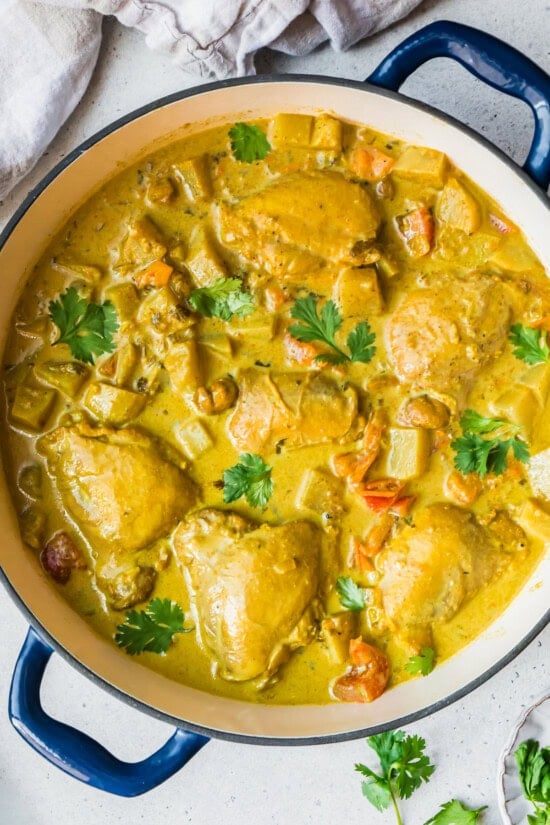
The evolution of home cooking in the 21st century has seen a significant shift toward globally inspired, one-pot meals that prioritize both time-efficiency and nutritional density. Among these, the chicken curry with coconut milk has emerged as a cornerstone of modern domestic menus, balancing traditional spice profiles with contemporary dietary preferences. This dish, characterized by the fusion of tender chicken thighs, starchy potatoes, and a velvety coconut-based sauce, represents a broader culinary trend toward accessible, globally sourced flavors in the average household.
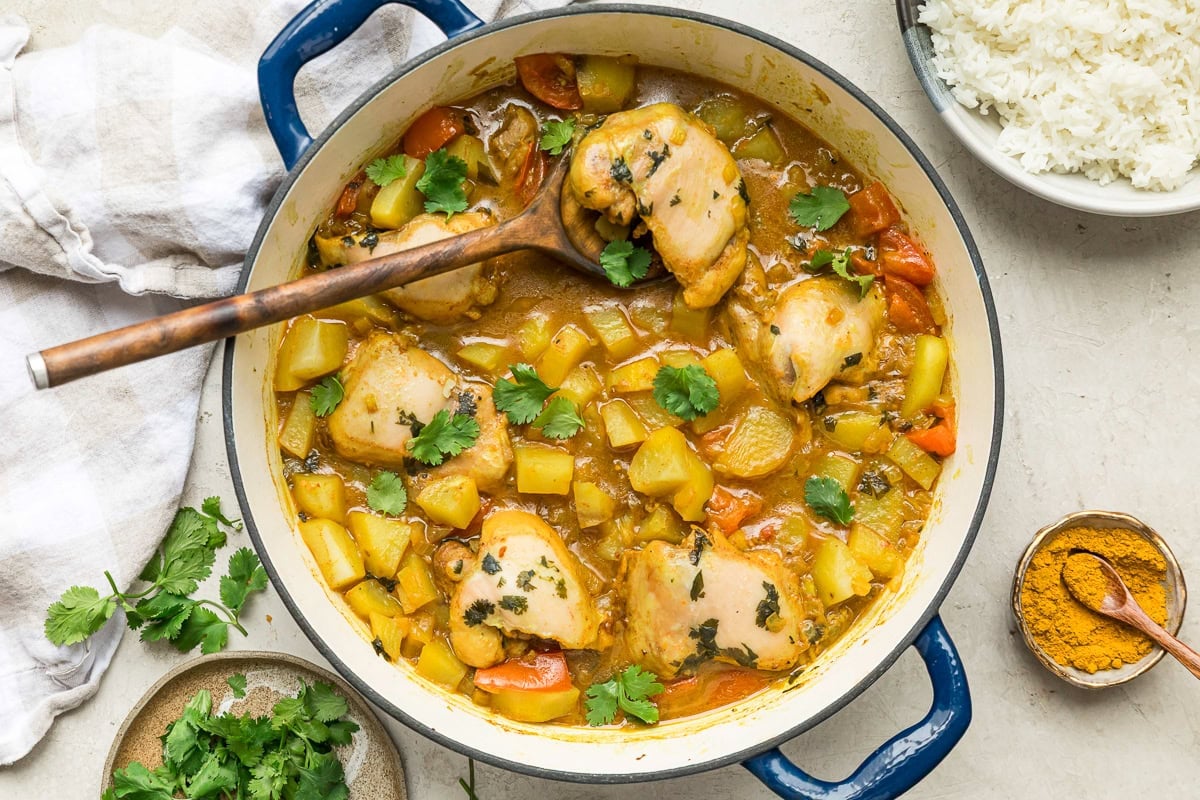
Historical context reveals that the integration of coconut milk into poultry curries is rooted in South Asian and Southeast Asian culinary traditions, where the ingredient serves to temper the intensity of aromatic spices such as cumin, garam masala, and turmeric. Over the past two decades, this style of preparation has transitioned from regional specialty to a staple in Western kitchens, facilitated by the increased availability of diverse pantry items and a growing consumer interest in complex, layered flavor profiles.
Technical Composition and Preparation Methodology
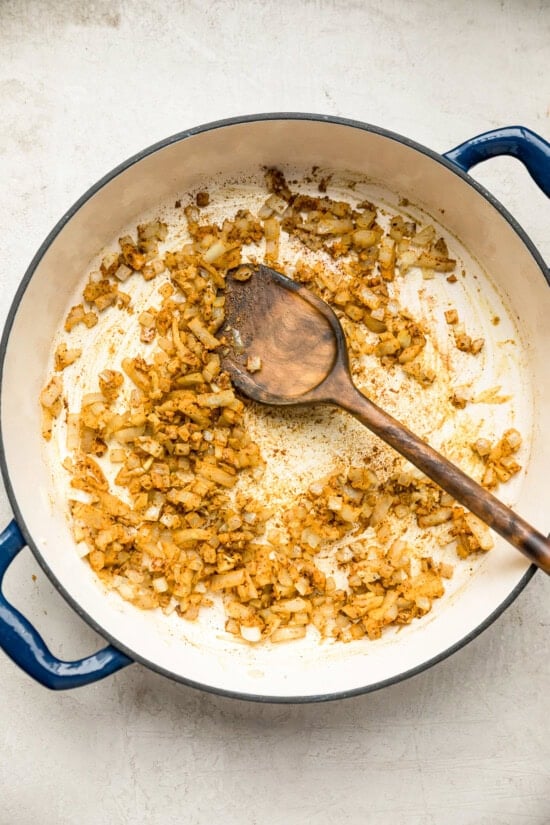
The preparation of a standard chicken curry is governed by the principles of aromatics and heat management. Culinary professionals note that the foundation of the dish—the sautéing of onions, garlic, and ginger—is the most critical phase in developing the flavor profile. This process, often referred to as building a "masala base," allows for the extraction of essential oils from the spices.
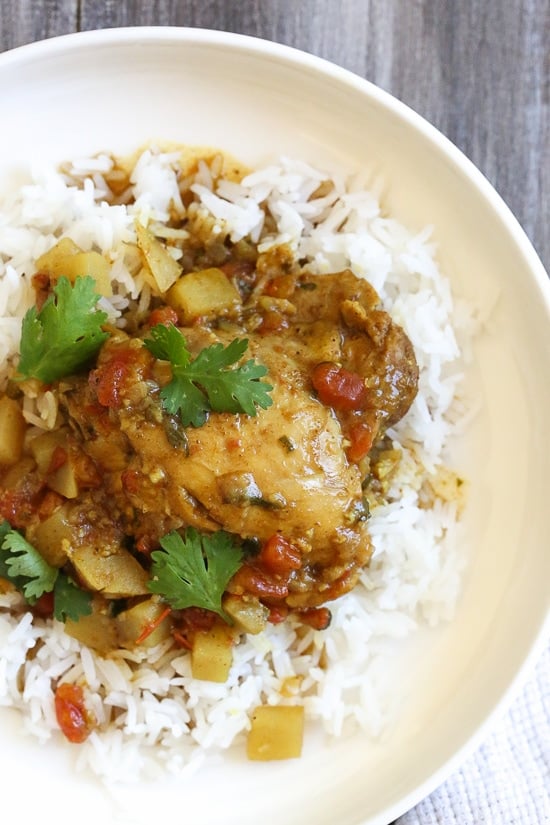
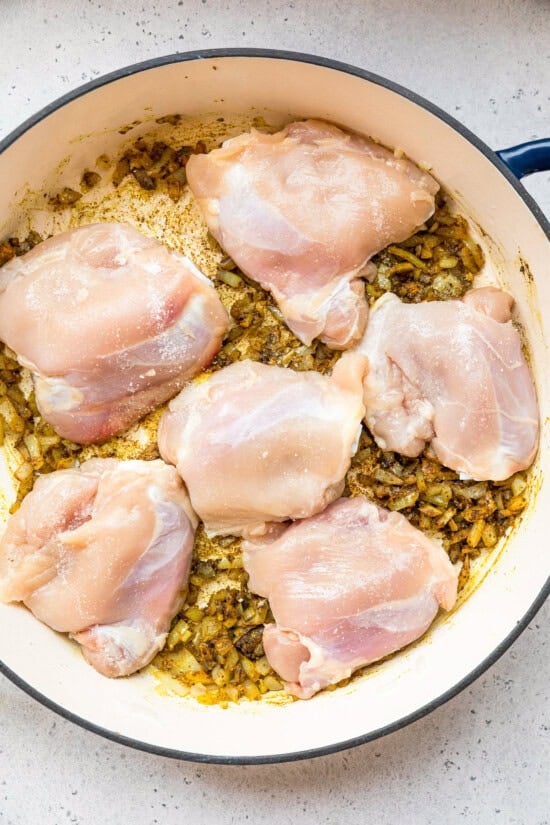
When utilizing bone-in chicken thighs, the cooking duration must account for the connective tissue and bone density, which contribute significantly to the depth of the sauce. The inclusion of potatoes serves a functional purpose; as they simmer in the coconut milk and tomato-based broth, they release starch, which acts as a natural thickening agent. This eliminates the need for flour-based roux, aligning the dish with the nutritional requirements of those following gluten-free or low-processed-food diets.
Nutritional Profile and Dietary Considerations
Analysis of the nutritional composition of a standard portion—typically defined as one chicken thigh with accompanying sauce and vegetables—reveals a lean balance of macronutrients. Data indicates that a properly prepared portion contains approximately 213 kilocalories, with 24 grams of protein, 12 grams of carbohydrates, and 7 grams of total fat. The low saturated fat content, often averaging 1.5 grams per serving, challenges the historical misconception that coconut-based curries are inherently high in unhealthy fats.

The reliance on high-protein poultry and complex carbohydrates provides a sustained energy release, making it a favored option among health-conscious demographics. Furthermore, the use of fresh tomatoes adds a source of lycopene and vitamin C, while the spices used—particularly turmeric—are subjects of ongoing research regarding their anti-inflammatory properties.
Chronology of Culinary Integration
The rise of the chicken curry in Western home cooking can be traced through several distinct phases:

- The Globalization Phase (1990s–2000s): Increased travel and the proliferation of international grocery stores introduced Western home cooks to staples like garam masala and canned coconut milk.
- The Digital Recipe Era (2008–2015): Early food blogs and online recipe repositories, such as the platform popularized by Gina Homolka, began demystifying the curry-making process. By simplifying ingredient lists and standardizing cooking times, these digital resources shifted the perception of curry from a "complex restaurant-only meal" to a "weeknight standard."
- The Optimization Phase (2016–Present): With the advent of multi-cookers and pressure cookers, the preparation time for chicken curry has been reduced by nearly 40 percent. The transition from a 60-minute stovetop simmer to a 40-minute pressure-cooker cycle has solidified its position as a primary solution for time-constrained families.
Industry and Expert Perspectives
Food scientists and chefs argue that the enduring popularity of this dish lies in its "forgiving" nature. Unlike delicate sauces that may break under improper heat, a coconut-milk-based curry is stable and improves in flavor as the spices permeate the protein and starch over time.
"The fundamental success of this recipe lies in the emulsion of the coconut milk with the acidic components of the tomatoes," says a culinary consultant specializing in fusion cuisine. "When you balance the acidity of the tomatoes with the fat content of the coconut, you achieve a mouthfeel that is typically only found in restaurant-grade dishes. For the home cook, this provides a high return on investment in terms of flavor for relatively minimal labor."
Broader Economic and Lifestyle Implications
The surge in demand for curry-related ingredients has had a measurable impact on retail food sectors. Sales of coconut milk and specific spice blends have shown consistent growth, leading major retailers to expand their "international" aisles to accommodate these items as pantry staples rather than niche goods.
From a lifestyle perspective, the shift toward one-pot meals reflects a broader economic trend. Consumers are increasingly seeking to maximize their budget by utilizing bone-in, skin-on chicken thighs—often more cost-effective than boneless, skinless breasts—while simultaneously minimizing cleanup time. The ability to batch-cook and store these curries for up to three or four days, with the flavor profile actually deepening during refrigeration, makes it an ideal candidate for meal-prepping strategies.
Scalability and Adaptability
One of the most significant advantages of this recipe is its adaptability to varying dietary restrictions and regional ingredient availability. The recipe is inherently flexible; the chicken can be substituted with chickpeas or lentils for a vegetarian variant, and the heat levels can be adjusted by altering the ratio of chili powder or fresh chilies to the base sauce.
In terms of modern food trends, the dish also highlights the movement toward "flexitarianism," where the primary focus is on whole foods rather than strictly restrictive dieting. By providing a framework that allows for the addition of various vegetables—such as spinach, peas, or bell peppers—the chicken curry functions as a delivery vehicle for micronutrients.
Future Outlook for Home-Style Curries
As culinary education continues to move toward digital platforms, the reliance on traditional "recipe cards" is being replaced by interactive, video-based learning that emphasizes technique over strict adherence to measurements. The future of the chicken curry in the American kitchen will likely involve further integration with smart-kitchen technology, where sensors monitor the viscosity of the sauce to ensure the perfect consistency of the coconut reduction.
Furthermore, as the industry continues to emphasize sustainable protein sources and plant-based fats, the chicken curry with coconut milk is well-positioned to remain a dominant force in the domestic culinary landscape. Its capacity to bridge the gap between cultural heritage and modern convenience ensures its status as a permanent fixture in the rotation of contemporary home cooking. Whether served over basmati rice, quinoa, or cauliflower rice, the dish stands as a testament to the power of balancing tradition with the practical needs of the modern consumer.
By prioritizing efficiency without sacrificing depth, the home-cooked chicken curry serves as a blueprint for the future of healthy, accessible, and globally-conscious dining. As the barriers between international cuisines continue to dissolve, the standard for a "simple weeknight dinner" will continue to be redefined by these highly adaptable, flavor-forward dishes.
