
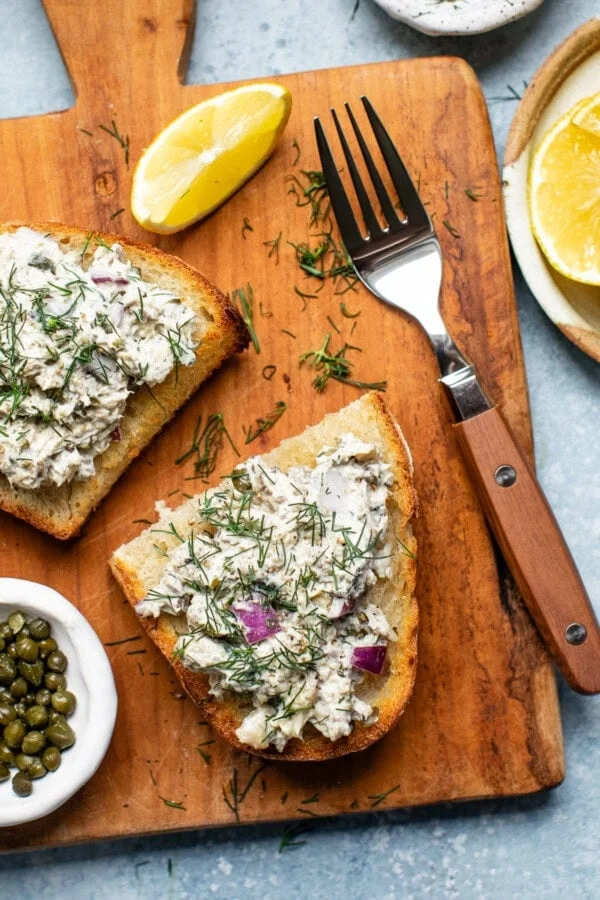
The growing consumer interest in nutrient-dense, shelf-stable proteins has led to a resurgence of interest in small, oily fish, with the sardine emerging as a primary focus for health-conscious meal planning. The Sardine Salad, a preparation that mirrors traditional tuna salad techniques but offers a superior nutritional profile, is currently being adopted by nutritionists and home chefs alike as an efficient, no-cook solution for daily nourishment. This preparation, characterized by a bright, briny flavor profile achieved through the integration of lemon, capers, and fresh dill, serves as a practical application for incorporating omega-3 fatty acids into a standard diet.
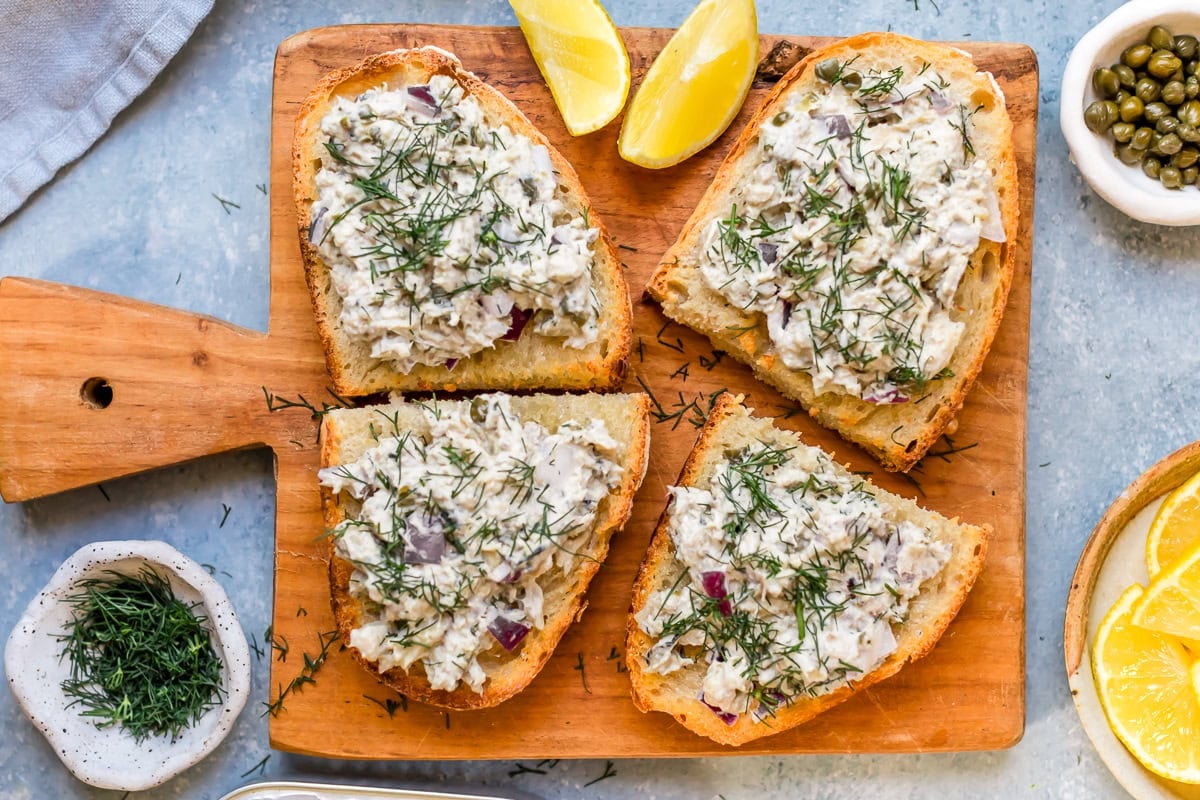
The Nutritional Significance of Small Oily Fish
The global shift toward sustainable and nutrient-dense eating has cast a spotlight on sardines, which sit low on the marine food chain and thus accumulate fewer environmental toxins than larger predatory fish. According to clinical data, a single serving of sardines provides a substantial portion of the recommended daily intake of omega-3 fatty acids (EPA and DHA), which are essential for cardiovascular health and cognitive function. Furthermore, sardines serve as a concentrated source of vitamin B12, essential for nerve function and DNA synthesis, and vitamin D, a nutrient often lacking in the modern diet due to decreased sun exposure.
From a physiological perspective, the protein density of sardines is significant. With approximately 20 grams of protein per serving and minimal carbohydrate content, the salad formulation aligns with the requirements of various dietary protocols, including low-glycemic, Mediterranean, and high-protein weight management programs. The combination of these proteins with the antioxidant properties of fresh herbs like dill creates a synergy that maximizes the bio-availability of the nutrients present in the fish.
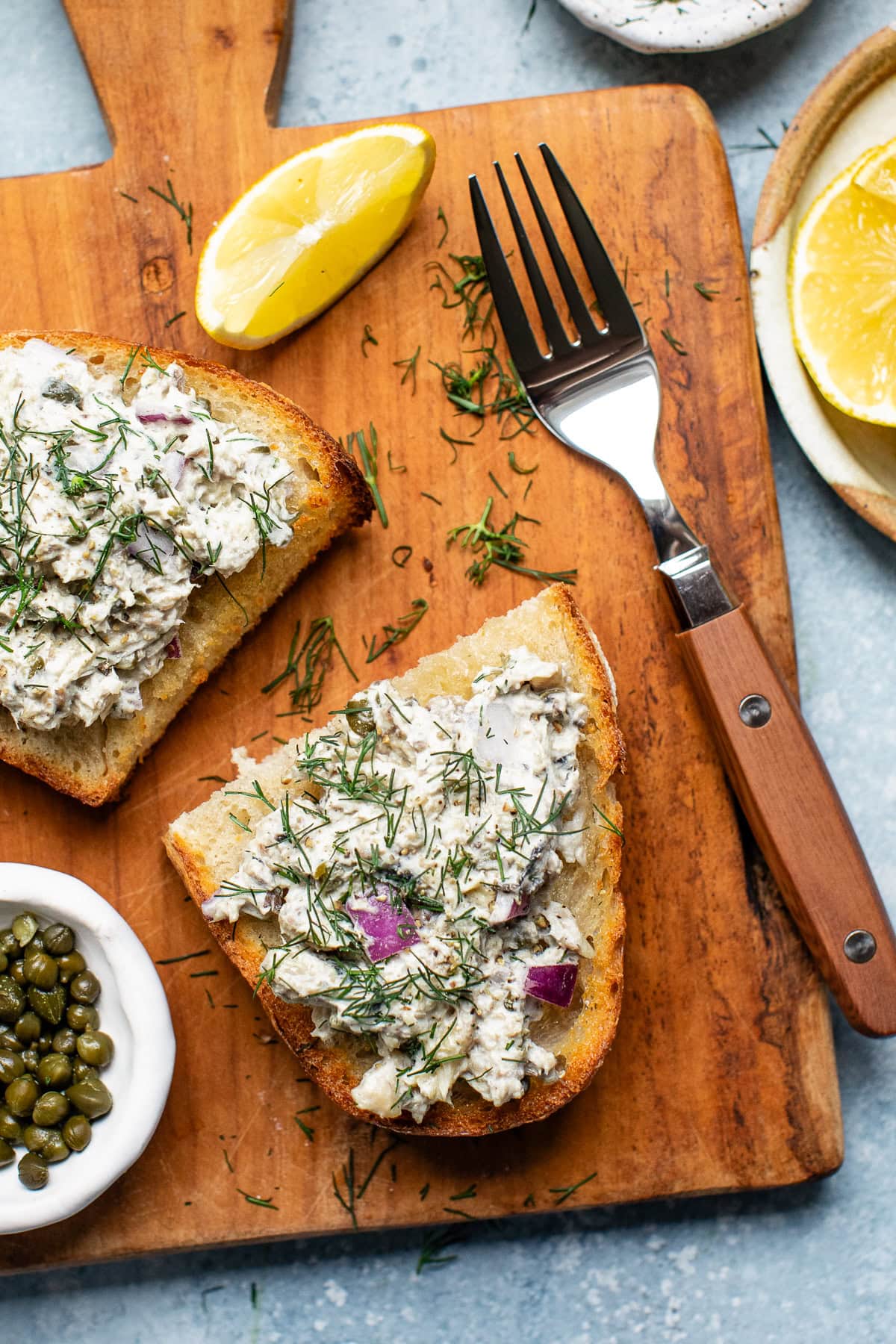
Evolution of the Sardine in Culinary Context
Historically, sardines were a staple of coastal European diets, particularly in Portugal and the Mediterranean region, where they were consumed fresh, grilled, or preserved in high-quality olive oil. In the contemporary North American market, however, canned sardines have frequently been relegated to a secondary status, often misunderstood due to their skin-on, bone-in presentation.
Recent culinary trends indicate a reversal of this perception. As supply chain volatility has occasionally impacted the availability and pricing of tuna, consumers have begun exploring alternative canned fish options. The rise of "tinned fish" culture—a movement celebrating the artisanal quality of canned seafood—has elevated the profile of the sardine from a budget necessity to a gourmet ingredient. This shift has necessitated a change in preparation methods, leading to the refinement of the "sardine salad" as a palatable entry point for those unaccustomed to the texture of the whole fish. By utilizing boneless, skinless varieties or manually deboning traditional fillets, the barrier to entry has been lowered, allowing the ingredient to be incorporated into salads, sandwiches, and grain bowls with greater ease.

Methodology and Best Practices for Preparation
The preparation of a high-quality sardine salad relies on the balance of acidity and fat. The traditional inclusion of mayonnaise serves as a binder, but contemporary iterations often substitute or augment this with Greek yogurt or heart-healthy oils to enhance the nutritional profile.
The process typically follows a three-step chronology:

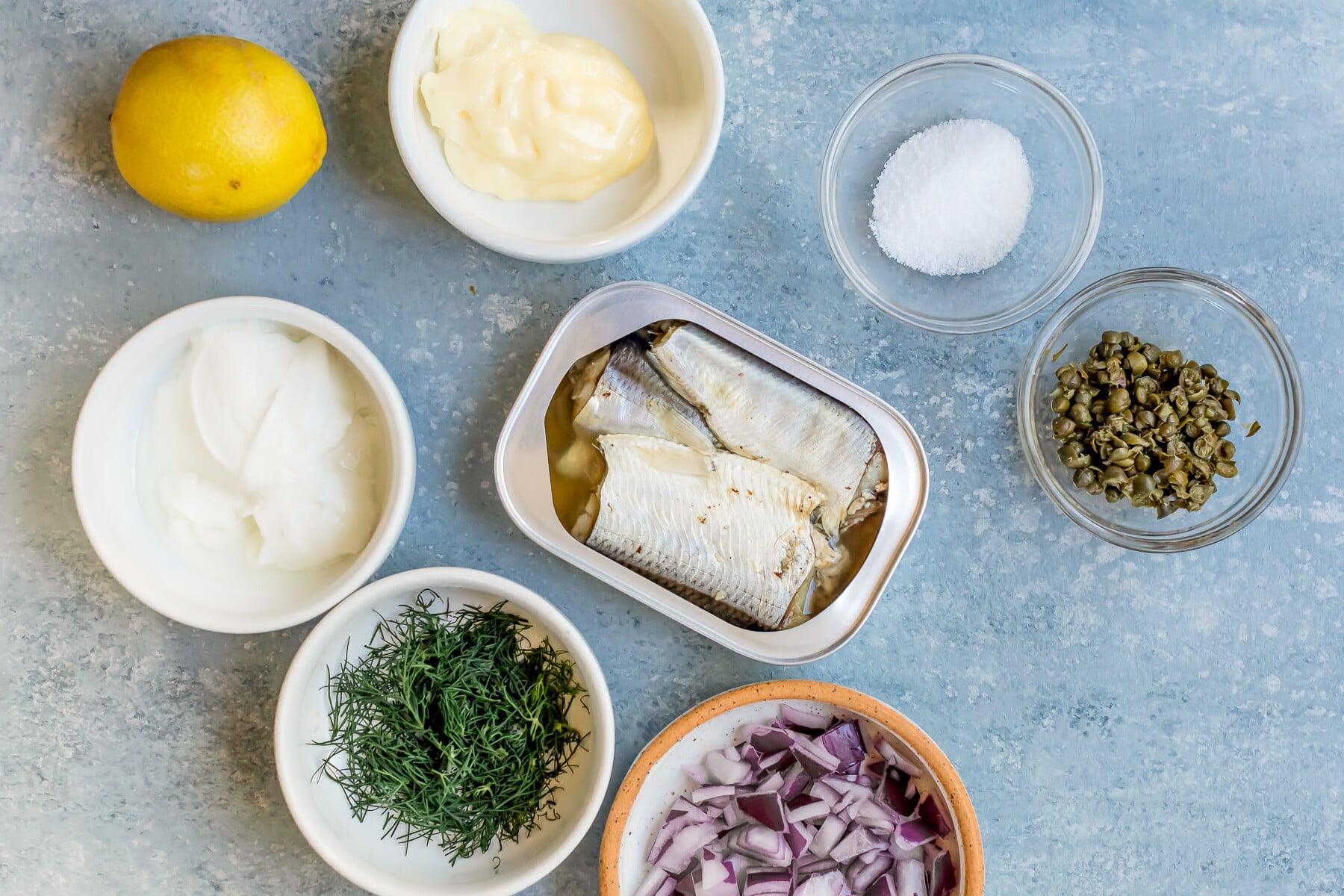
- Preparation of the Base: The sardines must be drained of their packing medium—whether water, oil, or brine. If the sardines were packed in oil, draining is essential to prevent an overpowering texture. If packed in water or unsalted, the sodium profile remains low, making it an ideal choice for hypertensive individuals.
- Flavor Integration: The inclusion of capers provides a burst of salinity that complements the natural, earthy profile of the fish. Finely diced red onion or shallots offer a necessary textural contrast, while the addition of fresh dill introduces a herbaceous top note that cuts through the richness of the fish.
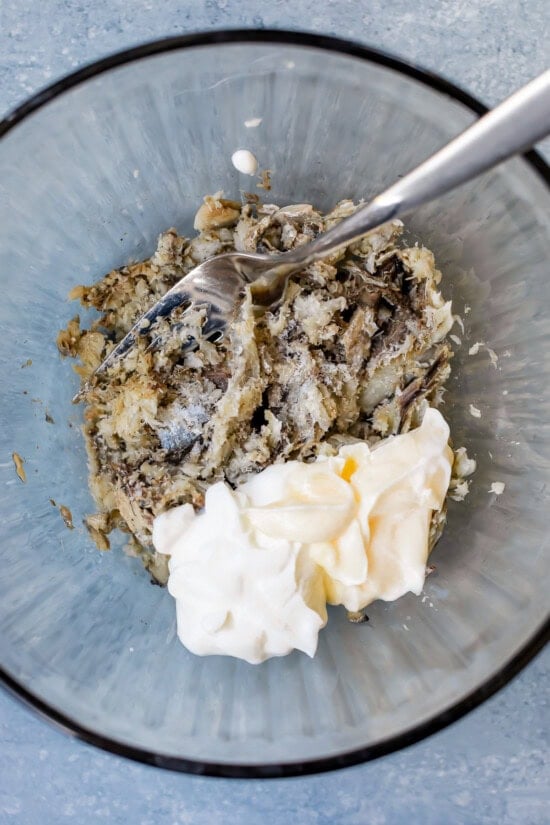
- Binding and Emulsification: Using a fork to flake the sardines while folding in the binder ensures a consistent texture. The final addition of fresh lemon juice is critical; the citric acid acts as a flavor brightener, neutralizing the "fishy" notes that some consumers find objectionable, thereby highlighting the delicate, savory essence of the sardine.
Comparative Analysis: Tuna vs. Sardine
When evaluating the impact of replacing tuna with sardines in a standard diet, several factors emerge. Tuna, particularly albacore, is often flagged for higher mercury content, leading many health organizations to recommend limiting intake to once or twice a week. Conversely, sardines are considered a "low-mercury" fish, allowing for more frequent consumption.
From an economic and environmental standpoint, sardines are highly sustainable. Their short lifespan and rapid reproduction rate mean that wild-caught sardine populations are less susceptible to the overfishing pressures that have devastated larger species. For the consumer, this translates to a product that is both ethically sound and economically accessible, providing a high-quality protein source at a price point that remains relatively stable even during periods of inflation.
Practical Applications and Storage
The versatility of the prepared salad extends beyond simple consumption on toast or crackers. It functions effectively as a "grab-and-go" component for office lunches, maintaining structural integrity for up to four days when stored in an airtight container at or below 40°F (4°C). The cold-chain stability of the ingredients makes it an ideal candidate for professional meal-prepping, as the flavors often meld and improve after 24 hours of refrigeration.
Industry experts note that the "no-cook" nature of this meal aligns with the current consumer demand for convenience. As work-life balance continues to fluctuate, the reliance on high-protein, zero-preparation meals is expected to grow. The integration of such recipes into the household repertoire serves as a hedge against the reliance on ultra-processed, high-sodium convenience foods.
Implications for Public Health
The promotion of such recipes has broader implications for public health. By normalizing the consumption of nutrient-dense, sustainable seafood, individuals can more easily meet the American Heart Association’s recommendation to consume fatty fish at least twice weekly. The shift toward sardine-based salads represents a micro-trend within a larger movement toward "functional food"—the idea that every meal should contribute significantly to the body’s metabolic requirements.
In conclusion, the adoption of a refined sardine salad recipe is more than a culinary preference; it is a strategic approach to optimizing protein intake while minimizing environmental impact and mercury exposure. As consumer education regarding the benefits of small, oily fish continues to expand, it is likely that the sardine will solidify its place in the modern pantry as a staple of both nutrition and convenience.
