
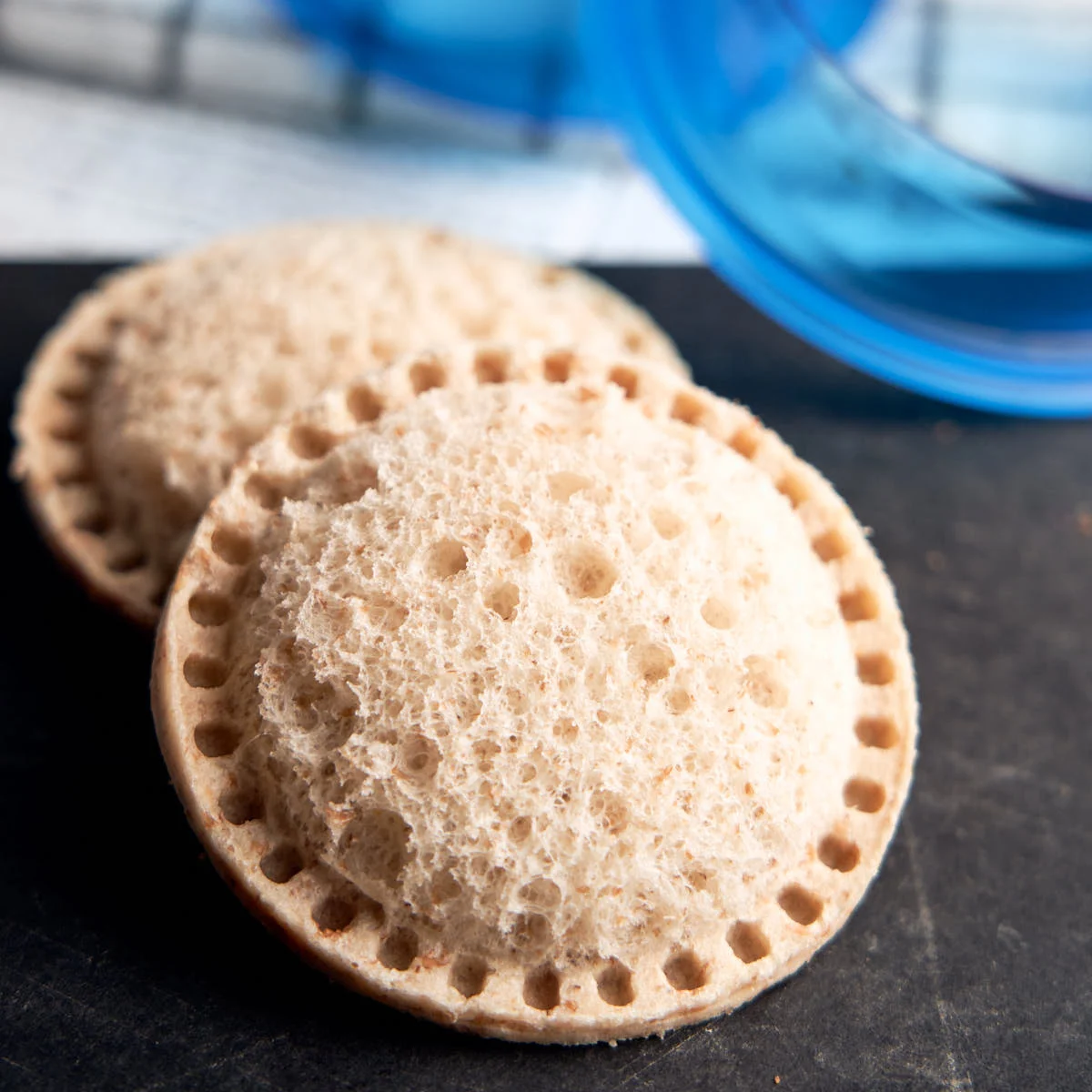
The popular pre-packaged peanut butter and honey uncrustables, a staple for many school lunches and quick snacks, are now being recreated at home with a growing emphasis on healthier ingredients and significant cost savings. This trend, championed by home cooks and food bloggers, highlights the benefits of preparing these beloved sandwiches from scratch, offering a customizable and more nutritious alternative to their commercially produced counterparts. The movement underscores a broader consumer shift towards understanding food labels and seeking greater control over the ingredients entering their households.
The Rise of the Homemade Uncrustable
The appeal of the uncrustable lies in its simplicity: two slices of bread, a filling, and a crimped edge that seals the contents, making it mess-free and convenient. However, a closer examination of store-bought versions often reveals ingredients like added sugars in the peanut butter and "honey spreads" where sugar is a primary component. This has prompted many consumers, particularly parents, to explore homemade alternatives.
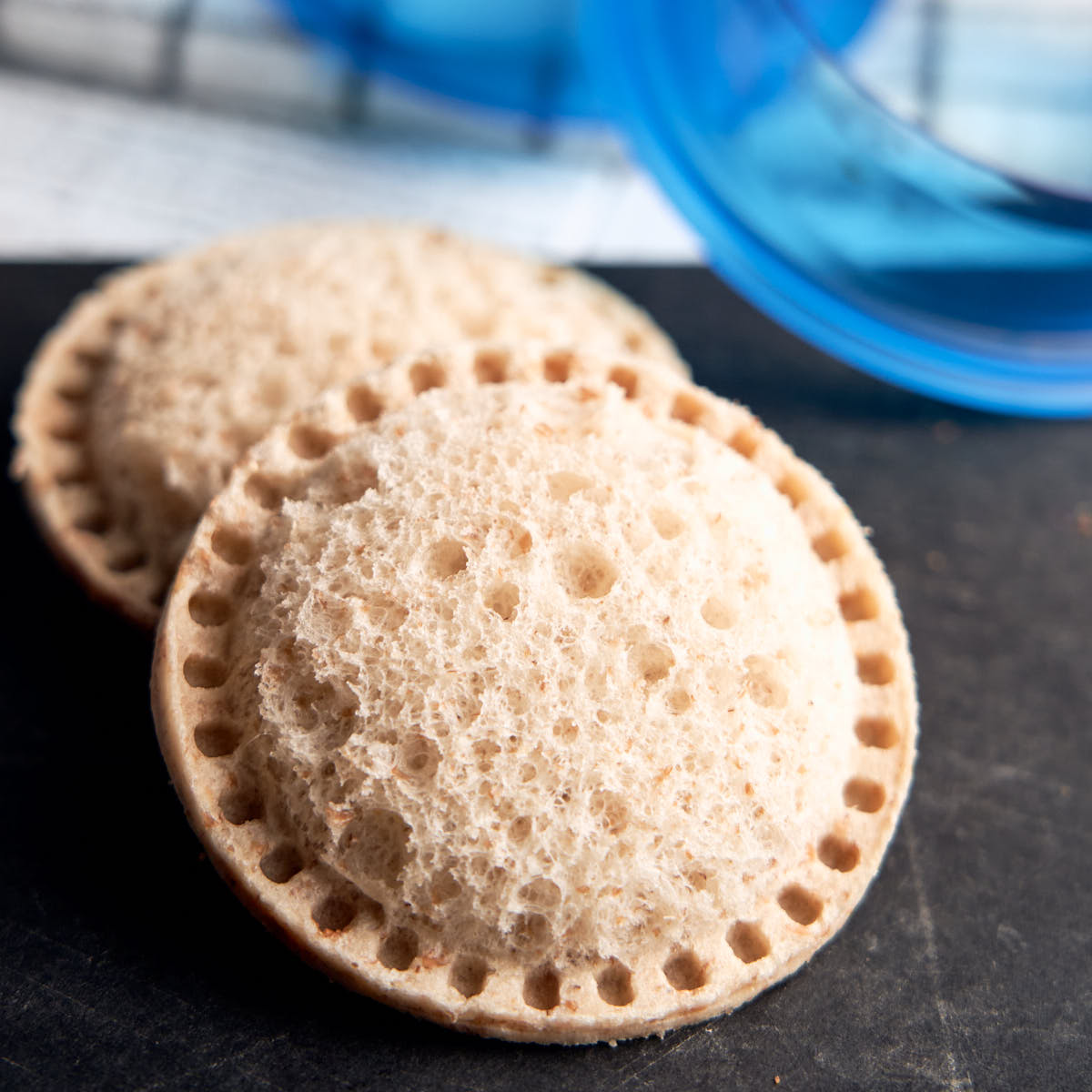
The primary drivers behind the growing popularity of homemade uncrustables are threefold: health consciousness, economic prudence, and environmental sustainability. By preparing these sandwiches at home, individuals can meticulously select their ingredients. This allows for the use of peanut butter with no added sugars and natural honey, eschewing the processed sweeteners found in many commercial products. For example, a typical store-bought "honey spread" might list sugar as its first ingredient, followed by corn syrup, and then honey. In contrast, a homemade version can utilize 100% natural peanut butter, which may contain only peanuts and salt, and pure honey, offering a significantly cleaner nutritional profile.
Economically, the cost per sandwich is substantially lower when made at home. While the initial investment in a specialized sandwich cutter and sealer tool might be a consideration, the long-term savings on bread, peanut butter, and honey quickly offset this. The bulk purchase of ingredients for homemade uncrustables typically results in a much lower cost per serving compared to individually packaged pre-made sandwiches.
Furthermore, the environmental impact is a significant factor for many. The extensive plastic packaging of store-bought uncrustables contributes to landfill waste. Opting for homemade versions eliminates this single-use plastic, aligning with a growing global movement towards reducing plastic consumption and promoting sustainable food practices. This approach not only benefits the consumer’s health and wallet but also contributes to a healthier planet.
The Uncrustable Maker: A Culinary Tool of Convenience
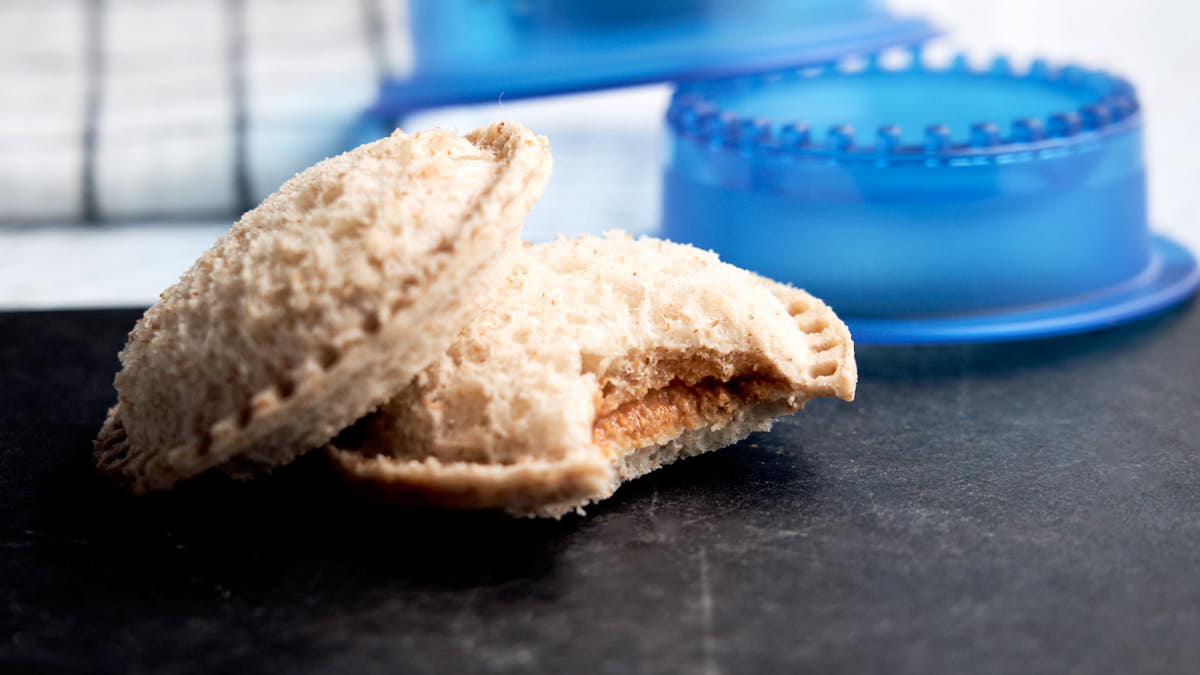
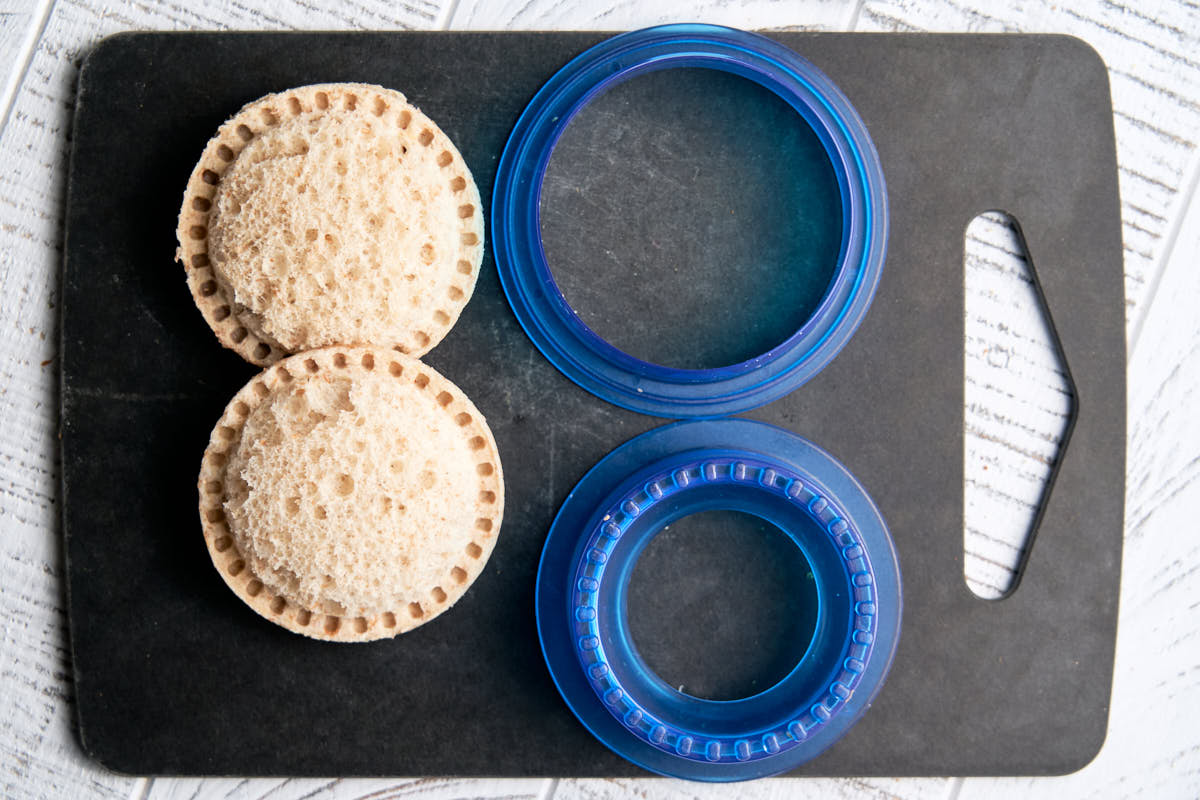
A key tool facilitating the homemade uncrustable trend is the specialized sandwich cutter and sealer, often referred to as an "uncrustable maker." These devices typically consist of a cutting ring and a sealing mechanism that, when pressed onto a sandwich, simultaneously cuts off the crusts and crimps the edges of the bread, effectively sealing the filling inside.
While various models are available, many enthusiasts recommend specific designs that replicate the classic edge shape of commercial uncrustables. The effectiveness of these tools lies in their ability to create a clean, secure seal, preventing leaks and maintaining the sandwich’s integrity, which is particularly important for lunchboxes. Some makers are designed to produce a uniform, crimped edge, while others offer a more decorative, wavy border. The choice often depends on user preference and the desired aesthetic.
The integration of these tools into home kitchens reflects a broader trend of embracing specialized gadgets that simplify food preparation. As seen with the popularity of air fryers, instant pots, and waffle makers, the uncrustable maker offers a niche solution for a specific culinary desire, enhancing convenience and encouraging creativity in the kitchen.
Nutritional Advantages and Ingredient Control
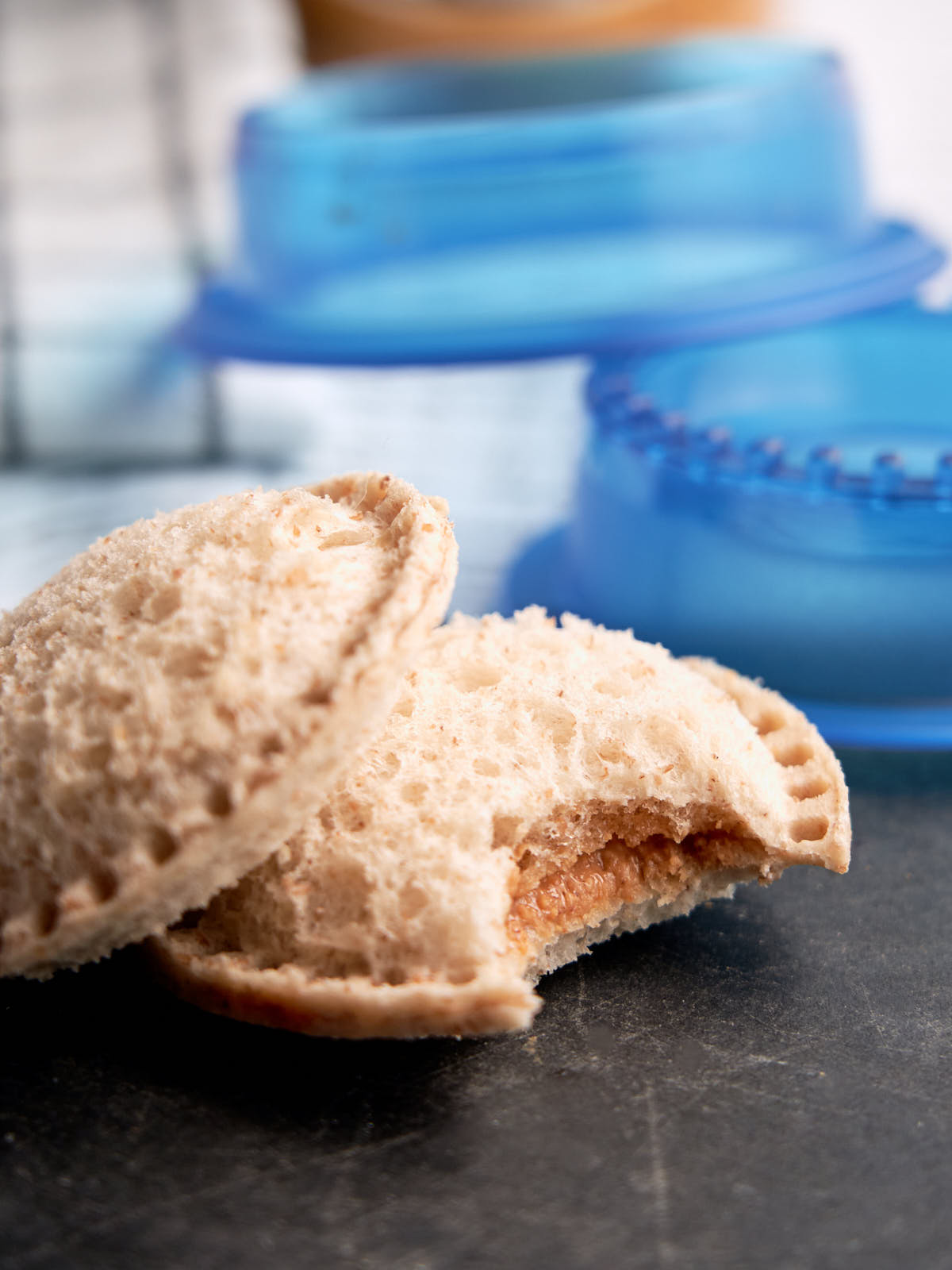
The most significant difference between homemade and store-bought uncrustables lies in ingredient control. Store-bought peanut butter often contains added sugars, hydrogenated oils, and stabilizers to improve texture and shelf life. Similarly, the "honey spread" in commercial versions is frequently a high-fructose corn syrup-based product with minimal actual honey content.
By making uncrustables at home, consumers can opt for natural peanut butter, which typically consists of just peanuts and salt, or even freshly ground peanut butter. This eliminates added sugars and unhealthy fats. For the sweetening agent, pure honey is the preferred choice, providing natural sweetness and potential health benefits without processed sugars.
This meticulous ingredient selection is not only beneficial for general health but also crucial for individuals managing dietary restrictions or specific health conditions. For instance, those monitoring sugar intake, such as individuals with diabetes, can benefit immensely from the ability to control the amount and type of sweetener used. This level of customization is simply not possible with pre-packaged foods.
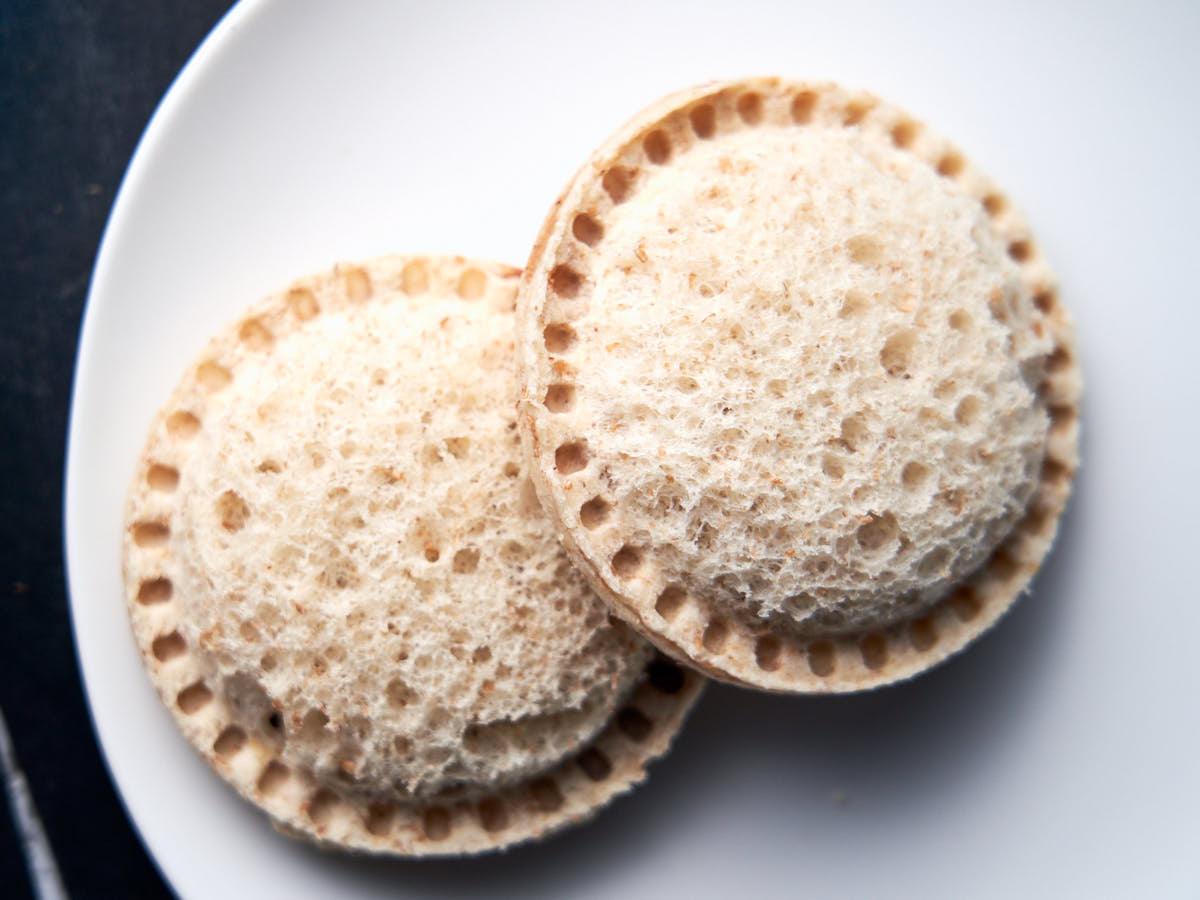
The use of whole-grain bread can further enhance the nutritional value of homemade uncrustables, providing essential fiber, vitamins, and minerals. This contrasts with the often refined white bread used in commercial versions, which offers fewer nutritional benefits.
Addressing Food Waste: Creative Uses for Bread Crusts
A common question arising from the homemade uncrustable process is the fate of the removed bread crusts. Rather than discarding them, creative home cooks have found numerous ways to repurpose this often-overlooked byproduct, further enhancing the sustainability of the practice.
Croutons: A Savory Snack or Side
One of the most popular uses for bread crusts is transforming them into homemade croutons. The crusts can be cut into bite-sized pieces and pan-fried in olive oil or butter until golden brown and crispy. Seasonings such as garlic powder, onion powder, Italian herbs, or even a sprinkle of Parmesan cheese can elevate their flavor. These croutons can be enjoyed as a standalone snack, added to salads for texture, or served alongside soups and stews. For children, the appeal of dipping these savory morsels into hummus or ranch dressing can make them a popular addition to meals.
Breadcrumbs: A Versatile Kitchen Staple
Bread crusts can also be easily converted into breadcrumbs, a fundamental ingredient in many culinary applications. After toasting the crusts slightly in a toaster oven to dry them out, they can be pulsed in a food processor or blender until they reach the desired crumb consistency. For smaller quantities or a coarser texture, crushing them with a fork is also an effective method. These homemade breadcrumbs can then be used for coating chicken or fish, as a binder in meatballs or meatloaf, or as a topping for casseroles, adding a delightful crunch and flavor.
Simple Snacking: Embracing the Crust
In some instances, particularly when preparing just one or two sandwiches, the crusts are simply eaten as is. This is a practical solution that minimizes waste and provides an additional, albeit simple, snack. For parents, this can also be a way to manage portion sizes for younger children, as the removal of the crust effectively reduces the overall bread content of the sandwich. This approach highlights a philosophy of valuing all parts of the food, reinforcing a mindset of mindful consumption.
The Broader Impact and Future Trends
The homemade uncrustable movement is more than just a culinary trend; it reflects a growing awareness of the connection between our food choices and our well-being, finances, and the environment. As consumers become more informed about ingredient sourcing, nutritional content, and the environmental impact of their purchases, the demand for transparent and sustainable food options is likely to continue to rise.
This trend also has implications for the food industry. As more consumers opt for homemade alternatives, manufacturers may face increased pressure to reformulate their products to meet consumer demand for healthier ingredients and reduced packaging. This could lead to innovations in product development and a greater focus on sustainability within the commercial food sector.
Furthermore, the DIY approach to popular convenience foods empowers individuals to take an active role in their nutrition and household economics. It fosters a sense of agency and encourages culinary exploration, making healthy eating more accessible and enjoyable. The sharing of recipes, tips, and tricks on social media platforms and food blogs further amplifies this movement, creating a supportive community of home cooks.
In conclusion, the simple act of making peanut butter and honey uncrustables at home embodies a larger shift towards conscious consumerism. It offers a practical, affordable, and healthier way to enjoy a beloved snack, while simultaneously addressing concerns about ingredient quality and environmental sustainability. As this trend continues to gain momentum, it serves as a compelling example of how small, everyday choices can contribute to significant personal and societal benefits.
