
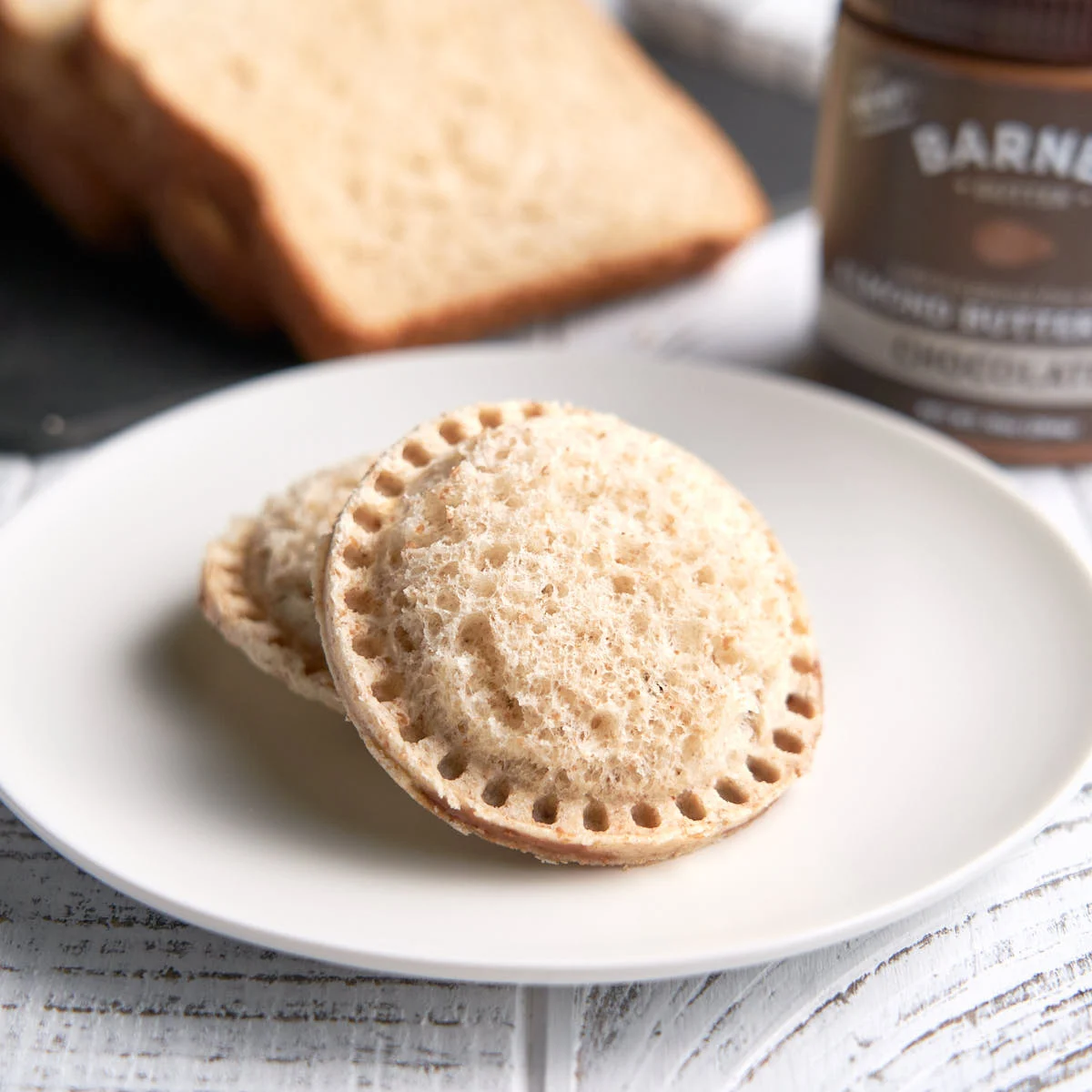
The appeal of pre-packaged convenience foods, like Smucker’s Uncrustables, has long been a staple in lunchboxes and quick snack options. However, a growing trend towards homemade alternatives is not only catering to a desire for healthier ingredients but also a more personalized culinary experience. This movement has seen enthusiasts embrace tools and techniques to recreate beloved treats in their own kitchens, with the homemade chocolate Uncrustable emerging as a particular favorite. This article delves into the creation of these homemade delights, exploring the advantages of crafting them at home, the best ingredients to use, and the simple methods that yield results comparable to, and often surpassing, their commercially produced counterparts.
The Rise of the Homemade Uncrustable
The concept of the "uncrustable" sandwich, characterized by its sealed edges and crustless center, gained significant traction with the introduction of Smucker’s pre-packaged versions. These sandwiches, typically filled with peanut butter and jelly, became synonymous with childhood lunches and quick, mess-free snacks. The innovation lay in the clever sealing mechanism that contained the filling, preventing spills and making them easily portable.

In recent years, the DIY food movement has empowered home cooks to replicate and even improve upon these commercially popular items. The "uncrustable maker" or sandwich sealer and cutter has become a popular kitchen gadget, allowing individuals to create their own versions of these sealed sandwiches. This trend is driven by several factors: a desire for greater control over ingredients, a need to avoid allergens or specific dietary restrictions, and the simple joy of creating something delicious from scratch. The homemade chocolate Uncrustable represents a significant iteration of this trend, offering a sweet, comforting, and often healthier alternative to the classic peanut butter and jelly variety.
Choosing the Right Chocolate Spread: A Critical Decision
The foundation of a superior homemade chocolate Uncrustable lies in the quality of the chocolate spread used. While the iconic store-bought version often features a chocolate hazelnut spread, culinary bloggers and home chefs have discovered alternatives that offer enhanced flavor profiles and improved nutritional value.
One highly recommended option gaining significant traction is Barney Butter’s Almond Butter with Chocolate. This spread is praised for its smooth texture and balanced sweetness, which many find more appealing than traditional chocolate hazelnut spreads. A key advantage highlighted by proponents is its significantly lower added sugar content. For instance, compared to the approximately 21 grams of added sugar per serving found in many chocolate hazelnut spreads, Barney Butter’s offering typically contains around 2 grams of added sugar. This makes it a more health-conscious choice, particularly for breakfast or as a snack for children, aligning with the growing demand for reduced sugar consumption.

The nutritional profile of almond butter itself also contributes to its appeal. Almonds are a good source of healthy fats, protein, fiber, vitamin E, and magnesium. Incorporating this into a chocolate spread creates a more nutrient-dense option. The smooth consistency of Barney Butter also makes it exceptionally easy to spread, a crucial factor when assembling sandwiches that need to be precisely sealed. This ease of use, combined with its superior taste and health benefits, positions it as a prime candidate for crafting the ultimate homemade chocolate Uncrustable.
The Uncrustable Maker: A Gateway to Homemade Perfection
The effectiveness of a homemade Uncrustable is significantly enhanced by the use of a specialized sandwich cutter and sealer. These tools are designed to mimic the process of commercial production, creating a neatly sealed edge while simultaneously removing the crusts.
A widely recommended tool for this purpose is a sandwich sealer that specifically replicates the classic Smucker’s Uncrustables edge shape. This ensures that the homemade version has the familiar aesthetic that many consumers associate with the product. Some alternative sandwich sealers may produce a wavy edge, which, while functional, might not satisfy the desire for an authentic replication. The ideal tool typically involves a two-step process: first, a circular cutter removes the crust, and second, a press mechanism seals the edges of the remaining sandwich. This simple yet effective design guarantees that the filling remains securely contained, eliminating the mess often associated with traditional sandwiches.
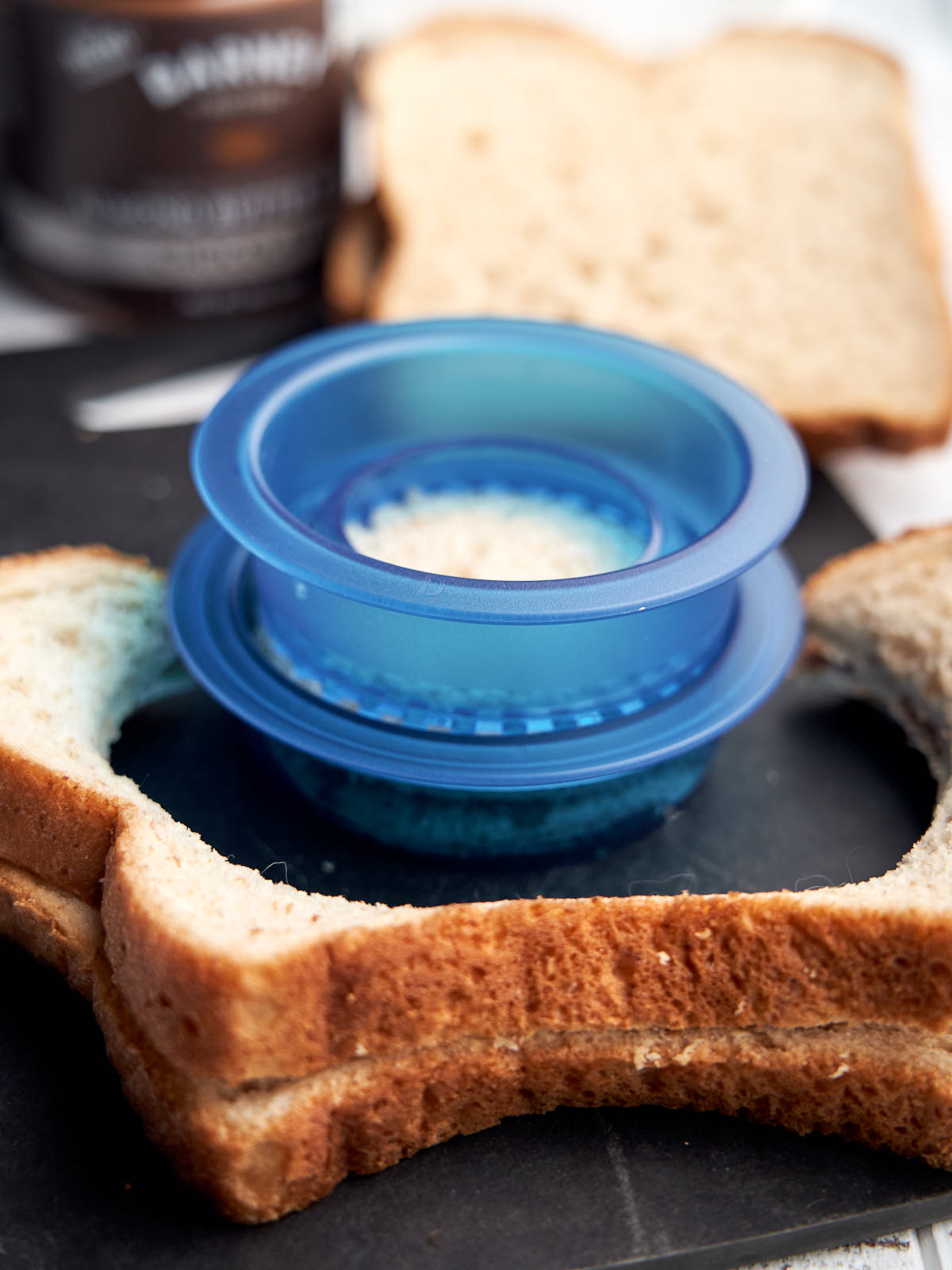
The popularity of these makers is evident in their availability on online retail platforms, with numerous brands offering variations. Users often share reviews and recommendations, highlighting the models that perform best in terms of durability, ease of use, and the quality of the seal they produce. Investing in a reliable Uncrustable maker is often considered a worthwhile endeavor for families who frequently prepare these types of snacks.
Mastering the Art of the Homemade Uncrustable: Tips for Success
While the process of making a homemade Uncrustable is straightforward, a few key tips can elevate the final product from good to exceptional.
Selecting the Ideal Bread
The choice of bread plays a pivotal role in the success of a homemade Uncrustable. Soft, pliable breads are essential because they are less likely to split or crack when subjected to the pressure of the sandwich cutter and sealer. Brands like Wonder Bread or Nature’s Own Honey Wheat are frequently cited as excellent choices due to their tender texture.
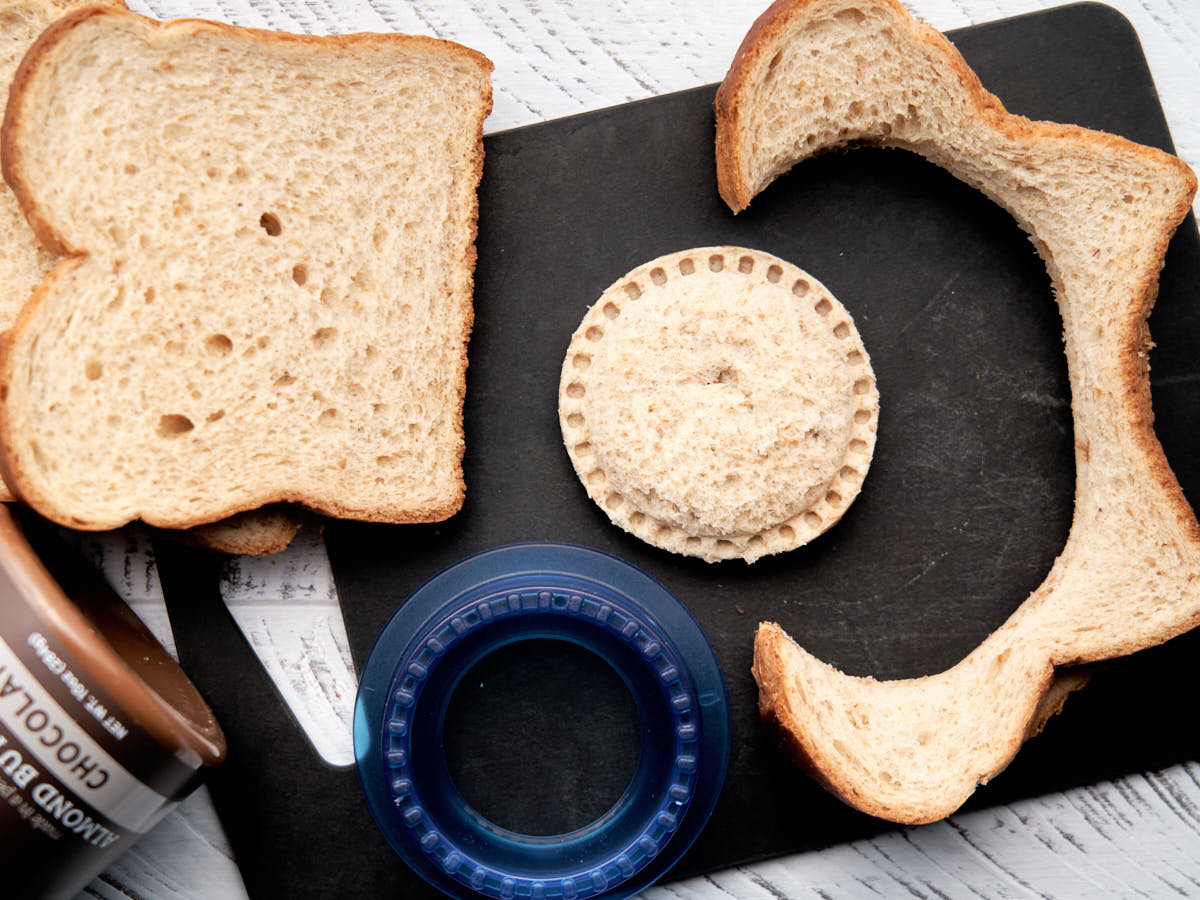
Conversely, whole wheat breads, while a healthier option for daily consumption, may not hold up as well in this specific application. Their denser texture can sometimes lead to the sandwich cracking open during the sealing process. The goal is a bread that can be compressed and sealed without compromising its structural integrity, ensuring the filling remains safely enclosed.
Moderation in Filling
A common pitfall when making homemade Uncrustables is overfilling the sandwich. It might seem intuitive to add generous amounts of spread, but this can lead to the filling oozing out during the sealing process. The image of a slightly messy, spread-stained edge serves as a visual reminder of this potential issue.
Strategic Filling Placement
To prevent the filling from escaping, it is crucial to keep it centered on the bread. Spreading the chocolate or almond butter right to the edges is unnecessary and counterproductive. By confining the filling to the middle of the sandwich, there is less chance of it being squeezed out when the cutter and sealer are applied. This concentrated placement ensures that the sealing mechanism can effectively create a barrier without encountering the sticky spread.
The Nutritional Landscape of Homemade Uncrustables
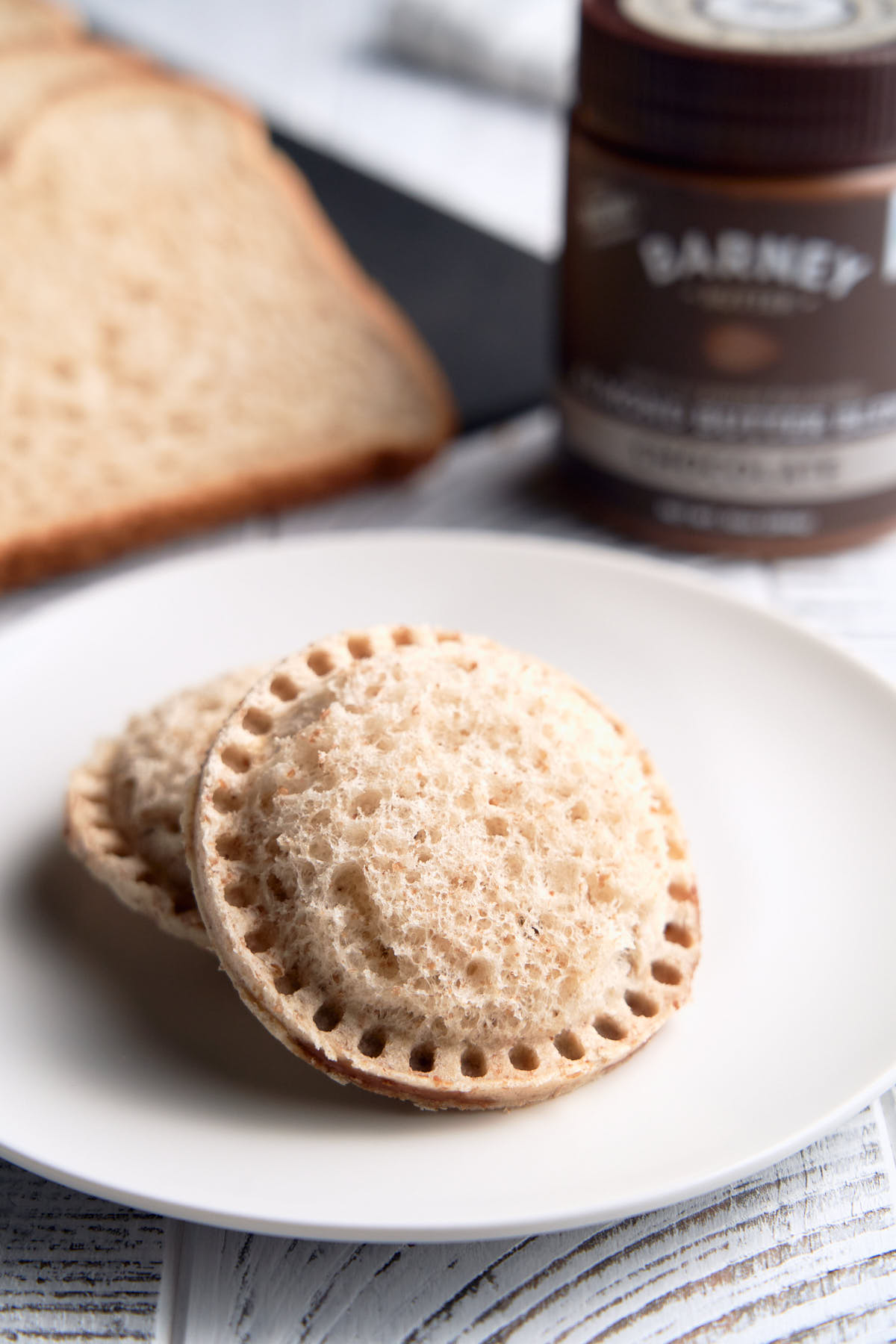
The shift towards homemade versions of popular snacks is intrinsically linked to evolving nutritional awareness. Consumers are increasingly scrutinizing ingredient lists, seeking options that offer a better balance of macronutrients and fewer additives.
The comparison between commercial chocolate hazelnut spreads and alternatives like Barney Butter’s Almond Butter with Chocolate highlights this shift. The significant reduction in added sugar is a primary driver, appealing to parents concerned about their children’s sugar intake and adults aiming for a healthier lifestyle. Furthermore, the inclusion of almond butter provides beneficial nutrients that are often absent in highly processed spreads.
While the bread itself can contribute to the overall nutritional profile, the choice of spread allows for a substantial positive impact. For those seeking to further enhance the healthfulness of their homemade Uncrustables, options like whole grain breads (provided they are sufficiently soft) and spreads with added protein or fiber could be explored.
The Broader Implications of DIY Food Trends
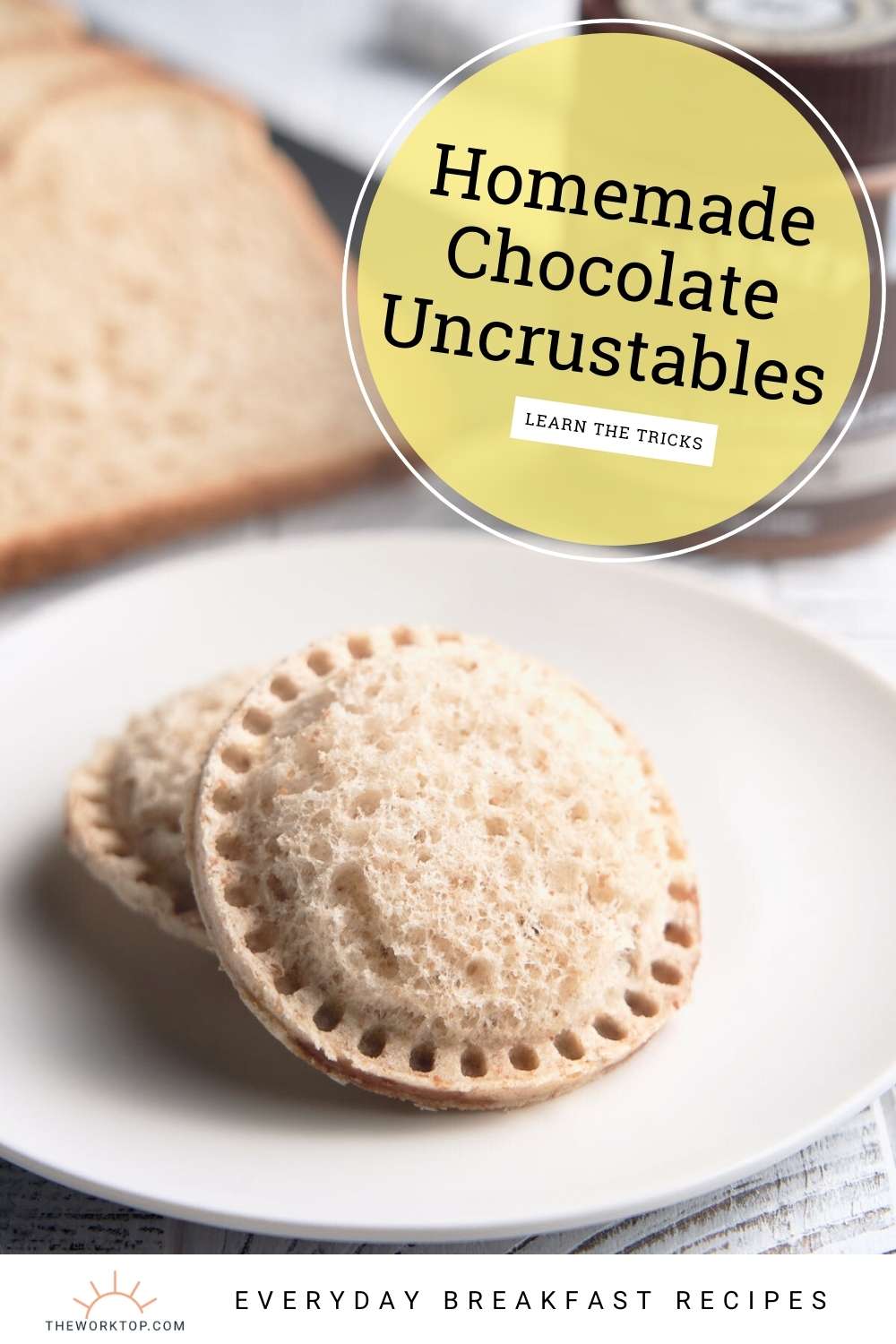
The popularity of making homemade Uncrustables reflects a larger trend in consumer behavior: the desire for authenticity, customization, and a connection to the food we consume. In an era where processed foods are ubiquitous, the act of preparing food from scratch offers a sense of empowerment and control.
This trend has several implications:
- Health and Wellness: Consumers are actively seeking ways to improve their diets, leading to increased demand for healthier ingredient alternatives and a greater willingness to prepare food at home.
- Allergen Management: For individuals with food allergies or sensitivities, homemade options are essential for ensuring safety and avoiding cross-contamination.
- Economic Considerations: While the initial investment in tools like sandwich makers might be required, preparing snacks at home can often be more cost-effective in the long run compared to purchasing pre-packaged items.
- Culinary Education: The DIY food movement encourages experimentation and learning in the kitchen, fostering culinary skills and an appreciation for the food preparation process.
Conclusion: A Deliciously Rewarding Endeavor
The homemade chocolate Uncrustable, crafted with attention to ingredient quality and simple techniques, offers a compelling alternative to its store-bought predecessor. By selecting superior spreads like Barney Butter’s Almond Butter with Chocolate and utilizing an effective sandwich sealer, home cooks can create a treat that is not only delicious but also more aligned with health-conscious eating. This culinary endeavor embodies the growing movement towards mindful consumption and the enduring appeal of creating wholesome, personalized snacks in the comfort of one’s own kitchen. It’s a testament to the fact that with a little effort and the right ingredients, familiar favorites can be transformed into healthier, more satisfying experiences.
