
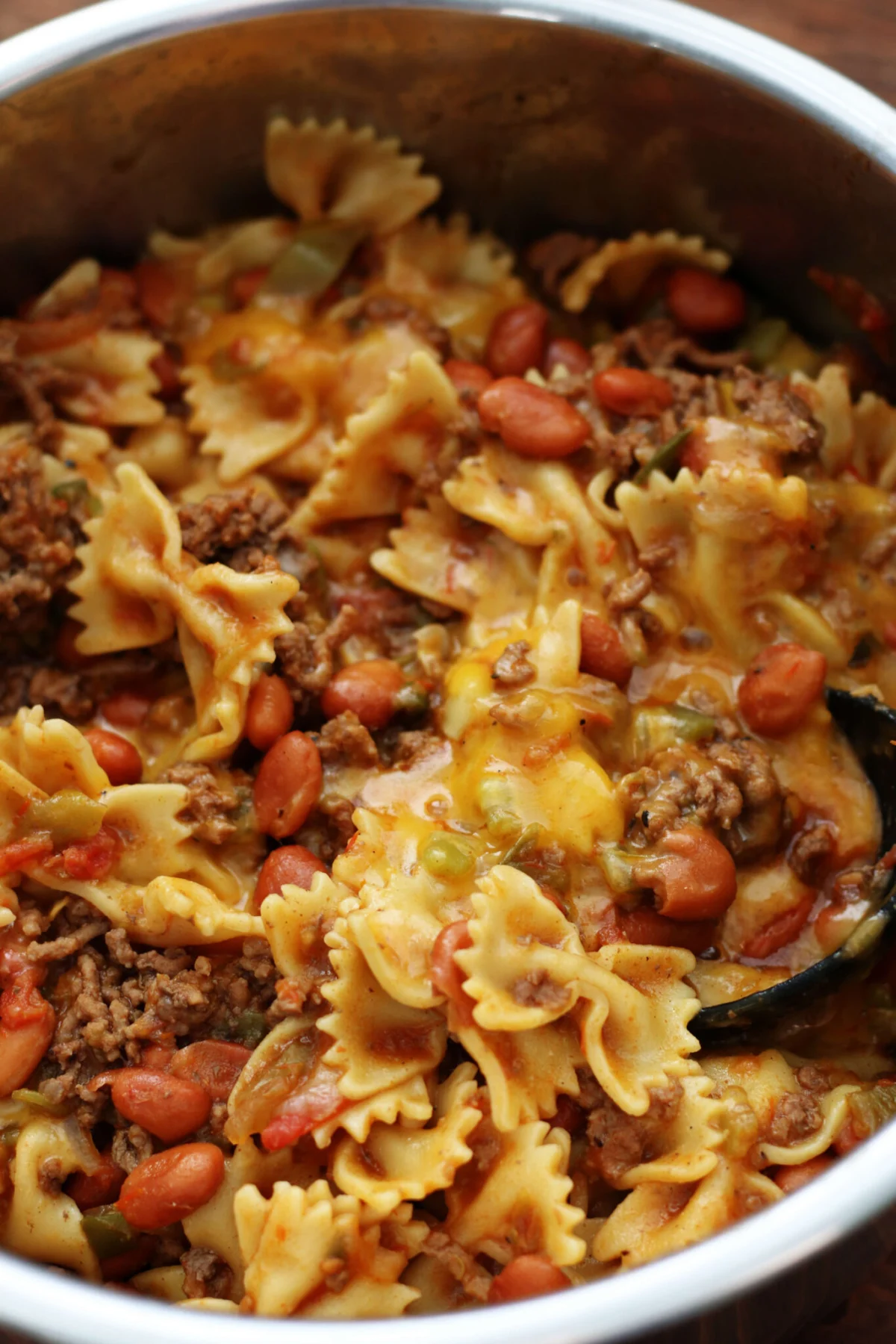
This culinary preparation represents a modern iteration of the classic American comfort food tradition, blending the efficiency of pressure cooking technology with a flavor profile rooted in mid-century Midwestern staples. The Golden Corn Ranch Beef Casserole serves as a quintessential example of the "one-pot meal" movement, a trend that has gained significant momentum in the domestic sphere over the past decade. By utilizing a multi-cooker—specifically the Instant Pot—this recipe integrates several distinct food groups, including protein, carbohydrates, and vegetables, into a streamlined preparation process that minimizes cleanup and reduces active cooking time.
The Evolution of the American Casserole
The concept of the casserole has long been a pillar of the American dinner table, particularly during the post-World War II era. Historically, casseroles were designed to be economical, often utilizing canned soups as binders and stretching expensive proteins with pasta or rice. The Golden Corn Ranch Beef Casserole evolves this concept by replacing traditional cream-of-mushroom binders with a combination of beef broth, cream cheese, and ranch dressing mix.
Ranch dressing, a flavor profile developed in the early 1950s by Steve Henson at Hidden Valley Ranch in California, has transitioned from a simple salad dressing to a ubiquitous seasoning agent. In this specific dish, the inclusion of ranch seasoning provides a complex aromatic profile consisting of buttermilk solids, dried herbs such as dill and chives, and garlic and onion powders. When combined with the heat of pepper jack cheese and the sweetness of golden corn, the result is a balanced flavor palette that appeals to a broad demographic of consumers.
Technical Specifications and Procedural Chronology
The preparation of the Golden Corn Ranch Beef Casserole follows a strict technical sequence designed to maximize the Maillard reaction—the chemical reaction between amino acids and reducing sugars that gives browned food its distinctive flavor—while ensuring the structural integrity of the pasta.
Phase I: The Sauté and Aromatics
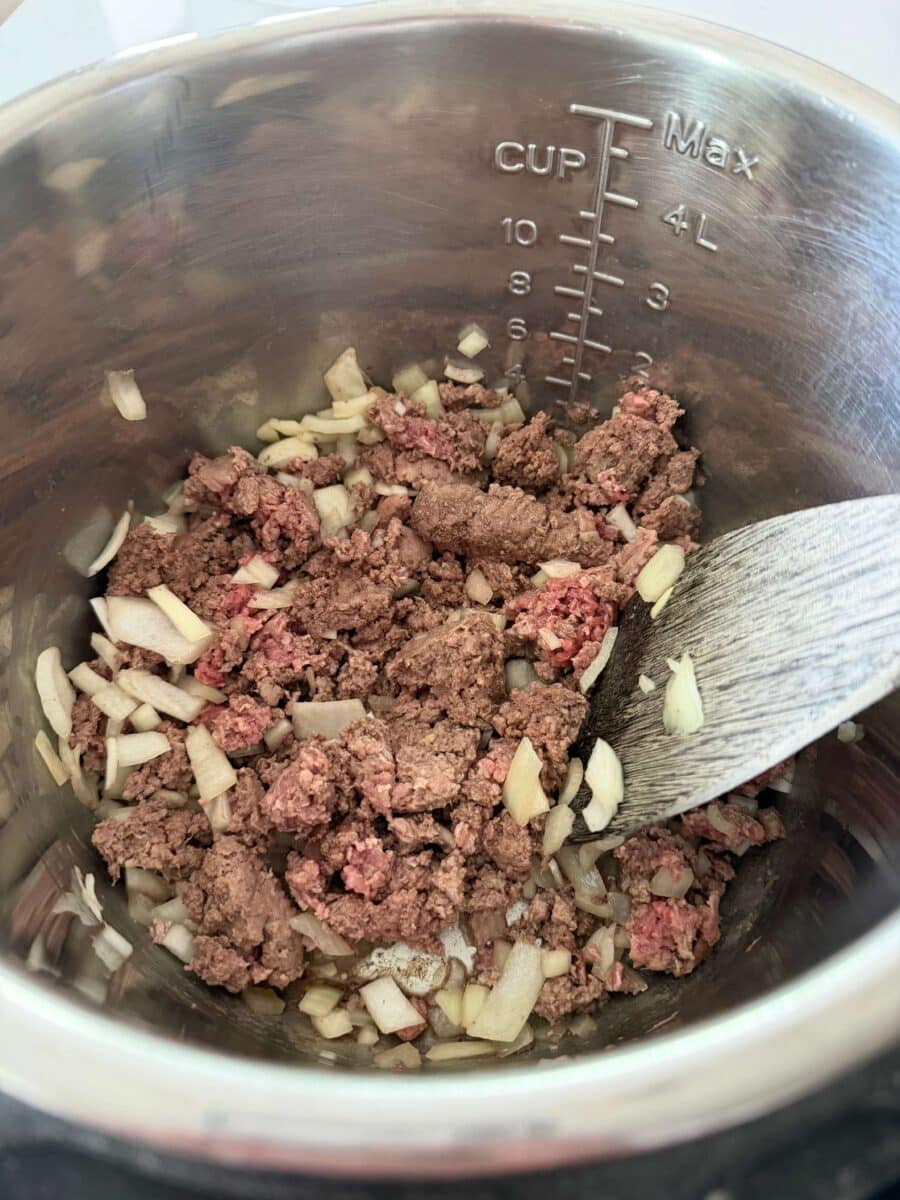
The process begins with the "Sauté" function of the multi-cooker. Ground beef, the primary protein source, is introduced to the heated inner pot. Culinary experts emphasize the importance of browning the meat thoroughly to develop a deep flavor base. During this five-minute window, finely diced onions are added, allowing them to soften in the rendered beef fat. This stage is critical for building the foundational flavors of the dish. Once the beef is fully browned, excess grease is drained to ensure the final product maintains a clean mouthfeel and does not become overly oily.
Phase II: Deglazing and Seasoning
Following the sauté phase, the pot is deglazed with beef broth. This step is essential in pressure cooking to prevent the "Burn" warning, a safety feature of modern multi-cookers. By scraping the bottom of the pot, the cook incorporates the "fond"—the caramelized bits of meat and onion—into the liquid. Seasonings, including salt, black pepper, garlic powder, and onion powder, are integrated at this stage to ensure even distribution.
Phase III: Layering and Pressure Cooking
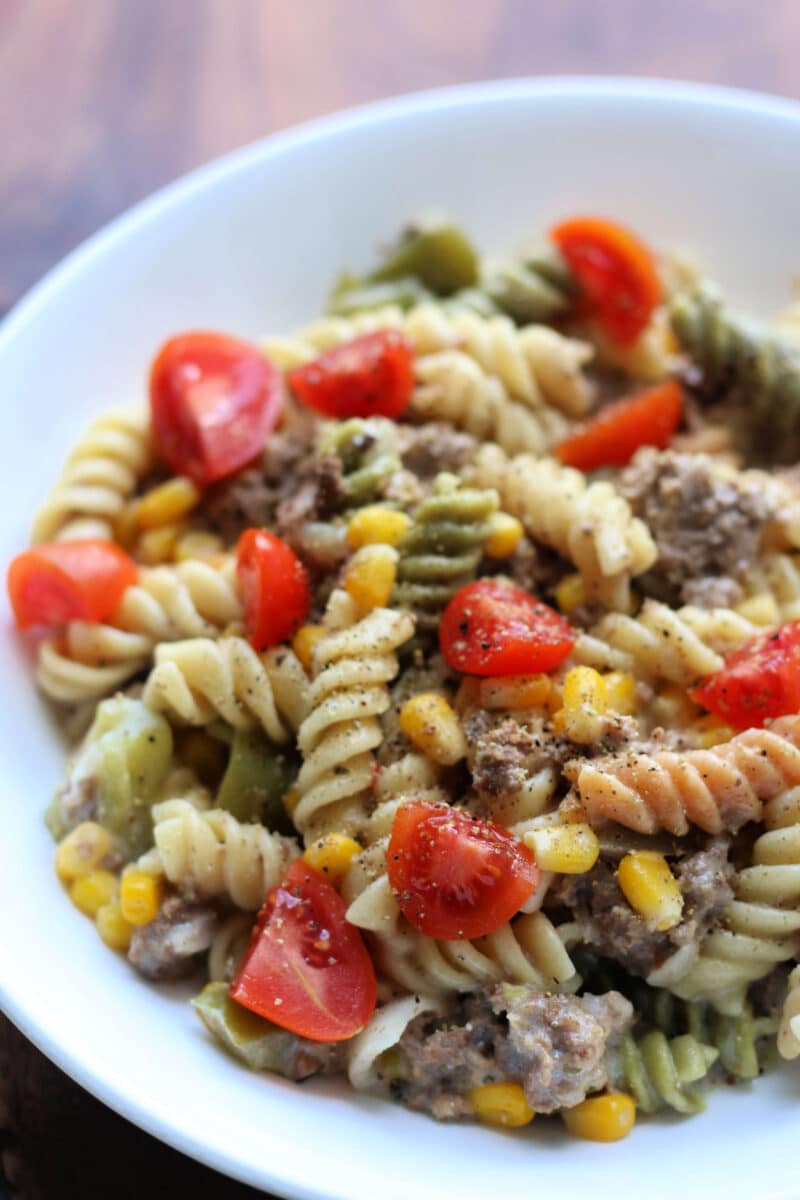
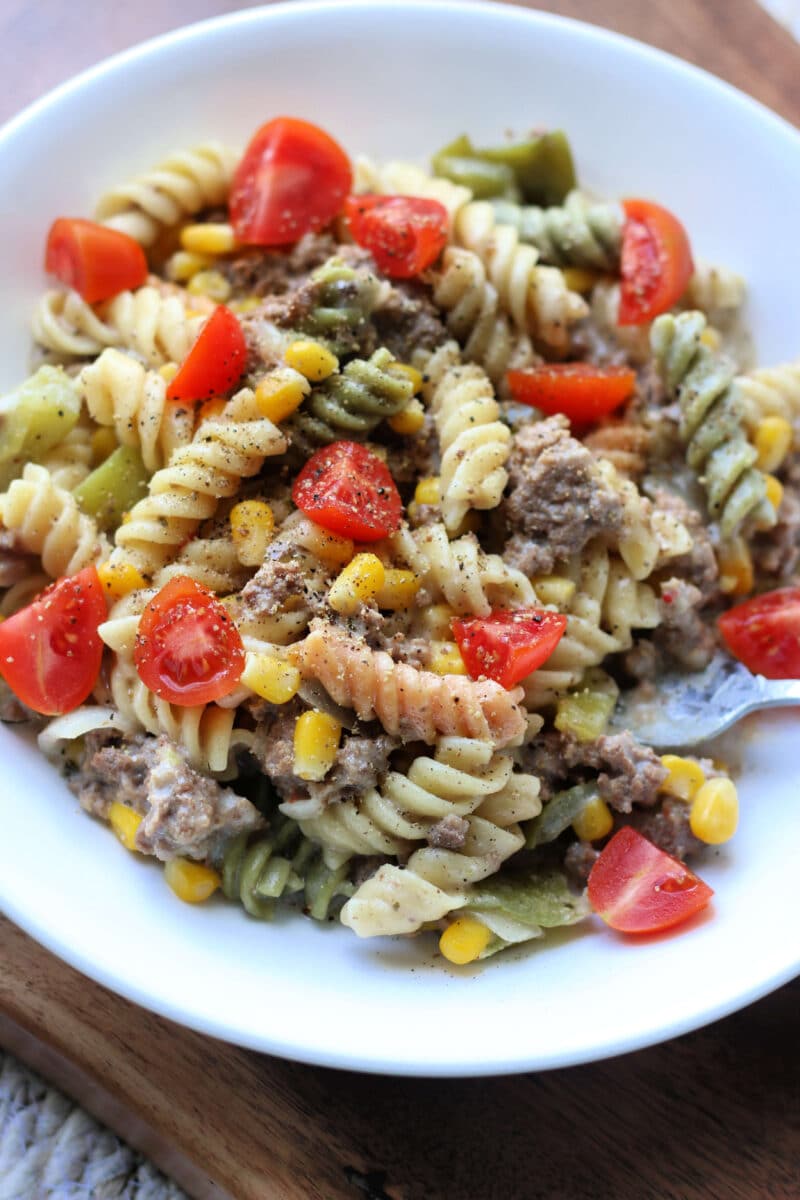
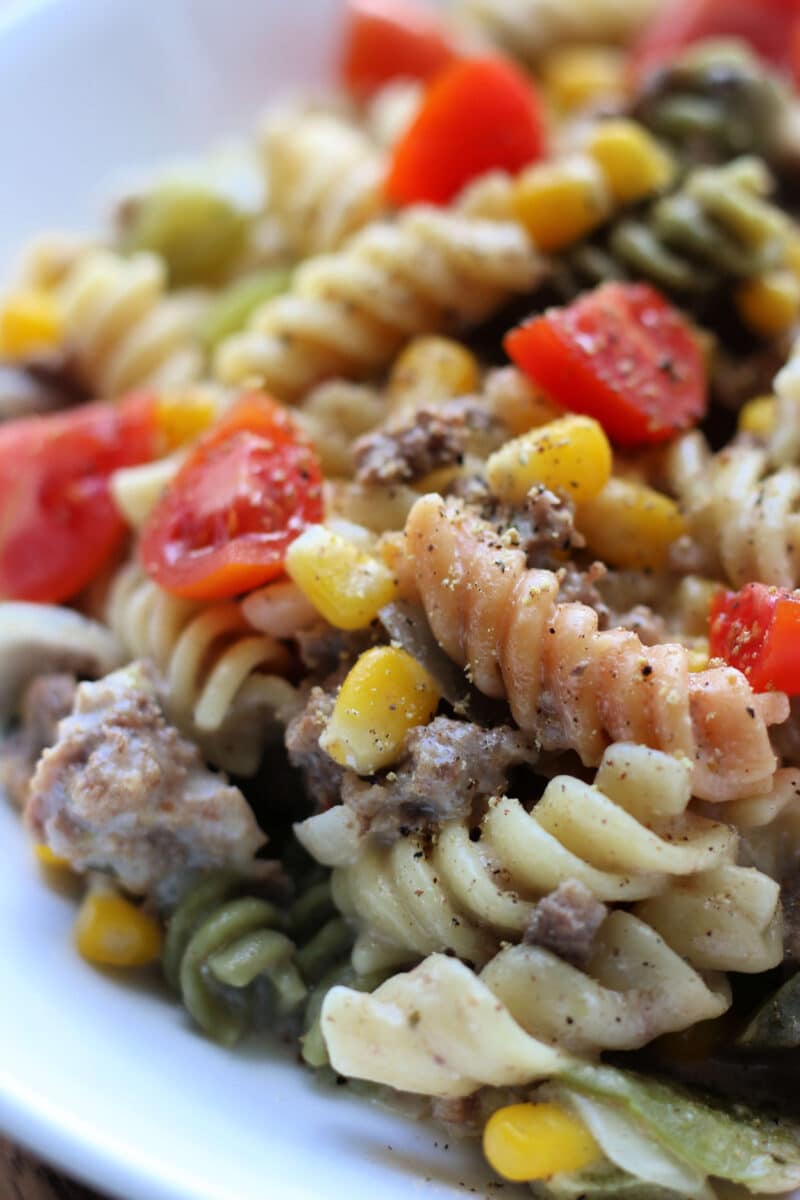
The assembly continues with the addition of rotini pasta. The choice of rotini is strategic; its corkscrew shape provides a high surface area for the sauce to adhere to, ensuring every bite is seasoned. Crucially, the pasta is not stirred vigorously into the liquid but rather submerged or sprinkled on top to prevent sticking. The ranch dressing mix, cream cheese, corn, and green bell peppers are then layered.
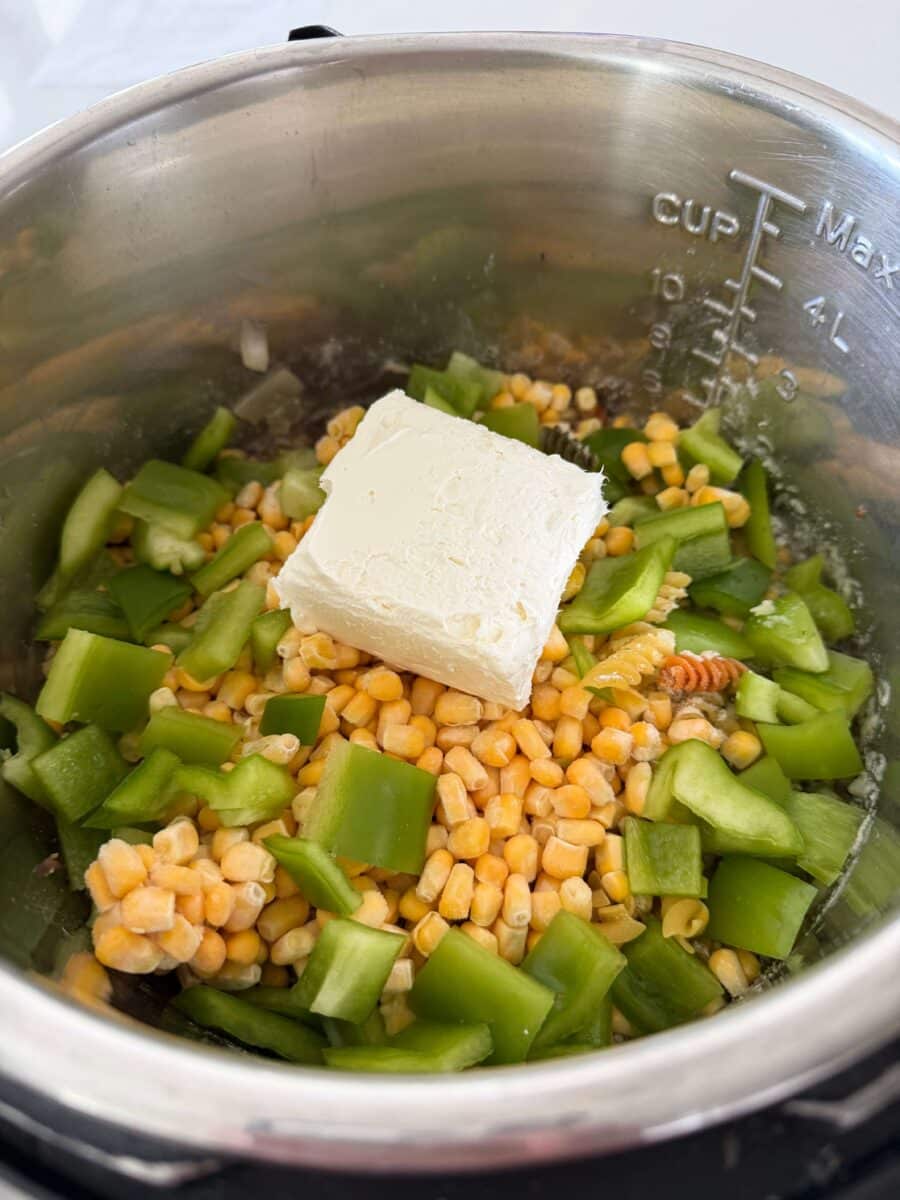
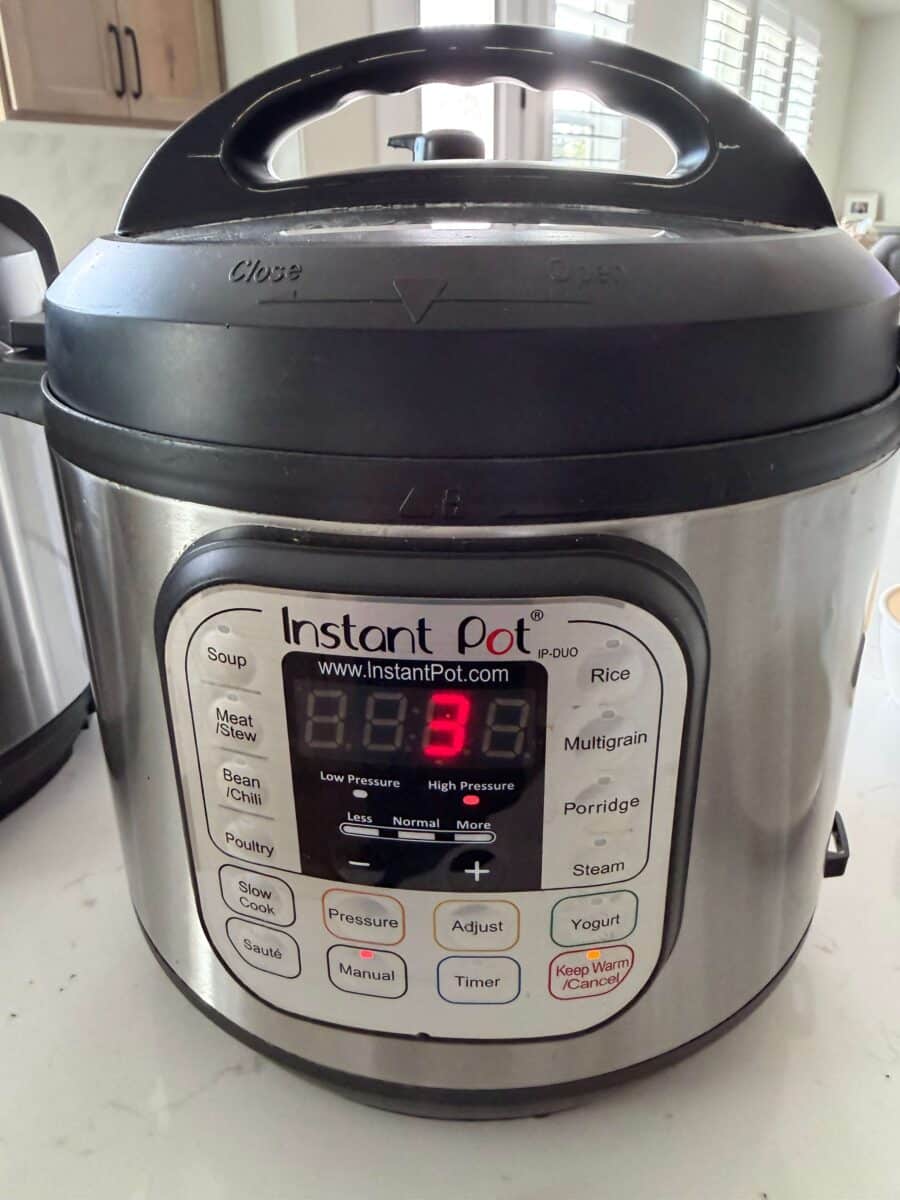
The device is sealed, and the pressure is set to "Manual" or "Pressure Cook" for a duration of three minutes. While three minutes may appear brief, the total time under heat is longer, as the pot requires approximately 10 to 15 minutes to reach the necessary internal pressure. During this time, the steam forces moisture into the dry pasta, cooking it to an al dente texture in a fraction of the time required by traditional boiling methods.
Phase IV: Natural Release and Final Integration
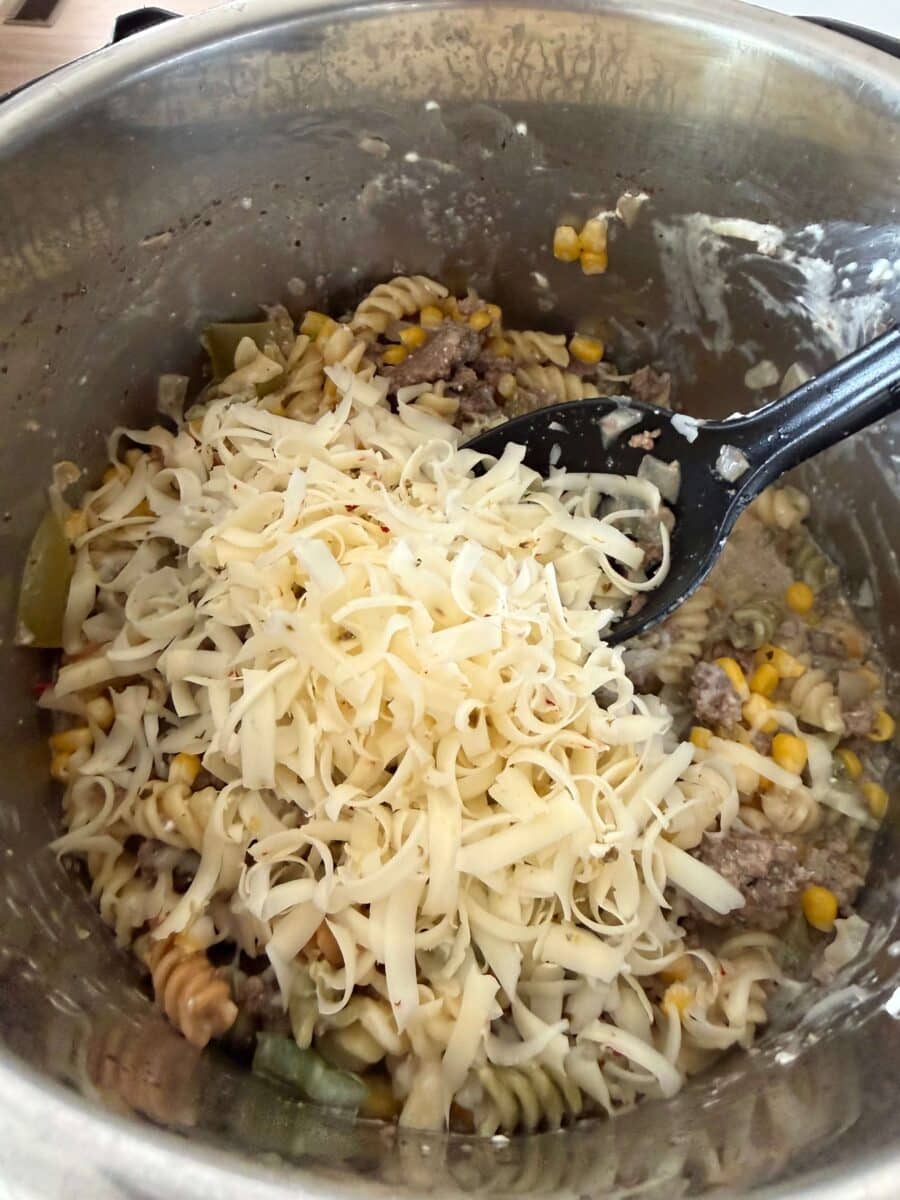
Upon the completion of the pressure cycle, a five-minute "natural release" period is observed. This allows the internal temperature to stabilize and prevents the pasta from becoming mushy. After the remaining steam is manually vented, the lid is removed, and the final ingredient—shredded pepper jack cheese—is folded in. The residual heat from the beef and pasta is sufficient to melt the cheese, creating a cohesive, creamy texture.
Supporting Data on Domestic Cooking Trends
The popularity of recipes like the Golden Corn Ranch Beef Casserole is supported by shifting consumer data in the United States. According to market research, the "One-Pot Meal" category saw a 25% increase in search volume between 2020 and 2024. This shift is attributed to a growing demand for convenience without sacrificing the nutritional value of a home-cooked meal.
Furthermore, ground beef remains one of the most accessible and frequently purchased proteins in North America. Data from the National Cattlemen’s Beef Association indicates that ground beef accounts for nearly 50% of total beef consumption in the U.S. Its versatility and relatively lower price point compared to whole-muscle cuts make it an ideal candidate for family-oriented casseroles.
The inclusion of frozen or canned corn and bell peppers also reflects a trend toward "pantry-stable" cooking. By utilizing ingredients with longer shelf lives, home cooks can reduce the frequency of grocery store visits, a habit that became ingrained in the public consciousness during the global pandemic.
Flavor Profile and Culinary Analysis
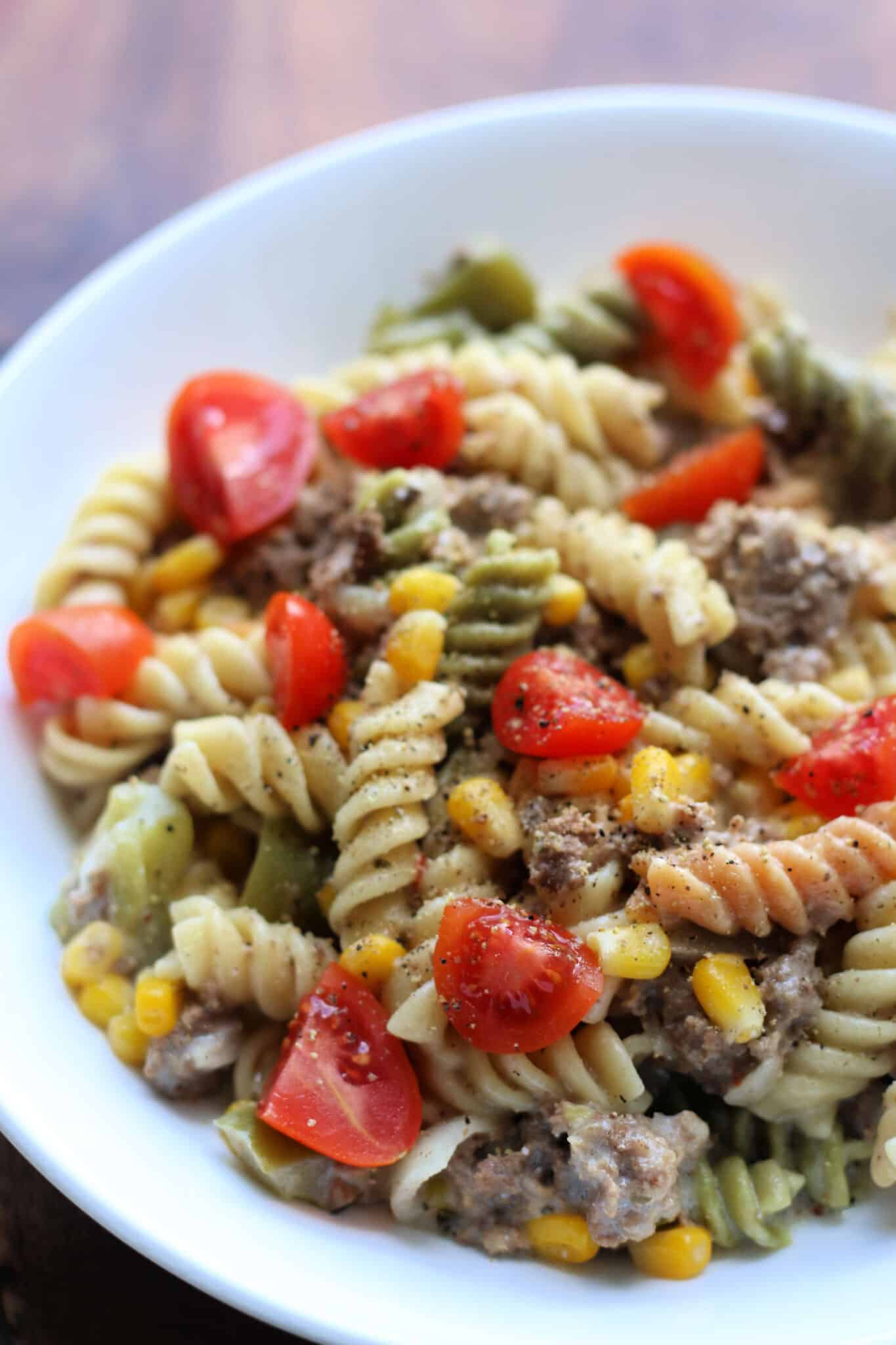
The success of the Golden Corn Ranch Beef Casserole lies in its contrast of textures and flavors. From a sensory perspective, the dish offers:
- Sweetness: Provided by the golden corn kernels, which offer a "pop" of texture.
- Acidity and Tang: Derived from the ranch dressing mix and the cream cheese, which cuts through the richness of the beef.
- Heat: The pepper jack cheese introduces a mild capsaicin kick, which is balanced by the dairy components.
- Savory (Umami): The browned ground beef and beef broth provide a deep, savory backbone.
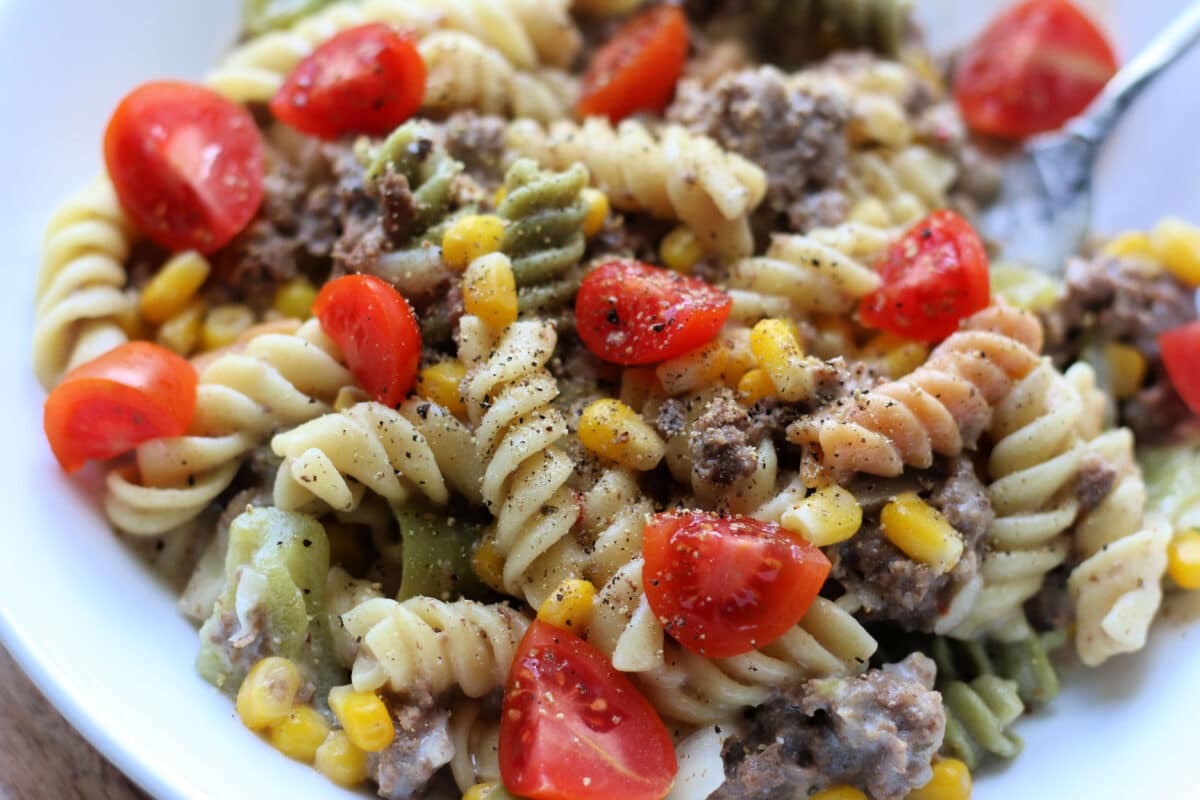
Culinary analysts suggest that the addition of fresh grape tomatoes as a garnish—as recommended by the recipe’s creator, Karen Petersen—provides a necessary "bright" note. The acidity of the raw tomatoes balances the cooked, heavy elements of the casserole, offering a refreshing finish to the palate.
Broader Impact on the Digital Food Economy
The Golden Corn Ranch Beef Casserole is more than just a meal; it is a product of the digital food economy. Platforms like Pinterest and food blogs have revolutionized how recipes are disseminated. The "365 Days of Crockpot" brand, managed by Karen Petersen, exemplifies the success of niche digital publishing. By focusing on specific appliance-based cooking (Crockpots and Instant Pots), Petersen has tapped into a dedicated community of home cooks seeking reliable, tested instructions.
The integration of affiliate marketing, as noted in the original text’s disclosure regarding the Amazon Services LLC Associates Program, highlights the economic structure of modern food blogging. Recipes are often provided free of charge to the consumer, with revenue generated through advertising and equipment recommendations. This model has democratized culinary instruction, allowing home cooks to access "professional-grade" results using standard household appliances.
Implications for Modern Meal Planning
The Golden Corn Ranch Beef Casserole underscores a broader movement toward "efficiency-based" domesticity. As the boundary between work and home life continues to blur, the value of a meal that can be prepared in under 30 minutes of active time increases.
Moreover, the recipe allows for significant customization, which is a key factor in its longevity. The substitution of ground turkey for beef, gluten-free pasta for rotini, or a milder cheese for pepper jack allows the dish to be adapted for various dietary requirements. This flexibility ensures that the casserole remains a viable option for diverse households.
Conclusion
In the landscape of contemporary American cuisine, the Golden Corn Ranch Beef Casserole stands as a testament to the enduring appeal of the casserole format, updated for the 21st century. It represents a fusion of flavor, technology, and economic practicality. As home cooks continue to seek ways to provide hearty, flavorful meals within the constraints of modern schedules, the reliance on multi-cooker recipes that prioritize both speed and taste is expected to persist. The dish is not merely a collection of ingredients but a reflection of current social and economic trends in the domestic sphere, proving that even the simplest of dinners can have a complex story to tell.
