
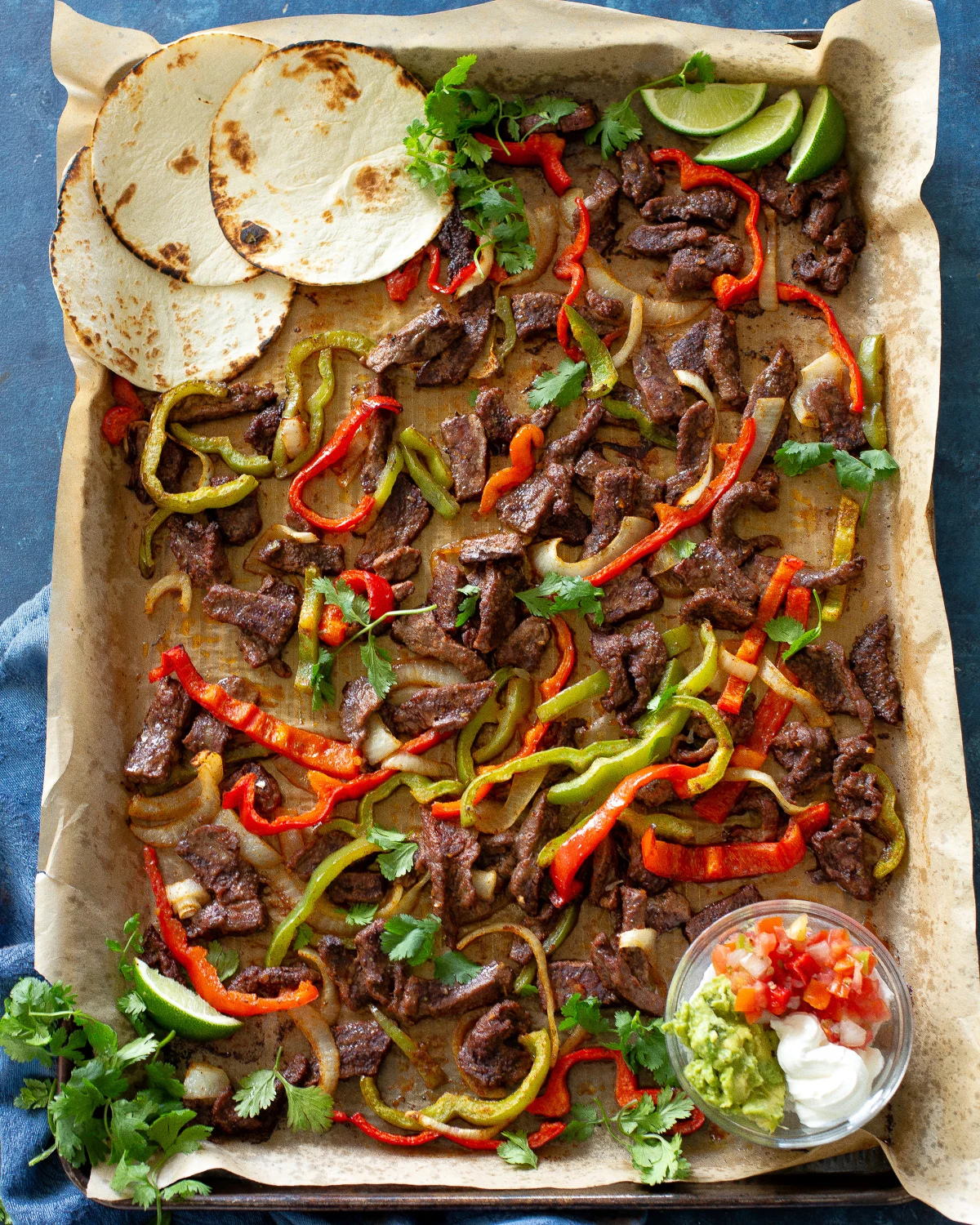
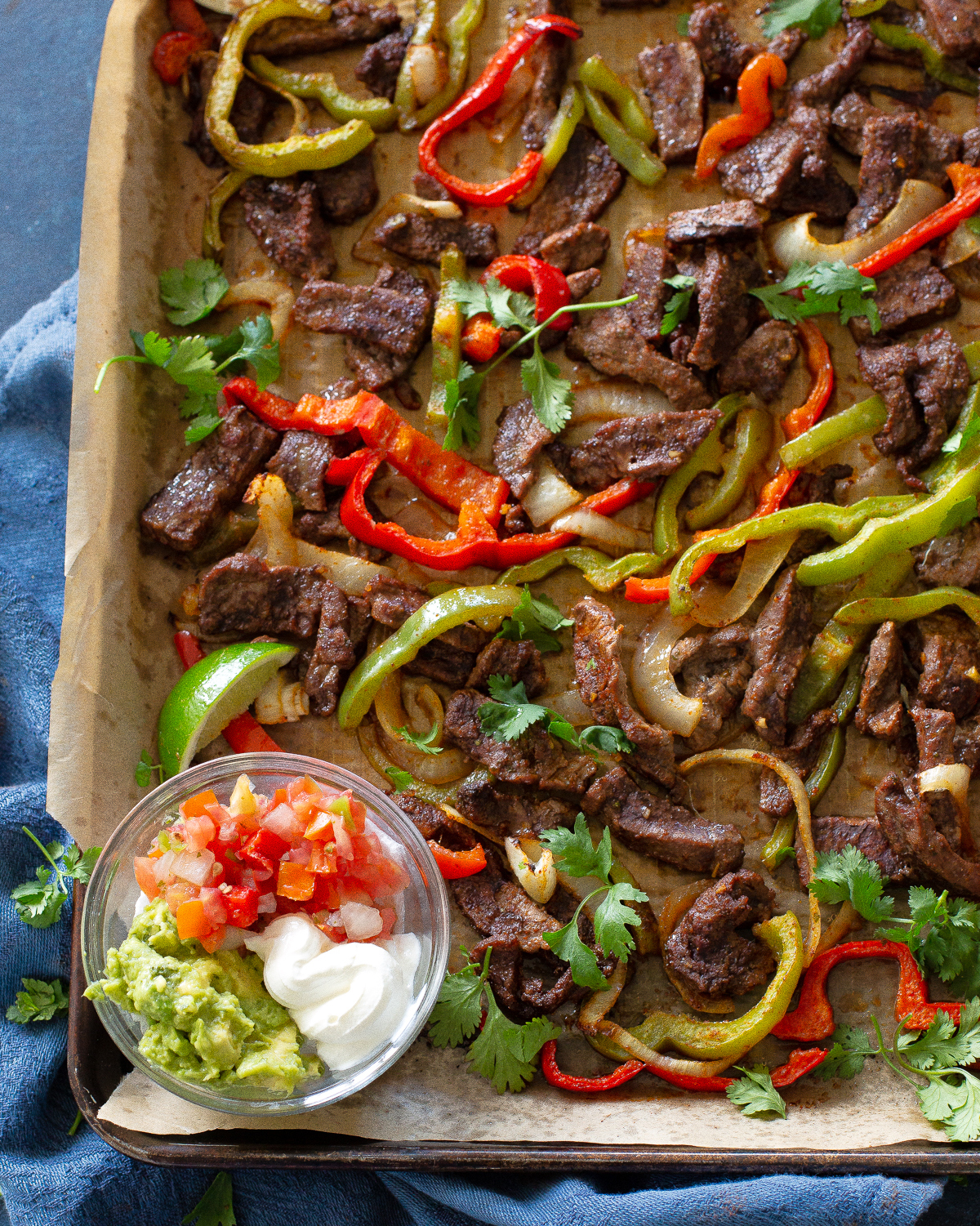
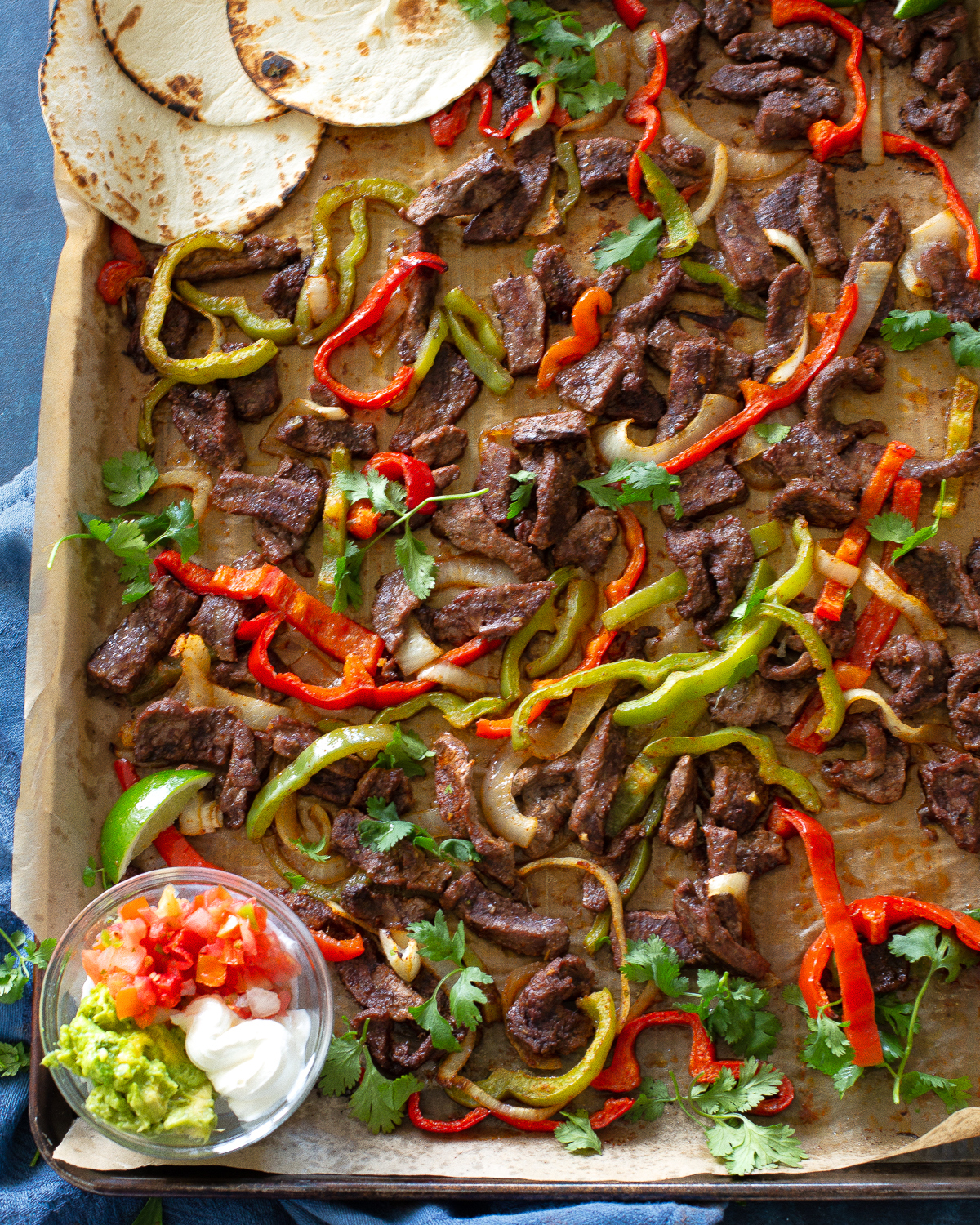
These steak fajitas are remarkably easy to prepare, requiring only a few key ingredients and a single pan for cooking, making them an ideal choice for weeknight dinners. This Mexican-inspired dish presents a compelling and delicious alternative for households looking to diversify their culinary routine, particularly for those who have found themselves seeking new options beyond the perennial favorite, Taco Tuesday.
The genesis of this simplified approach to fajitas stems from a desire for culinary variety. For approximately a decade, a specific iteration of Taco Tuesday—centered around ground beef and pre-packaged taco seasoning—was a consistent fixture in many homes. However, the repetitive nature of this tradition can lead to a sense of "burnout," prompting a search for more engaging and flavorful meal solutions. Steak fajitas, in their various forms, emerge as a prime candidate to inject renewed excitement into weekly meal planning.
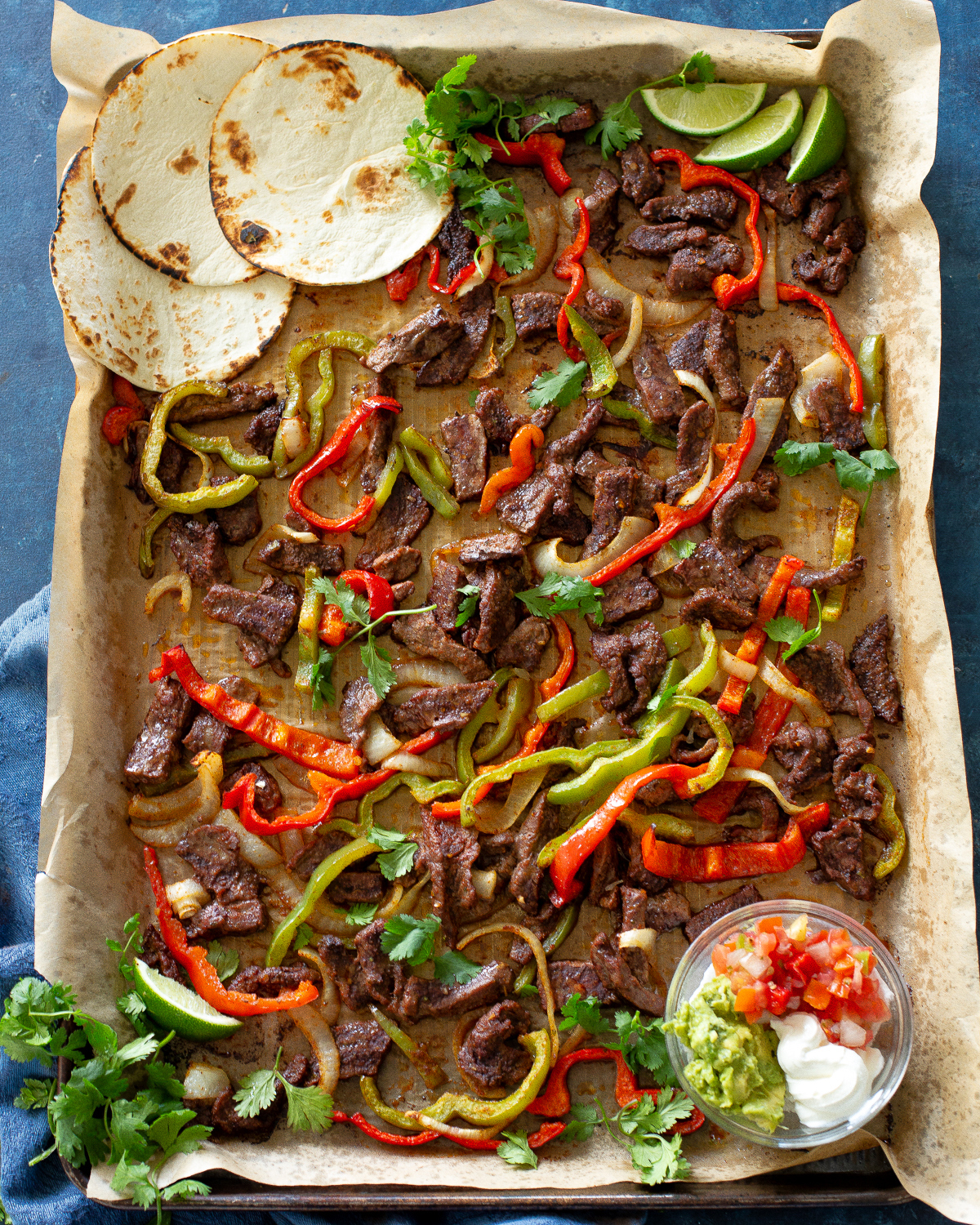
At its core, the appeal of truly exceptional steak fajitas lies not in an overwhelming array of complex ingredients or time-intensive preparation methods. While more elaborate versions with extensive spice blends exist, the current culinary landscape often favors simplicity without compromising on taste. This particular recipe champions a straightforward approach, demonstrating that robust flavor can be achieved with a concise list of components, catering to busy individuals and families seeking both quality and efficiency in their cooking.
Key Attributes of These Steak Fajitas
The popularity of this steak fajita recipe can be attributed to its ability to meet several key culinary and practical demands:
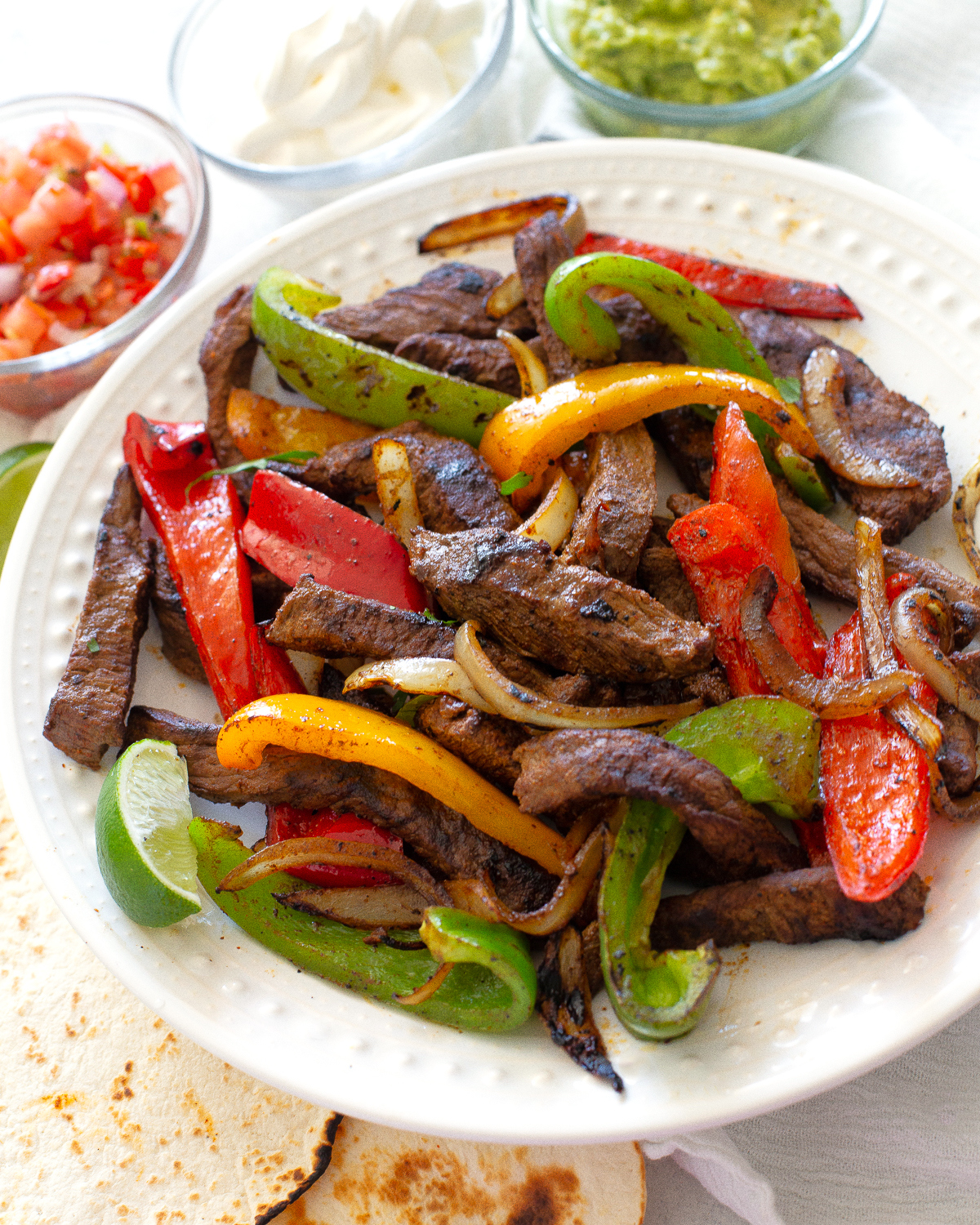
- Simplicity in Preparation: The one-pan cooking method significantly reduces cleanup time, a major consideration for many home cooks. This streamlined process allows for a more relaxed cooking experience and frees up valuable time for other activities.
- Flavor Profile: Despite its simplicity, the recipe delivers a satisfying and authentic fajita taste. The combination of marinated steak, sautéed vegetables, and aromatic spices creates a complex yet approachable flavor profile that appeals to a wide range of palates.
- Versatility: Fajitas are inherently customizable. This recipe serves as a solid foundation, allowing individuals to adjust spice levels, vegetable choices, and toppings to suit their personal preferences.
- Dietary Adaptability: With minor modifications, this recipe can be adapted to accommodate various dietary needs, such as gluten-free or dairy-free options, by selecting appropriate tortillas and toppings.
- Efficiency: The minimal ingredient list and straightforward cooking steps contribute to a highly efficient meal preparation process, making it suitable for even the most time-crunched evenings.
- Family-Friendly: The interactive nature of fajitas, where individuals assemble their own meals, often makes them a hit with children and adults alike.
Essential Components for Preparation
To achieve the delicious results of these steak fajitas, the following ingredients are typically required:
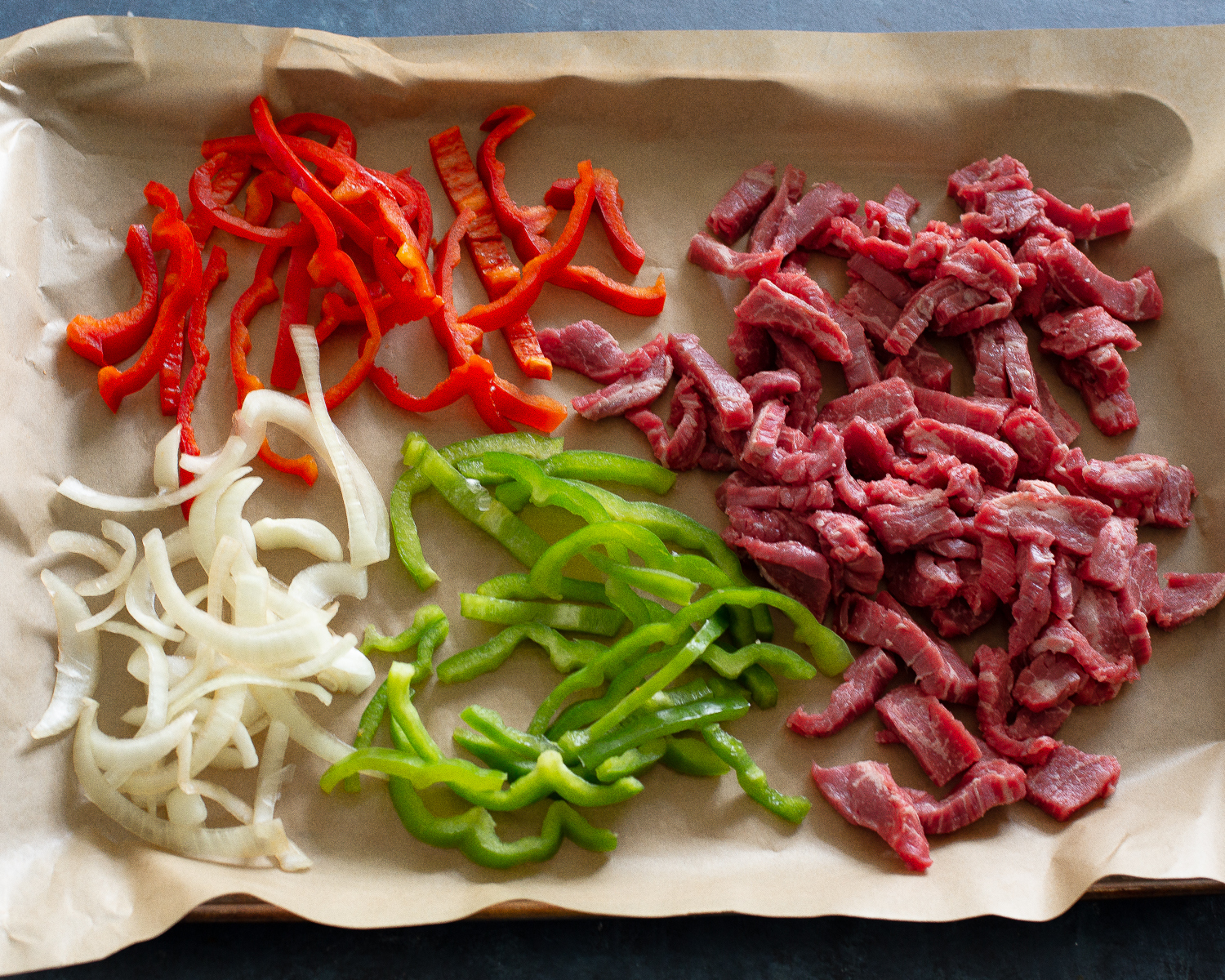
- Steak: A cut of beef suitable for fajitas, such as flank steak, skirt steak, or sirloin, is essential. The quality and cut of the steak will significantly impact the final texture and flavor. It is recommended to slice the steak thinly against the grain for optimal tenderness.
- Bell Peppers: A colorful assortment of bell peppers—including red, green, and yellow varieties—adds visual appeal and a sweet, slightly crisp texture. These vegetables are typically sliced into strips for even cooking.
- Onions: Yellow or white onions, also sliced into strips, provide a savory foundation and caramelize beautifully when cooked, adding depth to the dish.
- Seasonings: A blend of classic fajita seasonings is crucial. While recipes vary, common components include chili powder, cumin, paprika, garlic powder, onion powder, salt, and black pepper. Some recipes may also incorporate a touch of cayenne pepper for a subtle heat.
- Oil: A high-heat cooking oil, such as vegetable oil, canola oil, or avocado oil, is necessary for searing the steak and sautéing the vegetables without burning.
- Tortillas: Warm corn or flour tortillas are the vehicles for enjoying the fajita filling. The choice between corn and flour often depends on personal preference and dietary considerations.
Recommended Accompaniments and Toppings
While the core fajita mixture is satisfying on its own, a selection of toppings can elevate the dish and provide a more complete dining experience. These optional additions allow for further personalization and enhance the overall flavor and texture:
- Salsa: A fresh pico de gallo or a milder salsa verde can add a bright, acidic counterpoint to the richness of the steak and vegetables.
- Guacamole or Avocado: Creamy guacamole or sliced avocado offers a cooling and luxurious element, balancing the savory notes of the fajitas.
- Sour Cream or Greek Yogurt: A dollop of sour cream or plain Greek yogurt provides a tangy and cooling contrast, particularly beneficial for those who prefer a milder flavor profile.
- Shredded Cheese: Monterey Jack, cheddar, or a Mexican blend of cheeses can be sprinkled over the fajitas for added richness and a melty texture.
- Lime Wedges: Fresh lime wedges are indispensable for squeezing over the finished fajitas, imparting a zesty brightness that cuts through the richness and enhances all the flavors.
- Cilantro: Freshly chopped cilantro adds a burst of herbaceous freshness, complementing the Mexican-inspired flavors.
Background and Culinary Context
Fajitas, a dish originating from Tex-Mex cuisine, emerged in the 1960s and quickly gained popularity. The term "fajita" traditionally referred to the skirt steak, a less tender cut of beef that was often used as a way to utilize less desirable portions. Early preparations involved grilling or pan-frying the marinated skirt steak and serving it with tortillas and accompaniments. Over time, the dish evolved, incorporating other cuts of steak and chicken, and the accompanying vegetables became a standard element. The one-pan preparation method, as highlighted in this recipe, represents a modern adaptation focused on convenience and efficiency, aligning with contemporary cooking trends. The enduring appeal of fajitas lies in their interactive nature, allowing diners to customize their meals, and their robust, satisfying flavors.
Analysis of Implications
The popularity of recipes like these one-pan steak fajitas reflects a broader shift in consumer preferences towards meals that are both delicious and time-efficient. In an era where busy schedules are common, dishes that minimize prep and cleanup without sacrificing flavor are highly valued. The adaptability of fajitas also speaks to the growing demand for customizable dining experiences, catering to diverse tastes and dietary needs. Furthermore, the emphasis on simple, accessible ingredients aligns with a trend towards home cooking that is approachable and less intimidating for novice cooks. This recipe effectively bridges the gap between traditional culinary practices and the demands of modern life, offering a practical and enjoyable solution for family meals.
Related Recipes and Culinary Exploration
For those who enjoy the simplicity and flavor of sheet pan dinners, a variety of other recipes can offer similar convenience and deliciousness. Exploring these options can further diversify weekly meal plans and introduce new culinary experiences. Examples include:
- Sheet Pan Chicken Fajitas: A poultry-based alternative that offers a similar flavor profile with a quicker cooking time.
- Sheet Pan Sausage and Peppers: A classic combination that benefits from the even cooking and flavor melding achieved on a single baking sheet.
- Sheet Pan Shrimp Scampi: A light and flavorful option that is perfect for seafood lovers, offering a rapid and easy preparation.
- Sheet Pan Lemon Herb Roasted Chicken and Vegetables: A wholesome and flavorful meal that requires minimal effort and delivers a satisfyingly balanced taste.
These complementary recipes demonstrate the versatility of the sheet pan cooking method and provide ample inspiration for continued culinary exploration, ensuring that weeknight dinners remain both exciting and manageable.
