
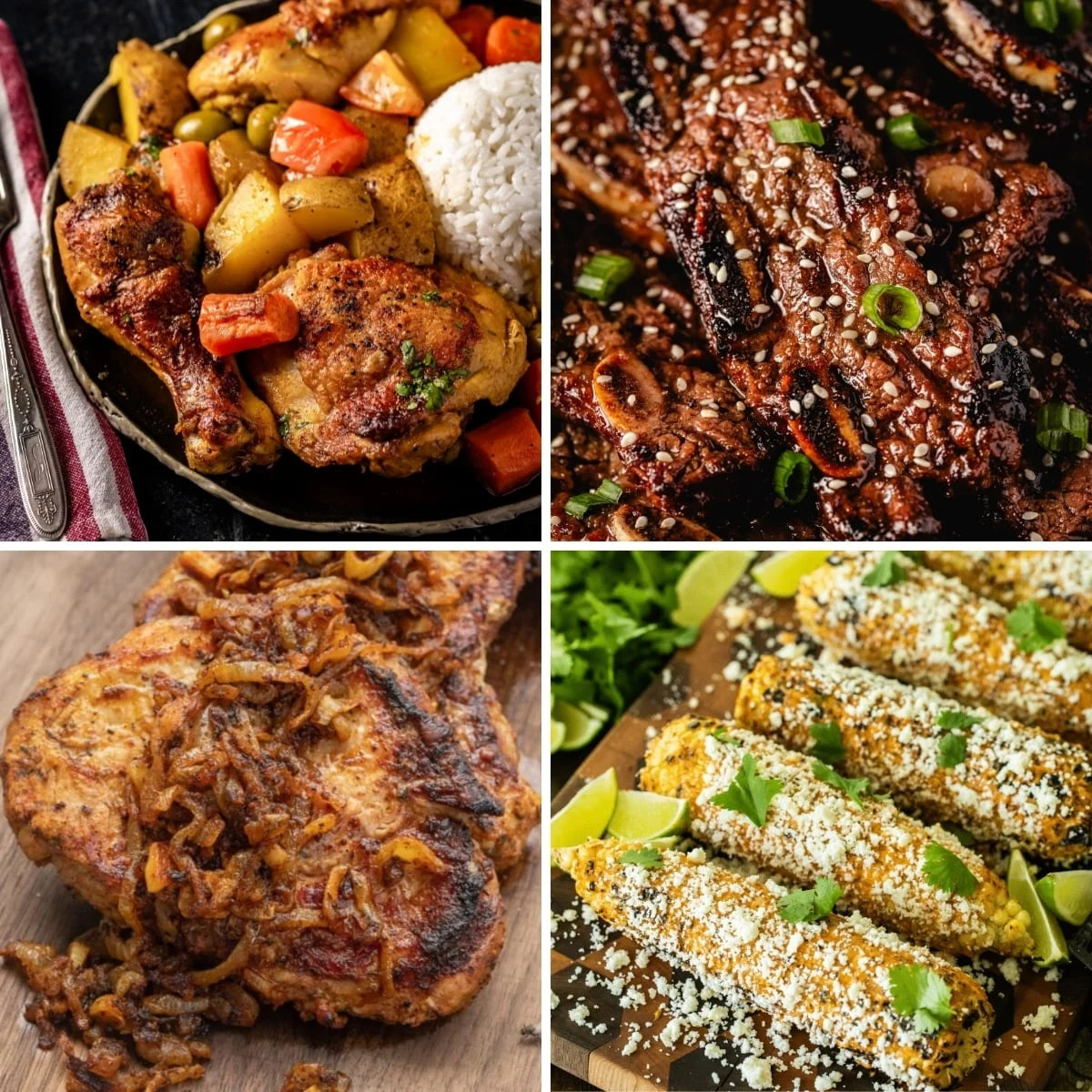
The practice of cooking meat over an open flame is a foundational element of human civilization, transcending geographic borders and cultural divides to form a universal culinary language. In the contemporary gastronomic landscape, the traditional American backyard barbecue is undergoing a significant transformation, evolving from a localized tradition of "low and slow" smoking into a sophisticated, globalized discipline. This shift is characterized by the integration of diverse marinating techniques, specialized equipment, and ancient flavoring profiles from regions as varied as East Asia, Western Europe, and the Caribbean. As outdoor cooking technology—including pellet smokers, ceramic grills, and high-heat infrared burners—becomes more accessible to the domestic cook, the ability to replicate authentic international dishes has turned the residential patio into a hub for global culinary exploration.
The Historical Evolution of Global Fire-Cooking
The chronology of barbecue begins with the earliest controlled use of fire, but the specific regional variations seen today are the result of centuries of migration, trade, and agricultural development. In the Americas, the term "barbecue" is derived from the Taíno word barbacoa, referring to a wooden structure used by indigenous peoples of the Caribbean to smoke meat. Meanwhile, in Asia, the tradition of high-heat grilling developed alongside the domestication of cattle and the cultivation of complex spice trades.

By the 19th and 20th centuries, these regional methods began to codify. Germany developed its Schwenker culture, while Korea refined the art of Gogi-gu-i (meat roasting). The current era, often cited by food historians as the "Third Wave of Barbecue," is defined by a lack of borders. Home cooks are no longer tethered to the regional styles of Texas, Memphis, or the Carolinas; instead, they are adopting a "global patio" mindset, utilizing international techniques to enhance traditional proteins.
Technical Analysis of Key International Barbecue Profiles
To understand the impact of global flavors on the modern barbecue, one must examine the specific chemical and technical requirements of these diverse recipes. Each tradition brings a unique approach to heat management, enzymatic tenderization, and flavor layering.
1. Korean Kalbi: The Science of Fruit-Based Marinades
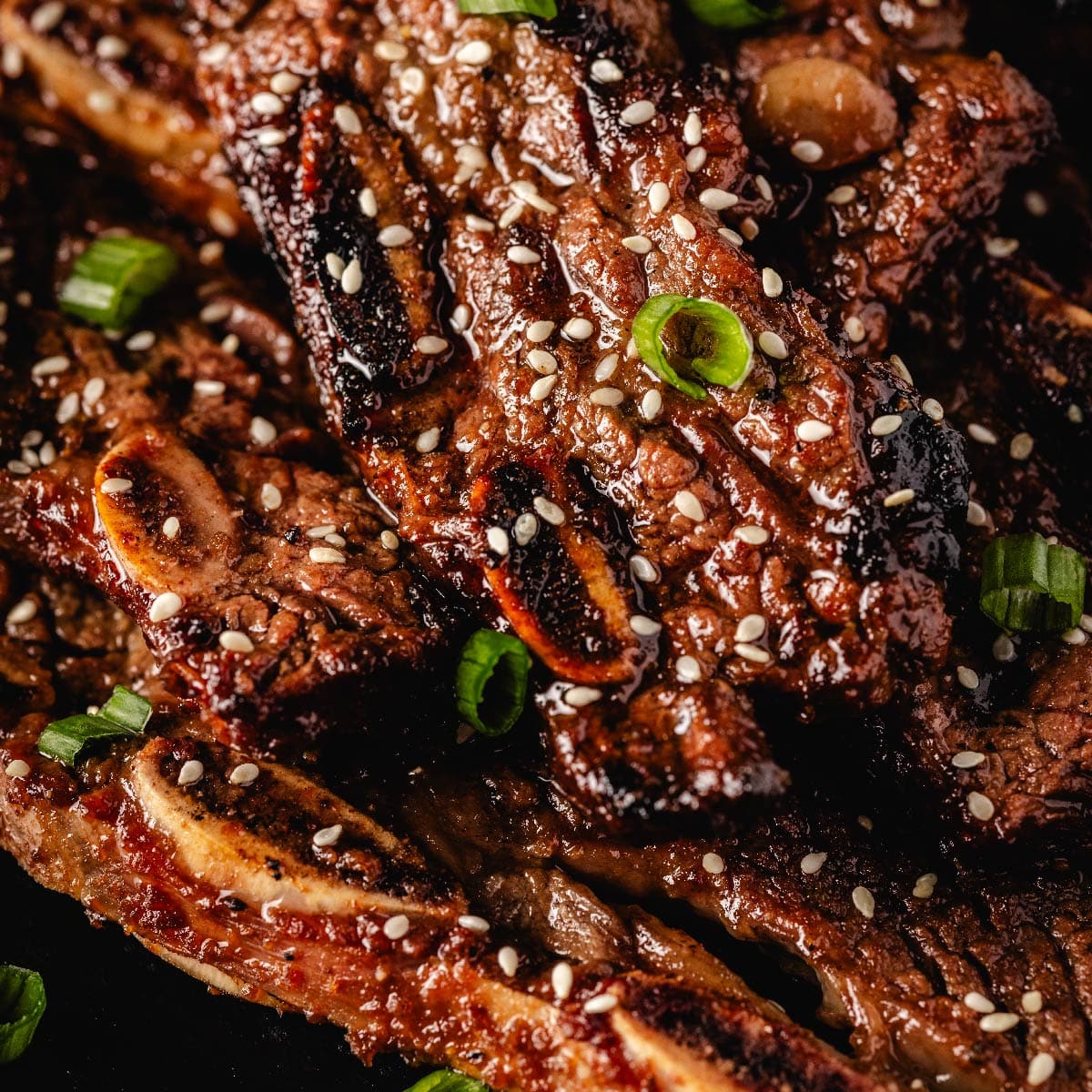
Korean Kalbi, or marinated short ribs, represents a masterclass in enzymatic tenderization. Unlike Western styles that rely on long smoke times to break down connective tissue, Korean techniques utilize the protease enzymes found in fresh fruits. Authentic Kalbi marinades frequently incorporate Asian pear (Pyrus pyrifolia), Fuji apple, and kiwi. These fruits contain enzymes like calpain and actinidin, which actively break down muscle proteins, allowing the thinly sliced "flanken-cut" ribs to remain tender despite being cooked rapidly over high heat.

The flavor profile is a balance of umami from soy sauce, sweetness from brown sugar, and aromatics from ginger and garlic. When placed on a hot grill, the high sugar content in the marinade undergoes the Maillard reaction—a chemical reaction between amino acids and reducing sugars—resulting in a distinctive caramelized exterior that defines the dish.
2. Puerto Rican Pollo Guisado: Adapting Stewing Traditions to Outdoor Heat
Pollo Guisado, a staple of Puerto Rican "cocina criolla," demonstrates the versatility of outdoor cooking equipment. While traditionally a stovetop stew, the modern adaptation involves using a Dutch oven on a grill or smoker to infuse the dish with a subtle wood-fired essence. The foundation of this dish is sofrito, a fragrant aromatic base of peppers, onions, garlic, and culantro.
A critical component of this profile is Sazón, a seasoning blend typically containing achiote (annatto), which provides a vibrant orange hue and earthy undertone. The inclusion of olives and capers introduces a briny acidity that cuts through the richness of the chicken thighs and starch-heavy potatoes. This dish highlights a growing trend in the barbecue community: the use of the grill as a comprehensive outdoor stove, capable of braising and stewing rather than just searing.
3. German Schwenkbraten: The Mechanics of the Swinging Grill
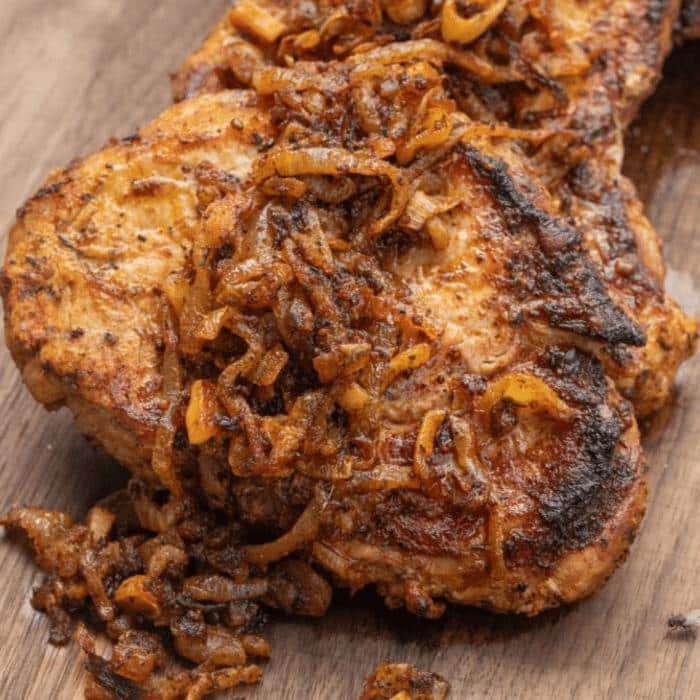
Originating from the Saarland region of Germany, Schwenkbraten is both a recipe and a mechanical process. The dish consists of pork neck or chops marinated in a mixture of juniper berries, stone-ground mustard, garlic, and smoked paprika. The traditional cooking method utilizes a Schwenker, a tripod grill where the grate hangs from a chain over an open beechwood fire.
The swinging motion of the grill ensures that the meat is not subjected to constant, direct intense heat, which prevents the exterior from burning before the interior is cooked. This movement also allows for better oxygen flow to the fire and a more even distribution of smoke. For the modern backyard cook, this emphasizes the importance of temperature zones and movement in achieving a perfectly grilled pork product.
4. Cantonese Char Siu: The Integration of Smoke and Glaze
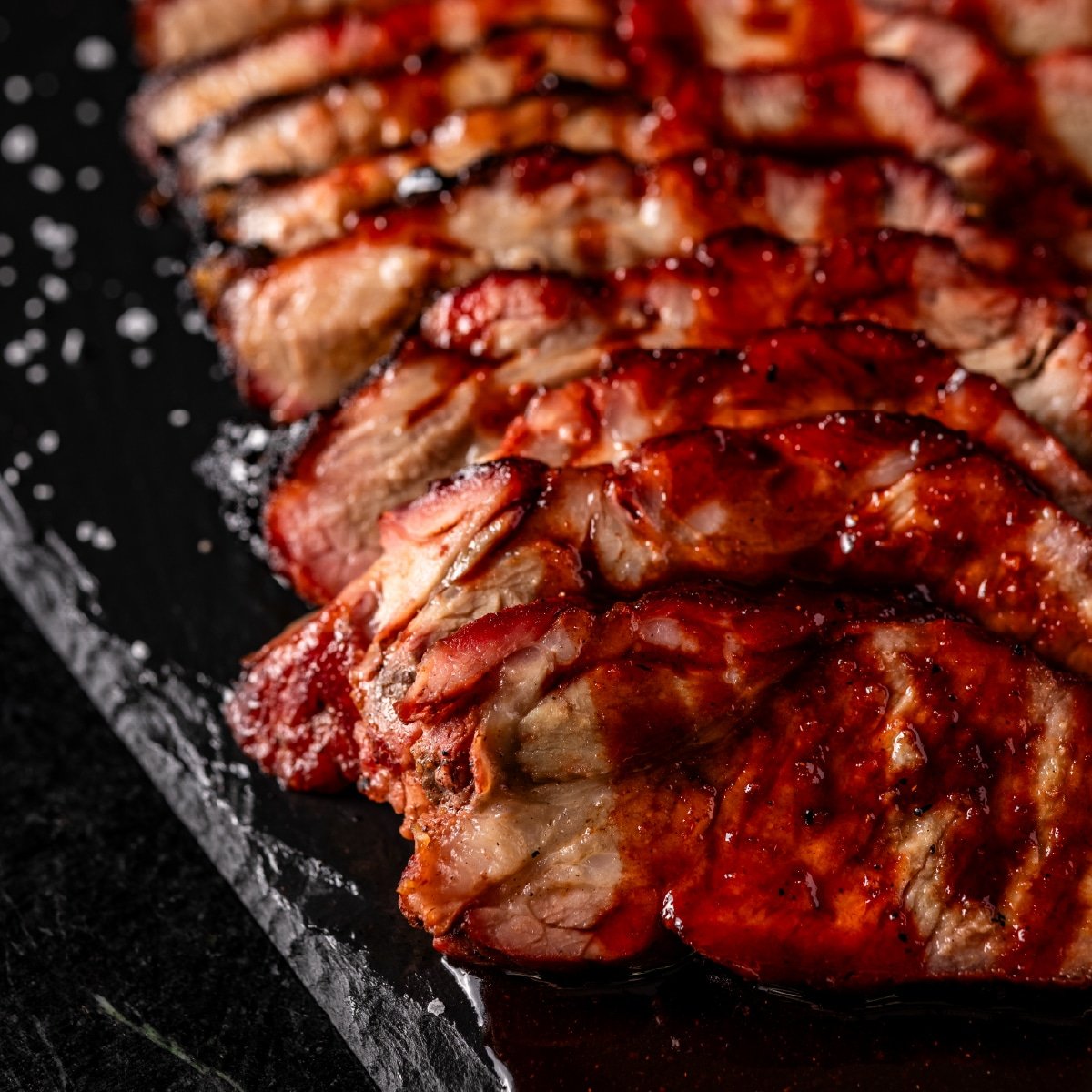
Char Siu, or Chinese barbecue pork, is traditionally associated with vertical roasting in specialized ovens. However, its transition to the backyard smoker has been seamless due to the dish’s reliance on "low and slow" principles. The characteristic red hue and glossy finish are achieved through a complex marinade of hoisin, honey, soy sauce, and Chinese five-spice powder (star anise, cloves, cinnamon, Sichuan pepper, and fennel seeds).

The addition of red miso paste or fermented bean curd provides a deep savory note that complements the sweetness of the honey. In a smoker environment, the sugars in the glaze tack up to create a "bark" similar to American brisket, but with a flavor profile rooted in the Ming Dynasty’s culinary traditions.
5. Mexican Elote: The Chemistry of the Maillard Reaction in Maize
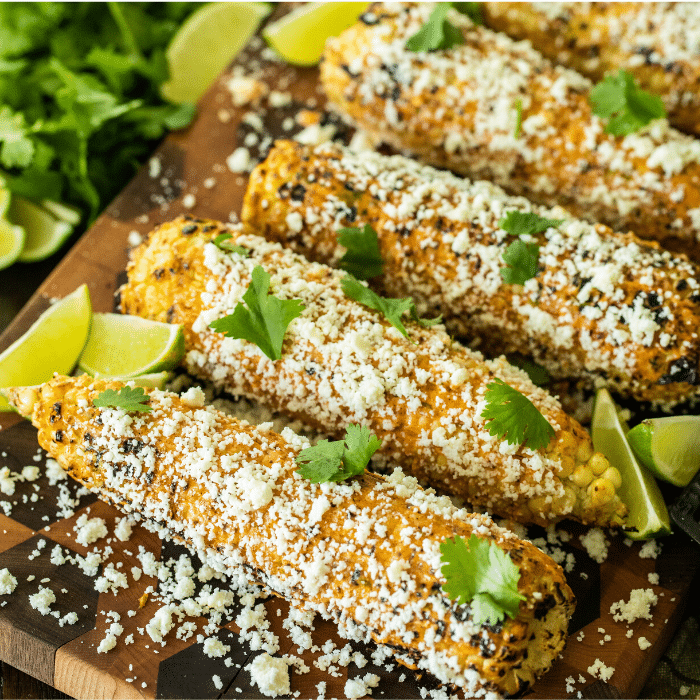
Mexican Street Corn, or Elote, serves as the premier vegetable accompaniment in the global barbecue repertoire. The preparation involves grilling corn on the cob until the kernels are charred. This charring is essential, as it transforms the natural sugars in the corn into complex, nutty flavor compounds.
The subsequent layering of flavors—creamy chili-lime mayonnaise, salty Cotija cheese, and fresh cilantro—addresses every part of the human palate: sweet, salty, sour, and spicy. From a culinary science perspective, the fat in the mayonnaise acts as a carrier for the fat-soluble capsaicin in the chili powder, ensuring a lingering, even heat.
6. British Beer-Battered Fish and Chips: Aeration and Thermal Dynamics
While not a traditional "grill" recipe, the inclusion of beer-battered fish in the outdoor cooking circuit is a result of the rise in outdoor deep-frying and "side burner" usage. The secret to the British classic lies in the physics of the batter. The carbon dioxide in the beer, combined with the addition of rice flour, creates a highly aerated structure.
When the batter hits the hot oil, the alcohol evaporates faster than water, drying out the coating and creating a crisp, lacy texture that stays crunchy longer than standard flour-and-water batters. This technique illustrates the expansion of the "backyard barbecue" definition to include all forms of alfresco meal preparation.
Market Trends and Supporting Data
The shift toward international barbecue is supported by significant market data. According to a 2023 report by the Hearth, Patio & Barbecue Association (HPBA), over 70% of households in the United States own a grill or smoker. Furthermore, market research from Technavio indicates that the global charcoal grill market is expected to grow by $1.25 billion by 2027, driven largely by an increasing consumer interest in "authentic" and "ethnic" cooking experiences.
Consumer spending habits show a marked increase in the purchase of international spices and specialized condiments. Data from specialty food distributors suggest that sales of gochujang (Korean chili paste), hoisin sauce, and achiote paste have seen a year-over-year increase of nearly 15% as home cooks seek to replicate restaurant-quality international barbecue at home.
Industry Response and Expert Analysis
Culinary professionals and industry leaders have noted that the "democratization of information" via digital platforms has been the primary catalyst for this global shift. Susie Bulloch, a prominent figure in the outdoor cooking industry and founder of the "Hey Grill Hey" platform, has advocated for the accessibility of these recipes, noting that the modern griller is increasingly adventurous.
"Barbecue is a language everybody speaks," industry analysts suggest. The consensus among professional pitmasters is that while the equipment remains rooted in fire and steel, the "software"—the recipes and techniques—is becoming increasingly diverse. This trend is viewed as a positive development for the industry, as it encourages year-round grilling and the use of a wider variety of proteins beyond the standard beef and pork ribs.
Broader Implications for Social and Culinary Landscapes
The globalization of the backyard barbecue has broader implications for social cohesion and cultural appreciation. By engaging with the cooking techniques of different nations, domestic cooks participate in a form of "culinary diplomacy." The act of sharing a meal prepared with traditional methods from another culture fosters a deeper understanding of that culture’s history and values.
Furthermore, the "global patio" trend is driving innovation in the manufacturing sector. Grill companies are now designing accessories specifically for international techniques, such as rotisserie attachments for Brazilian churrasco, wok rings for high-heat stir-frying, and planchas for Spanish-style searing.
As we look toward the future of outdoor cooking, it is clear that the boundaries of the backyard barbecue will continue to expand. The integration of global flavors, supported by scientific technique and a robust market for international ingredients, has ensured that the grill remains the most versatile and culturally significant tool in the modern culinary arsenal. The transformation of the patio into a global flavor destination is not merely a passing trend, but a permanent evolution of how the world approaches the ancient art of cooking with fire.
