
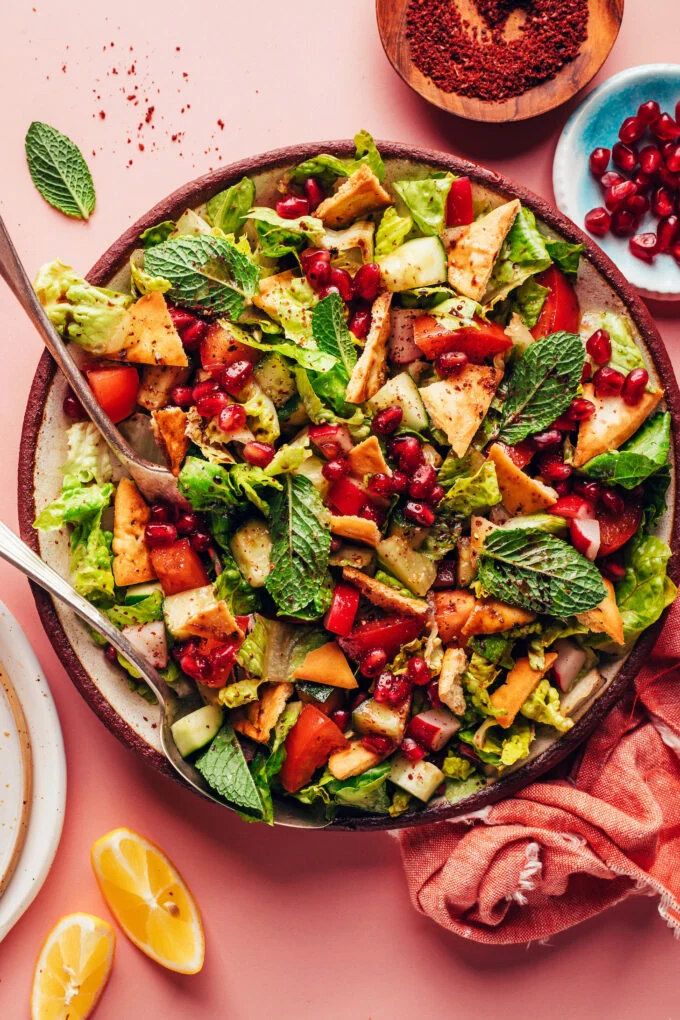
The culinary landscape continually evolves, blending traditional dishes with modern demands for convenience and health. Among the vibrant tapestry of global cuisine, Fattoush salad stands out as a jewel from the Levant, renowned for its refreshing crunch, aromatic herbs, and distinctive tangy dressing. A recent adaptation streamlines the preparation of this classic, introducing a "weeknight-friendly" version designed to be made in a single bowl in approximately 20 minutes. This innovation aims to make the rich flavors of Levantine cuisine more accessible to busy home cooks, transforming a traditional staple into a swift and effortless meal or side dish, while preserving its characteristic zest and freshness.
The Enduring Legacy of Fattoush: A Dive into Levantine Culinary Heritage
Fattoush, a celebrated salad originating from the Levant region – encompassing modern-day Lebanon, Syria, Jordan, and Palestine – holds a significant place in Middle Eastern gastronomy. Its name is derived from the Arabic word "fatt" (فتّ), meaning to crumble or break, referring to the characteristic toasted or fried pieces of pita bread that are integral to the dish. Historically, Fattoush emerged as a resourceful way to utilize stale or day-old flatbread, preventing waste while creating a nourishing and flavorful meal. This practice highlights a core principle of traditional Levantine cooking: making the most of available ingredients and transforming simple components into culinary delights.
The origins of Fattoush are deeply intertwined with agricultural cycles and the availability of fresh produce. Farmers and villagers in the fertile crescent would combine seasonal vegetables from their gardens with herbs and olive oil, a cornerstone of the Mediterranean diet, creating a refreshing and hearty salad. The inclusion of sumac, a dried ground berry with a distinct tart flavor, and pomegranate molasses, a sweet and sour syrup, further defines its unique taste profile, setting it apart from other global salads. Over centuries, Fattoush has evolved, with minor regional variations in ingredient selection, but its core identity as a vibrant, bread-inclusive salad has remained constant, cementing its status as a beloved culinary icon across the Levant and beyond. Its presence at family gatherings, festive occasions, and daily meals underscores its cultural importance, symbolizing hospitality and the bounty of the region.
Deconstructing the Classic: Ingredients and Traditional Preparation
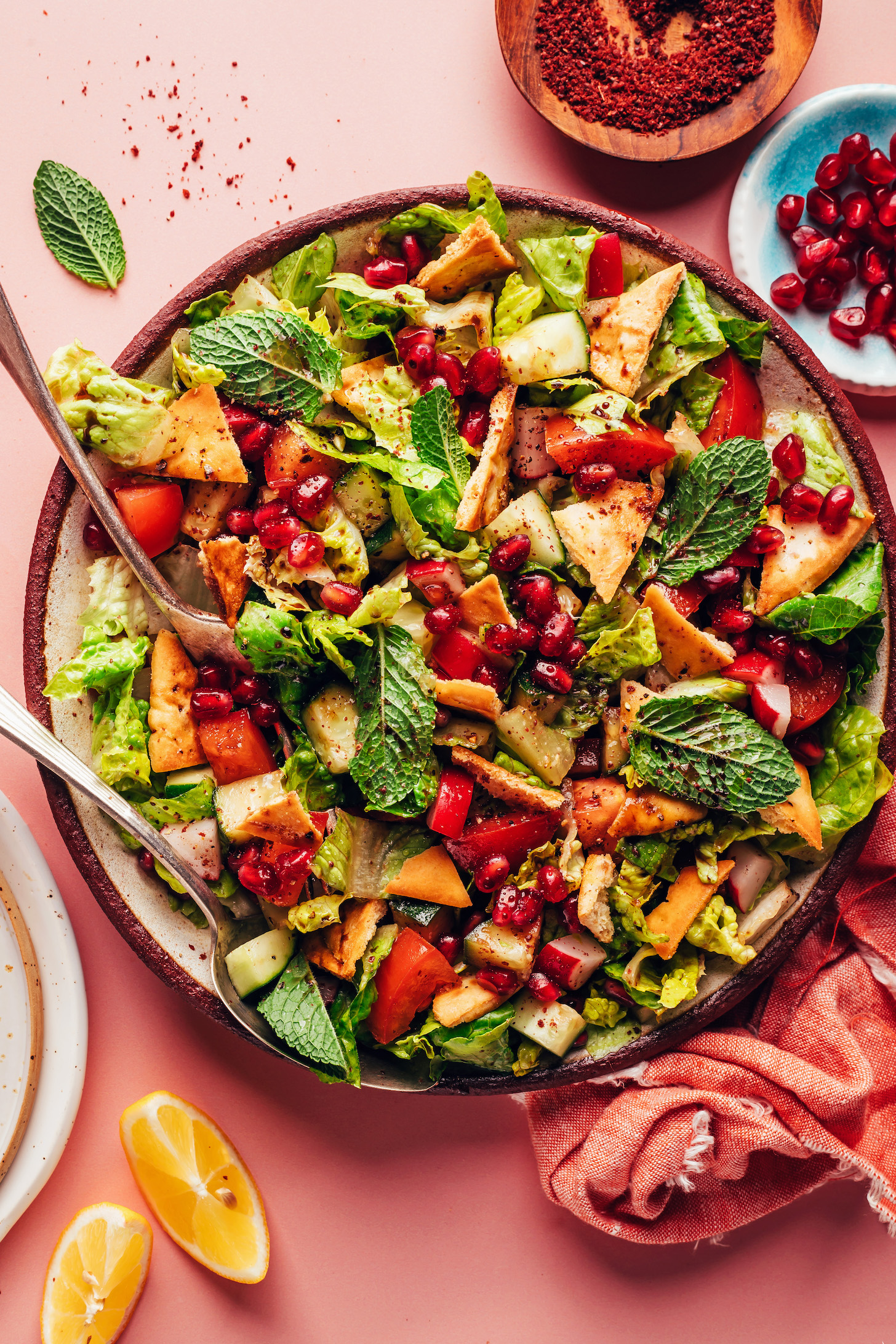
At its heart, a traditional Fattoush salad is a symphony of textures and flavors. The foundation typically consists of crisp, fresh greens, with romaine lettuce being a popular choice for its robust crunch and mild flavor. This is complemented by a medley of garden-fresh vegetables, often diced or finely chopped to ensure an even distribution of flavor in every bite. Common additions include cucumbers, known for their refreshing crispness; ripe tomatoes, contributing a burst of sweetness and acidity; and radishes, which provide a peppery bite and visual appeal. Bell peppers, often green or red, add further crunch and a touch of sweetness, while spring onions or scallions introduce a delicate oniony note. The emphasis on seasonal produce means that the exact composition can vary, reflecting the freshest ingredients available at any given time, thus ensuring peak flavor and nutritional value.
The aromatic backbone of Fattoush is provided by a generous quantity of fresh herbs, primarily mint and flat-leaf parsley. Mint, with its cool, invigorating essence, is particularly crucial, offering a refreshing counterpoint to the richness of the olive oil and the tang of the dressing. Parsley adds an earthy, slightly peppery flavor and a vibrant green hue. These herbs are typically added fresh, often torn or roughly chopped, to preserve their volatile oils and maximize their aromatic impact. Some traditional recipes might also incorporate purslane, a succulent leafy green, for its slightly tart flavor and crunchy texture, adding another layer of complexity.
The defining element that transforms a vegetable salad into Fattoush is the inclusion of toasted or fried pita bread. Traditionally, pita bread is torn or cut into small pieces, then either fried until golden and crisp, or baked/toasted with a drizzle of olive oil, often seasoned with sumac or za’atar. This process not only adds a delightful crunch but also imparts a subtle nutty flavor and absorbs the dressing, creating a complex textural experience. For those seeking gluten-free options, modern adaptations frequently substitute traditional pita with gluten-free alternatives or crackers, ensuring wider accessibility and catering to evolving dietary needs. The textural contrast between the soft vegetables and the crunchy bread is a hallmark of the dish.
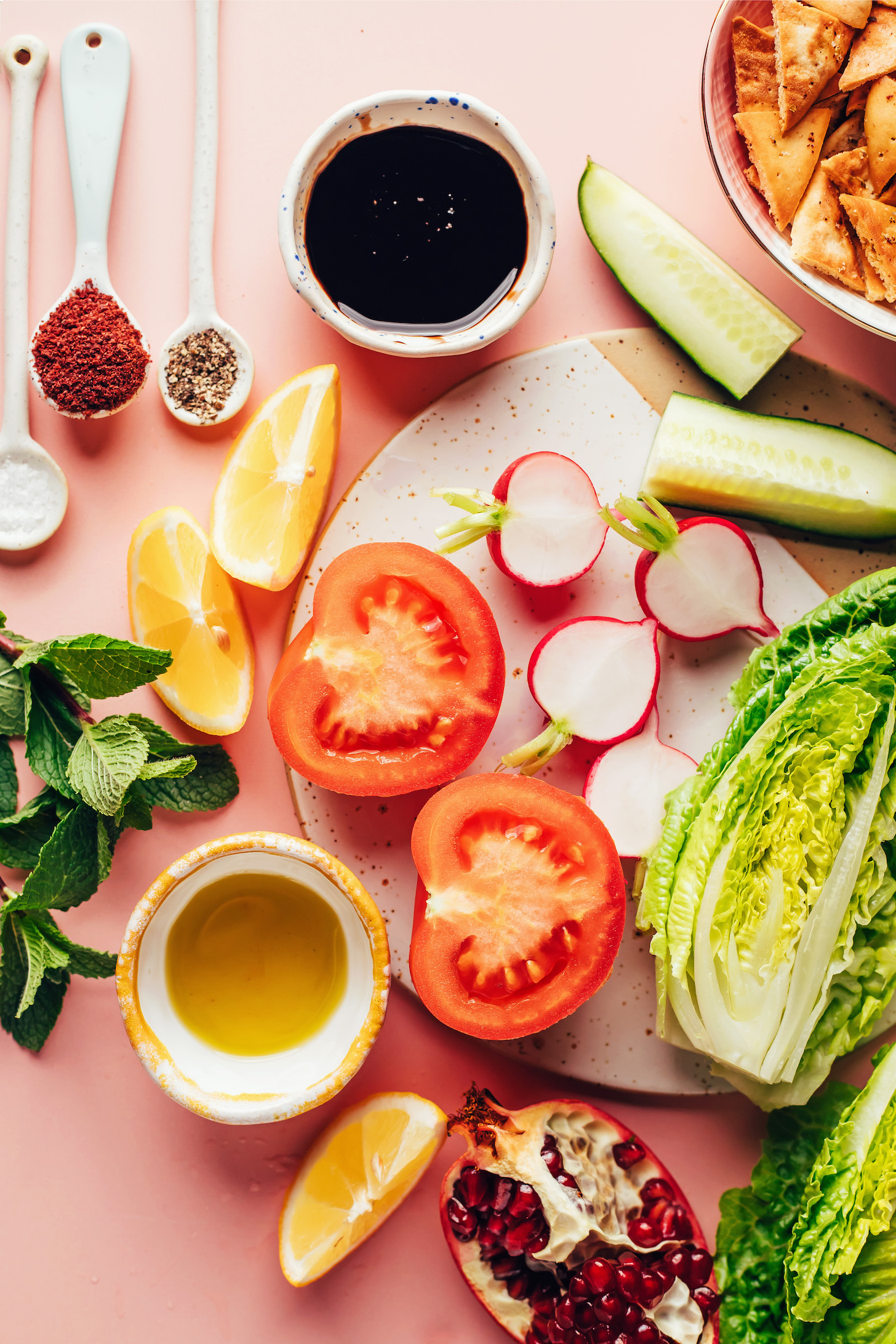
The dressing is another critical component, responsible for Fattoush’s signature bright and tangy character. It typically comprises good quality extra virgin olive oil, freshly squeezed lemon juice, and the aforementioned sumac and pomegranate molasses. Sumac, a spice derived from the dried and ground berries of the Rhus coriaria plant, provides a lemony, slightly astringent flavor without the acidity of actual lemon, and also contributes a distinctive reddish hue. Pomegranate molasses, a concentrated syrup made from reduced pomegranate juice, contributes a unique sweet-tart depth that is indispensable to authentic Fattoush, balancing the acidity of the lemon and the earthiness of the vegetables. Salt and black pepper are added to taste, balancing the flavors. Some variations might also include a hint of crushed garlic or a touch of dried mint in the dressing for added complexity. The interplay of these ingredients creates a dressing that is both invigorating and deeply satisfying, forming the culinary signature of the salad.
The Rise of Weeknight Fattoush: Convenience Meets Culinary Tradition
The "1-bowl, 20-minute" Fattoush salad exemplifies a growing trend in contemporary cooking: the fusion of traditional flavors with modern convenience. In an era where time is a precious commodity, simplified recipes that retain authentic taste profiles are highly valued. This particular adaptation addresses the demands of busy weeknights by significantly reducing preparation time and dishwashing, making it an attractive option for individuals and families seeking nutritious and flavorful meals without extensive effort. This approach responds directly to consumer surveys indicating a strong preference for recipes that can be completed in under 30 minutes, particularly for weeknight dinners.
The innovation lies in streamlining the assembly process. Instead of multiple steps and separate bowls for dressing preparation, this version advocates a "no-mix" dressing technique, where ingredients like lemon juice, pomegranate molasses, ground sumac, salt, and pepper are directly added to the chopped vegetables and tossed together. This not only saves time but also ensures that the fresh flavors directly infuse the vegetables, creating a more cohesive taste experience. Optional additions like maple syrup and olive oil are noted for providing additional balance, allowing cooks to adjust sweetness based on the natural tartness of their pomegranate molasses and personal preference. This adaptability caters to a wider range of palates.
The emphasis on "easy" and "quick" does not compromise the core essence of Fattoush. The recipe maintains the critical elements: fresh, crunchy vegetables, aromatic mint, crispy pita chips, and the distinctive pomegranate-sumac dressing. The use of store-bought pita chips is suggested for ultimate convenience, though instructions for homemade chips are provided for those who prefer to prepare them from scratch, especially useful for repurposing day-old pita bread. This flexibility caters to different levels of culinary engagement and time availability, from novice cooks to seasoned enthusiasts looking for a quick fix. Culinary experts note that such adaptations are crucial for the continued relevance of traditional dishes in fast-paced modern societies.
Nutritional Profile and Health Implications
Fattoush salad, particularly in its fresh and minimally processed forms, offers a wealth of nutritional benefits, aligning perfectly with the principles of a healthy, balanced diet. Its primary components – fresh vegetables, herbs, olive oil, and pomegranate – contribute significantly to overall well-being. According to nutritionists, incorporating a variety of colorful vegetables, as seen in Fattoush, ensures a broad spectrum of micronutrients.
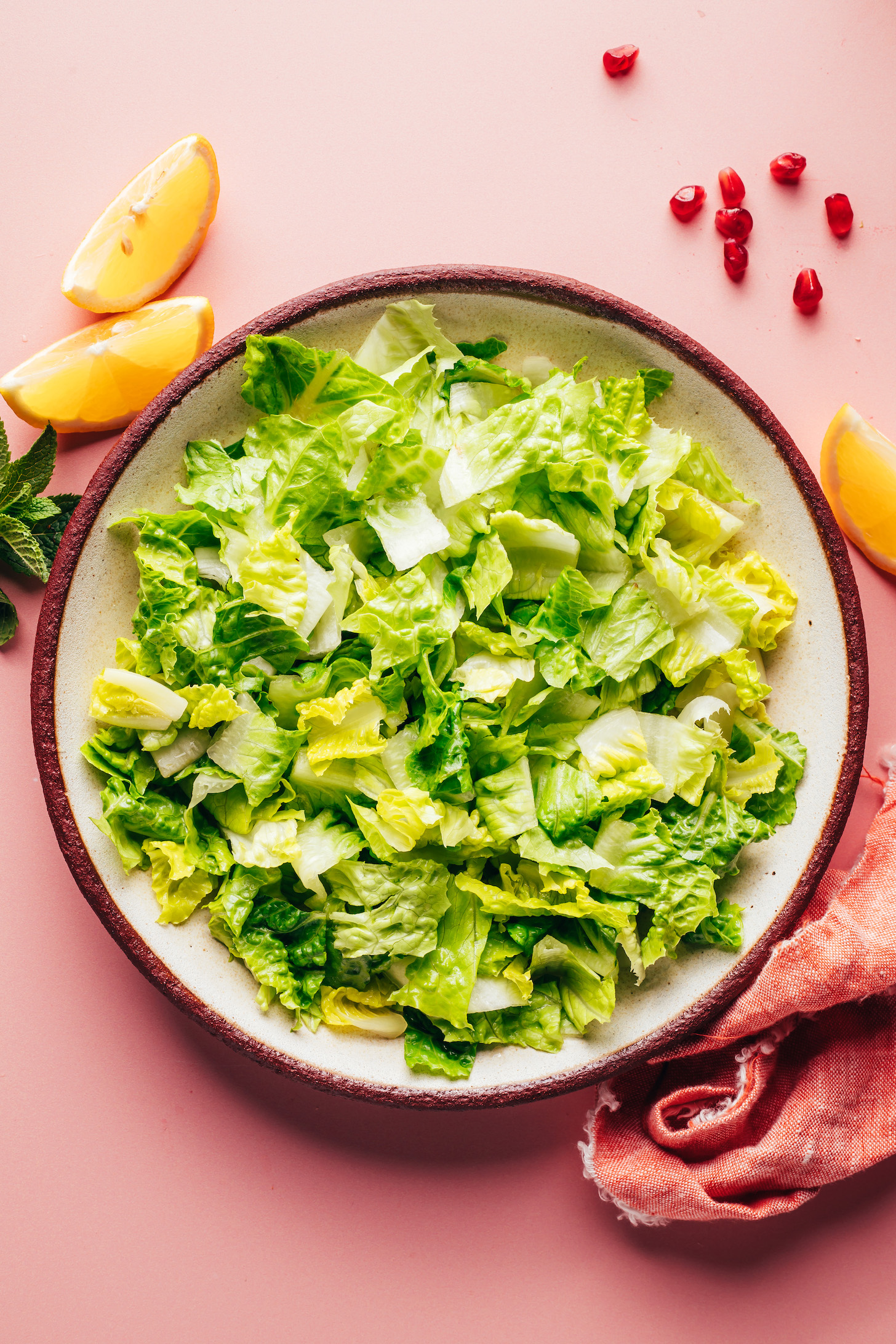
Romaine lettuce and other mixed greens provide essential vitamins and minerals, including Vitamin K (crucial for blood clotting and bone health), Vitamin A (important for vision and immune function), and folate (vital for cell growth), along with valuable dietary fiber. Cucumbers are excellent for hydration due to their high water content, while ripe tomatoes are rich in lycopene, a powerful antioxidant linked to reduced risk of certain chronic diseases. Radishes contribute Vitamin C and additional fiber, supporting immune health and digestion. The generous inclusion of fresh mint and parsley not only enhances flavor but also adds antioxidants and anti-inflammatory compounds, which can contribute to overall cellular health.
The dressing, based on extra virgin olive oil, supplies monounsaturated fats, which are known to be heart-healthy and can help reduce bad cholesterol levels, a key component of the revered Mediterranean diet. Lemon juice is a good source of Vitamin C and aids in digestion, while sumac, beyond its unique flavor, is recognized for its antioxidant properties and potential anti-inflammatory effects. Pomegranate arils, often used as a garnish, are packed with antioxidants, Vitamin C, and fiber, contributing a tart-sweet burst of flavor and additional health benefits, including supporting cardiovascular health.
When fortified with a protein source like chickpeas, as suggested for a light meal, Fattoush transforms into a complete and highly nutritious dish. Chickpeas add plant-based protein and complex carbohydrates, increasing satiety and providing sustained energy. This makes the salad an ideal choice for a light lunch or dinner, especially during warmer months, fitting well within vegan, vegetarian, and Mediterranean dietary frameworks. The estimated nutritional information for a side serving, indicating approximately 127 calories with 21.6g carbohydrates and 4.1g fat (calculated with specific commercial pita crackers and without optional ingredients), underscores its relatively low-calorie and nutrient-dense profile, making it an excellent choice for health-conscious individuals.
Global Culinary Influence and Modern Adaptations
The appeal of Fattoush extends far beyond its Levantine origins, with its vibrant flavors and healthful profile garnering international recognition. It has become a staple in Mediterranean and Middle Eastern restaurants worldwide, contributing to the broader appreciation of these rich culinary traditions. Its simplicity and refreshing nature make it a versatile addition to various menus, from casual eateries to fine dining establishments, demonstrating its universal appeal. Market research indicates a steady increase in the consumption of Middle Eastern cuisine in Western countries, with Fattoush often cited as an entry point.
The flexibility of Fattoush also allows for diverse adaptations to suit different palates and dietary requirements. Beyond the gluten-free pita option, chefs and home cooks experiment with additional ingredients such as crumbled feta cheese for a salty tang, grilled chicken or halloumi cheese for added protein, or different types of greens like arugula or spinach for varied textures and flavors. Some contemporary versions might incorporate roasted vegetables, such as eggplant or bell peppers, to add depth and a smoky note. The dressing, while traditionally distinct, can also be tweaked; for instance, a touch of garlic, a hint of chili flakes, or different vinegars could be introduced, though care is usually taken to preserve the characteristic sumac and pomegranate molasses notes that define the dish. These adaptations reflect a dynamic culinary landscape where tradition meets innovation.
This global embrace of Fattoush highlights its capacity for cultural exchange through food. As people become more adventurous in their culinary explorations, dishes like Fattoush serve as ambassadors of their respective cultures, offering a taste of history, tradition, and regional bounty. The ease of preparing modern versions further facilitates this exchange, encouraging more individuals to try their hand at preparing international cuisine at home. The widespread availability of ingredients like sumac and pomegranate molasses in international markets also supports this global trend, making authentic flavors accessible to a broader audience.
A Step-by-Step Overview of the Simplified Preparation
The simplified Fattoush salad recipe emphasizes a direct and efficient preparation method, designed to deliver maximum flavor with minimal fuss. The process typically unfolds as follows, allowing for rapid assembly:
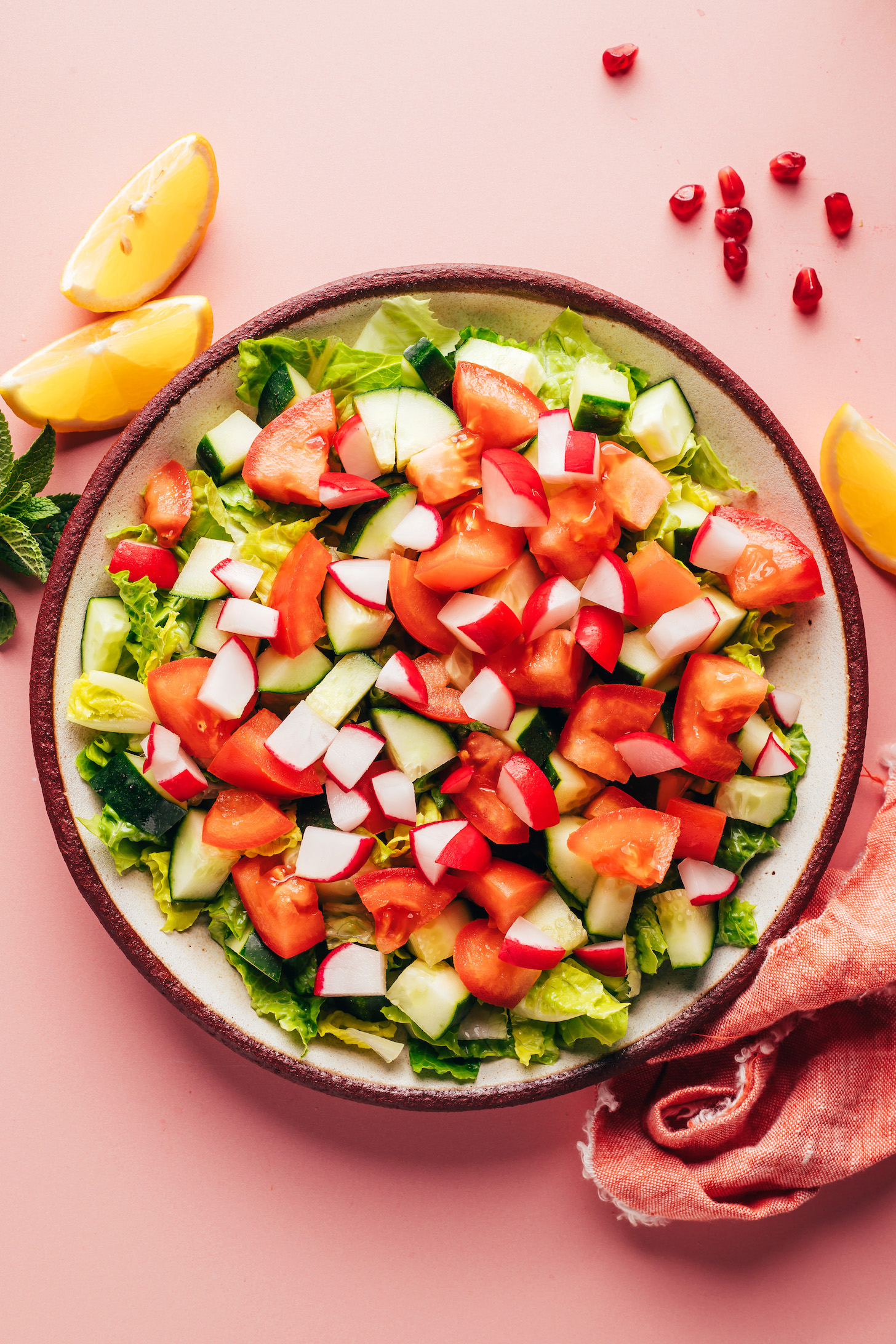
- Preparation of Greens and Vegetables: The initial step involves washing and chopping the base of the salad. Fresh romaine lettuce is typically chosen for its crisp texture and neutral flavor, providing an ideal canvas for the other ingredients. This is followed by dicing or thinly slicing other fresh vegetables such as cucumber (Persian or Lebanese varieties are often preferred for their enhanced flavor and texture, though English cucumbers are a suitable alternative), ripe tomato, and crisp radish. The quality and seasonality of these vegetables are paramount for optimal flavor, though the robust dressing can elevate even less-than-perfect produce. Optional steps include peeling cucumbers or removing seeds from tomatoes for an even smoother texture.
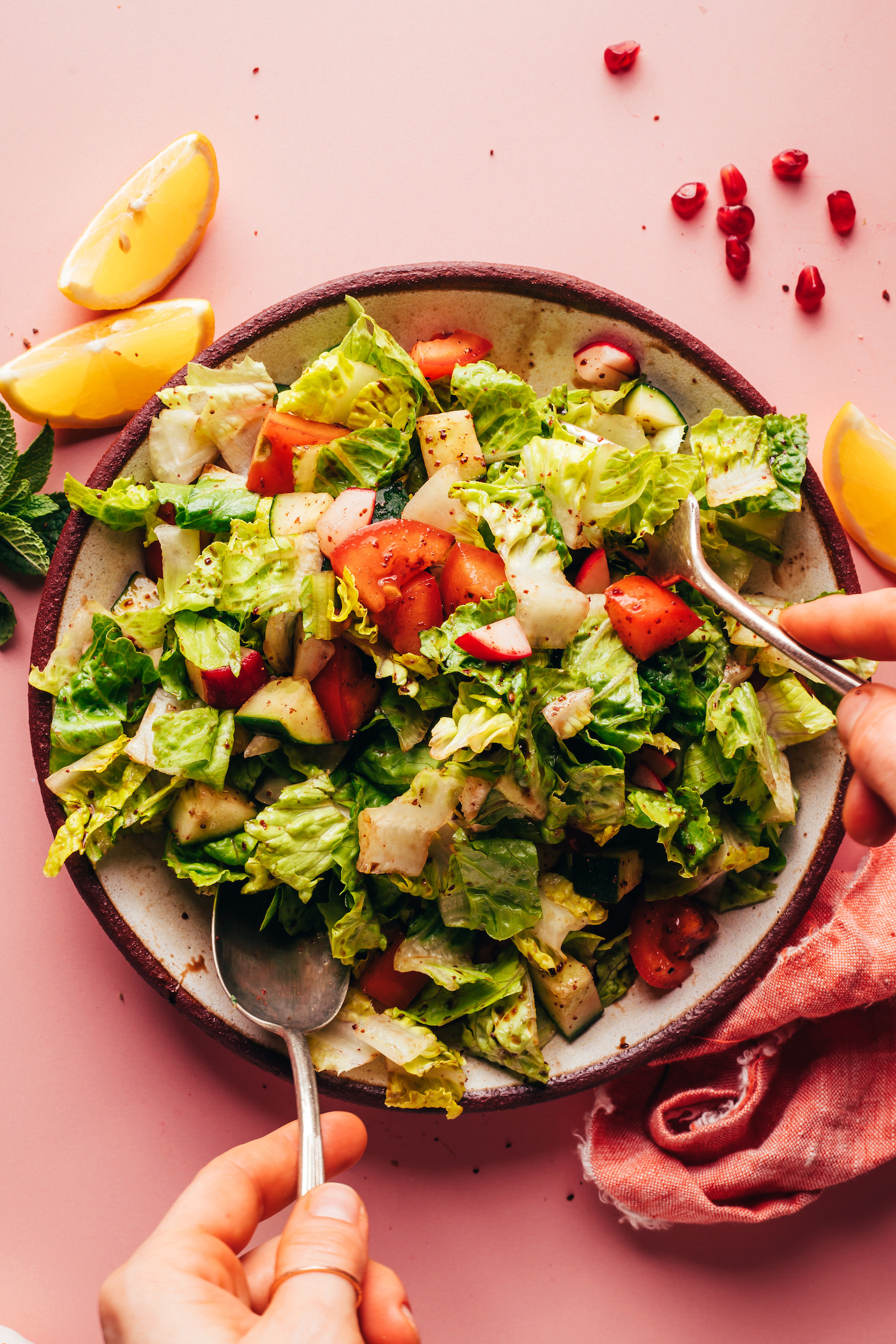
- Dressing Application (The "No-Mix" Method): Instead of preparing the dressing in a separate bowl, the core liquid and spice components are added directly to the prepared greens and vegetables. This innovative technique significantly cuts down on preparation time and dishwashing. Ingredients include freshly squeezed lemon juice for a bright acidity, pomegranate molasses for its signature sweet-tart depth, ground sumac for a tangy, almost smoky flavor, and essential salt and black pepper for seasoning. The ingredients are then tossed thoroughly, ensuring an even coating that infuses every piece of vegetable with the signature tangy and bright flavors of Fattoush. For those who desire a richer mouthfeel or a slightly sweeter profile, a drizzle of olive oil and a touch of maple syrup can be incorporated at this stage, depending on the natural sweetness level of the pomegranate molasses used and individual preference.
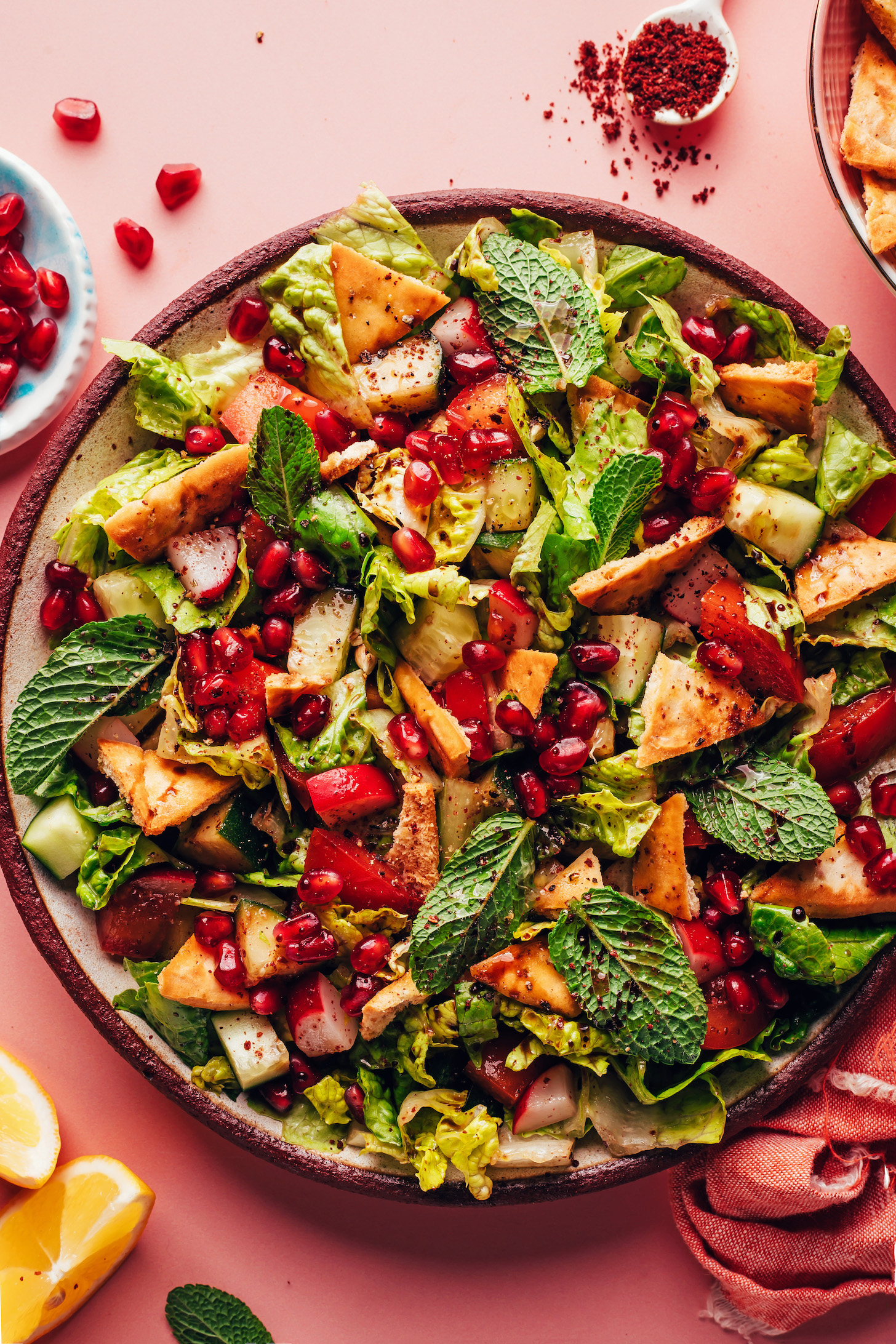
- Incorporating Pita Chips: A crucial textural element, pita chips are added just before serving to maintain their crispness and prevent sogginess. While store-bought pita chips offer unparalleled convenience, the recipe also provides a simple method for creating homemade chips. This involves cutting pita bread (gluten-free options available) into small triangles, tossing them with olive oil, and optionally seasoning them with dried oregano, sumac, and sea salt, before baking at 350°F (180°C) for 8-12 minutes until golden and crunchy. Monitoring them closely is advised to prevent burning. The choice between store-bought and homemade allows for flexibility based on time and preference.
- Final Touches and Garnish: The salad is completed with a generous scattering of fresh mint leaves, which are often left whole for both visual appeal and a burst of refreshing herbal flavor that complements the tartness of the dressing. Pomegranate arils are then sprinkled over the top, adding vibrant color, a delightful pop of texture, and a sweet-tart contrast that beautifully complements the savory and tangy elements of the salad. This final garnish not only enhances the flavor profile but also elevates the presentation, making the dish visually appealing.
This chronological approach ensures that the salad can be assembled swiftly, making it a viable option even on the busiest of weeknights. The "1-bowl" aspect significantly reduces cleanup, further enhancing its appeal as a convenient and efficient culinary solution.
Versatility in Serving: From Side Dish to Main Course
The versatility of Fattoush salad is one of its most compelling attributes. It excels as a refreshing side dish, complementing a wide array of Mediterranean- and Middle Eastern-inspired main courses. Its crisp texture and bright flavors cut through richer dishes, providing a palate-cleansing effect and enhancing the overall dining experience. For example, it pairs exceptionally well with hearty plant-based stews like Vegan Lentil Fesenjān or flavorful wraps such as Kale Falafel Hummus Wraps, as referenced by proponents of this simplified recipe, creating a balanced and satisfying meal combination. Its light profile also makes it an excellent accompaniment to grilled meats or fish.
Beyond its role as an accompaniment, Fattoush can effortlessly transition into a satisfying light meal on its own. As previously noted, the addition of chickpeas transforms it into a more substantial dish, providing plant-based protein and making it a complete, balanced option for lunch or a light dinner. This adaptability makes it particularly suitable for warm weather, when lighter, fresher meals are often preferred, or as a healthy lunch option for those working from home or in an office setting.
The aesthetic appeal of Fattoush, with its vibrant colors and diverse textures, also makes it an excellent choice for entertaining. Serving Fattoush salad on individual plates, garnished with extra pomegranate arils and lemon wedges, creates an inviting and visually stunning presentation that is sure to impress guests while remaining straightforward to prepare. Its ability to be assembled quickly before serving also makes it a practical choice for hosts.
Concluding Thoughts: A Modern Classic Reimagined
The "Easy Fattoush Salad (1 Bowl!)" represents a successful bridge between culinary tradition and modern lifestyle demands. It distills the essence of a cherished Levantine dish into a format that is not only quick and easy to prepare but also retains the authentic crispness, brightness, crunch, and tart-sweet complexity that define classic Fattoush. This innovation ensures that the rich flavors and healthful benefits of this traditional salad are accessible to a wider audience, regardless of their culinary expertise or time constraints.
This reimagined classic serves as a testament to the enduring appeal of fresh, wholesome ingredients and the ingenuity of culinary adaptation. It offers a solution for those seeking to incorporate diverse and flavorful international cuisines into their daily routines without sacrificing precious time. As a refreshing, nutritious, and incredibly delicious option, this streamlined Fattoush salad is poised to become a staple in contemporary kitchens, embodying the perfect blend of heritage and convenience for the modern palate, and further cementing the global appreciation for Levantine cuisine.
