
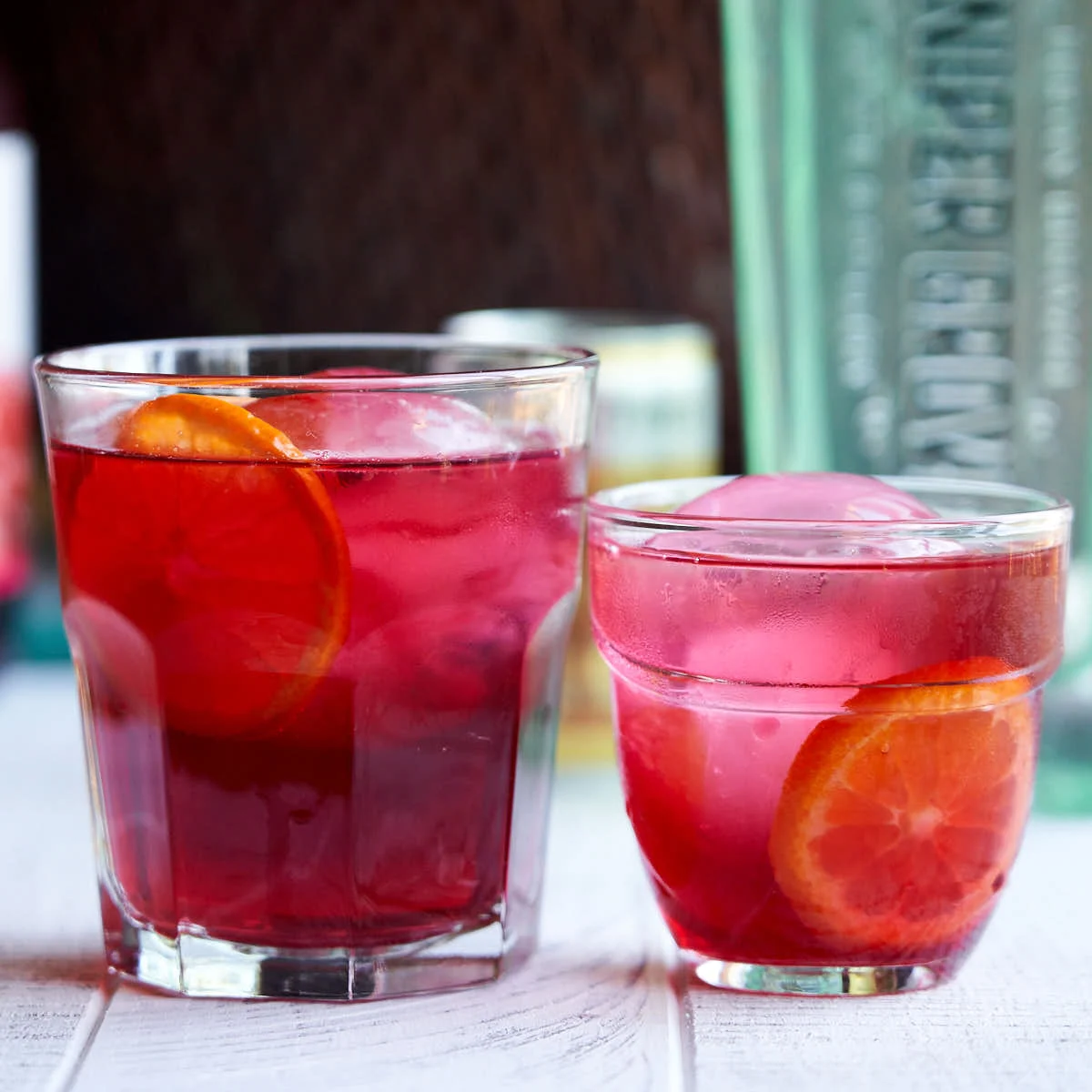
The tradition of holiday brunch has undergone a significant evolution in the modern culinary landscape, transitioning from heavy, traditional mid-day meals to sophisticated, lighter gatherings that prioritize seasonal ingredients and artisanal beverage pairings. As consumer trends shift toward the "premiumization" of at-home entertaining, the demand for elevated, easy-to-prepare cocktails has surged. Central to this trend is the Cranberry Gin Cocktail, a refined adaptation of the classic gin and tonic that leverages the historical association between cranberries and winter festivities in North America.
Historical Context and Culinary Evolution
The cranberry, indigenous to the northeastern United States and Canada, has been a staple of North American holiday menus since the 17th century. Historically utilized for its preservative qualities and tart flavor profile, the fruit has moved beyond the dinner table and into the sphere of professional mixology. The integration of cranberry juice into a standard Gin and Tonic—a cocktail traditionally composed of gin and carbonated tonic water flavored with quinine—represents a modern culinary hybridization. This trend gained momentum during the 2020 and 2021 holiday seasons, as global supply chain disruptions and stay-at-home mandates encouraged consumers to explore high-quality, DIY mixology within their own kitchens.
Technical Composition and Preparation Methods
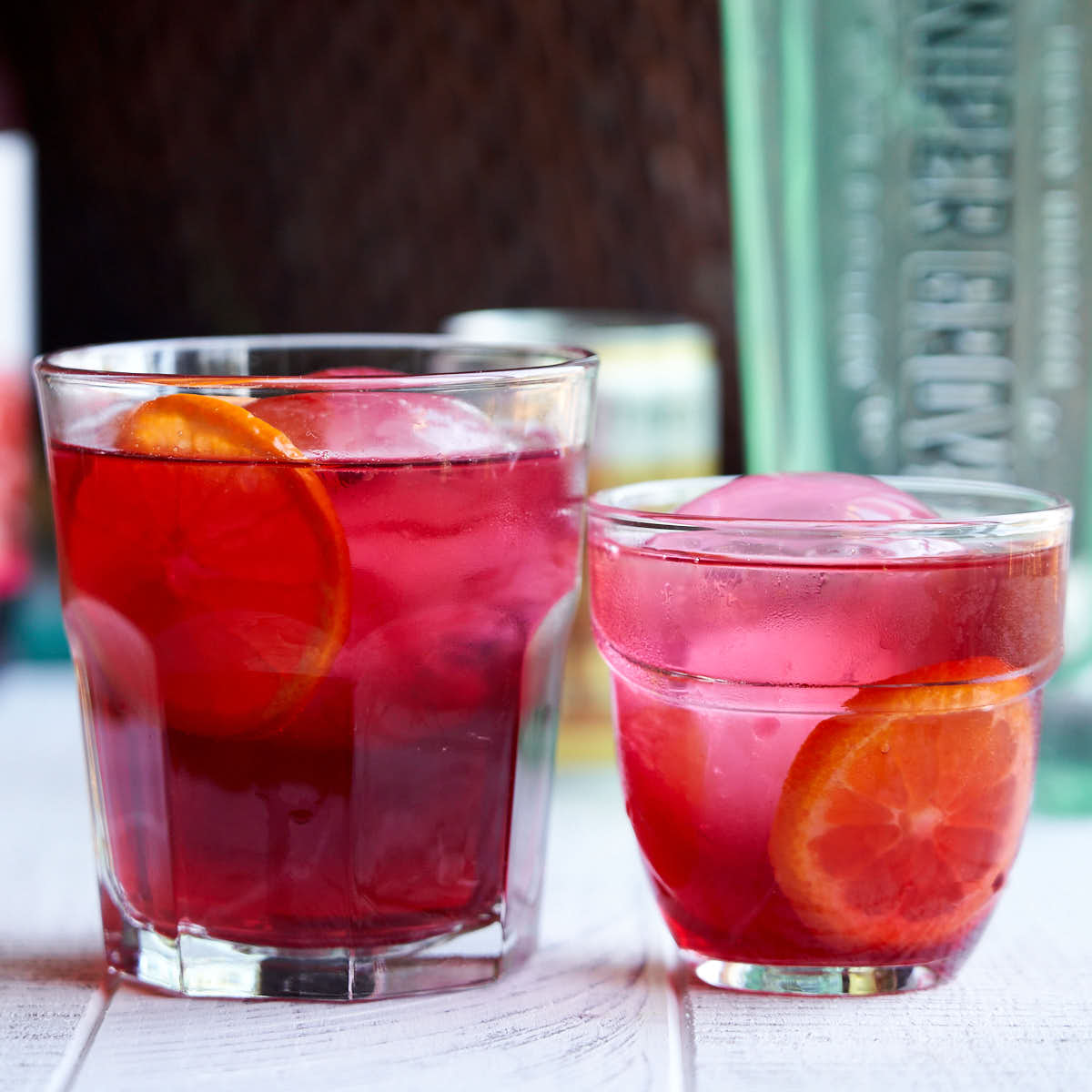
The Cranberry Gin Cocktail is defined by its simplicity and the quality of its components. The fundamental structure includes a high-proof dry gin, carbonated tonic water, and pure, unsweetened cranberry juice. Professional mixologists often emphasize the importance of using unsweetened, 100% cranberry juice to maintain the beverage’s structural integrity, allowing the botanicals of the gin—typically juniper, coriander, and citrus peel—to remain the focal point.
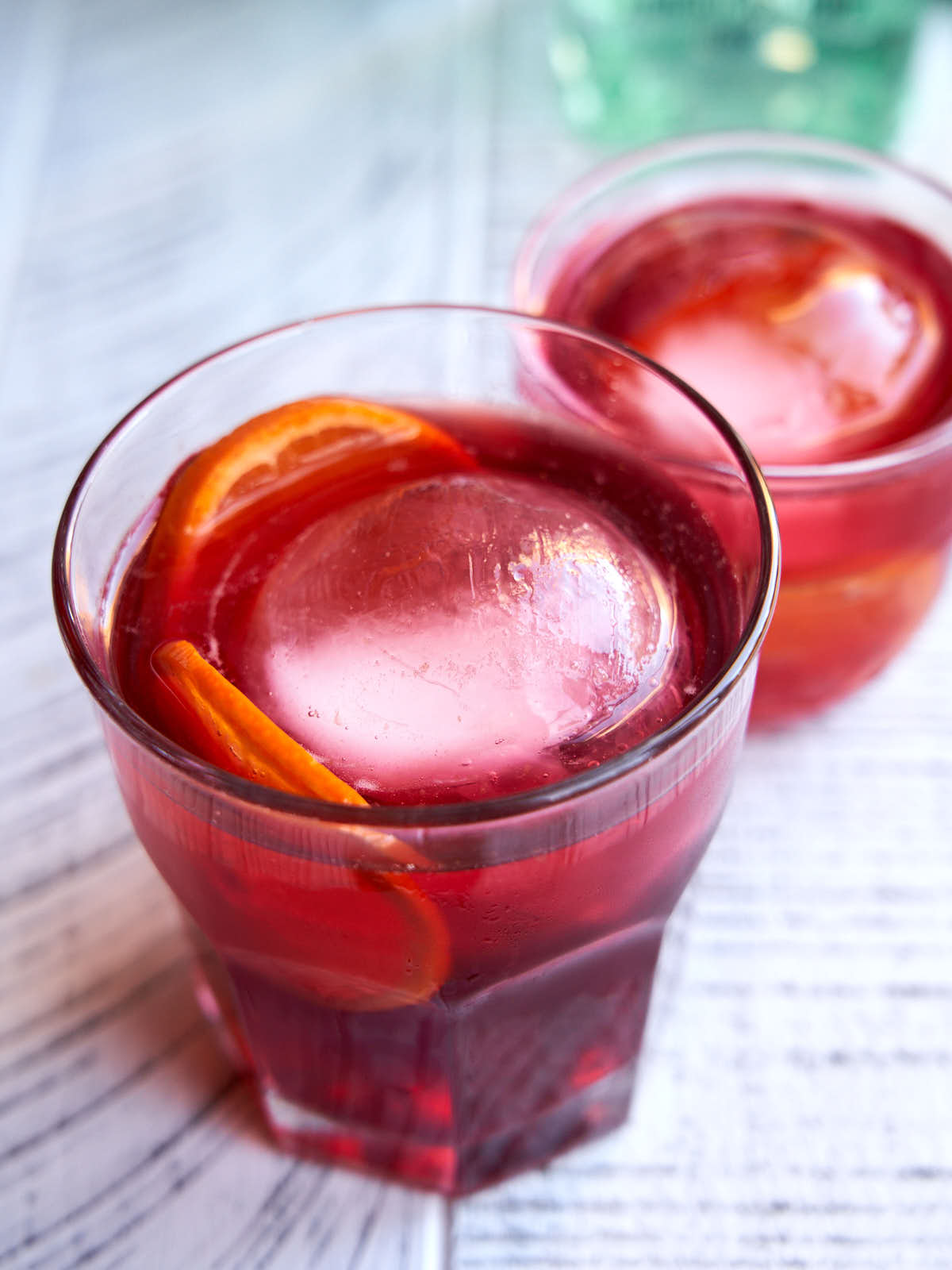
A significant development in the presentation of this beverage is the utilization of spherical ice molds. From a thermodynamic perspective, ice spheres offer a lower surface-area-to-volume ratio compared to traditional cubic ice. This ensures a slower rate of dilution, preserving the cocktail’s concentration and temperature stability throughout the duration of the brunch service. Data from kitchenware industry reports indicate a 15% increase in the sales of specialized silicone ice molds during the fourth quarter of 2021, a direct correlation to the rise in sophisticated home cocktail preparation.
Market Trends and Consumer Preferences
The shift toward "brunch cocktails" reflects broader changes in consumer alcohol consumption. According to beverage market analytics, there has been a measurable pivot away from high-ABV (alcohol by volume) spirits toward balanced, lower-intensity drinks during daytime events. The addition of clementine or citrus garnishes serves both an aesthetic and functional purpose, introducing aromatic essential oils that complement the dry, resinous profile of the gin.
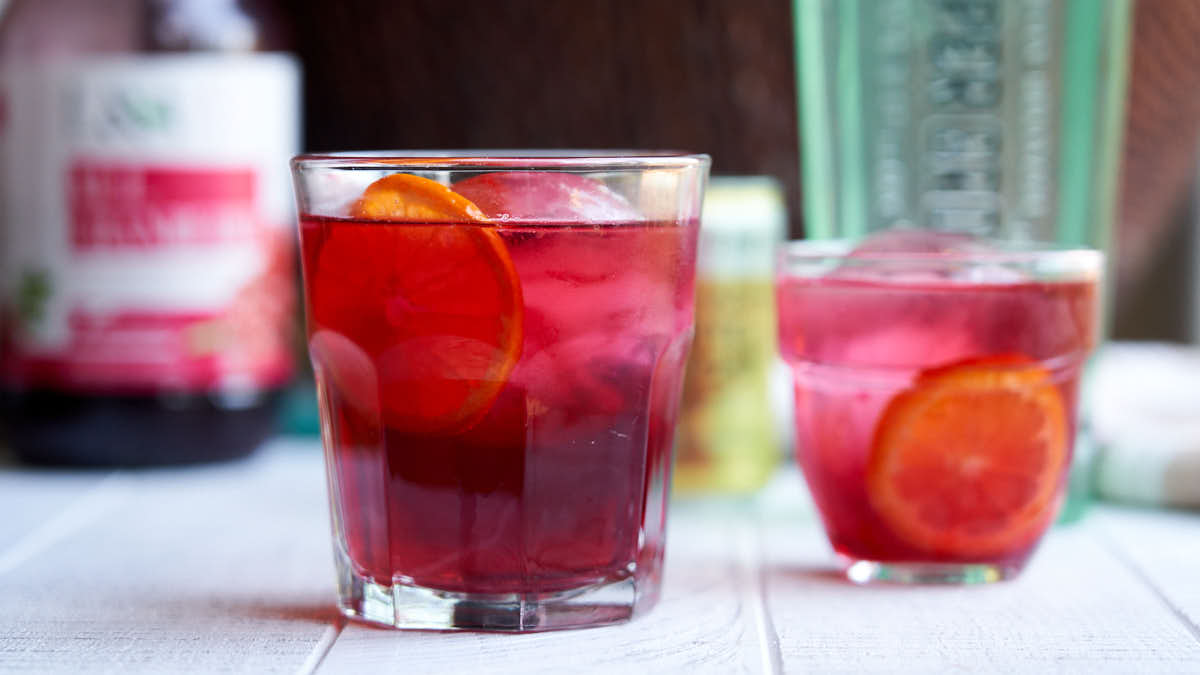
The market for artisanal spirits, particularly American Dry Gin, has also seen robust growth. Distilleries in regions such as the Sierra Nevada mountains have capitalized on local sourcing, using indigenous botanicals to differentiate their products in a crowded marketplace. This focus on "terroir"—the environmental factors that affect the flavor of the spirit—has allowed consumers to engage more deeply with the provenance of their ingredients, turning a simple cocktail into a narrative-driven experience.
Comparative Analysis of Flavor Profiles
The choice of cranberry juice significantly alters the cocktail’s flavor architecture. The use of unsweetened juice yields a sharp, acidic profile that requires careful balancing. Conversely, the use of commercially sweetened juice blends, such as those produced by major industry players like Ocean Spray, introduces a higher glycemic index and a smoother, more accessible palate. For those seeking to further modify the drink, the inclusion of simple syrup (a 1:1 ratio of sugar to water) serves as a stabilizing agent, neutralizing the natural astringency of the cranberry while maintaining the clarity of the cocktail.
Socio-Economic Impact of At-Home Entertaining
The rise of the "host-at-home" movement has had a measurable impact on the retail sector. As consumers invest in high-end glassware, ice-forming technology, and premium spirits, retailers have responded by curating "cocktail kits" and subscription boxes. This commercial shift is not merely a transient fad but represents a permanent change in how households manage social hospitality. By focusing on recipes that require minimal specialized equipment—yet yield professional-grade results—home hosts are effectively extending the reach of the hospitality industry into private residences.
Future Implications for Holiday Hospitality
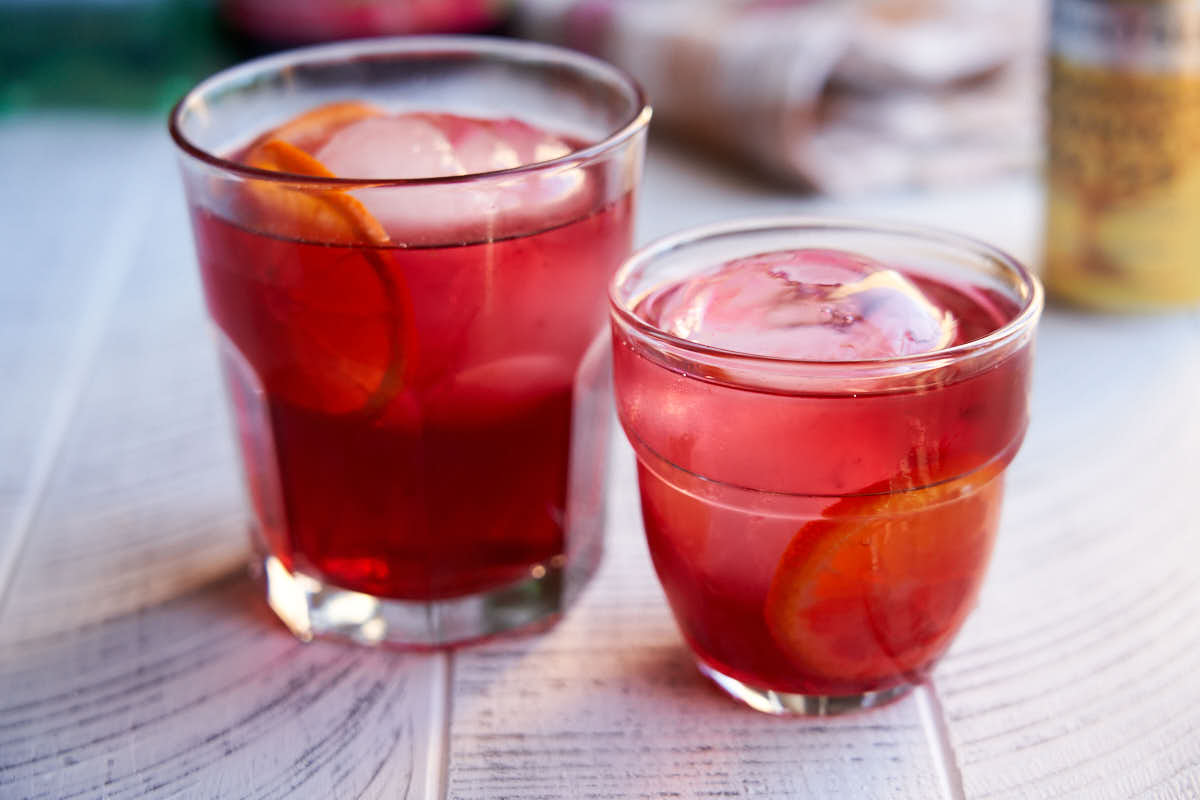
As the hospitality industry continues to recover from the volatility of the early 2020s, the focus on intimate, high-quality gatherings is expected to remain a permanent fixture of holiday celebrations. The Cranberry Gin Cocktail serves as a case study for this trend: it is efficient to prepare, visually consistent with the aesthetic standards of the season, and adaptable to various dietary preferences, including non-alcoholic variations using distilled non-alcoholic spirits.
The long-term implication of this trend is a more educated consumer base. As individuals become more proficient in the balancing of acidity, sweetness, and botanicals, the threshold for what constitutes a "standard" holiday drink continues to rise. Future iterations of this cocktail are likely to incorporate seasonal spices such as star anise, cinnamon, or rosemary, further aligning the beverage with the sensory expectations of the winter months.
Professional Considerations for Implementation
For those seeking to implement this menu item, sourcing remains the most critical factor. The use of locally sourced, non-concentrate juices and small-batch gins is recommended to elevate the final product. Furthermore, the selection of the correct glassware—typically a highball or a wide-rimmed copa de balon—can enhance the olfactory experience by allowing the aromatics of the gin to circulate properly.
In conclusion, the Cranberry Gin Cocktail is more than a seasonal beverage; it is a synthesis of modern mixology principles and traditional holiday values. By focusing on ingredient quality, thermodynamic efficiency through proper ice management, and the careful balance of tart and botanical profiles, home hosts can achieve a professional-standard experience that aligns with the current culinary shift toward refined, thoughtful, and accessible at-home hospitality. The continued popularity of such recipes suggests that the focus on high-quality, artisanal home experiences will remain a dominant force in consumer behavior for the foreseeable future, driving innovation in both the craft spirit and home-kitchen equipment sectors.
