
The Evolution of the Convenience Lunch Market
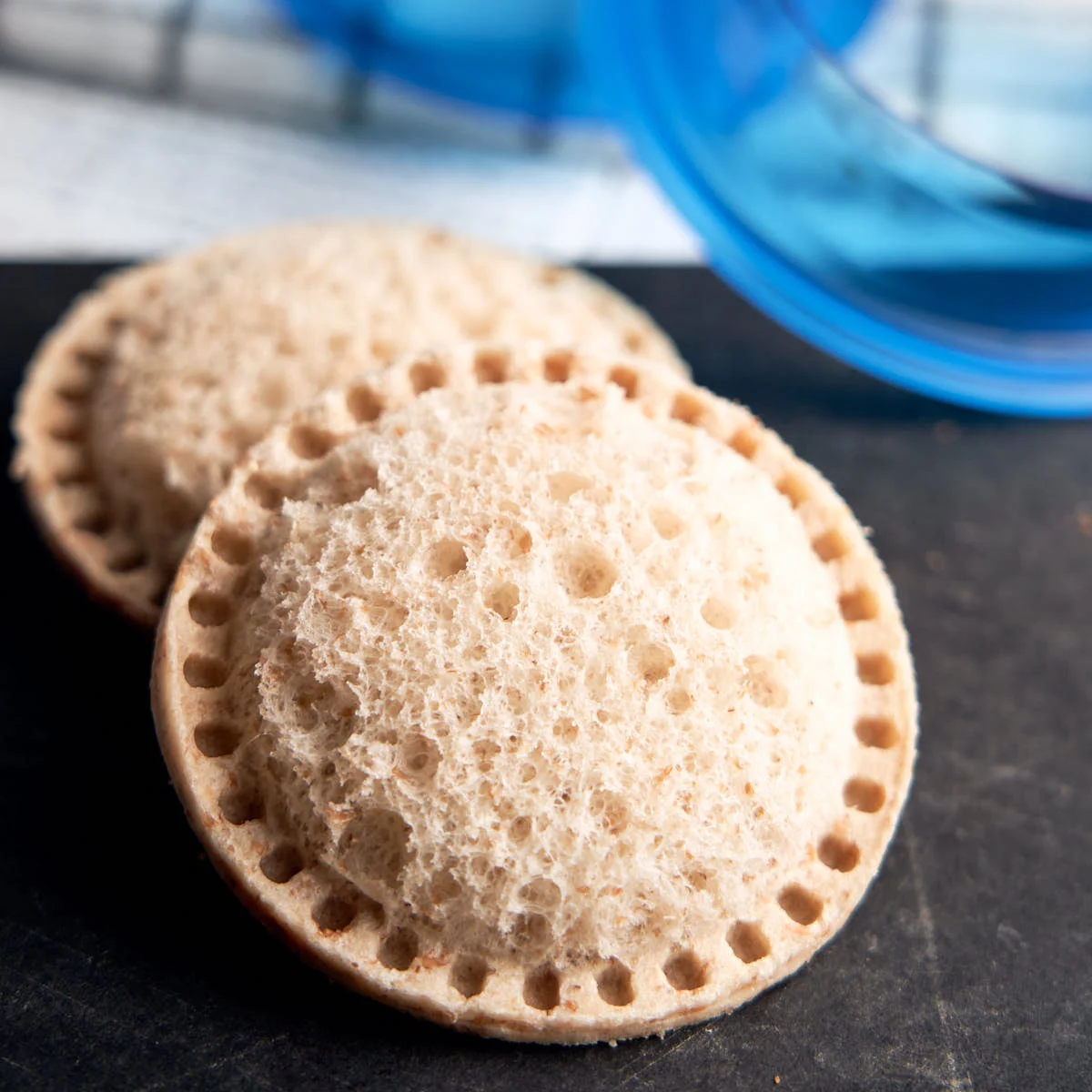
The concept of the crustless sandwich was popularized by Smucker’s, which launched its "Uncrustables" line in the late 1990s. The product revolutionized the lunch packing industry by offering a frozen, ready-to-eat solution that would thaw by lunchtime. However, as public awareness regarding ingredient transparency has increased, so too has the scrutiny of mass-produced, shelf-stable food items.
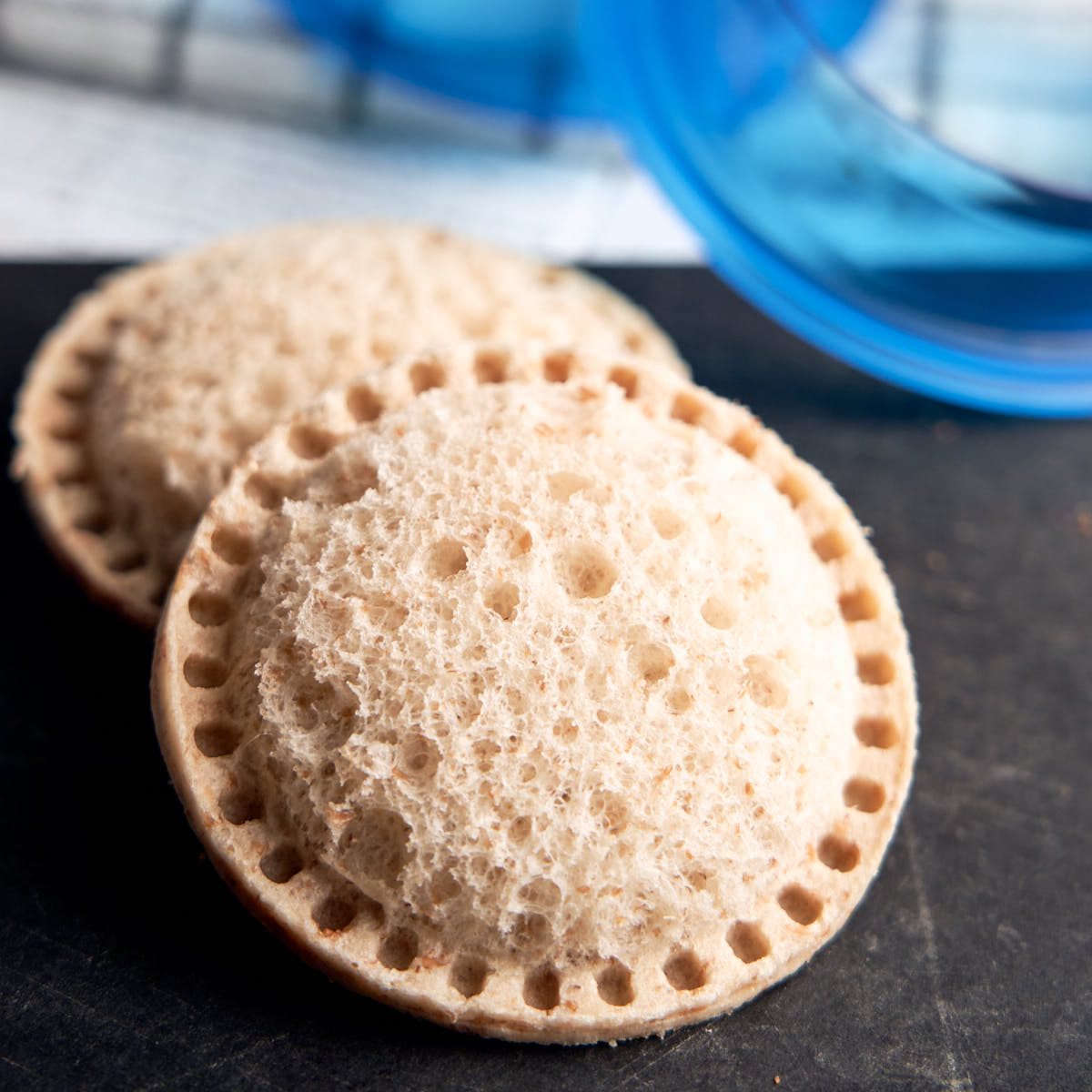
Recent market analysis indicates that parents are increasingly auditing the ingredient lists of standard school lunch staples. A primary point of contention for many health advocates is the presence of added high-fructose corn syrup, preservatives, and refined sugars in mass-marketed "honey" spreads and commercial peanut butters. Consequently, the DIY, or "homemade," approach has moved from a niche lifestyle choice to a mainstream domestic activity, facilitated by the widespread availability of specialized kitchen tools.
Nutritional Analysis and Ingredient Control
The transition from store-bought to homemade versions of these sandwiches centers on the ability to control the quality of the three core ingredients: bread, nut butter, and honey.
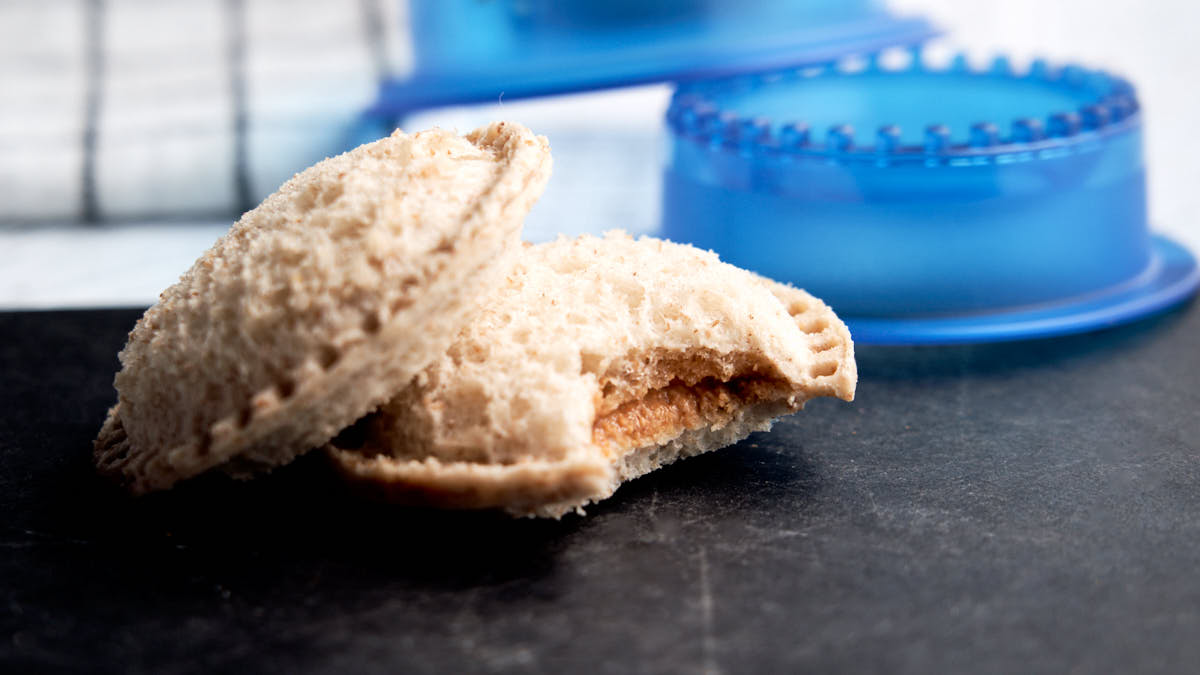
Standard commercial versions often feature a "honey spread" where sugar or corn syrup serves as the primary ingredient. By contrast, preparing these items at home allows the consumer to utilize organic, raw, or locally sourced honey, which contains trace enzymes and antioxidants often lost in industrial processing. Similarly, consumers can select peanut butters that contain only peanuts and salt, effectively eliminating the hydrogenated vegetable oils frequently used in commercial brands to maintain texture and prevent oil separation.
From a caloric standpoint, a homemade version can be adjusted for portion size. While a standard commercial unit generally contains approximately 190 to 210 calories, homemade iterations can be scaled to meet the specific dietary needs of younger children, potentially reducing caloric intake if the sandwich is intended as a snack rather than a full meal.
The Role of Domestic Kitchen Technology
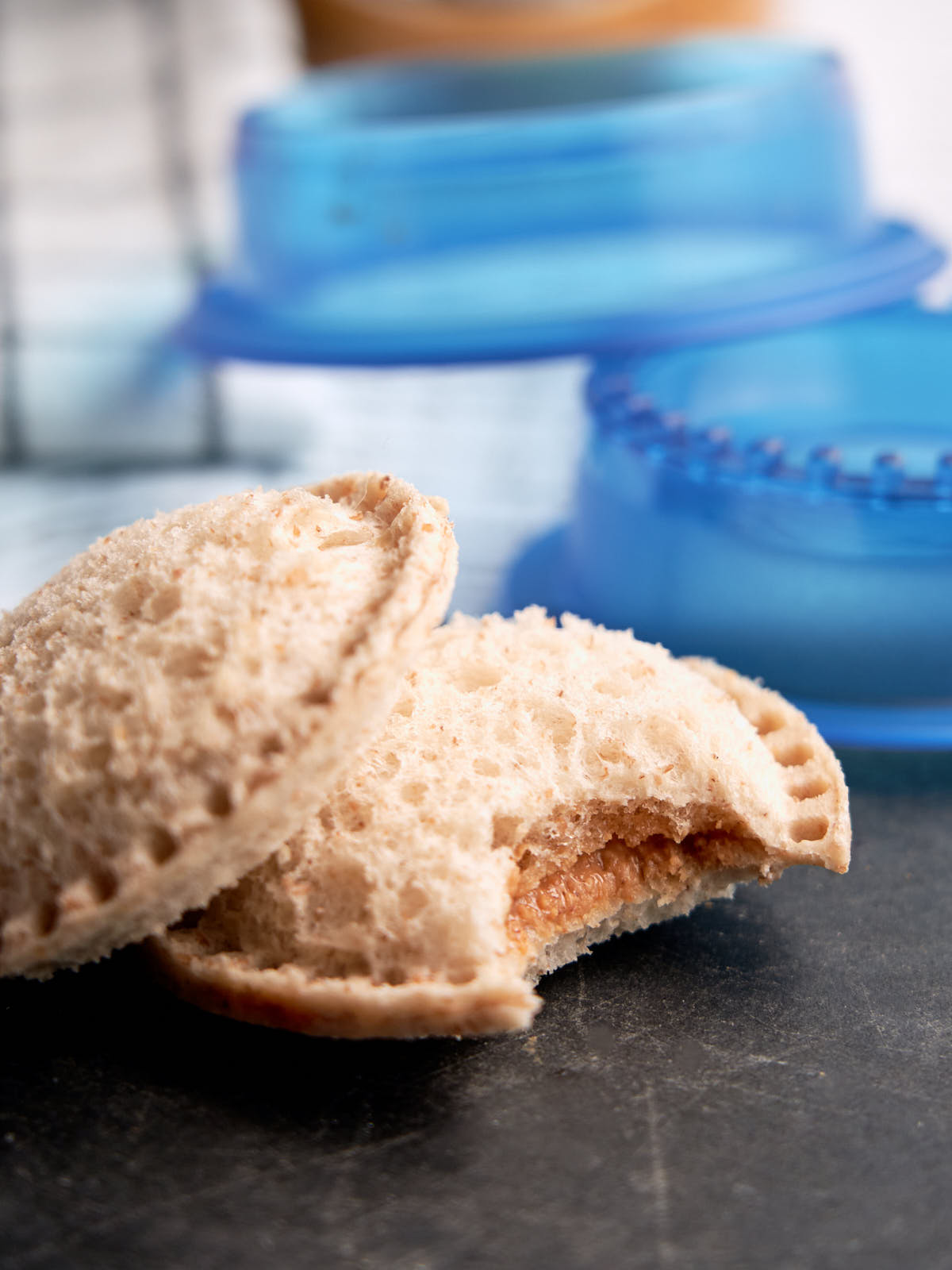
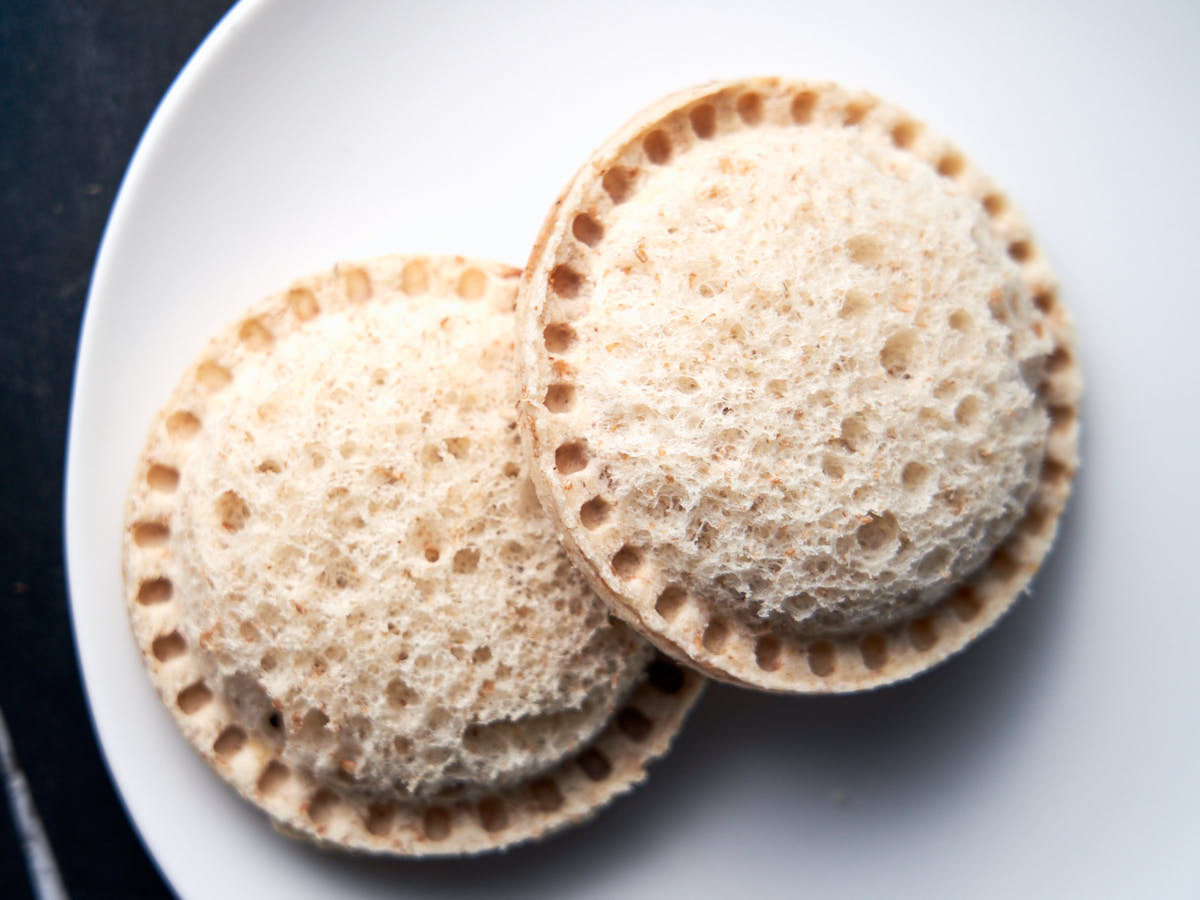
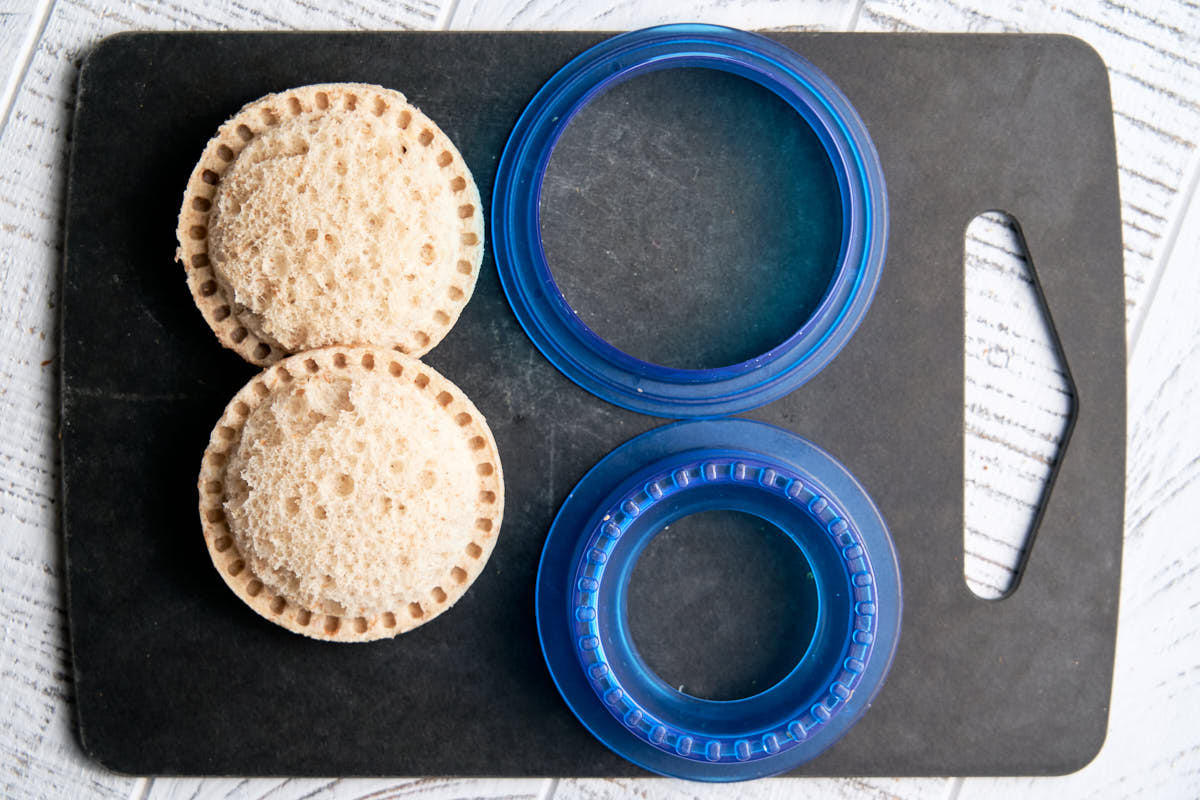
The rise of the "sandwich sealer" or "uncrustable maker" has been a critical factor in the democratization of this food trend. These tools, which range from simple plastic molds to sophisticated stainless steel presses, allow for the efficient mass-production of sealed pockets.
The adoption of these tools mirrors a broader trend in home economics: the "prosumer" movement, where home cooks utilize tools that mimic industrial food-processing capabilities. By purchasing a dedicated sealer, parents can process an entire loaf of bread at once, creating a week’s worth of lunches that can be frozen, mirroring the utility of the store-bought versions while retaining the integrity of fresh ingredients. This also addresses the environmental concern of single-use plastic packaging, as homemade versions can be stored in reusable silicone bags or containers.
Sustainability and Waste Mitigation
A notable challenge in the production of crustless sandwiches is the inevitable waste generated by removing the bread’s outer edges. However, the modern home-cooking movement emphasizes a "zero-waste" philosophy. Culinary professionals and food bloggers have standardized several methods for repurposing these remnants, which would otherwise be discarded in a commercial setting.
- Crouton Production: By tossing crusts in olive oil or melted butter and seasoning with garlic, rosemary, or sea salt, households can produce shelf-stable croutons. These serve as a secondary food product, often used in salads or soups.
- Bread Crumb Conversion: Dehydrating the crusts in a low-temperature oven followed by mechanical grinding creates bread crumbs, a staple ingredient for binding meatballs, coating poultry, or topping gratins.
- Strategic Portioning: For families with smaller children, the crusts often represent an unnecessary volume of carbohydrates. By trimming the sandwich, parents can tailor the portion to the child’s appetite, thereby reducing overall food waste within the household.
Economic and Logistical Implications
From an economic perspective, the long-term savings of moving to a DIY model are significant. While the initial investment in a sandwich sealer is typically between $10 and $25, the cost per unit of a homemade sandwich is substantially lower than that of its pre-packaged counterpart. By purchasing bread, peanut butter, and honey in bulk, families can reduce the per-sandwich cost by approximately 40% to 60%, depending on the quality of the ingredients chosen.
Furthermore, the logistical advantage of having a freezer stocked with homemade lunches provides a buffer against the daily time-crunch experienced by many working families. The ability to batch-prepare these items on a Sunday evening aligns with the "meal prep" culture that has become prevalent in North American households.
Broader Impact on Consumer Behavior
The shift toward homemade uncrustables is emblematic of a larger, systemic change in how families interact with their food supply chain. There is a palpable demand for "clean label" products—items with few, recognizable ingredients. When a product does not meet these standards, the consumer is increasingly willing to bypass the retail sector entirely to manufacture the item at home.
This trend has not gone unnoticed by the industry. While mass-market manufacturers continue to dominate in terms of sheer volume, the growth of small-scale appliance companies producing kitchen gadgets suggests that the "homemade" market is a sustainable niche. The intersection of health consciousness, environmental sustainability, and financial prudence continues to drive the adoption of these home-based food production methods.
As educational programs in schools continue to emphasize nutrition, the domestic preparation of lunches provides an opportunity for parent-child engagement. Allowing children to assist in the assembly process—choosing their own ingredients or operating the sealing tools—fosters a greater connection to the food they consume. This "kitchen education" is increasingly cited by pediatric nutritionists as a method to encourage children to try a wider variety of foods and develop a more nuanced understanding of dietary choices.
In conclusion, the movement toward homemade peanut butter and honey uncrustables is more than a culinary preference; it is a manifestation of modern consumer values. By reclaiming the production process, households are achieving a higher level of nutritional oversight, reducing environmental impact, and optimizing their domestic food budgets. As technology continues to lower the barrier to entry for these culinary tasks, the practice is likely to maintain its upward trajectory, cementing its place as a staple of the contemporary, health-aware home.
