
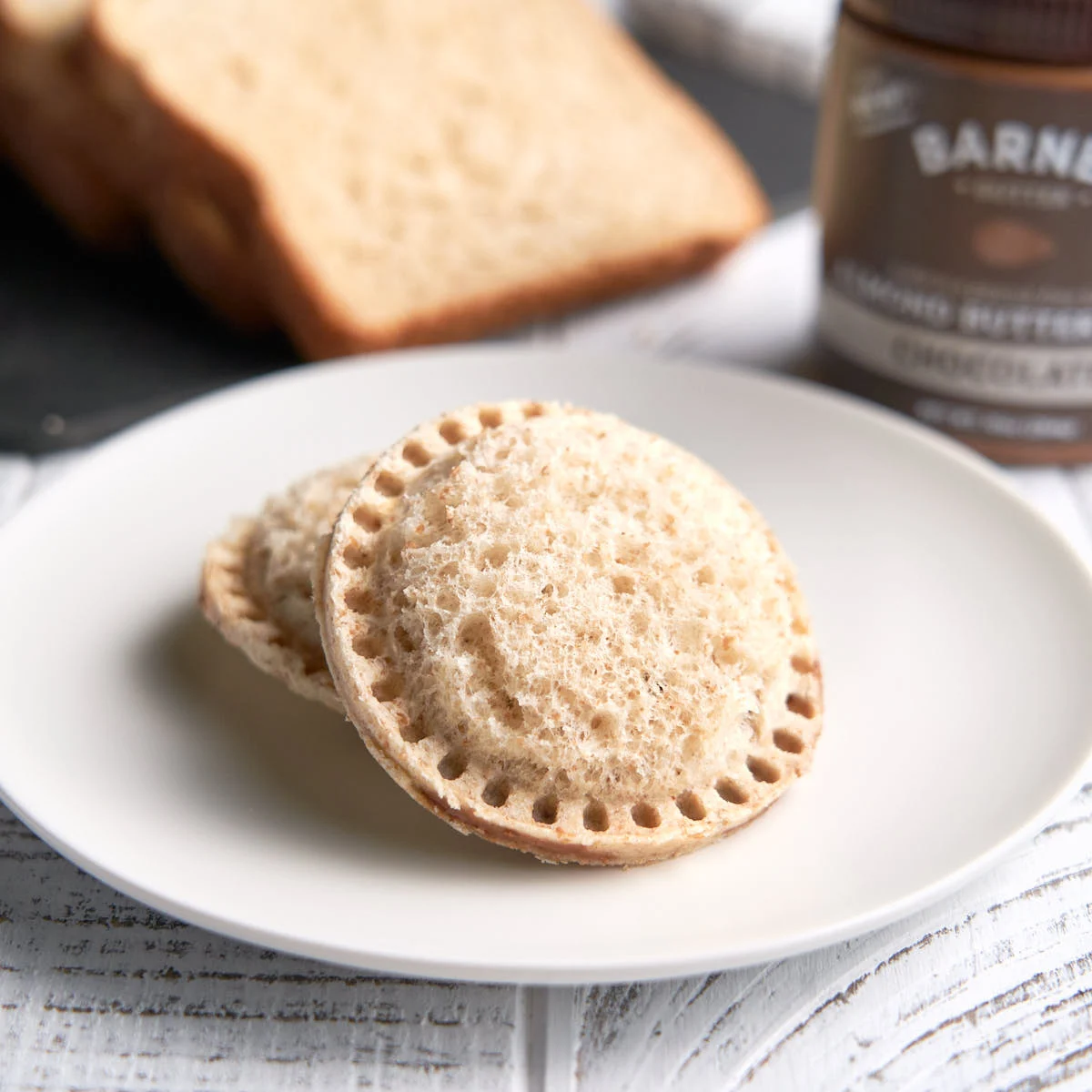
The Evolution of the Portable Sandwich
The concept of the "uncrustable"—a sealed, circular sandwich—was popularized by the Smucker’s brand, which launched its frozen, pre-packaged line of pocket sandwiches in the late 1990s. Initially marketed as a convenient lunchbox solution, these items revolutionized the portable food market by addressing the common issue of soggy crusts and messy fillings. By crimping the edges of two slices of bread, the manufacturers created an enclosed pouch that preserved the integrity of the contents.

Over the past decade, the market for home kitchen gadgets has expanded, allowing consumers to replicate this industrial process. The introduction of affordable, handheld sandwich cutters and sealers has democratized the ability to create these sealed sandwiches at home. This movement has been bolstered by social media platforms, where culinary influencers showcase "DIY" versions of childhood favorites, emphasizing the use of high-quality, whole-food ingredients as opposed to the processed fillings often found in commercial frozen goods.
Nutritional Analysis and Ingredient Shifts
A critical factor in the shift toward homemade versions is the nutritional profile of the fillings. Traditional store-bought chocolate-hazelnut spreads, such as the industry-leading Nutella, are often cited by nutritionists for their high sugar and palm oil content. For instance, a standard two-tablespoon serving of traditional hazelnut spread typically contains approximately 21 grams of sugar.

In contrast, contemporary alternatives, such as chocolate-infused almond or peanut butters, have entered the market to cater to health-conscious demographics. These products often utilize natural sweeteners and offer higher protein and fiber content. By using these alternatives in a homemade, crustless sandwich, consumers can reduce added sugar intake by as much as 90% compared to traditional spreads, providing a more balanced breakfast option for school-aged children.
The Mechanics of Home Sealing
The mechanical process of creating a homemade, sealed-edge sandwich relies on specific culinary tools. A typical sandwich sealer consists of a two-part system: a primary outer ring that cuts the crust from the bread, and a secondary press that crimps the edges to create an airtight seal.
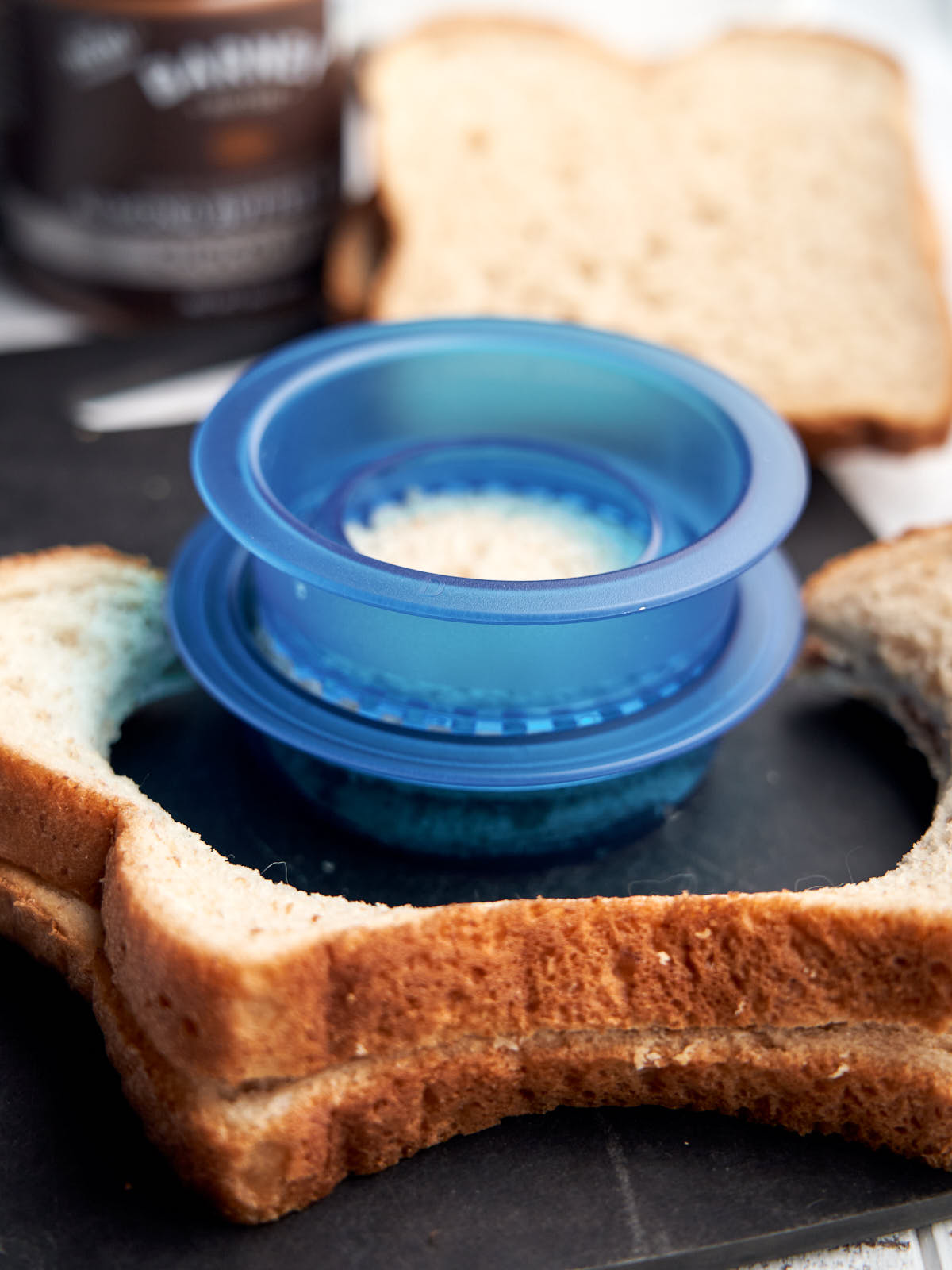
To achieve professional-grade results, practitioners of this method emphasize the importance of bread selection. Soft, high-moisture white or honey wheat breads are preferred because they possess the elasticity required to be compressed without cracking. Denser, artisanal whole-grain breads often fail during the sealing process because their structural integrity is too rigid to hold the crimp. Industry experts suggest that maintaining room-temperature ingredients and ensuring the filling is centered—preventing contact with the edges—is essential to prevent the sandwich from separating during consumption.
Broader Economic and Lifestyle Implications
The move toward home-prepared convenience foods reflects a broader trend in the post-pandemic domestic economy. With rising food inflation, families are increasingly looking for ways to maximize their grocery budgets. A box of store-bought frozen sandwiches carries a premium price for the convenience of processing. By purchasing a one-time investment tool—the sandwich sealer—and buying bread and nut butter in bulk, households can significantly lower the per-unit cost of their breakfast items.
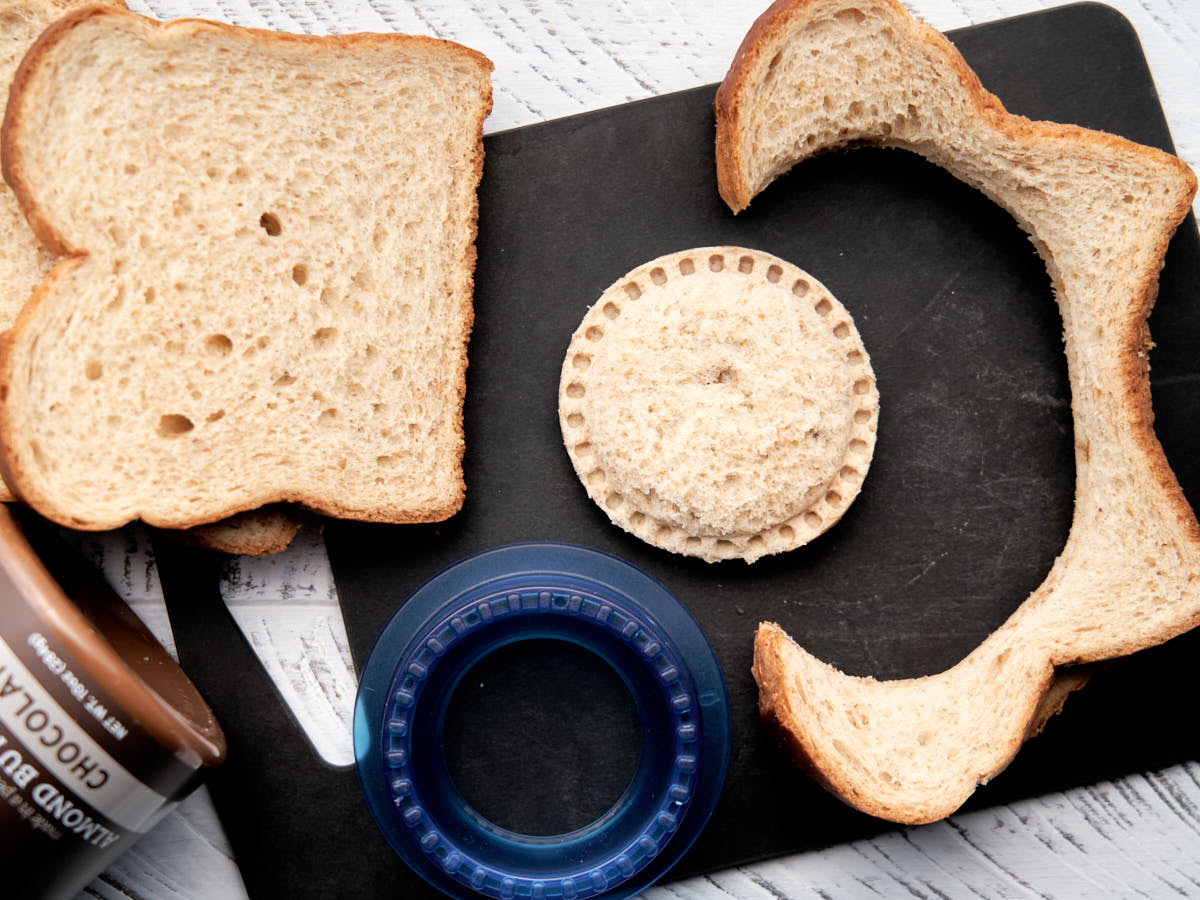
Furthermore, the environmental impact of this shift is notable. The elimination of the plastic-heavy packaging required for individual frozen sandwiches reduces the household waste footprint. This aligns with a growing consumer movement toward "low-waste" living, where the preparation of fresh, bulk-purchased goods is favored over single-serve, pre-packaged items.
Market Response and Future Outlook
While commercial entities continue to dominate the shelf space for portable sandwiches, the increase in "DIY" search traffic regarding sandwich sealing tools suggests a permanent shift in consumer behavior. Manufacturers of kitchen gadgets have responded to this demand by producing a wide variety of sealers, ranging from basic plastic circular cutters to complex, multi-shaped presses that create stars, hearts, and other geometries.
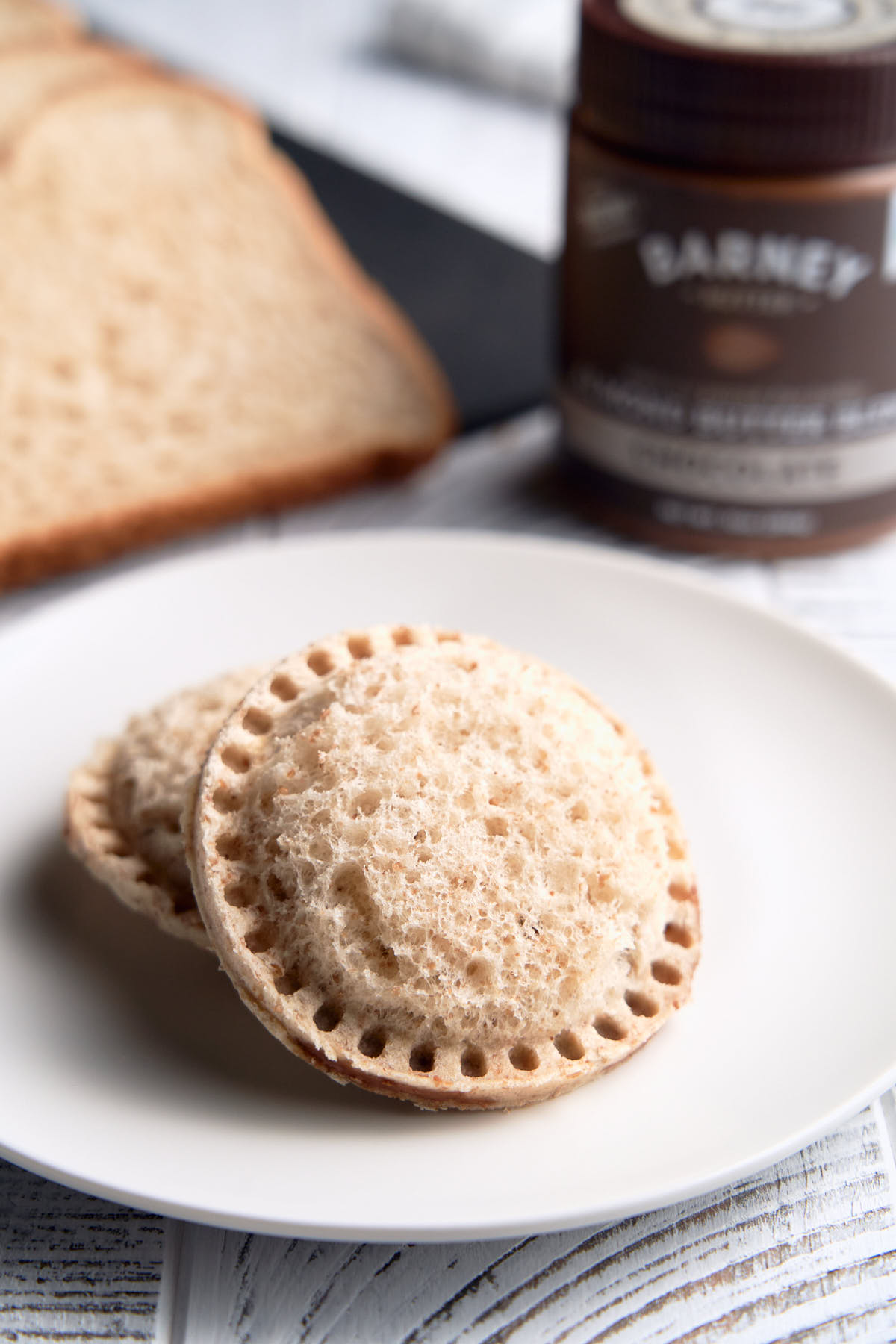
Data from major e-commerce platforms indicates that interest in "lunchbox prep tools" remains a high-growth category. As consumers become more adept at utilizing these tools, the scope of fillings has expanded beyond simple chocolate spreads to include savory options like cheese, deli meats, and vegetable spreads, further cementing the role of the crustless sandwich as a staple in modern meal planning.
Best Practices for Optimal Preparation
For those adopting this method, consistency remains the primary challenge. Based on user reviews and culinary testing, the following practices are recommended to ensure optimal results:
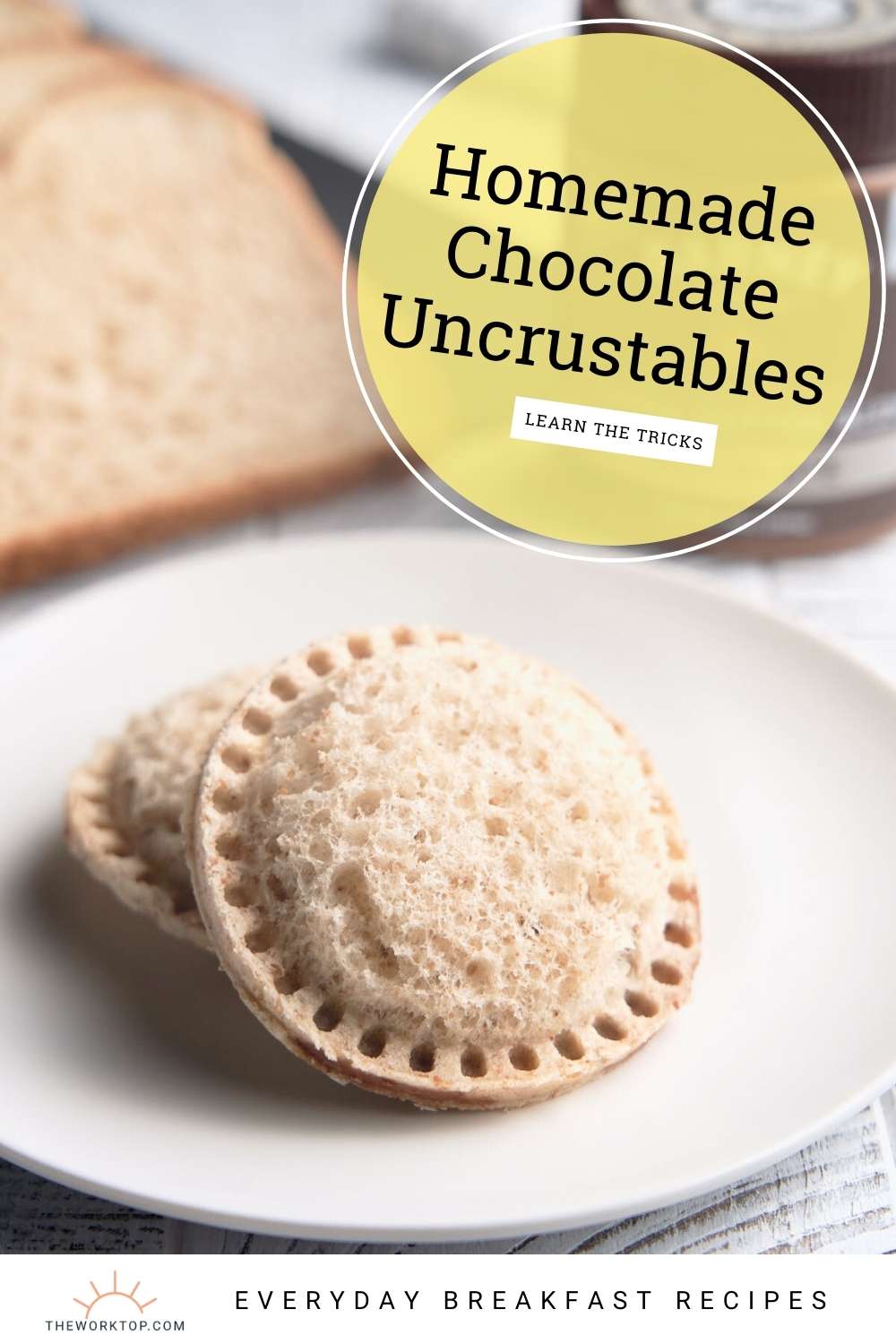
- Bread Choice: Prioritize commercial "sandwich bread" with high elasticity. Avoid sourdough or rustic loaves that lack the necessary softness.
- Temperature Control: If the bread is slightly stale, heating it for 5–10 seconds in the microwave can restore the moisture required to make it pliable for the sealing tool.
- Filling Ratios: The "center-only" application method is crucial. By keeping the spread at least half an inch away from the edges of the bread, the risk of leakage during the sealing process is mitigated, ensuring a clean, airtight bond.
- Tool Maintenance: Plastic sealers should be cleaned thoroughly to remove any residue of oil or nut butter, as buildup can prevent the sharp edges of the cutter from performing effectively over time.
Ultimately, the homemade chocolate uncrustable serves as a microcosm of the modern breakfast landscape: a blend of technological convenience, economic pragmatism, and an evolving focus on nutrition. As the tools for home food production become more accessible, it is likely that this practice will continue to gain popularity as a standard method for efficient, customized, and cost-effective daily meal preparation.
