
The beloved tradition of the cricket tea, a quintessential aspect of British village cricket, continues to thrive despite modern pressures, offering a crucial midpoint pause that fuels both players and spectators. This article explores the art of preparing the perfect cricket tea, focusing on resourceful methods for limited budgets and small teams, drawing on insights from seasoned volunteers and enthusiastic players who embody the spirit of amateur sport.

The Enduring Ritual of Cricket Tea in British Culture

For generations, the tea interval has been more than just a break in play; it’s a social cornerstone of village cricket. Typically occurring between innings or at a designated point in longer formats, the cricket tea provides an opportunity for camaraderie, reflection, and, most importantly, replenishment. It embodies a uniquely British charm, conjuring images of idyllic summer afternoons, the gentle thwack of leather on willow, and the aroma of freshly baked goods wafting from the pavilion. While international and county cricket command significant media attention, it is at the grassroots level, particularly village cricket, where this tradition is most intimately preserved and celebrated. The experience is often defined by homemade fare, a strong sense of community, and the shared anticipation of a delicious spread. This cultural significance underpins the dedication of countless volunteers who meticulously plan and prepare these mid-match feasts. The England and Wales Cricket Board (ECB) oversees over 5,000 amateur cricket clubs across England and Wales, many of which uphold this cherished tradition, relying heavily on community involvement.

The Role of Volunteers: The Unsung Heroes of the Pavilion

The backbone of any successful village cricket tea is its dedicated volunteers. Often referred to affectionately as "Cricket Mums," "Cricket Tea Helpers," or simply "Bakers," these individuals commit their time and culinary skills to ensure a memorable experience for everyone involved. The preparation process, particularly when managed by a small team—sometimes as few as two people—requires meticulous planning, efficient execution, and a deep understanding of what players and spectators truly appreciate. The featured expert in this endeavor, Sarah, a veteran "Cricket Mum Cricket Tea Helper and Baker," exemplifies this commitment, having orchestrated numerous teas with just one assistant. Her experience highlights the ingenuity and passion required to deliver a high-quality spread under practical constraints, often juggling family commitments with the demands of catering for a hungry squad.

Navigating Budget Constraints: Resourcefulness as a Key Ingredient

One of the primary challenges for village cricket clubs, often run on modest funds, is catering within a strict budget. The average budget for a cricket tea, as reported by many clubs, typically falls between £40 and £50 for a full team and officials. Sarah’s past budget of £20, effectively doubling to £40 with a co-helper, underscores the need for resourcefulness. Her dedication to using butter over cheaper vegetable spreads, even if it occasionally meant slightly exceeding the budget, speaks to the commitment to quality that defines these events. This financial constraint necessitates a focus on cost-effective, wholesome, and satisfying options, making homemade items not just a tradition but a practical necessity. By leveraging readily available ingredients and classic recipes, volunteers can create an impressive spread without breaking the bank, often relying on bulk purchases or ingredients from local markets.

Crafting the Menu: A Balance of Classics and Player Preferences

The ideal cricket tea menu strikes a balance between time-honored classics and specific player preferences. Discussions with experienced caterers like Sarah and feedback from active players provide invaluable insights into popular choices. Top of the list for essentials consistently include sandwiches, cakes, fresh fruit, crisps, tea, and squash, with savouries like sausage rolls often rounding out the offerings.

A crucial piece of feedback from a player – the author’s daughter’s brother-in-law – offered specific, and somewhat humorous, dictates: "NO ready-salted crisps" and "make sure there is a good ratio of squash to water!" These seemingly minor details highlight the importance of understanding the specific tastes of the team and contribute to the unique charm of amateur sports catering. The emphasis on fresh fruit also reflects a growing awareness of healthier eating habits, even amidst the indulgence of traditional bakes. Players, after hours of physical exertion, appreciate both energy-boosting sweets and refreshing, hydrating options.

The Essential Shopping List: Laying the Foundation

For items not prepared from scratch, a well-thought-out shopping list is vital for staying within budget and ensuring all necessities are covered. This list generally includes:

- Beverages: Quality tea bags (Yorkshire Tea often being a popular choice, reflecting regional pride), instant coffee, milk (full-fat and semi-skimmed options are usually appreciated), sugar, and a selection of squashes (ensuring a variety beyond just standard orange or blackcurrant). Water is, of course, a given, with attention paid to the ideal squash-to-water ratio for optimal hydration.
- Crisps: A variety of flavours, explicitly excluding ready-salted to avoid player dissatisfaction, as humorously noted. Multi-packs offer good value and choice, catering to diverse palates.
- Sandwich Fillings: Classic and crowd-pleasing options such as cheese (cheddar being a staple), ham, tuna mayonnaise, and egg mayonnaise. These are versatile, relatively inexpensive, and generally well-received.
- Bread: A mix of white and wholemeal loaves to cater to different preferences, ensuring sufficient slices for a hungry crowd.
- Fresh Fruit: Bananas, apples, oranges, grapes, and berries are excellent choices, providing natural sugars, vitamins, and hydration. They also offer a refreshing contrast to the heavier baked goods.
- Consumables & Utensils: Paper plates, napkins, rubbish bags, cling film or foil (for freshness and transport), and serving dishes or platters are essential for presentation and practicality, ensuring a smooth serving process and easy clean-up.
From Pavilion to Plate: A Deep Dive into Popular Homemade Delights

The heart and soul of a cricket tea lie in its homemade offerings. These are the items that truly elevate the experience, showcasing the effort and care of the volunteers and often becoming talking points among players.

1. Scrumptious Sandwiches:
Sandwiches are paramount, providing essential sustenance during the interval. They should be well-filled, neatly cut (often into triangles or fingers), and kept fresh.

- Classic Fillings: Beyond the basic ham, cheese, tuna, and egg, more adventurous options like Coronation Chicken, cucumber and cream cheese, or a simple cheese and pickle are always welcome. These variations add a touch of sophistication without significantly increasing costs.
- The Player’s Favourite: BLT Sandwiches: Sarah’s "Cricket Tea BLT Sandwiches," a specific request from her son Tom, highlight the personal touch that makes these teas special. A good BLT, made with crispy bacon, fresh lettuce, and ripe tomatoes, offers a satisfying savoury bite, often a favourite for its robust flavour. Future recipes promised from the source will detail this particular favourite, a testament to its popularity.
- Presentation: Ensuring sandwiches are crustless and varied in filling caters to all tastes and adds to the visual appeal of the tea spread.
2. Indulgent Cakes and Bakes:
Cakes are arguably the star attraction, offering a much-needed sugar rush for players and a delightful treat for spectators. The energy boost provided by these sweet treats is often crucial for the second half of a match.

- Tray Bakes: These are ideal for catering to larger groups due to their ease of preparation and serving. Examples include:
- Caramel Popcorn and Malteser Rocky Road: A decadent, no-bake option that’s always a hit, combining crunchy, chewy, and chocolatey textures, appealing particularly to younger players.
- Coffee Walnut Tray Bake Cake: A traditional favourite, offering a comforting flavour and moist texture, often appreciated by older players and spectators.
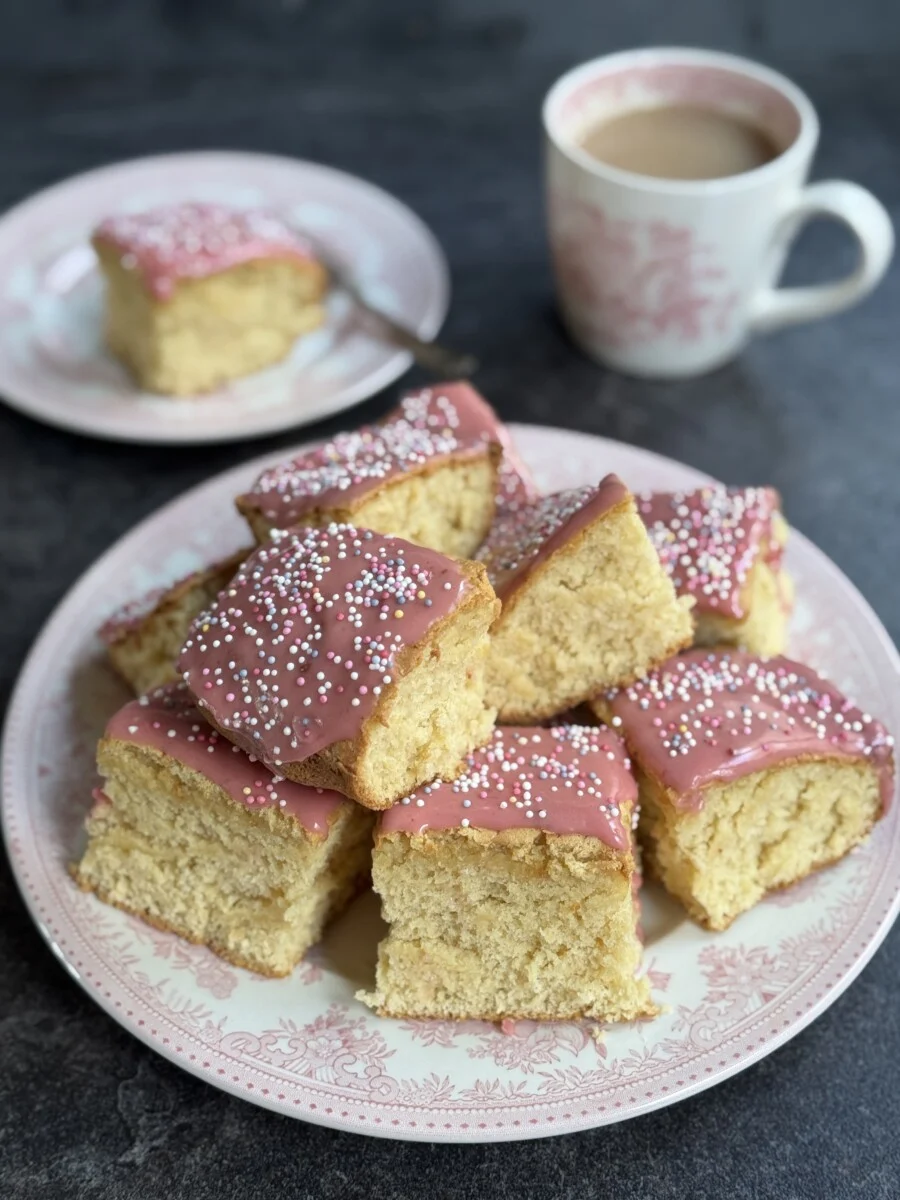
- Easy Tottenham Cake: A simple sponge cake with distinctive pink icing, often a nostalgic choice for many.
- Quick and Easy Spice Cake (Tea Loaf): Perfect for those who prefer something less sweet, often served sliced with butter, offering a comforting aroma.
- 1960s Evaporated Milk Chocolate Cake: A rich, moist chocolate cake, often a crowd-pleaser for its classic flavour and dense texture.
- The Queen’s Chocolate Biscuit Cake: A regal and satisfying option, known for its dense texture and chocolatey goodness, providing sustained energy.
- Scones: A staple of British tea, scones offer a versatile base for jam and cream (though clotted cream might be a budget stretch for village cricket, often substituted with whipped cream or butter).
- Be-Ro Victoria Scones: A classic, light scone recipe, perfect for a traditional feel.
- Buckingham Palace Fruit Scones: A more elaborate fruit scone, offering a touch of elegance and sweetness.
- Vintage BeRo Cheese Scones: A savoury alternative, perfect for those who prefer less sweetness or a cheesy bite.
- Jam Tarts: Small, individual tarts with various jam fillings, easy to eat and universally loved, often a hit with children and adults alike.
3. Savoury Snacks to Satiate:
Beyond sandwiches, a selection of savoury items provides variety and additional protein, crucial for players expending a lot of energy.

- Sausage Rolls: These are almost as iconic as the cricket match itself, offering a satisfying, hearty snack.
- Easy Three-Ingredient Sausage Rolls: A practical option for busy volunteers, often using ready-made puff pastry, making preparation swift.
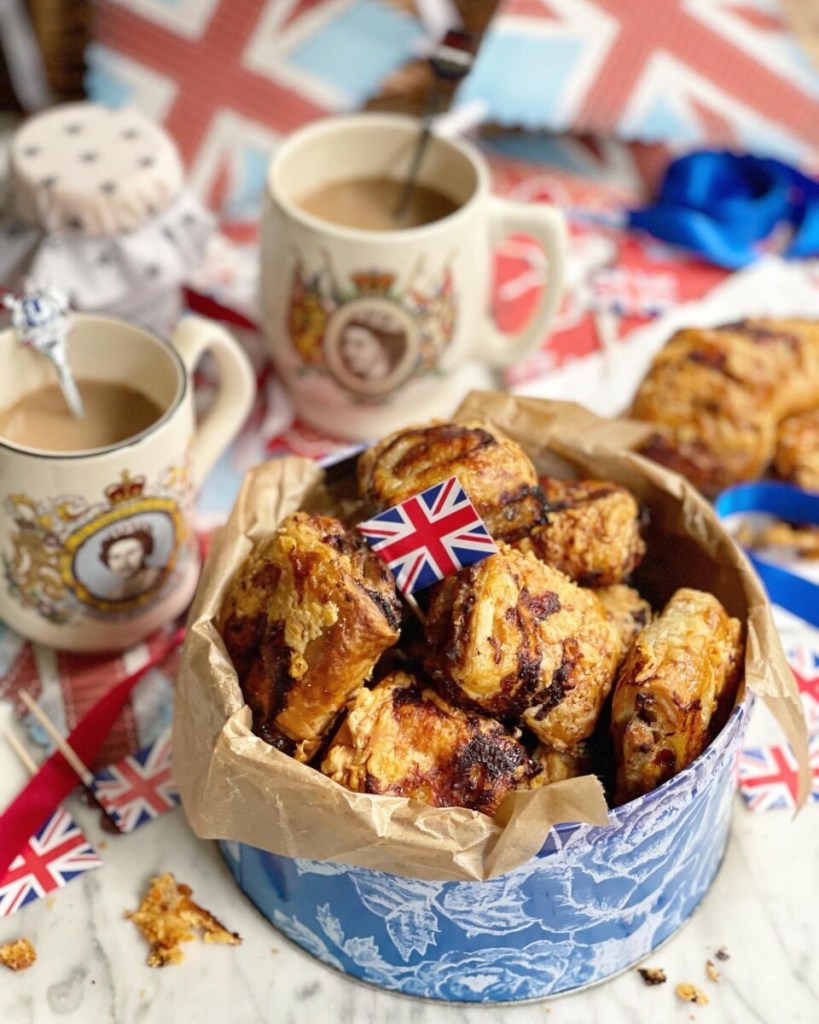
- Cheesy Ploughman’s Sausage Rolls: An enriched version, combining the savoury delight of sausage meat with cheese and perhaps pickle, adding extra flavour and substance.
- Flans and Quiches: Substantial and satisfying, these can be prepared in advance and served cold or at room temperature.
- Deep Dish Cheese & Tomato Flan: A hearty vegetarian option, appealing to a wider audience.
- Egg & Bacon Flan: A traditional favourite, offering a good source of protein and a classic taste.
Logistics and Presentation: Ensuring a Smooth Interval

The successful delivery of a cricket tea extends beyond just the food itself. Logistics play a crucial role, especially when catering for a team of players, officials, and sometimes a few spectators.

- Transport: As highlighted, a car or van is "essential!" for transporting the numerous dishes, drinks, and supplies to the pavilion. Careful packing is required to ensure items arrive intact and appealing, preventing spills or damage.
- Setup: Once at the venue, efficient setup is key. This involves arranging the food attractively on tables, ensuring easy access to drinks, and having enough plates, cutlery, and napkins. A well-organised serving area speeds up the process and enhances the experience.
- Temperature Control: On warm summer days, keeping certain items cool (like sandwiches and fresh fruit) is important for food safety and freshness. Cool boxes and insulated bags are indispensable. Conversely, hot drinks must be kept warm, often with insulated urns.
- Presentation: While working on a budget, presentation still matters. Simple garnishes, neatly cut portions, and a clean serving area elevate the experience. An Instagram reel from Newenden CC, showing a beautifully laid-out cricket tea, serves as a visual testament to the pride volunteers take in their work, often transforming a simple spread into a visual feast.
The Broader Impact: More Than Just a Meal

The cricket tea’s significance transcends its culinary function. It is a vital component of the amateur cricket ecosystem, fostering community spirit, encouraging volunteerism, and providing a relaxed social hub.
- Community Cohesion: These events bring people together – players, families, friends, and local residents – strengthening community bonds. It’s a chance for different generations to connect and share a common passion, promoting a sense of belonging.
- Player Morale: The anticipation of a good tea can significantly boost player morale, offering a much-needed break from the intensity of the game. It’s a moment to re-energize, strategize, and socialise before resuming play, impacting performance on the field.
- Sustaining Amateur Sport: The effort put into cricket teas reflects a broader dedication to sustaining amateur sports clubs, which often rely heavily on volunteer support for their day-to-day operations and financial viability. This communal effort ensures that local sports can continue to thrive.
- Cultural Preservation: In an increasingly fast-paced world, the cricket tea is a charming reminder of enduring British traditions, offering a slice of timeless rural life. It’s a ritual that connects past generations with present ones, ensuring that the unique character of village cricket endures and is passed down through generations.
Conclusion: Sustaining a Cherished Tradition

Creating the perfect cricket tea, especially on a limited budget and with minimal help, is an act of love and dedication. It requires careful planning, culinary skill, and an understanding of what truly makes players and spectators happy. From the precise squash-to-water ratio to the absence of ready-salted crisps, every detail contributes to an experience that is far more than just a meal. It is a celebration of community, sportsmanship, and the enduring charm of British village life. As long as the sound of willow on leather echoes across green pitches, the anticipation of a well-prepared cricket tea will remain a cherished highlight, ensuring this delightful tradition continues to thrive for generations to come. The promise of sharing specific recipes, such as Sarah’s BLT sandwiches, further underscores the commitment to passing on these valuable culinary traditions, allowing others to contribute to this beloved institution and maintain the vibrant spirit of village cricket.
