
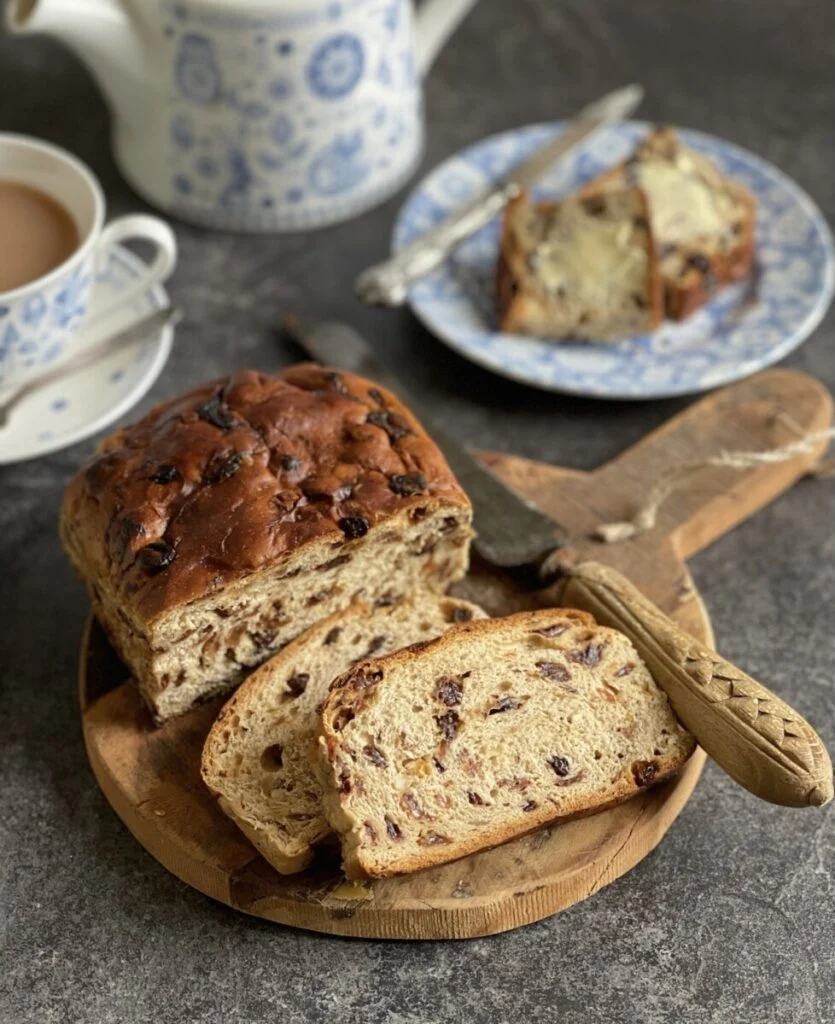
A new culinary creation, the Cornish Fruited Tea Bread, has been introduced, offering a contemporary twist on traditional Cornish baking. Developed by acclaimed author Karen Burns-Booth, this innovative fruit loaf distinguishes itself by incorporating yeast and saffron-infused fruit, with English tea from Cornwall serving as the primary liquid ingredient instead of milk. This distinctive recipe, unveiled on June 4, 2026, is the result of a collaborative effort between Burns-Booth, Viking Cruises, and the esteemed Tregothnan Estate, reflecting a growing trend towards celebrating regional produce and culinary heritage through modern interpretations.

A New Chapter in Cornish Baking Tradition
The Cornish Fruited Tea Bread draws its inspiration from the iconic Cornish Saffron Cake, a beloved staple of the region’s culinary landscape. Traditionally, Cornish Saffron Cake is a rich, sweet bread, often enriched with dried fruits and, crucially, infused with saffron, which imparts its characteristic golden hue and subtle, earthy aroma. Historically, saffron was brought to Cornwall by Phoenician traders, establishing a long-standing culinary tradition that has endured for centuries. This precious spice became deeply embedded in local baking, particularly for celebratory occasions and festivals. Burns-Booth’s new recipe respectfully acknowledges this heritage while forging a distinct path by substituting milk with tea, a bold move that introduces a new layer of complexity and a unique flavor profile. The inclusion of yeast, rather than relying solely on chemical leavening agents often found in simpler tea loaves, results in a denser, more substantial bread, akin to a sweet yeasted loaf or a traditional European fruit bread, offering a texture reminiscent of hot cross buns but with its own Cornish identity.

The Genesis of a Collaborative Culinary Endeavor
The development of the Cornish Fruited Tea Bread is rooted in a significant partnership formed several years prior, following Karen Burns-Booth’s visit to the Tregothnan Tea Gardens in Cornwall. Tregothnan Estate holds a unique position in British agriculture as the first and only producer of commercially grown tea in England. Located near Truro, the estate benefits from a microclimate created by the River Fal, which provides ideal conditions for tea cultivation, including mild winters and high rainfall. This pioneering spirit in tea production aligns perfectly with Viking Cruises’ commitment to offering guests authentic, culturally immersive experiences, often featuring local ingredients and traditions. The collaboration aimed to showcase Cornwall’s evolving culinary identity, blending ancient saffron traditions with its burgeoning tea industry. By integrating Tregothnan’s English tea into the fruit infusion process, the recipe elevates the tea loaf concept, creating a product that is not only delicious but also tells a story of Cornish innovation and provenance.

Tregothnan Estate: Pioneering English Tea
Tregothnan Estate’s journey into tea cultivation began in 1999, with the first harvest occurring in 2005. The estate’s commitment to sustainable and high-quality agriculture has positioned it as a leader in the niche market of English-grown tea. Their tea bushes, primarily Camellia sinensis, thrive in the unique Cornish terroir, producing distinct flavors influenced by the maritime climate and rich soil. The decision to use Tregothnan tea in the Cornish Fruited Tea Bread recipe was a deliberate choice to highlight this local treasure and provide an authentic "taste of Cornwall" that extends beyond traditional pasties and clotted cream. The tea infuses the dried fruits, plumping them and imparting a subtle, fragrant note that complements the warmth of saffron and the sweetness of the fruit, creating a multi-layered sensory experience. This innovative use of local tea underscores the estate’s role not just as a producer but as an ambassador for Cornish agricultural excellence.

The Craft of the Yeasted Tea Bread
Unlike many conventional tea loaves that rely on a simpler cake-like batter or quick bread method, the Cornish Fruited Tea Bread employs a yeasted dough. This fundamental difference is crucial to its character. Yeast fermentation contributes to a more complex flavor development, a chewier texture, and a more robust structure. The dough requires kneading and proofing, processes that build gluten and allow for the characteristic rise and airy pockets within the dense loaf. This method transforms the bread from a mere ‘cake’ into a ‘bread’ in the truest sense, capable of being sliced thickly and toasted. The saffron, steeped in the tea alongside the dried fruits, permeates the dough, ensuring that its golden color and delicate flavor are evenly distributed throughout the loaf. This meticulous approach to preparation reflects a dedication to artisanal baking, celebrating the craft as much as the ingredients.

Versatility and Culinary Enjoyment
The Cornish Fruited Tea Bread is presented as a remarkably versatile item, suitable for a variety of meal occasions. Its robust nature makes it an excellent choice for breakfast, especially when served in thick slices with a generous spread of butter, local Cornish jam, or tangy marmalade. The author notes its particular appeal when slightly stale, as it toasts "beautifully," developing a crisp exterior and a tender interior, enhancing its complex flavors. This characteristic of toasting well is a hallmark of quality yeasted fruit breads, making it a practical and enjoyable treat for several days after baking. Beyond breakfast, the bread is also recommended as a "fabulous supper snack," perhaps accompanied by a comforting mug of milky coffee or a traditional Horlicks before bedtime, offering a soothing end to the day. Furthermore, a truly intriguing serving suggestion is to pair it with cheese, a combination that might surprise some but speaks to the bread’s savory-sweet balance and its ability to complement salty and tangy notes, echoing traditions found in other European fruit breads served with cheese. This versatility broadens its appeal and reinforces its status as a staple in a modern Cornish pantry.

Broader Implications for Regional Cuisine and Tourism
The introduction of the Cornish Fruited Tea Bread carries significant implications for regional cuisine and culinary tourism. By marrying traditional Cornish saffron baking with the innovative use of local tea, the recipe serves as a potent symbol of Cornwall’s evolving food scene. It highlights the potential for local producers, like Tregothnan Estate, to collaborate with culinary figures and international tourism entities, such as Viking Cruises, to create unique gastronomic experiences that attract visitors and celebrate local identity. This kind of initiative not only promotes specific products but also elevates the entire regional culinary narrative, encouraging further exploration of Cornwall’s diverse ingredients and cooking traditions. For Viking Cruises, featuring such a distinctive and locally-sourced item on their menus or in their culinary programs reinforces their brand as a provider of authentic cultural immersion, allowing guests to taste the essence of the destinations they visit. It demonstrates a commitment to sustainable sourcing and supporting local economies, appealing to a growing segment of travelers interested in ethical and authentic experiences.

Statements and Perspectives
While direct quotes are not provided, one can infer the perspectives of the parties involved. Karen Burns-Booth likely views this creation as a personal triumph, an opportunity to pay homage to Cornish heritage while infusing it with her distinctive culinary creativity and a touch of innovation. Her enthusiasm for the bread’s versatility and the unique tea-infused fruit suggests a deep satisfaction with the recipe’s outcome.

From Viking Cruises’ perspective, this collaboration would be seen as a strategic enhancement to their onboard and excursion offerings. A spokesperson might state something to the effect of: "At Viking, we are dedicated to providing our guests with unparalleled cultural experiences, and this extends to the culinary arts. Our partnership with Karen Burns-Booth and Tregothnan Estate allows us to celebrate the unique flavors and rich traditions of Cornwall, offering a truly authentic taste of England to our travelers. The Cornish Fruited Tea Bread perfectly embodies our commitment to local provenance and exceptional quality."
Tregothnan Estate would likely emphasize the pride in seeing their pioneering English tea incorporated into such a distinguished recipe. A representative might comment: "We are incredibly proud to see our Tregothnan tea play such a central role in Karen Burns-Booth’s Cornish Fruited Tea Bread. This collaboration beautifully showcases the versatility and quality of English-grown tea and further cements Cornwall’s reputation as a hub of culinary innovation and agricultural excellence. It’s a testament to the unique terroir we cultivate here at Tregothnan."

Culinary Notes and Future Outlook
The recipe’s success hinges on the careful balance of ingredients – the delicate floral notes of saffron, the robust character of the tea, and the sweetness of the dried fruits, all brought together by the comforting structure of a yeasted bread. The "Culinary Notes" section, though brief in the original, would typically delve into specific techniques, ingredient sourcing tips, and variations that home bakers might explore. For instance, the type of tea used could vary, from a classic English Breakfast to a more nuanced Earl Grey, each imparting a different layer of flavor. The combination of dried fruits could also be adapted, incorporating local seasonal additions when available.

Looking ahead, the Cornish Fruited Tea Bread is poised to become more than just a recipe; it represents a culinary narrative that connects past traditions with future innovations. It encourages a deeper appreciation for the provenance of ingredients and the stories they tell. As consumers increasingly seek out authentic, regionally-inspired foods, this tea bread offers a compelling example of how traditional baking can be refreshed and celebrated through thoughtful collaboration and a commitment to quality. Its blend of historical reverence and modern flair ensures its place as a delectable addition to Cornwall’s already impressive culinary legacy, promising a delightful experience for both locals and visitors alike, whether enjoyed with a morning cuppa or as a comforting evening treat.
