
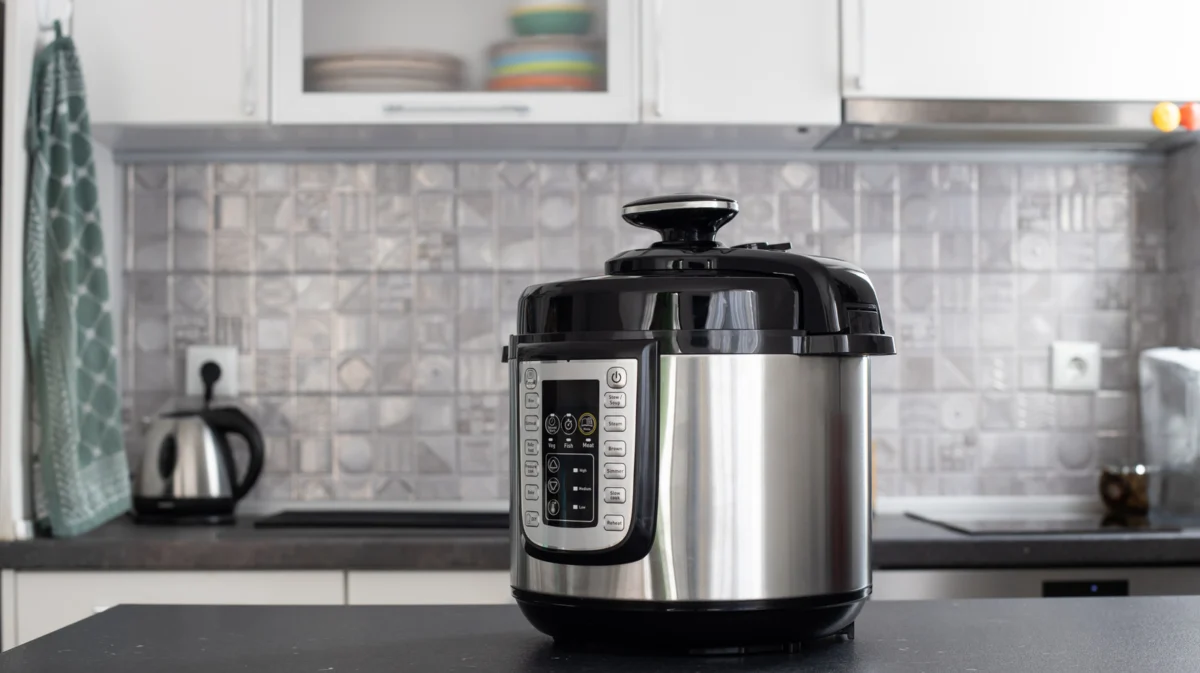
The seemingly ubiquitous presence of the Instant Pot in modern kitchens has transformed cooking for many, offering unparalleled convenience and speed. However, a lingering question for some users revolves around the potential safety risks associated with these popular multi-cookers, specifically, whether an Instant Pot can actually explode. While the prospect is alarming, expert opinion and documented incidents suggest that such catastrophic failures, though rare, are not entirely impossible. Understanding the mechanisms of pressure cooking and adhering to safety guidelines are paramount to mitigating these risks.
Coco Morante, a respected recipe developer and author of "The Instant Kitchen Meal Prep Cookbook," acknowledges that pressure cookers, including the Instant Pot, have been involved in unfortunate kitchen accidents. "There have been a handful of cases where, due to user error or a faulty appliance, pressure cookers have been the cause of unfortunate kitchen accidents," Morante stated. She was quick to reassure, however, that "It’s a rare occurrence though. With proper caution and care, you will most likely never have your Instant Pot or other pressure cooker blow up during use." This sentiment underscores the general safety of the devices when operated as intended, but it does not negate the possibility of incidents.
Documented Incidents and Recalls
Despite the rarity, instances of pressure cooker malfunctions, including explosions, have surfaced in recent years, prompting consumer concern and regulatory action.
In March 2026, a lawsuit was filed in California against Walmart and the manufacturers of the Instant Pot. The plaintiff alleged that she sustained injuries due to alleged faulty safety features that contributed to her Instant Pot exploding. While the specifics of the lawsuit are subject to ongoing legal proceedings, the filing itself highlights a consumer’s recourse when experiencing such a severe product malfunction. The legal action points to potential issues with product design, manufacturing, or a combination thereof, impacting consumer trust and the manufacturer’s liability.
A more widespread issue occurred in 2023 when Best Buy issued a recall for nearly one million Insignia pressure cookers. This recall was particularly significant as it was the second major recall concerning pressure cooking devices within that year. The cause was identified as mislabeled inner pots, which led to users inadvertently overfilling the cookers. Overfilling can disrupt the pressure regulation systems, potentially leading to the ejection of hot food and steam without warning, a scenario that can escalate into a dangerous explosion. This incident underscored the critical importance of clear labeling and user comprehension of capacity limits.
These documented events, though infrequent, serve as stark reminders that the powerful forces at play within a pressure cooker demand respect and careful handling. For individuals who may have grown up with a healthy apprehension of traditional stovetop pressure cookers, the thought of a modern electric pressure cooker experiencing a similar catastrophic failure can be particularly unsettling.
Understanding Pressure Cooker Safety Mechanisms
The fundamental principle behind a pressure cooker is its ability to trap steam, thereby increasing the internal pressure. This elevated pressure raises the boiling point of water, allowing food to cook at significantly higher temperatures than would be possible at atmospheric pressure. This is what enables the rapid cooking times that the Instant Pot and similar devices are celebrated for.
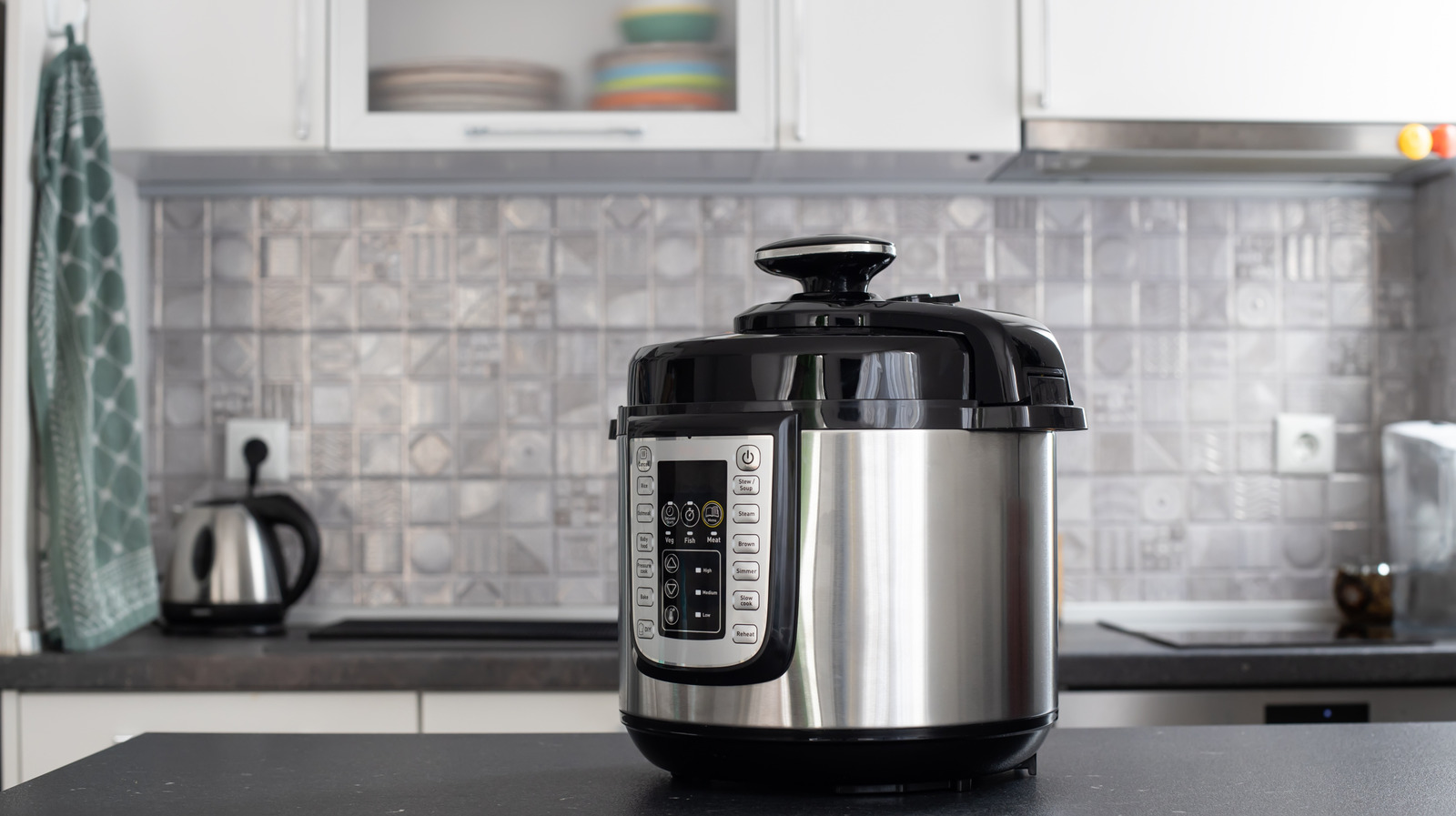
Modern electric pressure cookers like the Instant Pot are equipped with multiple safety features designed to prevent over-pressurization and other hazardous situations. These typically include:
- Pressure Regulator: This mechanism controls the release of excess steam to maintain a safe operating pressure.
- Safety Vent: A secondary release valve that opens if the primary regulator fails.
- Lid Locking Mechanism: Designed to prevent the lid from being opened while the pot is under pressure.
- Overheat Protection: Sensors that can shut off the heating element if the temperature exceeds safe limits.
The effectiveness of these safety features relies on both the integrity of the appliance and the user’s adherence to operating instructions.
Adhering to Best Practices for Safe Operation
Coco Morante emphasizes that the key to safe pressure cooker use lies in a combination of awareness, common sense, and diligent attention to the provided instructions. "I always include some rules of thumb in the intro sections of my Instant Pot cookbooks for that reason – definitely read through those, along with the appliance manual, and you’ll be just fine," Morante advised. "Like any kitchen appliance, the Instant Pot requires a level of awareness and common sense."
This advice highlights several critical areas for users to focus on:
1. Reading and Understanding the Manual
The appliance manual is not merely a suggestion; it is a vital guide to safe and effective operation. It contains specific information about the model, its safety features, recommended fill levels, and operating procedures. Ignoring or skimming this document can lead to misunderstandings about the device’s capabilities and limitations.
2. Respecting Fill Lines and Capacity Limits
The Insignia recall incident serves as a potent example of the dangers of overfilling. Pressure cookers have maximum fill lines for a reason. Exceeding these limits can obstruct steam release, interfere with the proper functioning of safety valves, and lead to the forceful expulsion of food and liquid. Always adhere to the maximum fill line indicated in the manual.
3. Never Forcing the Lid Open
One of the most critical safety rules, as stressed by Morante, is to never attempt to open the Instant Pot during its pressure-cooking cycle. "Never, ever try to open your Instant Pot during its pressure-cooking cycle!" she exclaimed. "You just have to trust that everything’s going to turn out fine." The lid is designed to remain securely sealed under pressure. Forcing it open can result in a sudden and dangerous release of scalding steam and hot food. Users must wait for the pressure to be fully released, either naturally or through the quick-release method, before attempting to open the lid.
4. Proper Use of Quick Release
While the natural release method allows pressure to dissipate gradually, the quick-release function offers a faster way to depressurize the cooker. However, this method requires caution. Morante offers a practical hack: using a wooden spoon to operate the steam release valve. This simple technique helps keep hands and arms away from the direct path of the rapidly escaping steam, significantly reducing the risk of burns. This exemplifies how simple, practical adaptations can enhance safety.
5. Maintenance and Cleaning
The proper maintenance of an Instant Pot, particularly the sealing ring, is also crucial for its safe operation. A damaged or improperly cleaned sealing ring can affect the cooker’s ability to seal correctly, potentially leading to steam leaks or improper pressurization. Regular inspection and cleaning of all components, as outlined in the manual, are essential.
6. Understanding Recipe Suitability
While the Instant Pot is versatile, not all dishes are ideal for pressure cooking. Certain recipes, particularly those involving rapid foaming ingredients like grains or beans, can potentially clog the steam release valve if not prepared correctly. Morante advises users to "avoid making certain dishes in your Instant Pot" and to "stick to the tried and true Instant Pot recipes." Consulting reliable recipe sources and understanding which ingredients require specific pre-cooking or attention can prevent mishaps.
The Psychology of Pressure Cooker Fear
The fear surrounding pressure cookers is often rooted in historical accounts and anecdotal evidence. Older stovetop models, while efficient, had simpler safety mechanisms and relied more heavily on user vigilance. The dramatic imagery associated with potential explosions can linger, even with the advent of more sophisticated modern appliances. This ingrained apprehension can lead some users to be overly cautious or, conversely, to underestimate the power of the appliance if not properly instructed.
The media’s portrayal of kitchen accidents, even when rare, can also amplify these fears. Sensationalized headlines, while designed to capture attention, can contribute to a perception of widespread danger that may not accurately reflect the overall safety record of well-maintained and correctly operated appliances.
Broader Implications and Consumer Confidence
The incidents involving pressure cookers, such as the Insignia recall and the California lawsuit, have significant implications for both consumers and manufacturers. For consumers, these events underscore the importance of:
- Vigilance: Remaining aware of product recalls and safety advisories.
- Informed Purchasing: Researching the safety features and track record of appliances before buying.
- User Education: Actively seeking out and understanding how to use products safely.
For manufacturers, such incidents necessitate a continued commitment to:
- Robust Safety Engineering: Prioritizing the development and implementation of advanced safety features.
- Clear and Comprehensive Labeling: Ensuring that all instructions and warnings are easily understood by a diverse user base.
- Effective Recall Procedures: Promptly and effectively addressing any identified product defects to protect consumers.
The long-term impact of these events on consumer confidence in the pressure cooker market is undeniable. While the Instant Pot and similar devices remain popular due to their convenience, any perceived threat to safety can lead to decreased adoption or increased consumer anxiety. Manufacturers must continuously work to build and maintain trust through transparent communication and an unwavering commitment to product safety.
In conclusion, while the possibility of an Instant Pot or any pressure cooker exploding is a genuine concern, it is a rare occurrence. The vast majority of users will likely never encounter such an issue. However, this rarity should not breed complacency. By understanding the technology, diligently following manufacturer instructions, respecting capacity limits, and exercising common sense, users can harness the incredible benefits of pressure cooking safely and effectively, ensuring that their kitchen experiences are filled with delicious meals, not dangerous mishaps. The key lies in treating these powerful appliances with the respect they deserve, armed with knowledge and a commitment to safety.
