
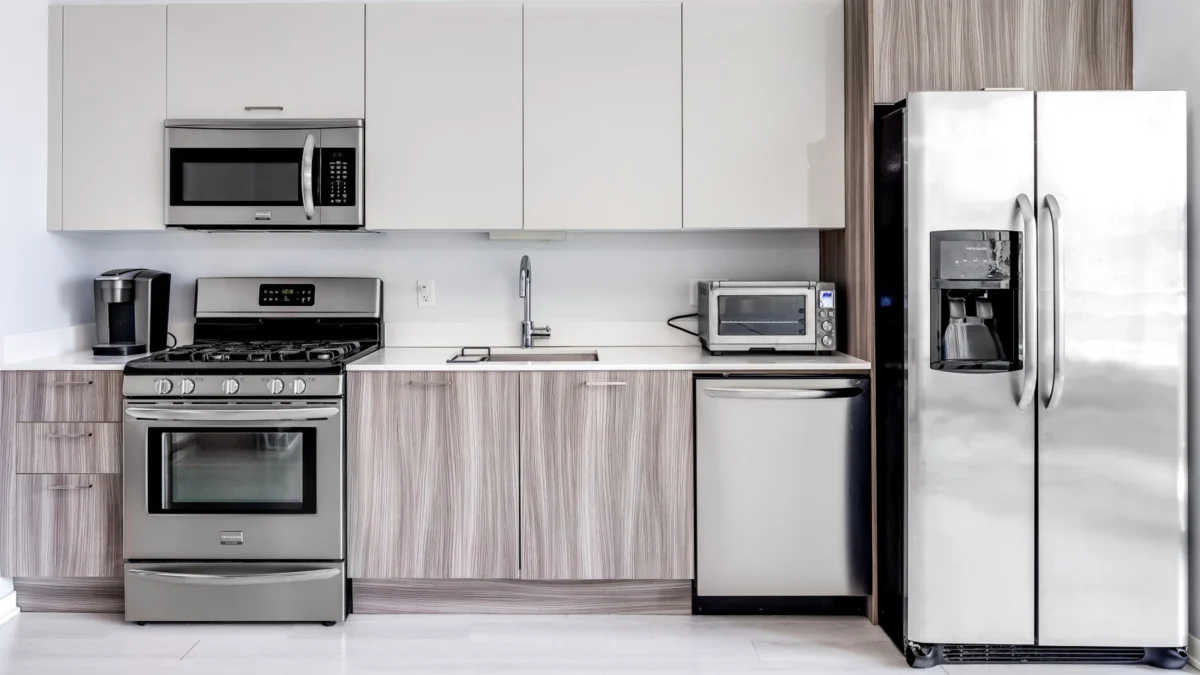
The ubiquitous presence of the refrigerator in modern homes is a testament to decades of innovation, a convenience many of us now take for granted. This essential appliance, responsible for preserving our food and enabling countless culinary possibilities, has a rich history, with the Frigidaire brand playing a pivotal role in its development. Currently, Frigidaire appliances are manufactured under the umbrella of the Electrolux Group, a global leader in home and kitchen appliances. This ownership dates back to 1986, solidifying Frigidaire’s position as a cornerstone of Electrolux’s North American market strategy. While the brand boasts a strong legacy and significant manufacturing presence within the United States, its production network extends to Mexico, reflecting the complex global supply chains characteristic of major appliance manufacturers today.
The Genesis of Refrigeration: Frigidaire’s Pioneering Role
The journey of Frigidaire as a brand is deeply intertwined with the very invention of the self-contained refrigerator. Its origins can be traced back to the early 20th century in Fort Wayne, Indiana, where the Guardian Frigerator Company first introduced innovative refrigeration solutions. By 1916, the company had gained recognition for its groundbreaking self-contained refrigerator, a significant advancement that utilized compressor technology and made refrigeration accessible for domestic use in suburban homes, a feat previously unimaginable. This innovation captured the attention of William C. Durant, a prominent figure in the automotive industry and founder of General Motors. Durant’s investment in the company led to its acquisition by General Motors in 1919, and it was subsequently rebranded as "Frigidaire." This marked the beginning of an era where the name "Frigidaire" became synonymous with refrigeration itself for many households.
A Legacy of Innovation Under General Motors
Under the ownership of General Motors, Frigidaire embarked on a period of intense research and development, consistently pushing the boundaries of refrigerator and freezer technology. For approximately forty years, the brand was at the forefront of introducing novel features and improvements that enhanced both functionality and aesthetics. These innovations included the development of superior insulation for metal linings, the introduction of specialized drawers for better food organization, and the creation of fully-steel versions of the appliance, which offered greater durability and a more modern appearance.
The impact of these advancements can be vividly illustrated by examining vintage Frigidaire advertisements. These historical marketing materials often showcased "Sheer Look Beauty" refrigerators, highlighting how dramatically appliance design and technology had evolved over the decades. Beyond refrigerators and freezers, Frigidaire’s innovative spirit extended to other kitchen and home appliances. The company diversified its product line to include cooking ranges, washers, and dryers, establishing itself as a comprehensive provider of household appliances. This period of growth and innovation cemented Frigidaire’s reputation as a household name, recognized for its quality and forward-thinking designs.
Transition and Consolidation: White Consolidated Industries and Electrolux Group
The ownership landscape for Frigidaire saw further shifts in the latter half of the 20th century. In 1979, Frigidaire was acquired by White Consolidated Industries. This marked another significant chapter in the brand’s corporate history, integrating it into a larger appliance manufacturing conglomerate. The evolution continued in 1994 when the Electrolux Group, a Swedish multinational home appliance manufacturer, acquired White Consolidated Industries. This acquisition brought Frigidaire under the global umbrella of Electrolux, a move that significantly expanded its reach and resources.
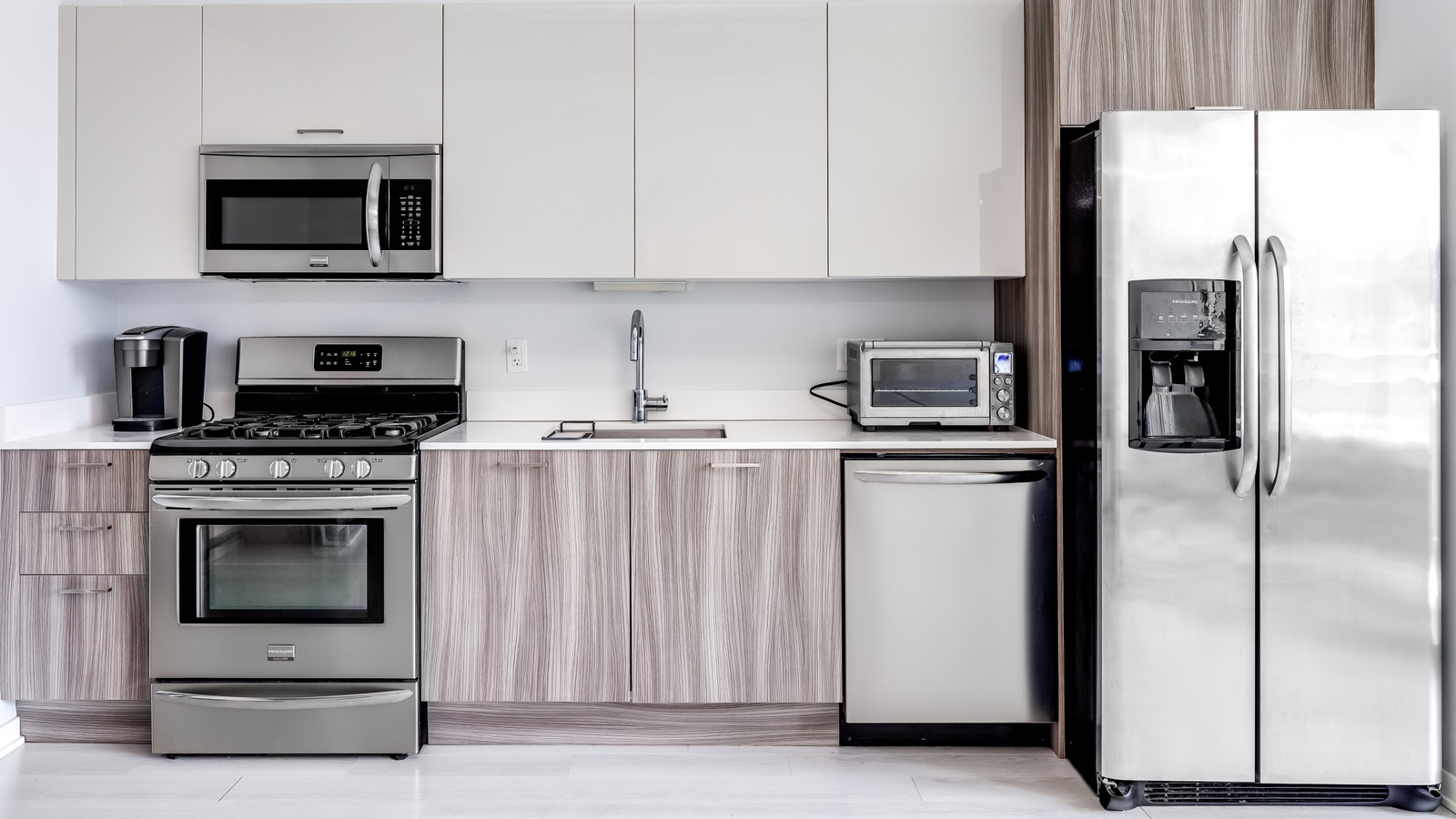
Since becoming part of the Electrolux Group, Frigidaire has been strategically positioned as one of the company’s primary selling brands in North America. This has allowed Frigidaire to leverage Electrolux’s extensive global network, research capabilities, and manufacturing expertise while retaining its distinct brand identity and market presence. The synergy between the two entities has enabled continued product development and market penetration.
Frigidaire’s Manufacturing Footprint: Domestic and International Production
The production of Frigidaire appliances today involves a network of manufacturing facilities, reflecting a strategy that balances domestic production with global operational efficiency. A substantial portion of Frigidaire appliances sold in the United States are manufactured within the U.S. at several key production sites. These include facilities located in:
- Springfield, Tennessee: A significant hub for appliance manufacturing, contributing to the production of various Frigidaire models.
- Anderson, South Carolina: Another critical location in the company’s domestic manufacturing network, responsible for producing a range of appliances.
- Kinston, North Carolina: This facility plays a vital role in the manufacturing of specific Frigidaire product lines.
In addition to its U.S. manufacturing base, Frigidaire also operates a production unit in Juarez, Mexico. This facility is integral to Electrolux’s North American supply chain, allowing for regional manufacturing and distribution efficiencies. The company’s North American headquarters are situated in Charlotte, North Carolina, overseeing operations, marketing, and sales for the region. This multi-faceted manufacturing approach allows Frigidaire to cater to the diverse demands of the North American market while optimizing production costs and logistics.
Continued Innovation and Market Recognition
Despite the changes in ownership and the evolution of the appliance industry, Frigidaire has maintained its commitment to innovation. The brand is credited with introducing several industry-firsts that have shaped consumer expectations and product development. According to Electrolux Group’s own reporting, Frigidaire is recognized for pioneering the "first SmudgeProof black stainless steel suite of appliances," a significant development in kitchen aesthetics that addressed common consumer frustrations with fingerprint visibility. Furthermore, the brand is also credited with developing the "first glass door refrigerator," an innovation that combined functionality with enhanced visual appeal, allowing users to see contents without opening the door.
These innovations have contributed to Frigidaire’s consistent presence in rankings of reputable appliance brands. Reviewers and industry analysts often highlight Frigidaire as one of the best refrigerator brands, underscoring its enduring quality and performance. However, like many established brands, Frigidaire has also faced scrutiny. Some consumer feedback suggests that certain Frigidaire appliances may be perceived as among the more overpriced options in the market. This indicates the importance for consumers to carefully consider product reviews, compare features, and assess value propositions when making purchasing decisions, as market perceptions can vary.
The Broader Impact of Frigidaire’s Evolution
The history of Frigidaire is more than just a corporate timeline; it’s a narrative that mirrors the broader technological and societal advancements of the 20th and 21st centuries. The invention of the self-contained refrigerator by Frigidaire’s predecessors fundamentally changed food storage, preservation, and consumption patterns. It contributed to improved public health by reducing food spoilage and enabled greater dietary diversity through the ability to store a wider range of perishables.
The brand’s continued innovation, from early design improvements to modern material advancements like smudge-proof finishes, reflects the ongoing consumer demand for appliances that are not only functional but also aesthetically pleasing and user-friendly. The globalized manufacturing approach, with production facilities in both the U.S. and Mexico, highlights the complex economic realities of the modern appliance industry. This strategy allows companies to balance production costs, access skilled labor, and efficiently serve large consumer markets.
The ownership consolidation under Electrolux Group signifies the trend towards global consolidation in many manufacturing sectors, where larger entities leverage economies of scale and international reach. For consumers, this can translate into greater product availability and potentially more competitive pricing, though it also raises questions about market concentration.
Ultimately, Frigidaire’s journey from an independent innovator to a key brand within a global conglomerate underscores its enduring legacy and adaptability. Its contributions to the development of essential home appliances continue to impact daily life, demonstrating the lasting significance of its pioneering spirit and ongoing commitment to the appliance market. The brand’s ability to evolve while maintaining its core identity has ensured its continued relevance in kitchens and homes across North America and beyond.
