
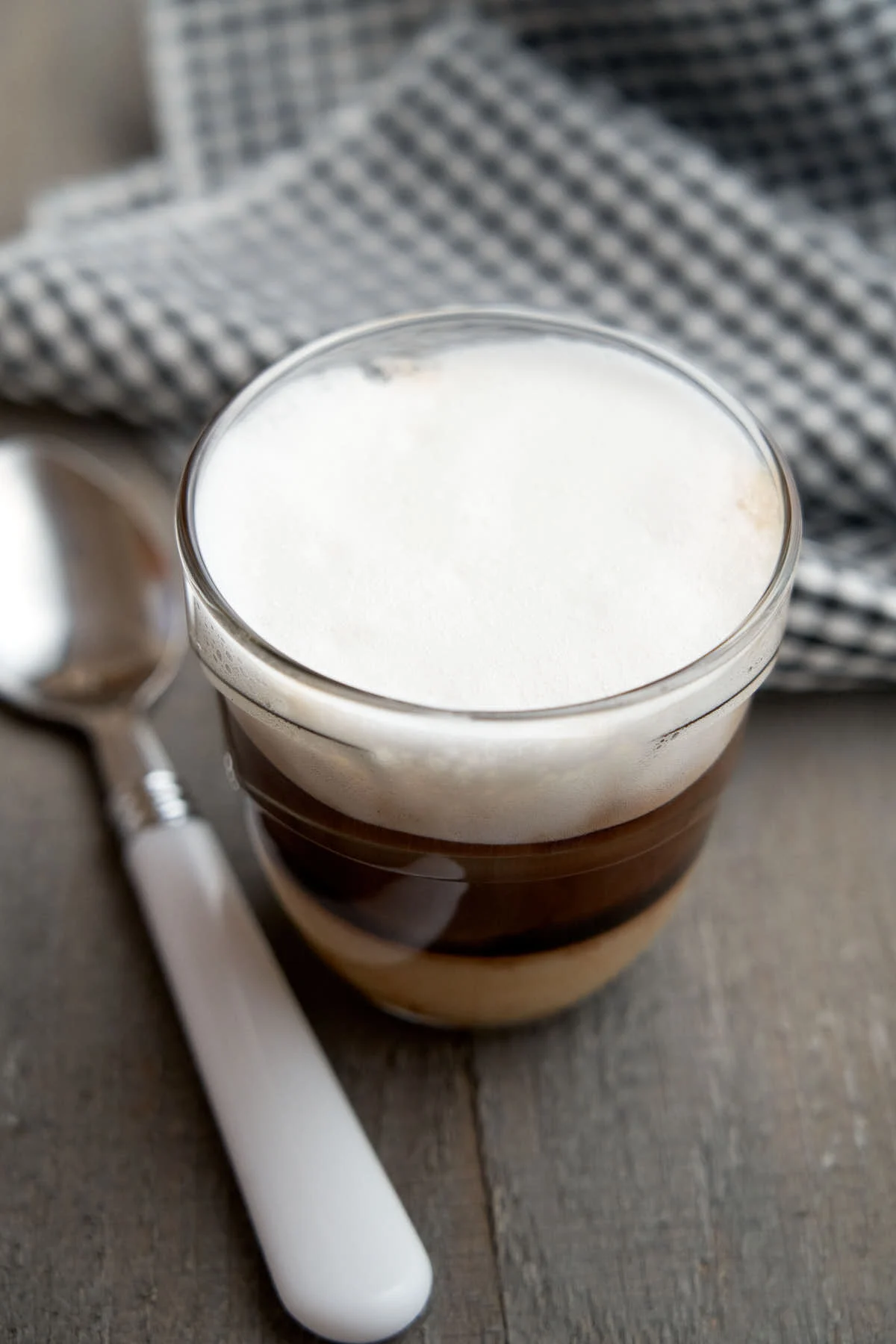
The simple yet elegant Cafe Bombon, a beloved Spanish coffee beverage, is steadily gaining international recognition for its unique presentation and rich flavor profile. Traditionally, this delightful drink consists of a strong shot of espresso layered with sweetened condensed milk, creating a visually striking contrast in a clear glass. While its origins are firmly rooted in Spain, its popularity has begun to spread, appearing on menus in coffee shops worldwide.
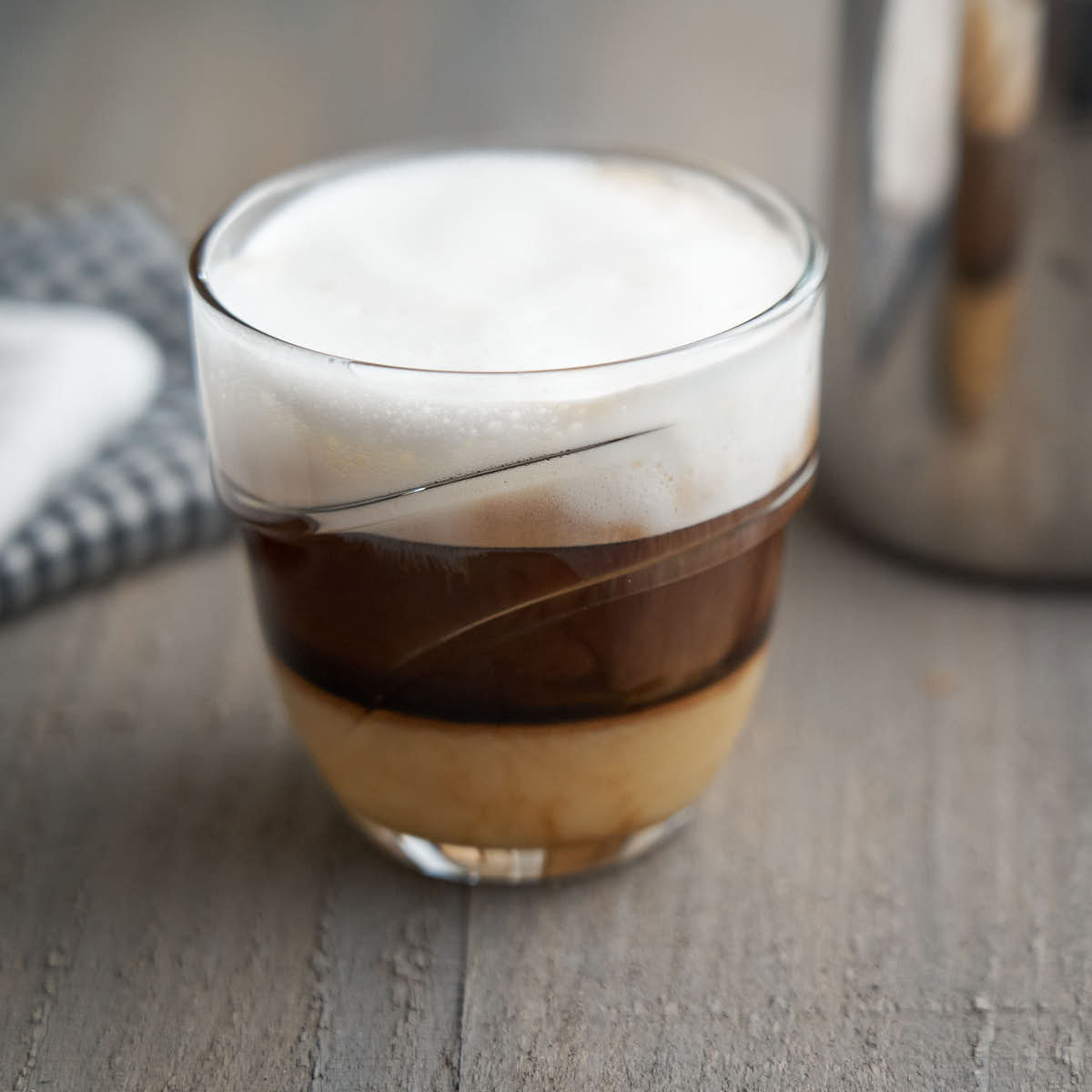
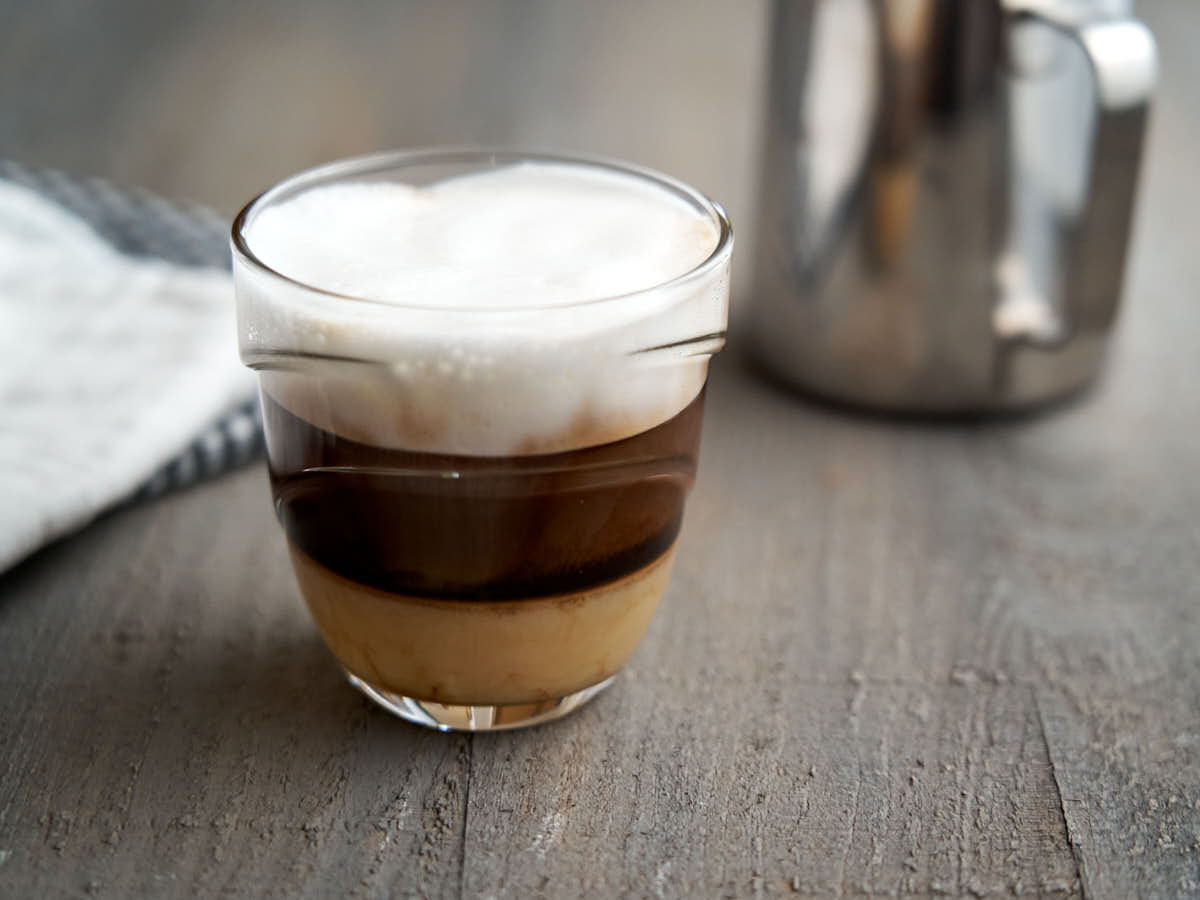
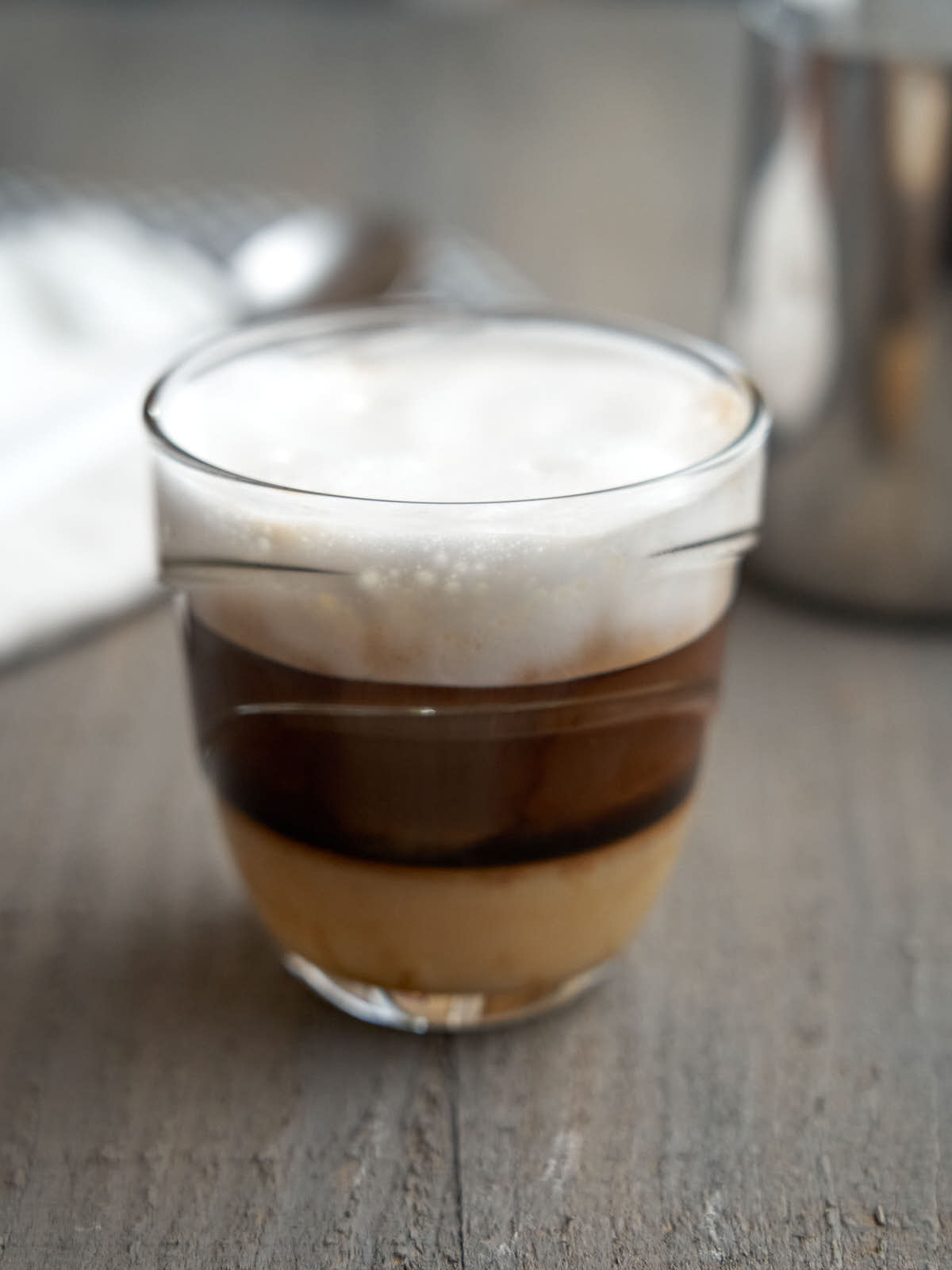
The allure of the Cafe Bombon lies not only in its taste but also in its aesthetic. When served in a transparent glass, the dark, robust espresso sits atop a creamy, opaque layer of condensed milk. This distinct visual separation, a hallmark of the drink, is achieved through careful preparation. The sweetness of the condensed milk perfectly balances the bitterness of the espresso, offering a luxurious and satisfying coffee experience.
The Art of Layering: Crafting the Perfect Cafe Bombon
Creating a visually appealing Cafe Bombon requires a specific technique to maintain the separation of the espresso and condensed milk layers. The most effective method, as observed in traditional preparations and recommended by aficionados, involves carefully layering the ingredients.
The process typically begins with the condensed milk, poured into the bottom of a clear glass. This is followed by a slow, deliberate drizzle of hot espresso. The denser condensed milk naturally settles at the bottom, while the espresso, when poured gently, forms a distinct layer above it. This technique ensures that the characteristic visual appeal of the Cafe Bombon is preserved until the drink is stirred. Some establishments even offer the condensed milk on the side, allowing patrons to personalize their coffee’s sweetness and visual presentation.
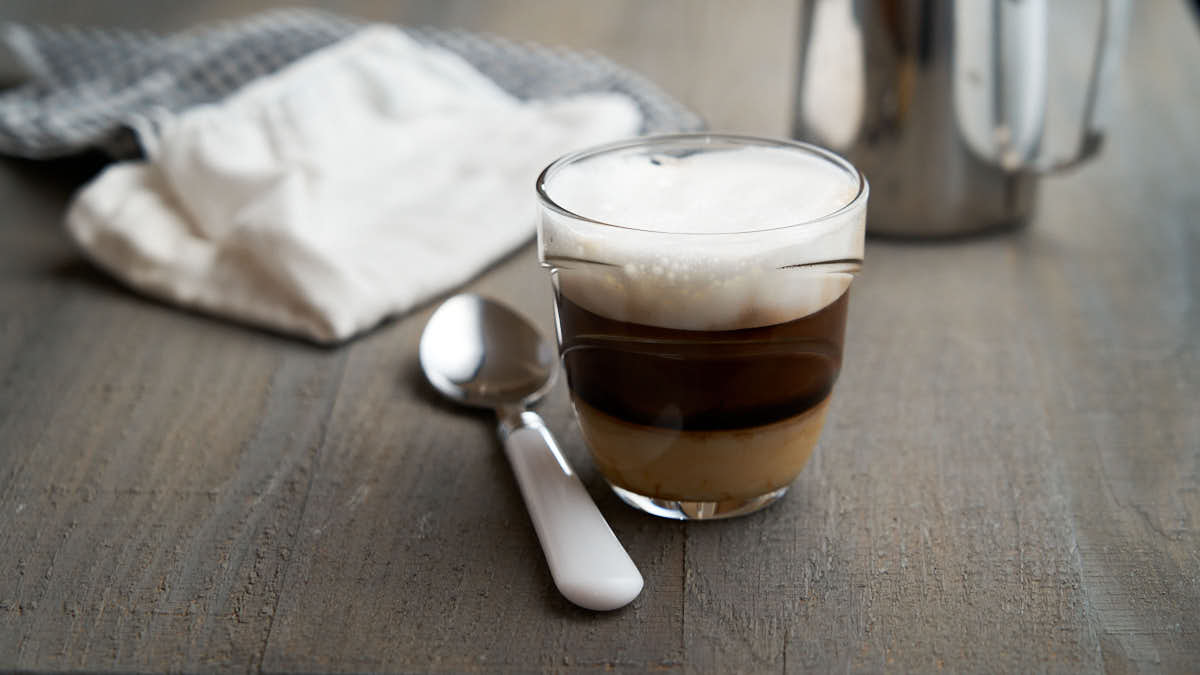
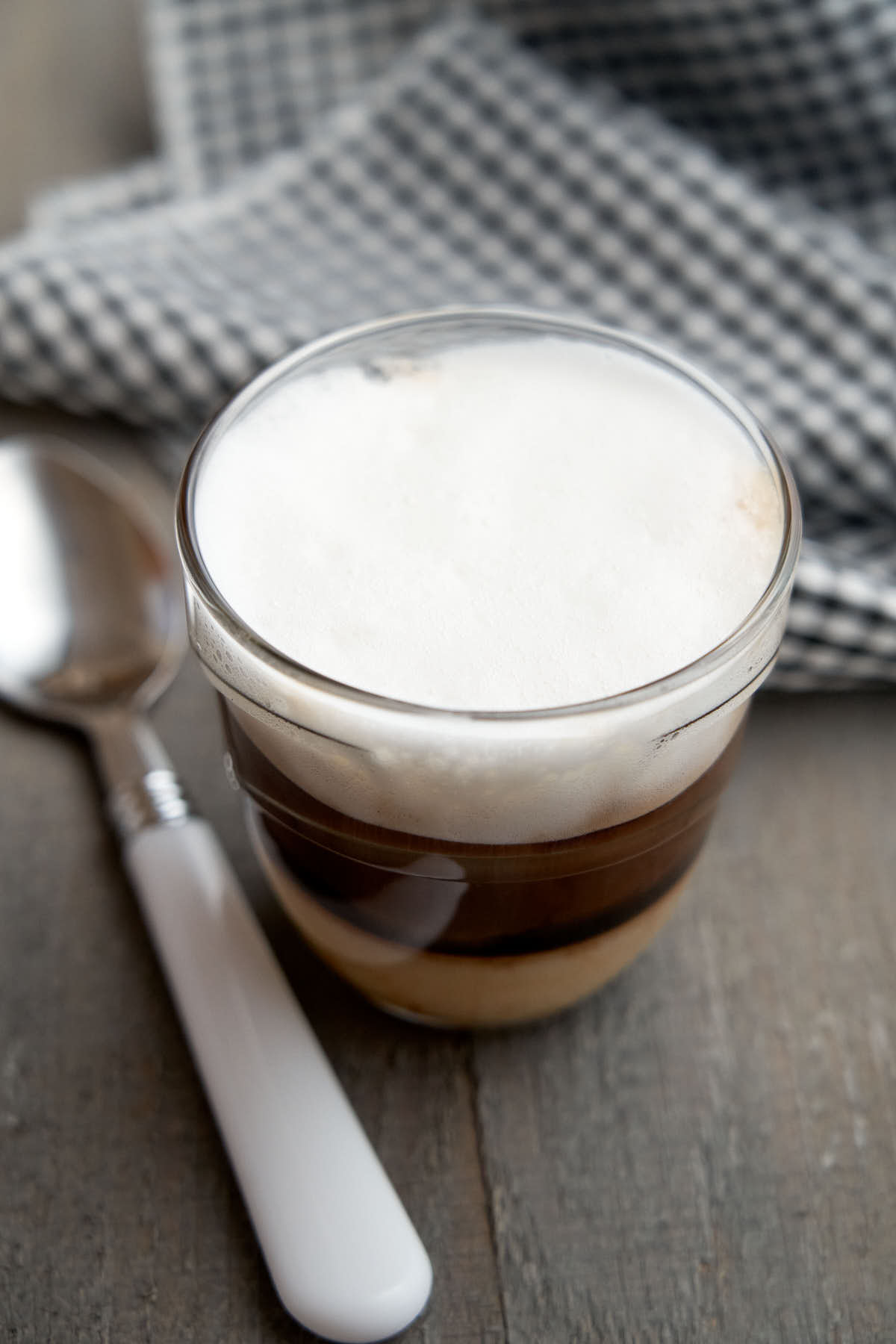
For those seeking to elevate the Cafe Bombon experience further, an optional third layer of frothed milk can be added. This is achieved by steaming milk with a significant amount of air incorporated, creating a light, airy foam. This froth is then carefully spooned onto the top of the espresso layer. It’s crucial to use only the froth and avoid pouring the liquid milk, as this could disrupt the distinct layering and cause the components to blend prematurely. This addition not only enhances the visual appeal with a triple-layered effect but also contributes a lighter texture to the overall drink.
Espresso Alternatives: Bringing Cafe Bombon Home
For home baristas who may not have access to an espresso machine, recreating the Cafe Bombon is still entirely achievable. The key is to find a strong, concentrated coffee base that can mimic the intensity of espresso.
One popular and accessible alternative is cold brew coffee concentrate. This can be prepared at home through a slow steeping process or purchased readily from many coffee shops and supermarkets. If using cold brew concentrate, it is advisable to gently warm it before use to align with the traditional hot serving temperature of Cafe Bombon. Microwaving the concentrate for a short period is a quick and effective method.
Another viable option for those without an espresso machine is to use moka pot coffee. While not as finely extracted as true espresso, the concentrated coffee produced by a moka pot offers a robust flavor that can serve as a suitable substitute. The brewing process for a moka pot is straightforward and yields a strong coffee ideal for layered drinks.
The Rise of a Sweet Tradition: Context and Global Reach
The Cafe Bombon’s journey from Spanish cafes to international coffee scenes is indicative of broader trends in the appreciation of regional coffee cultures. As global travel becomes more accessible and culinary exploration a widespread pastime, unique beverages like the Cafe Bombon are being discovered and embraced by a wider audience.
While precise historical data on the invention of the Cafe Bombon is scarce, its popularity in Spain is undeniable. It represents a sweet counterpoint to the often-bitter intensity of traditional Spanish coffees, offering a comforting and indulgent option for coffee lovers. The drink’s simple yet effective combination of ingredients has made it a staple in many Spanish cafes, particularly in regions like Valencia, where it is said to have originated or gained significant traction.
The increasing visibility of the Cafe Bombon can also be attributed to the rise of social media platforms, where visually appealing food and drinks are frequently shared. The striking layers of the Cafe Bombon make it an ideal candidate for Instagram-worthy posts, further driving its popularity and encouraging more people to seek it out or attempt to replicate it at home.
Analyzing the Implications: Sweetness, Accessibility, and Coffee Culture
The growing popularity of the Cafe Bombon has several implications for the broader coffee landscape. Firstly, it highlights a consumer appetite for sweeter, more dessert-like coffee beverages. This trend is mirrored in the continued success of drinks like caramel macchiatos and flavored lattes. The Cafe Bombon, however, offers a more refined sweetness, derived from the natural sugars in condensed milk rather than artificial syrups.
Secondly, the accessibility of the Cafe Bombon, particularly with readily available substitutes for espresso, democratizes a once regionally specific coffee experience. This allows individuals worldwide to partake in this Spanish tradition without needing specialized equipment, fostering a greater appreciation for diverse coffee cultures.

Furthermore, the visual appeal of the Cafe Bombon underscores the growing importance of aesthetics in food and beverage consumption. The presentation of a dish or drink has become as significant as its taste, influencing consumer choice and driving trends in the culinary world.
As more cafes incorporate the Cafe Bombon into their menus and more home cooks experiment with its preparation, this sweet Spanish espresso is poised to become a more common and cherished offering in the global coffee repertoire. Its simple elegance and delightful taste ensure its continued appeal for years to come.
