
The landscape of mid-century kitchenware is dominated by the vibrant, patterned opalware bowls that have become a hallmark of vintage collecting. However, tucked away in the annals of Pyrex history—often overlooked by those hunting for colorful mixing bowls—lies a cornerstone of 20th-century industrial design: the Pyrex Flameware stovetop percolator. These transparent, functional pieces represent a pivotal era when Pyrex, a brand under the Corning Glass Works umbrella, shifted from purely laboratory-grade utility to the essential American household aesthetic.
The Evolution of the Flameware Percolator
To understand the significance of the Pyrex percolator, one must examine the material science that made it possible. In the early 20th century, Corning Glass Works introduced borosilicate glass, branded as Pyrex, which possessed an exceptionally low coefficient of thermal expansion. This allowed the glass to withstand dramatic temperature fluctuations—the fundamental requirement for a vessel intended to sit directly atop a flame.
By the mid-1930s, the company refined this technology into "Flameware," a specialized line specifically engineered for stovetop use. The percolators released during this period were stripped of the decorative motifs later associated with the brand, prioritizing a minimalist, Bauhaus-influenced silhouette. The first iterations featured a straight handle, while subsequent designs introduced a contoured, ergonomic handle that echoed the organic shapes popularized by designers like Russel Wright.
A Chronology of Mid-Century Brewing
The production timeline of these percolators aligns perfectly with the rise of the American suburban kitchen. Between 1938 and the late 1940s, the Pyrex percolator became a staple in households looking to modernize their morning routines.
- 1938: The initial launch of the Flameware stovetop percolator. At this time, the units were marketed for their versatility—not just for brewing coffee, but for boiling water, tea, and even laboratory-style fluid distillation.
- Late 1940s: Corning introduced variations in size, ranging from four to six-cup capacities, catering to the nuclear family demographic that defined the post-war era.
- 1950s–1960s: As the brand expanded, it introduced other glass coffee-making apparatuses, such as the Platinum Banded Corning Brand series, though the original percolator remained the most iconic representative of the "clear glass" design language.
During this period, the pricing was markedly different from the current secondary market. In 1938, a consumer could purchase a full percolator unit for approximately $1.79. Replacement parts, such as lids, were sold for as little as 25 cents. These figures underscore the brand’s commitment to accessibility and "buy-it-for-life" durability, a philosophy that contrasts sharply with the planned obsolescence of modern small kitchen appliances.
Design Philosophy and Industrial Utility
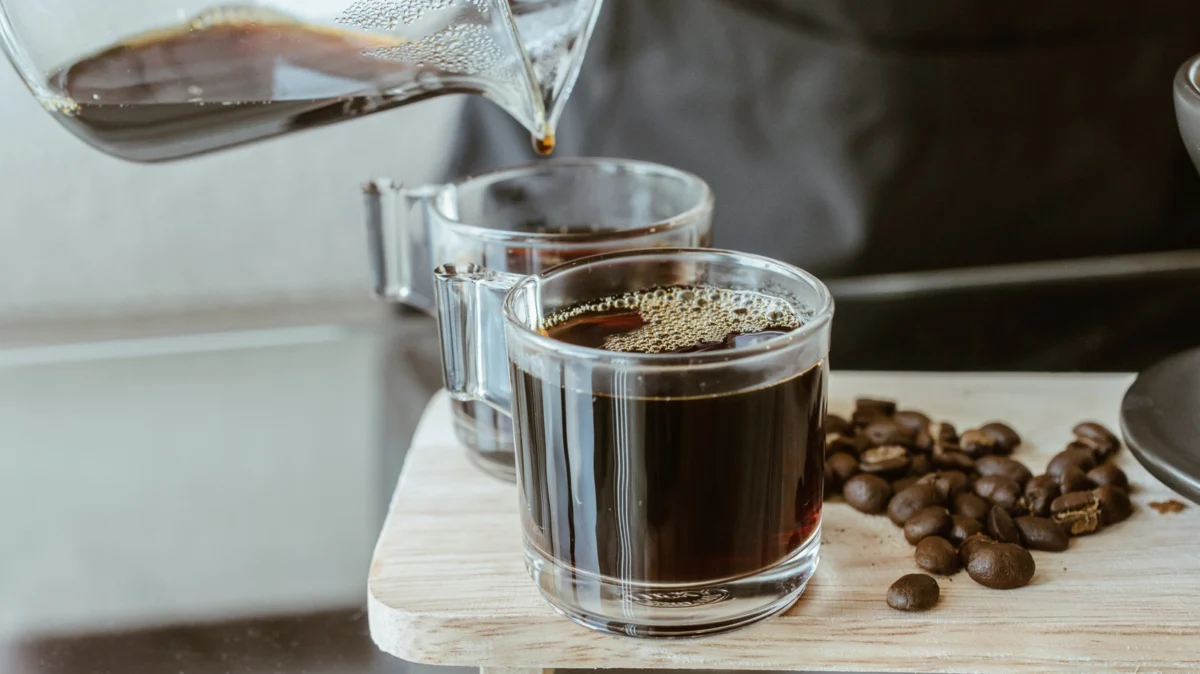
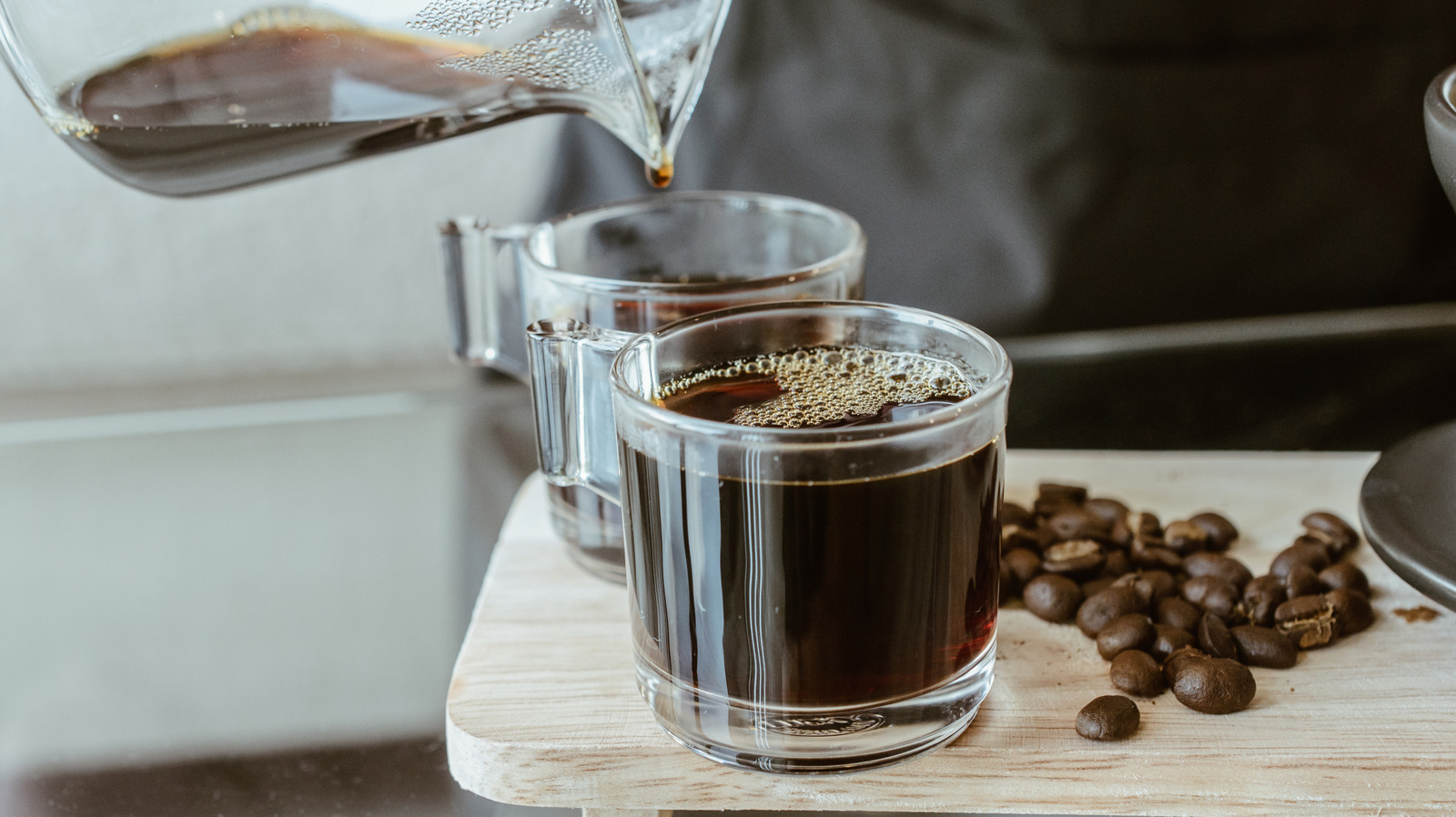
The aesthetic appeal of the Pyrex percolator lies in its radical transparency. In an era where coffee machines are often opaque, computerized, and encased in plastic, the Pyrex percolator offers a visceral experience. The user can watch the extraction process as the water rises through the glass stem and cascades over the grounds, turning from clear to a deep, rich amber.
This design choice was not merely for show; it was an exercise in functional transparency. By removing the guesswork from the percolation cycle, the user could visually calibrate the strength of their coffee. Collectors today often cite this sensory engagement as the primary reason for the percolator’s enduring popularity. Unlike the Moka pot, which relies on steam pressure to force water through coffee, the Pyrex percolator utilizes a gentle, gravity-fed cycle that proponents argue produces a cleaner, albeit different, flavor profile.
Market Dynamics and the Collector’s Perspective
The transition of the Pyrex percolator from a household tool to a highly sought-after collectible reflects broader trends in the vintage market. Modern consumers are increasingly drawn to analog kitchen tools that offer repairability and a reduced environmental footprint.
On secondary marketplaces such as eBay, Etsy, and specialized antique forums, the valuation of these units has seen a significant appreciation. While a pristine unit might have cost less than two dollars in the late 1930s, modern resale prices now fluctuate between $50 for smaller, common models to upwards of $200 for rare, intact pieces with original hardware.
The scarcity of these items is driven by the fragility of glass. Because the percolators were designed for daily use, many suffered from thermal shock or accidental breakage over the decades. Consequently, finding a complete set—including the original lid, the metal basket assembly, and the glass stem—is increasingly rare. This scarcity has created a robust ecosystem of vintage parts dealers who specialize in reuniting stray components with incomplete pots.
The Brewing Science: Why Percolators Persist
Despite the rise of pour-over methods and sophisticated espresso machines, a dedicated segment of the coffee community maintains that the percolator provides a superior cup. Online communities, including those on Reddit, frequently host discussions regarding the "hotness" and flavor clarity achieved through the glass percolator method.
The consensus among enthusiasts is that the minimal use of metal components within the Pyrex unit prevents the metallic aftertaste sometimes associated with stainless steel or aluminum brewers. Furthermore, because the glass retains heat differently than metal, the brewing temperature remains consistent throughout the cycle, provided the heat source is properly managed.
However, the resurgence of these units comes with a caveat: modern maintenance. Experts advise that vintage glass, while durable, should not be subjected to extreme thermal shock—such as placing a cold percolator directly on a high-heat burner—as even the finest borosilicate glass has limits. Furthermore, the metal components must be thoroughly cleaned to prevent the buildup of coffee oils, which can become rancid over time.
Broader Implications for Kitchen Design
The Pyrex Flameware percolator serves as a case study in the intersection of industrial manufacturing and mid-century modernism. It represents a time when utility was the primary design driver, yet aesthetics were not ignored. The simplicity of the form—a clear vessel with a black handle—allowed it to blend seamlessly into any kitchen environment, regardless of the decor.
As the industry shifts toward "smart" kitchens, the persistence of these analog devices suggests a pushback against the complexity of modern technology. Consumers are looking to reclaim agency over their daily rituals. The act of brewing coffee in a glass percolator is tactile and deliberate; it requires attention and patience, contrasting with the instant gratification of modern capsule machines.
Furthermore, the environmental implications of these vintage items cannot be ignored. A Pyrex percolator manufactured 80 years ago is still functional today, embodying the pinnacle of sustainable consumerism. By extending the life of these objects, the vintage community is actively participating in a circular economy that prioritizes durability and quality over the disposable nature of contemporary kitchenware.
Conclusion: A Lasting Legacy
The Pyrex Flameware percolator is more than a relic of the mid-century kitchen; it is a testament to the longevity of well-conceived design. While the company may have moved on to different materials and modern production techniques, the original percolators remain a standard against which other brewing methods are measured.
For the collector, the value lies in the history and the aesthetic purity of the piece. For the coffee enthusiast, the value is in the cup. As these percolators continue to circulate in the secondary market, they serve as a reminder that the most sophisticated technology is not always the most recent, but often the most enduring. Whether displayed as an icon of design or used to brew a morning cup, the Pyrex percolator remains an essential component of the American culinary heritage, bridging the gap between the functional innovations of the past and the conscious consumption of the future.
