
The Evolution of the Chicken Cutlet
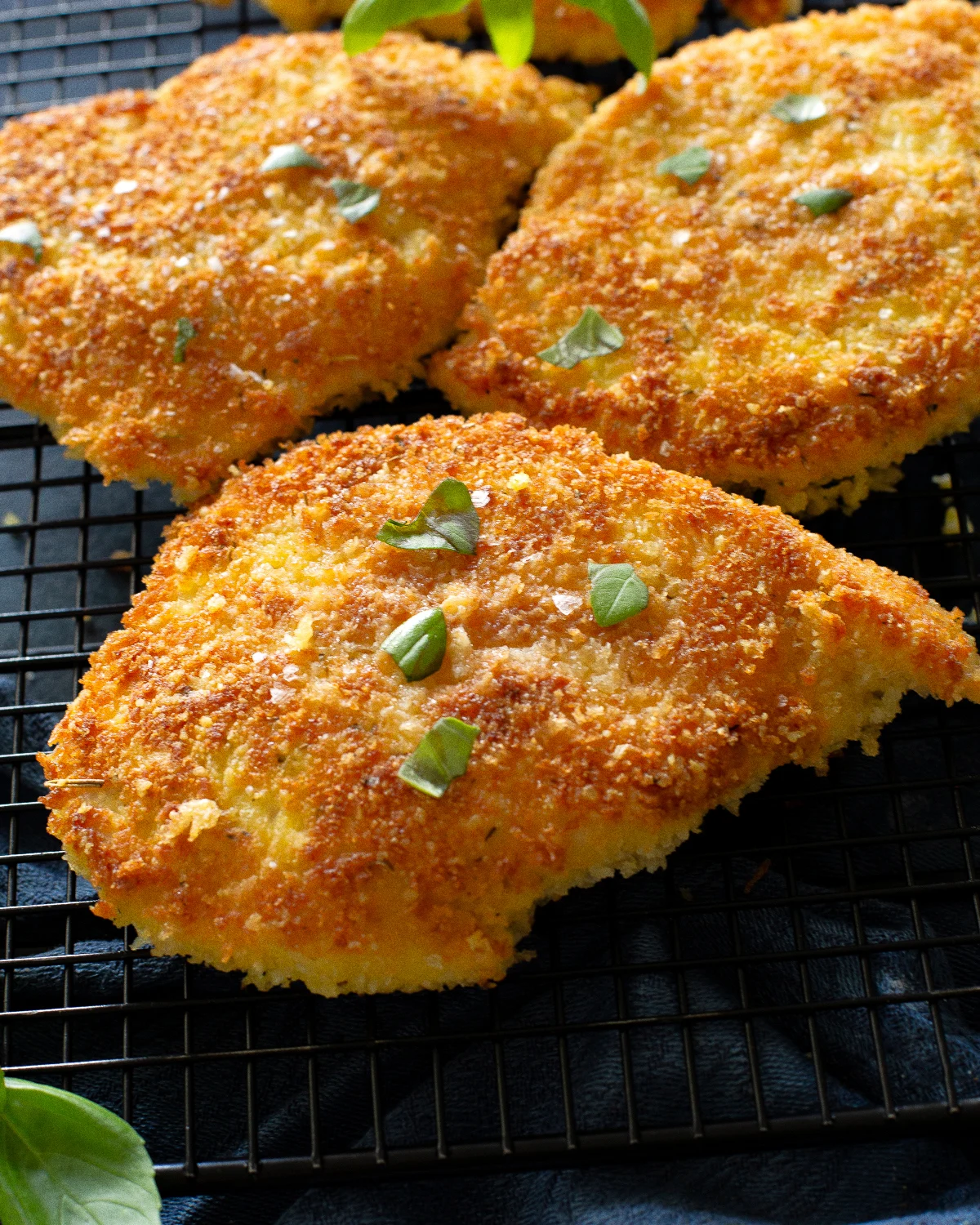
The concept of the chicken cutlet finds its roots in the broader category of "Milanese" cooking, a method historically associated with the Lombardy region of Italy. Traditionally, Cotoletta alla Milanese involved veal, breaded and fried in clarified butter. As the dish migrated across borders and generations, the transition to chicken became the standard for many international kitchens due to its accessibility and versatility.
Modern iterations, such as the Parmesan Chicken Cutlet, differentiate themselves by incorporating hard, aged cheeses like Parmigiano-Reggiano into the breading matrix. This addition serves a dual purpose: it enhances the Maillard reaction—the chemical process that creates flavor through browning—and provides a distinct, salty umami profile that complements the neutral flavor of the poultry.
Technical Preparation and Culinary Best Practices
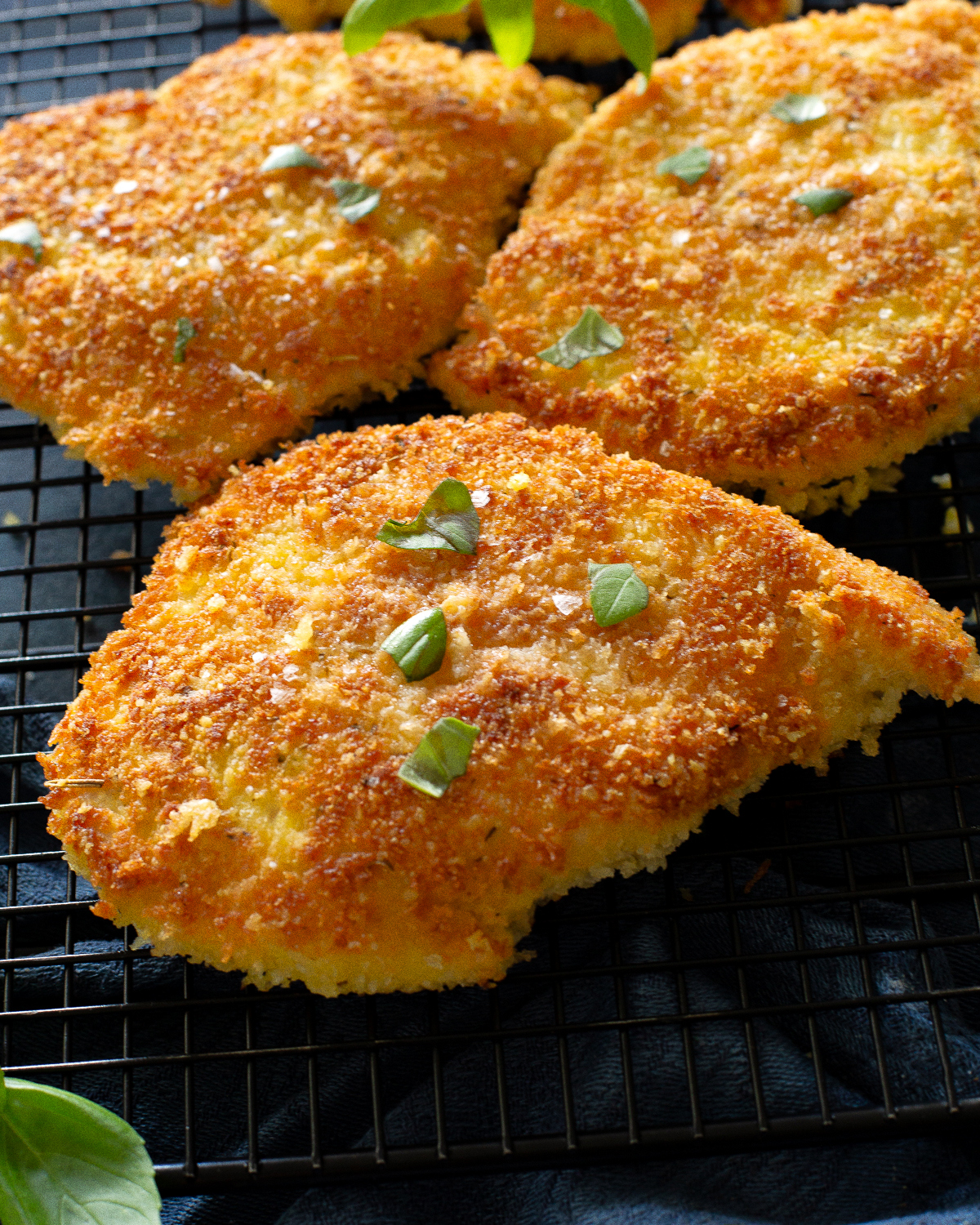
Achieving the "perfect" cutlet, defined by a crisp exterior and a tender, moist interior, requires adherence to specific thermal and mechanical processes. Culinary experts emphasize the importance of consistent thickness. Using a meat mallet to pound the chicken breasts to an even quarter-inch thickness is not merely a stylistic choice; it is a functional requirement to ensure the meat cooks through before the breading reaches the point of over-browning.
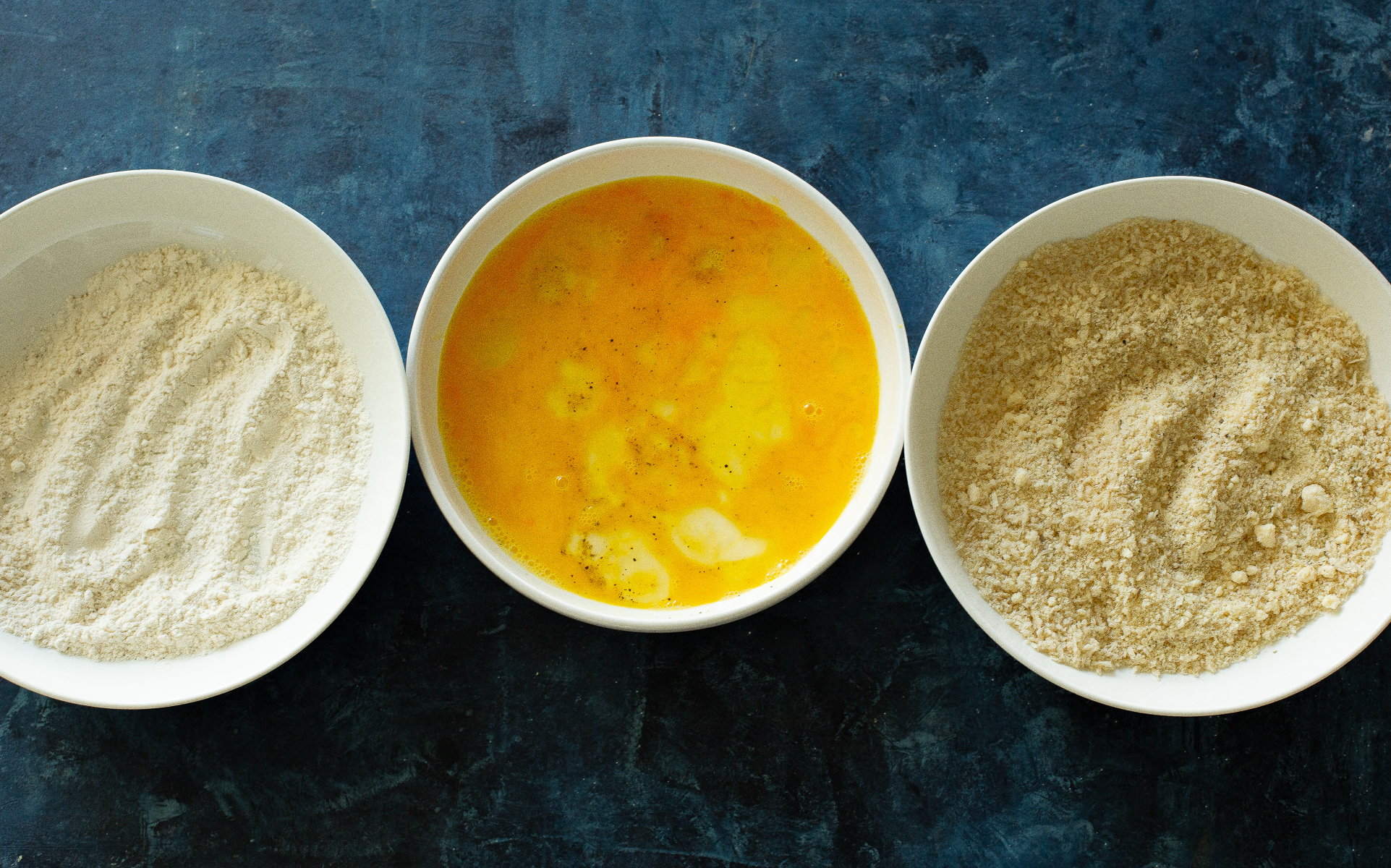
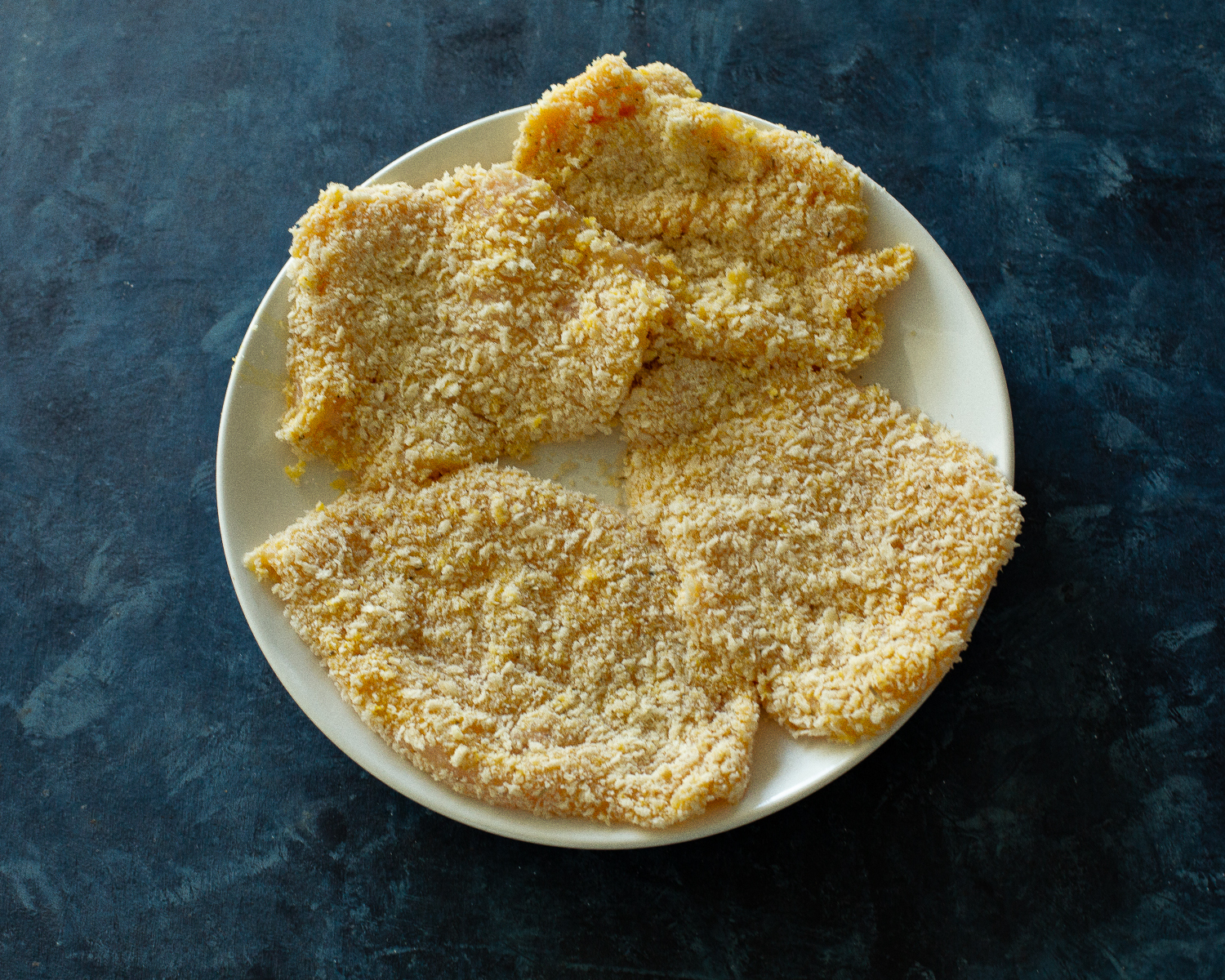
The breading process, often referred to as the "standard breading procedure," involves three distinct stages: a flour coating to ensure adhesion, a beaten egg wash to provide moisture, and a final layer of seasoned breadcrumbs and parmesan. Industry data suggests that the use of Panko—a Japanese-style breadcrumb—has increased by approximately 22% in domestic households over the last decade, as it offers a lighter, crunchier texture compared to traditional fine-ground breadcrumbs.
Nutritional Profile and Dietary Context
From a nutritional standpoint, poultry is the most consumed protein in the United States, with the average American consuming approximately 100 pounds of chicken per year. Chicken cutlets offer a lean source of protein, provided the preparation method is managed carefully. When pan-seared or baked, the dish can be integrated into a balanced diet.
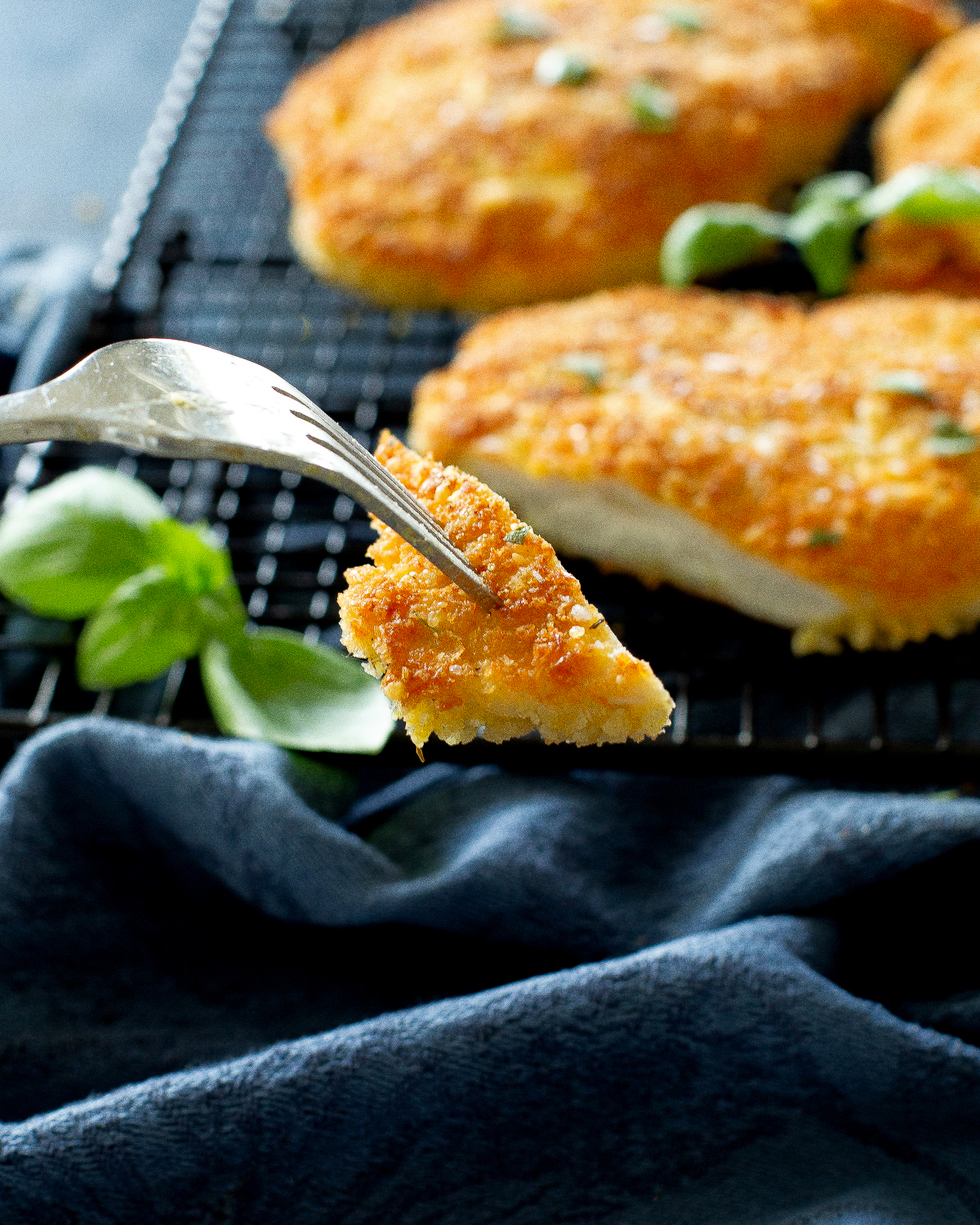
The addition of parmesan cheese adds a small amount of calcium and essential amino acids to the meal. However, nutritionists note that the caloric density of the dish is primarily determined by the fat used during the frying process. Choosing oils with high smoke points, such as avocado or grapeseed oil, is recommended to prevent the degradation of fatty acids during the high-heat cooking required to achieve the desired golden-brown crust.
Industry Trends in Home Cooking
Recent market reports indicate that "quick-service" home meals—recipes that can be prepared from start to finish in under 30 minutes—have become the dominant category in online culinary search trends. The Parmesan Chicken Cutlet aligns perfectly with this demand. By utilizing thin-cut breasts, the cooking time is reduced to approximately three to four minutes per side, facilitating a rapid transition from prep to table.
Food industry analysts attribute the enduring popularity of this dish to its "canvas" nature. Because the flavor profile is savory and relatively mild, it serves as an ideal vehicle for a variety of accompaniments. While the original Milanese-style serving suggestion involves a bed of fresh arugula and a squeeze of lemon to cut through the richness of the fried crust, modern adaptations frequently see the cutlet served alongside roasted root vegetables, pasta with light herb sauces, or crisp garden salads.
Chronology of Culinary Influence
The transition of the chicken cutlet from a restaurant-exclusive dish to a home-cooking staple can be traced through the following timeline:
- Early 20th Century: Traditional European cutlets (veal) establish a foothold in urban American dining environments.
- 1950s–1970s: The rise of convenience culture sees the introduction of pre-breaded frozen chicken products in supermarkets.
- 1990s–2000s: The "foodie" movement encourages a return to scratch-made meals, with magazines and early cooking websites emphasizing the superior texture of homemade breading.
- 2010s–Present: The ubiquity of high-speed digital recipe databases allows for the rapid dissemination of tips, such as the "parmesan-crust" technique, making professional-grade results attainable for the average home cook.
Expert Perspectives on Culinary Success
Professional chefs often weigh in on the common pitfalls associated with this recipe. The most cited issue is "soggy breading," which usually occurs when the pan is overcrowded. Overcrowding drops the oil temperature, leading the breadcrumbs to absorb the fat rather than crisping in it. Experts advise working in batches, ensuring that each cutlet has enough room to maintain a steady sear.
Furthermore, the resting period is frequently overlooked. Allowing the chicken to rest for two to three minutes after removing it from the heat source ensures that the internal juices redistribute, preventing the crust from detaching when the meat is sliced.
Broader Impact and Economic Implications
The popularity of chicken-based recipes has significant economic implications for the agricultural sector. As consumers continue to favor poultry over red meat due to both cost-efficiency and perceived health benefits, the demand for high-quality, ethically sourced chicken breasts remains high.
Furthermore, the rise of the "home chef" has fueled a secondary market for kitchen gadgets. Sales of meat mallets, digital instant-read thermometers, and heavy-bottomed stainless steel or cast-iron skillets—essential tools for the perfect cutlet—have remained robust. The culinary industry continues to see a trend toward "premiumization" of basic ingredients, where consumers are increasingly likely to purchase high-quality, aged Parmesan rather than pre-grated alternatives, reflecting a growing consumer awareness of how ingredient quality influences the final outcome of a dish.
Future Outlook
As technology continues to enter the kitchen, the method for preparing dishes like Parmesan Chicken Cutlets will likely see further optimization. Air-frying technology has already begun to offer a path toward replicating the crisp texture of fried chicken with a fraction of the oil, representing a significant shift in how traditional frying techniques are being reinterpreted for a health-conscious market.
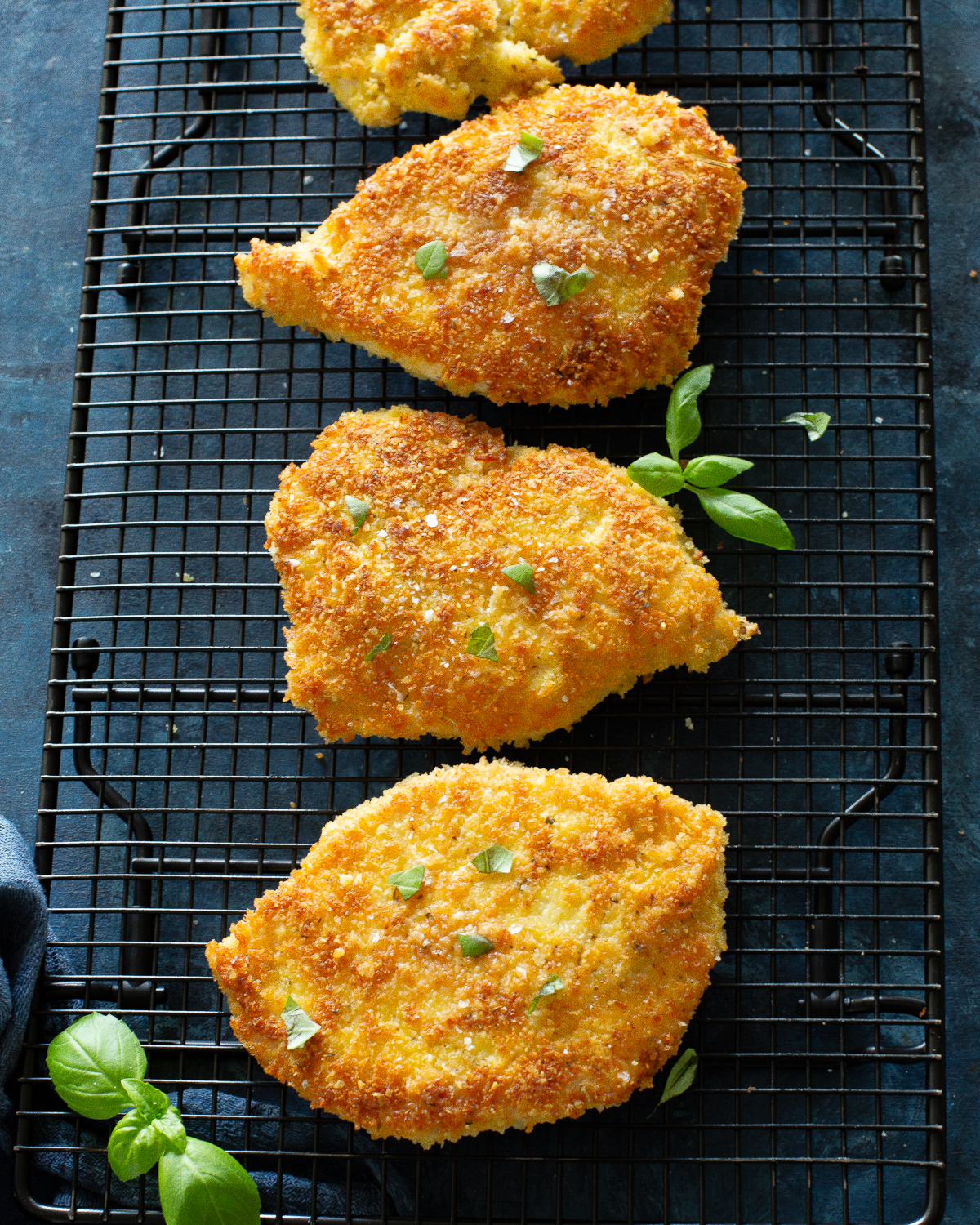
Ultimately, the longevity of the Parmesan Chicken Cutlet as a culinary staple is secured by its adaptability. Whether served as the main course of a formal dinner or sliced into strips to top a salad, the dish remains a reliable, cost-effective, and universally enjoyed component of the contemporary diet. Its success lies not in complexity, but in the precise execution of foundational culinary principles, proving that even the most straightforward recipes remain relevant through generations of culinary evolution.
