
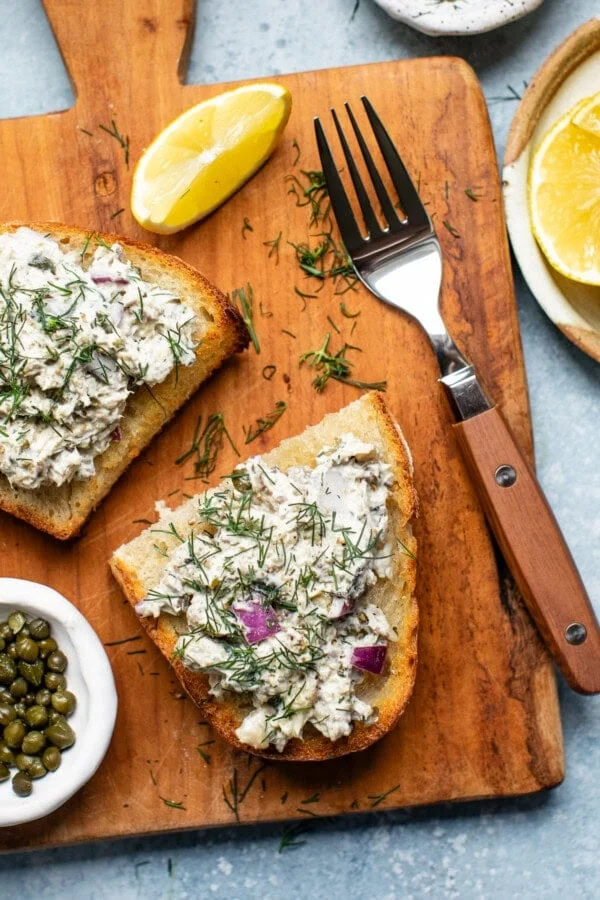
The culinary landscape has seen a significant shift toward nutrient-dense, sustainable, and shelf-stable proteins, leading to a resurgence in the popularity of canned sardines. Often overshadowed by tuna in the Western diet, the humble sardine is undergoing a rebranding as a "superfood" due to its exceptional nutritional profile. The development of modern, elevated preparations, such as the contemporary sardine salad, reflects a broader trend of consumers seeking healthy, no-cook meal solutions that do not sacrifice flavor or culinary complexity.
The Nutritional Profile of Sardines
From a clinical nutrition perspective, sardines are considered a high-value source of essential nutrients. According to the United States Department of Agriculture (USDA), a standard 3.75-ounce serving of Atlantic sardines canned in water provides roughly 20 to 22 grams of high-quality protein. Beyond macro-nutrients, sardines are among the few natural food sources that offer significant concentrations of vitamin D and B12, both of which are critical for bone health and neurological function, respectively.
The primary appeal for health-conscious consumers, however, lies in the high concentration of omega-3 fatty acids—specifically eicosapentaenoic acid (EPA) and docosahexaenoic acid (DHA). Research published in the Journal of the American Heart Association has consistently indicated that the regular consumption of oily fish like sardines can contribute to cardiovascular health, potentially reducing the risk of arrhythmias and lowering triglyceride levels.
The Rise of Sustainable Seafood Consumption
The increased interest in sardine-based dishes is not merely a matter of personal health; it is deeply intertwined with global environmental sustainability. Sardines sit low on the marine food chain, meaning they have a significantly lower mercury accumulation compared to larger predatory fish like tuna or swordfish. Furthermore, sardines are prolific breeders with short lifecycles, making them a more resilient and environmentally responsible choice for the commercial fishing industry.
The integration of these small, oily fish into daily lunch routines—often as a substitute for traditional tuna salad—represents a shift toward ecological awareness in consumer spending habits. By choosing sardines, consumers are effectively opting for a protein source that requires less energy to harvest and has a smaller carbon footprint per pound than most land-based livestock.

Culinary Techniques: Balancing Brine and Texture
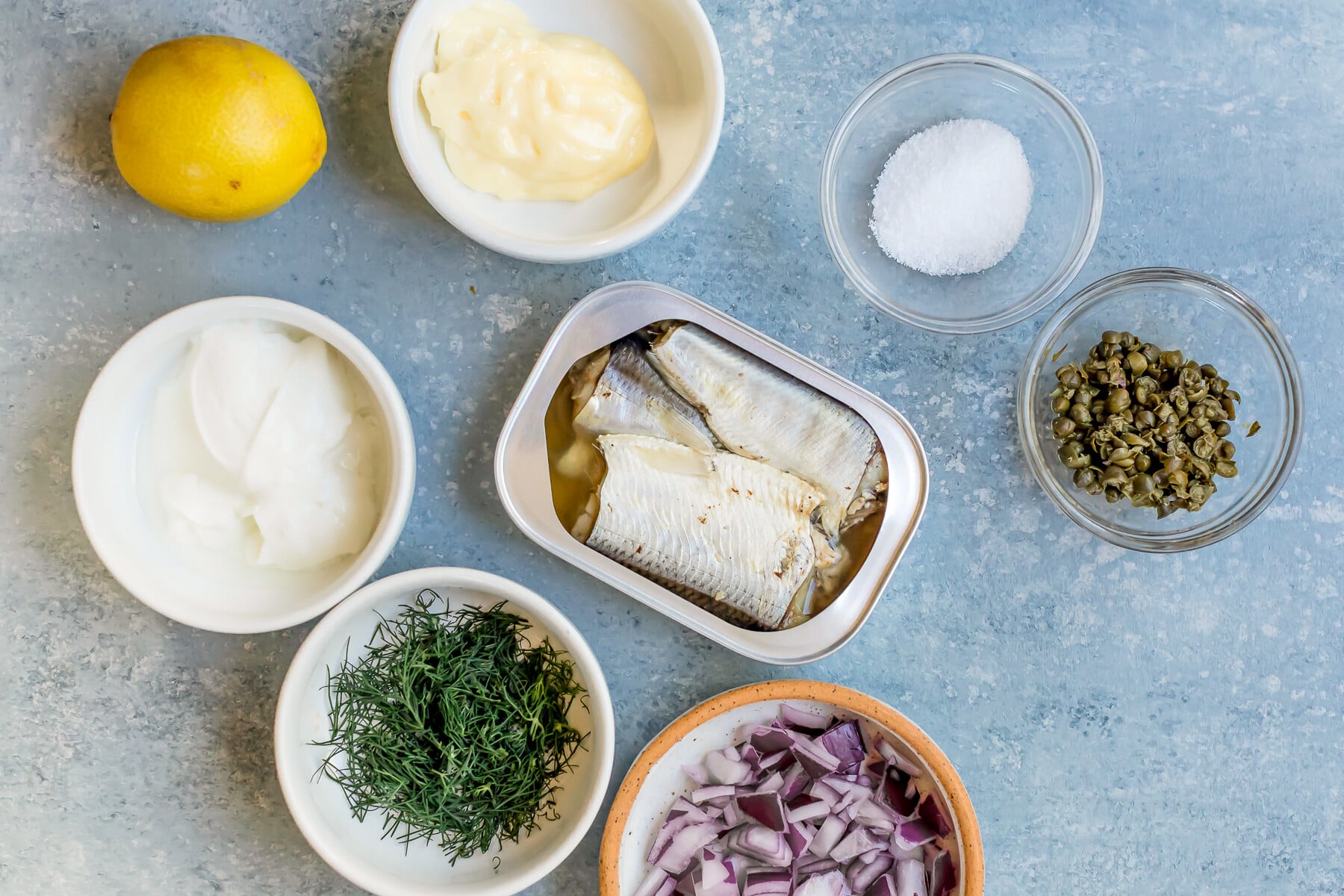
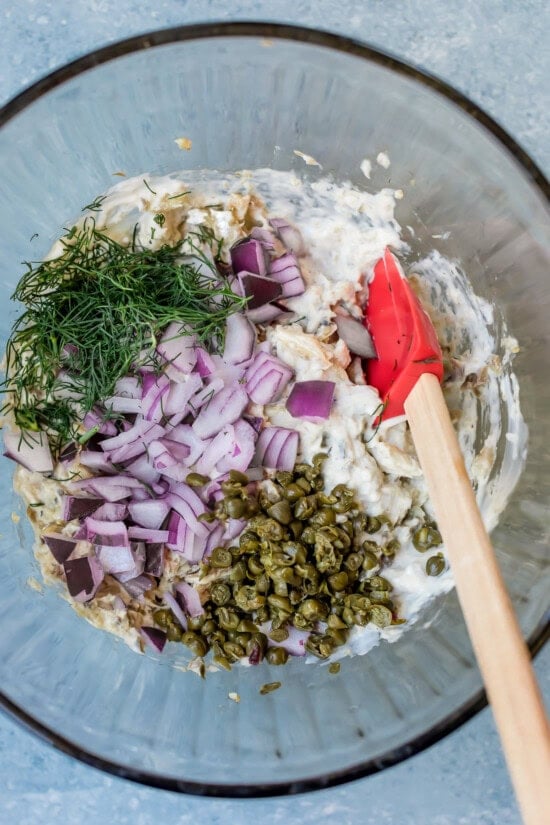
Transforming canned sardines into a palatable salad requires an understanding of flavor balancing. The inherent "brininess" of the fish is frequently cited by culinary experts as a barrier to entry for some consumers. The most successful preparations, such as those utilizing lemon juice, capers, and fresh dill, act as acidic brighteners that cut through the richness of the fish oils.
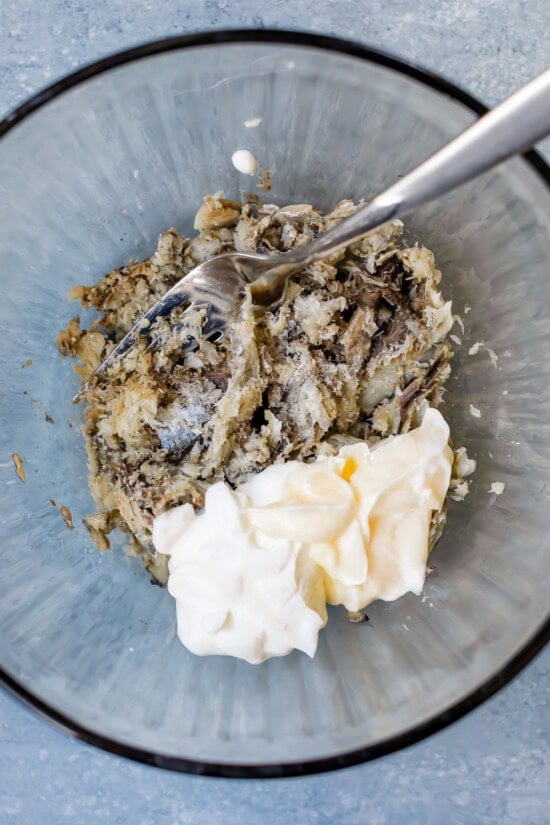
Professional chefs often emphasize the importance of preparation technique when working with canned sardines. Removing the skin and bones, while a matter of personal preference, is standard for those sensitive to texture. Modern recipes suggest that the key to a refined sardine salad lies in the emulsion process—using a small amount of high-quality mayonnaise or Greek yogurt to create a cohesive binder that mellows the intensity of the sardine without masking its flavor.

Chronology of the Modern "No-Cook" Movement
The transition toward "no-cook" meal preparation has accelerated over the past decade, driven by the demands of remote work and the increasing cost of dining out.
- 2015–2018: The rise of meal prep culture on social media platforms prioritized batch-cooking, typically focusing on chicken or ground turkey.
- 2020–2022: The global pandemic necessitated an increase in shelf-stable pantry items. Sales of canned seafood saw a double-digit percentage increase as households stocked up on long-lasting, nutrient-dense proteins.
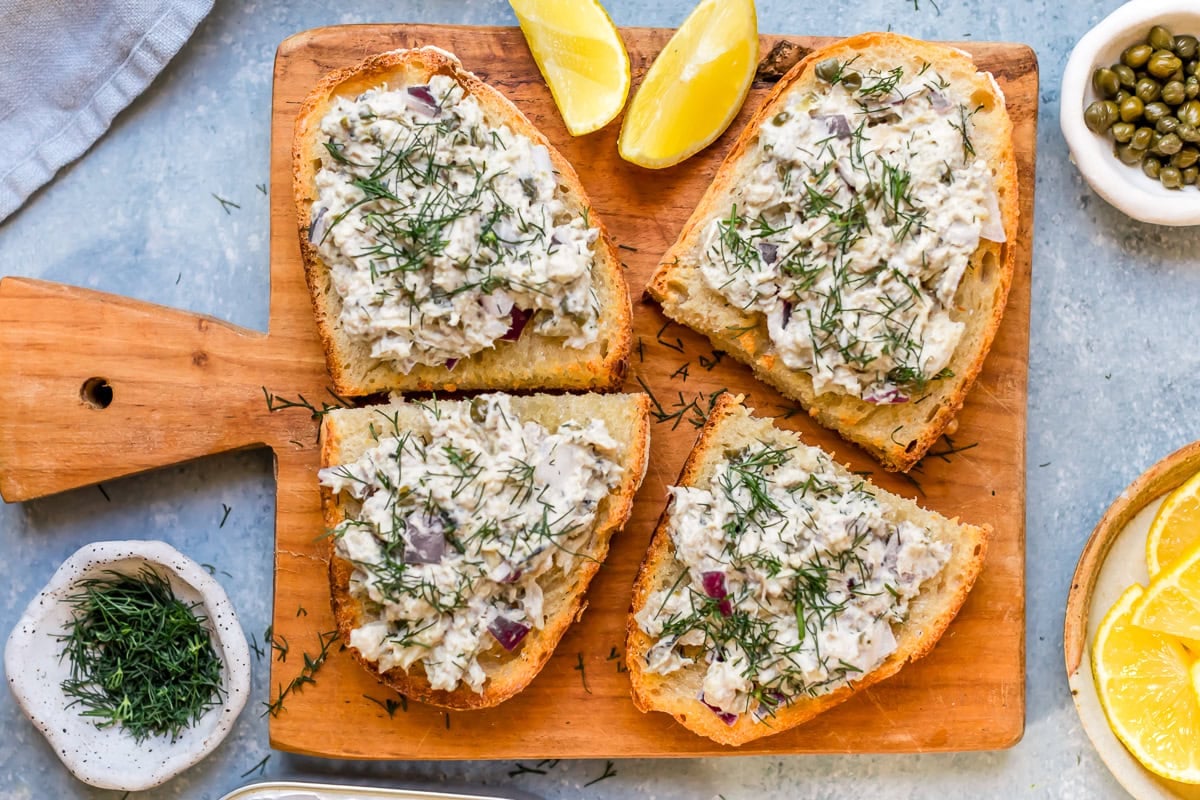
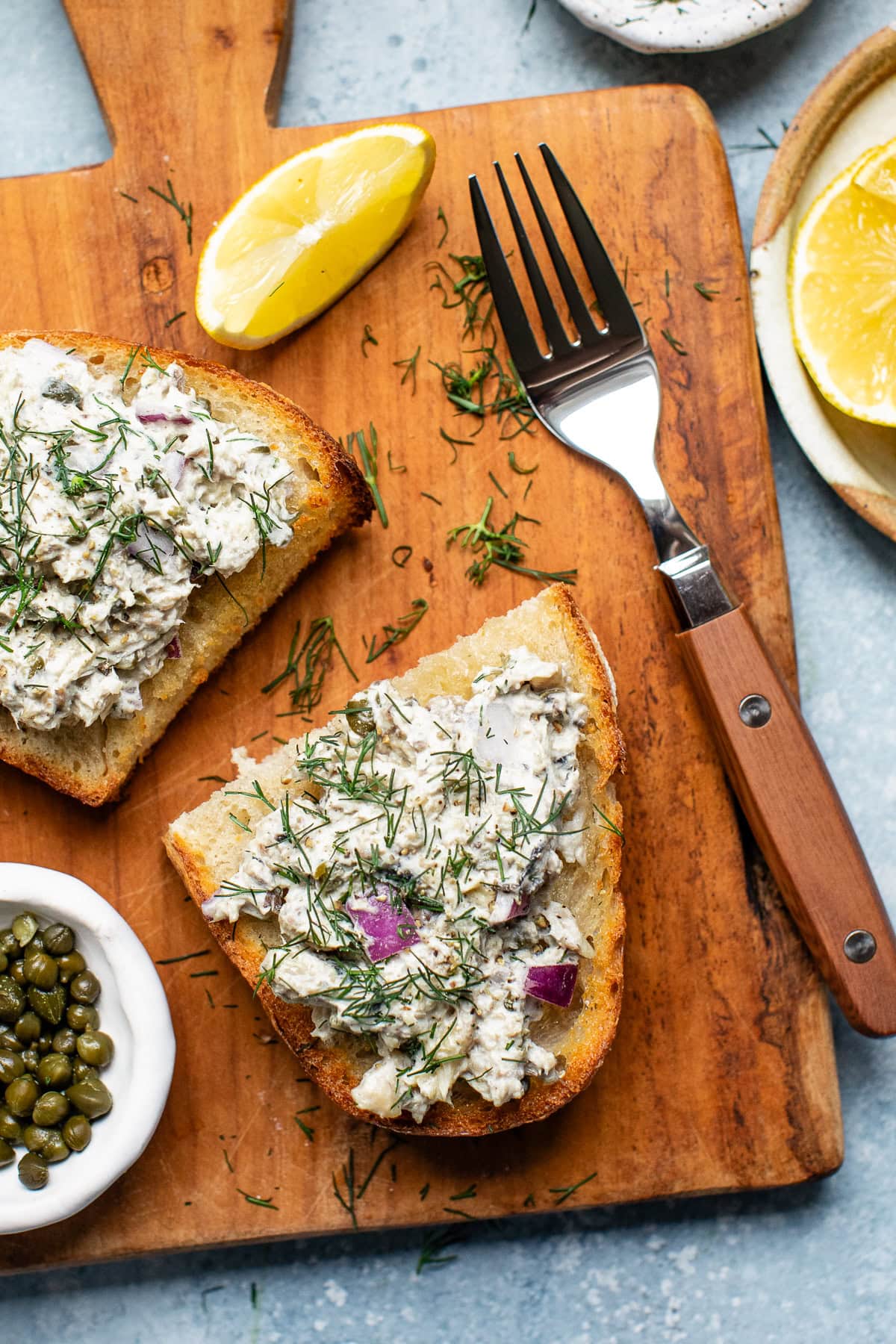
- 2023–2025: Culinary influencers and nutritionists began focusing on "elevated pantry" cooking, moving away from simple emergency meals toward sophisticated dishes like artisanal sardine salads served on sourdough or whole-grain crackers.
This evolution highlights a move away from viewing canned goods as "survival food" and toward seeing them as essential components of a gourmet, health-conscious pantry.
Industry Implications and Market Trends
Retail data suggests that the canned seafood market is diversifying. While traditional tuna remains a dominant force, the shelf space dedicated to premium, sustainably sourced sardines is expanding. Industry analysts observe that younger demographics, particularly Millennials and Gen Z, are driving this growth. These cohorts are frequently motivated by transparency in the supply chain and are willing to pay a premium for products that are MSC (Marine Stewardship Council) certified.
The economic implications for the seafood industry are clear: as demand for smaller, more sustainable fish grows, manufacturers are responding with more diverse flavor profiles, such as sardines in extra virgin olive oil, chili-infused oils, or lemon-herb glazes. This innovation minimizes the preparation time for the end user, facilitating the adoption of these products into mainstream diet plans.
Standard Preparation Guidelines
For those integrating sardine salad into their weekly meal prep, professional guidelines suggest:
- Draining: Proper removal of the packing liquid (whether water, oil, or sauce) is essential to maintaining the desired texture of the final salad.
- Maceration: Allowing the salad to sit in the refrigerator for at least 30 minutes before serving enables the flavors of the fresh herbs and acids to penetrate the fish.
- Storage: Due to the oxidation of fats in fish, these salads should be consumed within 72 to 96 hours. Storing them in airtight glass containers can help preserve freshness and prevent odor transfer in the refrigerator.
Broader Impact on Public Health
Public health initiatives have long struggled to encourage the consumption of seafood, citing both cost and lack of familiarity as primary hurdles. The normalization of sardine salad as a "tuna alternative" provides a scalable solution. Because sardines are significantly more affordable than fresh salmon or high-end tuna steaks, they represent a democratized path to obtaining necessary omega-3 fatty acids and high-quality protein.
As consumers continue to prioritize health-span and preventative nutrition, the sardine is likely to maintain its status as a staple. The intersection of environmental responsibility and nutritional efficacy positions the sardine not just as a dietary trend, but as a long-term solution for sustainable protein consumption in the 21st century.
Conclusion
The shift toward incorporating sardines into everyday diets—specifically through versatile, nutrient-dense salad preparations—serves as a microcosm of larger changes in the modern food system. By moving toward lower-trophic-level species, consumers are simultaneously addressing their own nutritional requirements and supporting more sustainable fishing practices. Whether served on toast, in a wrap, or as a component of a larger grain bowl, the sardine salad stands as a testament to the fact that simple, affordable, and shelf-stable ingredients can be at the forefront of healthy, modern eating.
