

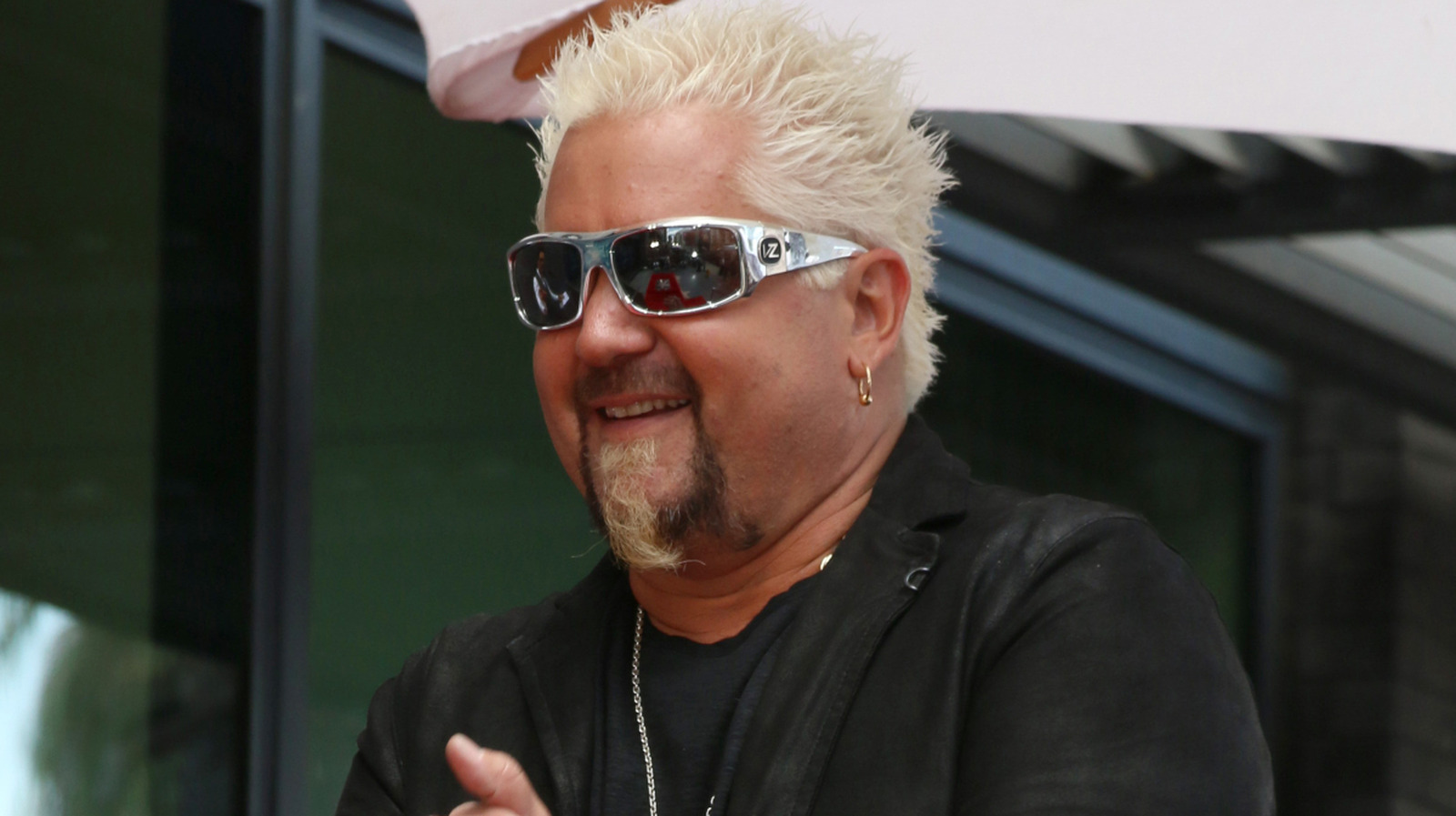
The landscape of Texas barbecue is defined by its reverence for tradition, yet in the bustling culinary scene of Houston, The Pit Room has carved out a reputation for innovation rooted in meticulous craftsmanship. This commitment to the craft was recently thrust into the national spotlight when Food Network host and culinary personality Guy Fieri visited the establishment for an episode of the long-running series "Diners, Drive-Ins and Dives." During his visit, Fieri specifically highlighted the restaurant’s handmade sausage, labeling the product "dynamite" and praising the precise balance of flavor and texture that characterizes the eatery’s signature offerings.
The Anatomy of a Perfect Sausage
The secret to the acclaim received by The Pit Room lies in a rigorous, multi-stage production process overseen by owner Michael Sambrooks. Unlike mass-produced alternatives that prioritize volume over quality, the kitchen at The Pit Room employs a deliberate methodology to ensure consistency. The process begins with the selection of high-grade raw materials; the kitchen utilizes heritage Berkshire-Duroc pork, a breed prized for its superior marbling and depth of flavor.
The pork is hand-cubed rather than processed through high-speed industrial grinders, a choice that preserves the integrity of the muscle fibers. This meat is then coated in a proprietary dry spice rub and subjected to an overnight curing process. This period allows the seasonings—a blend calibrated to complement the natural fats of the pork—to penetrate the meat thoroughly. The incorporation of cheddar cheese and pickled jalapeño brine is the final touch before the stuffing process. Notably, Sambrooks utilizes a specific type of cheddar that possesses a high melting point, preventing the cheese from turning into a liquid mess within the casing. Instead, it provides a stable, creamy contrast to the heat of the jalapeños during the smoking process.
The mixture is then loaded into all-natural casings using a hydraulic quarter-pound press. This ensures that every link is uniform in density and size. Once formed, the sausages undergo a dual-temperature smoke session. By smoking the meat at varying temperatures, the kitchen is able to render the fats effectively while ensuring the interior remains succulent and the casing achieves the characteristic "snap" that Fieri noted during his broadcast.
A Chronology of Culinary Excellence
Since its inception, The Pit Room has focused on scaling the art of traditional Texas barbecue without sacrificing the "pit-to-plate" quality that defines the state’s regional style. The establishment’s ascent to national recognition was not an overnight occurrence but rather the result of a long-term dedication to sourcing and technique.
In the years leading up to its appearance on "Diners, Drive-Ins and Dives," the restaurant invested in infrastructure that set it apart from smaller backyard-style operations. The integration of two custom-made, barrel-style offset smokers allows the pitmasters to manage airflow and heat distribution with surgical precision. Additionally, the introduction of a vertical sausage cooker allows the staff to handle high volumes of links without compromising the texture or moisture content of the meat.
The recognition from the Michelin Guide, which awarded The Pit Room a Bib Gourmand distinction, serves as an objective validation of these efforts. The Bib Gourmand is granted to establishments that provide high-quality food at a value price point, a category that aligns with The Pit Room’s mission to provide accessible, high-end barbecue to the Houston community.
Supporting Data and Market Context
The success of The Pit Room must be viewed through the lens of the broader Texas barbecue market. According to industry analysis, the craft barbecue sector has seen significant growth over the last decade, with consumers increasingly favoring establishments that demonstrate transparency in their sourcing and production.
The Pit Room’s decision to utilize USDA Prime beef alongside its heritage pork reflects a market trend where consumers are willing to pay a premium for traceability. With individual sausage links priced at approximately $6, the restaurant positions its product as an affordable luxury. This pricing strategy is supported by the labor-intensive nature of their production; a single batch of their signature barbecue sauce, for instance, requires ninety minutes of reduction time and incorporates smoked beef fat, a byproduct of their prime brisket trimming process.
Furthermore, the restaurant’s integration of a sports bar atmosphere with a traditional smokehouse layout has proven to be a successful business model. By diversifying the experience beyond the food itself, the venue has managed to cultivate a loyal customer base that views the restaurant as a social destination rather than merely a lunch counter. This multi-faceted approach has helped The Pit Room maintain high rankings on platforms such as TripAdvisor and Google, where reviews consistently cite the balance between atmosphere and culinary output.
Official Responses and Public Reception
While Michael Sambrooks has remained humble regarding the national attention, the staff at The Pit Room has noted an uptick in foot traffic following the airing of the Food Network episode. The segment featuring the "dynamite" sausage has become a primary point of discussion among visitors, many of whom are traveling from outside of Texas to experience the menu firsthand.
The reaction from the culinary community has been equally positive. Critics have frequently pointed to the sausage as an indicator of a restaurant’s true skill. In the world of Texas barbecue, brisket is often the primary metric of quality, but sausage is frequently the "hidden" metric; because it is a processed product rather than a whole muscle cut, it leaves no room for error. The fact that The Pit Room has mastered this item suggests a high level of competency across their entire menu, including their Czech-style beef and black pepper garlic venison.
Broader Impact and Implications
The success of The Pit Room highlights a shift in how regional food identities are maintained. As Texas barbecue continues to gain global recognition, the pressure on institutions to preserve authentic techniques while meeting modern health and safety standards is immense. The Pit Room demonstrates that these two goals are not mutually exclusive.
By utilizing hydraulic presses and vertical smokers, the team has successfully industrialized the "handmade" process. This does not imply a loss of quality; rather, it suggests that the future of traditional food lies in the marriage of historical recipes with modern mechanical efficiency. This evolution allows smaller, independent shops to compete in a landscape that is increasingly dominated by large-scale restaurant groups.
Furthermore, the "Fieri Effect"—a well-documented phenomenon where restaurants see a significant surge in revenue after being featured on his programs—has provided The Pit Room with a platform to advocate for the craft barbecue industry at large. By showcasing the complexity behind a single link of sausage, the segment served to educate a wider audience on the labor, time, and raw material costs associated with authentic, high-quality barbecue.
As the industry moves forward, it is likely that more establishments will look to the methodology employed at The Pit Room as a blueprint for success. Whether through the pursuit of Michelin recognition or the simple, undeniable seal of approval from a mainstream culinary icon, the restaurant has cemented its status as a vital component of the Texas food scene. For those in Houston, or those traveling through the city, the destination offers more than just a meal; it offers a look at a craft that remains committed to the principles of heat, smoke, and patience. The Pit Room stands as a testament to the idea that even in a crowded market, excellence in the details will always find an audience.
