
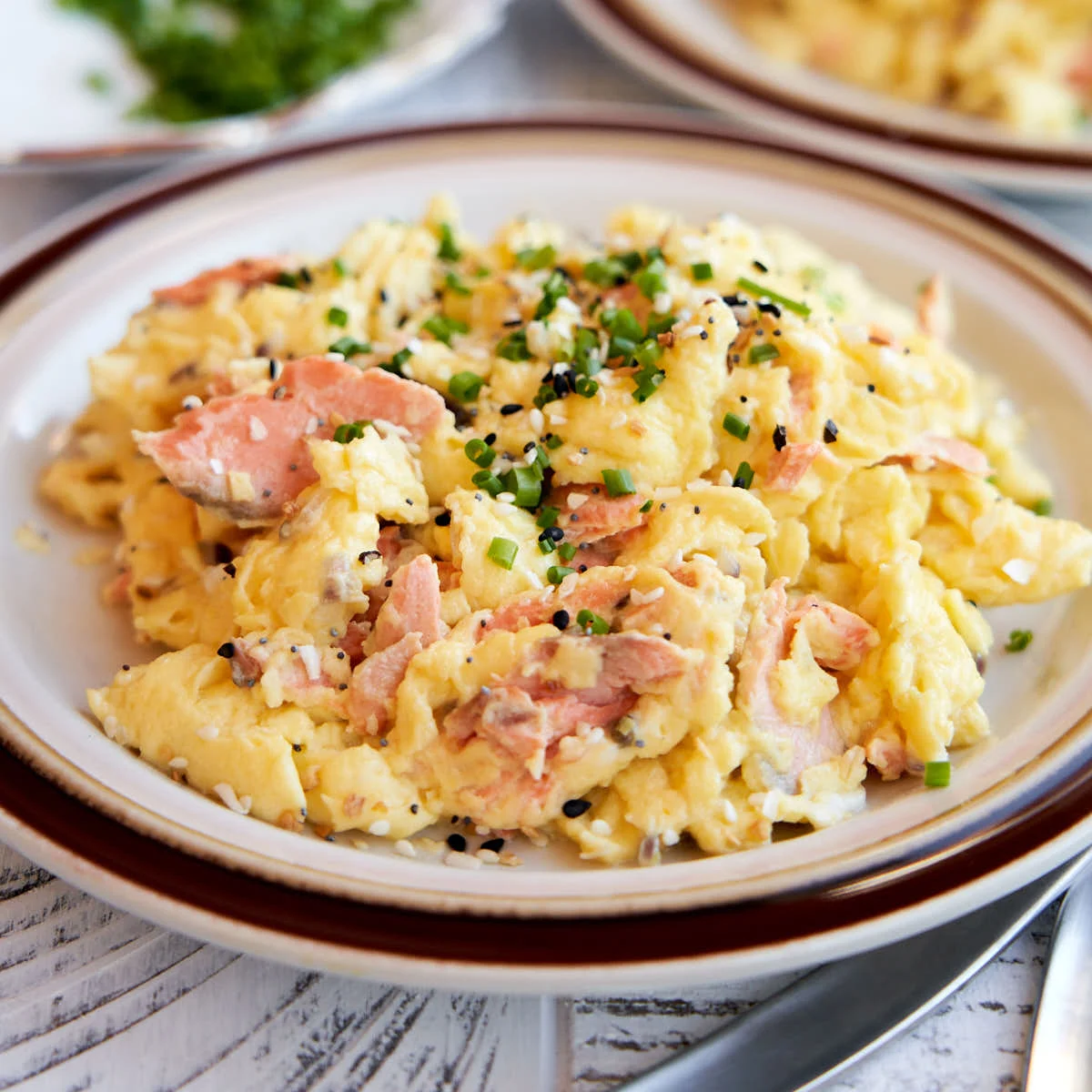
The culinary integration of high-protein seafood with traditional morning staples has seen a resurgence in home kitchens, driven by a growing emphasis on nutritional efficiency and the reduction of food waste. Specifically, the practice of combining leftover cooked salmon with scrambled eggs has transitioned from a practical "leftover hack" to a recognized method for maximizing the nutrient profile of a standard breakfast. This preparation method leverages the Omega-3 fatty acids inherent in salmon, paired with the high-quality protein and choline found in eggs, to create a meal that is both functionally dense and gastronomically balanced.
Historical Context and Nutritional Evolution
For decades, the breakfast landscape was dominated by simple carbohydrate-heavy options, such as cereals or toast. However, the rise of low-carbohydrate and ketogenic dietary patterns in the early 21st century shifted consumer behavior toward protein-centric morning meals. The salmon-and-egg combination aligns with these trends, offering a substantial amount of protein—typically exceeding 30 grams per serving—which is known to stabilize blood glucose levels throughout the morning.
Data from the USDA suggests that Atlantic salmon provides a significant source of Vitamin B12, D, and selenium, while eggs contribute lutein and zeaxanthin, which are essential for eye health. When these ingredients are combined, they provide a synergetic nutritional effect. Culinary experts have noted that the texture of properly prepared scrambled eggs acts as a delivery system for the firmer, flaky texture of cooked salmon, creating a cohesive dish that is easier to consume than the two components served in isolation.
Culinary Chronology and Preparation Methodology
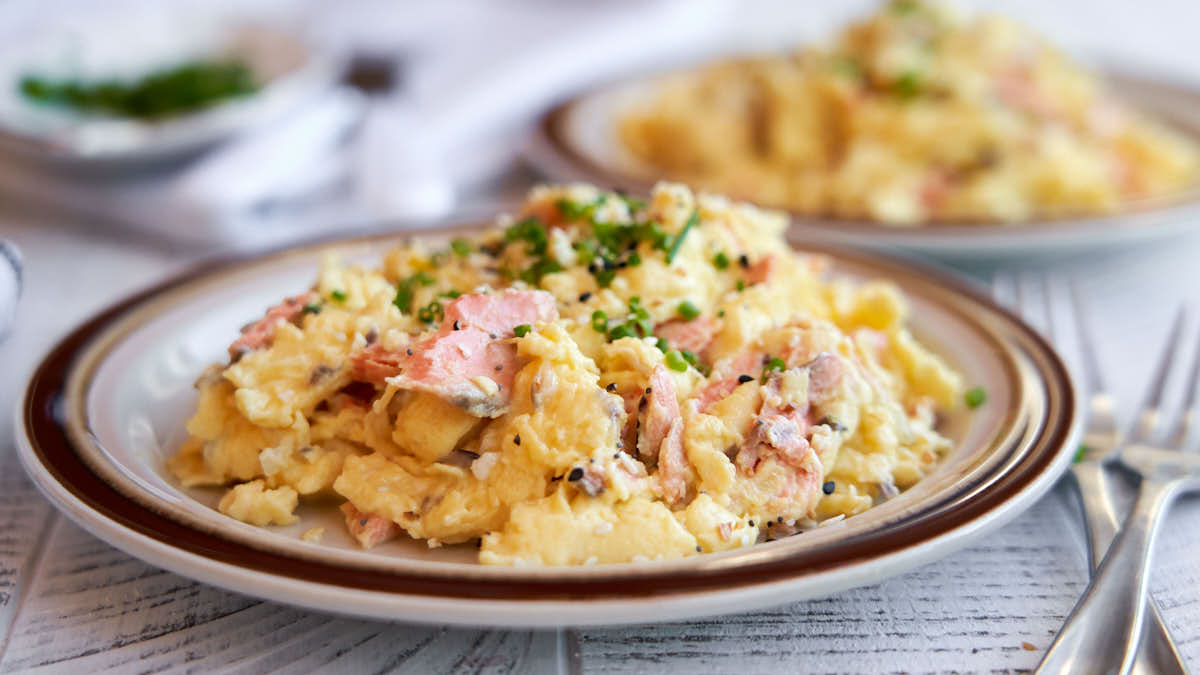
The process of creating this dish typically follows a standardized culinary sequence designed to ensure the salmon remains moist while the eggs achieve a soft, custard-like consistency.
- Preparation of the Protein Base: Ideally, the salmon is prepared via dry-heat cooking methods such as baking or pan-searing. The use of cold, leftover salmon is a common point of failure for home cooks. Professional culinary advice suggests bringing the salmon to room temperature before integration to ensure even heating.
- The Emulsification Phase: The inclusion of high-fat dairy, specifically half-and-half, is a critical technical step. From a food science perspective, the fat globules in half-and-half coat the egg proteins, preventing them from coagulating too quickly or becoming "rubbery." Whisking is performed to introduce air into the mixture, which is necessary for the aeration of the eggs.
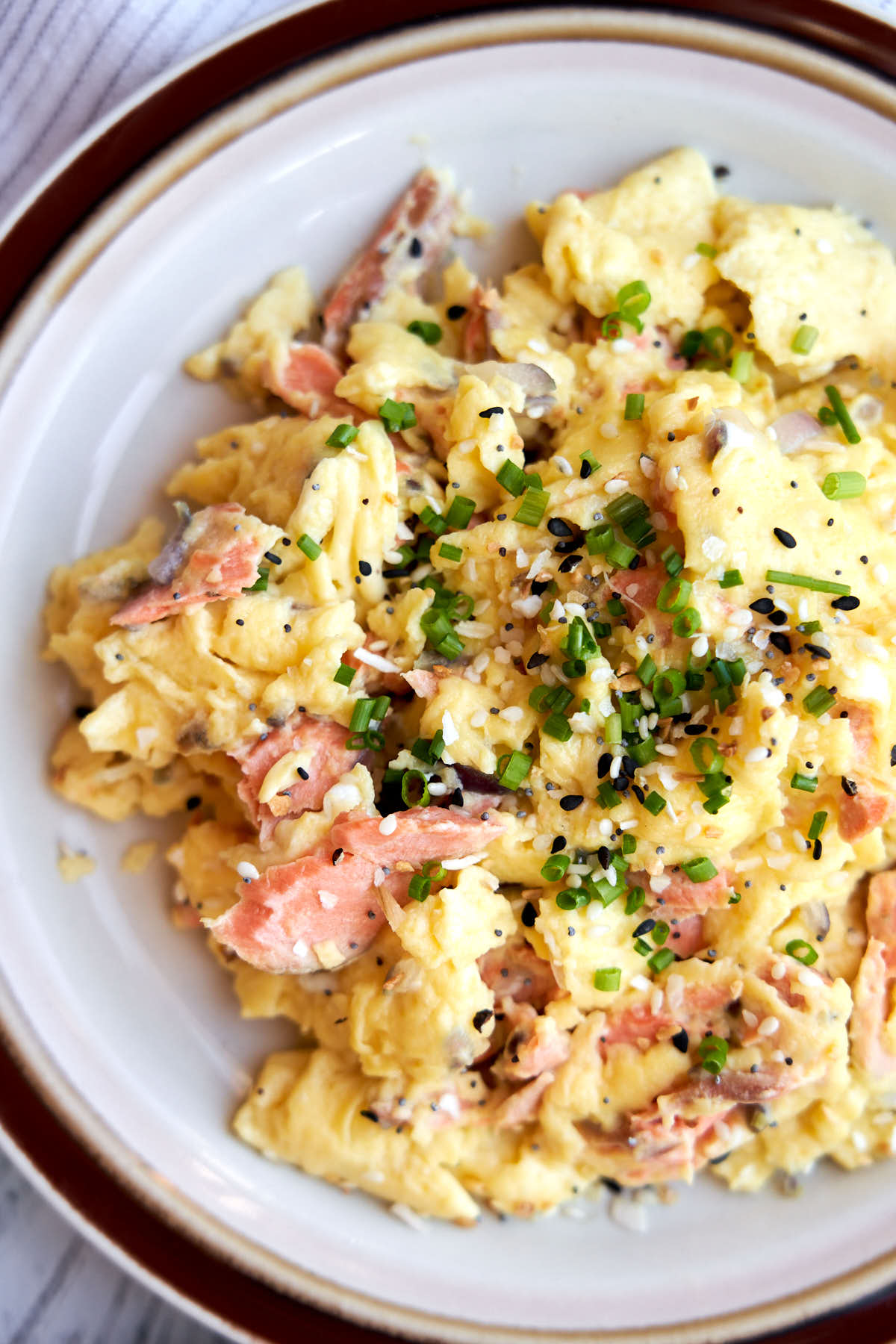
- The Folding Technique: The integration of the fish occurs in the final stages of the cooking process. Adding the salmon when the eggs are roughly 70% set allows for the residual heat of the pan to warm the fish without overcooking it, which would otherwise result in a dry, unpalatable texture.
Market Analysis: The "Everything but the Bagel" Trend
The inclusion of seasoning blends, specifically the "Everything but the Bagel" seasoning, has become a standard industry practice in modern breakfast preparations. Market data indicates that the demand for multifaceted seasonings—combining dried onion, garlic, poppy seeds, and sesame seeds—has grown steadily over the last five years. This trend reflects a broader consumer preference for "flavor layering," where simple, whole-food ingredients are enhanced by complex, shelf-stable spice profiles. The use of freeze-dried herbs, such as chives, serves a dual purpose: providing a fresh-herb aesthetic while ensuring a long shelf life and consistent availability for the home cook.
Exclusion of Smoked Salmon: Technical Constraints
A common point of confusion in home preparation is the attempted use of cold-smoked salmon or lox. Culinary professionals advise against this, citing two primary reasons. First, the salt content in commercially cured salmon is often high enough to overpower the subtle profile of scrambled eggs. Second, the thermal sensitivity of smoked salmon leads to rapid degradation in texture when exposed to heat, resulting in a product that is significantly drier and saltier than intended. The recipe is, therefore, strictly designed for cooked, non-cured salmon.
Broader Impact on Home Cooking Efficiency
The shift toward incorporating leftovers into breakfast recipes serves as an effective, if small-scale, strategy for waste reduction. With global food waste remaining a critical issue in modern logistics, the utilization of leftover salmon—a relatively expensive protein—represents an economic benefit to the household. By repurposing dinner proteins for breakfast, consumers effectively lower the per-meal cost of high-quality animal proteins while diversifying their dietary intake.
Implications for Breakfast Culture
The emergence of such dishes suggests a departure from traditional "sweet" breakfasts toward more savory, nutrient-dense options. This transition has been supported by the proliferation of online cooking platforms and recipe databases that emphasize convenience, minimal cleanup, and high-protein content. The "Salmon and Eggs" format is increasingly viewed as a viable alternative for busy professionals seeking a quick, satiating meal that does not rely on processed sugars or refined flour products.
As dietary guidelines continue to emphasize the importance of fatty acids and high-quality protein, dishes that successfully combine these elements will likely remain staples in the modern kitchen. The success of this preparation, however, remains dependent on the adherence to specific techniques, such as proper egg aeration and the careful timing of ingredient integration, to ensure that the finished product meets professional standards of taste and texture.
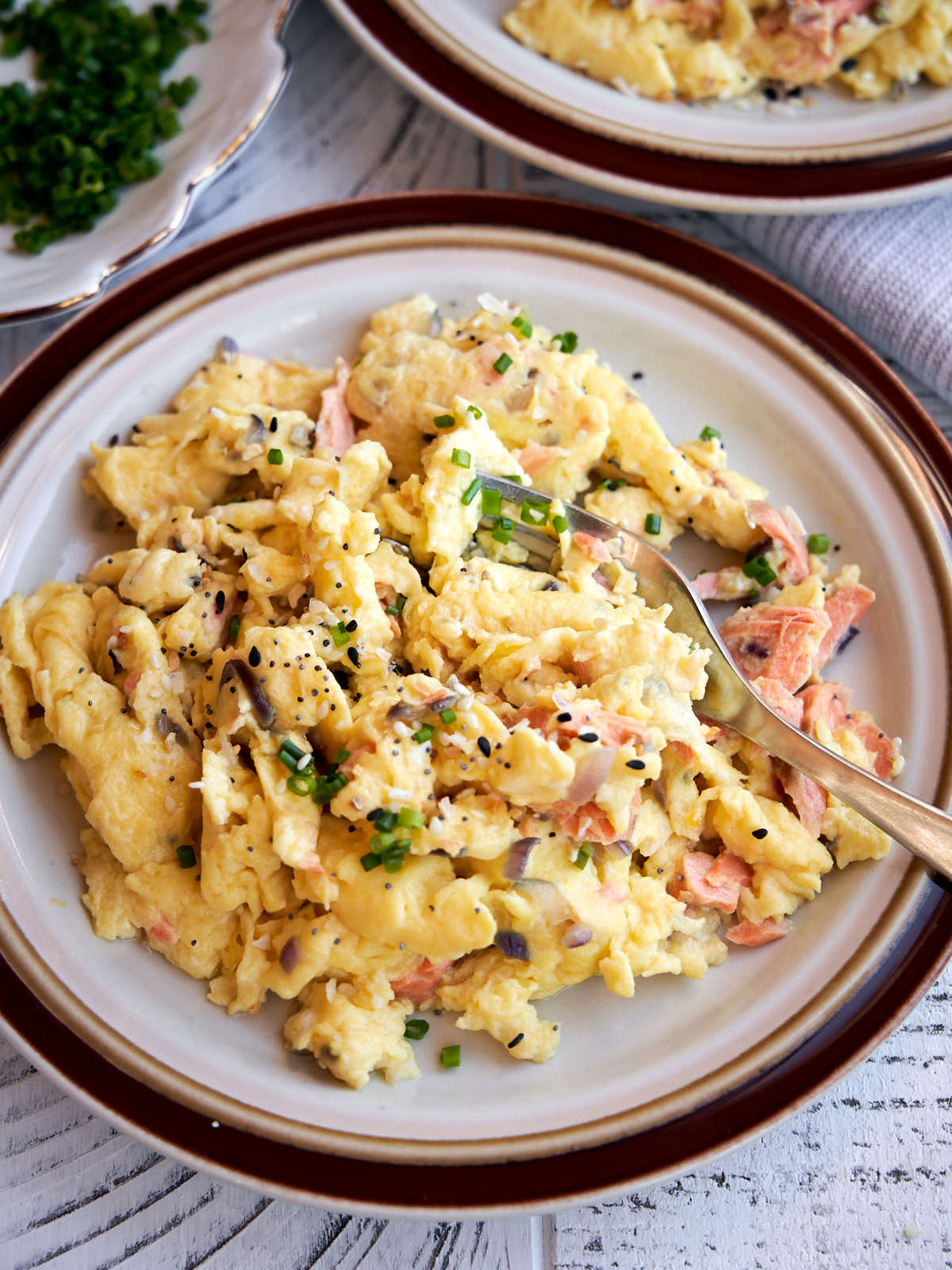
By standardizing these methods, home cooks can effectively bridge the gap between restaurant-quality nutrition and the convenience of home-prepared meals. As with many classic pairings, the simplicity of the dish belies the complexity of its nutritional and culinary value, reinforcing its position as a sustainable and effective component of a balanced modern diet. Future trends may see further innovations in this space, potentially incorporating additional antioxidants or fiber-rich accompaniments to further enhance the nutritional profile of this traditional breakfast pairing.
