
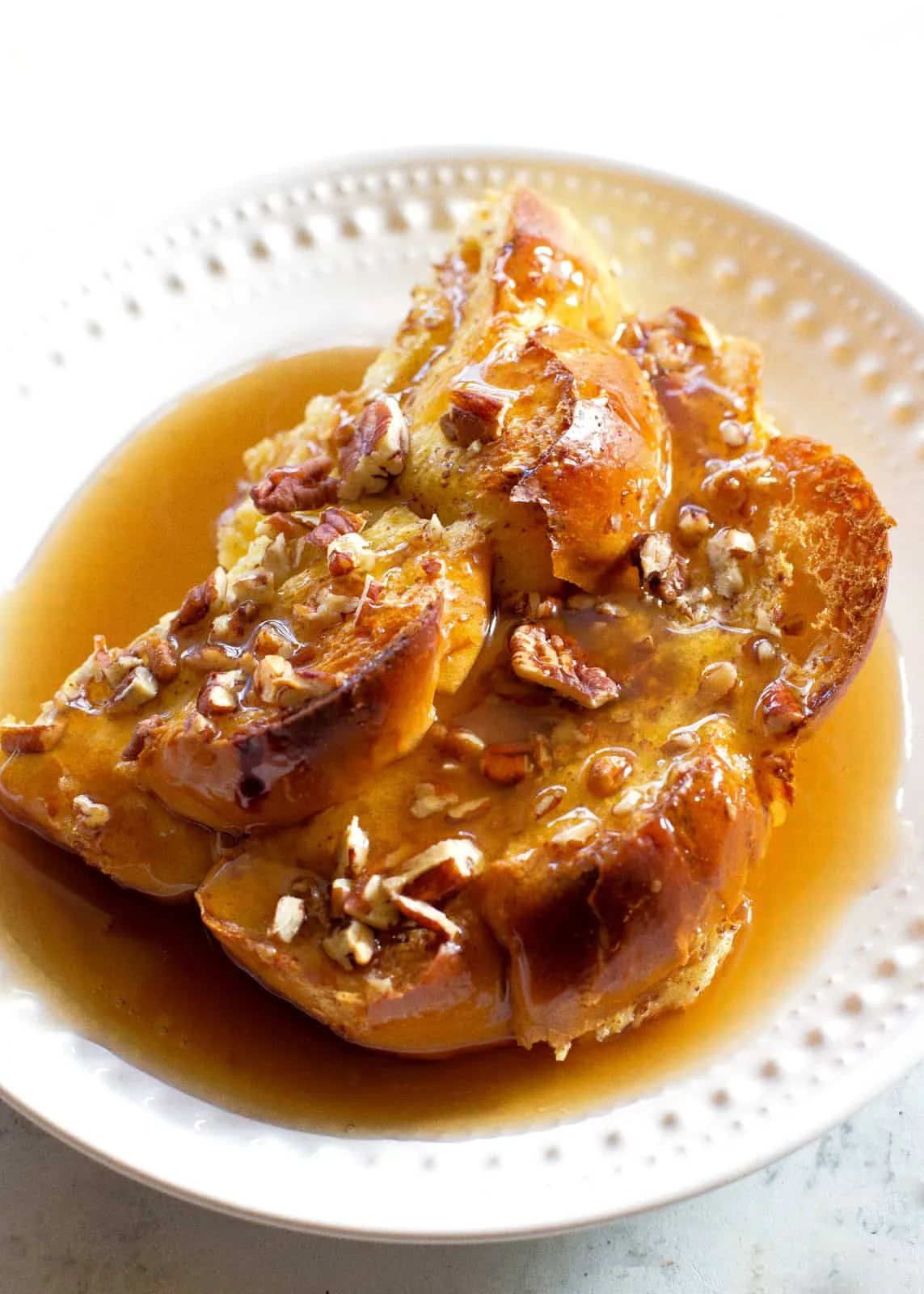
The Evolution of Breakfast Convenience
The historical lineage of French toast, known in various cultures as pain perdu or "lost bread," was originally conceived as a practical method for repurposing stale bread. By soaking hardened loaves in a mixture of eggs, milk, and sweeteners, home cooks were able to salvage ingredients that would otherwise be discarded. In the 21st century, this utilitarian concept has been transformed into a sophisticated breakfast casserole.
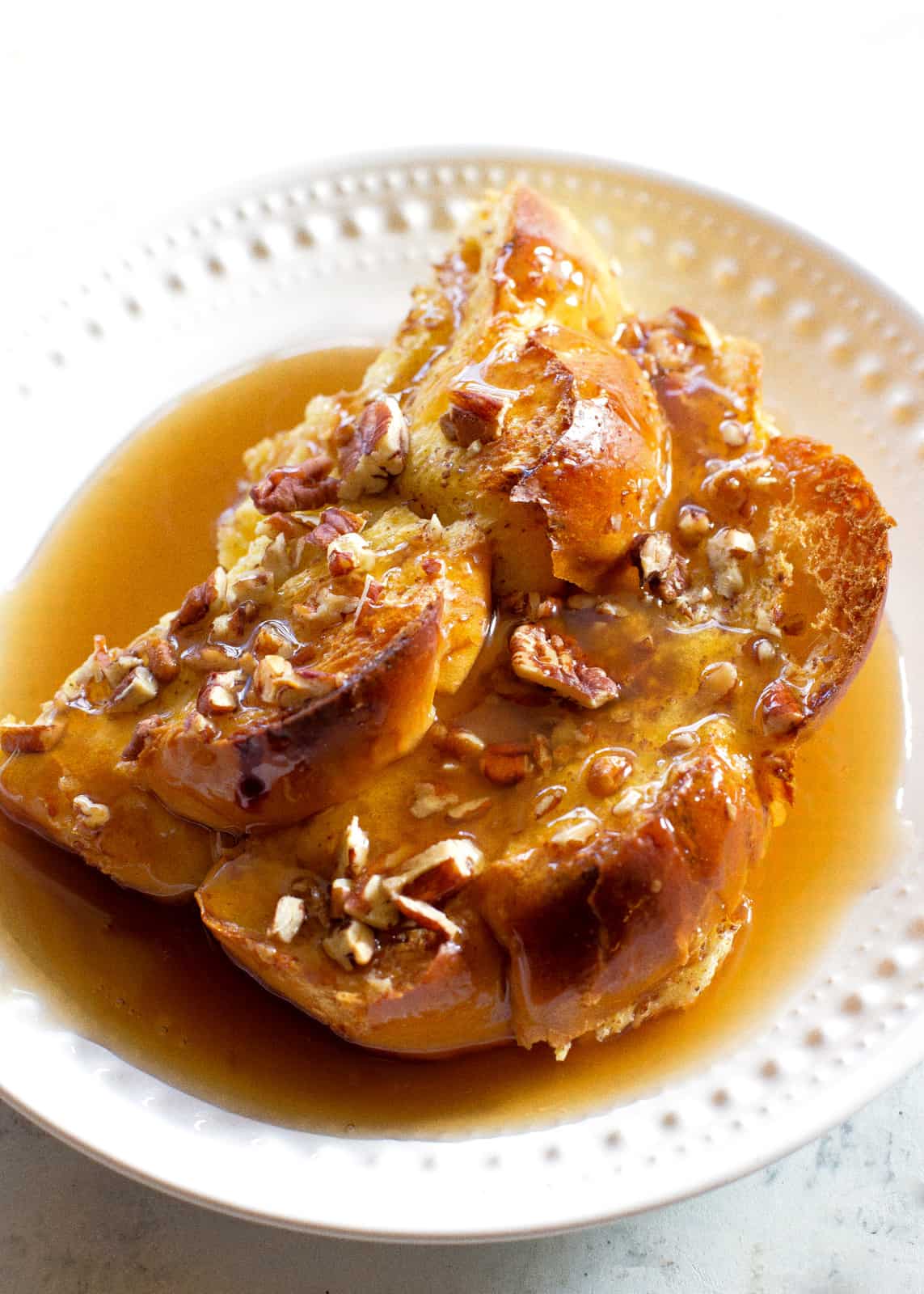
Current culinary trends show a movement toward "overnight" preparation techniques, which capitalize on the biological process of hydration. By allowing bread to remain submerged in a custard base for an extended period—typically between four and twelve hours—the crumb structure of the bread undergoes a complete transformation. The starch molecules absorb the liquid, ensuring that the interior of the dish remains creamy and moist, while the exterior develops a caramelized, golden-brown crust. This technique effectively eliminates the "soggy bottom" issue that often plagues improperly executed baked French toast recipes, a problem frequently cited in professional food science analysis regarding bread-based puddings and bakes.
Technical Composition and Ingredient Selection
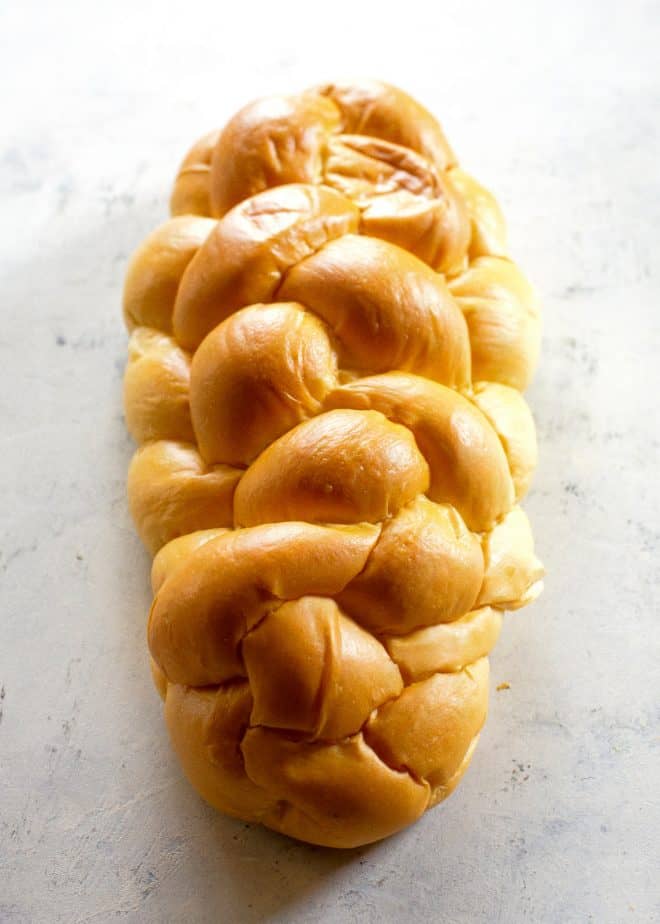
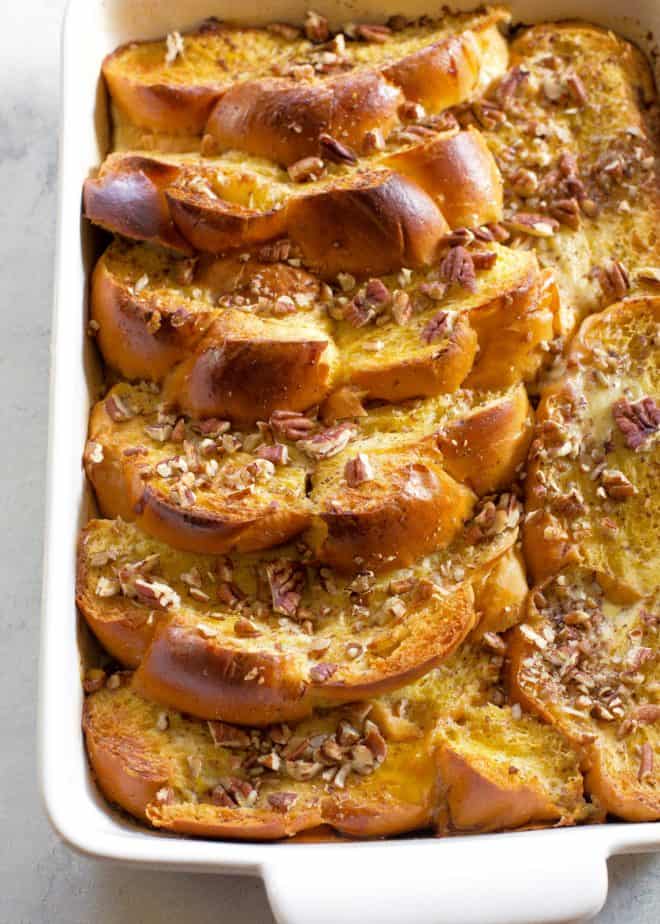
The structural integrity of a French toast casserole is largely dependent on the choice of bread. While traditional recipes often rely on standard sandwich loaves, culinary experts suggest that high-protein, enriched breads such as Challah or Brioche offer superior results. These breads possess a higher fat content and a tighter crumb structure, which allows them to withstand prolonged soaking in a custard mixture without losing their shape or dissolving into a paste.
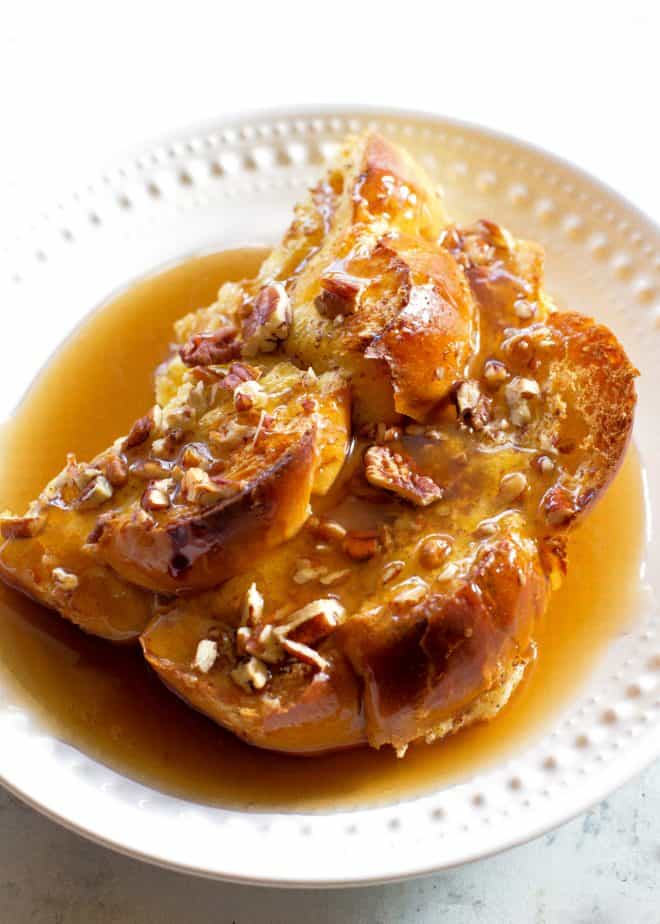
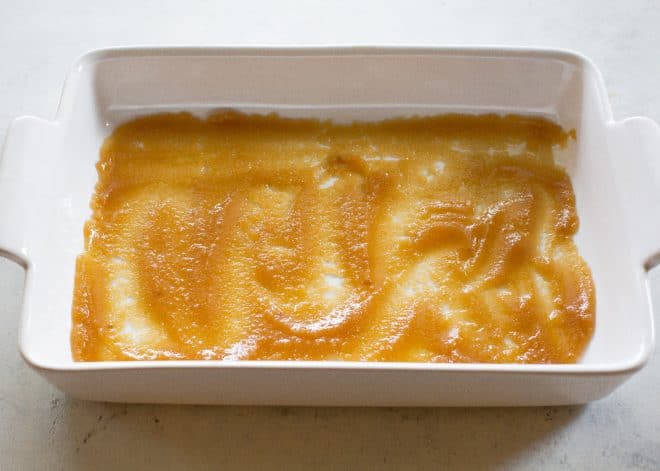
The custard base is generally comprised of a ratio of eggs to dairy, often augmented with vanilla extract, cinnamon, and a variety of sweeteners. The incorporation of a brown sugar and butter layer at the base of the baking vessel serves a dual purpose: it acts as a non-stick barrier and creates a deep, caramelized flavor profile that permeates the bottom layer of bread during the heating process. Data from culinary surveys indicate that the addition of nuts, such as pecans, provides a necessary textural contrast to the soft bread and custard, effectively elevating the dish from a simple carbohydrate-heavy breakfast to a more complex, multi-dimensional meal.
Chronology of the Overnight Preparation Method
The methodology for creating an overnight casserole follows a standardized, chronological sequence designed to maximize flavor absorption:
- Base Layering (T-Minus 12 to 24 hours): The preparation begins with the application of a fat-sugar mixture to the bottom of the casserole dish. This creates the foundation for the caramelization process.
- Bread Incorporation: The chosen bread is cubed or sliced and arranged uniformly within the dish. Uniformity is critical to ensure that every piece of bread receives an equal portion of the liquid infusion.
- Custard Saturation: The liquid mixture—typically eggs, milk, cream, and aromatics—is poured over the bread. The assembly is then covered to prevent moisture loss.
- The Cold-Soak Phase: The dish is refrigerated. During this phase, the bread undergoes cold-starching, where the moisture is distributed evenly through the bread matrix. Research suggests that a minimum of four hours is required for optimal saturation, though many practitioners prefer an overnight rest to ensure deep flavor development.
- The Thermal Transformation: Upon removal from the refrigerator, the casserole is baked at a consistent temperature. This step is essential for setting the eggs and achieving the desired custard-like consistency throughout.
Comparative Analysis of Preparation Times
While the "overnight" nomenclature implies a necessity for long-term preparation, culinary testing confirms that the dish maintains a high level of quality even when the soaking period is bypassed. When the casserole is baked immediately after assembly, the result is a lighter, more bread-like texture. Conversely, the overnight method produces a denser, pudding-like consistency. This flexibility makes the dish uniquely suited for diverse schedules, providing a solution for both the planned brunch host and the spontaneous home cook.
The ability to bypass the refrigeration stage without compromising the structural integrity of the final product demonstrates the resilience of the dish. It serves as a viable alternative for families who may lack the refrigerator space for large-format dishes or who find themselves needing a hot, substantial meal with minimal lead time.
Nutritional and Social Implications
From a nutritional perspective, the French toast casserole is a calorie-dense breakfast option, often characterized by its high carbohydrate and sugar content. However, when compared to mass-produced, store-bought convenience foods, the homemade variety allows for greater control over ingredient quality. By utilizing high-quality, artisanal breads and adjusting the levels of added sugar, consumers can mitigate the potential for excessive caloric intake often associated with restaurant-style breakfast dishes.
Socially, the casserole serves a distinct function as a "crowd-pleaser." The scale of the dish allows for the simultaneous feeding of large groups, which aligns with the logistical needs of holiday gatherings, weekend brunches, and family-oriented events. The psychological comfort associated with warm, bread-based breakfasts contributes to the sustained popularity of the recipe across various demographics.

Professional Observations and Expert Consensus
Culinary professionals frequently highlight the importance of "resting" the dish after it emerges from the oven. Similar to resting a roasted protein, allowing the casserole to sit for five to ten minutes post-baking enables the custard to firm up and the flavors to stabilize. This ensures that the dish can be served in clean, uniform squares rather than falling apart during the plating process.
Furthermore, the integration of toppings—such as maple syrup, buttermilk syrups, or a light dusting of powdered sugar—acts as a final balancing agent. The acidity of certain syrups can cut through the richness of the butter and egg custard, providing a palate-cleansing effect that prevents the dish from becoming cloying.
Conclusion: The Future of the Casserole
As kitchen technology continues to advance, the methods for preparing such dishes remain remarkably consistent, rooted in the foundational principles of chemistry and heat transfer. The enduring appeal of the overnight French toast casserole lies in its balance of simplicity and decadence. It is a dish that does not require advanced culinary training to master, yet it offers a level of satisfaction that is increasingly rare in the era of fast-food breakfast alternatives.
As data on consumer behavior continues to show a preference for "back-to-basics" cooking, the overnight French toast casserole will likely remain a staple in the repertoire of the home cook. Its ability to serve as a versatile, customizable, and efficient breakfast solution ensures its relevance for years to come. Whether served as a Sunday morning tradition or as a quick, hot meal during a busy week, the dish remains a testament to the effectiveness of thoughtful, prepared-ahead meal planning.
