
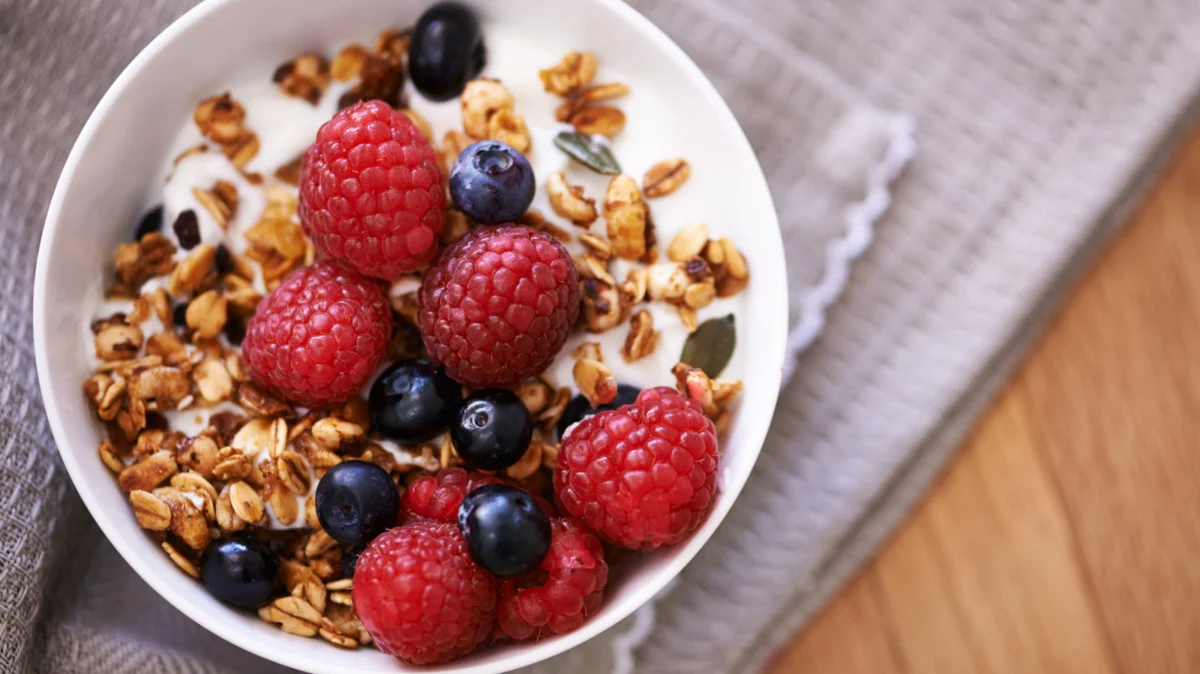
Granola has long occupied a paradoxical space in the American diet. Often marketed as the quintessential "health food"—frequently depicted alongside images of hiking trails and yoga studios—it is often a wolf in sheep’s clothing. While the base ingredients of oats, nuts, and seeds provide an excellent foundation for a nutritious breakfast, the reality of the supermarket shelf is frequently far grimmer. Many mainstream commercial granolas are loaded with high-fructose corn syrup, refined sugars, and excessive saturated fats, often rivaling traditional sugary breakfast cereals in their caloric density and glycemic impact.
For the health-conscious consumer, the gap between perception and reality is bridged only by the fine print on the nutrition facts label. As public awareness regarding metabolic health and the dangers of added sugar increases, nutritionists and food scientists have shifted their focus toward products that offer high fiber, sustained energy, and minimal processing.
The Evolution of the Granola Market
The commercialization of granola began in earnest during the health-food boom of the 1960s and 1970s. Originally popularized by figures like Dr. James Caleb Jackson and later John Harvey Kellogg, the product was intended as a digestive aid. However, as the product moved from health-food cooperatives to national supermarket chains, convenience became the primary driver of product development. To ensure shelf stability and mass-market appeal, manufacturers introduced binding agents like brown sugar, glucose syrup, and palm oil.
In recent years, a correction has occurred within the industry. A new wave of independent, mission-driven companies has emerged, prioritizing "clean label" transparency. These brands are responding to consumer demand for regenerative agriculture, gluten-free certifications, and lower sugar profiles. By shifting toward unrefined sweeteners like dates and maple syrup, these producers are effectively redefining the category.
Evaluating Nutritional Integrity
To distinguish between a truly healthy breakfast option and a "health-haloed" dessert, one must look beyond the front-of-package marketing. The primary criteria for a high-quality granola include:
- Added Sugar Content: A standard serving should ideally contain under 5 grams of added sugar.
- Protein-to-Carbohydrate Ratio: Higher protein levels help stabilize blood glucose, preventing the post-meal energy crash.
- Fat Quality: Priority is given to monounsaturated and polyunsaturated fats derived from nuts and seeds rather than saturated fats from excessive coconut or palm oils.
- Ingredient Integrity: The absence of artificial flavors, colors, or chemical preservatives is non-negotiable for modern health standards.
Top Tier Selections: A Curated Overview
Seven Sundays: The Power of Ancient Grains
Seven Sundays has distinguished itself by incorporating sorghum, an ancient, drought-resistant grain that offers a robust protein profile. Their use of upcycled oat protein—a byproduct of oat milk production—represents a dual victory for both nutrition and sustainability. With only 2 grams of added sugar per half-cup serving, this product provides 6 grams of protein and 4 grams of fiber, positioning it as a top-tier choice for those requiring sustained morning fuel.
Kroma Super Granola: The Superfood Approach
Moving into the premium space, Kroma incorporates ingredients traditionally relegated to the health-supplement aisle. With hemp seeds, goji berries, and maca, the profile is dense in essential fatty acids and antioxidants. While the price point reflects its status as a boutique item, the nutritional density—specifically the inclusion of complex adaptogens—provides a functional benefit that standard oat-based granolas cannot match.
Simple Trail: The Case for Preservative-Free Production
Simple Trail stands out for its commitment to small-batch, hand-crafted production. By avoiding preservatives entirely, the brand forces a focus on fresh, organic ingredients. The use of cardamom and cinnamon creates a depth of flavor that offsets the need for large quantities of sugar. With 5 grams of protein per serving and a blend of four types of seeds (sunflower, pumpkin, chia, and flax), it offers a balanced nutrient profile that is rare in the current market.
Michele’s Almond Butter Granola: Healthy Fat Optimization
Michele’s utilizes almond butter as a primary binder, which introduces healthy fats and magnesium to the breakfast bowl. While slightly higher in sugar than some competitors, the satiety provided by the dense nut content means that a smaller portion is required to reach the same level of fullness. The use of expeller-pressed canola oil, rather than saturated-fat-heavy tropical oils, keeps the heart-health profile superior to most mass-market brands.
Early Bird: The Olive Oil Innovation
Early Bird represents a departure from traditional binding methods by utilizing olive oil. This substitution introduces heart-healthy polyphenols into a breakfast context. The resulting flavor is subtly savory and earthy, appealing to those who prefer their breakfast less saccharine. It remains a low-calorie option, providing a clean, crunchy texture that pairs exceptionally well with nut milks or Greek yogurt.
Nature’s Path: Organic Accessibility
Nature’s Path serves as the bridge between boutique health food and mass-market availability. Their Pumpkin Seed + Flax variety demonstrates that large-scale organic production can maintain nutritional standards. By using soy oil and a blend of brown rice syrup and molasses, the brand manages to keep saturated fat levels impressively low (1 gram per serving), while maintaining the fiber content necessary for digestive health.
Grandy Organics: Regenerative Standards
Grandy Organics operates on the principle of Regenerative Organic Certified (ROC) standards. Their inclusion of amaranth, buckwheat, and quinoa provides a diverse amino acid profile. Furthermore, the use of solar-powered production facilities addresses the environmental impact of the product, aligning the brand with the values of the modern, environmentally conscious consumer.
Broader Implications for the Food Industry
The shift toward these healthier granola options is not merely a trend; it is a response to the increasing prevalence of diet-related metabolic disorders. According to data from the FDA, the average American exceeds the recommended daily intake of added sugars, with breakfast foods being a primary contributor.
Industry analysts observe that as consumers become more "label literate," manufacturers of conventional granolas are under increasing pressure to reformulate. The success of brands like Seven Sundays and Grandy Organics suggests that there is significant market viability in prioritizing nutrition over shelf-life.
Conclusion
The transition from sugary, processed cereal to nutrient-dense granola is a significant step toward improving overall dietary habits. While these selections represent the current gold standard in retail, the best advice remains to scrutinize every label. Whether through the inclusion of ancient grains, the use of heart-healthy oils, or the integration of superfood seeds, the granolas highlighted here prove that breakfast can be both satisfying and profoundly nourishing. As the food industry continues to evolve, consumers should expect further innovations in ingredient sourcing and a continued reduction in the reliance on refined sweeteners, ultimately making the "healthy breakfast" label a reality rather than a marketing tactic.
