
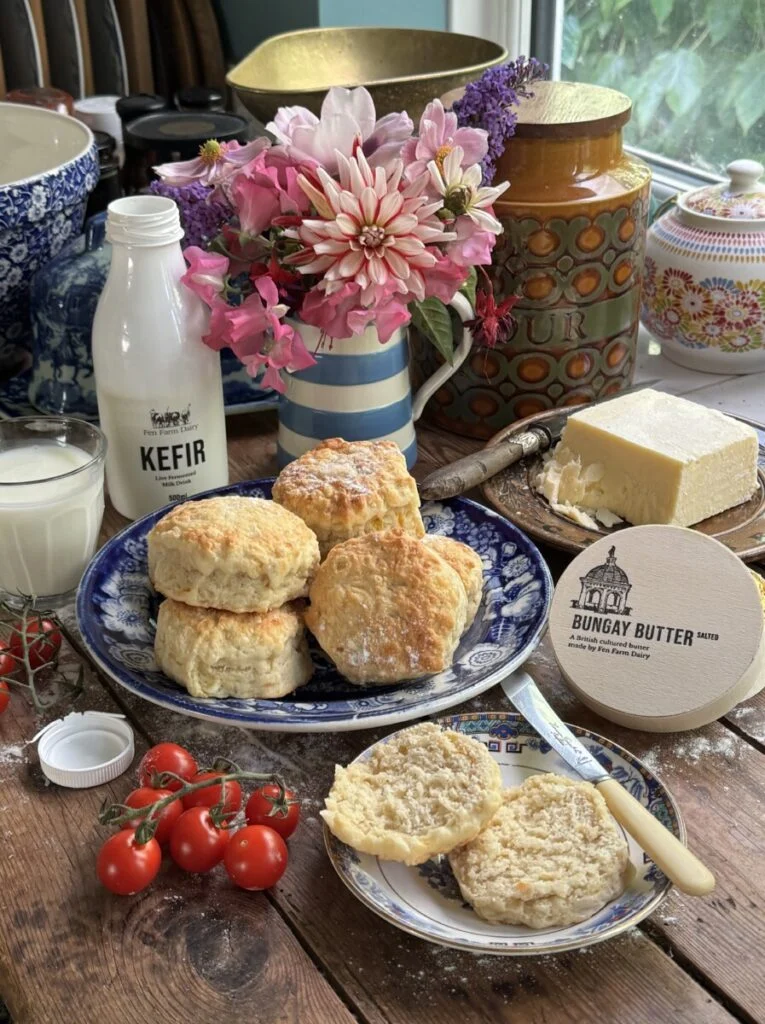
The Rise of Kefir in Modern Home Baking
Kefir, a fermented milk drink originating from the Caucasus Mountains, has transitioned from a niche health product to a mainstream pantry staple. Traditionally prepared by adding kefir grains—a symbiotic culture of bacteria and yeast—to milk, the resulting beverage is prized for its high concentration of probiotics, vitamins, and minerals. In the context of baking, the acidity and carbonation inherent in live-culture kefir serve as a potent leavening agent. When combined with alkaline ingredients, such as bicarbonate of soda, the acidity initiates a rapid chemical reaction that creates a light, airy crumb structure often superior to that achieved with traditional milk or buttermilk.

Fen Farm Dairy, the supplier featured in this recent culinary innovation, has gained industry recognition for its adherence to traditional farming practices. By utilizing a herd of Montbéliarde cows—a breed renowned for the high protein and fat content of its milk—the dairy produces a base ingredient that possesses a unique depth of flavor. The integration of Normandy-sourced live cultures further elevates the product, aligning with a broader consumer preference for traceable, small-batch, and high-welfare food sources.

Chronology and Development of the Recipe
The emergence of this specific recipe follows a timeline of increasing interest in home-based culinary experimentation throughout 2026.

- Early 2026: Increased consumer focus on gut health, fueled by clinical studies published in major medical journals, leads to a 15% rise in fermented dairy product sales in the United Kingdom.
- July 2026: Fen Farm Dairy expands its range of artisanal fermented products, drawing attention from culinary experts for their commitment to traditional techniques.
- August 10, 2026: The formal introduction of the Very Cheesy Scones with Kefir recipe is published, detailing the precise application of fermented dairy as a direct substitute for buttermilk or plain yogurt in savory baked goods.
- Late August 2026: Initial feedback from culinary circles suggests that the incorporation of kefir significantly improves the moisture retention and shelf-life of savory scones, potentially impacting standard recipes used in both professional and domestic kitchens.
Nutritional Profile and Health Implications
The nutritional data associated with this recipe suggests a functional food approach to traditional comfort eating. Each serving contains approximately 279 calories, 12 grams of fat, and 8 grams of protein. While scones are traditionally viewed as high-carbohydrate, energy-dense foods, the inclusion of kefir introduces beneficial microorganisms that may support digestive health.

From a biochemical perspective, the fermentation process partially breaks down lactose, making these scones a more accessible option for individuals with mild lactose sensitivity compared to those made with standard dairy milk. Furthermore, the use of high-quality cheese, such as the "Punch" variety produced by Fen Farm Dairy, provides a dense source of calcium and essential amino acids. The combination of probiotics and high-quality fats creates a profile that is increasingly favored by nutritionists who advocate for "whole food" baking, which prioritizes nutrient density over purely calorie-conscious ingredient substitutions.

Culinary Analysis: The Chemistry of the Scone
The success of this specific recipe relies on the interaction between the lactic acid in the kefir and the leavening agents. In standard baking, the "rise" of a scone is dependent on the rapid release of carbon dioxide. Kefir, being naturally effervescent and acidic, accelerates this process. Culinary experts note that the texture achieved through this method is notably more tender than that produced by commercial leavening agents alone.

The "Very Cheesy" aspect of the recipe serves a dual purpose: sensory appeal and structural integrity. By incorporating a high ratio of aged, sharp cheese, the baker increases the lipid content of the dough, which coats the flour proteins and prevents the formation of excessive gluten. This results in a crumb that is flaky rather than doughy—a hallmark of high-quality, artisanal baking.

Broader Market Impact and Industry Trends
The popularity of recipes such as this highlights a growing consumer trend toward "farm-to-table" home cooking. As the cost of living fluctuates, many consumers are returning to the kitchen to recreate premium bakery experiences at home. The ability to source ingredients from local, independent producers allows the home cook to achieve results that rival professional establishments.

Industry analysts suggest that the "kefir-as-ingredient" trend is likely to expand into other areas of baking, including breads, pancakes, and pastry crusts. The versatility of kefir as a functional liquid base offers a significant opportunity for dairy producers to expand their market reach beyond the beverage aisle. Furthermore, the emphasis on using regional, high-welfare products aligns with environmental and ethical sustainability goals, as consumers increasingly seek to reduce their carbon footprint by sourcing ingredients from local farms rather than relying on mass-produced, long-distance supply chains.

Expert Perspectives on Home Fermentation
While the convenience of purchasing pre-made kefir remains popular, there is a concurrent rise in the DIY fermentation movement. Experts in food science note that the ability to control the fermentation time and the source of the milk allows for a more personalized flavor profile. For home bakers, the ability to produce their own kefir using starter cultures creates a cyclical, sustainable culinary loop that reduces waste and increases food self-sufficiency.

"The shift toward incorporating active, live-culture ingredients into everyday recipes represents a fundamental change in how we view the kitchen," says one industry commentator. "It is no longer just a place for preparation, but a site of active biological processing."

Looking Forward: The Future of Savory Baking
As National Afternoon Tea Week approaches, the resurgence of the classic British scone—reimagined with modern, probiotic-heavy ingredients—serves as a microcosm for the evolution of traditional gastronomy. The emphasis remains on quality, provenance, and the health-conscious adaptation of classic recipes. Whether served as a standalone snack or as a side to seasonal soups and stews, these scones exemplify the potential for modernizing traditional recipes without sacrificing the heritage or the comfort that they provide.

The continued success of such recipes will likely depend on the accessibility of high-quality, artisanal ingredients. As regional dairies and local farms continue to form partnerships with culinary platforms, the ability for the average home baker to access these ingredients will determine the longevity of this trend. For now, the integration of kefir into the kitchen remains a testament to the enduring appeal of the scone, proving that even the most traditional recipes can benefit from a fresh, scientifically-backed approach.
