
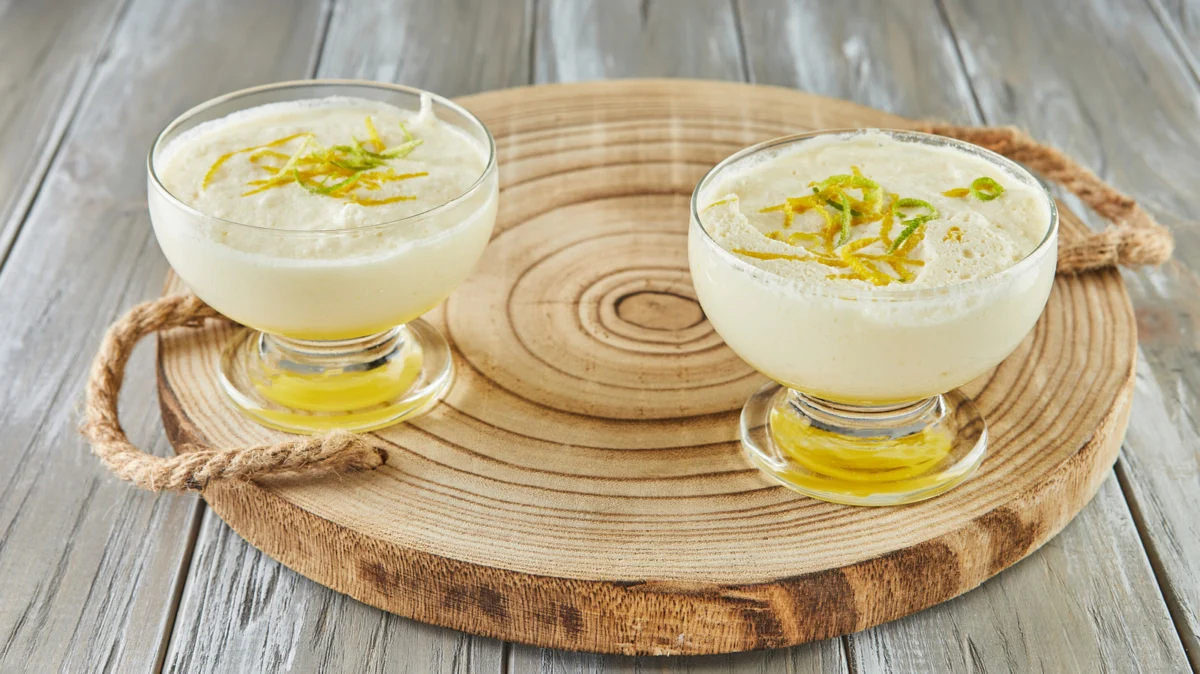
The culinary landscape has long been defined by a dichotomy between the accessibility of home cooking and the perceived technical difficulty of high-end pastry. Traditionally, the creation of a stable, airy mousse has been reserved for those with the patience to master egg-white meringues, tempered chocolate, or precise gelatin stabilization. However, a contemporary movement in home-kitchen efficiency has popularized a simplified, three-ingredient method that relies on the chemical properties of canned dairy to achieve the same result. By utilizing the specific protein and sugar structures found in evaporated milk and sweetened condensed milk, home cooks can produce a professional-grade lemon mousse in a fraction of the time traditionally required.
The Chemistry of Canned Dairy Aeration
The success of this simplified mousse hinges on the physical transformation of evaporated milk when subjected to mechanical aeration at low temperatures. Evaporated milk, which is shelf-stable cow’s milk from which approximately 60 percent of the water content has been removed, possesses a higher concentration of proteins and fats than standard milk.
When chilled to near-freezing temperatures, the fats in evaporated milk solidify, providing the necessary structure to trap air bubbles during the whipping process. As a chef or home cook agitates the liquid with a whisk or electric beater, the protein chains denature and form a network around these air bubbles, resulting in a volume increase that mimics the light, foam-like texture of a traditional heavy cream whip.
The addition of sweetened condensed milk serves a dual purpose: it acts as both a sweetening agent and a stabilizer. Unlike evaporated milk, sweetened condensed milk has been treated with sugar, which increases the viscosity of the final mixture. This prevents the delicate air bubbles formed in the evaporated milk from collapsing, essentially "setting" the mousse without the need for bovine gelatin or agar-agar.
The Essential Role of Acidity
The final component, fresh lemon juice, introduces the necessary chemical reaction to complete the dish. The citric acid present in the lemon juice reacts with the milk proteins, causing a mild coagulation that thickens the mixture significantly. This is a common phenomenon in food science known as acid-coagulation, which is also utilized in the production of possets and certain types of fresh cheeses.
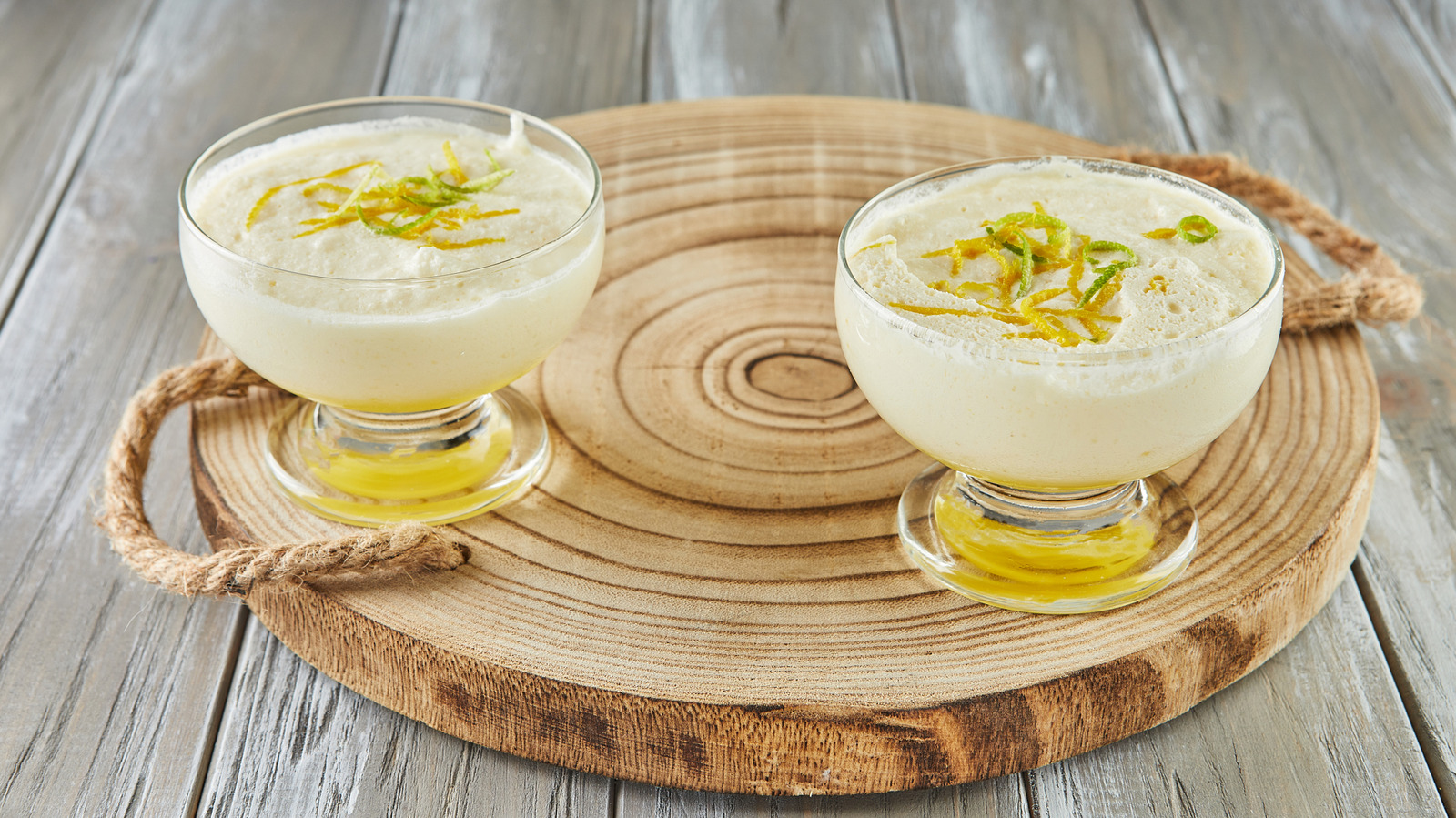
Historically, this method reflects a broader shift toward "pantry-staple cooking," a trend that gained significant momentum during the mid-20th century as canned goods became reliable staples in global households. The ability to create a sophisticated, textured dessert from long-lasting items allows for culinary flexibility in environments where fresh produce might be seasonal or limited.
Chronology of the Simplified Mousse Method
While the exact origin of the three-ingredient canned milk mousse is difficult to attribute to a single source, culinary historians note its appearance in various regional cookbooks throughout the late 1900s, particularly in Latin American cuisine, where it is often referred to as mousse de limón.
- Early 20th Century: The industrialization of milk canning allowed for widespread distribution of shelf-stable dairy, leading to early experimental recipes involving the whipping of evaporated milk.
- Mid-1970s: The method gained traction in domestic cooking magazines as a "no-bake" solution, favored for its convenience during hot summer months when operating an oven was undesirable.
- 2010s to Present: The rise of social media and short-form instructional video content has revitalized the method, positioning it as an "accessible luxury" that appeals to both novice cooks and time-constrained professionals.
Comparative Analysis: Traditional vs. Modern Techniques
A comparative analysis of the traditional mousse-making process versus this modern approach reveals significant differences in both labor and time. A classic French mousse au chocolat or fruit-based mousse typically requires:
- Thermal Management: The need to melt chocolate or prepare a fruit purée and maintain it at a specific temperature to ensure it does not seize or separate.
- Protein Manipulation: The separation of eggs and the subsequent whipping of whites into a meringue, a process requiring precise humidity and temperature control to avoid failure.
- Setting Time: Depending on the gelatin concentration, traditional mousses can take several hours to set in a refrigerator and are highly susceptible to "weeping" or syneresis if the ratios are slightly off.
Conversely, the three-ingredient canned milk method requires approximately 5 to 10 minutes of active preparation time. The primary risk factor—the "failure" point—is minimal. Provided the evaporated milk is adequately chilled, the probability of achieving a stable foam is significantly higher than that of achieving a perfect peak with egg whites, which can be affected by the presence of even trace amounts of yolk lipids.
Culinary Implications and Professional Perspectives
Professional pastry chefs often debate the "authenticity" of such shortcuts. However, data from culinary consumer surveys suggest that modern home cooks prioritize efficiency and ingredient availability over adherence to classical methodology. According to a 2023 culinary trend report, over 65% of households reported a preference for recipes that utilize shelf-stable ingredients as a primary base.
Furthermore, the implications of this method extend to food waste reduction. By utilizing canned goods, home cooks are less likely to discard half-used cartons of heavy cream or half-empty containers of eggs. The shelf life of the ingredients involved—often months or even years—allows for a "just-in-time" approach to dessert preparation.
Optimization and Customization
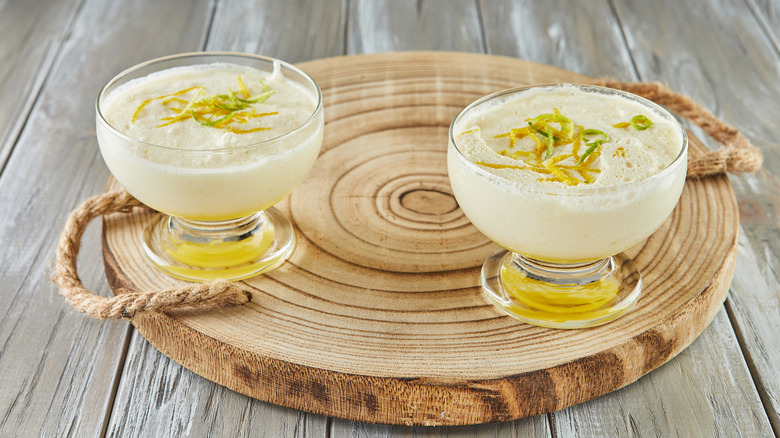
While the base recipe is chemically sound, culinary experts suggest several refinements to elevate the final product. The choice of lemon juice is paramount; while bottled juice offers consistent acidity, the volatile oils present in fresh lemon zest and juice provide an aromatic profile that is significantly more complex.
To achieve a higher-end finish, chefs recommend the following modifications:
- Temperature Control: Placing the mixing bowl and the whisk attachment in the freezer for 15 minutes prior to whipping the evaporated milk ensures the fat remains at the optimal temperature for aeration.
- Folding Techniques: When incorporating the lemon juice, a gentle folding motion is preferred over vigorous mixing to maintain the integrity of the air bubbles already established during the initial whipping phase.
- Texture Contrast: The inclusion of textural elements, such as crushed nuts (pistachios or almonds) or shortbread crumbles, provides a necessary sensory contrast to the uniform, creamy texture of the mousse.
Broader Impact on Home Dining
The accessibility of this dessert signals a democratization of the "luxurious" dining experience. By removing the technical barriers that often discourage home cooks from attempting high-end desserts, this method encourages culinary participation. It serves as an example of how fundamental food science—specifically the interaction between proteins, sugars, and acids—can be leveraged to simplify complex tasks.
As food prices fluctuate, the ability to create high-quality desserts from affordable, long-lasting ingredients remains a highly relevant skill. The "three-ingredient" model serves not only as a recipe but as a case study in practical culinary engineering. It demonstrates that with a basic understanding of how ingredients behave under physical and chemical stress, the need for complex, multi-step procedures is often rendered unnecessary.
In conclusion, the lemon mousse prepared via chilled evaporated milk and sweetened condensed milk represents the intersection of convenience and quality. It provides a reliable outcome that meets the demands of modern, fast-paced lifestyles without sacrificing the sensory appeal of a classic dessert. As culinary technology continues to evolve, it is likely that similar methods—focusing on the inherent properties of accessible, shelf-stable ingredients—will continue to gain prominence in domestic kitchens worldwide.
